
Apolipoprotein E Protein | ApoE protein
Apolipoprotein E (ApoE), Human - High Purity
Gene Names
APOE; AD2; LPG; APO-E; LDLCQ5
Purity
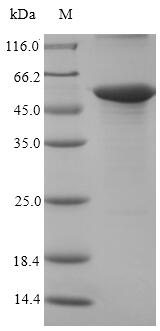
>= 95% (SDS-PAGE)
Synonyms
Apolipoprotein E; N/A; Apolipoprotein E (ApoE), Human - High Purity; Apo E; Apolipoprotein E (ApoE), Human Plasma - >=95% (SDS-PAGE); ApoE protein
Purity/Purification
>= 95% (SDS-PAGE)
Form/Format
Liquid
Sequence Length
317
Source
Human Plasma
UNSPSC Code
51131909
Recertification
2 years
Protein
0.5 - 5.0 mg/mL (A280 E=1.31)
Preparation and Storage
At -20 degree C
Related Product Information for ApoE protein
AAA Biotech is a leading producer of Apolipoprotein E (APOE) for research and manufacturing.
Technical support, bulk quantities and aliquoting available.
Human APOE is 299 amino acids long and transports lipoproteins, fat-soluble vitamins, and cholesterol into the lymph system and then into the blood. Apolipoprotein E, is synthesized principally in the liver, but has also been found in other tissues such as the brain, kidneys, and spleen. In the nervous system, non-neuronal cell types, most notably astroglia and microglia, are the primary producers of Apolipoprotein E, while neurons preferentially express the receptors for APOE.
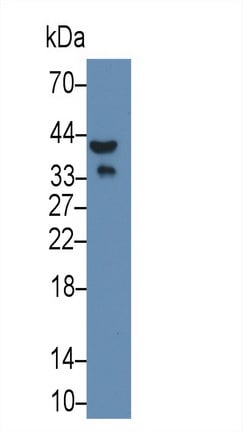
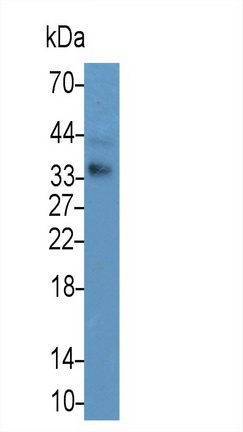
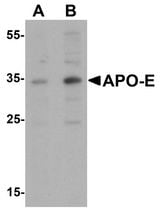
Apo-E is a 34-37 kDa glycosylated protein. Concentration in normal plasma is 5 mg/dL and is involved with triglyceride, phospholipid, cholesteryl ester, and cholesterol transport in and out of cells and is a ligand for LDL receptors.
APOE Lipoprotein has also been implicated in immune and nerve degeneration. It has been found to suppress lymphocyte proliferation. Late-onset familial and sporadic Alzheimer disease patients have been found to have a higher occurrence of one of the three common Apo-E isoforms, Apo-E4. The Apo-E4 isoform has been detected in senile plaques and neurofibrillary tangles of Alzheimer disease patients. Apo-E4 is associated with rapid chylomicron-remnant clearance and increased total cholesterol levels.
Technical support, bulk quantities and aliquoting available.
Human APOE is 299 amino acids long and transports lipoproteins, fat-soluble vitamins, and cholesterol into the lymph system and then into the blood. Apolipoprotein E, is synthesized principally in the liver, but has also been found in other tissues such as the brain, kidneys, and spleen. In the nervous system, non-neuronal cell types, most notably astroglia and microglia, are the primary producers of Apolipoprotein E, while neurons preferentially express the receptors for APOE.
Apo-E is a 34-37 kDa glycosylated protein. Concentration in normal plasma is 5 mg/dL and is involved with triglyceride, phospholipid, cholesteryl ester, and cholesterol transport in and out of cells and is a ligand for LDL receptors.
APOE Lipoprotein has also been implicated in immune and nerve degeneration. It has been found to suppress lymphocyte proliferation. Late-onset familial and sporadic Alzheimer disease patients have been found to have a higher occurrence of one of the three common Apo-E isoforms, Apo-E4. The Apo-E4 isoform has been detected in senile plaques and neurofibrillary tangles of Alzheimer disease patients. Apo-E4 is associated with rapid chylomicron-remnant clearance and increased total cholesterol levels.
Product Categories/Family for ApoE protein
NCBI and Uniprot Product Information
NCBI GI #
NCBI GeneID
Molecular Weight
34-37 kDa
NCBI Official Full Name
apolipoprotein E
NCBI Official Synonym Full Names
apolipoprotein E
NCBI Official Symbol
APOE
NCBI Official Synonym Symbols
AD2; LPG; APO-E; LDLCQ5
NCBI Protein Information
apolipoprotein E; apolipoprotein E3
UniProt Protein Name
Apolipoprotein E
UniProt Gene Name
APOE
UniProt Synonym Gene Names
Apo-E
UniProt Entry Name
APOE_HUMAN
Customer Reviews
Loading reviews...
Share Your Experience
Similar Products


Product Notes
The ApoE apoe (Catalog #AAA44844) is a Protein and is intended for research purposes only. The product is available for immediate purchase. It is sometimes possible for the material contained within the vial of "Apolipoprotein E, Protein" to become dispersed throughout the inside of the vial, particularly around the seal of said vial, during shipment and storage. We always suggest centrifuging these vials to consolidate all of the liquid away from the lid and to the bottom of the vial prior to opening. Please be advised that certain products may require dry ice for shipping and that, if this is the case, an additional dry ice fee may also be required.Precautions
All products in the AAA Biotech catalog are strictly for research-use only, and are absolutely not suitable for use in any sort of medical, therapeutic, prophylactic, in-vivo, or diagnostic capacity. By purchasing a product from AAA Biotech, you are explicitly certifying that said products will be properly tested and used in line with industry standard. AAA Biotech and its authorized distribution partners reserve the right to refuse to fulfill any order if we have any indication that a purchaser may be intending to use a product outside of our accepted criteria.Disclaimer
Though we do strive to guarantee the information represented in this datasheet, AAA Biotech cannot be held responsible for any oversights or imprecisions. AAA Biotech reserves the right to adjust any aspect of this datasheet at any time and without notice. It is the responsibility of the customer to inform AAA Biotech of any product performance issues observed or experienced within 30 days of receipt of said product. To see additional details on this or any of our other policies, please see our Terms & Conditions page.Item has been added to Shopping Cart
If you are ready to order, navigate to Shopping Cart and get ready to checkout.