
Alamar Blue Cell Viability Assay Kit
Alamar Blue Cell Viability Assay Kit
Synonyms
Alamar Blue Cell Viability; N/A; Alamar Blue Cell Viability Assay Kit; Alamar Blue Cell Viability assay kit
Instructions for use
1. Add 1/10 th volume of Alamar Blue directly to cells in culture medium,such as Add 10ul Alamar Blue to
100ul of cell suspension.
2. Incubate for 2 to 6 hours at 37°C in a cell culture incubator, protected from direct light. The color of the medium changes from indigo blue to pink.
Note: Sensitivity of detection increases with longer incubation times. For samples with fewer cells, use longer incubation times of up to 24 hours.
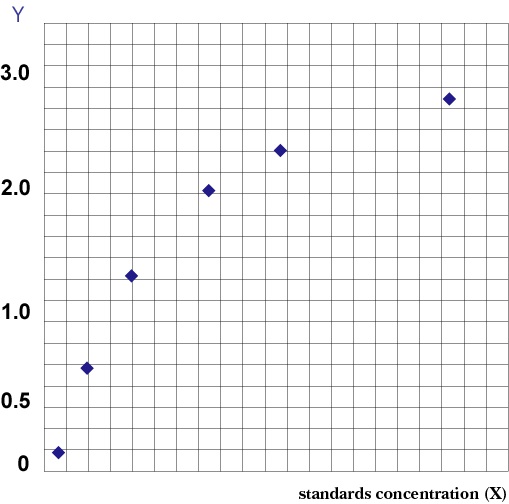
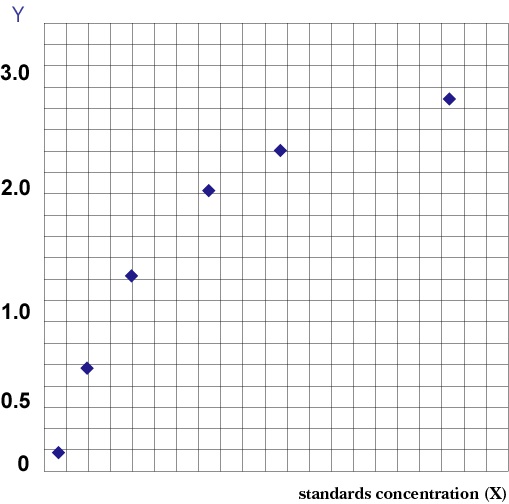
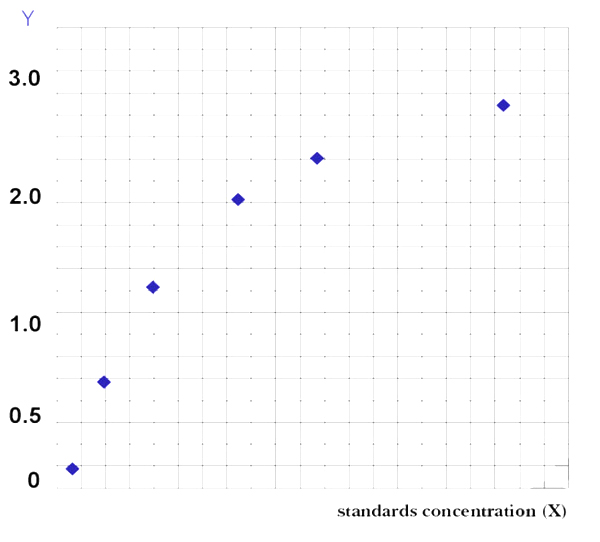
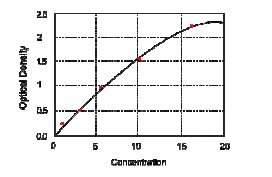
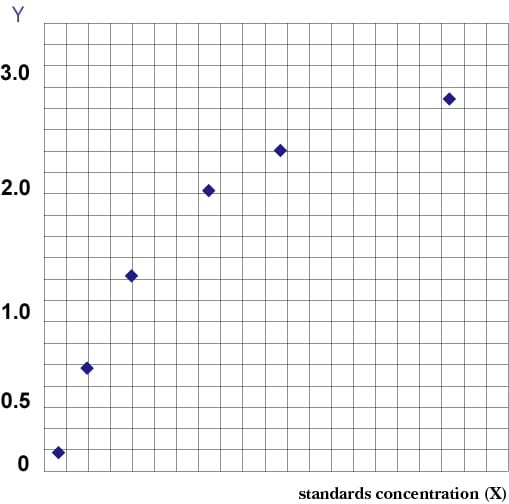
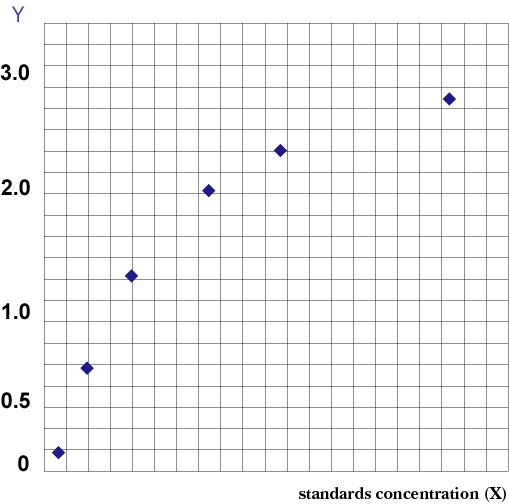
3. It is recommended to use a fluorescence microplate reader for detection, the excitation light wavelength is between 530-560 nm, the emission light wavelength is 580–610 nm (peak emission is 590 nm), and the relative fluorescence unit (RFU) is recorded. Draw a standard curve or cell growth curve: the ordinate (Y axis) is relative fluorescence unit (RFU); the abscissa (X axis) is the cell number or time point or drug concentration.
point or drug concentration.
2. Incubate for 2 to 6 hours at 37°C in a cell culture incubator, protected from direct light. The color of the medium changes from indigo blue to pink.
Note: Sensitivity of detection increases with longer incubation times. For samples with fewer cells, use longer incubation times of up to 24 hours.
3. It is recommended to use a fluorescence microplate reader for detection, the excitation light wavelength is between 530-560 nm, the emission light wavelength is 580–610 nm (peak emission is 590 nm), and the relative fluorescence unit (RFU) is recorded. Draw a standard curve or cell growth curve: the ordinate (Y axis) is relative fluorescence unit (RFU); the abscissa (X axis) is the cell number or time point or drug concentration.
point or drug concentration.
Notes
1. The appropriate density of cells can increase the detection sensitivity. For 96-well plates, we
recommend seeding 100 ?L of cells per well, with cell concentrations ranging from 100-10,000/well for
adherent cells and 2,000-50,000/well for suspension cells, with medium as blank control. For 384-well
plates, both cell concentration and seeding size were halved.
2. The whole process should be aseptic, because microbial contaminants can also reduce the detection reagents and affect the experimental results.
3. Pay attention to the inoculated cell concentration and the incubation time after adding the detection reagent. Too high cell concentration or too long incubation time can lead to secondary reduction reactions, resulting in colorlessness and loss of fluorescence.
4. Avoid light when incubating.
5. This product can be detected by fluorescence or spectrophotometry, but the sensitivity of fluorescence is high and the experimental error is small. It is recommended to use fluorescence detection.
2. The whole process should be aseptic, because microbial contaminants can also reduce the detection reagents and affect the experimental results.
3. Pay attention to the inoculated cell concentration and the incubation time after adding the detection reagent. Too high cell concentration or too long incubation time can lead to secondary reduction reactions, resulting in colorlessness and loss of fluorescence.
4. Avoid light when incubating.
5. This product can be detected by fluorescence or spectrophotometry, but the sensitivity of fluorescence is high and the experimental error is small. It is recommended to use fluorescence detection.
Preparation and Storage
Stored in the dark 4°C and valid for one year.
Related Product Information for Alamar Blue Cell Viability assay kit
Background: Alamar Blue functions as a cell health indicator by using the reducing power of living cells to quantitatively measure the proliferation of various human and animal cell lines, bacteria, plant, and fungi allowing you to establish relative cytotoxicity of agents within various chemical classes. When cells are alive they maintain a reducing environment within the cytosol of the cell. Alamar Blue is a non-toxic, cell permeable compound that is blue in color and virtually non-fluorescent. Upon entering cells, Alamar Blue is reduced to red in color and highly fluorescent. During the process of cell proliferation, the ratios of NADPH/NADP, FADH/FAD, FMNH/FMN and NADH/NAD in the cells increased and were in a reducing environment. The dyes taken up into the cells are reduced by these metabolic intermediates and cytochromes and released outside the cells and dissolved in the medium, turning the medium from non-fluorescent indigo blue to fluorescent pink. Finally, use an ordinary spectrophotometer or a fluorescence photometer for detection, and the absorbance and fluorescence intensity are proportional to the number of viable cells. Alamar Blue Cell Viability Assay Kit is used to assess cell viability by simply adding ready-to-use solution to mammalian or bacterial cells in culture media. Alamar Blue Assay Reagent provides a simple, fast, reliable, and safe method for cell proliferation and cytotoxicity assays, suitable for high-throughput assays. The main component of the detection reagent is a redox indicator. It is violet-blue in the oxidized state and has no fluorescence, while in the reduced state, it transforms into a reduction product with pink or red fluorescence, with an absorption peak at 530-560 nm and an emission peak at 590 nm. There is no requirement to aspirate media from cells or place cells in minimal media. Consequently, Alamar Blue Cell Viability Assay Kit can easily be used in a single tube or microtiter plate format in a "no-wash" fashion. Simply add Alamar Blue as 10% of the sample volume (i.e., add 10 uL Alamar Blue to 100 uL sample), followed by a 1-4 hours incubation at 37 degree C. The resulting fluorescence is read on a plate reader or fluorescence spectrophotometer.
Product Categories/Family for Alamar Blue Cell Viability assay kit
Customer Reviews
Loading reviews...
Share Your Experience
Similar Products
Product Notes
The Alamar Blue Cell Viability (Catalog #AAA269067) is an Assay Kit and is intended for research purposes only. The product is available for immediate purchase. It is sometimes possible for the material contained within the vial of "Alamar Blue Cell Viability, Assay Kit" to become dispersed throughout the inside of the vial, particularly around the seal of said vial, during shipment and storage. We always suggest centrifuging these vials to consolidate all of the liquid away from the lid and to the bottom of the vial prior to opening. Please be advised that certain products may require dry ice for shipping and that, if this is the case, an additional dry ice fee may also be required.Precautions
All products in the AAA Biotech catalog are strictly for research-use only, and are absolutely not suitable for use in any sort of medical, therapeutic, prophylactic, in-vivo, or diagnostic capacity. By purchasing a product from AAA Biotech, you are explicitly certifying that said products will be properly tested and used in line with industry standard. AAA Biotech and its authorized distribution partners reserve the right to refuse to fulfill any order if we have any indication that a purchaser may be intending to use a product outside of our accepted criteria.Disclaimer
Though we do strive to guarantee the information represented in this datasheet, AAA Biotech cannot be held responsible for any oversights or imprecisions. AAA Biotech reserves the right to adjust any aspect of this datasheet at any time and without notice. It is the responsibility of the customer to inform AAA Biotech of any product performance issues observed or experienced within 30 days of receipt of said product. To see additional details on this or any of our other policies, please see our Terms & Conditions page.Item has been added to Shopping Cart
If you are ready to order, navigate to Shopping Cart and get ready to checkout.