
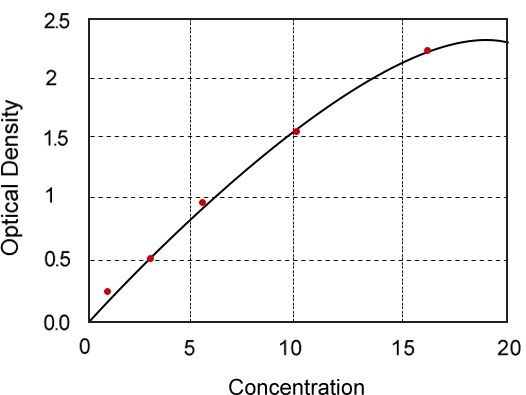
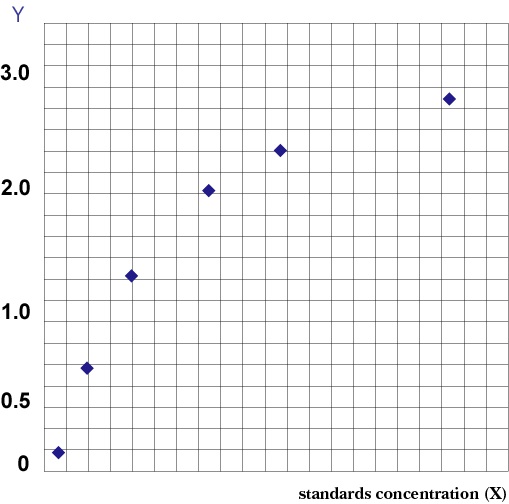
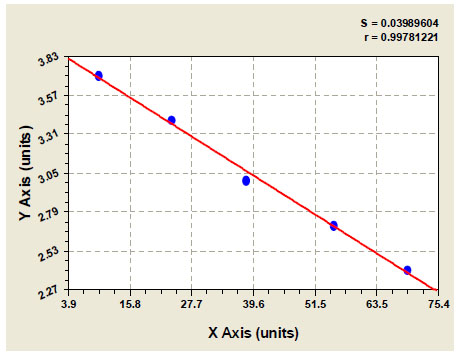
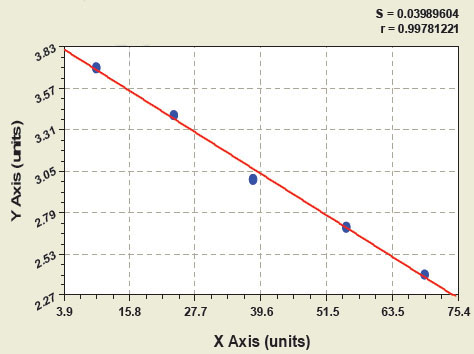
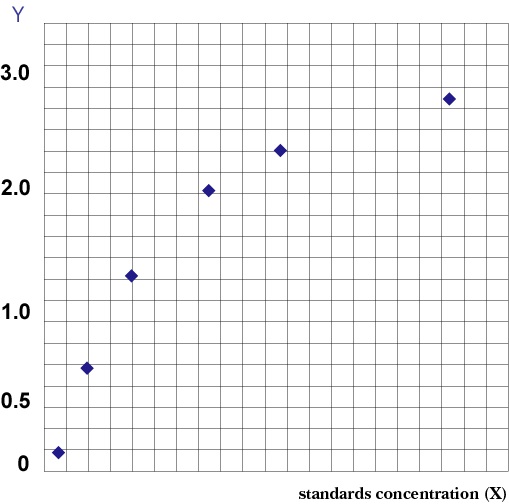
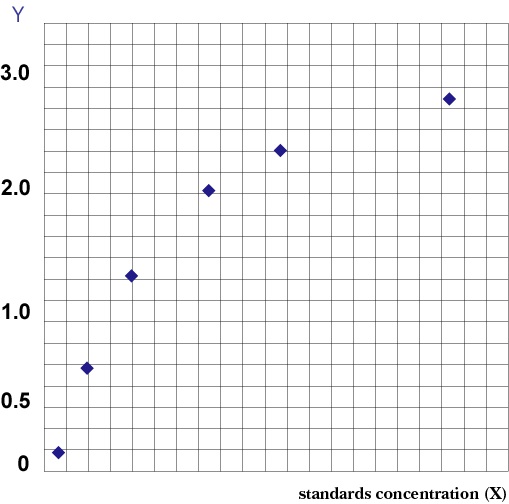
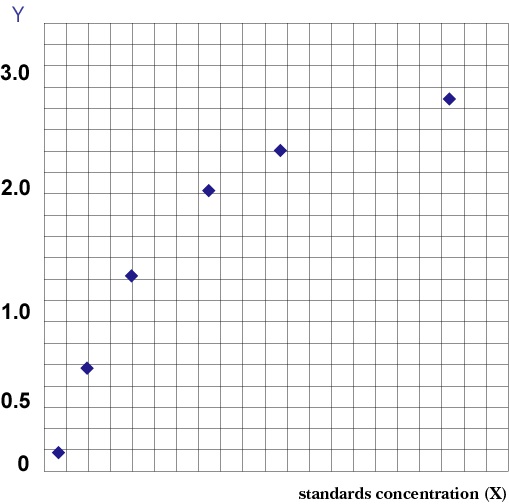
 Standard Curve (Sample)
Oxalate (Oxalic Acid) Assay Kit
Oxalate (Oxalic Acid) Colorimetric Assay Kit
DISCONTINUED
This product has been discontinued and is no longer available for purchase. Please contact us for alternative products or more information.
|
This product is discontinued. Contact us for alternatives. |
Standard Curve (Sample)
Standard Curve (Sample)
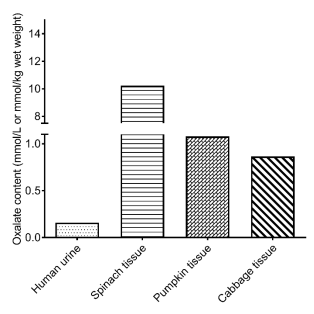
Intended Uses: This kit can be used to measure oxalate content in animal urine, serum, plasma and plant tissue samples.
Customer Reviews
Loading reviews...
Share Your Experience
Similar Products

Product Notes
The Oxalate (Oxalic Acid) (Catalog #AAA22235) is an Assay Kit and is intended for research purposes only. The product is available for immediate purchase. It is sometimes possible for the material contained within the vial of "Oxalate (Oxalic Acid), Assay Kit" to become dispersed throughout the inside of the vial, particularly around the seal of said vial, during shipment and storage. We always suggest centrifuging these vials to consolidate all of the liquid away from the lid and to the bottom of the vial prior to opening. Please be advised that certain products may require dry ice for shipping and that, if this is the case, an additional dry ice fee may also be required.Precautions
All products in the AAA Biotech catalog are strictly for research-use only, and are absolutely not suitable for use in any sort of medical, therapeutic, prophylactic, in-vivo, or diagnostic capacity. By purchasing a product from AAA Biotech, you are explicitly certifying that said products will be properly tested and used in line with industry standard. AAA Biotech and its authorized distribution partners reserve the right to refuse to fulfill any order if we have any indication that a purchaser may be intending to use a product outside of our accepted criteria.Disclaimer
Though we do strive to guarantee the information represented in this datasheet, AAA Biotech cannot be held responsible for any oversights or imprecisions. AAA Biotech reserves the right to adjust any aspect of this datasheet at any time and without notice. It is the responsibility of the customer to inform AAA Biotech of any product performance issues observed or experienced within 30 days of receipt of said product. To see additional details on this or any of our other policies, please see our Terms & Conditions page.Frequently Asked Questions
What does an oxalate (oxalic acid) assay kit measure in biological samples?
This colorimetric assay kit quantitatively measures oxalate (oxalic acid) concentration in biological samples. Oxalate is a metabolic breakdown product linked to kidney stone formation and metabolic disorders, making its measurement valuable for diagnostics and monitoring of urinary excretion patterns and renal function.
Can this kit be used to detect oxalate in urine, plasma, or tissue extracts?
Yes, the kit is designed for multiple sample types, including 24-hour urine collections (preserved with hydrochloric acid), plasma, serum, tissue extracts, and other biological fluids. Sample preparation varies by type (e.g., urine requires acid preservation; tissue samples need homogenization), as detailed in the protocol.
How is oxalate related to kidney stones and metabolic disorders?
Oxalate binds calcium to form insoluble calcium oxalate crystals, the primary component of 70-80% of kidney stones. Elevated urinary oxalate (hyperoxaluria) indicates either primary genetic metabolic defects or secondary factors like inflammatory bowel disease, making oxalate measurement critical for kidney stone prevention and diagnosis.
What is the difference between enzymatic and colorimetric oxalate assays?
Both methods use enzymatic oxalate oxidase conversion, but colorimetric assays measure colorimetric product absorbance at a specific wavelength (typically 450nm), while fluorometric variants measure fluorescent signals. Colorimetric assays are simpler and more cost-effective; fluorometric assays offer higher sensitivity for low oxalate concentrations.
Do diet or sample preparation methods affect oxalate measurement results?
Yes, dietary intake significantly affects results (high in spinach, tea, nuts, and chocolate). Sample preparation critically impacts accuracy: urine samples must be acidified to prevent crystal formation; tissue samples require complete homogenization; serum samples may need charcoal purification to remove background interference for reliable quantification.
Is this assay kit suitable for research on metabolic pathways involving oxalic acid?
Absolutely. This kit directly measures oxalate from glyoxylate metabolism, enabling studies of metabolic pathway dysfunction, genetic defects affecting oxalate metabolism, dietary effects on systemic oxalate levels, and evaluation of potential therapeutic interventions targeting oxalate production or excretion.
Item has been added to Shopping Cart
If you are ready to order, navigate to Shopping Cart and get ready to checkout.