
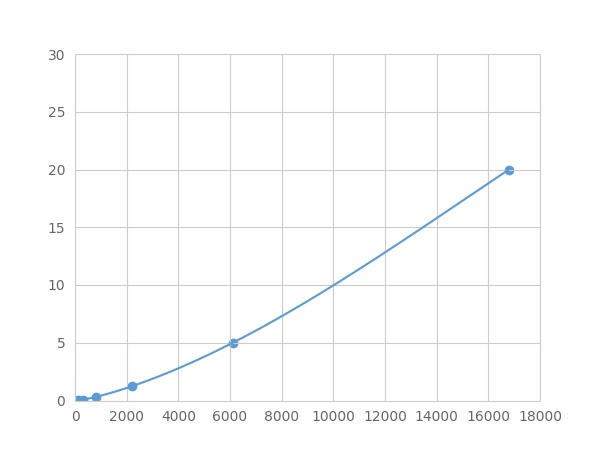
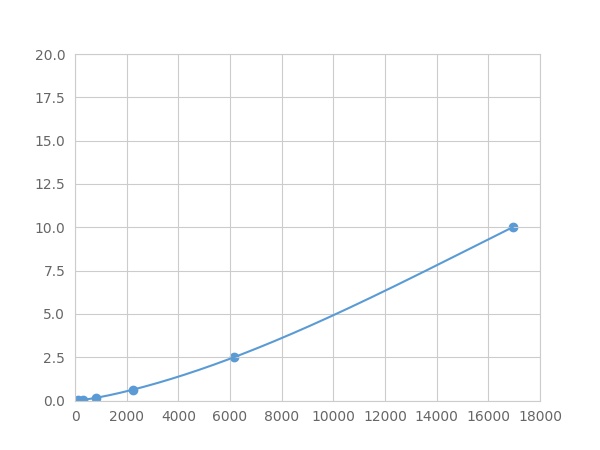
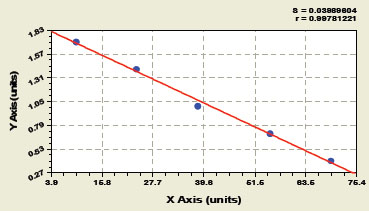
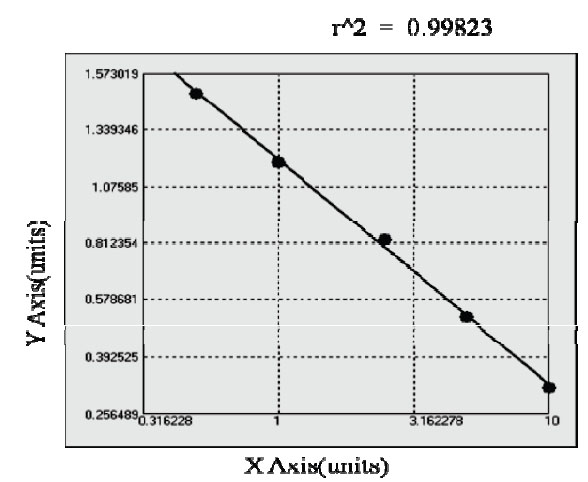
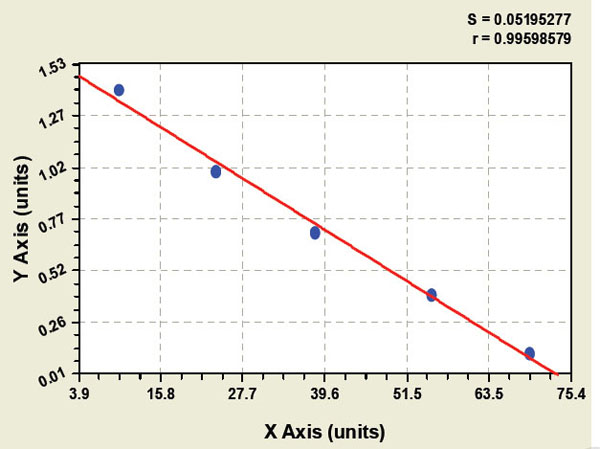
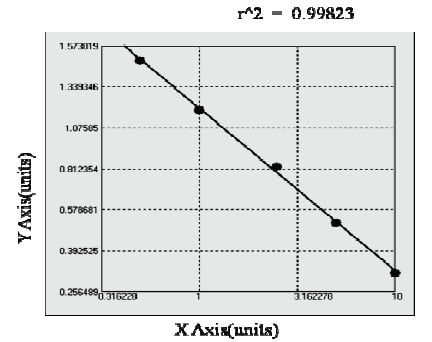
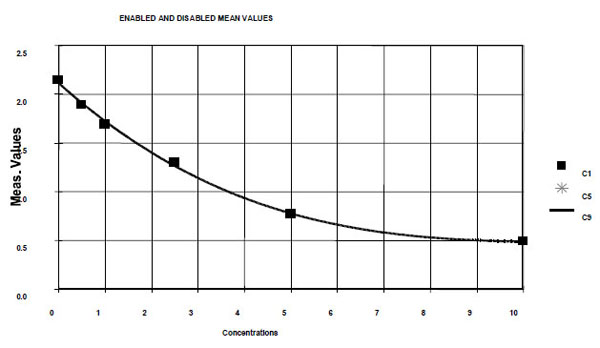
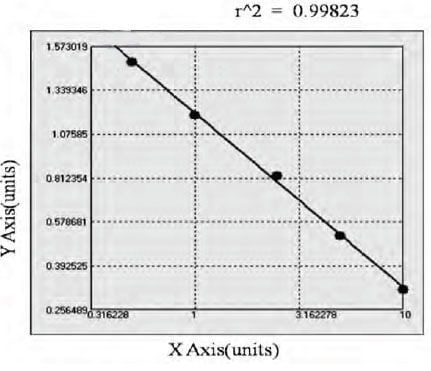
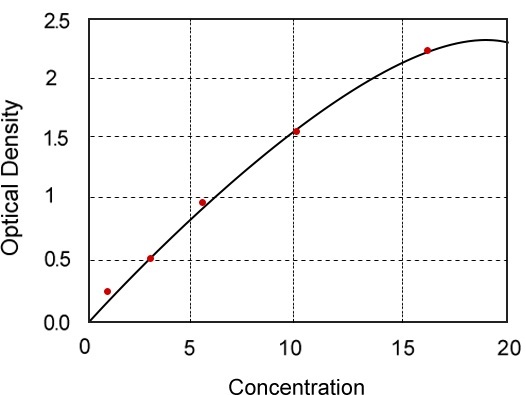
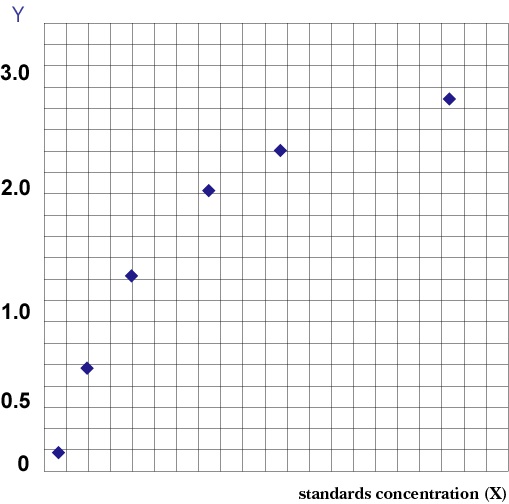
 Standard Curve (Sample)
Pyrophosphate Assay Kit
Pyrophosphate Assay Kit
Synonyms
Pyrophosphate; N/A; Pyrophosphate Assay Kit; Pyrophosphate assay kit
Detection Method
Fluorometric
Preparation and Storage
Upon receipt, store PPDK at -80°C and the rest of the components at -20ºC. The Fluorometric Probe is light sensitive and must be stored accordingly. Avoid multiple freeze/thaw cycles.
Standard Curve (Sample)
Standard Curve (Sample)
Related Product Information for Pyrophosphate assay kit
Background: Pyrophosphate, also called diphosphate, is any phosphorus oxyanion that contains two phosphorus atoms in a P-O-P linkage. Pyrophosphates are found in important biochemical molecules such as adenosine triphosphate (ATP) and other nucleotide triphosphates. Pyrophosphate is formed when ATP is hydrolyzed to adenosine monophosphate in various biologically important reactions. As an example, when a deoxynucleotide triphosphate (dNTP) or a nucleotide triphosphate (NTP) is used by a DNA polymerase or RNA polymerase to incorporate a nucleotide into a DNA or RNA strand respectively, pyrophosphate is formed. Pyrophosphate complexes readily with transition metals such as calcium, and can be found at sufficiently high enough levels in urine, synovial fluid, and blood plasma to block the accumulation of calcium salts. Non enzymatic membrane pyrophosphate channels such as ankylosis gene product (ANK) may move intracellular pyrophosphate into the extracellular synovial fluid. Over formation of calcium pyrophosphate can crystalize and deposit in joints leading to a form of arthritis in humans. The Pyrophosphate Assay Kit is a simple fluorometric assay that measures the amount of pyrophosphate present in biological samples in a 96-well microtiter plate format. Each kit provides sufficient reagents to perform up to 100 assays*, including blanks, pyrophosphate standards, and unknown samples. Sample pyrophosphate concentrations are determined by comparison with a known pyrophosphate standard. The kit has a detection sensitivity limit of 4 uM pyrophosphate.
Principle of the Assay: The Pyrophosphate Assay Kit measures total pyrophosphate within biological samples. Pyrophosphate (and phosphoenolpyruvate) is converted by PPDK to pyruvate + adenosine triphosphate (ATP) and phosphate. Pyruvate is converted by pyruvate oxidase in the presence of phosphate and oxygen into acetyl phosphate, carbon dioxide, and hydrogen peroxide. The resulting hydrogen peroxide is then detected with a highly specific fluorometric probe. Horseradish peroxidase catalyzes the reaction between the probe and hydrogen peroxide, which bind in a 1:1 ratio. Samples are compared to a known concentration of pyrophosphate standard within the 96-well microtiter plate format. Samples and standards are incubated for 30 minutes and then read with a standard 96-well fluorometric plate reader (Figure 1).
Principle of the Assay: The Pyrophosphate Assay Kit measures total pyrophosphate within biological samples. Pyrophosphate (and phosphoenolpyruvate) is converted by PPDK to pyruvate + adenosine triphosphate (ATP) and phosphate. Pyruvate is converted by pyruvate oxidase in the presence of phosphate and oxygen into acetyl phosphate, carbon dioxide, and hydrogen peroxide. The resulting hydrogen peroxide is then detected with a highly specific fluorometric probe. Horseradish peroxidase catalyzes the reaction between the probe and hydrogen peroxide, which bind in a 1:1 ratio. Samples are compared to a known concentration of pyrophosphate standard within the 96-well microtiter plate format. Samples and standards are incubated for 30 minutes and then read with a standard 96-well fluorometric plate reader (Figure 1).
Product Categories/Family for Pyrophosphate assay kit
Customer Reviews
Loading reviews...
Share Your Experience
Similar Products

Product Notes
The Pyrophosphate (Catalog #AAA44689) is an Assay Kit and is intended for research purposes only. The product is available for immediate purchase. It is sometimes possible for the material contained within the vial of "Pyrophosphate, Assay Kit" to become dispersed throughout the inside of the vial, particularly around the seal of said vial, during shipment and storage. We always suggest centrifuging these vials to consolidate all of the liquid away from the lid and to the bottom of the vial prior to opening. Please be advised that certain products may require dry ice for shipping and that, if this is the case, an additional dry ice fee may also be required.Precautions
All products in the AAA Biotech catalog are strictly for research-use only, and are absolutely not suitable for use in any sort of medical, therapeutic, prophylactic, in-vivo, or diagnostic capacity. By purchasing a product from AAA Biotech, you are explicitly certifying that said products will be properly tested and used in line with industry standard. AAA Biotech and its authorized distribution partners reserve the right to refuse to fulfill any order if we have any indication that a purchaser may be intending to use a product outside of our accepted criteria.Disclaimer
Though we do strive to guarantee the information represented in this datasheet, AAA Biotech cannot be held responsible for any oversights or imprecisions. AAA Biotech reserves the right to adjust any aspect of this datasheet at any time and without notice. It is the responsibility of the customer to inform AAA Biotech of any product performance issues observed or experienced within 30 days of receipt of said product. To see additional details on this or any of our other policies, please see our Terms & Conditions page.Item has been added to Shopping Cart
If you are ready to order, navigate to Shopping Cart and get ready to checkout.