
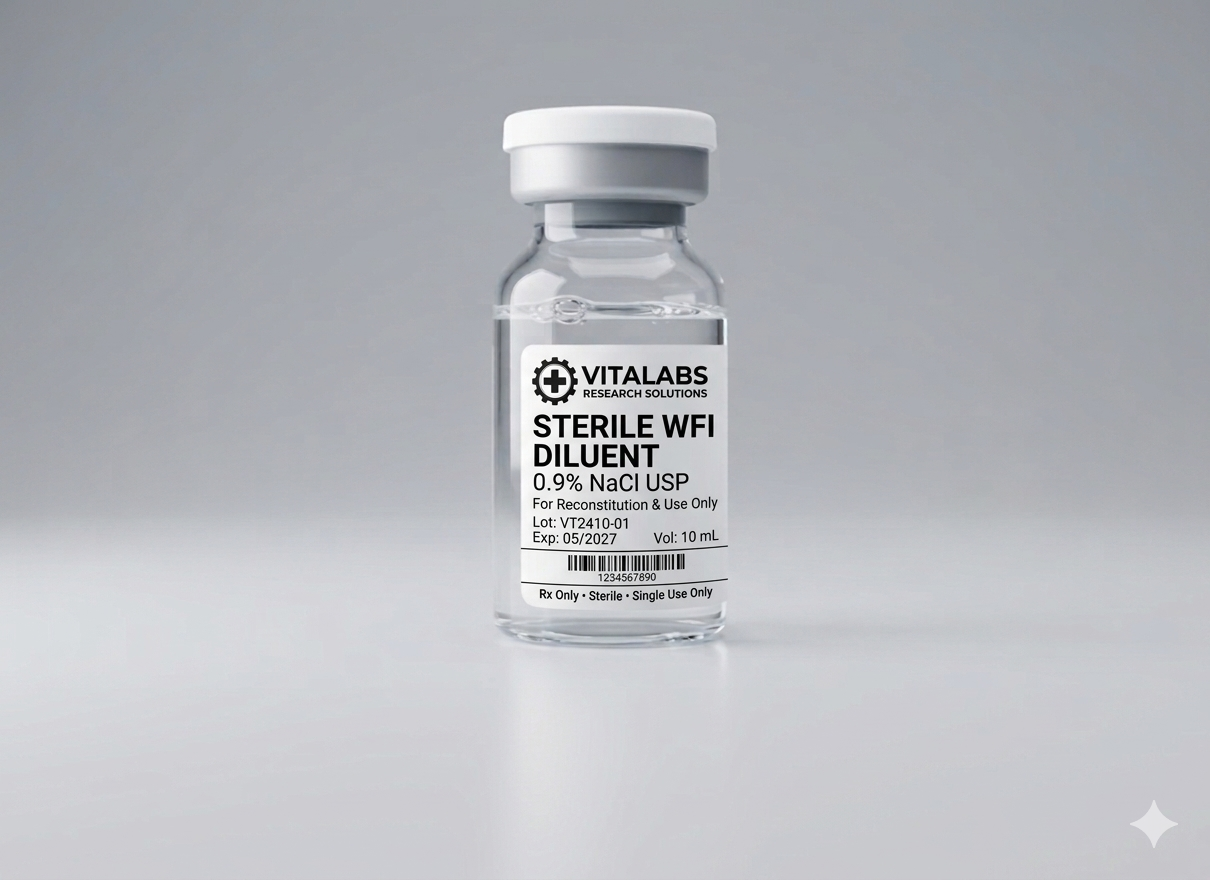
PAR2 blocking peptide
PAR2 Peptide
Gene Names
F2rl1; Par2; PAR-2; Gpcr11
Applications
Western Blot, Immunoprecipitation, Immunohistochemistry, ELISA, Dot Blot
Synonyms
PAR2; N/A; PAR2 Peptide; Coagulation factor II receptor like 1; Coagulation factor II thrombin receptor like 1; F2RL1; G protein coupled receptor 11; GPR11; PAR 2; Proteinase activated receptor 2 antibody Thrombin receptor like 1 antibody; PAR2 blocking peptide
Specificity
This peptide is directed against a cytoplasmic region of PAR2
Form/Format
Antigenic Blocking Peptide
Sequence Length
399
Applicable Applications for PAR2 blocking peptide
WB (Western Blot), IP (Immunoprecipitation), IHC (Immunohistochemistry), ELISA, DB (Dot Blot)
Immunogen
Synthetic peptide taken within amino acid region 300-370 of Mouse PAR2.
Expression
Expressed in various lymphoid tissues and activated B- and T-lymphocytes, strongly up-regulated in B-cells infected with Epstein-Barr virus and T-cells infected with herpesvirus 6 or 7.
Molecular Function
G-protein coupled receptor, Receptor, Transducer
Structure
Interacts with TLR4, COPS5 and TMED2. Also interacts with GNAQ, GNA11, GNA12, GNA13, and GNA14.
Subcellular Location
Cell membrane; Multi-pass membrane protein
Preparation and Storage
Store at -20 degree C for long term storage.
Related Product Information for PAR2 blocking peptide
Overview: Proteinase-activated receptor 2 (PAR2) is a G protein-coupled receptor irreversibly activated by extracellular proteases (1). Activated PAR2 couples to multiple heterotrimeric G-protein subtypes including Gaq, Gai, and Ga12/13 and is rapidly desensitized and internalized following phosphorylation and Beta-arrestins binding. Proteolytic cleavage of PAR2 results in the formation of a new amino terminus that acts like a tethered ligand by binding intramolecularly to receptor to trigger transmembrane signaling. Activated PAR2 also signals independently of Gproteins through its interaction with Beta-arrestins, which promotes sustained mitogen-activated protein kinase (MAPK) signaling, actin remodeling, and cell migration. PAR2 is profoundly localized in the vasculature, especially in endothelial cells, and is implicated in the control of vascular tone and homeostasis. Activation of endothelial PAR2 by endogenous serine protease or by PAR2-activating peptide (PAR2-APs, PAR2 agonist) causes vasodilation in vivo or isolated vessels mainly through nitric oxide (NO) and prostacyclin (PGI2) mechanisms (2).
PAR2 is also expressed in certain types of metastatic cancers and stimulates tumor cell migration and invasion.Vascular PAR2 expression is up-regulated by inflammatory cytokines such as tumor necrosis factor alpha (TNF-a).Increased TNF-a expression in type 2 diabetic coronary arterioles induces activation of reactive oxygen species(ROS), leading to endothelial dysfunction. PAR2 activation promotes cell proliferation in various cancer cell types induding colon, gastric, cervical and pancreatic cancer cells. PAR2 agonists induce Cox-2 expression in lung cancer cells, MMP 2/9 production in prostate cancer cells and vascular endothelial growth factor secretion in breast cancer cells (3). PAR2 is also associated with renal cell carcinoma progression. PAR2 activation has been linked to cancer progression, especially metastasis and angiogenesis as well as pro-inflammatory and anti-inflammatory properties depending on the system. Proteases that are released during inflammation and injury cleave PAR2 on primary afferent neurons to cause neurogenic inflammation and hyperalgesia. PAR2-induced thermal hyperalgesia depends on sensitization of transient receptor potential vanilloid receptor 1 (TRPV1), which is gated by capsaicin, protons and noxious heat. PAR2-induced thermal hyperalgesia depends on sensitization of TRPV1 (4).
The PAR2 selective antibodies were generated against a synthetic peptide taken within amino acid region 300-370 on mouse PAR2 protein. The PAR2 synthetic peptide was covalently modified to achieve desired antigenic properties and was conjugated to a carrier protein before used as immunogen to raise antibodies in rabbits. The PAR2 antibodies are affinity purified over immobilized immunogenic peptide affinity matrix and stabilized with preservatives for long-term storage. Antigenic blocking peptide (P-PAR2) and western blot positive controls (PC-PAR2) are available. Antibodies can be conjugated to fluorophores or secondary enzymes upon request at nominal cost.
PAR2 is also expressed in certain types of metastatic cancers and stimulates tumor cell migration and invasion.Vascular PAR2 expression is up-regulated by inflammatory cytokines such as tumor necrosis factor alpha (TNF-a).Increased TNF-a expression in type 2 diabetic coronary arterioles induces activation of reactive oxygen species(ROS), leading to endothelial dysfunction. PAR2 activation promotes cell proliferation in various cancer cell types induding colon, gastric, cervical and pancreatic cancer cells. PAR2 agonists induce Cox-2 expression in lung cancer cells, MMP 2/9 production in prostate cancer cells and vascular endothelial growth factor secretion in breast cancer cells (3). PAR2 is also associated with renal cell carcinoma progression. PAR2 activation has been linked to cancer progression, especially metastasis and angiogenesis as well as pro-inflammatory and anti-inflammatory properties depending on the system. Proteases that are released during inflammation and injury cleave PAR2 on primary afferent neurons to cause neurogenic inflammation and hyperalgesia. PAR2-induced thermal hyperalgesia depends on sensitization of transient receptor potential vanilloid receptor 1 (TRPV1), which is gated by capsaicin, protons and noxious heat. PAR2-induced thermal hyperalgesia depends on sensitization of TRPV1 (4).
The PAR2 selective antibodies were generated against a synthetic peptide taken within amino acid region 300-370 on mouse PAR2 protein. The PAR2 synthetic peptide was covalently modified to achieve desired antigenic properties and was conjugated to a carrier protein before used as immunogen to raise antibodies in rabbits. The PAR2 antibodies are affinity purified over immobilized immunogenic peptide affinity matrix and stabilized with preservatives for long-term storage. Antigenic blocking peptide (P-PAR2) and western blot positive controls (PC-PAR2) are available. Antibodies can be conjugated to fluorophores or secondary enzymes upon request at nominal cost.
NCBI and Uniprot Product Information
NCBI GI #
NCBI GeneID
NCBI Accession #
NCBI GenBank Nucleotide #
UniProt Accession #
Molecular Weight
44,752 Da
NCBI Official Full Name
proteinase-activated receptor 2
NCBI Official Synonym Full Names
coagulation factor II (thrombin) receptor-like 1
NCBI Official Symbol
F2rl1
NCBI Official Synonym Symbols
Par2; PAR-2; Gpcr11
NCBI Protein Information
proteinase-activated receptor 2
UniProt Protein Name
Proteinase-activated receptor 2
UniProt Gene Name
F2rl1
UniProt Synonym Gene Names
Gpcr11; Gpr11; Par2; PAR-2
UniProt Entry Name
PAR2_MOUSE
Customer Reviews
Loading reviews...
Share Your Experience
Similar Products
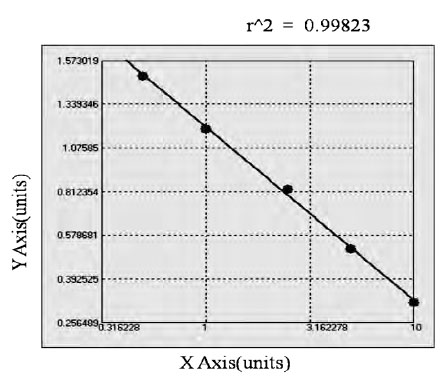
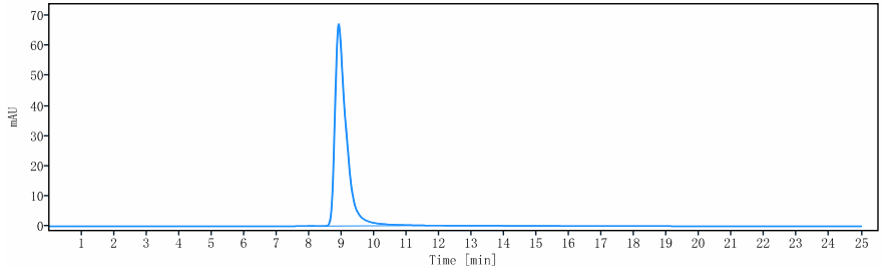
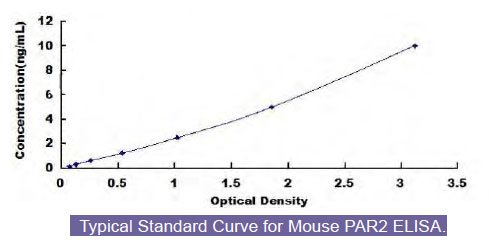
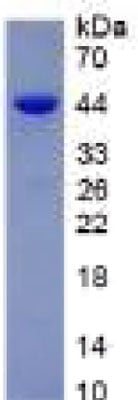
Product Notes
The PAR2 f2rl1 (Catalog #AAA76025) is a Blocking Peptide and is intended for research purposes only. The product is available for immediate purchase. AAA Biotech's PAR2 can be used in a range of immunoassay formats including, but not limited to, WB (Western Blot), IP (Immunoprecipitation), IHC (Immunohistochemistry), ELISA, DB (Dot Blot). Researchers should empirically determine the suitability of the PAR2 f2rl1 for an application not listed in the data sheet. Researchers commonly develop new applications and it is an integral, important part of the investigative research process. It is sometimes possible for the material contained within the vial of "PAR2, Blocking Peptide" to become dispersed throughout the inside of the vial, particularly around the seal of said vial, during shipment and storage. We always suggest centrifuging these vials to consolidate all of the liquid away from the lid and to the bottom of the vial prior to opening. Please be advised that certain products may require dry ice for shipping and that, if this is the case, an additional dry ice fee may also be required.Precautions
All products in the AAA Biotech catalog are strictly for research-use only, and are absolutely not suitable for use in any sort of medical, therapeutic, prophylactic, in-vivo, or diagnostic capacity. By purchasing a product from AAA Biotech, you are explicitly certifying that said products will be properly tested and used in line with industry standard. AAA Biotech and its authorized distribution partners reserve the right to refuse to fulfill any order if we have any indication that a purchaser may be intending to use a product outside of our accepted criteria.Disclaimer
Though we do strive to guarantee the information represented in this datasheet, AAA Biotech cannot be held responsible for any oversights or imprecisions. AAA Biotech reserves the right to adjust any aspect of this datasheet at any time and without notice. It is the responsibility of the customer to inform AAA Biotech of any product performance issues observed or experienced within 30 days of receipt of said product. To see additional details on this or any of our other policies, please see our Terms & Conditions page.Item has been added to Shopping Cart
If you are ready to order, navigate to Shopping Cart and get ready to checkout.