
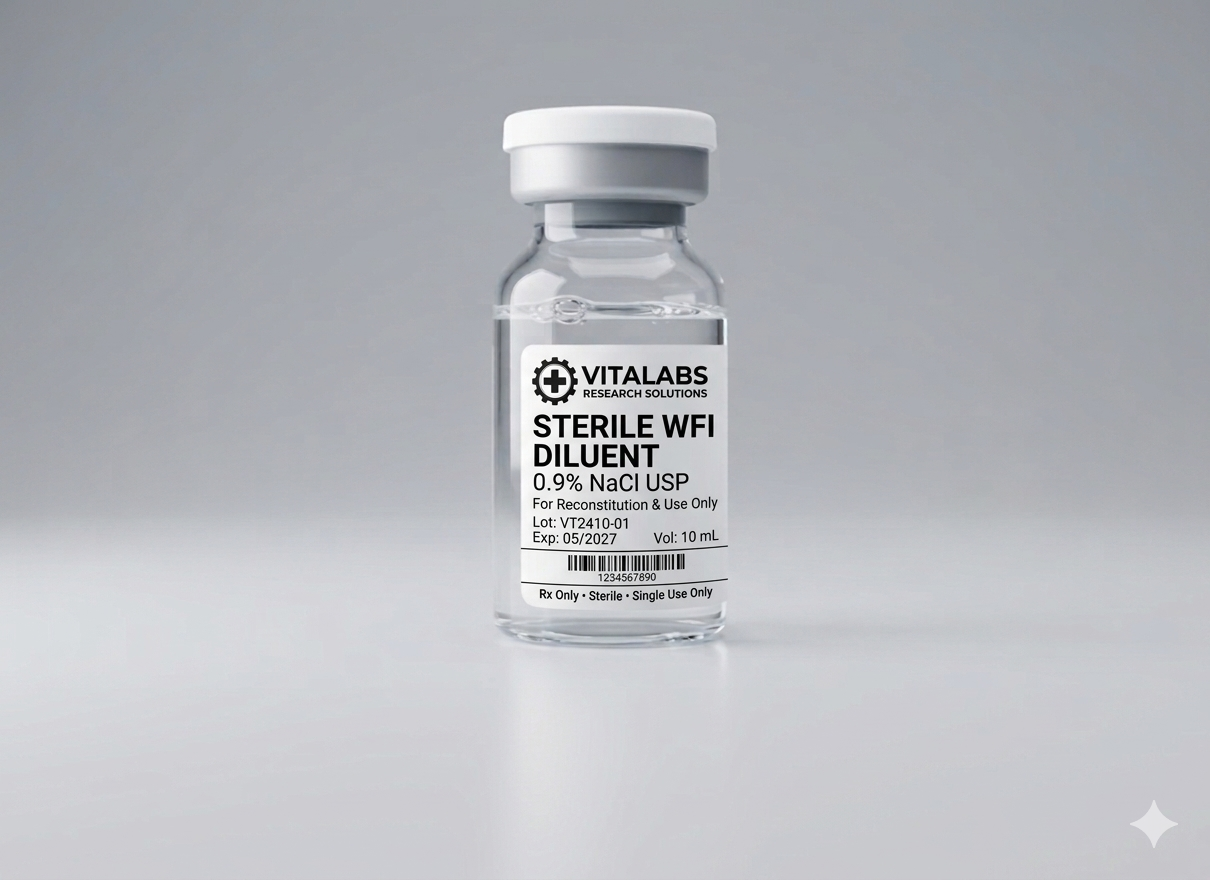
Apolipoprotein-J Recombinant Protein | Clu recombinant protein
Recombinant Rat Apolipoprotein-J
Gene Names
Clu; CLI; DAG; APOJ; SGP2; SP40; SGP-2; SP-40; Trpm2; Trpmb; TRPM-2; TRPM2B; RATTRPM2B
Purity
Greater than 95% as determined by SDS PAGE.
Synonyms
Apolipoprotein-J; N/A; Recombinant Rat Apolipoprotein-J; Clusterin Rat; Clusterin Rat Recombinant; CLI; AAG4; KUB1; SGP2; SGP-2; SP-40; TRPM2; MGC24903; Complement-associated protein SP-40; 40; Complement cytolysis inhibitor; NA1/NA2; Apolipoprotein J; Apo-J; Testosterone-repressed prostate message 2; TRPM-2; rClusterin; Clu recombinant protein
Host
E Coli
Purity/Purification
Greater than 95% as determined by SDS PAGE.
Form/Format
Lyophilized from 0.5 mg/ml in 0.01M Tris pH 7.2.
White lyophilized (freeze-dried) powder.
White lyophilized (freeze-dried) powder.
Sequence
MASMTGGQQM GRDPNSSSPF YFWMNGDRID SLLESDRQQS QVLDAMQDSF TRASGIIDTL FQDRFFTHEP QDIHHFSPMG FPHKRPHLLY PKSRLVRSLM PLSHYGPLSF HNMFQPFFDM IHQAQQAMDV QLHSPALQFP DVDFLKEGED DRTVCKEIRH NSTGCLKMKG QCEKCQEILS VDCSTNNPAQ ANLRQELNDS LQVAERLTQQ YNELLHSLQS KMLNTSSLLE QALEHHHHHH
Sequence Length
447
Solubility
Add 0.2 ml of deionized H2O and let the lyophilized pellet dissolve completely.
Preparation and Storage
Store lyophilized protein at -20 degree C. Aliquot the product after reconstitution to avoid repeated freezing/thawing cycles. Reconstituted protein can be stored at 4 degree C for a limited period of time; it does not show any change after two weeks at 4 degree C.
Related Product Information for Clu recombinant protein
Description: The Clusterin Rat was constructed as a recombinant protein with N-terminal fusion of T7-Tag (16AA) and C-terminal fusion of His-Tag (9AA). The Clusterin Rat His-Tagged Fusion Protein, produced in E Coli, is 26.5 kDa protein containing 215 amino acid residues of the APO-J Rat and 25 additional amino acid residues His-Tag, T7-Tag (underlined).
Introduction: Clusterin also named Apolipoprotein J (APO-J) is a 75-80 kD disulfide-linked heterodimeric protein containing about 30% of N-linked carbohydrate rich in sialic acid but truncated forms targeted to the nucleus have also been identified.The precursor polypeptide chain is cleaved proteolytically to remove the 22-mer secretory signal peptide and subsequently between residues 227/228 to generate the a and b chains. These are assembled in anti-parallel to give a heterodimeric molecule in which the cysteine-rich centers are linked by five disulfide bridges and are flanked by two predicted coiled-coil a-helices and three predicted amphipathic a-helices.Across a broad range of species clusterin shows a high degree of sequence homology ranging from 70% to 80%. It is nearly ubiquitously expressed in most mammalian tissues and can be found in plasma, milk, urine, cerebrospinal fluid and semen.It is able to bind and form complexes with numerous partners such as immunoglobulins, lipids, heparin, bacteria, complement components, paraoxonase, beta amyloid, leptin and others. Clusterin has been ascribed a plethora of functions such as phagocyte recruitment, aggregation induction, complement attack prevention, apoptosis inhibition, membrane remodeling, lipid transport, hormone transport and/or scavenging, matrix metalloproteinase inhibition.A genuine function of clusterin has not been defined. One tempting hypothesis says that clusterin is an extracellular chaperone protecting cells from stress induced insults caused by degraded and misfolded protein precipitates.Clusterin is up- or down regulated on the mRNA or protein level in many pathological and clinically relevant situations including cancer, organ regeneration, infection, Alzheimer disease, retinitis pigmentosa, myocardial infarction, renal tubular damage, autoimmunity and others.
Introduction: Clusterin also named Apolipoprotein J (APO-J) is a 75-80 kD disulfide-linked heterodimeric protein containing about 30% of N-linked carbohydrate rich in sialic acid but truncated forms targeted to the nucleus have also been identified.The precursor polypeptide chain is cleaved proteolytically to remove the 22-mer secretory signal peptide and subsequently between residues 227/228 to generate the a and b chains. These are assembled in anti-parallel to give a heterodimeric molecule in which the cysteine-rich centers are linked by five disulfide bridges and are flanked by two predicted coiled-coil a-helices and three predicted amphipathic a-helices.Across a broad range of species clusterin shows a high degree of sequence homology ranging from 70% to 80%. It is nearly ubiquitously expressed in most mammalian tissues and can be found in plasma, milk, urine, cerebrospinal fluid and semen.It is able to bind and form complexes with numerous partners such as immunoglobulins, lipids, heparin, bacteria, complement components, paraoxonase, beta amyloid, leptin and others. Clusterin has been ascribed a plethora of functions such as phagocyte recruitment, aggregation induction, complement attack prevention, apoptosis inhibition, membrane remodeling, lipid transport, hormone transport and/or scavenging, matrix metalloproteinase inhibition.A genuine function of clusterin has not been defined. One tempting hypothesis says that clusterin is an extracellular chaperone protecting cells from stress induced insults caused by degraded and misfolded protein precipitates.Clusterin is up- or down regulated on the mRNA or protein level in many pathological and clinically relevant situations including cancer, organ regeneration, infection, Alzheimer disease, retinitis pigmentosa, myocardial infarction, renal tubular damage, autoimmunity and others.
Product Categories/Family for Clu recombinant protein
NCBI and Uniprot Product Information
NCBI GI #
NCBI GeneID
NCBI Accession #
NCBI GenBank Nucleotide #
UniProt Accession #
Molecular Weight
51,375 Da
NCBI Official Full Name
clusterin
NCBI Official Synonym Full Names
clusterin
NCBI Official Symbol
Clu
NCBI Official Synonym Symbols
CLI; DAG; APOJ; SGP2; SP40; SGP-2; SP-40; Trpm2; Trpmb; TRPM-2; TRPM2B; RATTRPM2B
NCBI Protein Information
clusterin; dimeric acid glycoprotein; sulfated glycoprotein 2; testosterone repressed prostate message 2; testosterone-repressed prostate message; testostrone-repressed prostate message 2
UniProt Protein Name
Clusterin
UniProt Gene Name
Clu
UniProt Synonym Gene Names
DAG; SGP-2; TRPM-2
UniProt Entry Name
CLUS_RAT
Customer Reviews
Loading reviews...
Share Your Experience
Similar Products



Product Notes
The Clu clu (Catalog #AAA38204) is a Recombinant Protein produced from E Coli and is intended for research purposes only. The product is available for immediate purchase. The amino acid sequence is listed below: MASMTGGQQM GRDPNSSSPF YFWMNGDRID SLLESDRQQS QVLDAMQDSF TRASGIIDTL FQDRFFTHEP QDIHHFSPMG FPHKRPHLLY PKSRLVRSLM PLSHYGPLSF HNMFQPFFDM IHQAQQAMDV QLHSPALQFP DVDFLKEGED DRTVCKEIRH NSTGCLKMKG QCEKCQEILS VDCSTNNPAQ ANLRQELNDS LQVAERLTQQ YNELLHSLQS KMLNTSSLLE QALEHHHHHH. It is sometimes possible for the material contained within the vial of "Apolipoprotein-J, Recombinant Protein" to become dispersed throughout the inside of the vial, particularly around the seal of said vial, during shipment and storage. We always suggest centrifuging these vials to consolidate all of the liquid away from the lid and to the bottom of the vial prior to opening. Please be advised that certain products may require dry ice for shipping and that, if this is the case, an additional dry ice fee may also be required.Precautions
All products in the AAA Biotech catalog are strictly for research-use only, and are absolutely not suitable for use in any sort of medical, therapeutic, prophylactic, in-vivo, or diagnostic capacity. By purchasing a product from AAA Biotech, you are explicitly certifying that said products will be properly tested and used in line with industry standard. AAA Biotech and its authorized distribution partners reserve the right to refuse to fulfill any order if we have any indication that a purchaser may be intending to use a product outside of our accepted criteria.Disclaimer
Though we do strive to guarantee the information represented in this datasheet, AAA Biotech cannot be held responsible for any oversights or imprecisions. AAA Biotech reserves the right to adjust any aspect of this datasheet at any time and without notice. It is the responsibility of the customer to inform AAA Biotech of any product performance issues observed or experienced within 30 days of receipt of said product. To see additional details on this or any of our other policies, please see our Terms & Conditions page.Item has been added to Shopping Cart
If you are ready to order, navigate to Shopping Cart and get ready to checkout.