
 Application Data
Desmocollin 2/DSC2 Recombinant Protein | DSC2 recombinant protein
Recombinant Human Desmocollin 2/DSC2 Protein (His Tag), HPLC-verified
Gene Names
DSC2; DG2; DSC3; CDHF2; ARVD11; DGII/III
Purity
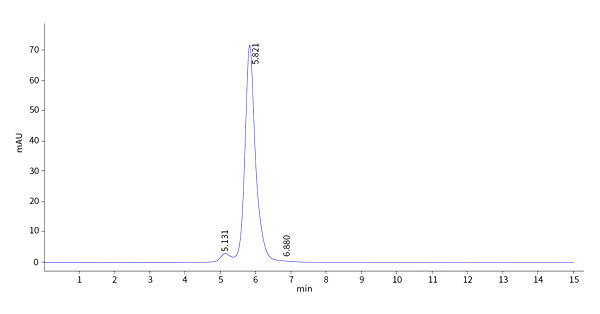
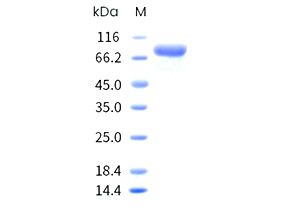
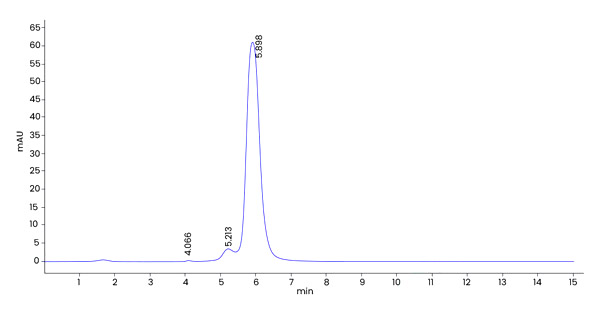
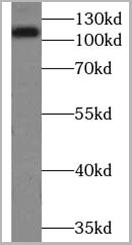
>= 95% as determined by SDS-PAGE.= 90% as determined by SEC-HPLC
Synonyms
Desmocollin 2/DSC2; N/A; Recombinant Human Desmocollin 2/DSC2 Protein (His Tag), HPLC-verified; desmocollin 2; ARVD11 Protein, Human; CDHF2 Protein, Human; DG2 Protein, Human; DGII/III Protein, Human; DSC3 Protein, Human; DSC2 recombinant protein
Host
HEK293 Cells
Purity/Purification
>= 95% as determined by SDS-PAGE.
= 90% as determined by SEC-HPLC
= 90% as determined by SEC-HPLC
Form/Format
Lyophilized from sterile PBS, pH 7.4.
Normally 5%-8% trehalose, mannitol and 0.01% Tween80 are added as protectants before lyophilization.
Normally 5%-8% trehalose, mannitol and 0.01% Tween80 are added as protectants before lyophilization.
Species
Human
Predicted N Terminal
Arg 136
Endotoxin
<1.0 EU per ug protein as determined by the LAL method.
Protein Construction
A DNA sequence encoding the Human DSC2 (Q02487-1)(Arg136-Arg684) was expressed with a polyhistidine tag at the C-terminus.
Preparation and Storage
Samples are stable for up to twelve months from date of receipt at -20 degree C to -80 degree C. Store it under sterile conditions at -20 degree C to -80 degree C. It is recommended that the protein be aliquoted for optimal storage. Avoid repeated freeze-thaw cycles.
Application Data
Application Data
Application Data
Application Data
Related Product Information for DSC2 recombinant protein
DSC2 is a calcium-dependent glycoprotein that is a member of the desmocollin subfamily of the cadherin superfamily. Like other desmocollins, murine DSC2 has two products, Dsc2a and Dsc2b, produced by alternative splicing of a 46 bp exon which encodes 11 COOH-terminal aa followed by an in-frame stop codon. These desmosomal family members, along with the desmogleins, are found primarily in epithelial cells where they constitute the adhesive proteins of the desmosome cell-cell junction and are required for cell adhesion and desmosome formation. The desmosomal family members are arranged in two clusters on chromosome 18, occupying less than 650 kb combined. Mutations in DSC2 are associated with arrhythmogenic right ventricular dysplasia-11. DSC2 is Involved in the interaction of plaque proteins and intermediate filaments mediating cell-cell adhesion. DSC2 may contribute to epidermal cell positioning by mediating differential adhesiveness between cells that express different isoforms.
References
Nuber UA, et al. (1995) The widespread human desmocollin Dsc2 and tissue-specific patterns of synthesis of various desmocollin subtypes. Eur J Cell Biol. 66 (1): 69-74.
Marsden MD, et al. (1997) Cloning and transcriptional analysis of the promoter of the human type 2 desmocollin gene (DSC2). Gene. 186 (2): 237-47.
Greenwood MD, et al. (1997) Exon-intron organization of the human type 2 desmocollin gene (DSC2): desmocollin gene structure is closer to "classical" cadherins than to desmogleins. Genomics. 44 (3): 330-5.
Marsden MD, et al. (1997) Cloning and transcriptional analysis of the promoter of the human type 2 desmocollin gene (DSC2). Gene. 186 (2): 237-47.
Greenwood MD, et al. (1997) Exon-intron organization of the human type 2 desmocollin gene (DSC2): desmocollin gene structure is closer to "classical" cadherins than to desmogleins. Genomics. 44 (3): 330-5.
NCBI and Uniprot Product Information
NCBI GI #
NCBI GeneID
UniProt Accession #
Molecular Weight
93,769 Da
NCBI Official Full Name
Desmocollin 2
NCBI Official Synonym Full Names
desmocollin 2
NCBI Official Symbol
DSC2
NCBI Official Synonym Symbols
DG2; DSC3; CDHF2; ARVD11; DGII/III
NCBI Protein Information
desmocollin-2
UniProt Protein Name
Desmocollin-2
UniProt Gene Name
DSC2
Customer Reviews
Loading reviews...
Share Your Experience
Similar Products




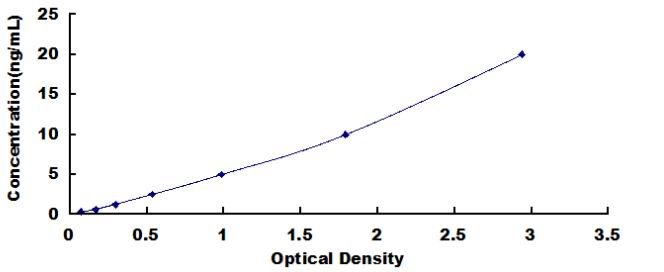


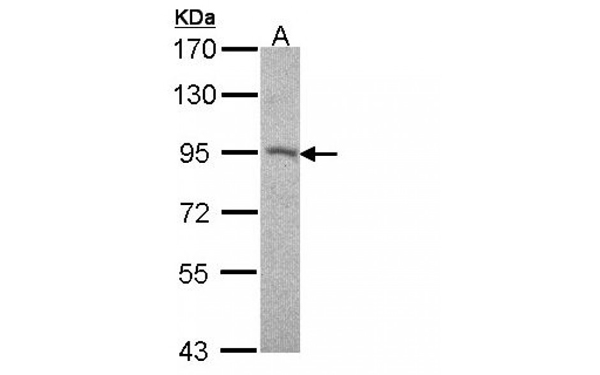
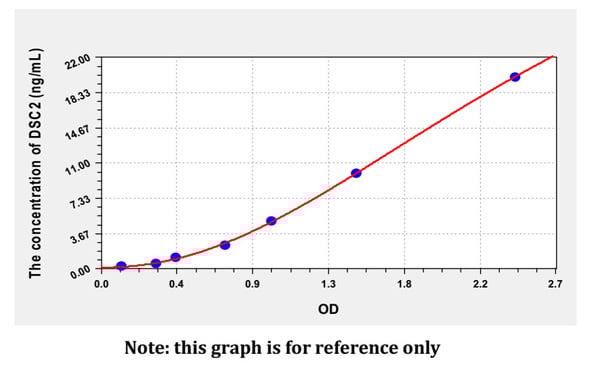

Product Notes
The DSC2 dsc2 (Catalog #AAA259178) is a Recombinant Protein produced from HEK293 Cells and is intended for research purposes only. The product is available for immediate purchase. It is sometimes possible for the material contained within the vial of "Desmocollin 2/DSC2, Recombinant Protein" to become dispersed throughout the inside of the vial, particularly around the seal of said vial, during shipment and storage. We always suggest centrifuging these vials to consolidate all of the liquid away from the lid and to the bottom of the vial prior to opening. Please be advised that certain products may require dry ice for shipping and that, if this is the case, an additional dry ice fee may also be required.Precautions
All products in the AAA Biotech catalog are strictly for research-use only, and are absolutely not suitable for use in any sort of medical, therapeutic, prophylactic, in-vivo, or diagnostic capacity. By purchasing a product from AAA Biotech, you are explicitly certifying that said products will be properly tested and used in line with industry standard. AAA Biotech and its authorized distribution partners reserve the right to refuse to fulfill any order if we have any indication that a purchaser may be intending to use a product outside of our accepted criteria.Disclaimer
Though we do strive to guarantee the information represented in this datasheet, AAA Biotech cannot be held responsible for any oversights or imprecisions. AAA Biotech reserves the right to adjust any aspect of this datasheet at any time and without notice. It is the responsibility of the customer to inform AAA Biotech of any product performance issues observed or experienced within 30 days of receipt of said product. To see additional details on this or any of our other policies, please see our Terms & Conditions page.Item has been added to Shopping Cart
If you are ready to order, navigate to Shopping Cart and get ready to checkout.