
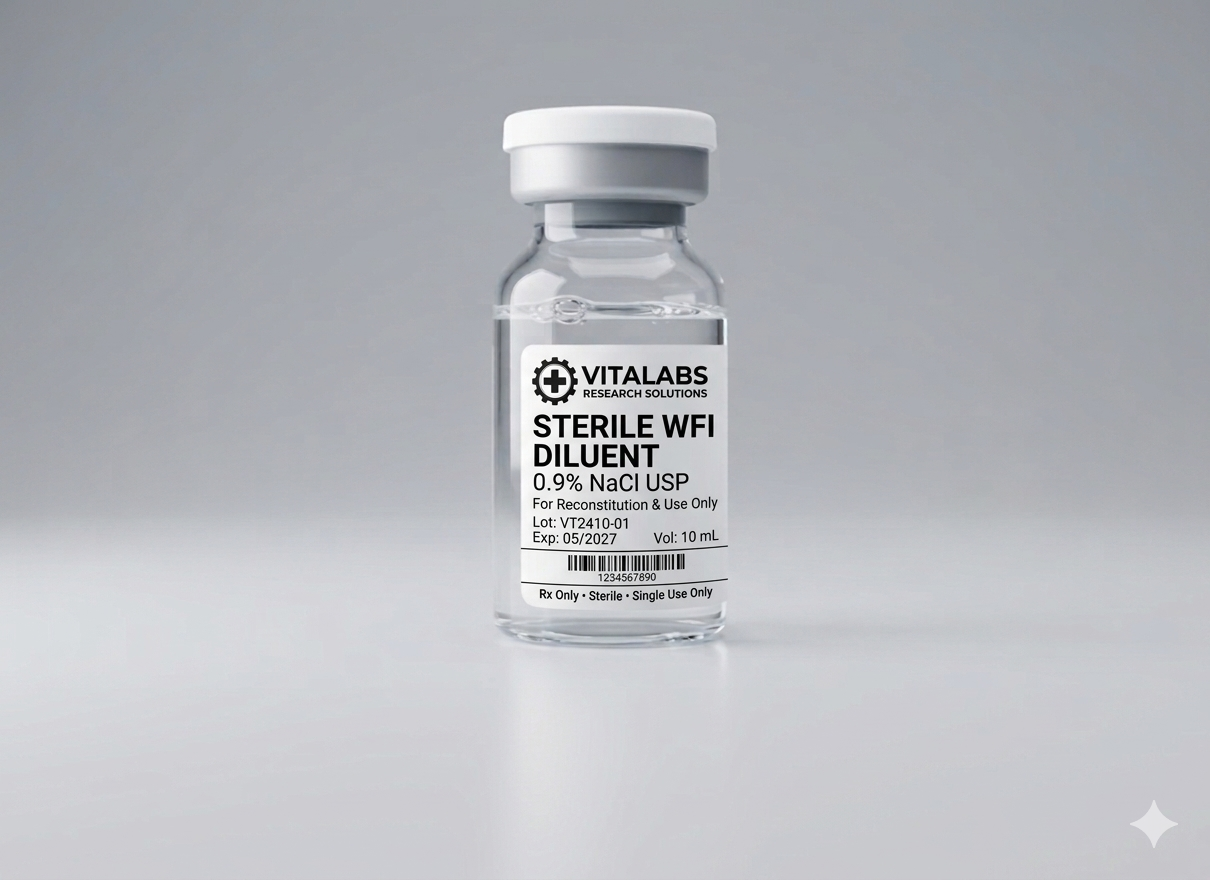
Coagulation Factor III Recombinant Protein | F3 recombinant protein
Recombinant Human Coagulation Factor III
Gene Names
F3; TF; TFA; CD142
Purity
Greater than 95.0% as determined by SDS-PAGE.
Synonyms
Coagulation Factor III; N/A; Recombinant Human Coagulation Factor III; F3 Human; Coagulation Factor III Human Recombinant; Tissue factor; Coagulation factor III; Thromboplastin; CD142; TF; F3; TFA; F3 recombinant protein
Host
E Coli
Purity/Purification
Greater than 95.0% as determined by SDS-PAGE.
Form/Format
Tissue factor protein is supplied in 22mM Tris.HCl pH8.0, 1mM EDTA and 50% glycerol.
Sterile Filtered clear solution.
Sterile Filtered clear solution.
Concentration
0.13 mg/ml (varies by lot)
Sequence Length
238
Preparation and Storage
Store at 4 degree C if entire vial will be used within 2-4 weeks. Store, frozen at -20 degree C for longer periods of time. Please avoid freeze thaw cycles.
Related Product Information for F3 recombinant protein
Description: Tissue factor Human Recombinant produced in E Coli is single, a non-glycosylated, Polypeptide chain containing 219 amino acids of the extracellular domain (33-251) having a molecular mass of 29.39 kDa and fused with a 4.5kDa amino-terminal hexahistidine tag. The Tissue factor is purified by proprietary chromatographic techniques.
Introduction: Tissue factor is well-known as the main cellular initiator of blood coagulation. The Tissue factor gene encodes coagulation factor III which is a cell surface glycoprotein that enables cells to initiate the blood coagulation cascades, and functions as the high-affinity receptor for the coagulation factor VII. Following vessel injury, the Tissue Factor and Factor VIIa complex activates the coagulation protease cascade, which leads to fibrin deposition and activation of platelets. The ensuing complex presents a catalytic event, which is responsible for initiation of the coagulation protease cascades by specific limited proteolysis. Therefore, Tissue factor has a role in normal hemostasis by initiating the cell-surface assembly and propagation of the coagulation protease cascade. Tissue Factor can also be stimulated by the inflammatory mediators interleukin 1 and TNF, as well as by endotoxin, to appear on monocytes and vascular endothelial cells as a component of cellular immune response.Tissue factor is the only one in the coagulation pathway for which a congenital deficiency has not been described. Certain levels of Tissue Factor are essential for the maintained viability and growth of endothelium and Tissue Factor-expressing tumor cells. Additionally, abnormal Tissue Factor expression inside the vasculature initiates life threatening thrombosis in various diseases, for example sepsis, atherosclerosis, and cancer. Alternative spliced Tissue Factor expression advances tumor growth, and is linked to increased tumor cell proliferation and angiogenesis in pancreatic cancer.
Introduction: Tissue factor is well-known as the main cellular initiator of blood coagulation. The Tissue factor gene encodes coagulation factor III which is a cell surface glycoprotein that enables cells to initiate the blood coagulation cascades, and functions as the high-affinity receptor for the coagulation factor VII. Following vessel injury, the Tissue Factor and Factor VIIa complex activates the coagulation protease cascade, which leads to fibrin deposition and activation of platelets. The ensuing complex presents a catalytic event, which is responsible for initiation of the coagulation protease cascades by specific limited proteolysis. Therefore, Tissue factor has a role in normal hemostasis by initiating the cell-surface assembly and propagation of the coagulation protease cascade. Tissue Factor can also be stimulated by the inflammatory mediators interleukin 1 and TNF, as well as by endotoxin, to appear on monocytes and vascular endothelial cells as a component of cellular immune response.Tissue factor is the only one in the coagulation pathway for which a congenital deficiency has not been described. Certain levels of Tissue Factor are essential for the maintained viability and growth of endothelium and Tissue Factor-expressing tumor cells. Additionally, abnormal Tissue Factor expression inside the vasculature initiates life threatening thrombosis in various diseases, for example sepsis, atherosclerosis, and cancer. Alternative spliced Tissue Factor expression advances tumor growth, and is linked to increased tumor cell proliferation and angiogenesis in pancreatic cancer.
Product Categories/Family for F3 recombinant protein
References
Title: Tissue factor-Akt signaling triggers microvessel formationPublication: DOI: 10.1111/j.1538-7836.2012.04848.x, 4 SEP 2012Link: https://http://onlinelibrary.wiley.com/doi/10.1111/j.1538-7836.2012.04848.x/full
NCBI and Uniprot Product Information
NCBI GI #
NCBI GeneID
NCBI Accession #
NCBI GenBank Nucleotide #
Molecular Weight
27,145 Da
NCBI Official Full Name
tissue factor isoform 2
NCBI Official Synonym Full Names
coagulation factor III (thromboplastin, tissue factor)
NCBI Official Symbol
F3
NCBI Official Synonym Symbols
TF; TFA; CD142
NCBI Protein Information
tissue factor
UniProt Protein Name
Tissue factor
UniProt Gene Name
F3
UniProt Synonym Gene Names
TF
UniProt Entry Name
TF_HUMAN
Customer Reviews
Loading reviews...
Share Your Experience
Similar Products
Product Notes
The F3 f3 (Catalog #AAA38428) is a Recombinant Protein produced from E Coli and is intended for research purposes only. The product is available for immediate purchase. It is sometimes possible for the material contained within the vial of "Coagulation Factor III, Recombinant Protein" to become dispersed throughout the inside of the vial, particularly around the seal of said vial, during shipment and storage. We always suggest centrifuging these vials to consolidate all of the liquid away from the lid and to the bottom of the vial prior to opening. Please be advised that certain products may require dry ice for shipping and that, if this is the case, an additional dry ice fee may also be required.Precautions
All products in the AAA Biotech catalog are strictly for research-use only, and are absolutely not suitable for use in any sort of medical, therapeutic, prophylactic, in-vivo, or diagnostic capacity. By purchasing a product from AAA Biotech, you are explicitly certifying that said products will be properly tested and used in line with industry standard. AAA Biotech and its authorized distribution partners reserve the right to refuse to fulfill any order if we have any indication that a purchaser may be intending to use a product outside of our accepted criteria.Disclaimer
Though we do strive to guarantee the information represented in this datasheet, AAA Biotech cannot be held responsible for any oversights or imprecisions. AAA Biotech reserves the right to adjust any aspect of this datasheet at any time and without notice. It is the responsibility of the customer to inform AAA Biotech of any product performance issues observed or experienced within 30 days of receipt of said product. To see additional details on this or any of our other policies, please see our Terms & Conditions page.Item has been added to Shopping Cart
If you are ready to order, navigate to Shopping Cart and get ready to checkout.