
Glycerol-3-Phosphate Dehydrogenase 2 Recombinant Protein | GPD2 recombinant protein
Recombinant Human Glycerol-3-Phosphate Dehydrogenase 2
Gene Names
GPD2; GDH2; GPDM; mGPDH
Purity
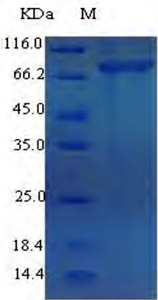
Greater than 95.0% as determined by SDS-PAGE.
Synonyms
Glycerol-3-Phosphate Dehydrogenase 2; N/A; Recombinant Human Glycerol-3-Phosphate Dehydrogenase 2; GPD2 Human; Glycerol-3-Phosphate Dehydrogenase 2 Human Recombinant; Glycerol-3-phosphate dehydrogenase mitochondrial; glycerol-3-phosphate dehydrogenase 2 (mitochondrial); GPDH-M; GPD-M; mtGPD; GPD2; GDH2; GPDM; mGPDH; GPD2 recombinant protein
Host
E Coli
Purity/Purification
Greater than 95.0% as determined by SDS-PAGE.
Form/Format
GPD2 protein solution (0.095mg/ml) is supplied in 20mM Tris-HCl pH 8, 1mM EDTA and 50% glycerol.
Concentration
0.095mg/ml (varies by lot)
Sequence Length
727
Preparation and Storage
Store at 4 degree C if entire vial will be used within 2-4 weeks. Store, frozen at -20 degree C for longer periods of time. Please avoid freeze thaw cycles.
Related Product Information for GPD2 recombinant protein
Description: GPD2 Human Recombinant produced in E Coli is single, a non-glycosylated, Polypeptide chain containing 558 amino acids fragment (43-600) corresponding to the GlpA domain fragment of the mature protein, having a total molecular mass of 64kDa and fused with a 4.5kDa amino-terminal hexahistidine tag. The GPD2 is purified by proprietary chromatographic techniques.
Introduction: GPD2 (Mitochondrial glycerol-3-phosphate dehydrogenase) is a Ca2+-sensitive, FAD-binding protein, which is located on the outer surface of the inner mitochondrial membrane. Two isoforms have been identified for mGPD: Isoform 1 is comprised of 727 a.a. residues, while isoform 2 lacks 126 a.a. residues of the N-terminus. GPD2 catalyses the oxidation of glycerol-3-phosphate to DHAP (dihydroxyacetone phosphate) with associated reduction of the enzyme-bound FAD. GPD2 is a testis-specific promoter of mitochondrial GPDH. GPD2 along with a cytosolic NAD-linked GPD forms the glycerol phosphate shuttle that uses the interconversion of G-3-P and DHAP to transfer reducing equivalents into mitochondria, which results in the reoxidation of NADH produced during glycolysis.GPD2 deficiency contributes to the impairment of glucose-stimulated insulin discharge in a number of animal models of non-insulin dependent diabetes mellitus. GPD2 up-regulation as a result of a highly glycolytic environment contributes to the general increase in ROS generation and may lead to the progression of prostate cancer.
Introduction: GPD2 (Mitochondrial glycerol-3-phosphate dehydrogenase) is a Ca2+-sensitive, FAD-binding protein, which is located on the outer surface of the inner mitochondrial membrane. Two isoforms have been identified for mGPD: Isoform 1 is comprised of 727 a.a. residues, while isoform 2 lacks 126 a.a. residues of the N-terminus. GPD2 catalyses the oxidation of glycerol-3-phosphate to DHAP (dihydroxyacetone phosphate) with associated reduction of the enzyme-bound FAD. GPD2 is a testis-specific promoter of mitochondrial GPDH. GPD2 along with a cytosolic NAD-linked GPD forms the glycerol phosphate shuttle that uses the interconversion of G-3-P and DHAP to transfer reducing equivalents into mitochondria, which results in the reoxidation of NADH produced during glycolysis.GPD2 deficiency contributes to the impairment of glucose-stimulated insulin discharge in a number of animal models of non-insulin dependent diabetes mellitus. GPD2 up-regulation as a result of a highly glycolytic environment contributes to the general increase in ROS generation and may lead to the progression of prostate cancer.
Product Categories/Family for GPD2 recombinant protein
NCBI and Uniprot Product Information
NCBI GI #
NCBI GeneID
NCBI Accession #
NCBI GenBank Nucleotide #
Molecular Weight
67,531 Da
NCBI Official Full Name
glycerol-3-phosphate dehydrogenase, mitochondrial
NCBI Official Synonym Full Names
glycerol-3-phosphate dehydrogenase 2 (mitochondrial)
NCBI Official Symbol
GPD2
NCBI Official Synonym Symbols
GDH2; GPDM; mGPDH
NCBI Protein Information
glycerol-3-phosphate dehydrogenase, mitochondrial; GPD-M; GPDH-M; mitochondrial glycerophosphate dehydrogenase; mtGPD
UniProt Protein Name
Glycerol-3-phosphate dehydrogenase, mitochondrial
UniProt Gene Name
GPD2
UniProt Synonym Gene Names
GPD-M; GPDH-M
UniProt Entry Name
GPDM_HUMAN
Customer Reviews
Loading reviews...
Share Your Experience
Similar Products
Product Notes
The GPD2 gpd2 (Catalog #AAA38707) is a Recombinant Protein produced from E Coli and is intended for research purposes only. The product is available for immediate purchase. It is sometimes possible for the material contained within the vial of "Glycerol-3-Phosphate Dehydrogenase 2, Recombinant Protein" to become dispersed throughout the inside of the vial, particularly around the seal of said vial, during shipment and storage. We always suggest centrifuging these vials to consolidate all of the liquid away from the lid and to the bottom of the vial prior to opening. Please be advised that certain products may require dry ice for shipping and that, if this is the case, an additional dry ice fee may also be required.Precautions
All products in the AAA Biotech catalog are strictly for research-use only, and are absolutely not suitable for use in any sort of medical, therapeutic, prophylactic, in-vivo, or diagnostic capacity. By purchasing a product from AAA Biotech, you are explicitly certifying that said products will be properly tested and used in line with industry standard. AAA Biotech and its authorized distribution partners reserve the right to refuse to fulfill any order if we have any indication that a purchaser may be intending to use a product outside of our accepted criteria.Disclaimer
Though we do strive to guarantee the information represented in this datasheet, AAA Biotech cannot be held responsible for any oversights or imprecisions. AAA Biotech reserves the right to adjust any aspect of this datasheet at any time and without notice. It is the responsibility of the customer to inform AAA Biotech of any product performance issues observed or experienced within 30 days of receipt of said product. To see additional details on this or any of our other policies, please see our Terms & Conditions page.Item has been added to Shopping Cart
If you are ready to order, navigate to Shopping Cart and get ready to checkout.