
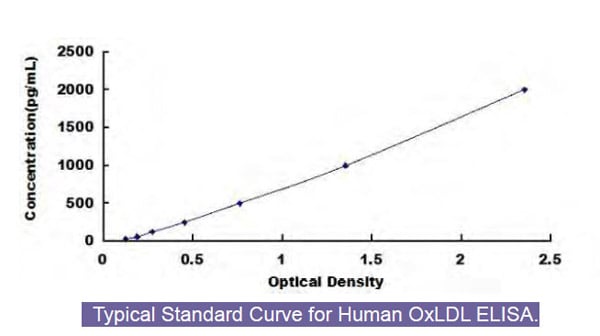
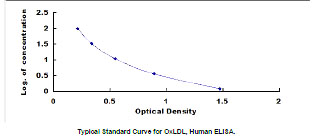
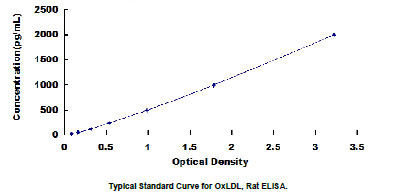
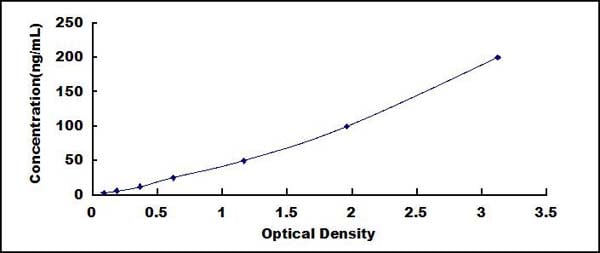
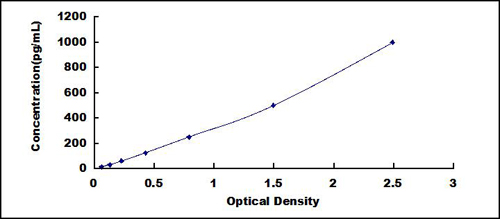
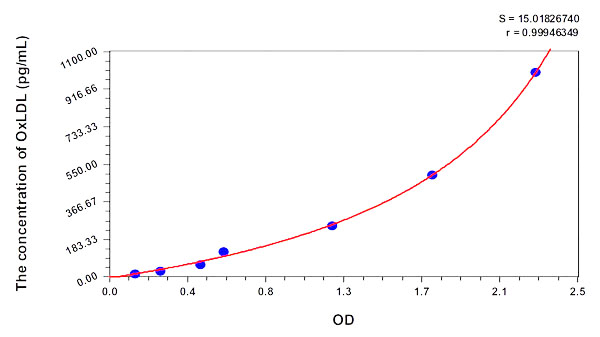
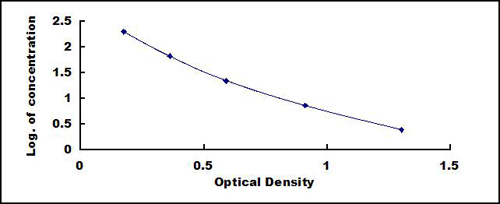
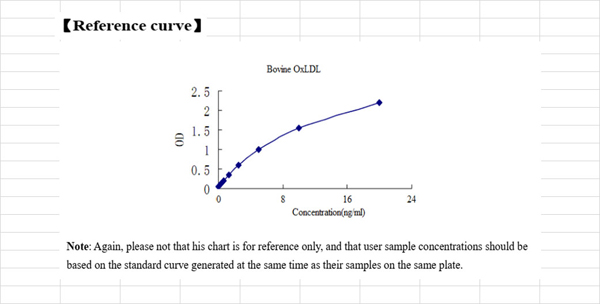
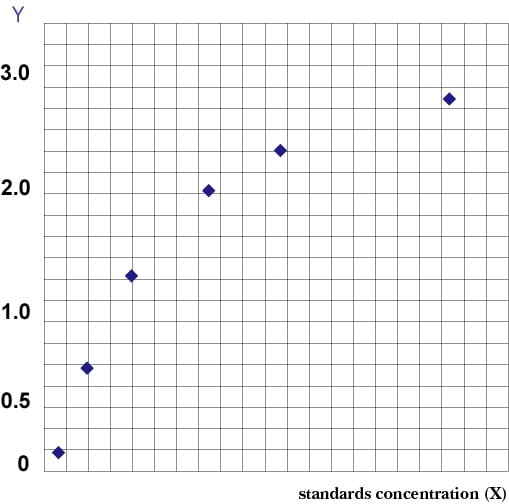
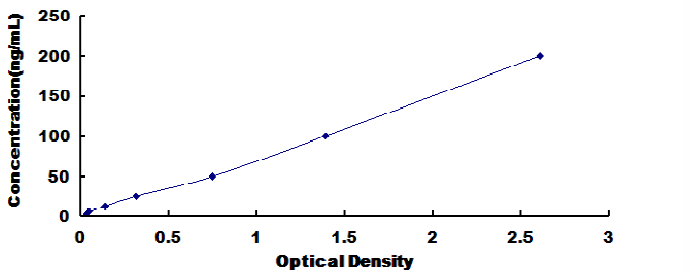
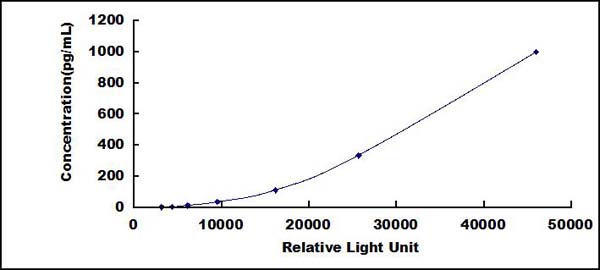
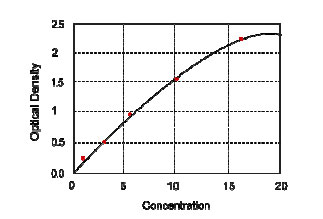
 Standard Curve (Sample)
Human Oxidized Low Density Lipoprotein (OxLDL) ELISA Kit | OxLDL elisa kit
Human Oxidized Low Density Lipoprotein (OxLDL) ELISA Kit
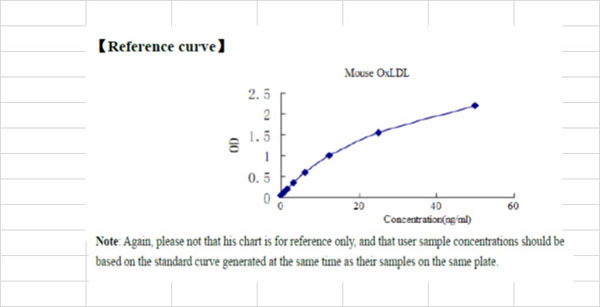
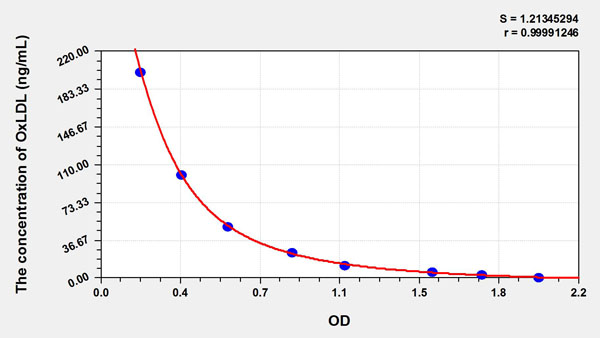
Standard Curve (Sample)
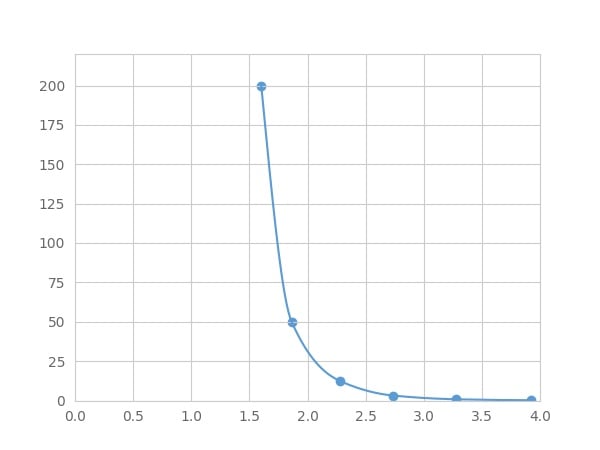
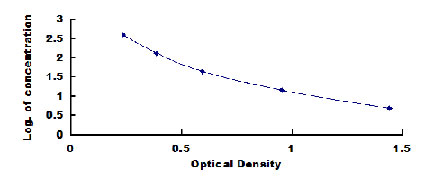
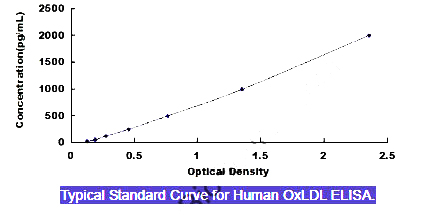
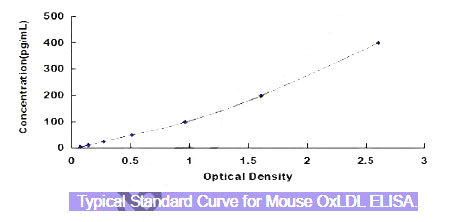
Standard Curve (Sample)
Principle of the Assay: The microtiter plate provided in this kit has been pre-coated with an antibody specific to OxLDL. Standards or samples are then added to the appropriate microtiter plate wells with a biotin-conjugated antibody preparation specific to OxLDL. Next, Avidin conjugated to Horseradish Peroxidase (HRP) is added to each microplate well and incubated. After TMB substrate solution is added, only those wells that contain OxLDL, biotin-conjugated antibody and enzyme-conjugated Avidin will exhibit a change in color. The enzyme-substrate reaction is terminated by the addition of sulphuric acid solution and the color change is measured spectrophotometrically at a wavelength of 450nm +/- 10nm. The concentration of OxLDL in the samples is then determined by comparing the O.D. of the samples to the standard curve.
Customer Reviews
Loading reviews...
Share Your Experience
Similar Products
Product Notes
The Human OxLDL (Catalog #AAA13988) is an ELISA Kit and is intended for research purposes only. The product is available for immediate purchase. The AAA13988 ELISA Kit recognizes Human OxLDL. It is sometimes possible for the material contained within the vial of "Oxidized Low Density Lipoprotein (OxLDL), ELISA Kit" to become dispersed throughout the inside of the vial, particularly around the seal of said vial, during shipment and storage. We always suggest centrifuging these vials to consolidate all of the liquid away from the lid and to the bottom of the vial prior to opening. Please be advised that certain products may require dry ice for shipping and that, if this is the case, an additional dry ice fee may also be required.Precautions
All products in the AAA Biotech catalog are strictly for research-use only, and are absolutely not suitable for use in any sort of medical, therapeutic, prophylactic, in-vivo, or diagnostic capacity. By purchasing a product from AAA Biotech, you are explicitly certifying that said products will be properly tested and used in line with industry standard. AAA Biotech and its authorized distribution partners reserve the right to refuse to fulfill any order if we have any indication that a purchaser may be intending to use a product outside of our accepted criteria.Disclaimer
Though we do strive to guarantee the information represented in this datasheet, AAA Biotech cannot be held responsible for any oversights or imprecisions. AAA Biotech reserves the right to adjust any aspect of this datasheet at any time and without notice. It is the responsibility of the customer to inform AAA Biotech of any product performance issues observed or experienced within 30 days of receipt of said product. To see additional details on this or any of our other policies, please see our Terms & Conditions page.Frequently Asked Questions
Why is oxidized LDL considered harmful?
Oxidized LDL is harmful because it triggers endothelial dysfunction and promotes foam cell formation in artery walls, accelerating atherosclerosis development. It causes chronic inflammation, increases oxidative stress, and promotes platelet activation, ultimately leading to plaque instability and rupture, significantly increasing cardiovascular disease risk.
How is oxidized LDL measured in the body?
Oxidized LDL is primarily measured using Enzyme-Linked Immunosorbent Assay (ELISA), which utilizes specific antibodies that recognize oxidized LDL forms. Alternative methods include electrophoresis to separate lipoproteins by charge, and biomarker measurement of oxidation-related compounds like isoprostanes and malondialdehyde that indicate LDL oxidation levels.
What foods increase oxidized LDL levels?
Foods high in oxidized cholesterol include processed chicken, fish, and egg products, particularly when steamed or subjected to high-temperature processing. Dairy products treated with ultra-high temperature (UHT) processing, bakery items, and fatty meats contribute to oxidized cholesterol intake, which is absorbed and incorporated into circulation.
Do antioxidants help lower oxidized LDL?
Yes, antioxidants reduce LDL oxidation susceptibility. Vitamin E at doses of 400 IU/day or higher decreases LDL oxidation and extends the lag phase of oxidation. Vitamin C demonstrates concentration-dependent protection, inhibiting up to 64% of LDL oxidation at 150 mM, while polyphenolic compounds also provide anti-atherosclerotic effects.
Item has been added to Shopping Cart
If you are ready to order, navigate to Shopping Cart and get ready to checkout.