
 Application Data
L1CAM recombinant protein
L1CAM Protein, Human, Recombinant (hFc Tag), HPLC-verified
Gene Names
L1CAM; S10; HSAS; MASA; MIC5; SPG1; CAML1; CD171; HSAS1; N-CAML1; NCAM-L1; N-CAM-L1
Purity
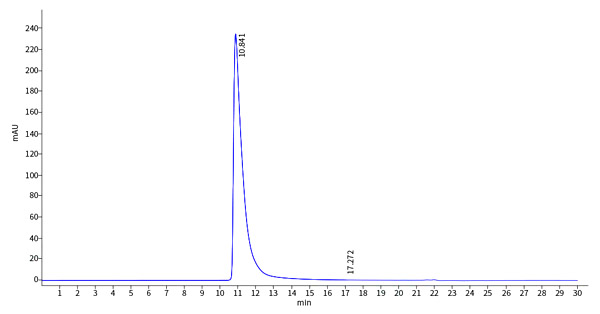
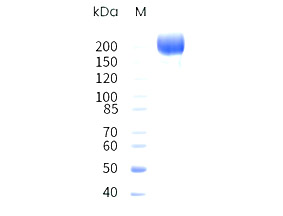
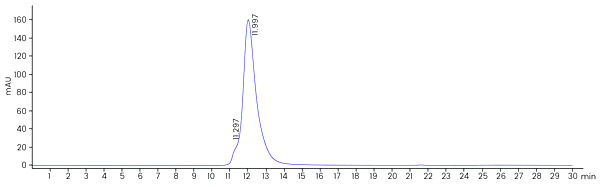
>= 90% as determined by SDS-PAGE.= 95% as determined by SEC-HPLC.
Synonyms
L1CAM; N/A; L1CAM Protein, Human, Recombinant (hFc Tag), HPLC-verified; L1 cell adhesion molecule; CAML1 Protein, Human; CD171 Protein, Human; HSAS Protein, Human; HSAS1 Protein, Human; MASA Protein, Human; MIC5 Protein, Human; N-CAM-L1 Protein, Human; N-CAML1 Protein, Human; NCAM-L1 Protein, Human; S10 Protein, Human; SPG1 Protein, Human; L1CAM recombinant protein
Host
HEK293 Cells
Purity/Purification
>= 90% as determined by SDS-PAGE.
= 95% as determined by SEC-HPLC.
= 95% as determined by SEC-HPLC.
Form/Format
Lyophilized from sterile PBS, pH 7.4. Please contact us for any concerns or special requirements.
Normally 5%-8% trehalose, mannitol and 0.01% Tween80 are added as protectants before lyophilization.
Normally 5%-8% trehalose, mannitol and 0.01% Tween80 are added as protectants before lyophilization.
Species
Human
Predicted N Terminal
Ile 20
Endotoxin
<1.0 EU per ug protein as determined by the LAL method.
Protein Construction
A DNA sequence encoding the Human L1CAM (NP_000416.1)(Met1-Glu1120) was expressed with the Fc region of human IgG1 at the C-terminus.
Preparation and Storage
Samples are stable for up to twelve months from date of receipt at -20 degree C to -80 degree C. Store it under sterile conditions at -20 degree C to -80 degree C. It is recommended that the protein be aliquoted for optimal storage. Avoid repeated freeze-thaw cycles.
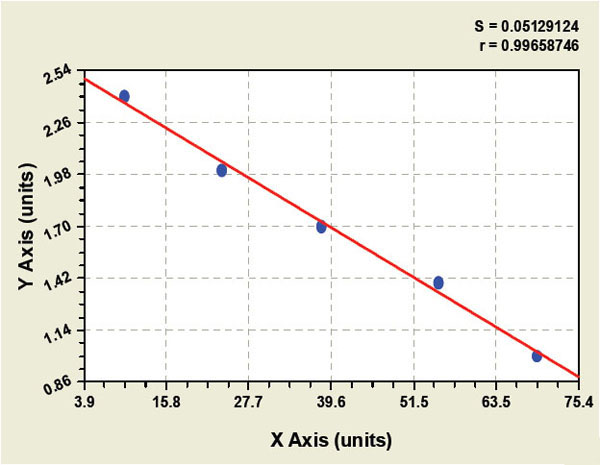
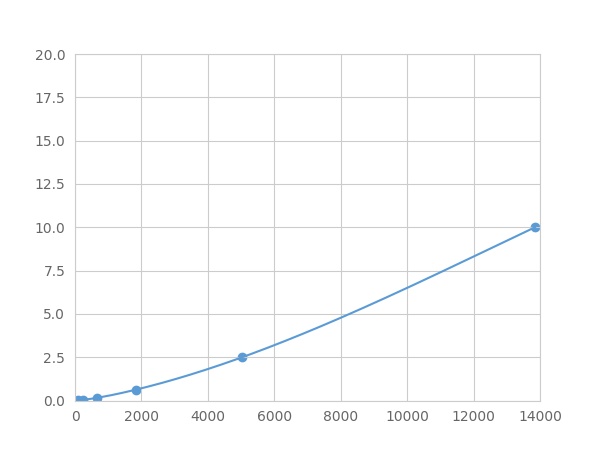
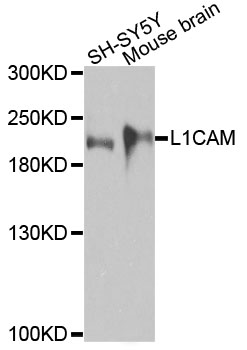
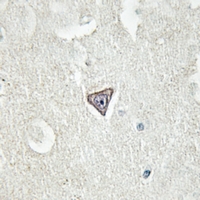
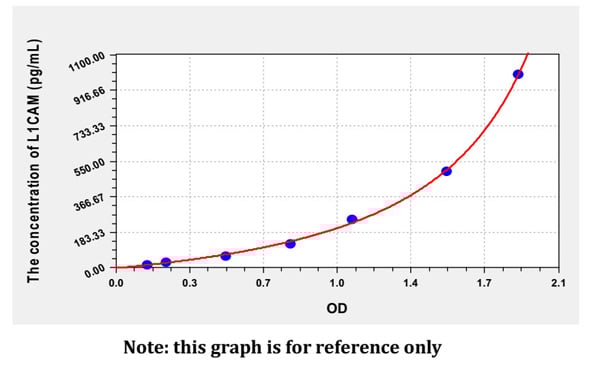
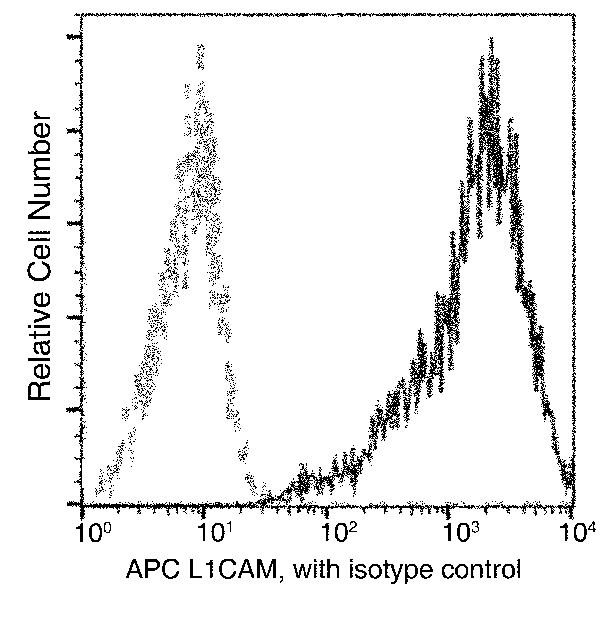
Application Data
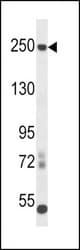
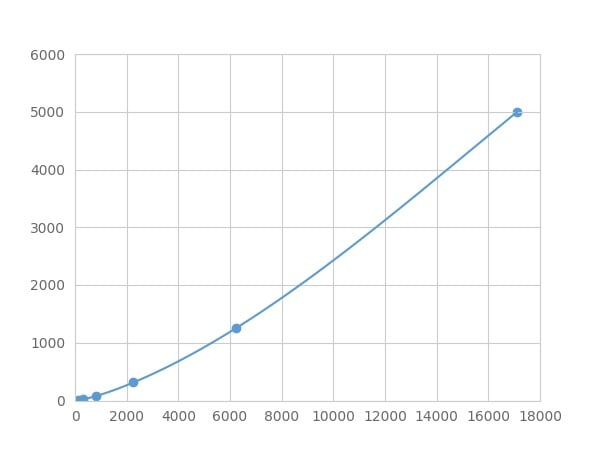
Application Data
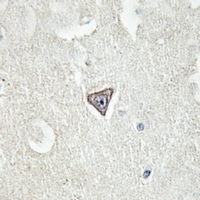
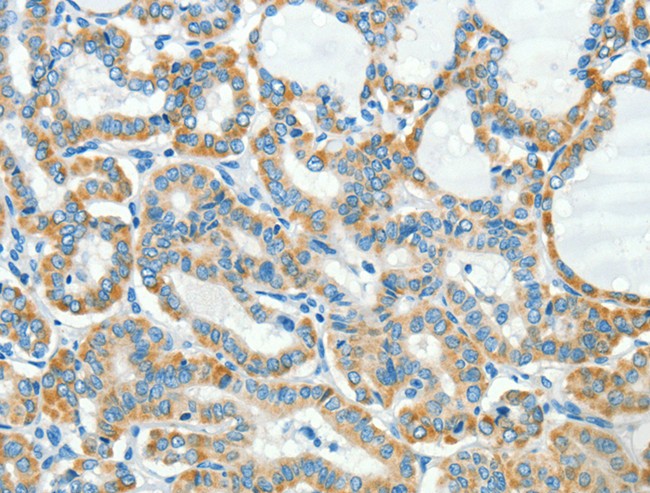
Application Data
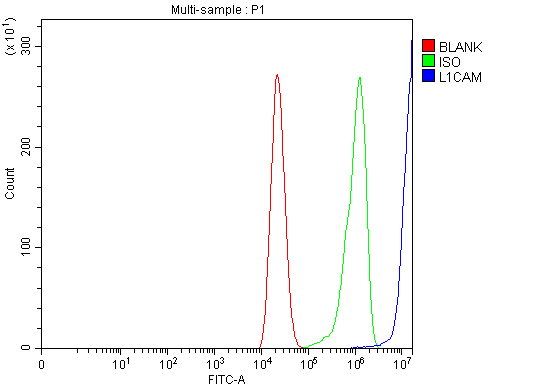
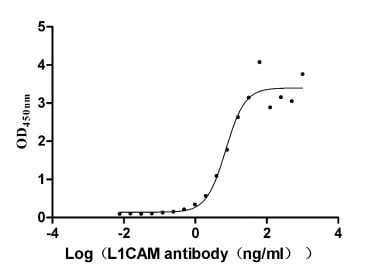
Application Data
Related Product Information for L1CAM recombinant protein
L1 cell adhesion molecule (L1CAM), also designated as CD171, is a cell adhesion receptor of the immunoglobulin superfamily, known for its roles in nerve cell function. While originally believed to be present only in brain cells, in recent years L1-CAM has been detected in other tissues, and a variety of cancer cells, including some common types of human cancer. L1CAM interacts with a variety of ligands including axonin-1, CD9, neurocan, and integrins, and it has been revealed that the RGD motif in the sixth Ig domain of L1CAM is a binding site for integrins, thus important for nuclear signaling. Disruption of L1CAM function causes three X-linked neurological syndromes, i.e. hydrocephalus, MASA syndrome (mental retardation, aphasia, shuffling gait, and adducted thumbs), and spastic paraplegia syndrome. Overexpression of L1CAM in normal and cancer cells increased motility, enhanced growth rate, and promoted cell transformation and tumorigenicity. Recent work has identified L1CAM (CD171) as a novel marker for human carcinoma progression, and a candidate for anti-cancer therapy.
References
Meier F, et al. (2006) The adhesion molecule L1 (CD171) promotes melanoma progression. Int J Cancer. 119(3): 549-55.
Gavert N, et al. (2008) L1-CAM in cancerous tissues. Expert Opin Biol Ther. 8(11): 1749-57.
Issa Y, et al. (2009) Enhanced L1CAM expression on pancreatic tumor endothelium mediates selective tumor cell transmigration. J Mol Med. 87(1): 99-112.
Weidle UH, et al. (2009) L1-CAM as a target for treatment of cancer with monoclonal antibodies. Anticancer Res. 29(12): 4919-31.
Raveh S, et al. (2009) L1 cell adhesion molecule (L1CAM) in invasive tumors. Cancer Lett. 282(2): 137-45.
Wolterink S, et al. (2010) Therapeutic antibodies to human L1CAM: functional characterization and application in a mouse model for ovarian carcinoma. Cancer Res. 70(6): 2504-15.
Gavert N, et al. (2008) L1-CAM in cancerous tissues. Expert Opin Biol Ther. 8(11): 1749-57.
Issa Y, et al. (2009) Enhanced L1CAM expression on pancreatic tumor endothelium mediates selective tumor cell transmigration. J Mol Med. 87(1): 99-112.
Weidle UH, et al. (2009) L1-CAM as a target for treatment of cancer with monoclonal antibodies. Anticancer Res. 29(12): 4919-31.
Raveh S, et al. (2009) L1 cell adhesion molecule (L1CAM) in invasive tumors. Cancer Lett. 282(2): 137-45.
Wolterink S, et al. (2010) Therapeutic antibodies to human L1CAM: functional characterization and application in a mouse model for ovarian carcinoma. Cancer Res. 70(6): 2504-15.
NCBI and Uniprot Product Information
NCBI GI #
NCBI GeneID
NCBI Accession #
NCBI GenBank Nucleotide #
Molecular Weight
140,003 Da
NCBI Official Full Name
neural cell adhesion molecule L1 isoform 1
NCBI Official Synonym Full Names
L1 cell adhesion molecule
NCBI Official Symbol
L1CAM
NCBI Official Synonym Symbols
S10; HSAS; MASA; MIC5; SPG1; CAML1; CD171; HSAS1; N-CAML1; NCAM-L1; N-CAM-L1
NCBI Protein Information
neural cell adhesion molecule L1; antigen identified by monoclonal antibody R1
UniProt Protein Name
Neural cell adhesion molecule L1
UniProt Gene Name
L1CAM
UniProt Synonym Gene Names
CAML1; MIC5; N-CAM-L1; NCAM-L1
UniProt Entry Name
L1CAM_HUMAN
Customer Reviews
Loading reviews...
Share Your Experience
Similar Products


Product Notes
The L1CAM l1cam (Catalog #AAA259170) is a Recombinant Protein produced from HEK293 Cells and is intended for research purposes only. The product is available for immediate purchase. It is sometimes possible for the material contained within the vial of "L1CAM, Recombinant Protein" to become dispersed throughout the inside of the vial, particularly around the seal of said vial, during shipment and storage. We always suggest centrifuging these vials to consolidate all of the liquid away from the lid and to the bottom of the vial prior to opening. Please be advised that certain products may require dry ice for shipping and that, if this is the case, an additional dry ice fee may also be required.Precautions
All products in the AAA Biotech catalog are strictly for research-use only, and are absolutely not suitable for use in any sort of medical, therapeutic, prophylactic, in-vivo, or diagnostic capacity. By purchasing a product from AAA Biotech, you are explicitly certifying that said products will be properly tested and used in line with industry standard. AAA Biotech and its authorized distribution partners reserve the right to refuse to fulfill any order if we have any indication that a purchaser may be intending to use a product outside of our accepted criteria.Disclaimer
Though we do strive to guarantee the information represented in this datasheet, AAA Biotech cannot be held responsible for any oversights or imprecisions. AAA Biotech reserves the right to adjust any aspect of this datasheet at any time and without notice. It is the responsibility of the customer to inform AAA Biotech of any product performance issues observed or experienced within 30 days of receipt of said product. To see additional details on this or any of our other policies, please see our Terms & Conditions page.Item has been added to Shopping Cart
If you are ready to order, navigate to Shopping Cart and get ready to checkout.