
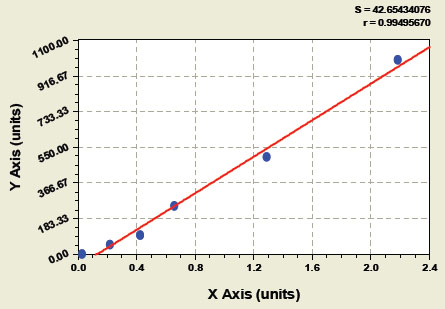
 Application Data
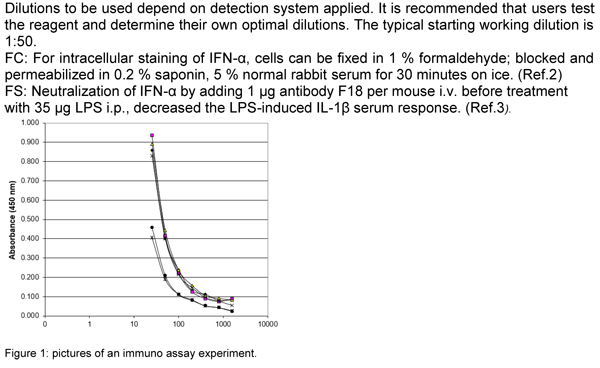
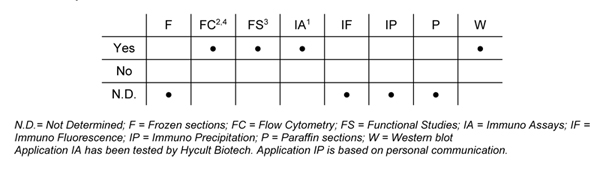
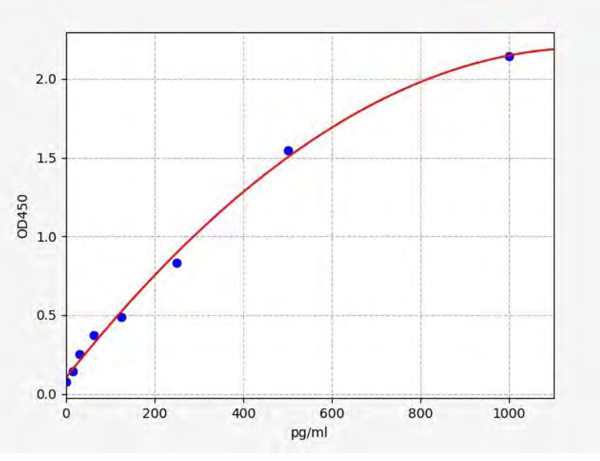
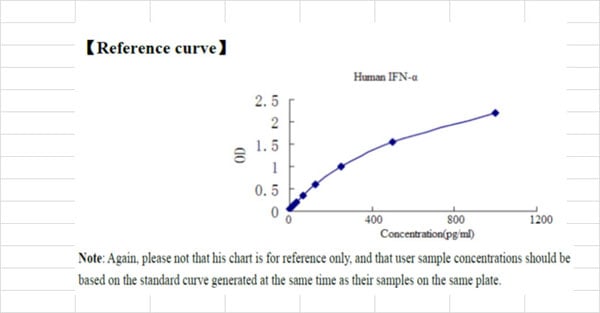
(IA: AAA77791 has been used as a capture antibody to determine)
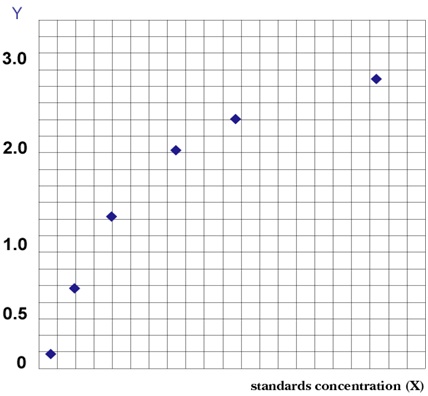
Application Data
(IA: AAA77791 has been used as a capture antibody to determine)
Rat IFN-alpha Monoclonal Antibody | anti-IFN-alpha antibody
IFN-alpha, Mouse, mAb F18
Gene Names
IFNA1; IFL; IFN; IFNA@; IFNA13; IFN-ALPHA; IFN-alphaD
Reactivity
Cross reactant: Human IFN Reactivity: NoCross reactant: Mouse IFN-Beta Reactivity: No
Cross reactant: Mouse IFN-gamma Reactivity: No
Synonyms
IFN-alpha, Antibody; IFN-alpha, Mouse, mAb F18; IFN-alpha; anti-IFN-alpha antibody
Host
Rat
Reactivity
Cross reactant: Human IFN Reactivity: No
Cross reactant: Mouse IFN-Beta Reactivity: No
Cross reactant: Mouse IFN-gamma Reactivity: No
Cross reactant: Mouse IFN-Beta Reactivity: No
Cross reactant: Mouse IFN-gamma Reactivity: No
Clonality
Monoclonal
Isotype
Rat IgG1
Form/Format
1 ml (100 ug/ml) 0.2 um filtered protein G purified antibody solution in PBS, containing 0.1% bovine serum albumin. The endotoxin concentration is < 24 EU/mg, determined with MBS584532 LAL Assay
For unit size 0.5 mg or larger: PBS only
For unit size 0.5 mg or larger: PBS only
Positive Control
Plasmacytoid dendritic cells
Preparation and Storage
Product should be stored at 4 degree C. Under recommended storage conditions, product is stable for one year.
Application Data
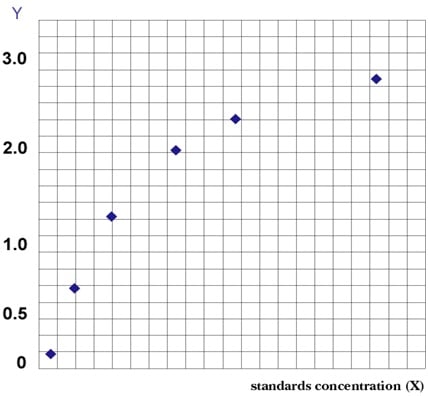
(IA: AAA77791 has been used as a capture antibody to determine)
Application Data
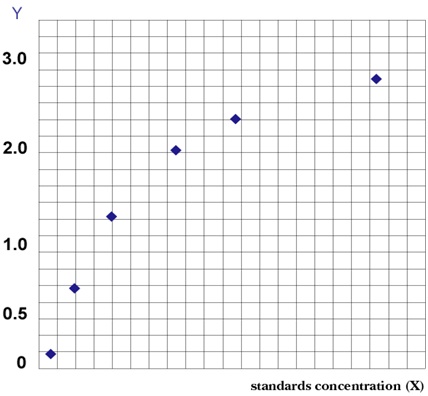
(IA: AAA77791 has been used as a capture antibody to determine)
Application Data
Application Data
Related Product Information for anti-IFN-alpha antibody
The monoclonal antibody F18 recognizes and neutralizes both natural and recombinant mouse alpha Interferon (IFN-alpha). IFN-alpha is a cytokine that belongs to the type I interferons (IFN-I). IFN-alpha is secreted by many cell types including lymphocytes (NK cells, B-cells and T-cells), macrophages, fibroblasts, endothelial cells, osteoblasts, microglia and others. Interferons stimulate both macrophages and NK cells to elicit an anti-viral response, and are also active against tumors. Although all cells can produce IFN-I, plasmacytoid dendritic cells (pDCs) produce 1,000-fold higher levels than other cell types, and are responsible for systemic IFN-I responses to many viruses. They are coined as the natural IFN-producing cells. However, under deprived pDC condition, other dendritic cells are capable of producing high levels of IFN-I.
Interferons were initially characterized for their ability to 'interfere' with viral replication, slow cell proliferation, and profoundly alter immunity. IFN-alpha has several regulatory roles and diverse biological activities, including control of cellular and humoral immune responses, inflammation, and tumor regression. In addition, IFN-alpha participates in the regulation of various cellular and humoral processes such as the endocrine system modulates behavior, brain activity, temperature, glucose sensitive neurons, feeding pattern and opiate activity.
With the availability of monoclonal antibodies directed against IFN-alpha, it is possible to interpret results obtained from crude materials containing both IFN-alpha and IFNbeta. The difficulties in studying in vitro and in vivo effects of 'type 1'. Interferons arise from the fact that both alpha and beta Interferons are produced in response to the same stimuli and also seem to act via the same receptor. These Interferon activities can only be distinguished from one another by use of specific neutralizing antibodies.
Interferons were initially characterized for their ability to 'interfere' with viral replication, slow cell proliferation, and profoundly alter immunity. IFN-alpha has several regulatory roles and diverse biological activities, including control of cellular and humoral immune responses, inflammation, and tumor regression. In addition, IFN-alpha participates in the regulation of various cellular and humoral processes such as the endocrine system modulates behavior, brain activity, temperature, glucose sensitive neurons, feeding pattern and opiate activity.
With the availability of monoclonal antibodies directed against IFN-alpha, it is possible to interpret results obtained from crude materials containing both IFN-alpha and IFNbeta. The difficulties in studying in vitro and in vivo effects of 'type 1'. Interferons arise from the fact that both alpha and beta Interferons are produced in response to the same stimuli and also seem to act via the same receptor. These Interferon activities can only be distinguished from one another by use of specific neutralizing antibodies.
References
1. Dalod, M et al; Interferon ;/β and interleukin 12 responses to viral infections: pathways regulating dendritic cell cytokine expression in vivo. J Exp Med 2002, 195: 517 2. Diebold, S et al; Viral infection switches nonplasmacytoid dendritic cells into high interferon producers. Nature 2003, 424: 324
3. Joshi, V et al; A role for Stat1 in the regulation of lipopolysaccharide-induced Interleukin-1beta expression. J Interferon Cytokine Res 2006, 26: 739.
3. Joshi, V et al; A role for Stat1 in the regulation of lipopolysaccharide-induced Interleukin-1beta expression. J Interferon Cytokine Res 2006, 26: 739.
NCBI and Uniprot Product Information
NCBI GI #
NCBI GeneID
NCBI Accession #
NCBI GenBank Nucleotide #
Molecular Weight
21,725 Da
NCBI Official Full Name
interferon alpha-1/13
NCBI Official Synonym Full Names
interferon alpha 1
NCBI Official Symbol
IFNA1
NCBI Official Synonym Symbols
IFL; IFN; IFNA@; IFNA13; IFN-ALPHA; IFN-alphaD
NCBI Protein Information
interferon alpha-1/13
UniProt Protein Name
Interferon alpha-1/13
UniProt Gene Name
IFNA1
UniProt Synonym Gene Names
IFN-alpha-1/13; LeIF D
Customer Reviews
Loading reviews...
Share Your Experience
Similar Products




Product Notes
The IFN-alpha ifna1 (Catalog #AAA77791) is an Antibody produced from Rat and is intended for research purposes only. The product is available for immediate purchase. The IFN-alpha, Mouse, mAb F18 reacts with Cross reactant: Human IFN Reactivity: No Cross reactant: Mouse IFN-Beta Reactivity: No Cross reactant: Mouse IFN-gamma Reactivity: No and may cross-react with other species as described in the data sheet. It is sometimes possible for the material contained within the vial of "IFN-alpha, Monoclonal Antibody" to become dispersed throughout the inside of the vial, particularly around the seal of said vial, during shipment and storage. We always suggest centrifuging these vials to consolidate all of the liquid away from the lid and to the bottom of the vial prior to opening. Please be advised that certain products may require dry ice for shipping and that, if this is the case, an additional dry ice fee may also be required.Precautions
All products in the AAA Biotech catalog are strictly for research-use only, and are absolutely not suitable for use in any sort of medical, therapeutic, prophylactic, in-vivo, or diagnostic capacity. By purchasing a product from AAA Biotech, you are explicitly certifying that said products will be properly tested and used in line with industry standard. AAA Biotech and its authorized distribution partners reserve the right to refuse to fulfill any order if we have any indication that a purchaser may be intending to use a product outside of our accepted criteria.Disclaimer
Though we do strive to guarantee the information represented in this datasheet, AAA Biotech cannot be held responsible for any oversights or imprecisions. AAA Biotech reserves the right to adjust any aspect of this datasheet at any time and without notice. It is the responsibility of the customer to inform AAA Biotech of any product performance issues observed or experienced within 30 days of receipt of said product. To see additional details on this or any of our other policies, please see our Terms & Conditions page.Item has been added to Shopping Cart
If you are ready to order, navigate to Shopping Cart and get ready to checkout.