
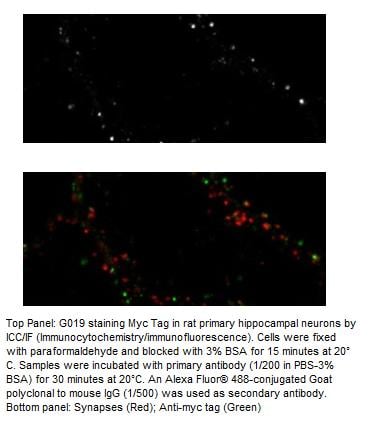
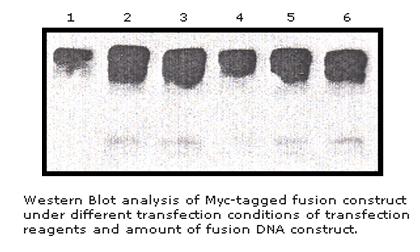
 Application Data
Mouse Myc Monoclonal Antibody | anti-Myc antibody
Anti-Myc Antibody
Applications
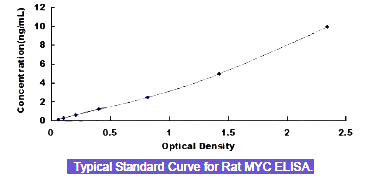
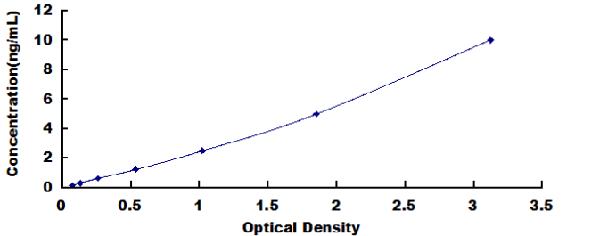
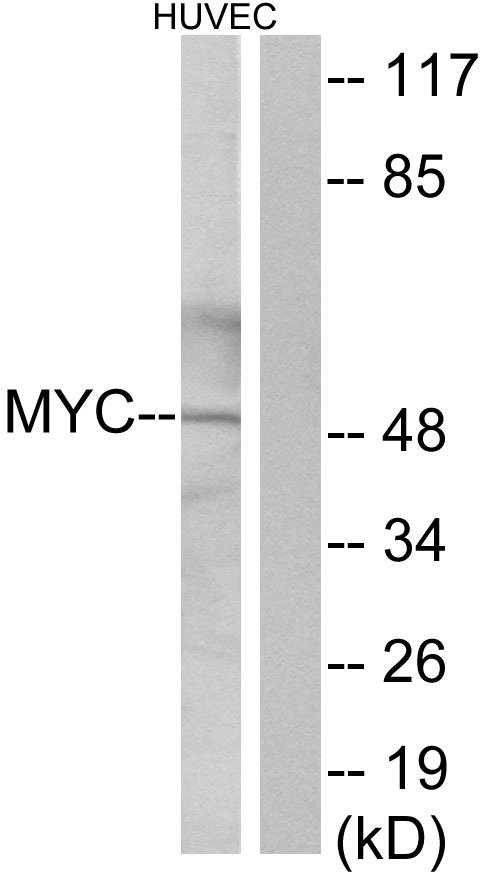
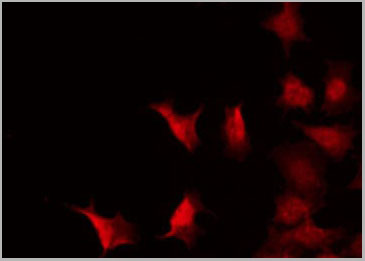
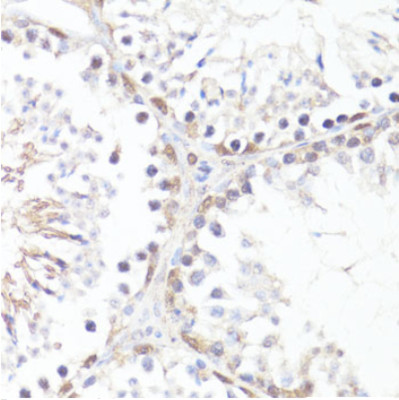
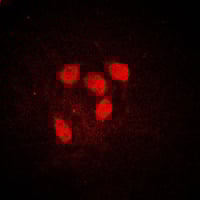
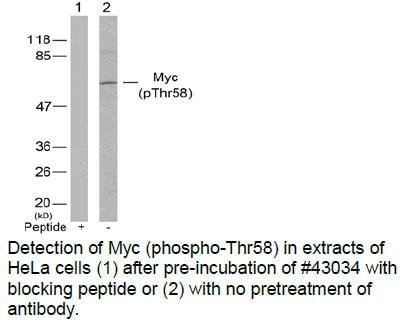
Immunocytochemistry, Immunoprecipitation, Western Blot, Dot Blot, ELISA, Immunofluorescence
Synonyms
Myc, Antibody; Anti-Myc Antibody; anti-Myc antibody
Host
Mouse
Clonality
Monoclonal
Isotype
IgG1
Specificity
Myc-tag Monoclonal Antibody. Recognises over-expressed proteins containing Myc epitope tag fused to either amino- or carboxy-termini of targeted proteins in transfected mammalian cells.
Form/Format
Liquid
Concentration
100ug/100ul (varies by lot)
Sequence Length
425
Applicable Applications for anti-Myc antibody
ICC (Immunocytochemistry), IP (Immunoprecipitation), WB (Western Blot), DB (Dot Blot), ELISA, IF (Immunofluorescence)
Storage Buffer
PBS, pH 7.4 with 0.05% sodium azide.
Immunogen
A synthetic peptide corresponding to residues 410-419 (EQKLISEEDL) coupled to KLH.
Preparation and Storage
This product is stable for several weeks at 4 degree C as an undiluted liquid. Dilute only prior to immediate use. For extended storage, aliquot contents and freeze at -20 degree C or below. Avoid cycles of freezing and thawing. Expiration date is one (1) year from date of receipt.
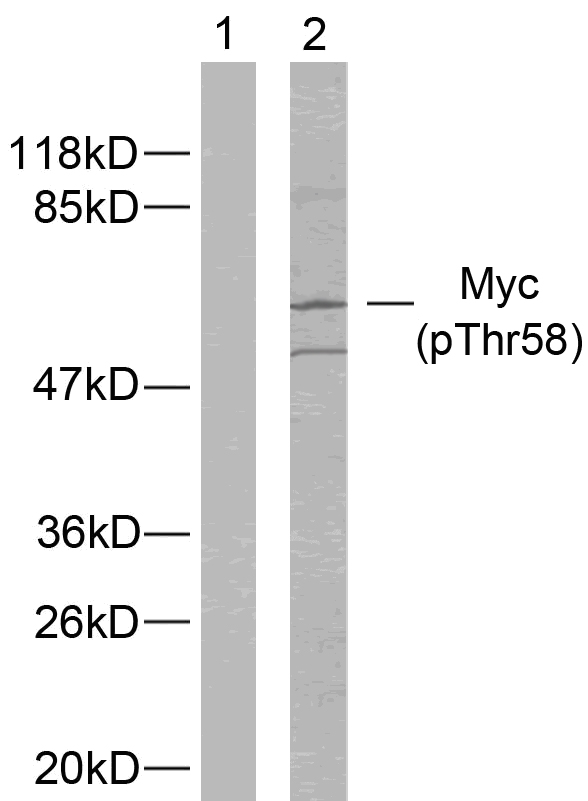
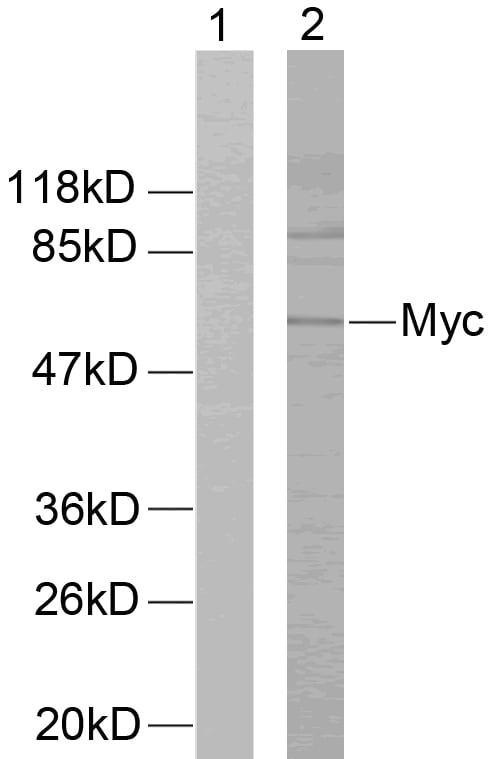
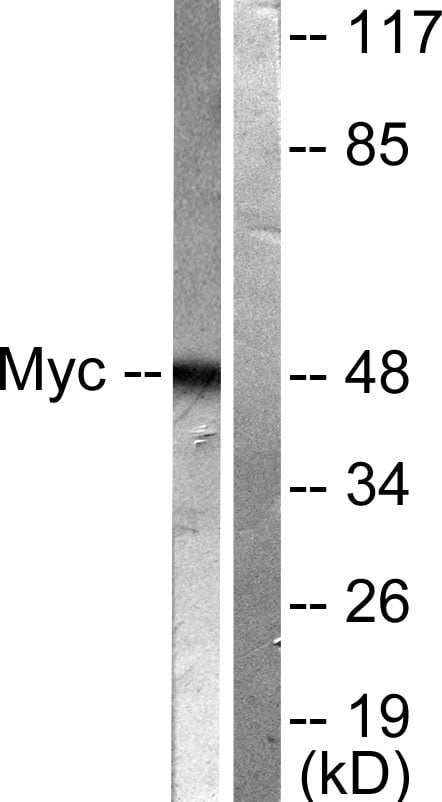
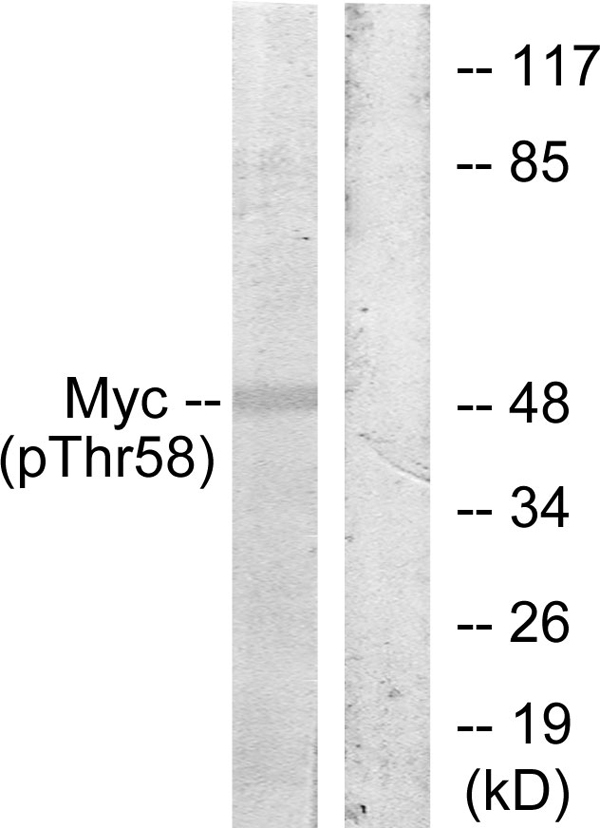
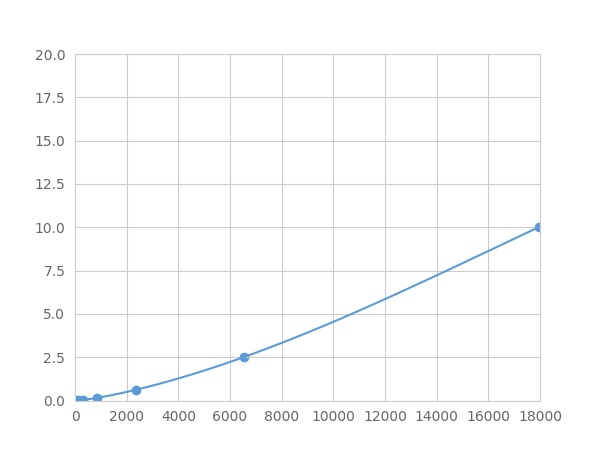
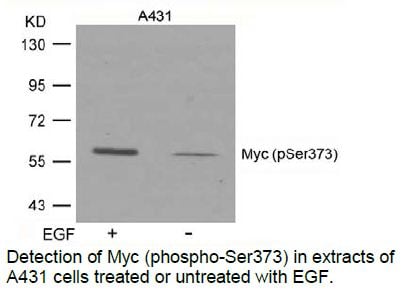
Application Data
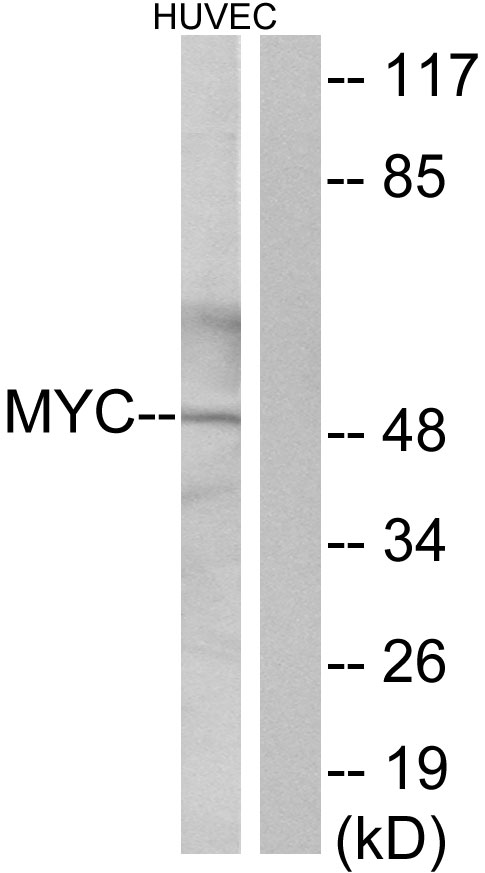
Application Data
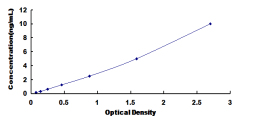
Application Data
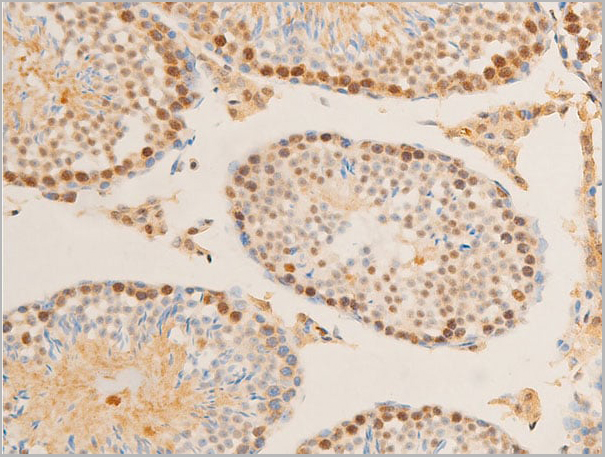
Application Data
Related Product Information for anti-Myc antibody
This gene is a multifunctional, nuclear phosphoprotein that plays a role in cell cycle progression, apoptosis and cellular transformation. It functions as a transcription factor that regulates transcription of specific target genes. Mutations, overexpression, rearrangement and translocation of this gene have been associated with a variety of hematopoietic tumors, leukemias and lymphomas, including Burkitt lymphoma. There is evidence to show that alternative translation initiations from an upstream, in-frame non-AUG (CUG) and a downstream AUG start site result in the production of two isoforms with distinct N-termini. The synthesis of non-AUG initiated protein is suppressed in Burkitt's lymphomas, suggesting its importance in the normal function of this gene. [provided by RefSeq, Jul 2008]
References
Ahn, CS et al. "Overexpression of the PP2A regulatory subunit Tap46 leads to enhanced plant growth through stimulation of the TOR signalling pathway." J. Exp. Bot. : (2014). PubMed: 25399018.
Su,, B. et al. "A Genome-Wide RNAi Screen Identifies FOXO4 as a Metastasis-Suppressor through Counteracting PI3K/AKT Signal Pathway in Prostate Cancer." Plos One 9 (7): (2014). PubMed: 24983969.
Shi, XH et al. "The expression and localization of N-myc downstream-regulated gene 1 in human trophoblasts." PLoS One 8 (9):e75473 (2013). DOI: 10.1371/journal.pone.0075473. Application: Western Blot.
Shi, XH et al. "The expression and localization of N-myc downstream-regulated gene 1 in human trophoblasts." PLoS ONE 8:e75473 (2013). PubMed: 24066183.
Zhang, A et al. "The human long non-coding RNA-RoR is a p53 repressor in response to DNA damage." Cell Res. 23(3):340-50 (2013). DOI: 10.1038/cr.2012.164. PubMed: 23208419.
Kim, JH et al. "The Arabidopsis RING E3 ubiquitin ligase AtAIRP3, LOG2 participates in positive regulation of high-salt and drought stress responses." Plant Physiol 162:1733-49 (2013). PubMed: 23696092.
Petzold, CJ et al. "Cells determine cell density using a small protein bound to a unique tissue-specific phospholipid." PeerJ 1:e192 (2013). PubMed: 24244914.
Tattoli, I et al. "Amino Acid Starvation Induced by Invasive Bacterial Pathogens Triggers an Innate Host Defense Program." Cell Host Microbe 11 (6):563-575 (2012). DOI: 10.1016/j.chom.2012.04.012. Application: Western Blot.
Sachdeva, M et al. "Negative regulation of miR-145 by C/EBP-beta through the Akt pathway in cancer cells." Nucleic Acids Res 40(14):6683-92 (2012). DOI: 10.1093/nar/gks324. PubMed: 22495929.
Schmid, D et al. "An abundant, truncated human sulfonylurea receptor 1 splice variant has prodiabetic properties and impairs sulfonylurea action." Cell Mol Life Sci 69:129-48 (2012). PubMed: 21671119.
Liu, TT et al. "Rab GTPase regulation of retromer-mediated cargo export during endosome maturation." Mol Biol Cell 23:2505-15 (2012). PubMed: 22593205.
Rothenburg, S et al. " Characterization of a ranavirus inhibitor of the antiviral protein kinase PKR." BMC Microbiol 11:56 (2011). DOI: 10.1186/1471-2180-11-56. Application: Western Blot.
Jung, H et al. "Mest, Peg1 inhibits Wnt signalling through regulation of LRP6 glycosylation." Biochem. J. 436:263-9 (2011). PubMed: 21375506. Application: Immunoprecipitation.
Christova, T et al. "Lymphoid enhancer factor-1 mediates loading of Pax3 to a promoter harbouring lymphoid enhancer factor-1 binding sites resulting in enhancement of transcription.." Int J Biochem & Cell Biol 42 (5):630-640 (2010). DOI: 10.1007/978-1-61779-455-1_15. Application: Western Blot.
Mo, Y.Y et al. "MicroRNA-145 Suppresses Cell Invasion and Metastasis by Directly Targeting Mucin 1." Journal of Cancer Res 70 (1):278-287 (2010). DOI: 10.1158/0008-5472. Application: Western Blot.
Son, O et al. "In vitro and in vivo interaction of AtRma2 E3 ubiquitin ligase and auxin binding protein 1." Biochem Biophys Res Commun 396 (3):492-497 (2010). DOI: 10.1016/j.bbrc.2010.02.032. PubMed: 20152813. Application: Immunoblot.
Sachdeva, M et al. "MicroRNA-145 suppresses cell invasion and metastasis by directly targeting mucin 1." Cancer Res 70(1):378-87 (2010). DOI: 10.1158/0008-5472.CAN-09-2021. PubMed: 19996288.
McPherson, VA et al. "Contributions of F-BAR and SH2 domains of Fes protein tyrosine kinase for coupling to the FcepsilonRI pathway in mast cells." Mol Cell Biol 29 (2):389-401 (2008). DOI: 10.1128/MCB.00904-08. Application: Immunostaining.
Cho, SK et al. "Arabidopsis PUB22 and PUB23 are homologous U-Box E3 ubiquitin ligases that play combinatory roles in response to drought stress." Plant Cell 20:1899-914 (2008). PubMed: 18664614.
Zhu, S et al. "MicroRNA-21 targets tumor suppressor genes in invasion and metastasis." Cell Res 18:350-9 (2008). PubMed: 18270520.
Wu, F et al. "Gam1-associated alterations of drug responsiveness through activation of apoptosis." Mol Cancer Ther 6 (6):1823-1830 (2007). PubMed: 17575111. Application: Western Blot.
Mller, I et al. "Ca2+ signaling and gene transcription in glucose-stimulated insulinoma cells." Cell Calcium 52 (2):137-51 (2012). PubMed: 22658828. Application: Immunoblot.
Su,, B. et al. "A Genome-Wide RNAi Screen Identifies FOXO4 as a Metastasis-Suppressor through Counteracting PI3K/AKT Signal Pathway in Prostate Cancer." Plos One 9 (7): (2014). PubMed: 24983969.
Shi, XH et al. "The expression and localization of N-myc downstream-regulated gene 1 in human trophoblasts." PLoS One 8 (9):e75473 (2013). DOI: 10.1371/journal.pone.0075473. Application: Western Blot.
Shi, XH et al. "The expression and localization of N-myc downstream-regulated gene 1 in human trophoblasts." PLoS ONE 8:e75473 (2013). PubMed: 24066183.
Zhang, A et al. "The human long non-coding RNA-RoR is a p53 repressor in response to DNA damage." Cell Res. 23(3):340-50 (2013). DOI: 10.1038/cr.2012.164. PubMed: 23208419.
Kim, JH et al. "The Arabidopsis RING E3 ubiquitin ligase AtAIRP3, LOG2 participates in positive regulation of high-salt and drought stress responses." Plant Physiol 162:1733-49 (2013). PubMed: 23696092.
Petzold, CJ et al. "Cells determine cell density using a small protein bound to a unique tissue-specific phospholipid." PeerJ 1:e192 (2013). PubMed: 24244914.
Tattoli, I et al. "Amino Acid Starvation Induced by Invasive Bacterial Pathogens Triggers an Innate Host Defense Program." Cell Host Microbe 11 (6):563-575 (2012). DOI: 10.1016/j.chom.2012.04.012. Application: Western Blot.
Sachdeva, M et al. "Negative regulation of miR-145 by C/EBP-beta through the Akt pathway in cancer cells." Nucleic Acids Res 40(14):6683-92 (2012). DOI: 10.1093/nar/gks324. PubMed: 22495929.
Schmid, D et al. "An abundant, truncated human sulfonylurea receptor 1 splice variant has prodiabetic properties and impairs sulfonylurea action." Cell Mol Life Sci 69:129-48 (2012). PubMed: 21671119.
Liu, TT et al. "Rab GTPase regulation of retromer-mediated cargo export during endosome maturation." Mol Biol Cell 23:2505-15 (2012). PubMed: 22593205.
Rothenburg, S et al. " Characterization of a ranavirus inhibitor of the antiviral protein kinase PKR." BMC Microbiol 11:56 (2011). DOI: 10.1186/1471-2180-11-56. Application: Western Blot.
Jung, H et al. "Mest, Peg1 inhibits Wnt signalling through regulation of LRP6 glycosylation." Biochem. J. 436:263-9 (2011). PubMed: 21375506. Application: Immunoprecipitation.
Christova, T et al. "Lymphoid enhancer factor-1 mediates loading of Pax3 to a promoter harbouring lymphoid enhancer factor-1 binding sites resulting in enhancement of transcription.." Int J Biochem & Cell Biol 42 (5):630-640 (2010). DOI: 10.1007/978-1-61779-455-1_15. Application: Western Blot.
Mo, Y.Y et al. "MicroRNA-145 Suppresses Cell Invasion and Metastasis by Directly Targeting Mucin 1." Journal of Cancer Res 70 (1):278-287 (2010). DOI: 10.1158/0008-5472. Application: Western Blot.
Son, O et al. "In vitro and in vivo interaction of AtRma2 E3 ubiquitin ligase and auxin binding protein 1." Biochem Biophys Res Commun 396 (3):492-497 (2010). DOI: 10.1016/j.bbrc.2010.02.032. PubMed: 20152813. Application: Immunoblot.
Sachdeva, M et al. "MicroRNA-145 suppresses cell invasion and metastasis by directly targeting mucin 1." Cancer Res 70(1):378-87 (2010). DOI: 10.1158/0008-5472.CAN-09-2021. PubMed: 19996288.
McPherson, VA et al. "Contributions of F-BAR and SH2 domains of Fes protein tyrosine kinase for coupling to the FcepsilonRI pathway in mast cells." Mol Cell Biol 29 (2):389-401 (2008). DOI: 10.1128/MCB.00904-08. Application: Immunostaining.
Cho, SK et al. "Arabidopsis PUB22 and PUB23 are homologous U-Box E3 ubiquitin ligases that play combinatory roles in response to drought stress." Plant Cell 20:1899-914 (2008). PubMed: 18664614.
Zhu, S et al. "MicroRNA-21 targets tumor suppressor genes in invasion and metastasis." Cell Res 18:350-9 (2008). PubMed: 18270520.
Wu, F et al. "Gam1-associated alterations of drug responsiveness through activation of apoptosis." Mol Cancer Ther 6 (6):1823-1830 (2007). PubMed: 17575111. Application: Western Blot.
Mller, I et al. "Ca2+ signaling and gene transcription in glucose-stimulated insulinoma cells." Cell Calcium 52 (2):137-51 (2012). PubMed: 22658828. Application: Immunoblot.
NCBI and Uniprot Product Information
NCBI GI #
NCBI Accession #
NCBI GenBank Nucleotide #
NCBI Official Full Name
MYC
Customer Reviews
Loading reviews...
Share Your Experience
Similar Products

Product Notes
The Myc (Catalog #AAA60779) is an Antibody produced from Mouse and is intended for research purposes only. The product is available for immediate purchase. AAA Biotech's Myc can be used in a range of immunoassay formats including, but not limited to, ICC (Immunocytochemistry), IP (Immunoprecipitation), WB (Western Blot), DB (Dot Blot), ELISA, IF (Immunofluorescence). Researchers should empirically determine the suitability of the Myc for an application not listed in the data sheet. Researchers commonly develop new applications and it is an integral, important part of the investigative research process. It is sometimes possible for the material contained within the vial of "Myc, Monoclonal Antibody" to become dispersed throughout the inside of the vial, particularly around the seal of said vial, during shipment and storage. We always suggest centrifuging these vials to consolidate all of the liquid away from the lid and to the bottom of the vial prior to opening. Please be advised that certain products may require dry ice for shipping and that, if this is the case, an additional dry ice fee may also be required.Precautions
All products in the AAA Biotech catalog are strictly for research-use only, and are absolutely not suitable for use in any sort of medical, therapeutic, prophylactic, in-vivo, or diagnostic capacity. By purchasing a product from AAA Biotech, you are explicitly certifying that said products will be properly tested and used in line with industry standard. AAA Biotech and its authorized distribution partners reserve the right to refuse to fulfill any order if we have any indication that a purchaser may be intending to use a product outside of our accepted criteria.Disclaimer
Though we do strive to guarantee the information represented in this datasheet, AAA Biotech cannot be held responsible for any oversights or imprecisions. AAA Biotech reserves the right to adjust any aspect of this datasheet at any time and without notice. It is the responsibility of the customer to inform AAA Biotech of any product performance issues observed or experienced within 30 days of receipt of said product. To see additional details on this or any of our other policies, please see our Terms & Conditions page.Item has been added to Shopping Cart
If you are ready to order, navigate to Shopping Cart and get ready to checkout.