
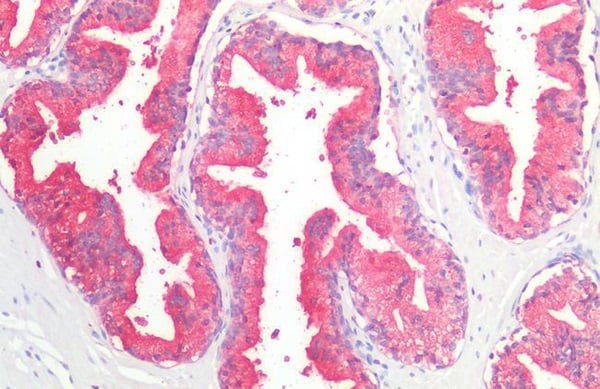
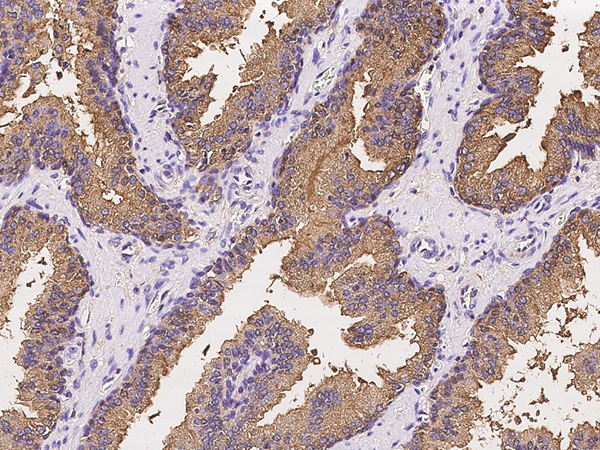
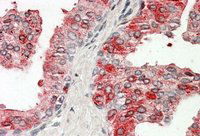
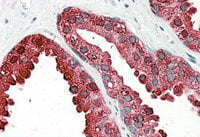
 IHC (Immunohiostchemistry)
(ACPP/PAP Antibody-Human Prostate: Formalin-Fixed, Paraffin-Embedded (FFPE))
IHC (Immunohiostchemistry)
(ACPP/PAP Antibody-Human Prostate: Formalin-Fixed, Paraffin-Embedded (FFPE))
Rabbit ACPP/PAP Polyclonal Antibody | anti-ACPP antibody
ACPP/PAP Rabbit anti-Human Polyclonal Antibody
Gene Names
ACPP; ACP3; 5'-NT; ACP-3
Reactivity
Mouse, Rat, Human
Applications
Western Blot, Immunohistochemistry
Purity
Immunoaffinity chromatography
Synonyms
ACPP/PAP, Antibody; ACPP/PAP Rabbit anti-Human Polyclonal Antibody; PathPlus ACPP/PAP Antibody; ACPP; ACP3; 5-NT; 5-nucleotidase; Acid phosphatase; prostate; ACP-3; Ecto-5-nucleotidase; PAP; Prostatic acid phosphatase; Thiamine monophosphatase; Prostatic acid phosphotase; TMPase; anti-ACPP antibody
Host
Rabbit
Reactivity
Mouse, Rat, Human
Clonality
Polyclonal
Specificity
Recognizes endogenous levels of TMPase protein.
Purity/Purification
Immunoaffinity chromatography
Form/Format
Liquid in 0.42% Potassium phosphate, 0.87% Sodium chloride, pH7.3, 30% glycerol, and 0.01% sodium azide.
Concentration
1mg/ml (varies by lot)
Applicable Applications for anti-ACPP antibody
WB (Western Blot), IHC (Immunohistochemistry)
Target
Human ACPP/PAP
Immunogen
Recombinant full length protein of human TMPase
Conjugation
Unconjugated
Preparation and Storage
Aliquot and store at -20 degree C for 1 year. Avoid freeze/thaw cycles.
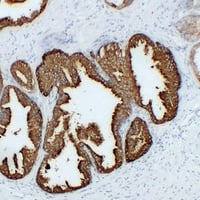
IHC (Immunohiostchemistry)
(ACPP/PAP Antibody-Human Prostate: Formalin-Fixed, Paraffin-Embedded (FFPE))
IHC (Immunohiostchemistry)
(ACPP/PAP Antibody-Human Prostate: Formalin-Fixed, Paraffin-Embedded (FFPE))
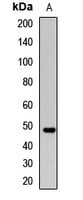
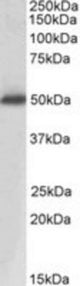
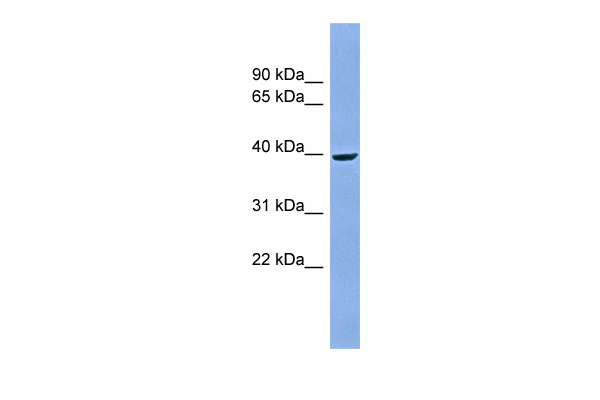
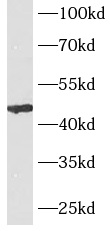
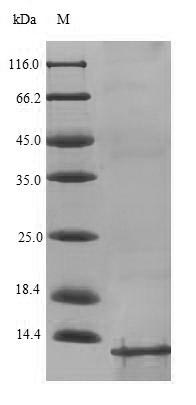
WB (Western Blot)
(ACPP/PAP Antibody)
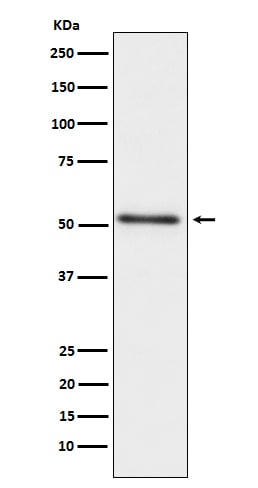
WB (Western Blot)
(ACPP/PAP Antibody)
Related Product Information for anti-ACPP antibody
PAP antibody is an unconjugated rabbit polyclonal antibody to PAP (ACPP) from human. It is reactive with human, mouse and rat. Validated for IHC and WB.
PSAP (ACPP, prostatic acid phosphatase) is a dephosphorylating enzyme produced in prostatic glandular epithelium. PSAP is a positive biomarker for hyperplastic prostate in immunohistochemistry and may be used to identify prostate origin in metastatic cancers. PSAP distinguishes prostate cancer (positive) from urothelial cancer, mesonephric remnant hyperplasia and clear cell tumors (generally negative). It is also positive in bladder and rectal carcinomas. Higher expression in tumors has been correlated with increasing tumor stage, although it is thought to be a tumor suppressant by means of vitamin D-associated slowing of prostate growth. Lower expression in normal tissue is therefore thought to be a risk factor for the development of cancer. In immunohistochemistry of normal tissue, antibodies to PSAP have cytoplasmic positivity in lysosomal granules in normal prostatic epithelial and ductal cells.
PSAP (ACPP, prostatic acid phosphatase) is a dephosphorylating enzyme produced in prostatic glandular epithelium. PSAP is a positive biomarker for hyperplastic prostate in immunohistochemistry and may be used to identify prostate origin in metastatic cancers. PSAP distinguishes prostate cancer (positive) from urothelial cancer, mesonephric remnant hyperplasia and clear cell tumors (generally negative). It is also positive in bladder and rectal carcinomas. Higher expression in tumors has been correlated with increasing tumor stage, although it is thought to be a tumor suppressant by means of vitamin D-associated slowing of prostate growth. Lower expression in normal tissue is therefore thought to be a risk factor for the development of cancer. In immunohistochemistry of normal tissue, antibodies to PSAP have cytoplasmic positivity in lysosomal granules in normal prostatic epithelial and ductal cells.
References
Virchows Archiv: An International Journal of Pathology 2009-05; 454.5; 573-579, PMID: 19301031; Cancer Research 9/1/1992; 52.17; 4600-4607, PMID:1380886; The Journal of Steroid Biochemistry and Molecular Biology 2005-10; 97.43102; 37-46, PMID: 16076555; Biomolecules & Therapeutics 2013-01; 21.1; 43393, PMID: 24009853; Journal of Immunology (Baltimore, Md.: 1950) 12/15/2001; 167.12; 7150-7156, PMID: 11739538; The American Journal of Surgical Pathology 1991-08; 15.8; 785-790, PMID; 1712549; Appl Immunohistochem Mol Morphol. 2002 Sep;10(3):231-6, PMID: 12373149; Ann Diagn Pathol 2009;13:402, PMID: 19917478;
NCBI and Uniprot Product Information
NCBI GI #
NCBI GeneID
NCBI Accession #
NCBI GenBank Nucleotide #
Molecular Weight
40,443 Da
NCBI Official Full Name
prostatic acid phosphatase isoform PAP
NCBI Official Synonym Full Names
acid phosphatase, prostate
NCBI Official Symbol
ACPP
NCBI Official Synonym Symbols
ACP3; 5'-NT; ACP-3
NCBI Protein Information
prostatic acid phosphatase
UniProt Protein Name
Prostatic acid phosphatase
UniProt Gene Name
ACPP
UniProt Synonym Gene Names
PAP; 5'-NT; TMPase
UniProt Entry Name
PPAP_HUMAN
Customer Reviews
Loading reviews...
Share Your Experience
Similar Products
Product Notes
The ACPP acpp (Catalog #AAA163330) is an Antibody produced from Rabbit and is intended for research purposes only. The product is available for immediate purchase. The ACPP/PAP Rabbit anti-Human Polyclonal Antibody reacts with Mouse, Rat, Human and may cross-react with other species as described in the data sheet. AAA Biotech's ACPP/PAP can be used in a range of immunoassay formats including, but not limited to, WB (Western Blot), IHC (Immunohistochemistry). Researchers should empirically determine the suitability of the ACPP acpp for an application not listed in the data sheet. Researchers commonly develop new applications and it is an integral, important part of the investigative research process. It is sometimes possible for the material contained within the vial of "ACPP/PAP, Polyclonal Antibody" to become dispersed throughout the inside of the vial, particularly around the seal of said vial, during shipment and storage. We always suggest centrifuging these vials to consolidate all of the liquid away from the lid and to the bottom of the vial prior to opening. Please be advised that certain products may require dry ice for shipping and that, if this is the case, an additional dry ice fee may also be required.Precautions
All products in the AAA Biotech catalog are strictly for research-use only, and are absolutely not suitable for use in any sort of medical, therapeutic, prophylactic, in-vivo, or diagnostic capacity. By purchasing a product from AAA Biotech, you are explicitly certifying that said products will be properly tested and used in line with industry standard. AAA Biotech and its authorized distribution partners reserve the right to refuse to fulfill any order if we have any indication that a purchaser may be intending to use a product outside of our accepted criteria.Disclaimer
Though we do strive to guarantee the information represented in this datasheet, AAA Biotech cannot be held responsible for any oversights or imprecisions. AAA Biotech reserves the right to adjust any aspect of this datasheet at any time and without notice. It is the responsibility of the customer to inform AAA Biotech of any product performance issues observed or experienced within 30 days of receipt of said product. To see additional details on this or any of our other policies, please see our Terms & Conditions page.Item has been added to Shopping Cart
If you are ready to order, navigate to Shopping Cart and get ready to checkout.