
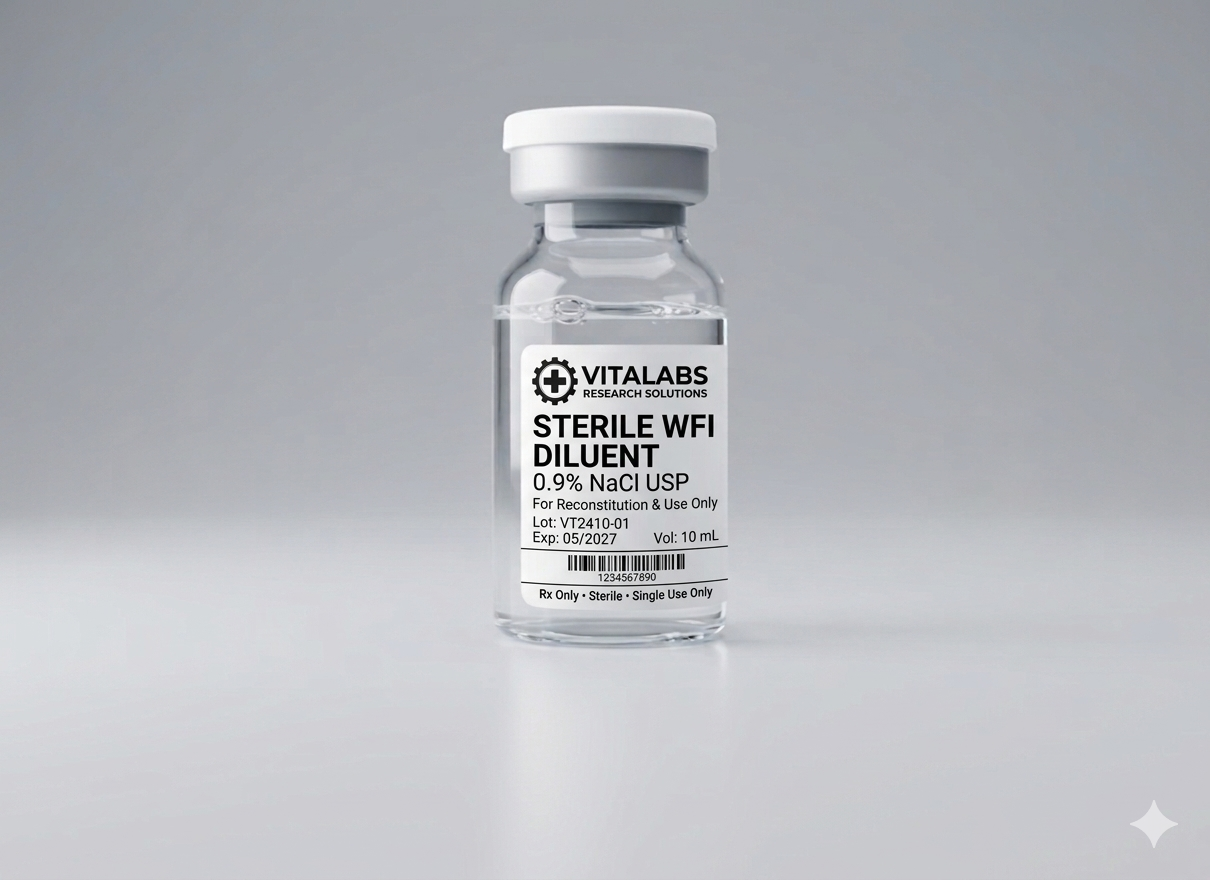
Rabbit PLA2G3 Polyclonal Antibody | anti-PLA2G3 antibody
PLA2G3 Polyclonal Antibody
Gene Names
PLA2G3; SPLA2III; sPLA2-III; GIII-SPLA2
Applications
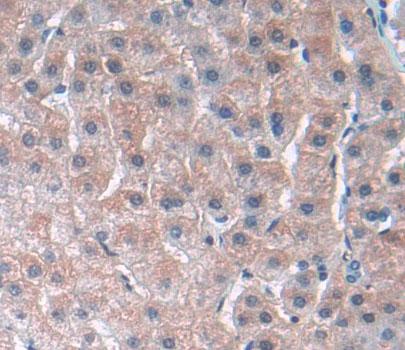
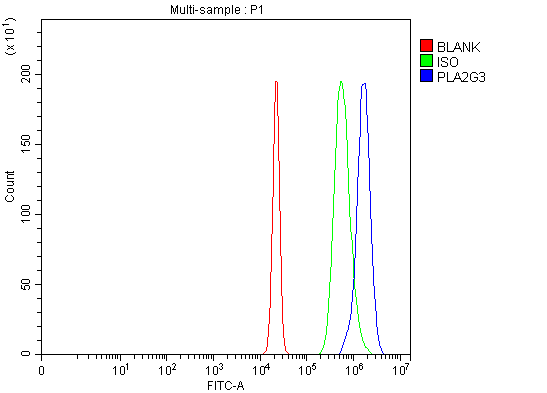
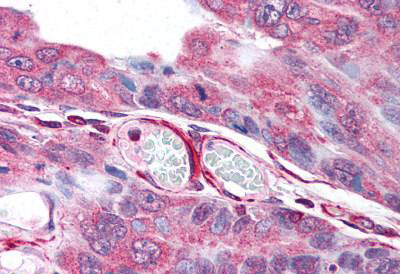
Immunocytochemistry, Immunofluorescence, Immunohistochemistry, Immunohistochemistry
Purity
Purified Rabbit Polyclonal Antibody (Pab)
Synonyms
PLA2G3, Antibody; PLA2G3 Polyclonal Antibody; Group 3 secretory phospholipase A2; 3.1.1.4; Group III secretory phospholipase A2; GIII sPLA2; sPLA2-III; Phosphatidylcholine 2-acylhydrolase 3; PLA2G3; anti-PLA2G3 antibody
Host
Rabbit
Clonality
Polyclonal
Purity/Purification
Purified Rabbit Polyclonal Antibody (Pab)
Form/Format
0.01M TBS(pH7.4), 0.09% (W/V) sodium azide and 50% Glyce
Applicable Applications for anti-PLA2G3 antibody
ICC (Immunocytochemistry), IF (Immunofluorescence), IHC (Immunohistochemistry), IHC (Immunohistochemistry)
Function
Secretory calcium-dependent phospholipase A2 that primarily targets extracellular phospholipids.
Hydrolyzes the ester bond of the fatty acyl group attached at sn-2 position of phospholipids
without apparent head group selectivity (PubMed:12522102, PubMed:15863501, PubMed:18801741, PubMed:28947740). Contributes
to phospholipid remodeling of low-density lipoprotein (LDL) and high-density lipoprotein (HDL)
particles. Hydrolyzes LDL phospholipids releasing unsaturated fatty acids that regulate
macrophage differentiation toward foam cells (PubMed:18801741). May act in
an autocrine and paracrine manner (PubMed: ). Secreted by immature mast cells, acts on nearby fibroblasts
upstream to PTDGS to synthesize prostaglandin D2 (PGD2), which in turn promotes mast cellmaturation and degranulation via PTGDR (PubMed:23624557). Secreted by
epididymal epithelium, acts on immature sperm cells within the duct, modulating the degree of
unsaturation of the fatty acyl components of phosphatidylcholines required for acrosome assembly
and sperm cell motility. Facilitates the replacement of fatty acyl chains in phosphatidylcholines in
sperm membranes from omega-6 and omega-9 to omega-3 polyunsaturated fatty acids (PUFAs).
Coupled to lipoxygenase pathway, may process omega-6 PUFAs to generate oxygenated lipid
mediators in the male reproductive tract (By similarity). At pericentrosomal preciliary
compartment, negatively regulates ciliogenesis likely by regulating endocytotic recycling of ciliary
membrane protein (PubMed: ). Coupled to cyclooxygenase pathway provides arachidonate to
generate prostaglandin E2 (PGE2), a potent immunomodulatory lipid in inflammation and
tumorigenesis (PubMed: , PubMed: ). At colonic epithelial barrier, preferentially hydrolyzes
phospholipids having arachidonate and docosahexaenoate at sn-2 position, contributing to the
generation of oxygenated metabolites involved in colonic stem cell homeostasis (PubMed:28947740). Releases
C16:0 and C18:0 lysophosphatidylcholine subclasses from neuron plasma membranes and
promotes neurite outgrowth and neuron survival (PubMed:17868035).
Cellular location
Secreted. Cell membrane. Cytoplasm, cytoskeleton, microtubule organizing center, centrosome, centriole. Recycling endosome. Note=Localized at pericentrosomal preciliary compartment.
Tissue location
Expressed in kidney, heart, liver, and skeletal muscle. Also present in placenta and peripheral
blood leukocytes. Not detected in colon, thymus, spleen and small intestine. In lung, expressed in
bronchial epithelial cells and alveolar macrophages, but scarcely detected in alveolar epithelium,
arterial walls and interstitial fibroblasts (at protein level). In joints of osteoarthritis and rheumatoid
arthritis, expressed in endothelial cells (at protein level). In normal heart, detected in some
vessels. In myocardial tissues with acute infarction, expressed in vascular endothelial cells
adjacent to cardiomyocytes and those in lesions with granulation. Expression in cardiomyocytes is
scarce (at protein level) In uterus, breast and colon cancers, detected in tumor cells and
neighboring microvascular endothelium, but not in normal glandular tissues (at protein level)
(PubMed:15863501). Expressed in dermal resting mast cells (at protein level) and pulmonary mast
cells (PubMed:23624557). Expressed in neuronal fibers (at protein level) (PubMed:17868035).
Highly expressed in dorsal root ganglia neurons (at protein level) (PubMed:17868035). Expressed
in Purkinje cells in cerebellum (at protein level) (PubMed:17868035). In stomach is preferentially
expressed in neuronal fibers and in microvascular endothelium (PubMed:17868035). Sparsely
expressed in normal aorta (at protein level). Highly expressed in macrophages and smooth muscle
cells in aorta with atheroma (PubMed:18801741).
Preparation and Storage
Store at -20 degree for one year. Avoid repeated freeze/thaw cycles. When reconstituted in sterile pH
7.4 0.01M PBS or diluent of antibody the antibody is stable for at least two weeks at 2-4 degree.
NCBI and Uniprot Product Information
NCBI GI #
NCBI GeneID
NCBI Accession #
NCBI GenBank Nucleotide #
Molecular Weight
Calculated MW: 57,167 Da
NCBI Official Full Name
group 3 secretory phospholipase A2
NCBI Official Synonym Full Names
phospholipase A2, group III
NCBI Official Symbol
PLA2G3
NCBI Official Synonym Symbols
SPLA2III; sPLA2-III; GIII-SPLA2
NCBI Protein Information
group 3 secretory phospholipase A2; group III secreted phospholipase A2; phosphatidylcholine 2-acylhydrolase 3; phosphatidylcholine 2-acylhydrolase GIII
UniProt Protein Name
Group 3 secretory phospholipase A2
UniProt Gene Name
PLA2G3
UniProt Synonym Gene Names
GIII sPLA2; sPLA2-III
UniProt Entry Name
PA2G3_HUMAN
Customer Reviews
Loading reviews...
Share Your Experience
Similar Products

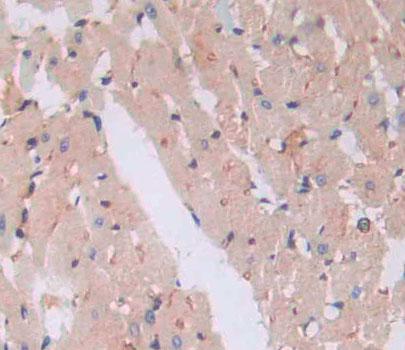
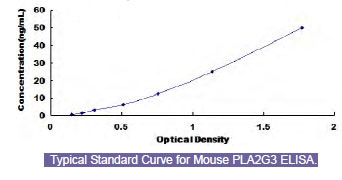
Product Notes
The PLA2G3 pla2g3 (Catalog #AAA291424) is an Antibody produced from Rabbit and is intended for research purposes only. The product is available for immediate purchase. AAA Biotech's PLA2G3 can be used in a range of immunoassay formats including, but not limited to, ICC (Immunocytochemistry), IF (Immunofluorescence), IHC (Immunohistochemistry), IHC (Immunohistochemistry). Researchers should empirically determine the suitability of the PLA2G3 pla2g3 for an application not listed in the data sheet. Researchers commonly develop new applications and it is an integral, important part of the investigative research process. It is sometimes possible for the material contained within the vial of "PLA2G3, Polyclonal Antibody" to become dispersed throughout the inside of the vial, particularly around the seal of said vial, during shipment and storage. We always suggest centrifuging these vials to consolidate all of the liquid away from the lid and to the bottom of the vial prior to opening. Please be advised that certain products may require dry ice for shipping and that, if this is the case, an additional dry ice fee may also be required.Precautions
All products in the AAA Biotech catalog are strictly for research-use only, and are absolutely not suitable for use in any sort of medical, therapeutic, prophylactic, in-vivo, or diagnostic capacity. By purchasing a product from AAA Biotech, you are explicitly certifying that said products will be properly tested and used in line with industry standard. AAA Biotech and its authorized distribution partners reserve the right to refuse to fulfill any order if we have any indication that a purchaser may be intending to use a product outside of our accepted criteria.Disclaimer
Though we do strive to guarantee the information represented in this datasheet, AAA Biotech cannot be held responsible for any oversights or imprecisions. AAA Biotech reserves the right to adjust any aspect of this datasheet at any time and without notice. It is the responsibility of the customer to inform AAA Biotech of any product performance issues observed or experienced within 30 days of receipt of said product. To see additional details on this or any of our other policies, please see our Terms & Conditions page.Item has been added to Shopping Cart
If you are ready to order, navigate to Shopping Cart and get ready to checkout.