
<
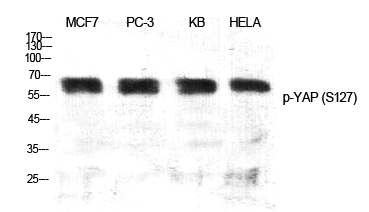
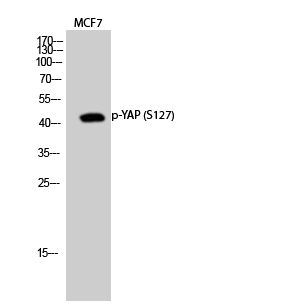
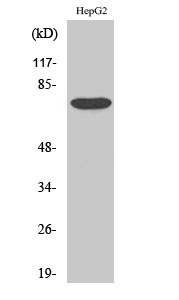
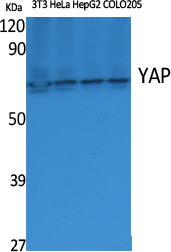
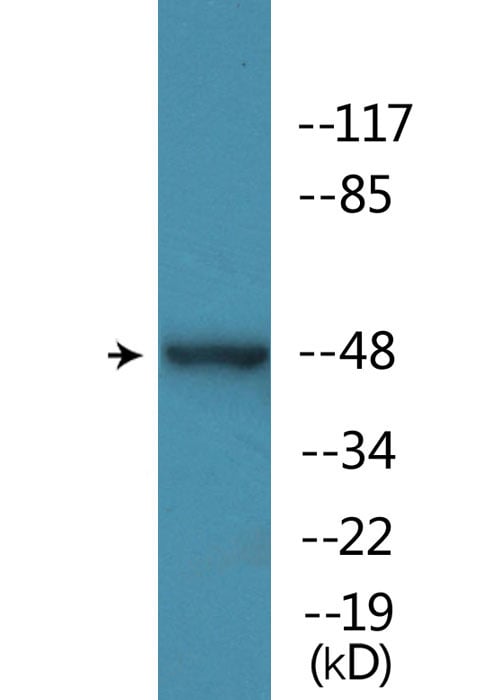
 WB (Western Blot)
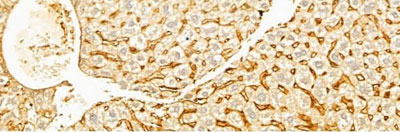
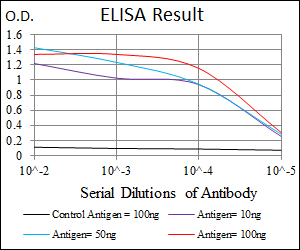
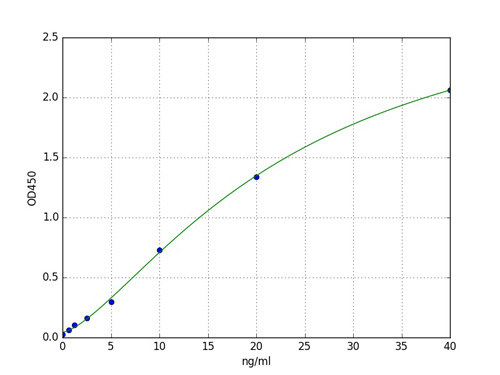
(Dilution: IF: 1:50-200 Western Blot: 1/500 - 1/2000. Immunohistochemistry: 1/100 - 1/300. ELISA: 1/40000. Not yet tested in other applications.)
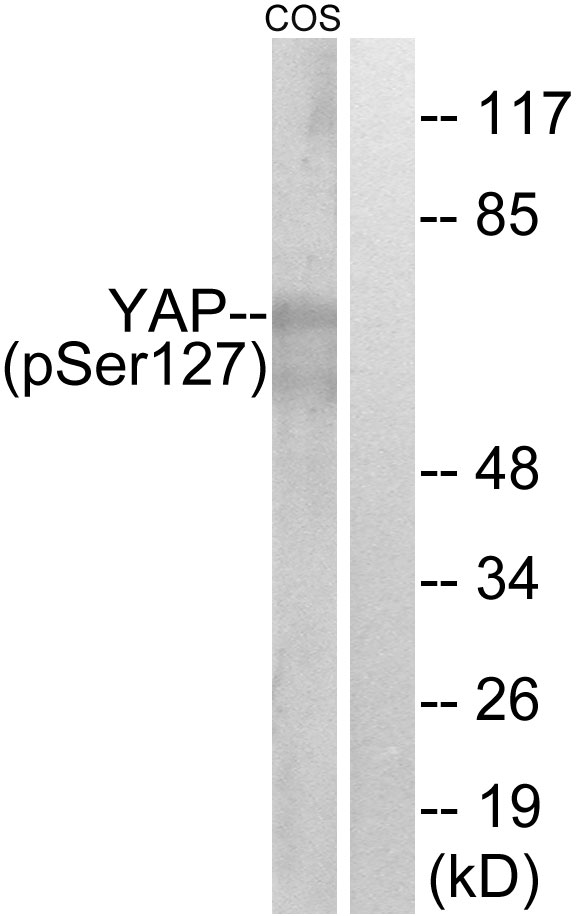
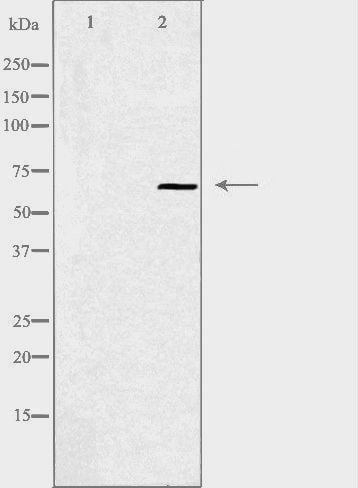
WB (Western Blot)
(Dilution: IF: 1:50-200 Western Blot: 1/500 - 1/2000. Immunohistochemistry: 1/100 - 1/300. ELISA: 1/40000. Not yet tested in other applications.)
Rabbit YAP Polyclonal Antibody | anti-YAP antibody
YAP (phospho Ser127) Polyclonal Antibody
Gene Names
YAP1; YAP; YKI; YAP2; YAP65
Reactivity
Human, Mouse, Rat, Monkey
Applications
ELISA, Immunofluorescence, Immunohistochemistry, Western Blot
Synonyms
YAP, Antibody; YAP (phospho Ser127) Polyclonal Antibody; YAP1; YAP65; Yorkie homolog; 65 kDa Yes-associated protein; anti-YAP antibody
Host
Rabbit
Reactivity
Human, Mouse, Rat, Monkey
Clonality
Polyclonal
Form/Format
Liquid in PBS containing 50% glycerol, 0.5% BSA and 0.09% (W/V) sodium azide.
Applicable Applications for anti-YAP antibody
ELISA, IF (Immunofluorescence), IHC (Immunohistochemistry), WB (Western Blot)
Function
Transcriptional regulator which can act both as a coactivator and a corepressor and is the critical downstream regulatory target in the Hippo signaling pathway that plays a pivotal role in organ size control and tumor suppression by restricting proliferation and promoting apoptosis (PubMed:17974916, PubMed:18280240, PubMed:18579750, PubMed:21364637, PubMed:30447097). The core of this pathway is composed of a kinase cascade wherein STK3/MST2 and STK4/MST1, in complex with its regulatory protein SAV1, phosphorylates and activates LATS1/2 in complex with its regulatory protein MOB1, which in turn phosphorylates and inactivates YAP1 oncoprotein and WWTR1/TAZ (PubMed: ). Plays a key role in tissue tension and 3D tissue shape by regulating cortical actomyosin network formation. Acts via ARHGAP18, a Rho GTPase activating protein that suppresses F-actin polymerization (PubMed: ). Plays a key role in controlling cell proliferation in response to cell contact. Phosphorylation of YAP1 by LATS1/2 inhibits its translocation into the nucleus to regulate cellular genes important for cell proliferation, cell death, and cell migration (PubMed: ). The presence of TEAD transcription factors are required for it to stimulate gene expression, cell growth, anchorage- independent growth, and epithelial mesenchymal transition (EMT) induction (PubMed:18579750). Suppresses ciliogenesis via acting as a transcriptional corepressor of the TEAD4 target genes AURKA and PLK1 (PubMed: ). In conjunction with WWTR1, involved in the regulation of TGFB1-dependent SMAD2 and SMAD3 nuclear accumulation (By similarity).
Cellular Location
Cytoplasm. Nucleus. Cell junction {ECO:0000250|UniProtKB:P46938}. Note=Both phosphorylation and cell density can regulate its subcellular localization (PubMed:18158288, PubMed:20048001). Phosphorylation sequesters it in the cytoplasm by inhibiting its translocation into the nucleus (PubMed:18158288, PubMed:20048001). At low density, predominantly nuclear and is translocated to the cytoplasm at high density (PubMed:18158288, PubMed:20048001, PubMed:25849865). PTPN14 induces translocation from the nucleus to the cytoplasm (PubMed:22525271). Localized mainly to the nucleus in the early stages of embryo development with expression becoming evident in the cytoplasm at the blastocyst and epiblast stages (By similarity). {ECO:0000250|UniProtKB:P46938, ECO:0000269|PubMed:18158288, ECO:0000269|PubMed:20048001, ECO:0000269|PubMed:22525271, ECO:0000269|PubMed:25849865}
Tissue Location
Increased expression seen in some liver and prostate cancers. Isoforms lacking the transactivation domain found in striatal neurons of patients with Huntington disease (at protein level).
Preparation and Storage
-20 degree C
WB (Western Blot)
(Dilution: IF: 1:50-200 Western Blot: 1/500 - 1/2000. Immunohistochemistry: 1/100 - 1/300. ELISA: 1/40000. Not yet tested in other applications.)
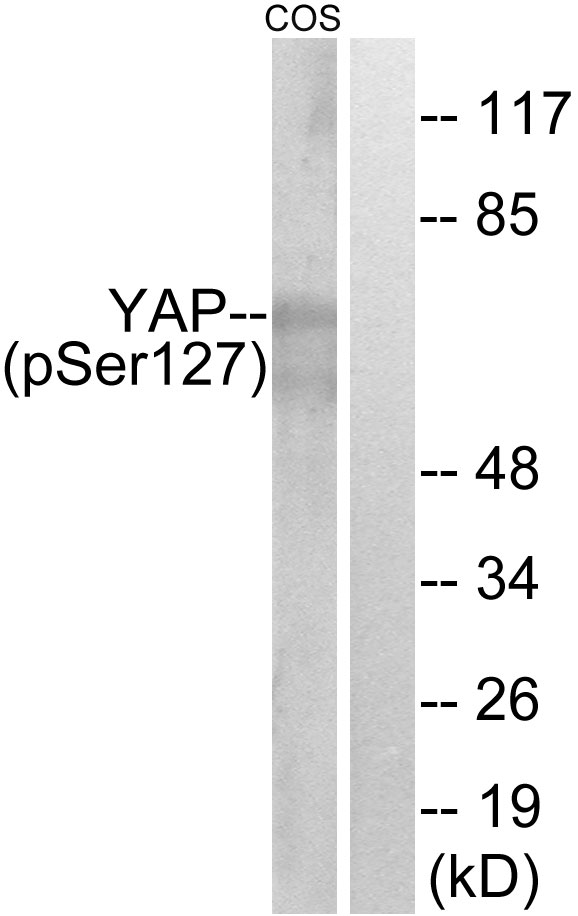
WB (Western Blot)
(Dilution: IF: 1:50-200 Western Blot: 1/500 - 1/2000. Immunohistochemistry: 1/100 - 1/300. ELISA: 1/40000. Not yet tested in other applications.)
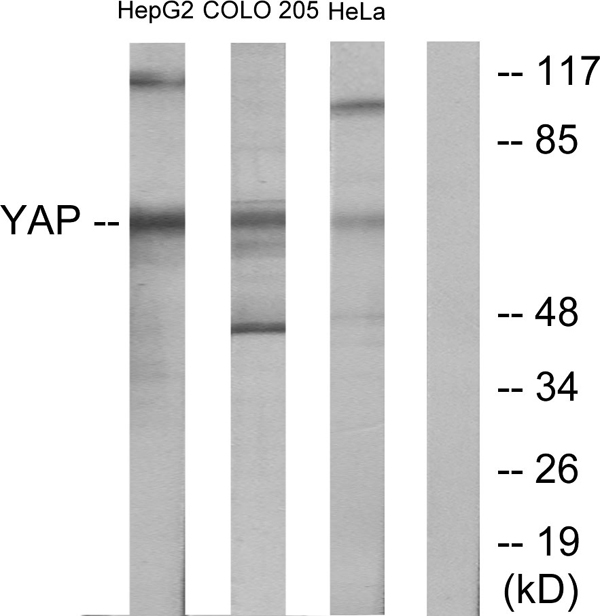
WB (Western Blot)
(Dilution: IF: 1:50-200 Western Blot: 1/500 - 1/2000. Immunohistochemistry: 1/100 - 1/300. ELISA: 1/40000. Not yet tested in other applications.)
WB (Western Blot)
(Dilution: IF: 1:50-200 Western Blot: 1/500 - 1/2000. Immunohistochemistry: 1/100 - 1/300. ELISA: 1/40000. Not yet tested in other applications.)
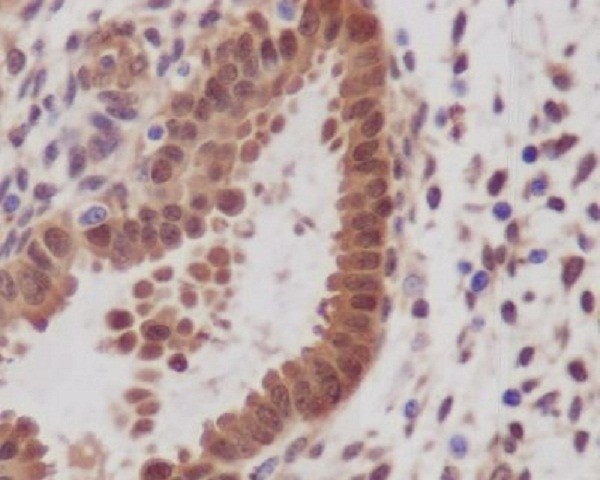
Application Data
(Dilution: IF: 1:50-200 Western Blot: 1/500 - 1/2000. Immunohistochemistry: 1/100 - 1/300. ELISA: 1/40000. Not yet tested in other applications.)
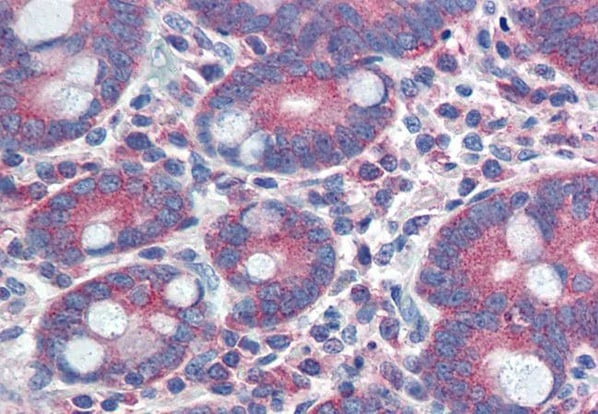
Application Data
(Dilution: IF: 1:50-200 Western Blot: 1/500 - 1/2000. Immunohistochemistry: 1/100 - 1/300. ELISA: 1/40000. Not yet tested in other applications.)
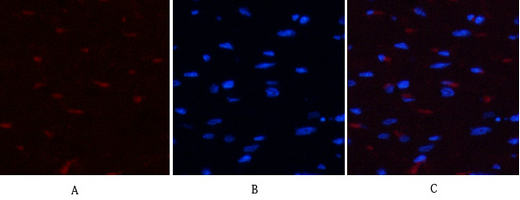
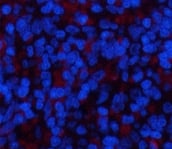
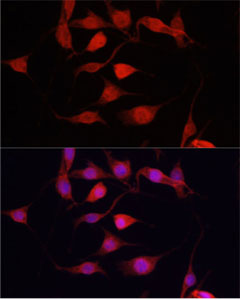
IF (Immunofluorescence)
(Dilution: IF: 1:50-200 Western Blot: 1/500 - 1/2000. Immunohistochemistry: 1/100 - 1/300. ELISA: 1/40000. Not yet tested in other applications.)
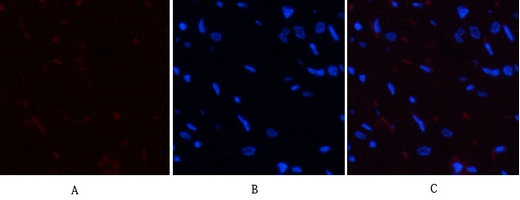
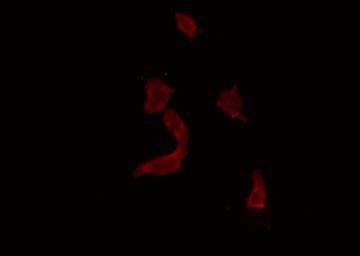
IF (Immunofluorescence)
(Dilution: IF: 1:50-200 Western Blot: 1/500 - 1/2000. Immunohistochemistry: 1/100 - 1/300. ELISA: 1/40000. Not yet tested in other applications.)
Related Product Information for anti-YAP antibody
Transcriptional regulator which can act both as a coactivator and a corepressor and is the critical downstream regulatory target in the Hippo signaling pathway that plays a pivotal role in organ size control and tumor suppression by restricting proliferation and promoting apoptosis (PubMed:18280240, PubMed:18579750, PubMed:21364637). The core of this pathway is composed of a kinase cascade wherein STK3/MST2 and STK4/MST1, in complex with its regulatory protein SAV1, phosphorylates and activates LATS1/2 in complex with its regulatory protein MOB1, which in turn phosphorylates and inactivates YAP1 oncoprotein and WWTR1/TAZ (PubMed:18158288). Plays a key role in tissue tension and 3D tissue shape by regulating cortical actomyosin network formation. Acts via ARHGAP18, a Rho GTPase activating protein that suppresses F-actin polymerization (PubMed:25778702). Plays a key role to control cell proliferation in response to cell contact. Phosphorylation of YAP1 by LATS1/2 inhibits its translocation into the nucleus to regulate cellular genes important for cell proliferation, cell death, and cell migration (PubMed:18158288). The presence of TEAD transcription factors are required for it to stimulate gene expression, cell growth, anchorage-independent growth, and epithelial mesenchymal transition (EMT) induction (PubMed:18579750).
NCBI and Uniprot Product Information
NCBI GI #
NCBI GeneID
NCBI Accession #
NCBI GenBank Nucleotide #
NCBI Official Full Name
yorkie homolog isoform 1
NCBI Official Synonym Full Names
Yes-associated protein 1
NCBI Official Symbol
YAP1
NCBI Official Synonym Symbols
YAP; YKI; YAP2; YAP65
NCBI Protein Information
yorkie homolog; yes-associated protein 2; yes-associated protein beta; yes-associated protein delta; 65 kDa Yes-associated protein
UniProt Protein Name
Yorkie homolog
UniProt Gene Name
YAP1
UniProt Synonym Gene Names
YAP65; YAP65
UniProt Entry Name
YAP1_HUMAN
Customer Reviews
Loading reviews...
Share Your Experience
Similar Products




Product Notes
The YAP yap1 (Catalog #AAA294060) is an Antibody produced from Rabbit and is intended for research purposes only. The product is available for immediate purchase. The YAP (phospho Ser127) Polyclonal Antibody reacts with Human, Mouse, Rat, Monkey and may cross-react with other species as described in the data sheet. AAA Biotech's YAP can be used in a range of immunoassay formats including, but not limited to, ELISA, IF (Immunofluorescence), IHC (Immunohistochemistry), WB (Western Blot). Researchers should empirically determine the suitability of the YAP yap1 for an application not listed in the data sheet. Researchers commonly develop new applications and it is an integral, important part of the investigative research process. It is sometimes possible for the material contained within the vial of "YAP, Polyclonal Antibody" to become dispersed throughout the inside of the vial, particularly around the seal of said vial, during shipment and storage. We always suggest centrifuging these vials to consolidate all of the liquid away from the lid and to the bottom of the vial prior to opening. Please be advised that certain products may require dry ice for shipping and that, if this is the case, an additional dry ice fee may also be required.Precautions
All products in the AAA Biotech catalog are strictly for research-use only, and are absolutely not suitable for use in any sort of medical, therapeutic, prophylactic, in-vivo, or diagnostic capacity. By purchasing a product from AAA Biotech, you are explicitly certifying that said products will be properly tested and used in line with industry standard. AAA Biotech and its authorized distribution partners reserve the right to refuse to fulfill any order if we have any indication that a purchaser may be intending to use a product outside of our accepted criteria.Disclaimer
Though we do strive to guarantee the information represented in this datasheet, AAA Biotech cannot be held responsible for any oversights or imprecisions. AAA Biotech reserves the right to adjust any aspect of this datasheet at any time and without notice. It is the responsibility of the customer to inform AAA Biotech of any product performance issues observed or experienced within 30 days of receipt of said product. To see additional details on this or any of our other policies, please see our Terms & Conditions page.Item has been added to Shopping Cart
If you are ready to order, navigate to Shopping Cart and get ready to checkout.