
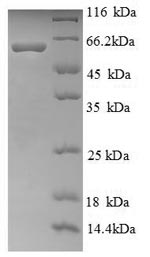
 SDS-PAGE
Ryanodine receptor 1 (RYR1) Recombinant Protein | RYR1 recombinant protein
Recombinant Human Ryanodine receptor 1 (RYR1), partial
Purity
Greater or equal to 85% purity as determined by SDS-PAGE.
Synonyms
Ryanodine receptor 1 (RYR1); N/A; Recombinant Human Ryanodine receptor 1 (RYR1), partial; Skeletal muscle calcium release channel; Skeletal muscle ryanodine receptor; Skeletal muscle-type ryanodine receptor; Type 1 ryanodine receptor; RYR1 recombinant protein
Host
E Coli or Yeast or Baculovirus or Mammalian Cell
Purity/Purification
Greater or equal to 85% purity as determined by SDS-PAGE.
Form/Format
Lyophilized or liquid (Format to be determined during the manufacturing process)
Sequence Positions
1-534aa; partial
Sequence
MGDAEGEDEV QFLRTDDEVV LQCSATVLKE QLKLCLAAEG FGNRLCFLEP TSNAQNVPPD LAICCFVLEQ SLSVRALQEM LANTVEAGVE SSQGGGHRTL LYGHAILLRH AHSRMYLSCL TTSRSMTDKL AFDVGLQEDA TGEACWWTMH PASKQRSEGE KVRVGDDIIL VSVSSERYLH LSTASGELQV DASFMQTLWN MNPICSRCEE GFVTGGHVLR LFHGHMDECL TISPADSDDQ RRLVYYEGGA VCTHARSLWR LEPLRISWSG SHLRWGQPLR VRHVTTGQYL ALTEDQGLVV VDASKAHTKA TSFCFRISKE KLDVAPKRDV EGMGPPEIKY GESLCFVQHV ASGLWLTYAA PDPKALRLGV LKKKAMLHQE GHMDDALSLT RCQQEESQAA RMIHSTNGLY NQFIKSLDSF SGKPRGSGPP AGTALPIEGV ILSLQDLIIY FEPPSEDLQH EEKQSKLRSL RNRQSLFQEE GMLSMVLNCI DRLNVYTTAA HFAEFAGEEA AESWKEIVNL LYELLASLIR GNRS
Preparation and Storage
Store at -20 degree C, for extended storage, conserve at -20 degree C or -80 degree C.
SDS-PAGE
SDS-PAGE
Related Product Information for RYR1 recombinant protein
Calcium channel that mediates the release of Ca2+ from the sarcoplasmic reticulum into the cytoplasm and thereby plays a key role in triggering muscle contraction following depolarization of T-tubules. Repeated very high-level exercise increases the open probability of the channel and leads to Ca2+ leaking into the cytoplasm. Can also mediate the release of Ca2+ from intracellular stores in neurons, and may thereby promote prolonged Ca2+ signaling in the brain. Required for normal embryonic development of muscle fibers and skeletal muscle. Required for normal heart morphogenesis, skin development and ossification during embryogenesis.
Product Categories/Family for RYR1 recombinant protein
References
Molecular cloning of cDNA encoding human and rabbit forms of the Ca2+ release channel (ryanodine receptor) of skeletal muscle sarcoplasmic reticulum.Zorzato F., Fujii J., Otsu K., Phillips M.S., Green N.M., Lai F.A., Meissner G., Maclennan D.H.J. Biol. Chem. 265:2244-2256(1990) Polymorphisms and deduced amino acid substitutions in the coding sequence of the ryanodine receptor (RYR1) gene in individuals with malignant hyperthermia.Gillard E.F., Otsu K., Fujii J., Duff C.L., de Leon S., Khanna V.K., Britt B.A., Worton R.G., McLennan D.H.Genomics 13:1247-1254(1992) A mutation in the human ryanodine receptor gene associated with central core disease.Zhang Y., Chen H.S., Khanna V.K., de Leon S., Phillips M.S., Schappert K.T., Britt B.A., Brownell A.K.W., McLennan D.H.Nat. Genet. 5:46-50(1993) The structural organization of the human skeletal muscle ryanodine receptor (RYR1) gene.Phillips M.S., Fujii J., Khanna V.K., de Leon S., Yokobata K., de Jong P.J., McLennan D.H.Genomics 34:24-41(1996) The DNA sequence and biology of human chromosome 19.Grimwood J., Gordon L.A., Olsen A.S., Terry A., Schmutz J., Lamerdin J.E., Hellsten U., Goodstein D., Couronne O., Tran-Gyamfi M., Aerts A., Altherr M., Ashworth L., Bajorek E., Black S., Branscomb E., Caenepeel S., Carrano A.V., Caoile C., Chan Y.M., Christensen M., Cleland C.A., Copeland A., Dalin E., Dehal P., Denys M., Detter J.C., Escobar J., Flowers D., Fotopulos D., Garcia C., Georgescu A.M., Glavina T., Gomez M., Gonzales E., Groza M., Hammon N., Hawkins T., Haydu L., Ho I., Huang W., Israni S., Jett J., Kadner K., Kimball H., Kobayashi A., Larionov V., Leem S.-H., Lopez F., Lou Y., Lowry S., Malfatti S., Martinez D., McCready P.M., Medina C., Morgan J., Nelson K., Nolan M., Ovcharenko I., Pitluck S., Pollard M., Popkie A.P., Predki P., Quan G., Ramirez L., Rash S., Retterer J., Rodriguez A., Rogers S., Salamov A., Salazar A., She X., Smith D., Slezak T., Solovyev V., Thayer N., Tice H., Tsai M., Ustaszewska A., Vo N., Wagner M., Wheeler J., Wu K., Xie G., Yang J., Dubchak I., Furey T.S., DeJong P., Dickson M., Gordon D., Eichler E.E., Pennacchio L.A., Richardson P., Stubbs L., Rokhsar D.S., Myers R.M., Rubin E.M., Lucas S.M.Nature 428:529-535(2004) Refinement of diagnostic assays for a probable causal mutation for porcine and human malignant hyperthermia.Otsu K., Phillips M.S., Khanna V.K., de Leon S., McLennan D.H.Genomics 13:835-837(1992) A substitution of cysteine for arginine 614 in the ryanodine receptor is potentially causative of human malignant hyperthermia.Gillard E.F., Otsu K., Fujii J., Khanna V.K., de Leon S., Derdemezi J., Britt B.A., Duff C.L., Worton R.G., MacLennan D.H.Genomics 11:751-755(1991) Ryanodine receptor gene point mutation and malignant hyperthermia susceptibility.Moroni I., Gonano E.F., Comi G.P., Tegazzin V., Prelle A., Bordoni A., Bresolin N., Scarlato G.J. Neurol. 242:127-133(1995) Isolation and partial cloning of ryanodine-sensitive Ca2+ release channel protein isoforms from human myometrial smooth muscle.Lynn S., Morgan J.M., Lamb H.K., Meissner G., Gillespie J.I.FEBS Lett. 372:6-12(1995) Partial cloning and differential expression of ryanodine receptor/calcium-release channel genes in human tissues including the hippocampus and cerebellum.Martin C., Chapman K.E., Seckl J.R., Ashley R.H.Neuroscience 85:205-216(1998) Cysteine-3635 is responsible for skeletal muscle ryanodine receptor modulation by NO.Sun J., Xin C., Eu J.P., Stamler J.S., Meissner G.Proc. Natl. Acad. Sci. U.S.A. 98:11158-11162(2001) S100A1 and calmodulin compete for the same binding site on ryanodine receptor.Wright N.T., Prosser B.L., Varney K.M., Zimmer D.B., Schneider M.F., Weber D.J.J. Biol. Chem. 283:26676-26683(2008) Remodeling of ryanodine receptor complex causes 'leaky' channels a molecular mechanism for decreased exercise capacity.Bellinger A.M., Reiken S., Dura M., Murphy P.W., Deng S.X., Landry D.W., Nieman D., Lehnart S.E., Samaru M., LaCampagne A., Marks A.R.Proc. Natl. Acad. Sci. U.S.A. 105:2198-2202(2008) Large-scale phosphoproteome analysis of human liver tissue by enrichment and fractionation of phosphopeptides with strong anion exchange chromatography.Han G., Ye M., Zhou H., Jiang X., Feng S., Jiang X., Tian R., Wan D., Zou H., Gu J.Proteomics 8:1346-1361(2008) Ryanodine receptors structure, expression, molecular details, and function in calcium release.Lanner J.T., Georgiou D.K., Joshi A.D., Hamilton S.L.Cold Spring Harb. Perspect. Biol. 2:E3996-E3996(2010) Samaritan myopathy, an ultimately benign congenital myopathy, is caused by a RYR1 mutation.Bohm J., Leshinsky-Silver E., Vassilopoulos S., Le Gras S., Lerman-Sagie T., Ginzberg M., Jost B., Lev D., Laporte J.Acta Neuropathol. 124:575-581(2012) Mutations in the ryanodine receptor gene in central core disease and malignant hyperthermia.Quane K.A., Healy J.M.S., Keating K.E., Manning B.M., Couch F.J., Palmucci L.M., Doriguzzi C., Fagerlund T.H., Berg K., Ording H., Bendixen D., Mortier W., Linz U., Muller C.R., McCarthy T.V.Nat. Genet. 5:51-55(1993) Mutation screening of the RYR1 gene in malignant hyperthermia detection of a novel Tyr to Ser mutation in a pedigree with associated central cores.Quane K.A., Keating K.E., Healy J.M.S., Manning B.M., Krivosic-Horber R., Krivosic I., Monnier N., Lunardi J., McCarthy T.V.Genomics 23:236-239(1994) Detection of a novel common mutation in the ryanodine receptor gene in malignant hyperthermia implications for diagnosis and heterogeneity studies.Quane K.A., Keating K.E., Manning B.M., Healy J.M.S., Monsieurs K., Heffron J.J.A., Lehane M., Heytens L., Krivosic-Horber R., Adnet P., Ellis F.R., Monnier N., Lunardi J., McCarthy T.V.Hum. Mol. Genet. 3:471-476(1994) Detection of a novel RYR1 mutation in four malignant hyperthermia pedigrees.Keating K.E., Quane K.A., Manning B.M., Lehane M., Hartung E., Censier K., Urwyler A., Klausnitzer M., Muller C.R., Heffron J.J.A., McCarthy T.V.Hum. Mol. Genet. 3:1855-1858(1994) The substitution of Arg for Gly2433 in the human skeletal muscle ryanodine receptor is associated with malignant hyperthermia.Phillips M.S., Khanna V.K., de Leon S., Frodis W., Britt B.A., McLennan D.H.Hum. Mol. Genet. 3:2181-2186(1994) Identification of heterozygous and homozygous individuals with the novel RYR1 mutation Cys35Arg in a large kindred.Lynch P.J., Krivosic-Horber R., Reyford H., Monnier N., Quane K.A., Adnet P., Haudecoeur G., Krivosic I., McCarthy T.V., Lunardi J.Anesthesiology 86:620-626(1997) Detection of a novel mutation at amino acid position 614 in the ryanodine receptor in malignant hyperthermia.Quane K.A., Ording H., Keating K.E., Manning B.M., Heine R., Bendixen D., Berg K., Krivosic-Horber R., Lehmann-Horn F., Fagerlund T.H., McCarthy T.V.Br. J. Anaesth. 79:332-337(1997) Detection of a novel mutation in the ryanodine receptor gene in an Irish malignant hyperthermia pedigree correlation of the IVCT response with the affected and unaffected haplotypes.Keating K.E., Giblin L., Lynch P.J., Quane K.A., Lehane M., Heffron J.J.A., McCarthy T.V.J. Med. Genet. 34:291-296(1997) Identification of novel mutations in the ryanodine-receptor gene (RYR1) in malignant hyperthermia genotype-phenotype correlation.Manning B.M., Quane K.A., Ording H., Urwyler A., Tegazzin V., Lehane M., O'Halloran J., Hartung E., Giblin L.M., Lynch P.J., Vaughan P., Censier K., Bendixen D., Comi G.P., Heytens L., Monsieurs K., Fagerlund T.H., Wolz W., Heffron J.J.A., Mueller C.R., McCarthy T.V.Am. J. Hum. Genet. 62:599-609(1998) Novel mutations at a CpG dinucleotide in the ryanodine receptor in malignant hyperthermia.Manning B.M., Quane K.A., Lynch P.J., Urwyler A., Tegazzin V., Krivosic-Horber R., Censier K., Comi G.P., Adnet P., Wolz W., Lunardi J., Muller C.R., McCarthy T.V.3.3.CO;2-H>Hum. Mutat. 11:45-50(1998) Screening of the ryanodine receptor gene in 105 malignant hyperthermia families novel mutations and concordance with the in vitro contracture test.Brandt A., Schleithoff L., Jurkat-Rott K., Klingler W., Baur C., Lehmann-Horn F.Hum. Mol. Genet. 8:2055-2062(1999) Mutation screening of the RYR1 gene and identification of two novel mutations in Italian malignant hyperthermia families.Barone V., Massa O., Intravaia E., Bracco A., Di Martino A., Tegazzin V., Cozzolino S., Sorrentino V.J. Med. Genet. 36:115-118(1999) A mutation in the transmembrane/luminal domain of the ryanodine receptor is associated with abnormal Ca(2+) release channel function and severe central core disease.Lynch P.J., Tong J., Lehane M., Mallet A., Giblin L., Heffron J.J.A., Vaughan P., Zafra G., MacLennan D.H., McCarthy T.V.Proc. Natl. Acad. Sci. U.S.A. 96:4164-4169(1999) Malignant hyperthermia in infancy and identification of novel RYR1 mutation.Chamley D., Pollock N.A., Stowell K.M., Brown R.L.Br. J. Anaesth. 84:500-504(2000) A novel ryanodine receptor mutation and genotype-phenotype correlation in a large malignant hyperthermia New Zealand Maori pedigree.Brown R.L., Pollock A.N., Couchman K.G., Hodges M., Hutchinson D.O., Waaka R., Lynch P., McCarthy T.V., Stowell K.M.Hum. Mol. Genet. 9:1515-1524(2000) Novel mutation in the RYR1 gene (R2454C) in a patient with malignant hyperthermia.Gencik M., Gencik A., Mortier W., Epplen J.T.3.0.CO;2-A>Hum. Mutat. 15:122-122(2000) A novel ryanodine receptor gene mutation causing both cores and rods in congenital myopathy.Scacheri P.C., Hoffman E.P., Fratkin J.D., Semino-Mora C., Senchak A., Davis M.R., Laing N.G., Vedanarayanan V., Subramony S.H.Neurology 55:1689-1696(2000) Single-amino-acid deletion in the RYR1 gene, associated with malignant hyperthermia susceptibility and unusual contraction phenotype.Sambuughin N., McWilliams S., de Bantel A., Sivakumar K., Nelson T.E.Am. J. Hum. Genet. 69:204-208(2001) North American malignant hyperthermia population screening of the ryanodine receptor gene and identification of novel mutations.Sambuughin N., Sei Y., Gallagher K.L., Wyre H.W., Madsen D., Nelson T.E., Fletcher J.E., Rosenberg H., Muldoon S.M.Anesthesiology 95:594-599(2001) Familial and sporadic forms of central core disease are associated with mutations in the C-terminal domain of the skeletal muscle ryanodine receptor.Monnier N., Romero N.B., Lerale J., Landrieu P., Nivoche Y., Fardeau M., Lunardi J.Hum. Mol. Genet. 10:2581-2592(2001) Identification of four novel mutations in the C-terminal membrane spanning domain of the ryanodine receptor 1 association with central core disease and alteration of calcium homeostasis.Tilgen N., Zorzato F., Halliger-Keller B., Muntoni F., Sewry C., Palmucci L.M., Schneider C., Hauser E., Lehmann-Horn F., Mueller C.R., Treves S.Hum. Mol. Genet. 10:2879-2887(2001) Identification of a novel mutation in the ryanodine receptor gene (RYR1) in patients with malignant hyperthermia.Rueffert H., Kraus H., Olthoff D., Deutrich C., Froster U.G.Hum. Mutat. 17:238-238(2001) Identification and functional characterization of a novel ryanodine receptor mutation causing malignant hyperthermia in North American and South American families.Sambuughin N., Nelson T.E., Jankovic J., Xin C., Meissner G., Mullakandov M., Ji J., Rosenberg H., Sivakumar K., Goldfarb L.G.Neuromuscul. Disord. 11:530-537(2001) Mutation screening in the ryanodine receptor 1 gene (RYR1) in patients susceptible to malignant hyperthermia who show definite IVCT results identification of three novel mutations.Rueffert H., Olthoff D., Deutrich C., Meinecke C.D., Froster U.G.Acta Anaesthesiol. Scand. 46:692-698(2002) Presence of two different genetic traits in malignant hyperthermia families implication for genetic analysis, diagnosis, and incidence of malignant hyperthermia susceptibility.Monnier N., Krivosic-Horber R., Payen J.-F., Kozak-Ribbens G., Nivoche Y., Adnet P., Reyford H., Lunardi J.Anesthesiology 97:1067-1074(2002) A recessive form of central core disease, transiently presenting as multi-minicore disease, is associated with a homozygous mutation in the ryanodine receptor type 1 gene.Ferreiro A., Monnier N., Romero N.B., Leroy J.-P., Boennemann C., Haenggeli C.-A., Straub V., Voss W.D., Nivoche Y., Jungbluth H., Lemainque A., Voit T., Lunardi J., Fardeau M., Guicheney P.Ann. Neurol. 51:750-759(2002) Malignant hyperthermia associated with exercise-induced rhabdomyolysis or congenital abnormalities and a novel RYR1 mutation in New Zealand and Australian pedigrees.Davis M., Brown R., Dickson A., Horton H., James D., Laing N., Marston R., Norgate M., Perlman D., Pollock N., Stowell K.Br. J. Anaesth. 88:508-515(2002) Mutations in the RYR1 gene in Italian patients at risk for malignant hyperthermia evidence for a cluster of novel mutations in the C-terminal region.Galli L., Orrico A., Cozzolino S., Pietrini V., Tegazzin V., Sorrentino V.Cell Calcium 32:143-151(2002) Novel skeletal muscle ryanodine receptor mutation in a large Brazilian family with malignant hyperthermia.McWilliams S., Nelson T., Sudo R.T., Zapata-Sudo G., Batti M., Sambuughin N.Clin. Genet. 62:80-83(2002) Novel mutations in C-terminal channel region of the ryanodine receptor in malignant hyperthermia patients.Oyamada H., Oguchi K., Saitoh N., Yamazawa T., Hirose K., Kawana Y., Wakatsuki K., Oguchi K., Tagami M., Hanaoka K., Endo M., Iino M.Jpn. J. Pharmacol. 88:159-166(2002) Autosomal recessive inheritance of RYR1 mutations in a congenital myopathy with cores.Jungbluth H., Muller C.R., Halliger-Keller B., Brockington M., Brown S.C., Feng L., Chattopadhyay A., Mercuri E., Manzur A.Y., Ferreiro A., Laing N.G., Davis M.R., Roper H.P., Dubowitz V., Bydder G., Sewry C.A., Muntoni F.Neurology 59:284-287(2002) Detection of a novel ryanodine receptor subtype 1 mutation (R328W) in a malignant hyperthermia family by sequencing of a leukocyte transcript.Loke J.C.P., Kraev N., Sharma P., Du G., Patel L., Kraev A., MacLennan D.H.Anesthesiology 99:297-302(2003) Central core disease clinical, pathological, and genetic features.Quinlivan R.M., Muller C.R., Davis M., Laing N.G., Evans G.A., Dwyer J., Dove J., Roberts A.P., Sewry C.A.Arch. Dis. Child. 88:1051-1055(2003) Dominant and recessive central core disease associated with RYR1 mutations and fetal akinesia.Romero N.B., Monnier N., Viollet L., Cortey A., Chevallay M., Leroy J.P., Lunardi J., Fardeau M.Brain 126:2341-2349(2003) Scanning for mutations of the ryanodine receptor (RYR1) gene by denaturing HPLC detection of three novel malignant hyperthermia alleles.Tammaro A., Bracco A., Cozzolino S., Esposito M., Di Martino A., Savoia G., Zeuli L., Piluso G., Aurino S., Nigro V.Clin. Chem. 49:761-768(2003) Clinical and functional effects of a deletion in a COOH-terminal lumenal loop of the skeletal muscle ryanodine receptor.Zorzato F., Yamaguchi N., Xu L., Meissner G., Mueller C.R., Pouliquin P., Muntoni F., Sewry C., Girard T., Treves S.Hum. Mol. Genet. 12:379-388(2003) A homozygous splicing mutation causing a depletion of skeletal muscle RYR1 is associated with multi-minicore disease congenital myopathy with ophthalmoplegia.Monnier N., Ferreiro A., Marty I., Labarre-Vila A., Mezin P., Lunardi J.Hum. Mol. Genet. 12:1171-1178(2003) Principal mutation hotspot for central core disease and related myopathies in the C-terminal transmembrane region of the RYR1 gene.Davis M.R., Haan E., Jungbluth H., Sewry C., North K., Muntoni F., Kuntzer T., Lamont P., Bankier A., Tomlinson P., Sanchez A., Walsh P., Nagarajan L., Oley C., Colley A., Gedeon A., Quinlivan R., Dixon J., James D., Mueller C.R., Laing N.G.Neuromuscul. Disord. 13:151-157(2003) Malignant hyperthermia in North America genetic screening of the three hot spots in the type I ryanodine receptor gene.Sei Y., Sambuughin N.N., Davis E.J., Sachs D., Cuenca P.B., Brandom B.W., Tautz T., Rosenberg H., Nelson T.E., Muldoon S.M.Anesthesiology 101:824-830(2004) Multiminicore disease in a family susceptible to malignant hyperthermia histology, in vitro contracture tests, and genetic characterization.Guis S., Figarella-Branger D., Monnier N., Bendahan D., Kozak-Ribbens G., Mattei J.-P., Lunardi J., Cozzone P.J., Pellissier J.-F.Arch. Neurol. 61:106-113(2004) RYR1 mutations in UK central core disease patients more than just the C-terminal transmembrane region of the RYR1 gene.Shepherd S., Ellis F., Halsall J., Hopkins P., Robinson R.J. Med. Genet. 41:E33-E33(2004) Mutation analysis of two patients with hypokalemic periodic paralysis and suspected malignant hyperthermia.Marchant C.L., Ellis F.R., Halsall P.J., Hopkins P.M., Robinson R.L.Muscle Nerve 30:114-117(2004) Correlations between genotype and pharmacological, histological, functional, and clinical phenotypes in malignant hyperthermia susceptibility.Monnier N., Kozak-Ribbens G., Krivosic-Horber R., Nivoche Y., Qi D., Kraev N., Loke J., Sharma P., Tegazzin V., Figarella-Branger D., Romero N., Mezin P., Bendahan D., Payen J.-F., Depret T., Maclennan D.H., Lunardi J.Hum. Mutat. 26:413-425(2005) Minicore myopathy with ophthalmoplegia caused by mutations in the ryanodine receptor type 1 gene.Jungbluth H., Zhou H., Hartley L., Halliger-Keller B., Messina S., Longman C., Brockington M., Robb S.A., Straub V., Voit T., Swash M., Ferreiro A., Bydder G., Sewry C.A., Mueller C., Muntoni F.Neurology 65:1930-1935(2005) Inheritance of a novel RYR1 mutation in a family with myotonic dystrophy type 1.Gambelli S., Malandrini A., Berti G., Gaudiano C., Zicari E., Brunori P., Perticoni G., Orrico A., Galli L., Sorrentino V., Lunardi J., Federico A., Dotti M.T.Clin. Genet. 71:93-94(2007) Central core disease due to recessive mutations in RYR1 gene is it more common than described?Kossugue P.M., Paim J.F., Navarro M.M., Silva H.C., Pavanello R.C.M., Gurgel-Giannetti J., Zatz M., Vainzof M.Muscle Nerve 35:670-674(2007) Novel RYR1 missense mutation causes core rod myopathy.von der Hagen M., Kress W., Hahn G., Brocke K.S., Mitzscherling P., Huebner A., Muller-Reible C., Stoltenburg-Didinger G., Kaindl A.M.Eur. J. Neurol. 15:E31-E32(2008) Null mutations causing depletion of the type 1 ryanodine receptor (RYR1) are commonly associated with recessive structural congenital myopathies with cores.Monnier N., Marty I., Faure J., Castiglioni C., Desnuelle C., Sacconi S., Estournet B., Ferreiro A., Romero N., Laquerriere A., Lazaro L., Martin J.-J., Morava E., Rossi A., Van der Kooi A., de Visser M., Verschuuren C., Lunardi J.Hum. Mutat. 29:670-678(2008) Increasing the number of diagnostic mutations in malignant hyperthermia.Levano S., Vukcevic M., Singer M., Matter A., Treves S., Urwyler A., Girard T.Hum. Mutat. 30:590-598(2009) Functional properties of RYR1 mutations identified in Swedish patients with malignant hyperthermia and central core disease.Vukcevic M., Broman M., Islander G., Bodelsson M., Ranklev-Twetman E., Muller C.R., Treves S.Anesth. Analg. 111:185-190(2010) Recessive mutations in RYR1 are a common cause of congenital fiber type disproportion.Clarke N.F., Waddell L.B., Cooper S.T., Perry M., Smith R.L.L., Kornberg A.J., Muntoni F., Lillis S., Straub V., Bushby K., Guglieri M., King M.D., Farrell M.A., Marty I., Lunardi J., Monnier N., North K.N.Hum. Mutat. 31:E1544-E1550(2010) Novel missense mutations and unexpected multiple changes of RYR1 gene in 75 malignant hyperthermia families.Tammaro A., Di Martino A., Bracco A., Cozzolino S., Savoia G., Andria B., Cannavo A., Spagnuolo M., Piluso G., Aurino S., Nigro V.Clin. Genet. 79:438-447(2011) Dominant and recessive RYR1 mutations in adults with core lesions and mild muscle symptoms.Duarte S.T., Oliveira J., Santos R., Pereira P., Barroso C., Conceicao I., Evangelista T.Muscle Nerve 44:102-108(2011) Exome sequencing reveals novel rare variants in the ryanodine receptor and calcium channel genes in malignant hyperthermia families.Kim J.H., Jarvik G.P., Browning B.L., Rajagopalan R., Gordon A.S., Rieder M.J., Robertson P.D., Nickerson D.A., Fisher N.A., Hopkins P.M.Anesthesiology 119:1054-1065(2013) Ryanodine receptor type 1 gene variants in the malignant hyperthermia-susceptible population of the United States.Brandom B.W., Bina S., Wong C.A., Wallace T., Visoiu M., Isackson P.J., Vladutiu G.D., Sambuughin N., Muldoon S.M.Anesth. Analg. 116:1078-1086(2013) Novel RYR1 missense mutations in six Chinese patients with central core disease.Gu M., Zhang S., Hu J., Yuan Y., Wang Z., Da Y., Wu S.Neurosci. Lett. 566:32-35(2014) +Additional computationally mapped references.<p>Provides general information on the entry.
NCBI and Uniprot Product Information
NCBI GI #
NCBI GeneID
NCBI Accession #
NCBI GenBank Nucleotide #
Molecular Weight
63.3 kDa
NCBI Official Full Name
ryanodine receptor 1 isoform 1
UniProt Protein Name
Ryanodine receptor 1
UniProt Gene Name
RYR1
UniProt Synonym Gene Names
RYDR; RYR-1; RyR1
UniProt Entry Name
RYR1_HUMAN
Customer Reviews
Loading reviews...
Share Your Experience
Similar Products

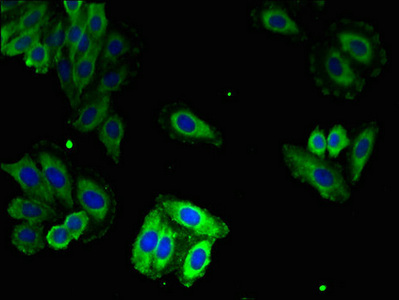
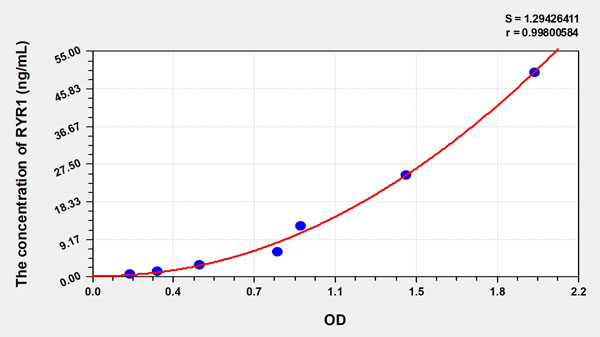
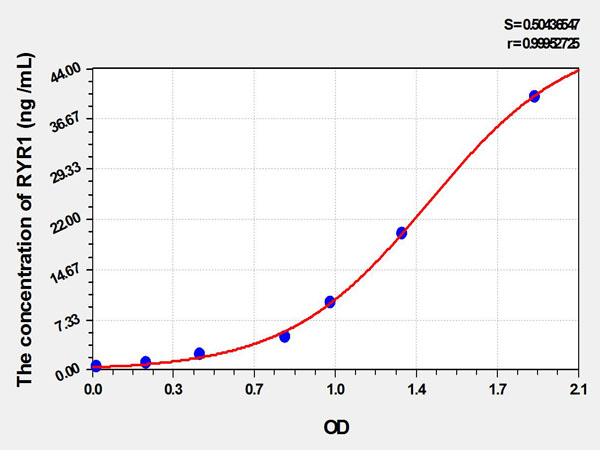
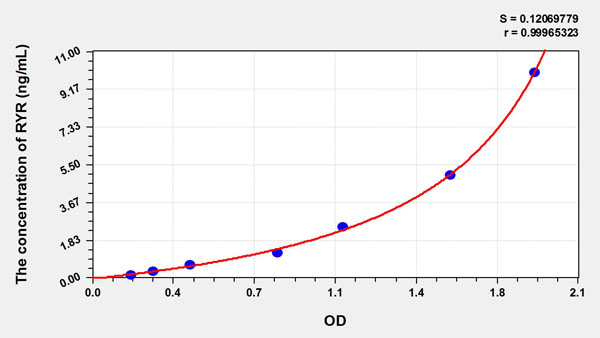
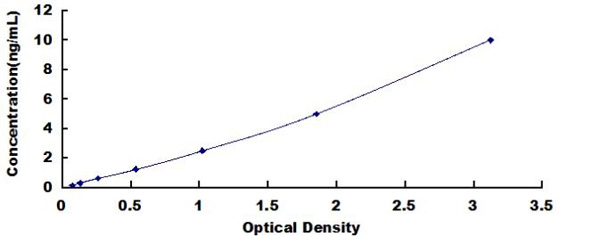
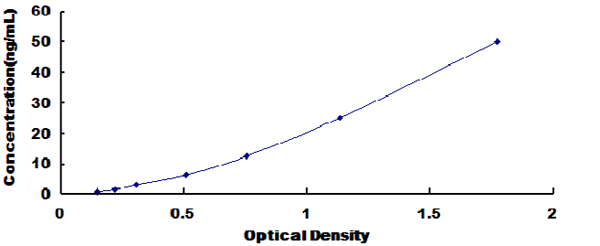
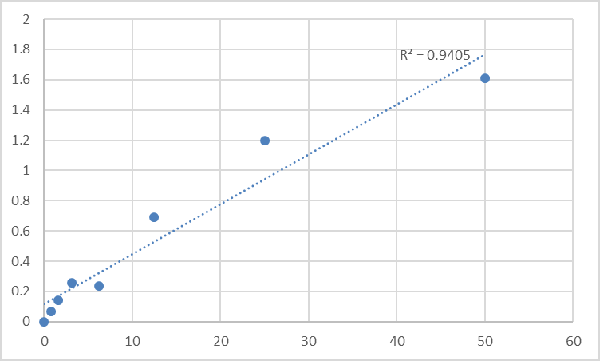
Product Notes
The RYR1 ryr1 (Catalog #AAA113834) is a Recombinant Protein produced from E Coli or Yeast or Baculovirus or Mammalian Cell and is intended for research purposes only. The product is available for immediate purchase. The immunogen sequence is 1-534aa; partial. The amino acid sequence is listed below: MGDAEGEDEV QFLRTDDEVV LQCSATVLKE QLKLCLAAEG FGNRLCFLEP TSNAQNVPPD LAICCFVLEQ SLSVRALQEM LANTVEAGVE SSQGGGHRTL LYGHAILLRH AHSRMYLSCL TTSRSMTDKL AFDVGLQEDA TGEACWWTMH PASKQRSEGE KVRVGDDIIL VSVSSERYLH LSTASGELQV DASFMQTLWN MNPICSRCEE GFVTGGHVLR LFHGHMDECL TISPADSDDQ RRLVYYEGGA VCTHARSLWR LEPLRISWSG SHLRWGQPLR VRHVTTGQYL ALTEDQGLVV VDASKAHTKA TSFCFRISKE KLDVAPKRDV EGMGPPEIKY GESLCFVQHV ASGLWLTYAA PDPKALRLGV LKKKAMLHQE GHMDDALSLT RCQQEESQAA RMIHSTNGLY NQFIKSLDSF SGKPRGSGPP AGTALPIEGV ILSLQDLIIY FEPPSEDLQH EEKQSKLRSL RNRQSLFQEE GMLSMVLNCI DRLNVYTTAA HFAEFAGEEA AESWKEIVNL LYELLASLIR GNRS. It is sometimes possible for the material contained within the vial of "Ryanodine receptor 1 (RYR1), Recombinant Protein" to become dispersed throughout the inside of the vial, particularly around the seal of said vial, during shipment and storage. We always suggest centrifuging these vials to consolidate all of the liquid away from the lid and to the bottom of the vial prior to opening. Please be advised that certain products may require dry ice for shipping and that, if this is the case, an additional dry ice fee may also be required.Precautions
All products in the AAA Biotech catalog are strictly for research-use only, and are absolutely not suitable for use in any sort of medical, therapeutic, prophylactic, in-vivo, or diagnostic capacity. By purchasing a product from AAA Biotech, you are explicitly certifying that said products will be properly tested and used in line with industry standard. AAA Biotech and its authorized distribution partners reserve the right to refuse to fulfill any order if we have any indication that a purchaser may be intending to use a product outside of our accepted criteria.Disclaimer
Though we do strive to guarantee the information represented in this datasheet, AAA Biotech cannot be held responsible for any oversights or imprecisions. AAA Biotech reserves the right to adjust any aspect of this datasheet at any time and without notice. It is the responsibility of the customer to inform AAA Biotech of any product performance issues observed or experienced within 30 days of receipt of said product. To see additional details on this or any of our other policies, please see our Terms & Conditions page.Item has been added to Shopping Cart
If you are ready to order, navigate to Shopping Cart and get ready to checkout.