
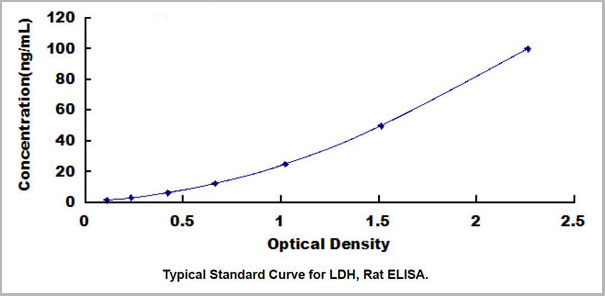
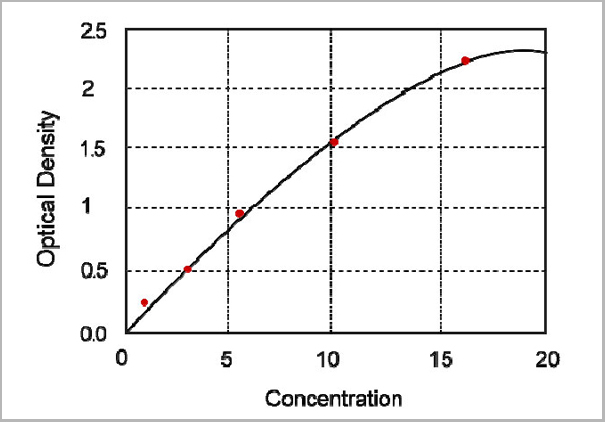
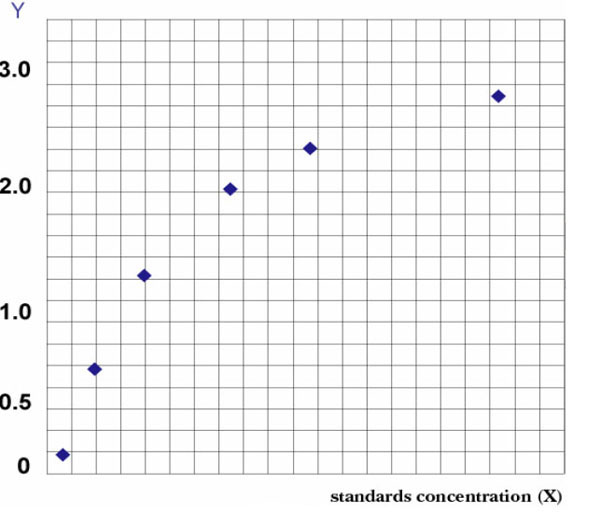
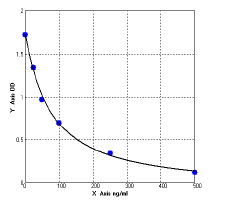
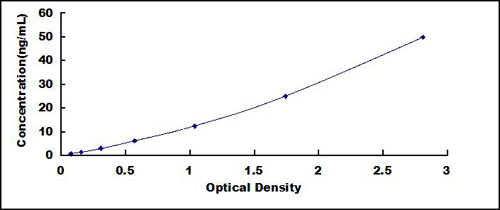
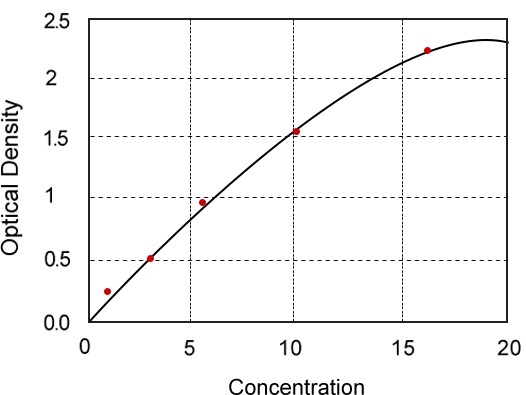
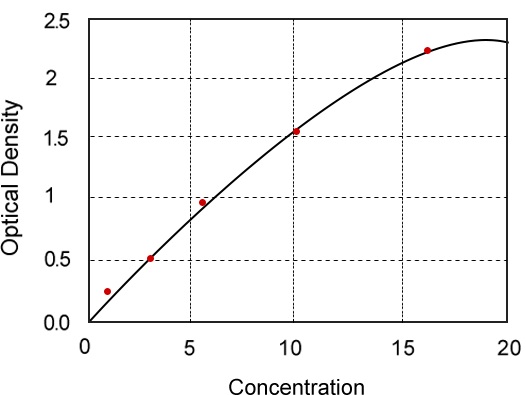
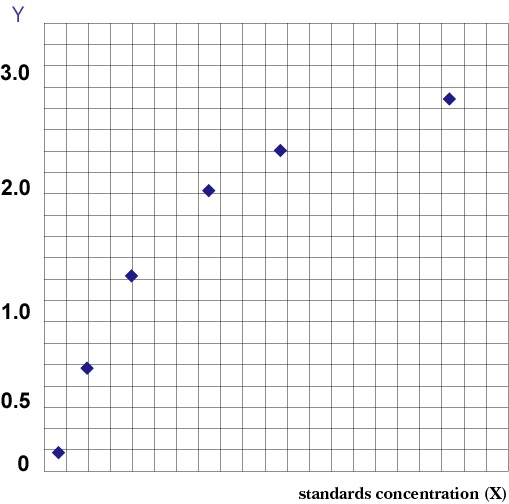
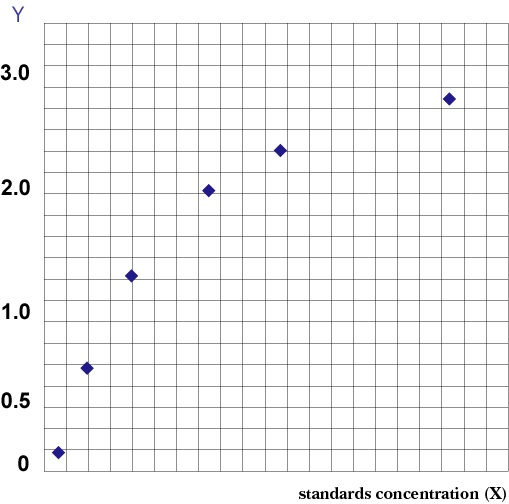
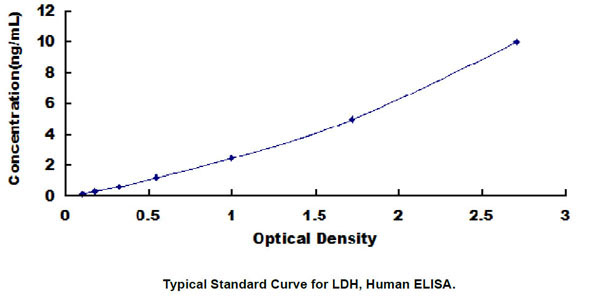
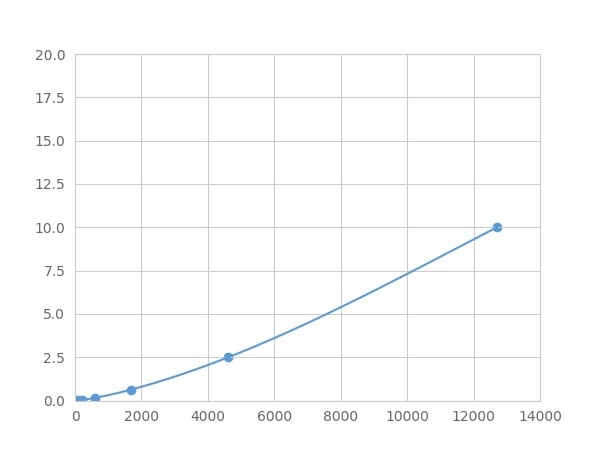
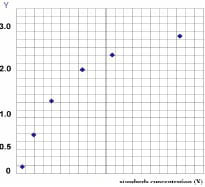
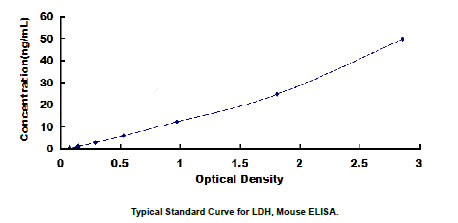
 Standard Curve (Sample)
Human Lactate Dehydrogenase (LDH) ELISA Kit | LDH elisa kit
Human Lactate Dehydrogenase (LDH) ELISA Kit
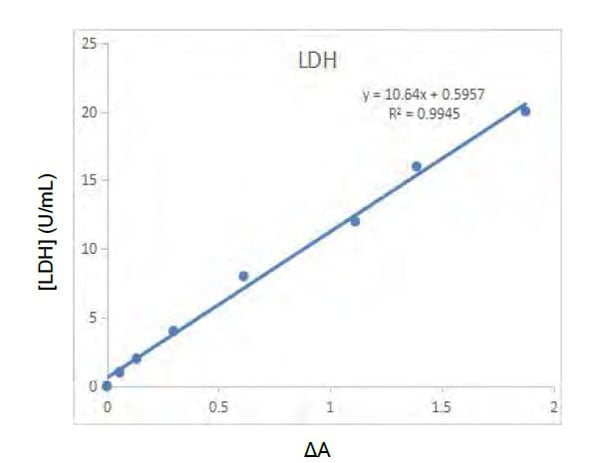
Standard Curve (Sample)
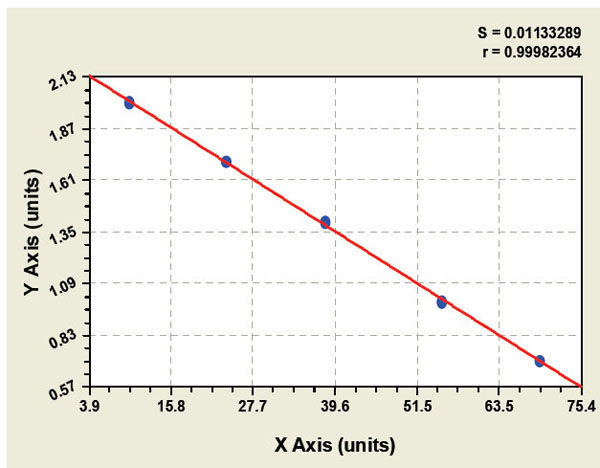
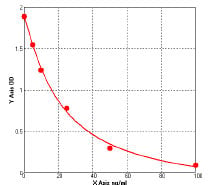
Standard Curve (Sample)
NCBI and Uniprot Product Information
Customer Reviews
Loading reviews...
Share Your Experience
Similar Products


Product Notes
The Human LDH (Catalog #AAA13127) is an ELISA Kit and is intended for research purposes only. The product is available for immediate purchase. The AAA13127 ELISA Kit recognizes Human LDH. It is sometimes possible for the material contained within the vial of "Lactate Dehydrogenase (LDH), ELISA Kit" to become dispersed throughout the inside of the vial, particularly around the seal of said vial, during shipment and storage. We always suggest centrifuging these vials to consolidate all of the liquid away from the lid and to the bottom of the vial prior to opening. Please be advised that certain products may require dry ice for shipping and that, if this is the case, an additional dry ice fee may also be required.Precautions
All products in the AAA Biotech catalog are strictly for research-use only, and are absolutely not suitable for use in any sort of medical, therapeutic, prophylactic, in-vivo, or diagnostic capacity. By purchasing a product from AAA Biotech, you are explicitly certifying that said products will be properly tested and used in line with industry standard. AAA Biotech and its authorized distribution partners reserve the right to refuse to fulfill any order if we have any indication that a purchaser may be intending to use a product outside of our accepted criteria.Disclaimer
Though we do strive to guarantee the information represented in this datasheet, AAA Biotech cannot be held responsible for any oversights or imprecisions. AAA Biotech reserves the right to adjust any aspect of this datasheet at any time and without notice. It is the responsibility of the customer to inform AAA Biotech of any product performance issues observed or experienced within 30 days of receipt of said product. To see additional details on this or any of our other policies, please see our Terms & Conditions page.Frequently Asked Questions
What does an elevated LDH level indicate?
Elevated LDH typically indicates tissue damage or cellular injury. Specific elevations suggest organ dysfunction: high levels correlate with myocardial infarction, hemolysis, liver disease, kidney damage, and malignancy. Notably, high LDH serves as a prognostic indicator in cancer patients, associated with poor clinical outcomes and treatment resistance.
Why is an LDH test performed during pregnancy?
LDH testing during pregnancy monitors for preeclampsia severity and assesses feto-maternal health. Elevated serum LDH shows a strong correlation with preeclampsia development, disease severity, and adverse outcomes, including placental damage. With an AUC >0.8, LDH demonstrates excellent diagnostic accuracy for predicting preeclampsia and enables early management of complications.
What role does lactate dehydrogenase play in the body?
LDH catalyzes the reversible conversion of pyruvate to lactate during anaerobic metabolism, generating NAD+ to maintain glycolysis during oxygen-limited conditions. This enzyme is essential for maintaining cellular energy (ATP) production during intensive exercise, hypoxia, and metabolic stress, enabling tissues to generate ATP when oxidative phosphorylation is impaired.
Which cancers are commonly associated with high LDH levels?
High LDH levels are associated with melanoma, lymphomas, leukemias, ovarian cancer, and soft tissue sarcomas. In melanoma, LDH is the only serum biomarker for metastatic disease assessment. Elevated LDH predicts distant metastasis, histological grade, and worse disease-specific survival across multiple cancer types.
What conditions besides cancer can increase LDH?
Non-cancer conditions elevating LDH include myocardial infarction, hemolysis, liver cirrhosis, kidney disease, acute infection, pulmonary embolism, and severe trauma. Hypoxia-related conditions trigger LDH elevation. Preeclampsia shows particularly high LDH levels, making it a sensitive marker for tissue damage and organ dysfunction in pregnancy complications.
Item has been added to Shopping Cart
If you are ready to order, navigate to Shopping Cart and get ready to checkout.