
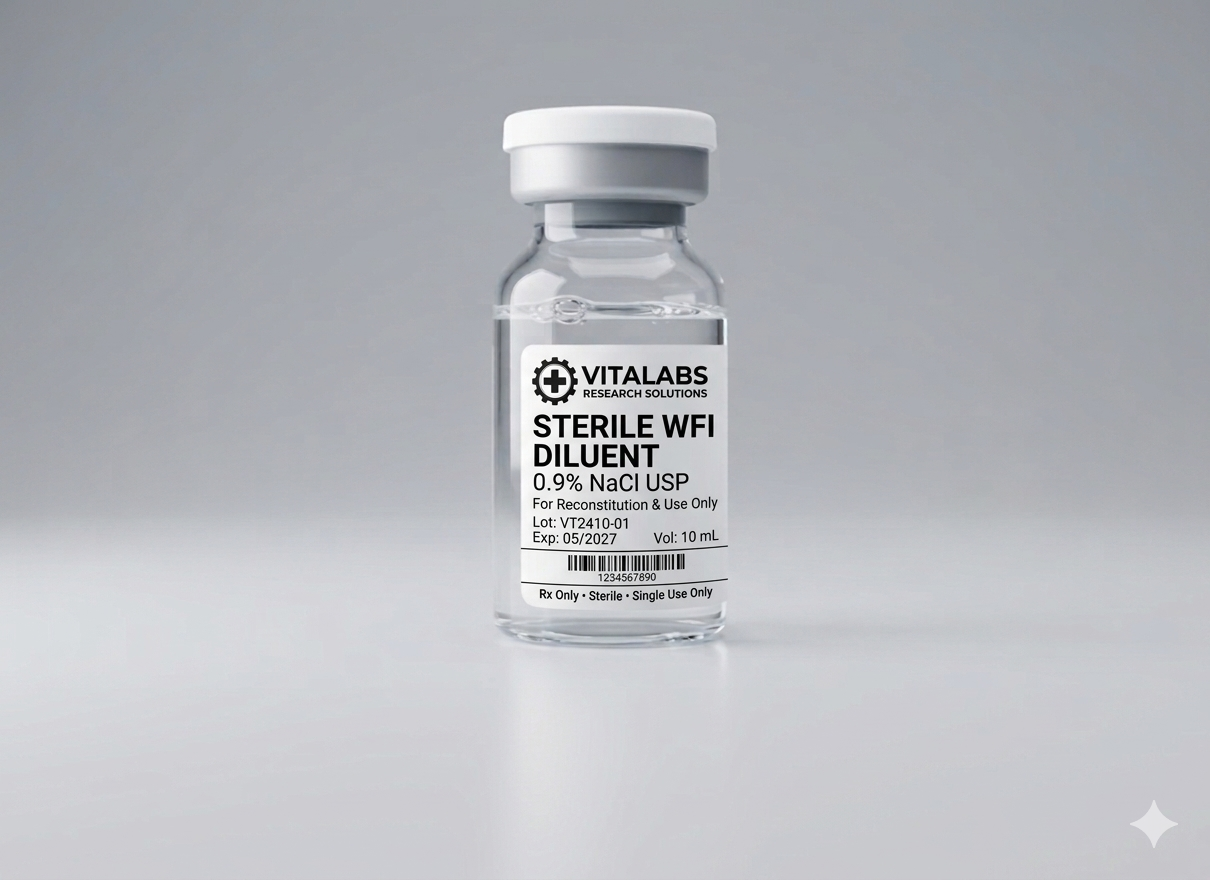
Mouse p53 (a.a. 371-380) Monoclonal Antibody | anti-p53 antibody
p53 (a.a. 371-380)
Gene Names
Aifm2; Amid; PRG3; 5430437E11Rik; D730001I10Rik
Reactivity
Human, Mouse, Rat, Monkey, Hamster
Applications
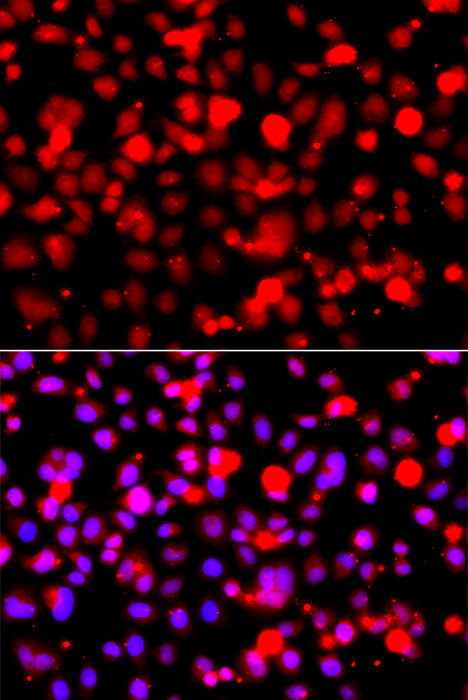
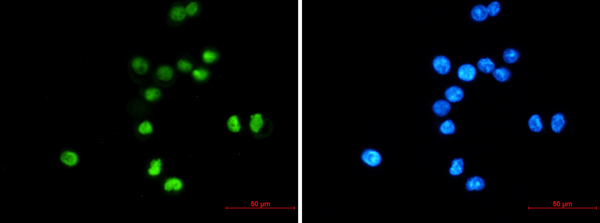
Immunofluorescence, Flow Cytometry, Functional Assay, Immunoprecipitation
Purity
Protein A/G Chromatography
Synonyms
p53 (a.a. 371-380), Antibody; p53 (a.a. 371-380); anti-p53 antibody
Host
Mouse
Reactivity
Human, Mouse, Rat, Monkey, Hamster
Clonality
Monoclonal
Isotype
IgG2b
Clone Number
Pab122
Purity/Purification
Protein A/G Chromatography
Form/Format
Provided as solution in phosphate buffered saline with 0.08% sodium azide
Sequence Length
373
Applicable Applications for anti-p53 antibody
IF (Immunofluorescence), FCM/FACS (Flow Cytometry), IP (Immunoprecipitation)
Immunogen
Hybridoma produced by the fusion of splenocytes from immunized with full length mouse p53 protein and mouse myeloma cells.
Positive Control
Breast or colon carcinoma
Comment
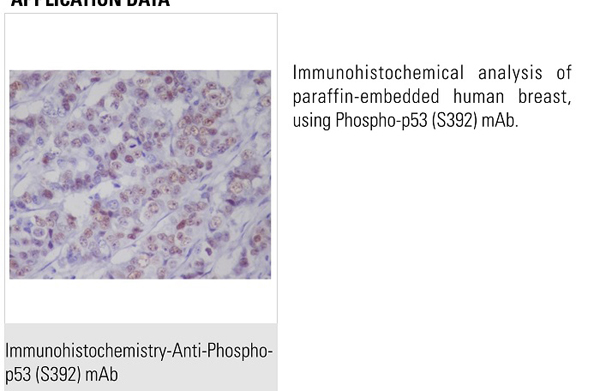
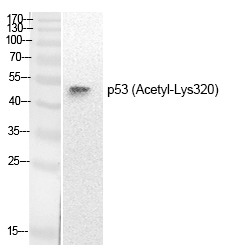
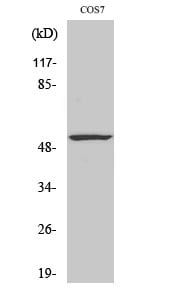
THis antibody can be used for Western Blotting (5-10ug/ml, immunohistochemistry on frozen and formalin/paraffain embedded tissues (1-2ug/ml) and immunoprecipitation (2ug/mg of protein lysate). Optimal concentration should be evaluated by serial dilutions.
Preparation and Storage
Product should be stored at -20 degree C. Aliquot to avoid freeze/thaw cycles
Shipping: Ship at ambient temperature, freeze upton arrival.
Stability: Products are stable for one year from puchase when stored properly.
Shipping: Ship at ambient temperature, freeze upton arrival.
Stability: Products are stable for one year from puchase when stored properly.
Related Product Information for anti-p53 antibody
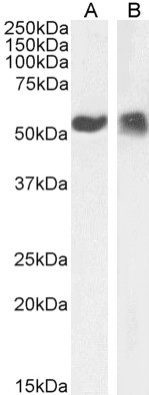
p53 is a 53 kDa transcription factor that can inhibit cell cycle progression or induce apoptosis in response to stress or DNA damage. Disruption of the p53 signalling pathway through various mechanisms is the most common alteration in human cancer occuring in over half of all tumors. The p53 protein is short lived and expressed at low levels in normal cells but accumulates and/or is activated in cells that have undergone genotoxic damage or oncogene activation. Many tumor derived and transformed cell lines express elevated levels of mutant p53 protein. Other genes also implicated in the downstream effects as a result of p53 activation are: p21WAF1, GADD45, 14-3-3, bax, Fas/APO1, KILLER/ DR5, Tsp1, IGF-BP3 and others.
Product Categories/Family for anti-p53 antibody
NCBI and Uniprot Product Information
NCBI GI #
NCBI GeneID
NCBI Accession #
NCBI GenBank Nucleotide #
Molecular Weight
40,635 Da
NCBI Official Full Name
apoptosis-inducing factor 2 isoform 2
NCBI Official Synonym Full Names
apoptosis-inducing factor, mitochondrion-associated 2
NCBI Official Symbol
Aifm2
NCBI Official Synonym Symbols
Amid; PRG3; 5430437E11Rik; D730001I10Rik
NCBI Protein Information
apoptosis-inducing factor 2; apoptosis-inducing factor-like mitchondrion-associated inducer of death; apoptosis-inducing factor-like mitochondrion-associated inducer of death; apoptosis-inducing factor (AIF)-like mitochondrion-associated inducer of death; apoptosis-inducing factor homologous mitochondrion-associated inducer of death
UniProt Protein Name
Apoptosis-inducing factor 2
UniProt Gene Name
Aifm2
UniProt Synonym Gene Names
Amid
UniProt Entry Name
AIFM2_MOUSE
Customer Reviews
Loading reviews...
Share Your Experience
Similar Products
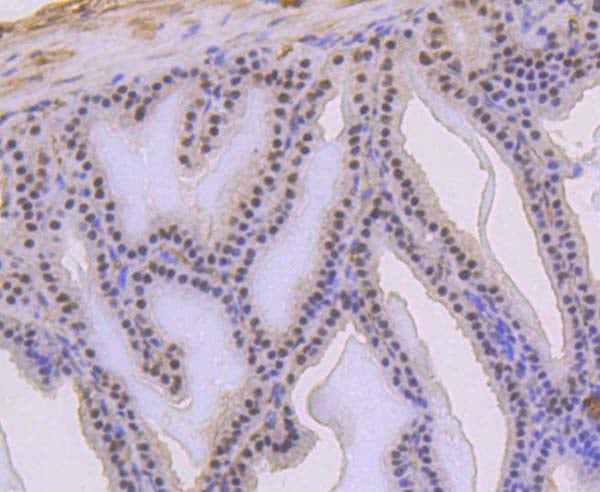
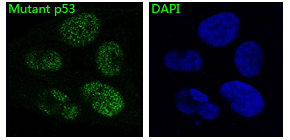
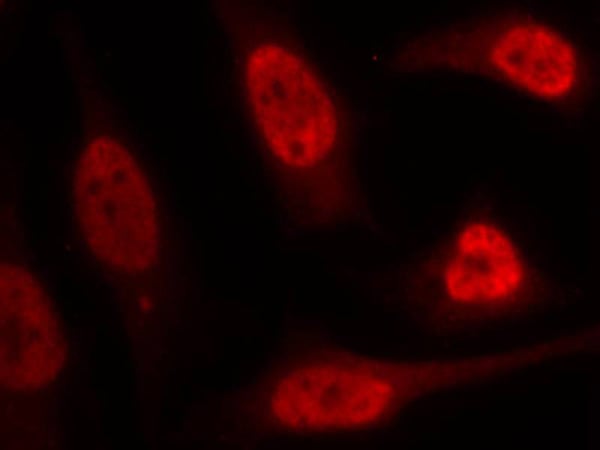
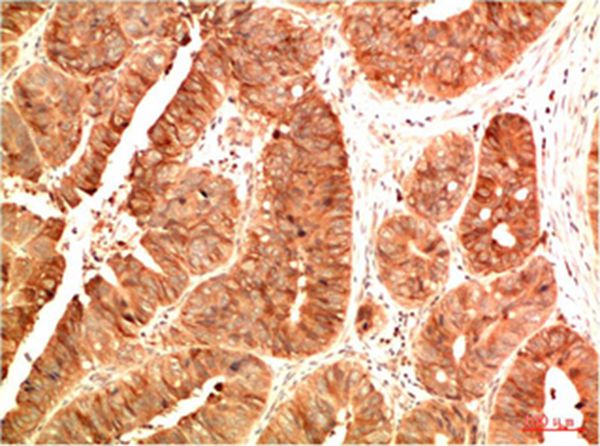
Product Notes
The p53 aifm2 (Catalog #AAA60485) is an Antibody produced from Mouse and is intended for research purposes only. The product is available for immediate purchase. The p53 (a.a. 371-380) reacts with Human, Mouse, Rat, Monkey, Hamster and may cross-react with other species as described in the data sheet. AAA Biotech's p53 (a.a. 371-380) can be used in a range of immunoassay formats including, but not limited to, IF (Immunofluorescence), FCM/FACS (Flow Cytometry), IP (Immunoprecipitation). Researchers should empirically determine the suitability of the p53 aifm2 for an application not listed in the data sheet. Researchers commonly develop new applications and it is an integral, important part of the investigative research process. It is sometimes possible for the material contained within the vial of "p53 (a.a. 371-380), Monoclonal Antibody" to become dispersed throughout the inside of the vial, particularly around the seal of said vial, during shipment and storage. We always suggest centrifuging these vials to consolidate all of the liquid away from the lid and to the bottom of the vial prior to opening. Please be advised that certain products may require dry ice for shipping and that, if this is the case, an additional dry ice fee may also be required.Precautions
All products in the AAA Biotech catalog are strictly for research-use only, and are absolutely not suitable for use in any sort of medical, therapeutic, prophylactic, in-vivo, or diagnostic capacity. By purchasing a product from AAA Biotech, you are explicitly certifying that said products will be properly tested and used in line with industry standard. AAA Biotech and its authorized distribution partners reserve the right to refuse to fulfill any order if we have any indication that a purchaser may be intending to use a product outside of our accepted criteria.Disclaimer
Though we do strive to guarantee the information represented in this datasheet, AAA Biotech cannot be held responsible for any oversights or imprecisions. AAA Biotech reserves the right to adjust any aspect of this datasheet at any time and without notice. It is the responsibility of the customer to inform AAA Biotech of any product performance issues observed or experienced within 30 days of receipt of said product. To see additional details on this or any of our other policies, please see our Terms & Conditions page.Item has been added to Shopping Cart
If you are ready to order, navigate to Shopping Cart and get ready to checkout.