
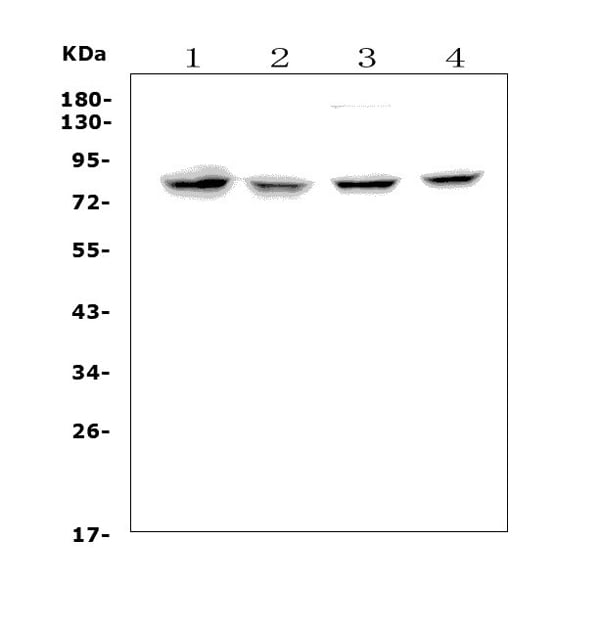
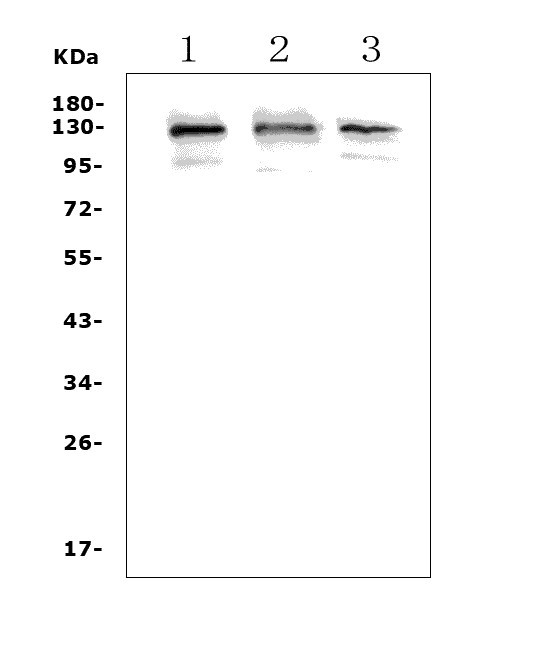
 WB (Western Blot)
(Figure 1. Western blot analysis of GHR using anti-GHR antibody.)
WB (Western Blot)
(Figure 1. Western blot analysis of GHR using anti-GHR antibody.)
Rabbit anti-Human Growth hormone receptor/GHR Polyclonal Antibody | anti-GHR antibody
Anti-Growth hormone receptor/GHR Antibody
Gene Names
GHR; GHBP; GHIP
Reactivity
Human
Applications
ELISA, Flow Cytometry, Functional Assay, Immunofluorescence, Immunocytochemistry, Western Blot
Purity
Immunogen affinity purified.
Synonyms
Growth hormone receptor/GHR, Antibody; Anti-Growth hormone receptor/GHR Antibody; Growth hormone receptor; GH receptor; Somatotropin receptor; Growth hormone-binding protein; ; anti-GHR antibody
Host
Rabbit
Reactivity
Human
Clonality
Polyclonal
Isotype
IgG
Specificity
No cross reactivity with other proteins.
Purity/Purification
Immunogen affinity purified.
Form/Format
Lyophilized
Each vial contains 4mg Trehalose, 0.9mg NaCl, 0.2mg Na2HPO4, 0.05mg NaN3.
Each vial contains 4mg Trehalose, 0.9mg NaCl, 0.2mg Na2HPO4, 0.05mg NaN3.
Sequence Length
638
Applicable Applications for anti-GHR antibody
ELISA (Direct ELISA), FCM/FACS (Flow Cytometry), IF (Immunofluorescence), ICC (Immunocytochemistry), WB (Western Blot)
Immunogen
E Coli-derived human Growth hormone receptor/GHR recombinant protein (Position: F19-P638).
Reconstitution
Add 0.2ml of distilled water will yield a concentration of 500ug/ml.
Preparation and Storage
Store at -20 degree C for one year. After reconstitution, at 4 degree C for one month. It can also be aliquotted and stored frozen store at -20 degree C for a longer time. Avoid repeated freezing and thawing.
WB (Western Blot)
(Figure 1. Western blot analysis of GHR using anti-GHR antibody.)
WB (Western Blot)
(Figure 1. Western blot analysis of GHR using anti-GHR antibody.)
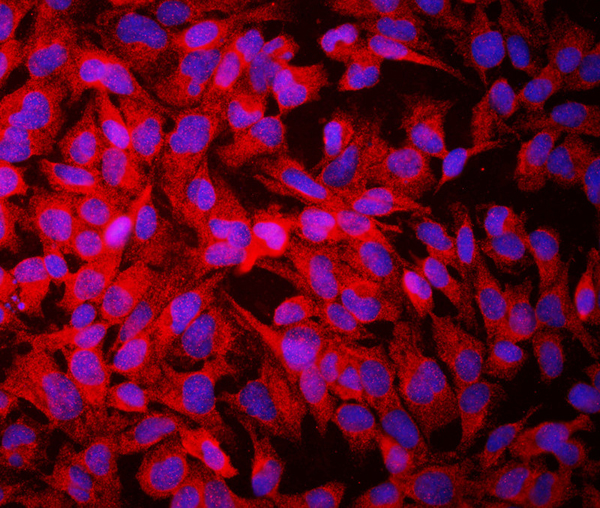
IF (Immunofluorescence)
IF (Immunofluorescence)
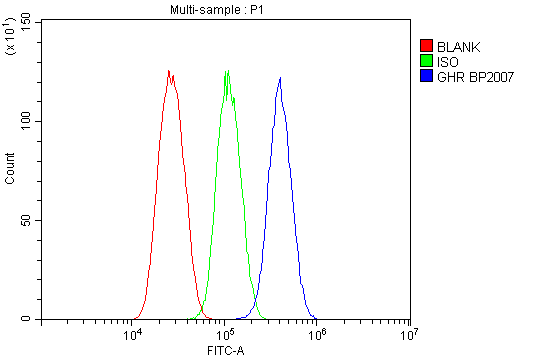
FCM/FACS (Flow Cytometry)
FCM/FACS (Flow Cytometry)
Related Product Information for anti-GHR antibody
Description: Rabbit IgG polyclonal antibody for Growth hormone receptor/GHR detection. Tested with WB, ICC/IF, FCM, Direct ELISA in Human.
Background: Growth hormone receptor is a protein that in humans is encoded by the GHR gene. It is mapped to 5p13.1-p12. This gene encodes a member of the type I cytokine receptor family, which is a transmembrane receptor for growth hormone. Binding of growth hormone to the receptor leads to receptor dimerization and the activation of an intra- and intercellular signal transduction pathway leading to growth. Mutations in this gene have been associated with Laron syndrome, also known as the growth hormone insensitivity syndrome (GHIS), a disorder characterized by short stature. In humans and rabbits, but not rodents, growth hormone binding protein (GHBP) is generated by proteolytic cleavage of the extracellular ligand-binding domain from the mature growth hormone receptor protein. Multiple alternatively spliced transcript variants have been found for this gene.
Background: Growth hormone receptor is a protein that in humans is encoded by the GHR gene. It is mapped to 5p13.1-p12. This gene encodes a member of the type I cytokine receptor family, which is a transmembrane receptor for growth hormone. Binding of growth hormone to the receptor leads to receptor dimerization and the activation of an intra- and intercellular signal transduction pathway leading to growth. Mutations in this gene have been associated with Laron syndrome, also known as the growth hormone insensitivity syndrome (GHIS), a disorder characterized by short stature. In humans and rabbits, but not rodents, growth hormone binding protein (GHBP) is generated by proteolytic cleavage of the extracellular ligand-binding domain from the mature growth hormone receptor protein. Multiple alternatively spliced transcript variants have been found for this gene.
References
1. Horan, M., Newsway, V., Yasmin, (NI), Lewis, M. D., Easter, T. E., Rees, D. A., Mahto, A., Millar, D. S., Procter, A. M., Scanlon, M. F., Wilkinson, I. B., Hall, I. P., Wheatley, A., Blakey, J., Bath, P. M. W., Cockcroft, J. R., Krawczak, M., Cooper, D. N. Genetic variation at the growth hormone (GH1) and growth hormone receptor (GHR) loci as a risk factor for hypertension and stroke. Hum. Genet. 119: 527-540, 2006.
2. Pantel, J., Grulich-Henn, J., Bettendorf, M., Strasburger, C. J., Heinrich, U., Amselem, S. Heterozygous nonsense mutation in exon 3 of the growth hormone receptor (GHR) in severe GH insensitivity (Laron syndrome) and the issue of the origin and function of the GHRd3 isoform. J. Clin. Endocr. Metab. 88: 1705-1710, 2003.
3. Tiulpakov, A., Rubstov, P., Dedov, I., Peterkova, V., Bezlepkina, O., Chrousos, G. P., Hochberg, Z. A novel C-terminal growth hormone receptor (GHR) mutation results in impaired GHR-STAT5 but normal STAT-3 signaling. J. Clin. Endocr. Metab. 90: 542-547, 2005.
2. Pantel, J., Grulich-Henn, J., Bettendorf, M., Strasburger, C. J., Heinrich, U., Amselem, S. Heterozygous nonsense mutation in exon 3 of the growth hormone receptor (GHR) in severe GH insensitivity (Laron syndrome) and the issue of the origin and function of the GHRd3 isoform. J. Clin. Endocr. Metab. 88: 1705-1710, 2003.
3. Tiulpakov, A., Rubstov, P., Dedov, I., Peterkova, V., Bezlepkina, O., Chrousos, G. P., Hochberg, Z. A novel C-terminal growth hormone receptor (GHR) mutation results in impaired GHR-STAT5 but normal STAT-3 signaling. J. Clin. Endocr. Metab. 90: 542-547, 2005.
NCBI and Uniprot Product Information
NCBI GI #
NCBI GeneID
NCBI Accession #
NCBI GenBank Nucleotide #
UniProt Accession #
NCBI Official Full Name
growth hormone receptor isoform 1
NCBI Official Synonym Full Names
growth hormone receptor
NCBI Official Symbol
GHR
NCBI Official Synonym Symbols
GHBP; GHIP
NCBI Protein Information
growth hormone receptor
UniProt Protein Name
Growth hormone receptor
UniProt Gene Name
GHR
UniProt Synonym Gene Names
GH receptor; GH-binding protein; GHBP
UniProt Entry Name
GHR_HUMAN
Customer Reviews
Loading reviews...
Share Your Experience
Similar Products



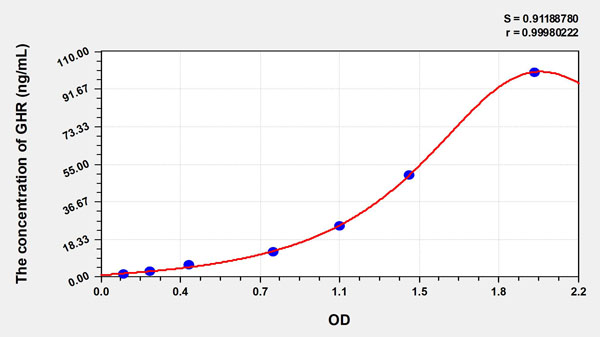
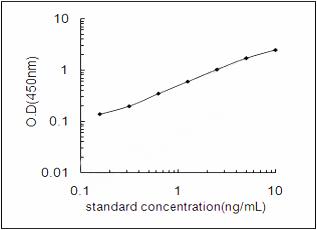

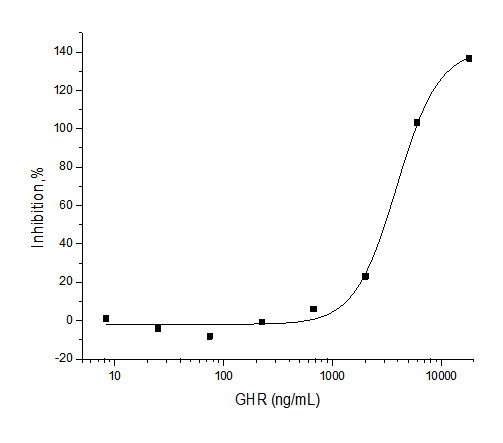
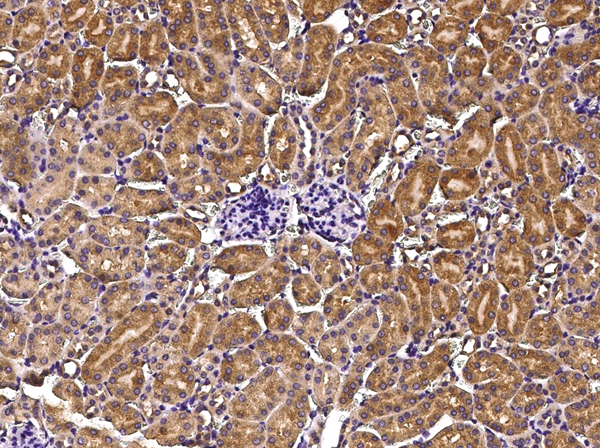
Product Notes
The GHR ghr (Catalog #AAA125405) is an Antibody produced from Rabbit and is intended for research purposes only. The product is available for immediate purchase. The Anti-Growth hormone receptor/GHR Antibody reacts with Human and may cross-react with other species as described in the data sheet. AAA Biotech's Growth hormone receptor/GHR can be used in a range of immunoassay formats including, but not limited to, ELISA (Direct ELISA), FCM/FACS (Flow Cytometry), IF (Immunofluorescence), ICC (Immunocytochemistry), WB (Western Blot). Researchers should empirically determine the suitability of the GHR ghr for an application not listed in the data sheet. Researchers commonly develop new applications and it is an integral, important part of the investigative research process. It is sometimes possible for the material contained within the vial of "Growth hormone receptor/GHR, Polyclonal Antibody" to become dispersed throughout the inside of the vial, particularly around the seal of said vial, during shipment and storage. We always suggest centrifuging these vials to consolidate all of the liquid away from the lid and to the bottom of the vial prior to opening. Please be advised that certain products may require dry ice for shipping and that, if this is the case, an additional dry ice fee may also be required.Precautions
All products in the AAA Biotech catalog are strictly for research-use only, and are absolutely not suitable for use in any sort of medical, therapeutic, prophylactic, in-vivo, or diagnostic capacity. By purchasing a product from AAA Biotech, you are explicitly certifying that said products will be properly tested and used in line with industry standard. AAA Biotech and its authorized distribution partners reserve the right to refuse to fulfill any order if we have any indication that a purchaser may be intending to use a product outside of our accepted criteria.Disclaimer
Though we do strive to guarantee the information represented in this datasheet, AAA Biotech cannot be held responsible for any oversights or imprecisions. AAA Biotech reserves the right to adjust any aspect of this datasheet at any time and without notice. It is the responsibility of the customer to inform AAA Biotech of any product performance issues observed or experienced within 30 days of receipt of said product. To see additional details on this or any of our other policies, please see our Terms & Conditions page.Item has been added to Shopping Cart
If you are ready to order, navigate to Shopping Cart and get ready to checkout.