
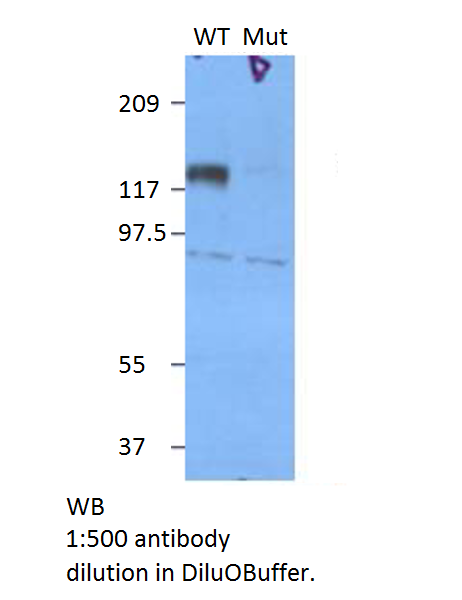
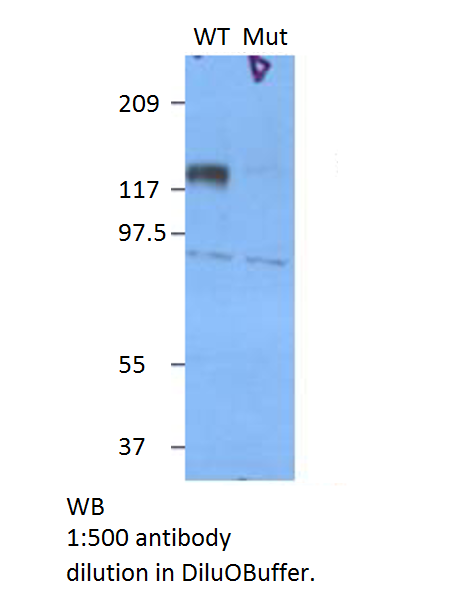
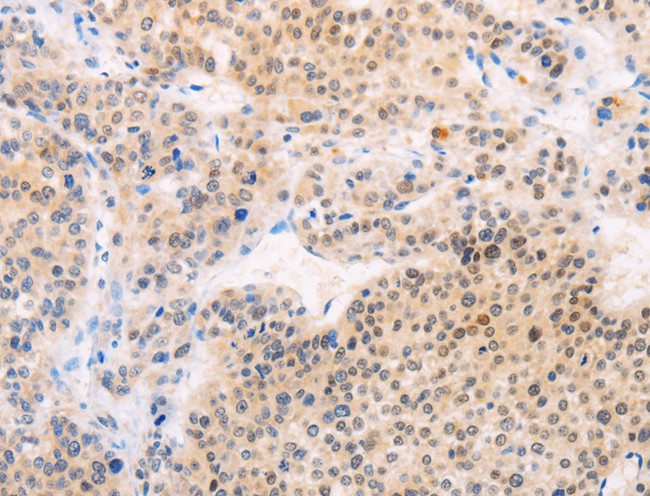
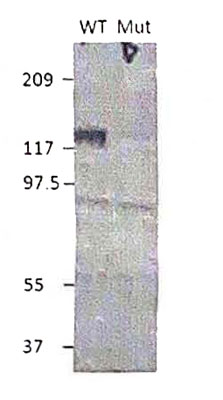
 WB (Western Blot)
Phospho-MAP3K12 Positive Control | MAP3K12 positive control
Phospho-MAP3K12 Antibody Positive Control
Gene Names
MAP3K12; DLK; MUK; ZPK; ZPKP1; MEKK12
Applications
Western Blot
Synonyms
Phospho-MAP3K12; N/A; Phospho-MAP3K12 Antibody Positive Control; DLK; Dual leucine zipper bearing kinase; Dual leucine zipper kinase DLK; Map3k12; MAPK-upstream kinase; MEKK12; mitogen-activated protein kinase kinase kinase 12; Mixed lineage kinase; MUK; Protein kinase MUK; ZPK; ZPKP1 antibody; MAP3K12 positive control
Form/Format
Western Blot Positive Control
Sequence Length
567
Applicable Applications for MAP3K12 positive control
WB (Western Blot)
Immunogen
Purified Protein
Preparation and Storage
-20 degree C for long term storage
WB (Western Blot)
WB (Western Blot)
Related Product Information for MAP3K12 positive control
Western Blot Positive Control Phosphorylated Mitogen-activated protein kinase kinase kinase 12 Antibody.
Overview: Mitogen-activated protein kinase kinase kinase 12 (MAP3K12) is a MAP kinase kinase kinase enzyme belonging to the serine/threonine protein kinase family (1). Located on human chromosome 12q13, it regulates the activity of various MAPKKs such as MAPKK7 and hence activating C-Jun N-terminal Kinase (JNK/SAPK). MAP3K12 associates with scaffold proteins, JIPs, which also interacts with MAPKK7 and JNKlSAPK (2). MAP3K12 protein is associated with dotted structures that are regularly located with Golgi apparatus and also along the microtubules (3). This protein contains two leucine-zipper-like motifs and interaction of MAP3K12-binding inhibitory protein with one of these motifs deactivates this protein and induces activation of SAPK/JNK (4). MAP3K12 is also implicated in regulating radial cell migration via microtubule-based events. It has been reported that ectopic expression of this protein in neuronal precursor cells allows these cells to migrate from the ventricular zone and differentiate into neural cells (3).
MAP3K12 was identified as a signaling molecule that is required for the regulation of keratinocyte terminal differentiation and cornification (5). While MAP3K12 is found in the epidermis, it is highly restricted to the neurona. Cells in the central , peripheral and autonomic nervous systems. More specifically, it is localized in the axons of these cells (6). It has been shown that over-expression of MAP3K12 in cos-1 cells impairs the radial organization of microtubules without massive depolymerization. In humans, MAP3K12 is approximately a 68kOa protein (567 amino acids). In rat and mouse this protein weighs 107kOa (888 amino acids).
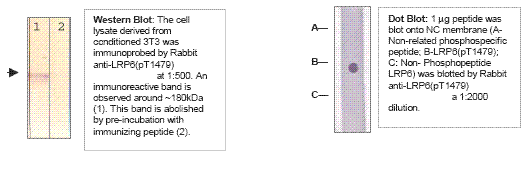
The Phospho-MAP3K12 antibodies were generated using synthetic peptide corresponding to the human PMAP3K12 protein. Western blot-positive control in ready-to-use SOS-sample buffer (PC-PMAP3K12) and antigenic blocking peptide (P-PMAP3K12) are available. Antibodies can be conjugated with fluorescent probes or other secondary enzymes upon request at extra charge.
Overview: Mitogen-activated protein kinase kinase kinase 12 (MAP3K12) is a MAP kinase kinase kinase enzyme belonging to the serine/threonine protein kinase family (1). Located on human chromosome 12q13, it regulates the activity of various MAPKKs such as MAPKK7 and hence activating C-Jun N-terminal Kinase (JNK/SAPK). MAP3K12 associates with scaffold proteins, JIPs, which also interacts with MAPKK7 and JNKlSAPK (2). MAP3K12 protein is associated with dotted structures that are regularly located with Golgi apparatus and also along the microtubules (3). This protein contains two leucine-zipper-like motifs and interaction of MAP3K12-binding inhibitory protein with one of these motifs deactivates this protein and induces activation of SAPK/JNK (4). MAP3K12 is also implicated in regulating radial cell migration via microtubule-based events. It has been reported that ectopic expression of this protein in neuronal precursor cells allows these cells to migrate from the ventricular zone and differentiate into neural cells (3).
MAP3K12 was identified as a signaling molecule that is required for the regulation of keratinocyte terminal differentiation and cornification (5). While MAP3K12 is found in the epidermis, it is highly restricted to the neurona. Cells in the central , peripheral and autonomic nervous systems. More specifically, it is localized in the axons of these cells (6). It has been shown that over-expression of MAP3K12 in cos-1 cells impairs the radial organization of microtubules without massive depolymerization. In humans, MAP3K12 is approximately a 68kOa protein (567 amino acids). In rat and mouse this protein weighs 107kOa (888 amino acids).
The Phospho-MAP3K12 antibodies were generated using synthetic peptide corresponding to the human PMAP3K12 protein. Western blot-positive control in ready-to-use SOS-sample buffer (PC-PMAP3K12) and antigenic blocking peptide (P-PMAP3K12) are available. Antibodies can be conjugated with fluorescent probes or other secondary enzymes upon request at extra charge.
NCBI and Uniprot Product Information
NCBI GI #
NCBI GeneID
NCBI Official Full Name
MAP3K12 protein
NCBI Official Synonym Full Names
mitogen-activated protein kinase kinase kinase 12
NCBI Official Symbol
MAP3K12
NCBI Official Synonym Symbols
DLK; MUK; ZPK; ZPKP1; MEKK12
NCBI Protein Information
mitogen-activated protein kinase kinase kinase 12
UniProt Protein Name
Mitogen-activated protein kinase kinase kinase 12
UniProt Gene Name
MAP3K12
UniProt Synonym Gene Names
ZPK; DLK; ZPK; MUK
UniProt Entry Name
M3K12_HUMAN
Customer Reviews
Loading reviews...
Share Your Experience
Similar Products

Product Notes
The MAP3K12 map3k12 (Catalog #AAA75982) is a Positive Control and is intended for research purposes only. The product is available for immediate purchase. AAA Biotech's Phospho-MAP3K12 can be used in a range of immunoassay formats including, but not limited to, WB (Western Blot). Researchers should empirically determine the suitability of the MAP3K12 map3k12 for an application not listed in the data sheet. Researchers commonly develop new applications and it is an integral, important part of the investigative research process. It is sometimes possible for the material contained within the vial of "Phospho-MAP3K12, Positive Control" to become dispersed throughout the inside of the vial, particularly around the seal of said vial, during shipment and storage. We always suggest centrifuging these vials to consolidate all of the liquid away from the lid and to the bottom of the vial prior to opening. Please be advised that certain products may require dry ice for shipping and that, if this is the case, an additional dry ice fee may also be required.Precautions
All products in the AAA Biotech catalog are strictly for research-use only, and are absolutely not suitable for use in any sort of medical, therapeutic, prophylactic, in-vivo, or diagnostic capacity. By purchasing a product from AAA Biotech, you are explicitly certifying that said products will be properly tested and used in line with industry standard. AAA Biotech and its authorized distribution partners reserve the right to refuse to fulfill any order if we have any indication that a purchaser may be intending to use a product outside of our accepted criteria.Disclaimer
Though we do strive to guarantee the information represented in this datasheet, AAA Biotech cannot be held responsible for any oversights or imprecisions. AAA Biotech reserves the right to adjust any aspect of this datasheet at any time and without notice. It is the responsibility of the customer to inform AAA Biotech of any product performance issues observed or experienced within 30 days of receipt of said product. To see additional details on this or any of our other policies, please see our Terms & Conditions page.Item has been added to Shopping Cart
If you are ready to order, navigate to Shopping Cart and get ready to checkout.