
Tumor Necrosis Factor Receptor Recombinant Protein | TNFR recombinant protein
Recombinant Human Tumor Necrosis Factor Receptor
Gene Names
TNFRSF1A; FPF; MS5; p55; p60; TBP1; TNF-R; TNFAR; TNFR1; p55-R; CD120a; TNFR55; TNFR60; TNF-R-I; TNF-R55; TNFR1-d2
Purity
Greater than 97.0% as determined by: (a) Analysis by RP-HPLC.
(b) Analysis by SDS-PAGE.
Synonyms
Tumor Necrosis Factor Receptor; N/A; Recombinant Human Tumor Necrosis Factor Receptor; TNFR Human; Tumor Necrosis Factor Receptor Human Recombinant; Tumor necrosis factor receptor superfamily member 1A; Tumor necrosis factor receptor 1; Tumor necrosis factor receptor type I; TNF-R1; TNF-RI; TNFR-I; p60; p55; CD120a; TNFRSF1A; TNFAR; TNFR1; FPF; TBP1; TNF-R; p55-R; TNFR55; TNFR60; TNF-R-I; TNF-R55; MGC19588; TNFR recombinant protein
Host
E Coli
Purity/Purification
Greater than 97.0% as determined by:
(a) Analysis by RP-HPLC.
(b) Analysis by SDS-PAGE.
(a) Analysis by RP-HPLC.
(b) Analysis by SDS-PAGE.
Form/Format
The TNFR protein was lyophilized from 10mM sodium phosphate buffer pH-7.5.
Sequence
MDSVCPQGKY IHPQNNSICC TKCHKGTYLY NDCPGPGQDT DCRECESSGS FTASENHLRH CLSCSKCRKE MGQVEKSSCT VDRDTVCGCR KNQYRHYWSE NLFQCFNCSL CLNGTVHLSC QEKQNTVCTC HAGFFLRENE CVSCSNCKKS LECTKLCLPQ IEN
Sequence Length
455
Physical appearance
Sterile Filtered White lyophilized (freeze-dried) powder.
Solubility
It is recommended to reconstitute the lyophilized TNFR in sterile 18M-cm H2O not less than 100 ug/ml, which can then be further diluted to other aqueous solutions.
Preparation and Storage
Lyophilized TNFR although stable at room temperature for 3 weeks, should be stored desiccated below -18°C. Upon reconstitution TNFR should be stored at 4°C between 2-7 days and for future use below -18C. For long term storage it is recommended to add a carrier protein (0.1% HSA or BSA). Please prevent freeze-thaw cycles.
Related Product Information for TNFR recombinant protein
Description: TNFR Human Recombinant produced in E Coli is a single, non-glycosylated, polypeptide chain containing 162 amino acids and having a total molecular mass of 18.2 kDa. TNFR Human Recombinant is purified by proprietary chromatographic techniques.
Introduction: TNFR1 belongs to the TNF-receptor superfamily. TNFR1 is a receptor for TNFSF2/TNF-alpha and homotrimeric TNFSF1/lymphotoxin-alpha. There are 2 types of soluble TNF receptors: sTNFR-I and sTNFR-II, which act to neutralize the biological activities of TNF alpha and TNF beta. The levels of these soluble receptors seem to increase as a result of shedding of the extracellular domains of the membrane bound receptors. TNF-a, TNFR1 and TNFR2 have roles in cellular differentiation. TNFR1 and TNFR2 function in cell type-specific renal injury.TNFR1 is capable of signaling both cell survival and apoptosis. TNFR1-induced apoptosis requires 2 sequential signaling complexes. TNFR1 is capable of activating NF-kappaB, mediate apoptosis, and function as a regulator of inflammation. Oxidative stress promotes TNFR1 and TNFR2 self-interaction, ligand-independent and enhanced ligand-dependent TNF signaling. TNFR1 contributes to the induction of non-cytocidal TNF effects including anti-viral state and activation of the acid sphingomyelinase. Human TNFR1 has a major region which controls cell surface expression. High levels of soluble TNF receptors are found in the amniotic fluid of pregnant women.Germline mutations of the extracellular domains of TNFR1 are linked to the autosomal dominant periodic fever syndrome. The impaired receptor clearance is believed to be a mechanism of the disease. Familial hibernian fever (FHF) is caused by defects in TNFRSF1A gene.
Introduction: TNFR1 belongs to the TNF-receptor superfamily. TNFR1 is a receptor for TNFSF2/TNF-alpha and homotrimeric TNFSF1/lymphotoxin-alpha. There are 2 types of soluble TNF receptors: sTNFR-I and sTNFR-II, which act to neutralize the biological activities of TNF alpha and TNF beta. The levels of these soluble receptors seem to increase as a result of shedding of the extracellular domains of the membrane bound receptors. TNF-a, TNFR1 and TNFR2 have roles in cellular differentiation. TNFR1 and TNFR2 function in cell type-specific renal injury.TNFR1 is capable of signaling both cell survival and apoptosis. TNFR1-induced apoptosis requires 2 sequential signaling complexes. TNFR1 is capable of activating NF-kappaB, mediate apoptosis, and function as a regulator of inflammation. Oxidative stress promotes TNFR1 and TNFR2 self-interaction, ligand-independent and enhanced ligand-dependent TNF signaling. TNFR1 contributes to the induction of non-cytocidal TNF effects including anti-viral state and activation of the acid sphingomyelinase. Human TNFR1 has a major region which controls cell surface expression. High levels of soluble TNF receptors are found in the amniotic fluid of pregnant women.Germline mutations of the extracellular domains of TNFR1 are linked to the autosomal dominant periodic fever syndrome. The impaired receptor clearance is believed to be a mechanism of the disease. Familial hibernian fever (FHF) is caused by defects in TNFRSF1A gene.
Product Categories/Family for TNFR recombinant protein
NCBI and Uniprot Product Information
NCBI GI #
NCBI GeneID
NCBI Accession #
NCBI GenBank Nucleotide #
Molecular Weight
24,194 Da
NCBI Official Full Name
tumor necrosis factor receptor superfamily member 1A
NCBI Official Synonym Full Names
tumor necrosis factor receptor superfamily, member 1A
NCBI Official Symbol
TNFRSF1A
NCBI Official Synonym Symbols
FPF; MS5; p55; p60; TBP1; TNF-R; TNFAR; TNFR1; p55-R; CD120a; TNFR55; TNFR60; TNF-R-I; TNF-R55; TNFR1-d2
NCBI Protein Information
tumor necrosis factor receptor superfamily member 1A; TNF-R1; TNF-RI; TNFR-I; tumor necrosis factor binding protein 1; tumor necrosis factor receptor 1A isoform beta; tumor necrosis factor receptor type 1; tumor necrosis factor-alpha receptor
UniProt Protein Name
Tumor necrosis factor receptor superfamily member 1A
UniProt Gene Name
TNFRSF1A
UniProt Synonym Gene Names
TNFAR; TNFR1; TNF-R1; TNF-RI; TNFR-I; TBPI
UniProt Entry Name
TNR1A_HUMAN
Customer Reviews
Loading reviews...
Share Your Experience
Similar Products




Product Notes
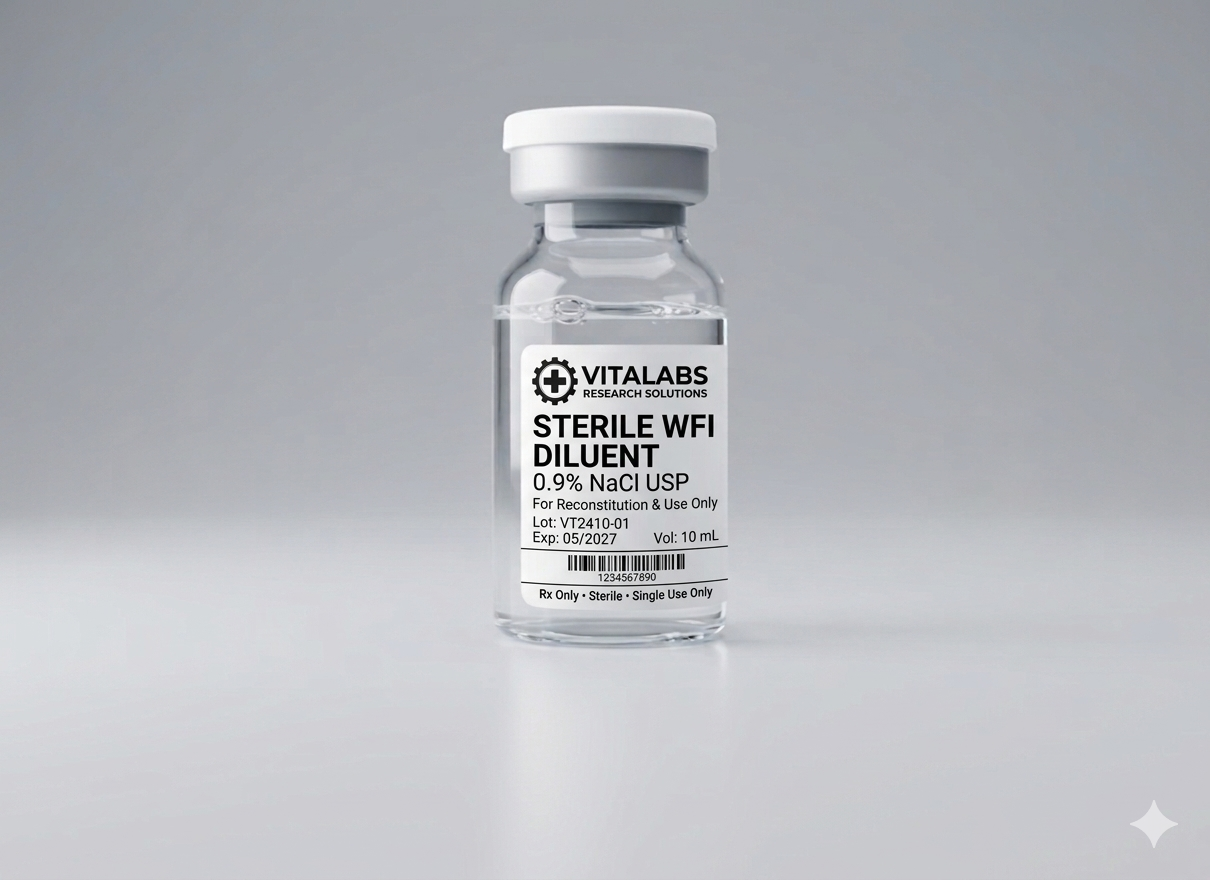
The TNFR tnfrsf1a (Catalog #AAA38658) is a Recombinant Protein produced from E Coli and is intended for research purposes only. The product is available for immediate purchase. The amino acid sequence is listed below: MDSVCPQGKY IHPQNNSICC TKCHKGTYLY NDCPGPGQDT DCRECESSGS F TASENHLRHC LSCSKCRKEM GQVEKSSCTV DRDTVCGCRK NQYRHYWSEN LFQCFNCSLC LNGTVHLSCQ EKQNTVCTCH AGFFLRENEC VSCSNCKKSL ECTKLCLPQI EN. It is sometimes possible for the material contained within the vial of "Tumor Necrosis Factor Receptor, Recombinant Protein" to become dispersed throughout the inside of the vial, particularly around the seal of said vial, during shipment and storage. We always suggest centrifuging these vials to consolidate all of the liquid away from the lid and to the bottom of the vial prior to opening. Please be advised that certain products may require dry ice for shipping and that, if this is the case, an additional dry ice fee may also be required.Precautions
All products in the AAA Biotech catalog are strictly for research-use only, and are absolutely not suitable for use in any sort of medical, therapeutic, prophylactic, in-vivo, or diagnostic capacity. By purchasing a product from AAA Biotech, you are explicitly certifying that said products will be properly tested and used in line with industry standard. AAA Biotech and its authorized distribution partners reserve the right to refuse to fulfill any order if we have any indication that a purchaser may be intending to use a product outside of our accepted criteria.Disclaimer
Though we do strive to guarantee the information represented in this datasheet, AAA Biotech cannot be held responsible for any oversights or imprecisions. AAA Biotech reserves the right to adjust any aspect of this datasheet at any time and without notice. It is the responsibility of the customer to inform AAA Biotech of any product performance issues observed or experienced within 30 days of receipt of said product. To see additional details on this or any of our other policies, please see our Terms & Conditions page.Item has been added to Shopping Cart
If you are ready to order, navigate to Shopping Cart and get ready to checkout.