Advancing Scientific Frontiers Through Recombinant Protein Technology
 Cynthia
7 min read
Cynthia
7 min read
In this Article


All of the products listed in AAA Biotech’s catalog are strictly for research-use only (RUO).
Key Takeaways
- Recombinant protein technology enables scalable and consistent production of high-purity target proteins.
- The production workflow includes gene cloning, host expression, purification, and quality control.
- Expression systems are selected based on protein complexity, modifications, yield, and application needs.
- Recombinant proteins are widely used in therapeutics, vaccines, diagnostics, and research.
- AI and CRISPR technologies are advancing recombinant protein design and manufacturing.
Recombinant protein technology uses genetic engineering to insert a target gene into a vector. The vector is introduced into a host cell, and the host cellular machinery then produces the target protein, often enabling large-scale production. Proteins produced through this technology are known as recombinant proteins.
Before this technique was pioneered, researchers used to extract proteins directly from native sources such as animal tissues, human fluids, microbial cultures, or plant extracts. However, extracting many proteins directly from native sources can be challenging for large-scale production due to the following limitations:
- Low yields
- Risk of co-purification of infectious agents such as viruses or prions
- Batch-to-batch variability
- High production cost
Most scientific studies require multiple long-term experiments to draw valid conclusions. Reproducibility across experiments and studies is essential to validate scientific findings, a process that requires a continuous supply of standardized, high-purity biological reagents.
Recombinant protein technology directly addresses these challenges by providing a scalable, reliable, and consistent source of target proteins that can be produced at high purity.
What Is Recombinant Protein Technology?
Recombinant protein technology combines genetic material from different sources to produce specific proteins. Researchers isolate the gene encoding a specific protein and clone that gene into an expression vector. The vector is then introduced into host cells (such as E. coli, yeast, insect cells, or mammalian cells).
The cellular machinery of the host processes the inserted gene and synthesizes the target protein. This process, known as recombinant protein expression, enables the scalable and controlled production of proteins.
How Recombinant Proteins Are Made
Recombinant Proteins Production
1. Gene Isolation and Cloning
The production of recombinant proteins begins with isolation of the DNA sequence encoding the target protein using PCR or gene synthesis. The gene is then cloned into an expression vector containing regulatory elements such as a promoter, transcriptional terminator, and, depending on the host system, elements such as a ribosome binding site or Kozak sequence.
2. Host Transformation or Transfection
The vector is then introduced into host cells through transformation (in prokaryotes and yeast) and transfection (in mammalian or insect host systems).
3. Cell Expansion and Expression Induction
The host cells are then cultured in growth media to increase population density (number of host cells per milliliter of culture media). Chemical triggers such as IPTG or temperature shifts induce recombinant protein expression, initiating recombinant protein synthesis.
4. Cell Harvest and Lysis
Centrifugation is used to pellet the host cells at the bottom of the container, separating them from the liquid culture media. The harvested host cells are then lysed to release the raw protein mixture.
5. Purification and Quality Control
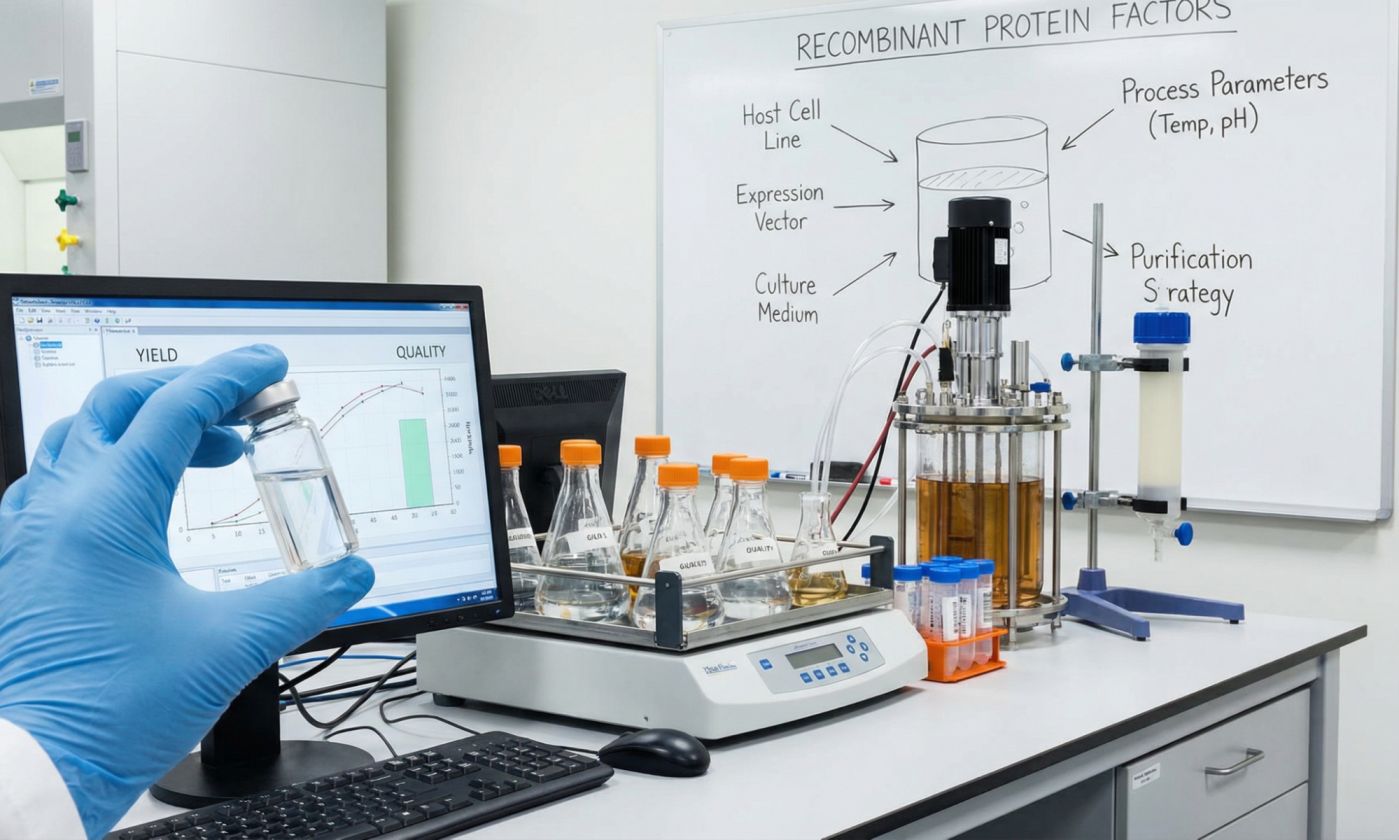
Recombinant protein purification uses affinity, ion-exchange, size-exclusion, and other chromatography methods. Many upstream and downstream factors influence recombinant protein yield and quality throughout the recombinant protein production workflow.
Major Recombinant Expression Systems
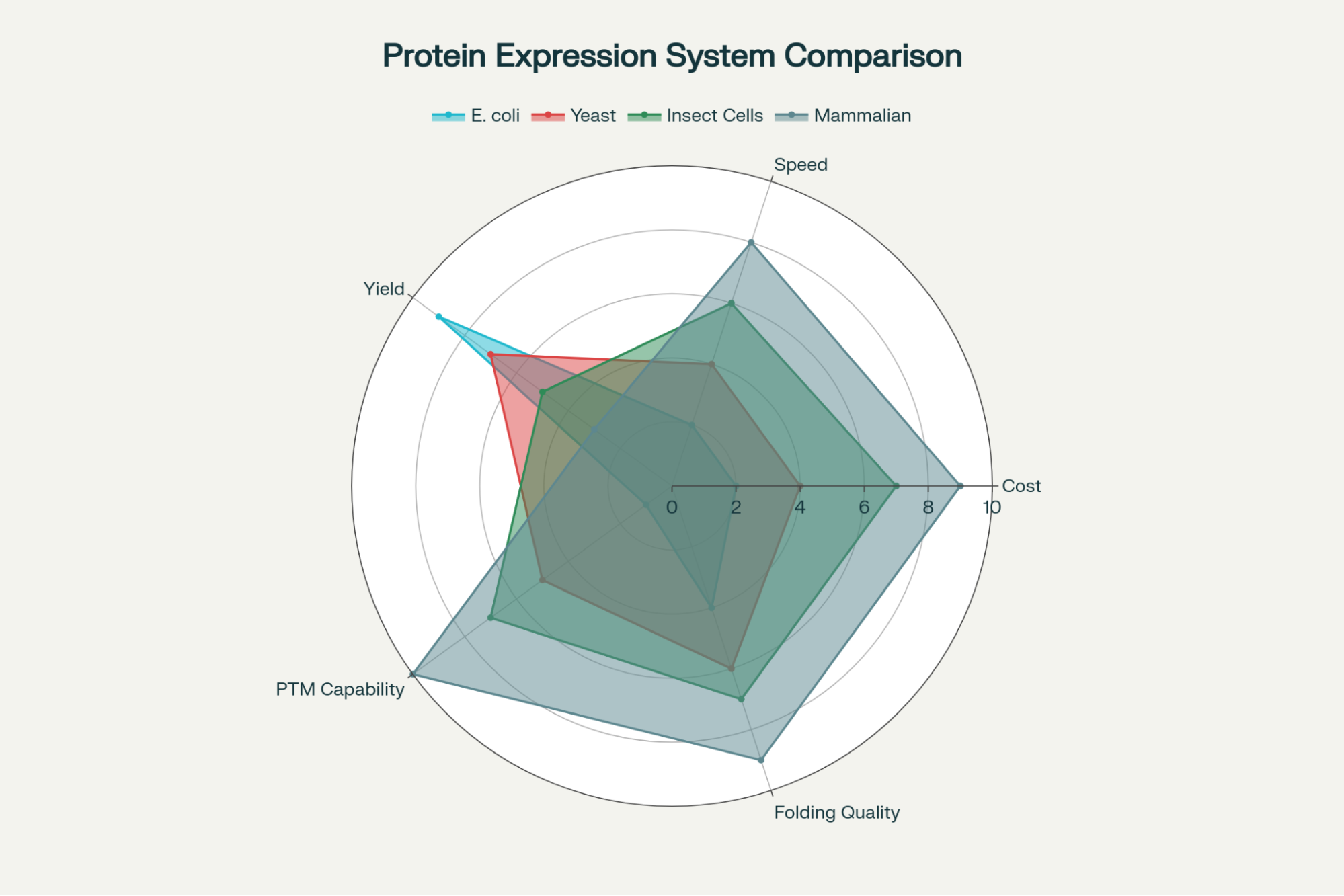
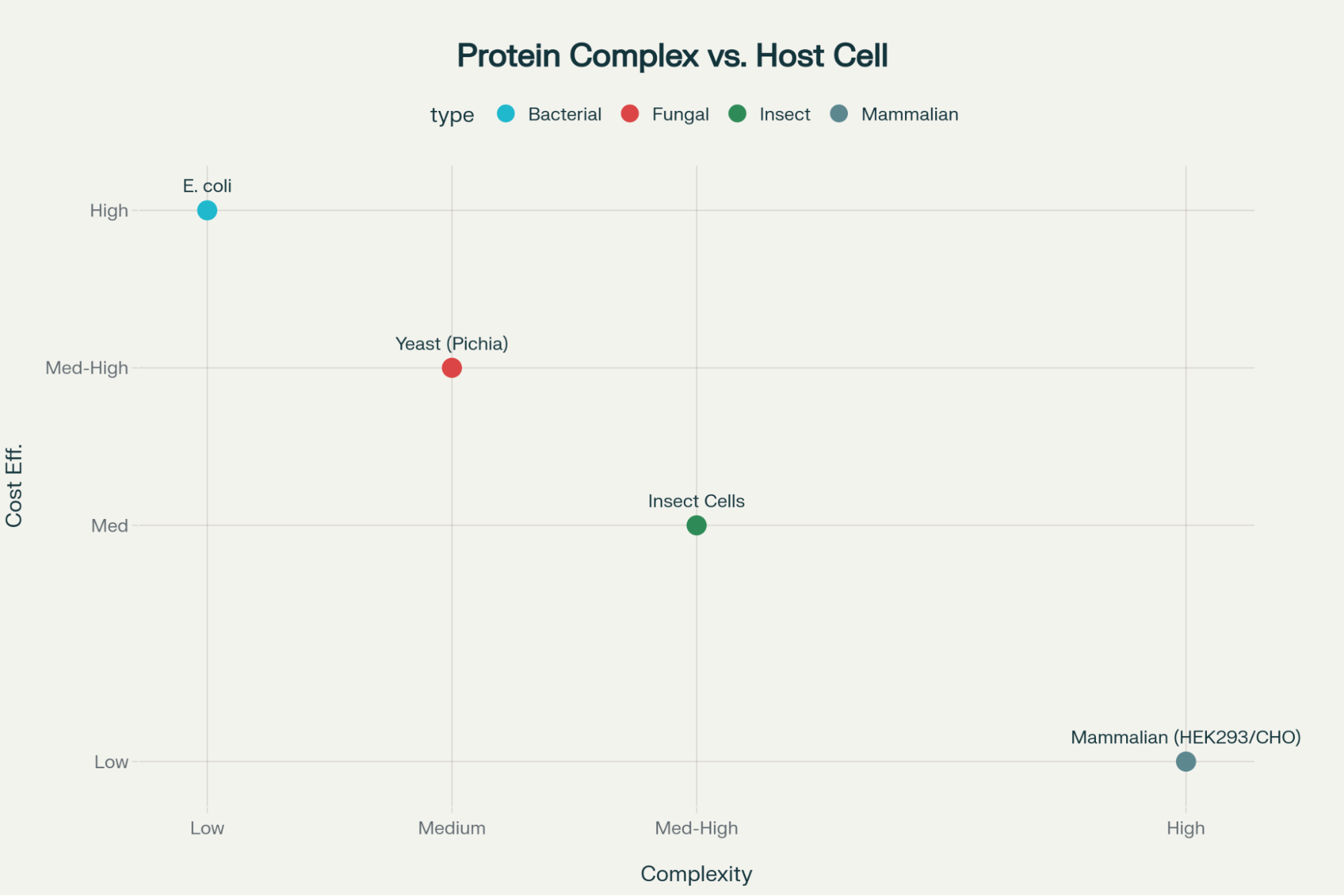
The selection of the host depends on the structure, required PTMs, and desired yield of the protein.
| Expression System | Key Advantages | Major Limitations | Typical Applications |
|---|---|---|---|
| Bacterial (E. coli) |
|
|
|
| Yeast (P. pastoris, S. cerevisiae) |
|
|
|
| Insect (Baculovirus / Sf9) |
|
|
|
| Mammalian (CHO, HEK293) |
|
|
|
Applications of Recombinant Proteins
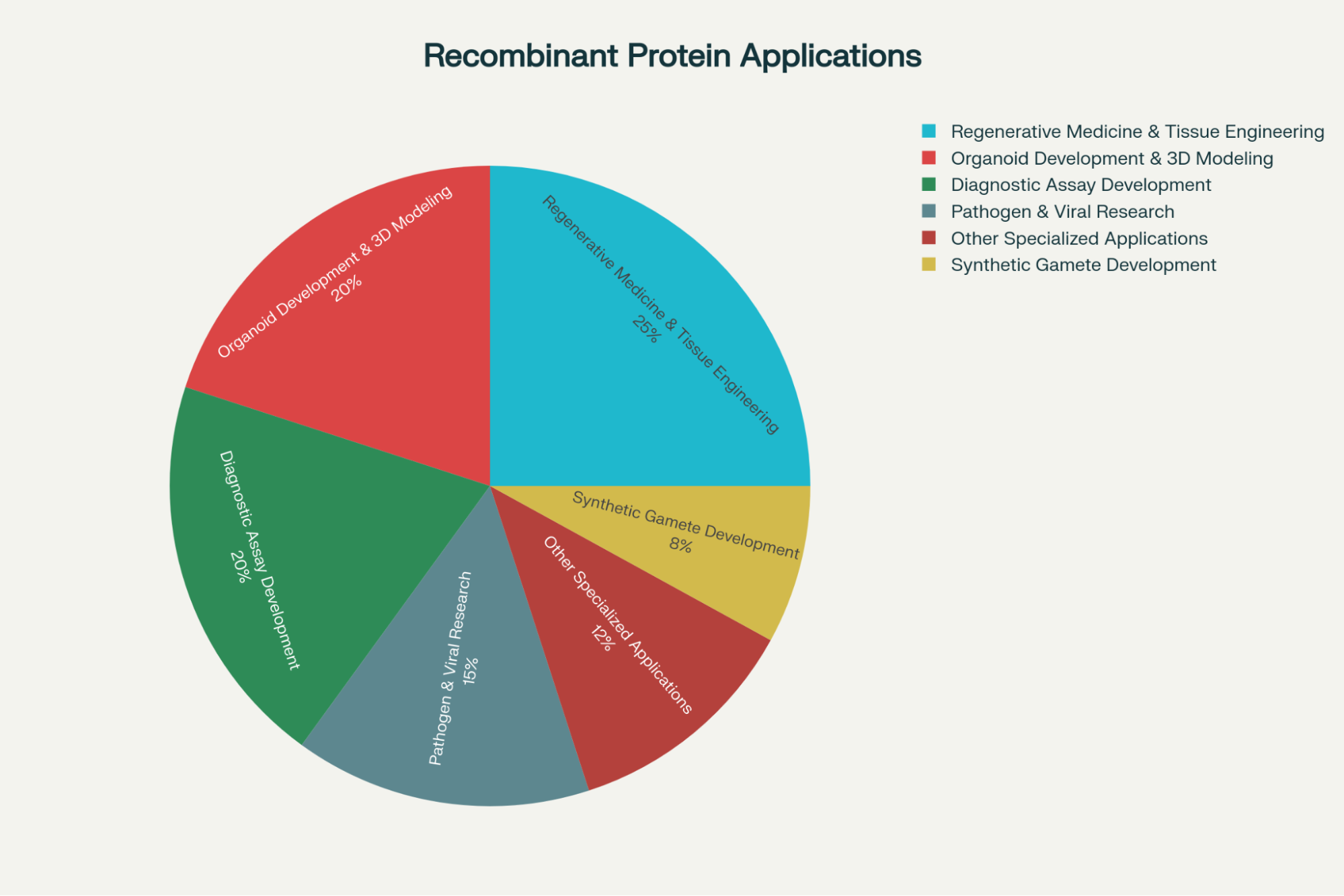
The following are key applications of recombinant proteins:
Biopharmaceutical Therapeutics
1. Hormones and Growth Factors
Animal-derived insulin historically showed a higher risk of immunogenic reactions compared with recombinant human insulin. Recombinant human insulin is structurally identical to endogenous human insulin and significantly reduces this risk. Recombinant human growth hormone (rhGH) is a standard treatment for growth disorders, and erythropoietin is a standard treatment for severe anemia.
2. Monoclonal Antibodies (mAbs)
Monoclonal antibodies are identical antibodies produced from a single B-cell clone or engineered cell line and recognize a specific epitope.
Recombinant monoclonal antibodies (such as adalimumab, trastuzumab, and rituximab) precisely target disease markers associated with autoimmune disorders, inflammatory conditions, and various cancers.
3. Enzyme Replacement Therapies (ERT)
Recombinant therapeutic proteins such as recombinant glucocerebrosidase for Gaucher’s disease help restore enzyme activity and improve metabolic function in patients with genetic deficiencies.
4. Clotting Factors
Traditionally, plasma-derived products for hemophilia carry the risk of blood-borne pathogen transmission. Recombinant Factor VIII and Factor IX reduce the risk of pathogen transmission associated with plasma-derived products.
Vaccine Development
Recombinant technology is used to produce subunit vaccines which use only the specific viral or bacterial antigen required to stimulate a protective immune response. Using recombinant protein technology to produce vaccines has the following benefits:
- Enhanced safety
- Targeted immunogenicity
- Virus-Like Particles (VLPs)
Clinical Diagnostics & Assay Standards
Recombinant proteins ensure high sensitivity, high specificity, and batch-to-batch consistency required for diagnostic platforms.
ELISA, chemiluminescent immunoassays (CLIA), and other assays to detect antibodies in patients use recombinant viral and bacterial antigens as capture molecules.
Recombinant technology is used to produce polymerases, reverse transcriptases, and restriction enzymes. These products serve as core reagents in real-time PCR (qPCR), Next-Generation Sequencing (NGS) and other diagnostic techniques.
What Are the Main Challenges in Recombinant Protein Production?
1. Inclusion Body Aggregation
Rapid synthesis of proteins in high volumes in host systems such as E. coli often leads to inclusion bodies (inactive aggregates formed when misfolded proteins accumulate). Misfolded proteins are not biologically active and lose their function. Standard chromatography methods cannot purify these proteins.
Salvaging functional protein often requires solubilizing inclusion bodies with denaturants and reducing agents, followed by controlled refolding to restore protein structure and activity.
2. Post-Translational Modification (PTM) Deficiencies Across Hosts
Prokaryotic host systems such as E. coli lack Endoplasmic Reticulum and Golgi apparatus required for some PTMs (such as N- and O-linked glycosylation, phosphorylation, and specific proteolytic cleavage).
Yeast systems (P. pastoris) can cause hyper-mannosylation which can:
- Trigger unwanted immunogenic reactions in humans
- Cause rapid drug clearance from the bloodstream
3. Endotoxin Decontamination for Cell Culture Safety
Endotoxins are lipopolysaccharide (LPS) components of the outer membrane of Gram-negative bacterial hosts. Even trace amounts of LPS can trigger:
- Severe inflammatory cascades
- Septic shock
- Fever
It can also lead to cell toxicity in downstream assays. Endotoxins can associate with proteins through electrostatic interactions, hydrophobic interactions, and other non-covalent forces. Decontamination methods include:
- Polymyxin B Affinity Chromatography
- Phase-Separation (Triton X-114)
- Anion Exchange Chromatography
The Future: AI-Driven Optimization & CRISPR Host Engineering
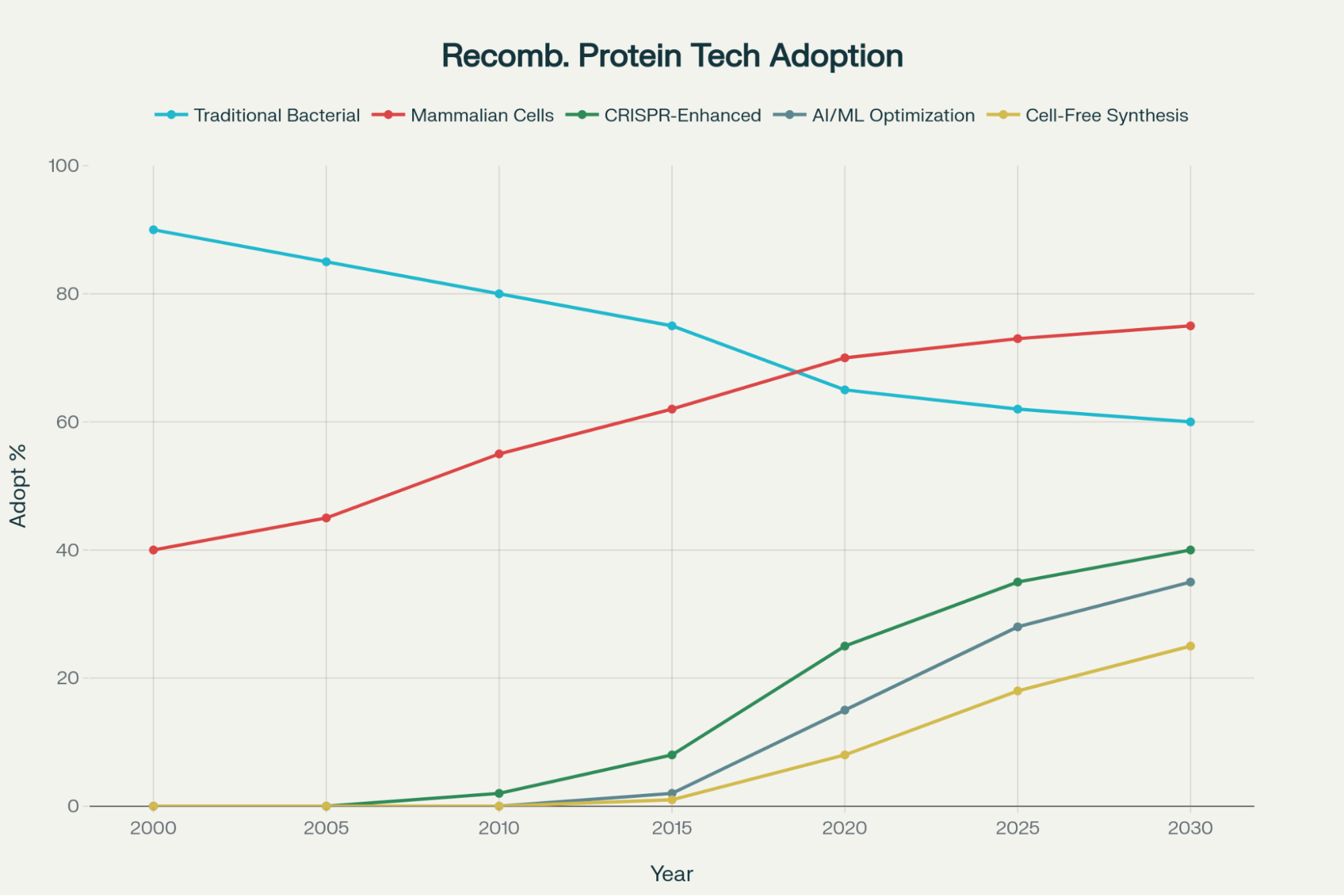
Recombinant protein manufacturing now combines artificial intelligence and genome editing to design custom host strains and optimized protein constructs.
In Silico Design and AI Tools
AI-based tools such as AlphaFold enable protein structure prediction, while generative models such as RFdiffusion enable de novo protein design.
Machine learning models help optimize codon usage and predict point mutations that may enhance protein solubility and yield.
Synthetic Biology & Genome Editing
Researchers use CRISPR-Cas9 editing to:
- Eliminate non-essential host genes
- Engineer human-compatible glycosylation pathways into non-human expression hosts
- Optimize host genomes to improve expression efficiency
Explore our recombinant protein catalog!
Faq's
1. What are the key criteria for selecting an optimal expression system for R&D?
The choice depends on the protein’s complexity and intended use. Simple proteins can use bacteria for high cost-effectiveness and yield, but complex mammalian proteins requiring native folding and post-translational modifications (PTMs) must be produced in mammalian hosts like HEK293 or CHO cells.
2. How does stringent quality control (QC) impact research reproducibility?
Stringent QC, including tests for purity, identity (Western Blot), and biological activity (ELISA), ensures high lot-to-lot consistency. This consistency is critical because variations in key reagents can invalidate complex downstream experiments, such as advanced organoid differentiation protocols.
3. What role do recombinant proteins play in 3D organoid research?
They act as essential molecular architects, specifically as growth factors and cytokines, guiding complex cellular differentiation. They move cells through embryonic stages to form functional, multi-layered models like skin or lung organoids, overcoming the structural limitations of 2D culture.
4. How is recombinant protein production evolving through technology?
Future production leverages AI/ML to optimize protein design and expression conditions, significantly accelerating development. Additionally, advanced genetic engineering, such as CRISPR/Cas9, is used to refine host cells for improved yield and maximum functional fidelity.
5. Why is protein refolding necessary after bacterial expression?
Bacterial systems often express complex proteins as insoluble aggregates called inclusion bodies. Refolding, using progressive buffer exchange after extraction with denaturing buffers, is required to restore the protein’s native three-dimensional structure and its essential biological function.
What are the key criteria for selecting an optimal expression system for R&D?
Key criteria for selecting an optimal expression system include:
- Required post-translational modifications
- Yield
- Production cost
- Protein’s structure
How does stringent quality control (QC) impact research reproducibility?
Quality control ensures the purity, correct folding, and activity of recombinant proteins. This reduces batch-to-batch variability, thereby improving reproducibility.
What role do recombinant proteins play in 3D organoid research?
Recombinant proteins regulate cell signaling, growth, and differentiation. This helps researchers create 3D tissue models used for disease research and drug discovery.
Why is protein refolding necessary after bacterial expression?
Misfolded proteins often form inactive inclusion bodies and lose their biological activity. Refolding is used to restore the correct 3D structure and regain biological activity.
References and Data Sources Used
1. Recombinant proteins and expression systems - Abcam
2. Purchase Recombinant Proteins | High Bioactivity - R&D Systems
3. Overview of Protein Expression Systems | Thermo Fisher Scientific - US
4. General outline of major steps for recombinant protein production and Purification - ResearchGate
5. 5 Steps to Protein Isolation and Purification | Thermo Fisher Scientific - US
6. Large-Scale Protein Purification - American Chemical Society
7. Recombinant Proteins | Thermo Fisher Scientific - US
8. Flowchart of recombinant protein production process then extracted,... | Download Scientific Diagram - ResearchGate
9. Cytokines and Growth Factors - Sino Biological
10. 5 Applications of Recombinant Proteins: Exciting Discoveries Enabled by Cytokines, Growth Factors, and More | Thermo Fisher Scientific - US
11. 5 Exciting Applications of Recombinant Proteins & Cytokines
12. Use of recombinant proteins for the diagnosis and prevention of …
Lead Clinical Research Coordinator (LCRC)
Cynthia Lee is the President of AAA Biotech and specializes in understanding highly validated and characterized monoclonal/polyclonal antibodies, recombinant proteins, and ELISA kits.
Related Posts