
Mouse IgA anti-Mouse CD36 Monoclonal Antibody | anti-CD36 antibody
CD36, Mouse, mAb CRF D2712
Gene Names
CD36; FAT; GP4; GP3B; GPIV; CHDS7; PASIV; SCARB3; BDPLT10
Reactivity
Mouse
Applications
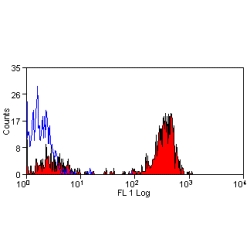
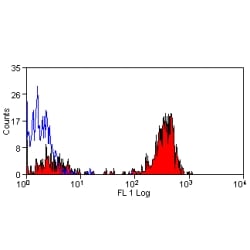
Western Blot, Immunoprecipitation, Immunofluorescence, Functional Assay, Flow Cytometry, Functional Assay
Synonyms
CD36, Antibody; CD36, Mouse, mAb CRF D2712; anti-CD36 antibody
Host
Mouse IgA
Reactivity
Mouse
Clonality
Monoclonal
Form/Format
Culture medium
Concentration
65 ug/ml (varies by lot)
Sequence Length
54
Applicable Applications for anti-CD36 antibody
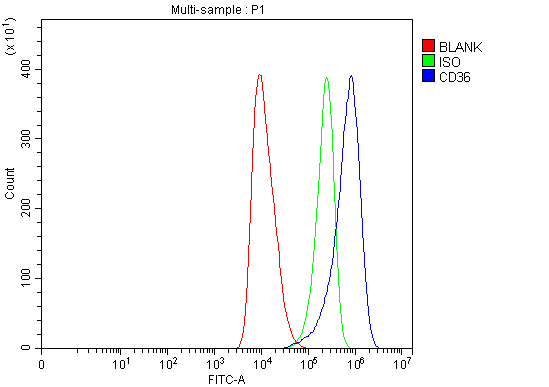
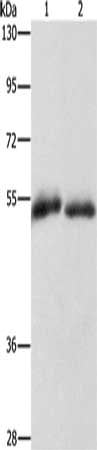
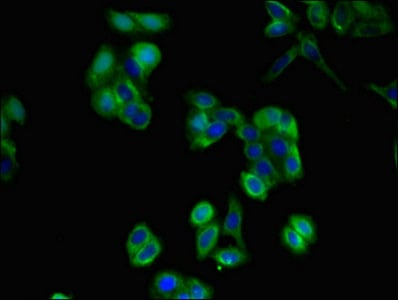
WB (Western Blot), IP (Immunoprecipitation), IF (Immunofluorescence), FA (Functional Assay), FCM/FACS (Flow Cytometry)
Endotoxin
2.08 EU/mg
Preparation and Storage
Product should be stored at 4°C. Under recommended storage conditions, product is stable for at least one year.
Related Product Information for anti-CD36 antibody
Monoclonal antibody CRF D-2712 (also known as JC63.1 or 63) reacts with mouse CD36 (85-kDa), a cell surface class B scavenger receptor. Recently, CD36 has been identified as a protein that is required for TLR2 recognition of di-acylated bacterial lipopeptides and lipoteichoic acid. CD36 is a heavily N-glycosylated transmembrane protein with two short intracellular domains and a large extracellular domain. CD36 expression is primarily controlled by the transcription heterodimer PPARg-RXR (peroxisome proliferator-activated receptor-g-retinoid-X-receptor). CD36 is preferentially found within lipid rafts, which facilitates its association with receptors, signalling and adaptor molecules. CD36 is expressed on monocytes, macrophages, endothelial cells, hepatocytes, erythrocytes, adipocytes, cardiomyocytes and red skeletal muscle. Importantly it is expressed by steriodogenic cells in the adrenal gland, testis and ovary. CD36 has been implicated in many biological processes including angiogenesis, phagocytosis, inflammation, and lipid and glucose metabolism. CD36 is associated with Src-family kinases and with the integrins alpha3beta1 and alpha6beta1. It is a receptor and transporter of oxidized lipids and long chain fatty acids. CD36 has been shown to function as phagocytic receptor for apoptotic cells. Several in vivo models support the role of the thrombospondin / CD36 system in angiogenesis and tumor growth. An important role for CD36 has been found in Malaria as major receptor for P. falciparum-infected red blood cells. Many different ligands have been reported to interact with CD36, suggesting that CD36 could recognize a structure-based domain rather than specific contact residues. Monoclonal antibody CRF D-2712 blocks CD36 binding. It is not known whether the antibody is activating or neutralizing. The antibody cross reacts with rat CD36.
References
1. Finnemann, S et al; Differential roles of CD36 and alpha-v-beta5 integrin in photoreceptor phagocytosis by the retinal pigment epithelium. J Exp Med 2001, 9: 1289
2. Kunjathoor, V et al; Scavenger receptors class AI/II and CD36 are the principal receptors responsible for the uptake of modified low density lipoprotein leading to lipid loading in macrophages. J Biol Chem 2002, 277: 49982
3. Corcoran, L et al; Differential regulation of CD36 expression in antigen-presenting cells: Oct-2 dependence in B lymphocytes but not dendritic cells or macrophages. Int Immunol 2002, 14: 1099
4. Smith, T et al; CD36-mediated nonopsonic phagocytosis of erythrocytes infected with stage I and IIA gametocytes of plasmodium falciparum. Infect Immun 2003, 71: 393
5. Gimeno, R et al; Characterization of a heart-specific fatty acid transport protein. J Biol Chem 2003, 278: 16039
6. Bastie, C et al; FoxO1 stimulates fatty acid uptake and oxidation in muscle cells through CD36- dependent and independent mechanisms. J Biol Chem 2005, 280: 14222
2. Kunjathoor, V et al; Scavenger receptors class AI/II and CD36 are the principal receptors responsible for the uptake of modified low density lipoprotein leading to lipid loading in macrophages. J Biol Chem 2002, 277: 49982
3. Corcoran, L et al; Differential regulation of CD36 expression in antigen-presenting cells: Oct-2 dependence in B lymphocytes but not dendritic cells or macrophages. Int Immunol 2002, 14: 1099
4. Smith, T et al; CD36-mediated nonopsonic phagocytosis of erythrocytes infected with stage I and IIA gametocytes of plasmodium falciparum. Infect Immun 2003, 71: 393
5. Gimeno, R et al; Characterization of a heart-specific fatty acid transport protein. J Biol Chem 2003, 278: 16039
6. Bastie, C et al; FoxO1 stimulates fatty acid uptake and oxidation in muscle cells through CD36- dependent and independent mechanisms. J Biol Chem 2005, 280: 14222
NCBI and Uniprot Product Information
NCBI GI #
NCBI GeneID
NCBI Official Full Name
CD36, partial
NCBI Official Synonym Full Names
CD36 molecule (thrombospondin receptor)
NCBI Official Symbol
CD36
NCBI Official Synonym Symbols
FAT; GP4; GP3B; GPIV; CHDS7; PASIV; SCARB3; BDPLT10
NCBI Protein Information
platelet glycoprotein 4; GPIIIB; PAS IV; PAS-4 protein; glycoprotein IIIb; cluster determinant 36; fatty acid translocase; platelet glycoprotein IV; scavenger receptor class B, member 3; leukocyte differentiation antigen CD36; CD36 antigen (collagen type I receptor, thrombospondin receptor)
UniProt Protein Name
Platelet glycoprotein 4
UniProt Gene Name
CD36
UniProt Synonym Gene Names
GP3B; GP4; FAT; GPIIIB; GPIV
UniProt Entry Name
CD36_HUMAN
Customer Reviews
Loading reviews...
Share Your Experience
Similar Products


Product Notes
The CD36 cd36 (Catalog #AAA77792) is an Antibody produced from Mouse IgA and is intended for research purposes only. The product is available for immediate purchase. The CD36, Mouse, mAb CRF D2712 reacts with Mouse and may cross-react with other species as described in the data sheet. AAA Biotech's CD36 can be used in a range of immunoassay formats including, but not limited to, WB (Western Blot), IP (Immunoprecipitation), IF (Immunofluorescence), FA (Functional Assay), FCM/FACS (Flow Cytometry). Researchers should empirically determine the suitability of the CD36 cd36 for an application not listed in the data sheet. Researchers commonly develop new applications and it is an integral, important part of the investigative research process. It is sometimes possible for the material contained within the vial of "CD36, Monoclonal Antibody" to become dispersed throughout the inside of the vial, particularly around the seal of said vial, during shipment and storage. We always suggest centrifuging these vials to consolidate all of the liquid away from the lid and to the bottom of the vial prior to opening. Please be advised that certain products may require dry ice for shipping and that, if this is the case, an additional dry ice fee may also be required.Precautions
All products in the AAA Biotech catalog are strictly for research-use only, and are absolutely not suitable for use in any sort of medical, therapeutic, prophylactic, in-vivo, or diagnostic capacity. By purchasing a product from AAA Biotech, you are explicitly certifying that said products will be properly tested and used in line with industry standard. AAA Biotech and its authorized distribution partners reserve the right to refuse to fulfill any order if we have any indication that a purchaser may be intending to use a product outside of our accepted criteria.Disclaimer
Though we do strive to guarantee the information represented in this datasheet, AAA Biotech cannot be held responsible for any oversights or imprecisions. AAA Biotech reserves the right to adjust any aspect of this datasheet at any time and without notice. It is the responsibility of the customer to inform AAA Biotech of any product performance issues observed or experienced within 30 days of receipt of said product. To see additional details on this or any of our other policies, please see our Terms & Conditions page.Item has been added to Shopping Cart
If you are ready to order, navigate to Shopping Cart and get ready to checkout.