
 Application Data
(Performance Characteristics)
Application Data
(Performance Characteristics)
Mouse anti-Human Cytokeratin 19 Monoclonal Antibody | anti-KRT19 antibody
Cytokeratin 19
Reactivity
Human
Synonyms
Cytokeratin 19, Antibody; Cytokeratin 19; anti-KRT19 antibody
Host
Mouse
Reactivity
Human
Clonality
Monoclonal
Isotype
IgG1/K
Clone Number
BSB-34
Immunogen
A synthetic peptide against N-terminus of human cytokeratin 19 protein.
Localization
Cytoplasmic
Control
Colon, Bladder, Thyroid Carcinoma, Colon Carcinoma
Precautions
1. For professional users only. Results should be interpreted by a qualified medical professional.
2. This product contains <0.1% sodium azide (NaN?) as a preservative. Ensure proper handling procedures are used with this reagent.
3. Always wear personal protective equipment such as laboratory coat, goggles and gloves when handling reagents.
4. Dispose of unused solution with copious amount of water.
5. Do not ingest reagent. If reagent is ingested, seek medical advice immediately.
6. Avoid contact with eyes. If contact occurs, flush with large quantities of water.
7. Follow safety precautions of the heating device used for epitope retrieval (TintoRetriever Pressure Cooker or similar).
8. For additional safety information refer to Safety Data Sheet for this product.
9. For complete recommendations for handling biological specimens, please refer to the CDC document, “Guidelines for Safe Work Practices in Human and AMDL”.
2. This product contains <0.1% sodium azide (NaN?) as a preservative. Ensure proper handling procedures are used with this reagent.
3. Always wear personal protective equipment such as laboratory coat, goggles and gloves when handling reagents.
4. Dispose of unused solution with copious amount of water.
5. Do not ingest reagent. If reagent is ingested, seek medical advice immediately.
6. Avoid contact with eyes. If contact occurs, flush with large quantities of water.
7. Follow safety precautions of the heating device used for epitope retrieval (TintoRetriever Pressure Cooker or similar).
8. For additional safety information refer to Safety Data Sheet for this product.
9. For complete recommendations for handling biological specimens, please refer to the CDC document, “Guidelines for Safe Work Practices in Human and AMDL”.
Specimen Preparation
Paraffin sections: The antibody can be used on formalin-fixed paraffin-embedded (FFPE) tissue sections. Ensure tissue undergoes appropriate fixation for best results. Pre-treatment of tissues with heat-induced epitope retrieval (HIER) is recommended using Bio SB ImmunoDNA Retriever with Citrate (BSB 0020-BSB 0023), ImmunoDNA Retriever with EDTA (Inquire) or ImmunoDNA Digestor (Inquire). See reverse side for complete protocol. Tissue should remain hydrated via use of Immuno/DNA Washer solutions (Inquire).
Frozen sections and cell preparations: The antibody can be used for labeling acetone-fixed frozen sections and acetone-fixed cell preparations.
Frozen sections and cell preparations: The antibody can be used for labeling acetone-fixed frozen sections and acetone-fixed cell preparations.
Staining Procedure
1. Cut and mount 3-5 micron formalin-fixed paraffin-embedded tissues on positively charged slides such as Hydrophilic Plus Slides (Inquire).
2. Air dry for 2 hours at 58° C.
3. Deparaffinize, dehydrate and rehydrate tissues.
4. Subject tissues to heat induced epitope retrieval (HIER) using a suitable retrieval solution such as ImmunoDNA Retriever with Citrate (Inquire) or EDTA (Inquire).
5. Any of three heating methods may be used:
a. TintoRetriever Pressure Cooker or Equivalent
Place tissues/slides in a staining dish or coplin jar containing the ImmunoDNA Retriever with Citrate or EDTA, and place on trivet in the pressure cooker. Add 1-2 inches of distilled water to the pressure cooker and turn heat to high. Incubate for 15 minutes. Open and immediately transfer slides to room temperature.
b. TintoRetriever PT Module or Water Bath Method
Place tissues/slides in a pre-warmed staining dish or coplin jar containing the ImmunoDNA Retriever with Citrate or EDTA at 95°-99° C. Incubate for 30-60 minutes.
c. Conventional Steamer Method
Place tissues/slides in a pre-warmed staining dish or coplin jar containing the ImmunoDNA Retriever with Citrate or EDTA in a steamer, cover and steam for 30-60 minutes.
6. After heat treatment, transfer slides in ImmunoDNA Retriever with Citrate or EDTA to room temperature and let stand for 15-20 minutes.
7. For manual staining, perform antibody incubation at ambient temperature. For automated staining methods, perform antibody incubation according to instrument manufacturer’s instructions.
8. Wash slides with ImmunoDNA washer or DI water.
9. Continue IHC staining protocol. Wash slides between each step with ImmunoDNA washer solution.
2. Air dry for 2 hours at 58° C.
3. Deparaffinize, dehydrate and rehydrate tissues.
4. Subject tissues to heat induced epitope retrieval (HIER) using a suitable retrieval solution such as ImmunoDNA Retriever with Citrate (Inquire) or EDTA (Inquire).
5. Any of three heating methods may be used:
a. TintoRetriever Pressure Cooker or Equivalent
Place tissues/slides in a staining dish or coplin jar containing the ImmunoDNA Retriever with Citrate or EDTA, and place on trivet in the pressure cooker. Add 1-2 inches of distilled water to the pressure cooker and turn heat to high. Incubate for 15 minutes. Open and immediately transfer slides to room temperature.
b. TintoRetriever PT Module or Water Bath Method
Place tissues/slides in a pre-warmed staining dish or coplin jar containing the ImmunoDNA Retriever with Citrate or EDTA at 95°-99° C. Incubate for 30-60 minutes.
c. Conventional Steamer Method
Place tissues/slides in a pre-warmed staining dish or coplin jar containing the ImmunoDNA Retriever with Citrate or EDTA in a steamer, cover and steam for 30-60 minutes.
6. After heat treatment, transfer slides in ImmunoDNA Retriever with Citrate or EDTA to room temperature and let stand for 15-20 minutes.
7. For manual staining, perform antibody incubation at ambient temperature. For automated staining methods, perform antibody incubation according to instrument manufacturer’s instructions.
8. Wash slides with ImmunoDNA washer or DI water.
9. Continue IHC staining protocol. Wash slides between each step with ImmunoDNA washer solution.
Mounting Protocols
For detailed instructions using biodegradable permanent mounting media such as XyGreen PermaMounter or organic solvent based resin such as PermaMounter contact Customer Service.
Product Limitations
Due to inherent variability present in immunohistochemical procedures (including fixation time of tissues, dilution factor of antibody, retrieval method utilized and incubation time), optimal performance should be established through the use of positive and negative controls. Results should be interpreted by a qualified medical professional.
Preparation and Storage
Store at 2-8°C (Control Slides: Store at 20-25°C)
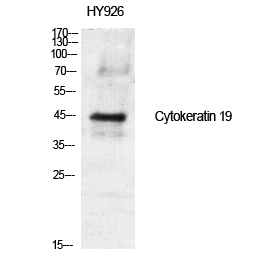
Application Data
(Performance Characteristics)
Application Data
(Performance Characteristics)
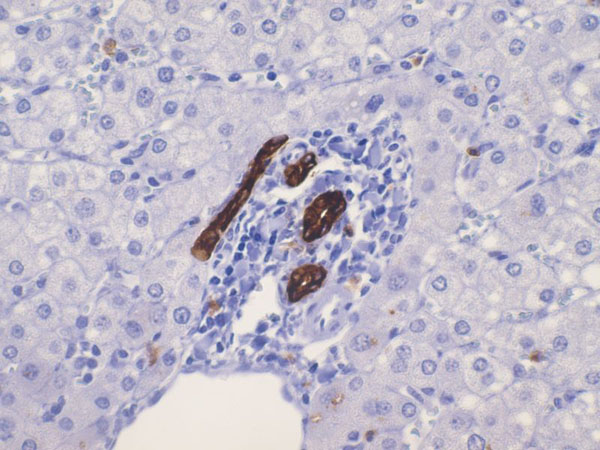
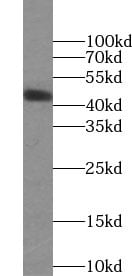
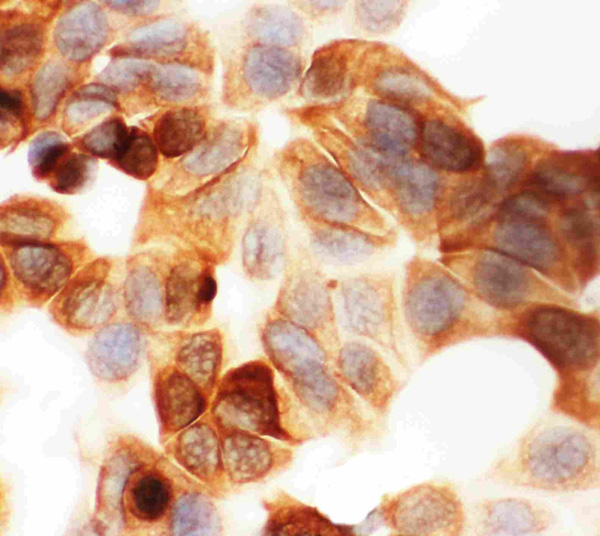
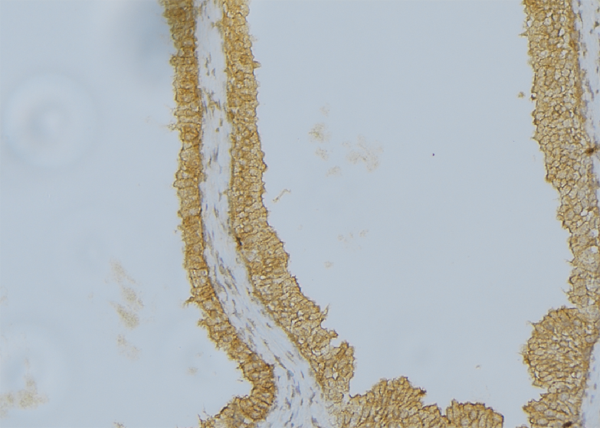
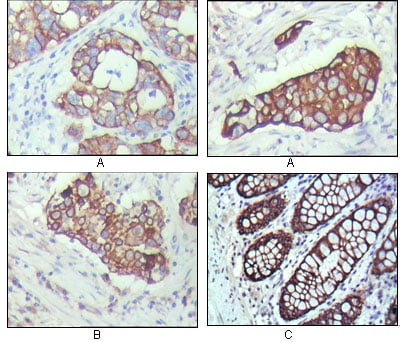
IHC (Immunohiostchemistry)
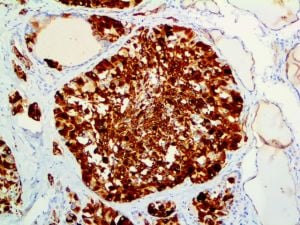
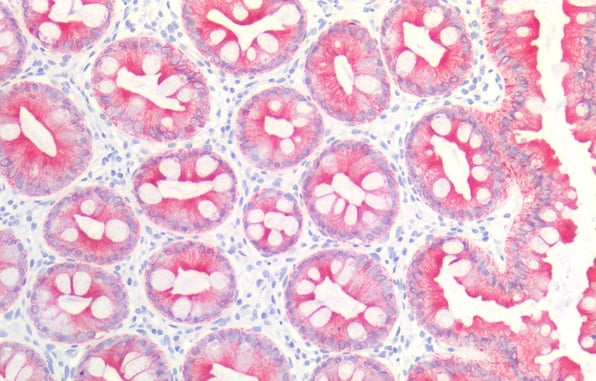
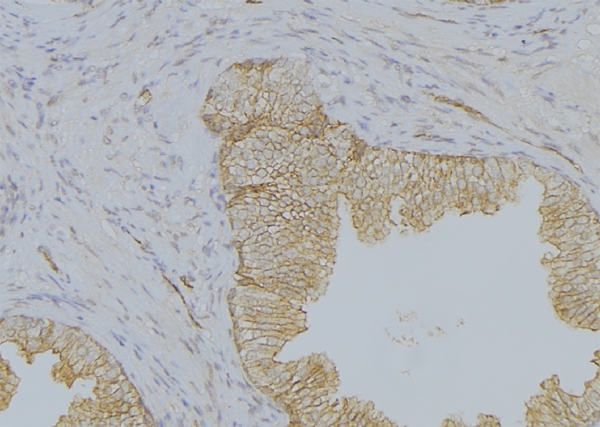
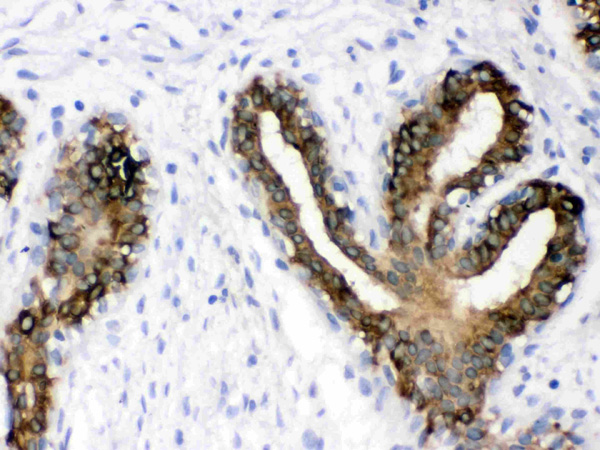
(IHC of Cytokeratin 19 on an FFPE Thyroid Carcinoma Tissue)
IHC (Immunohiostchemistry)
(IHC of Cytokeratin 19 on an FFPE Thyroid Carcinoma Tissue)
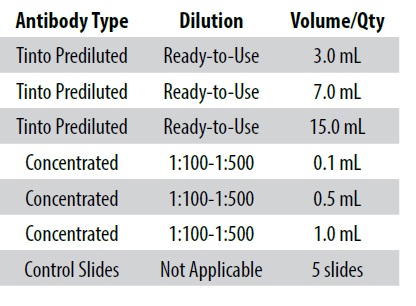
Dilution Info
Dilution Info
Related Product Information for anti-KRT19 antibody
Cytokeratin 19 is a Type I cytokeratin. Unlike its related family members, this smallest-known acidic cytokeratin is not paired with a basic cytokeratin in epithelial cells. It is specifically found in the periderm, the transiently superficial layer that envelopes the developing epidermis.
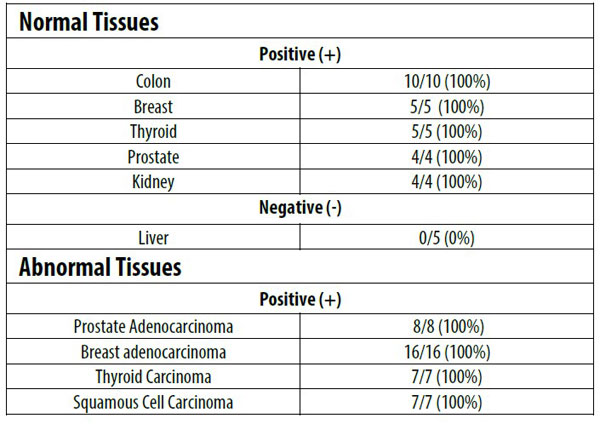
Anti-Cytokeratin 19 reacts with a wide variety of epithelium and epithelial malignancies including Adenocarcinomas of the colon, stomach, pancreas, biliary tract, liver and breast. Perhaps the most useful application is the identification of Thyroid Carcinoma of the papillary type, although Follicular Carcinoma is also labeled bythis antibody approximately 50-60% of the time. Cytokeratin 19 is not expressed in hepatocytes; therefore, this antibody is useful in the identification of liver metastasis. The degree of Cytokeratin 19 positivity in Breast Cancer distinguishes malignant from benign tumors. Cytokeratin 19 is often coexpressed with Cytokeratin 7.
Anti-Cytokeratin 19 reacts with a wide variety of epithelium and epithelial malignancies including Adenocarcinomas of the colon, stomach, pancreas, biliary tract, liver and breast. Perhaps the most useful application is the identification of Thyroid Carcinoma of the papillary type, although Follicular Carcinoma is also labeled bythis antibody approximately 50-60% of the time. Cytokeratin 19 is not expressed in hepatocytes; therefore, this antibody is useful in the identification of liver metastasis. The degree of Cytokeratin 19 positivity in Breast Cancer distinguishes malignant from benign tumors. Cytokeratin 19 is often coexpressed with Cytokeratin 7.
NCBI and Uniprot Product Information
NCBI GI #
NCBI Official Full Name
cytokeratin 19, partial
UniProt Protein Name
Keratin, type I cytoskeletal 19
UniProt Gene Name
KRT19
UniProt Synonym Gene Names
CK-19; K19
UniProt Entry Name
K1C19_HUMAN
Customer Reviews
Loading reviews...
Share Your Experience
Similar Products



Product Notes
The Cytokeratin 19 krt19 (Catalog #AAA59289) is an Antibody produced from Mouse and is intended for research purposes only. The product is available for immediate purchase. The Cytokeratin 19 reacts with Human and may cross-react with other species as described in the data sheet. It is sometimes possible for the material contained within the vial of "Cytokeratin 19, Monoclonal Antibody" to become dispersed throughout the inside of the vial, particularly around the seal of said vial, during shipment and storage. We always suggest centrifuging these vials to consolidate all of the liquid away from the lid and to the bottom of the vial prior to opening. Please be advised that certain products may require dry ice for shipping and that, if this is the case, an additional dry ice fee may also be required.Precautions
All products in the AAA Biotech catalog are strictly for research-use only, and are absolutely not suitable for use in any sort of medical, therapeutic, prophylactic, in-vivo, or diagnostic capacity. By purchasing a product from AAA Biotech, you are explicitly certifying that said products will be properly tested and used in line with industry standard. AAA Biotech and its authorized distribution partners reserve the right to refuse to fulfill any order if we have any indication that a purchaser may be intending to use a product outside of our accepted criteria.Disclaimer
Though we do strive to guarantee the information represented in this datasheet, AAA Biotech cannot be held responsible for any oversights or imprecisions. AAA Biotech reserves the right to adjust any aspect of this datasheet at any time and without notice. It is the responsibility of the customer to inform AAA Biotech of any product performance issues observed or experienced within 30 days of receipt of said product. To see additional details on this or any of our other policies, please see our Terms & Conditions page.Item has been added to Shopping Cart
If you are ready to order, navigate to Shopping Cart and get ready to checkout.