
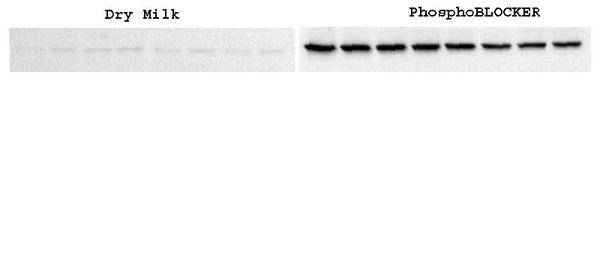
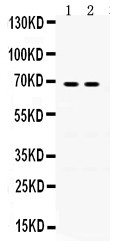
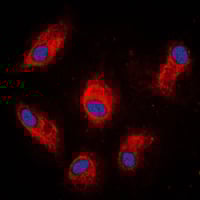
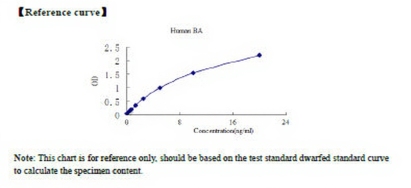
 Application Data
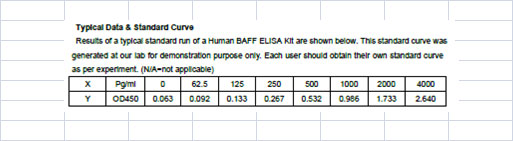
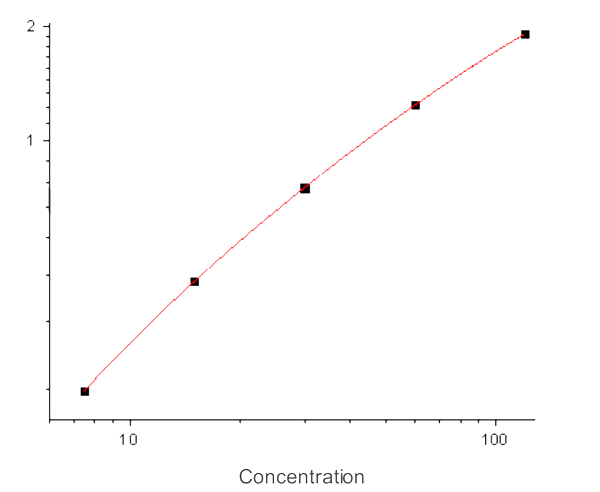
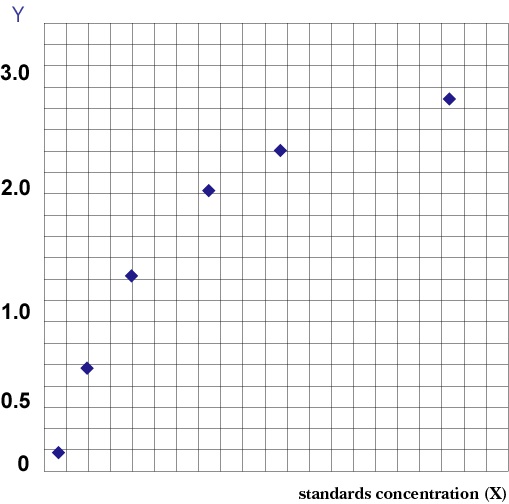
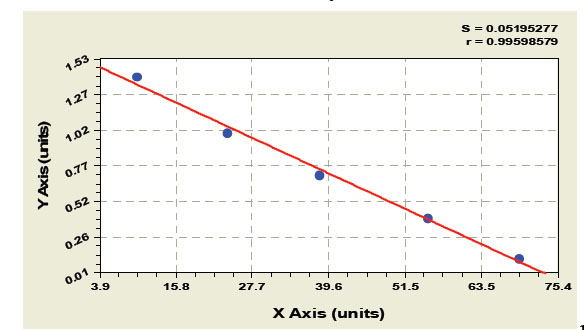
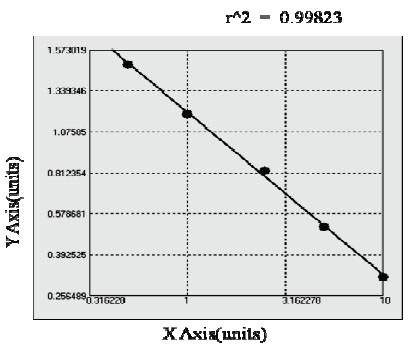
(The following figures demonstrate typical titration results. One should use the data below for reference only. This data should not be used to interpret actual reults.)
Application Data
(The following figures demonstrate typical titration results. One should use the data below for reference only. This data should not be used to interpret actual reults.)
PhosphoBlocker Blocking Reagent
PhosphoBlocker Blocking Reagent
Synonyms
PhosphoBlocker Blocking Reagent; N/A; PhosphoBLOCKER Blocking Reagent; PhosphoBlocker Blocking Reagent reagent
Concentration
50 g dry blend; 5% concentration after reconstitution in 1L (varies by lot)
Methods
Freshly prepare 5% PhosphoBLOCKER solution in TBST or PBST. Use the 5% PhosphoBLOCKER solution to block the blot. When probing the blot, use the 5% PhosphoBLOCKER solution to dilute primary and secondary antibodies.
Notes:
Reconstituted PhosphoBLOCKER solution is only good for one week at 4 degree C.
The presence of dark-colored particles is a normal artifact of our manufacturing process and will not adversely affect the performance of the product. If desired, the particles may be removed following reconstitution by filtration using standard laboratory filter paper.
Notes:
Reconstituted PhosphoBLOCKER solution is only good for one week at 4 degree C.
The presence of dark-colored particles is a normal artifact of our manufacturing process and will not adversely affect the performance of the product. If desired, the particles may be removed following reconstitution by filtration using standard laboratory filter paper.
Preparation and Storage
Room Temperature
Application Data
(The following figures demonstrate typical titration results. One should use the data below for reference only. This data should not be used to interpret actual reults.)
Application Data
(The following figures demonstrate typical titration results. One should use the data below for reference only. This data should not be used to interpret actual reults.)
Related Product Information for PhosphoBlocker Blocking Reagent reagent
Background: Protein phosphorylation-dephosphorylation is one of the major signaling mechanisms for modulating the functional properties of proteins involved in gene expression, cell adhesion, cell cycle, cell proliferation, and differentiation. Proteins can be phosphorylated by protein kinases on specific serine, threonine, or tyrosine residues. The utilization of anti-phosphoprotein antibodies in western blotting has become a commonly used tool for signal transduction research. Unfortunately, low levels of endogenous phosphoprotein in various cell lysates often can not be detected, even with high concentrations of antibody and long exposure times. Most commercially available western blot blockers (e.g. dry milk, serum) are sufficient to block the unreacted sites on the membrane, reducing the amount of nonspecific antibody binding during the assay; however, they are not designed to preserve phosphoprotein antigens during blotting.
AAA Biotech's PhosphoBLOCKER contains a proprietary formulation that provides several advantages over conventional blockers:
•Designed specifically for phosphoprotein blotting
•Enhances low level phosphoprotein signal without increasing background
•Premixed dry blend, easy to use
AAA Biotech's PhosphoBLOCKER contains a proprietary formulation that provides several advantages over conventional blockers:
•Designed specifically for phosphoprotein blotting
•Enhances low level phosphoprotein signal without increasing background
•Premixed dry blend, easy to use
Product Categories/Family for PhosphoBlocker Blocking Reagent reagent
References
1. Obis, T. et al. (2015). The novel protein kinase C epsilon isoform at the adult neuromuscular synapse: location, regulation by synaptic activity-dependent muscle contraction through TrkB signaling and coupling to ACh release. Molecular Brain. 8:8.
2. Bemben, M. A. et al. (2015). Autism-associated mutation inhibits protein kinase C-mediated neuroligin-4X enhancement of excitatory synapses. Proc Natl Acad Sci U S A. 112:2551-2556.
3. F. de Castro, L. et al. (2015). VEGF Receptor 2 (VEGFR2) activation is essential for osteocyte survival induced by mechanotransduction. J Cell Physiol. 230:278-285.
4. Inserte, J. et al. (2014). Delayed phospholamban phosphorylation in post-conditioned heart favours Ca2+ normalization and contributes to protection. Cardiovasc Res. 103:542-553.
5. Lan, F. et al. (2014). LECT2 functions as a hepatokine that links obesity to skeletal muscle insulin resistance. Diabetes. 63:1649-1664.
6. Nakamura, Y. et al. (2014). Oligomerization-induced conformational change in the C-terminal region of Nel-like molecule 1 (NELL1) protein is necessary for the efficient mediation of murine MC3T3-E1 cell adhesion and spreading. J. Biol. Chem. 289:9781-9794.
7. Marques, J. et al. (2013). CRMP2 tethers kainate receptor activity to cytoskeleton dynamics during neuronal maturation. J. Neurosci. 33:18298-18310.
8. Ferreira, E. et al. (2013). Inflammatory cytokines induce a unique mineralizing phenotype in mesenchymal stem cells derived from human bone marrow. J. Biol. Chem. 288:29550-29561.
9. Inserte, J. et al. (2013). Activation of cGMP/Protein Kinase G pathway in postconditioned myocardium depends on reduced oxidative stress and preserved endothelial nitric oxide synthase coupling. JAHA. 2:e005975.
10. Ishii, K. et al. (2012). Serratia marcescens induces apoptotic cell death in host immune cells via a lipopolysaccharide- and flagella-dependent mechanism. J. Biol. Chem. 287: 36582-36592.
11. Rosich, L. et al. (2012). Counteracting autophagy overcomes resistance to Everolimus in mantle cell lymphoma. Clin. Cancer Res. 18: 5278-5289.
12. Naraoka, T. et al. (2012). Time-dependent gene expression and immunohistochemical analysis of the injured anterior cruciate ligament. Bone and Joint Res. 1: 238-244.
13. Martinez, P. et al. (2012). 53BP1 Deficiency combined with telomere dysfunction activates ATR-dependent DNA damage response. J.Cell.Biol. 197:283-300.
14. Kasuboski, J.M. et al. (2011). Zwint-1 is a novel Aurora B substrate required for the assembly of a Dynein-binding platform on kinetochores. Mol. Biol. Cell. 22:3318-3330
15. Song, A. et al. (2010). A C. elegans eIF4E-family member upregulates translation at elevated temperatures of mRNAs encoding MSH-5 and other meiotic crossover proteins. J. Cell Sci. 123:2228-2237.
16. Ishii, K. et al. (2010). Insect cytokine paralytic peptide (PP) induces cellular and humoral immune responses in the silkworm Bombyx mori. J. Biol. Chem. 285:28635-28642.
17. Ramakrishnan, R. et al. (2009). Characterization of Cdk9 T-loop phosphorylation in resting and activated CD4+ T lymphocytes. J. Leukoc. Biol. 86:1345-1350.
2. Bemben, M. A. et al. (2015). Autism-associated mutation inhibits protein kinase C-mediated neuroligin-4X enhancement of excitatory synapses. Proc Natl Acad Sci U S A. 112:2551-2556.
3. F. de Castro, L. et al. (2015). VEGF Receptor 2 (VEGFR2) activation is essential for osteocyte survival induced by mechanotransduction. J Cell Physiol. 230:278-285.
4. Inserte, J. et al. (2014). Delayed phospholamban phosphorylation in post-conditioned heart favours Ca2+ normalization and contributes to protection. Cardiovasc Res. 103:542-553.
5. Lan, F. et al. (2014). LECT2 functions as a hepatokine that links obesity to skeletal muscle insulin resistance. Diabetes. 63:1649-1664.
6. Nakamura, Y. et al. (2014). Oligomerization-induced conformational change in the C-terminal region of Nel-like molecule 1 (NELL1) protein is necessary for the efficient mediation of murine MC3T3-E1 cell adhesion and spreading. J. Biol. Chem. 289:9781-9794.
7. Marques, J. et al. (2013). CRMP2 tethers kainate receptor activity to cytoskeleton dynamics during neuronal maturation. J. Neurosci. 33:18298-18310.
8. Ferreira, E. et al. (2013). Inflammatory cytokines induce a unique mineralizing phenotype in mesenchymal stem cells derived from human bone marrow. J. Biol. Chem. 288:29550-29561.
9. Inserte, J. et al. (2013). Activation of cGMP/Protein Kinase G pathway in postconditioned myocardium depends on reduced oxidative stress and preserved endothelial nitric oxide synthase coupling. JAHA. 2:e005975.
10. Ishii, K. et al. (2012). Serratia marcescens induces apoptotic cell death in host immune cells via a lipopolysaccharide- and flagella-dependent mechanism. J. Biol. Chem. 287: 36582-36592.
11. Rosich, L. et al. (2012). Counteracting autophagy overcomes resistance to Everolimus in mantle cell lymphoma. Clin. Cancer Res. 18: 5278-5289.
12. Naraoka, T. et al. (2012). Time-dependent gene expression and immunohistochemical analysis of the injured anterior cruciate ligament. Bone and Joint Res. 1: 238-244.
13. Martinez, P. et al. (2012). 53BP1 Deficiency combined with telomere dysfunction activates ATR-dependent DNA damage response. J.Cell.Biol. 197:283-300.
14. Kasuboski, J.M. et al. (2011). Zwint-1 is a novel Aurora B substrate required for the assembly of a Dynein-binding platform on kinetochores. Mol. Biol. Cell. 22:3318-3330
15. Song, A. et al. (2010). A C. elegans eIF4E-family member upregulates translation at elevated temperatures of mRNAs encoding MSH-5 and other meiotic crossover proteins. J. Cell Sci. 123:2228-2237.
16. Ishii, K. et al. (2010). Insect cytokine paralytic peptide (PP) induces cellular and humoral immune responses in the silkworm Bombyx mori. J. Biol. Chem. 285:28635-28642.
17. Ramakrishnan, R. et al. (2009). Characterization of Cdk9 T-loop phosphorylation in resting and activated CD4+ T lymphocytes. J. Leukoc. Biol. 86:1345-1350.
Customer Reviews
Loading reviews...
Share Your Experience
Similar Products




Product Notes
The PhosphoBlocker Blocking Reagent (Catalog #AAA44533) is a Reagent and is intended for research purposes only. The product is available for immediate purchase. It is sometimes possible for the material contained within the vial of "PhosphoBlocker Blocking Reagent, Reagent" to become dispersed throughout the inside of the vial, particularly around the seal of said vial, during shipment and storage. We always suggest centrifuging these vials to consolidate all of the liquid away from the lid and to the bottom of the vial prior to opening. Please be advised that certain products may require dry ice for shipping and that, if this is the case, an additional dry ice fee may also be required.Precautions
All products in the AAA Biotech catalog are strictly for research-use only, and are absolutely not suitable for use in any sort of medical, therapeutic, prophylactic, in-vivo, or diagnostic capacity. By purchasing a product from AAA Biotech, you are explicitly certifying that said products will be properly tested and used in line with industry standard. AAA Biotech and its authorized distribution partners reserve the right to refuse to fulfill any order if we have any indication that a purchaser may be intending to use a product outside of our accepted criteria.Disclaimer
Though we do strive to guarantee the information represented in this datasheet, AAA Biotech cannot be held responsible for any oversights or imprecisions. AAA Biotech reserves the right to adjust any aspect of this datasheet at any time and without notice. It is the responsibility of the customer to inform AAA Biotech of any product performance issues observed or experienced within 30 days of receipt of said product. To see additional details on this or any of our other policies, please see our Terms & Conditions page.Item has been added to Shopping Cart
If you are ready to order, navigate to Shopping Cart and get ready to checkout.