
Filters
▼Clonality
▼Type
▼Reactivity
▼Gene Name
▼Isotype
▼Host
▼Application
▼Clone
▼Active Proteins
AAA Biotech also known as AAA Bio or AAABio provides a variety of high-quality recombinant and natural/native proteins that are proven to work in a wide range of experiments. Explore our products to find the active protein that best fits your needs or experimental model.
Viewing 1500-1550 of 2875 product results
APRIL, Active Protein (Cat# AAA75589)
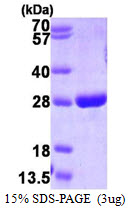 SDS-PAGE
GSTP1, Active Protein (Cat# AAA48543)
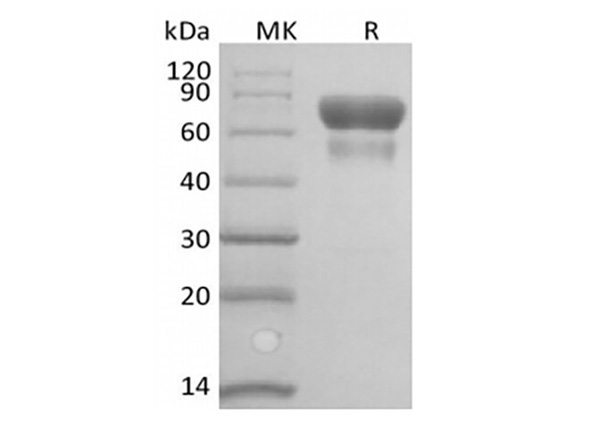
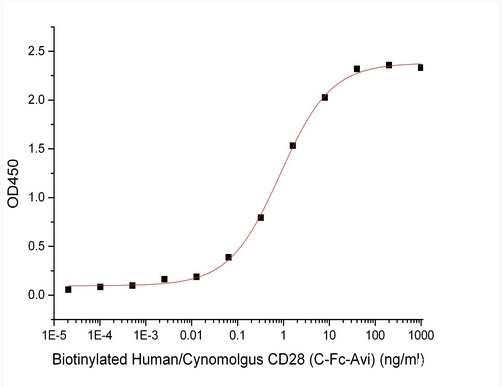 Bioactivity
CD28/TP44 Biotinylated, Active Protein (Cat# AAA177952)
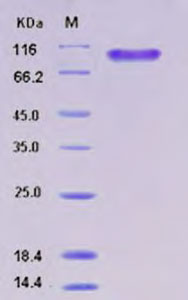 Application Data
(SDS-PAGE)
Application Data
(SDS-PAGE)
PDGFRa / CD140a, Active Protein (Cat# AAA173562)
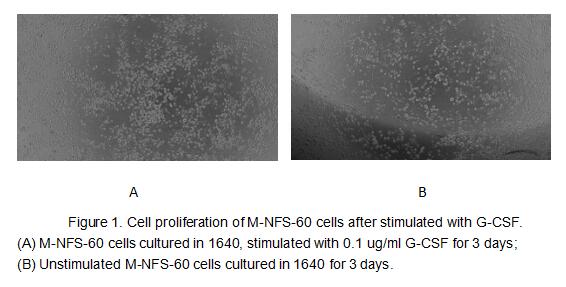
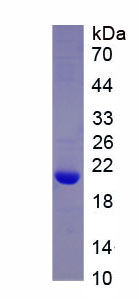
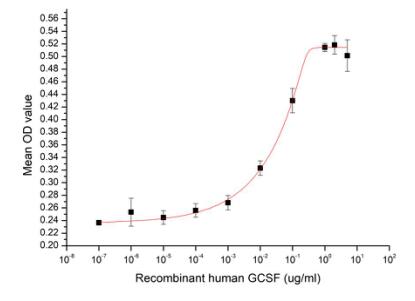 Bioactivity
(Figure 2. Cell proliferation of M-NFS-60 cells after stimulated with G-CSF.)
Bioactivity
(Figure 2. Cell proliferation of M-NFS-60 cells after stimulated with G-CSF.)
Colony Stimulating Factor 3, Granulocyte (GCSF), Active Protein (Cat# AAA161662)
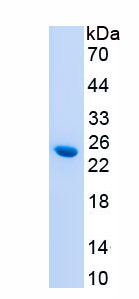
 Bioactivity
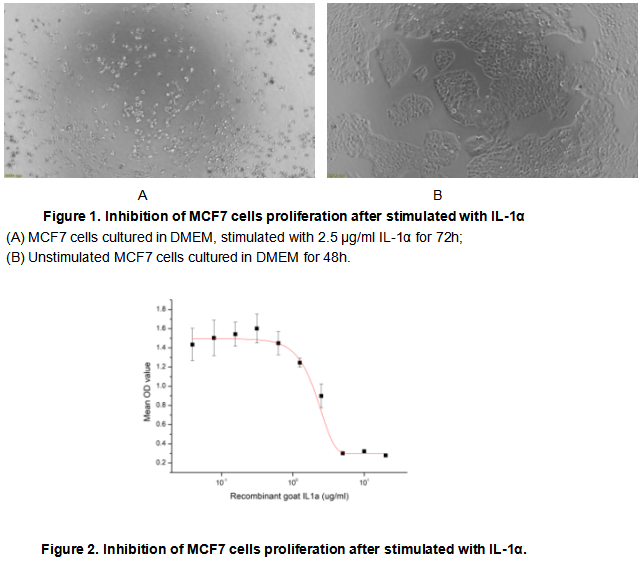
(Interleukin 1 alpha (IL-1alpha) also known as hematopoietin 1 is a cytokine of the interleukin 1 family that in humans is encoded by the IL1A gene. IL-1alphais produced mainly by activated macrophages, as well as neutrophils, epithelial cells, and endothelial cells. It possesses metabolic, physiological, haematopoietic activities, and plays one of the central roles in the regulation of the immune responses. To test the effect of IL-1alpha on cell apoptosis, MCF7 cells were seeded into 96-well plates at a density of 4,000 cells/well with 5% serum standard DMEM including various concentrations of recombinant goat IL-1alpha. After incubated for 72h, cells were observed by inverted microscope and cell proliferation was measured by Cell Counting Kit-8 (CCK-8). Briefly, 10 ul of CCK-8 solution was added to each well of the plate, then the absorbance at 450 nm was measured using a microplate reader after incubating the plate for 1-2 hours at 37 degree C. Proliferation of MCF7 cells after incubation with IL-1alpha for 72h observed by inverted microscope was shown in Figure 1. Cell viability was assessed by CCK-8 (Cell Counting Kit-8) assay after incubation with recombinant goat IL-1alpha for 72h. The result was shown in Figure 2. It was obvious that IL-1alpha significantly inhibit cell viability of MCF7cells. The ED50 is 2.13 ug/ml.)
Bioactivity
(Interleukin 1 alpha (IL-1alpha) also known as hematopoietin 1 is a cytokine of the interleukin 1 family that in humans is encoded by the IL1A gene. IL-1alphais produced mainly by activated macrophages, as well as neutrophils, epithelial cells, and endothelial cells. It possesses metabolic, physiological, haematopoietic activities, and plays one of the central roles in the regulation of the immune responses. To test the effect of IL-1alpha on cell apoptosis, MCF7 cells were seeded into 96-well plates at a density of 4,000 cells/well with 5% serum standard DMEM including various concentrations of recombinant goat IL-1alpha. After incubated for 72h, cells were observed by inverted microscope and cell proliferation was measured by Cell Counting Kit-8 (CCK-8). Briefly, 10 ul of CCK-8 solution was added to each well of the plate, then the absorbance at 450 nm was measured using a microplate reader after incubating the plate for 1-2 hours at 37 degree C. Proliferation of MCF7 cells after incubation with IL-1alpha for 72h observed by inverted microscope was shown in Figure 1. Cell viability was assessed by CCK-8 (Cell Counting Kit-8) assay after incubation with recombinant goat IL-1alpha for 72h. The result was shown in Figure 2. It was obvious that IL-1alpha significantly inhibit cell viability of MCF7cells. The ED50 is 2.13 ug/ml.)
Interleukin 1 Alpha (IL1a), Active Protein (Cat# AAA161676)
 Bioactivity
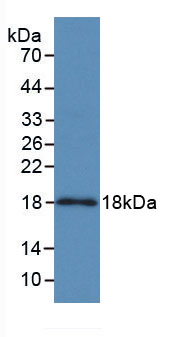
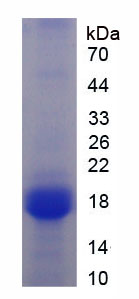
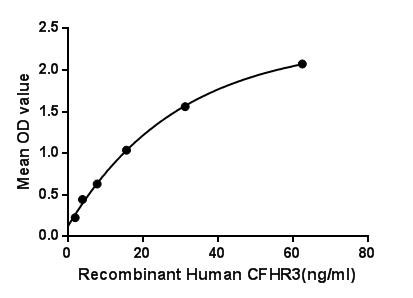
(Figure. The binding activity of CFHR3 with PRDX4)
Bioactivity
(Figure. The binding activity of CFHR3 with PRDX4)
Complement Factor H Related Protein 3, Active Protein (Cat# AAA150145)
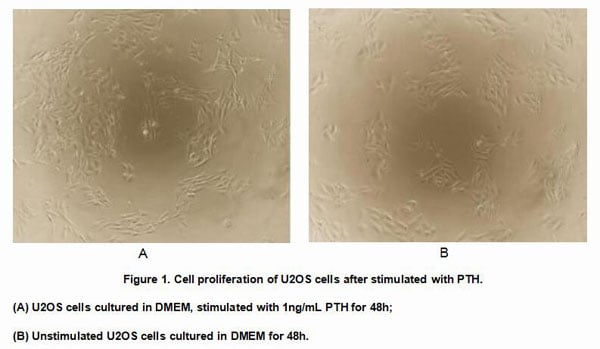
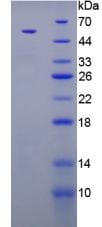
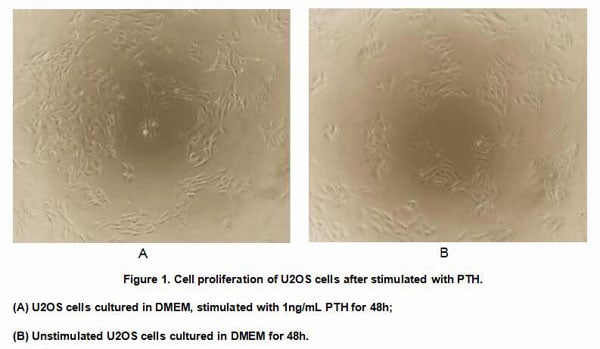
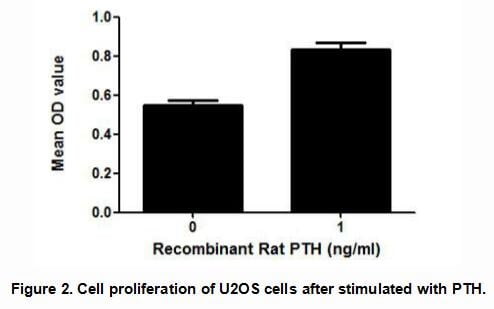 Application Data
Parathyroid Hormone (PTH), Active Protein (Cat# AAA148151)
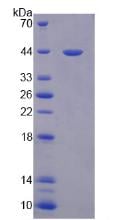
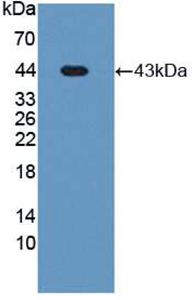 WB (Western Blot)
(Western BlotSample: Recombinant PON3, Human;Antibody: Rabbit Anti-Human PON3 Ab)
WB (Western Blot)
(Western BlotSample: Recombinant PON3, Human;Antibody: Rabbit Anti-Human PON3 Ab)
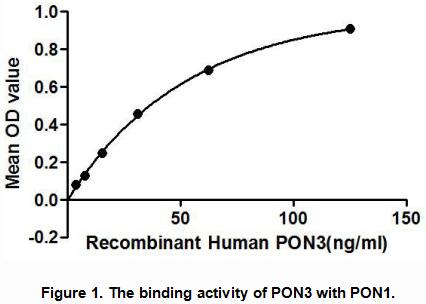
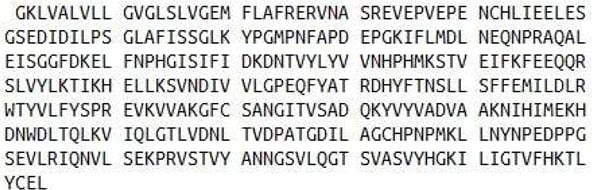
Paraoxonase 3 (PON3), Active Protein (Cat# AAA147870)
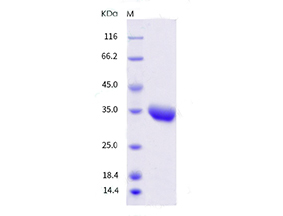
 Application Data
(Measured by its ability to inhibit EPO-dependent proliferation of TF-1 human erythroleukemic cells. The ED50 for this effect is typically 15-60 ng/mL in the presence of 0.1 U/mL Recombinant Human EPO.)
Application Data
(Measured by its ability to inhibit EPO-dependent proliferation of TF-1 human erythroleukemic cells. The ED50 for this effect is typically 15-60 ng/mL in the presence of 0.1 U/mL Recombinant Human EPO.)
EPOR, Active Protein (Cat# AAA257919)
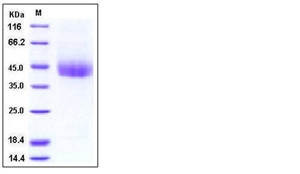
 Application Data
(Measured by its binding ability in a functional ELISA. Immobilized mouse DNAM1 at 2 ug/ml (100 ul/well) can bind mouse CD155 with a linear ranger of 6.4-160 ng/ml.)
Application Data
(Measured by its binding ability in a functional ELISA. Immobilized mouse DNAM1 at 2 ug/ml (100 ul/well) can bind mouse CD155 with a linear ranger of 6.4-160 ng/ml.)
CD226, Active Protein (Cat# AAA258146)
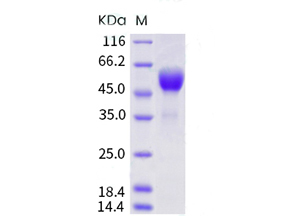
 Application Data
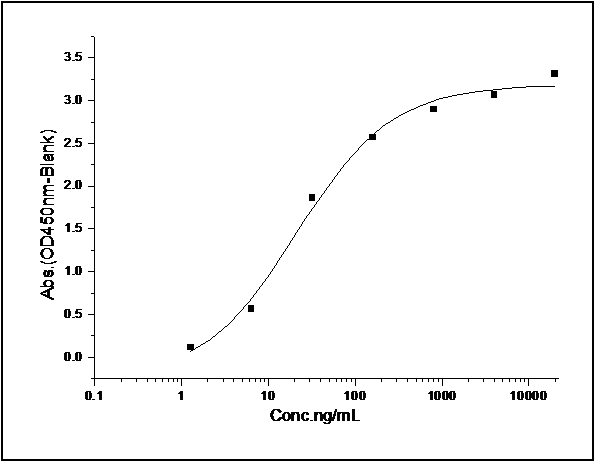
(Measured by its binding ability in a functional ELISA. Immobilized human BTLA-Fc at 10ug/mL (100uL/well) can bind biotinylated mouse HVEM-Fch, the EC50 of biotinylated mouse HVEM-Fch is 6-70 ng/mL.)
Application Data
(Measured by its binding ability in a functional ELISA. Immobilized human BTLA-Fc at 10ug/mL (100uL/well) can bind biotinylated mouse HVEM-Fch, the EC50 of biotinylated mouse HVEM-Fch is 6-70 ng/mL.)
BTLA, Active Protein (Cat# AAA257998)
 Application Data
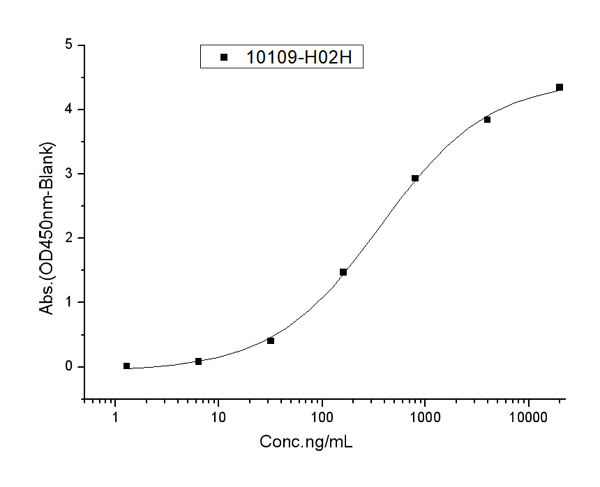
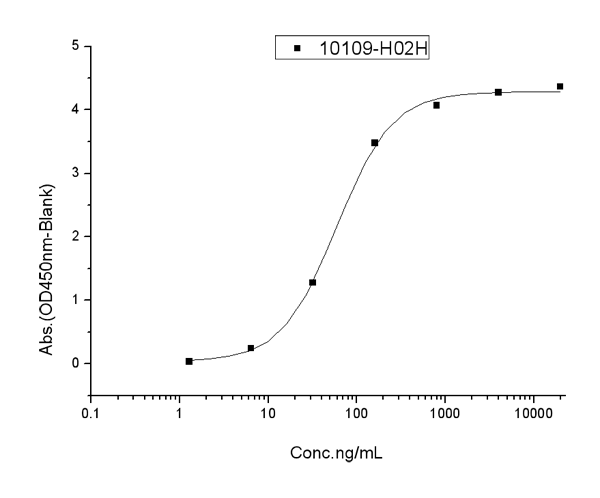
(Immobilized TIGIT Protein, Human, Recombinant (ECD, His Tag) at 2 ug/ml (100 ul/well) can bind CD155/PVR Protein, Human, Recombinant (ECD, hFc Tag), the EC50 of CD155/PVR Protein, Human, Recombinant (ECD, hFc Tag) is 25-140 ng/mL.)
Application Data
(Immobilized TIGIT Protein, Human, Recombinant (ECD, His Tag) at 2 ug/ml (100 ul/well) can bind CD155/PVR Protein, Human, Recombinant (ECD, hFc Tag), the EC50 of CD155/PVR Protein, Human, Recombinant (ECD, hFc Tag) is 25-140 ng/mL.)
CD155/PVR, Active Protein (Cat# AAA257829)
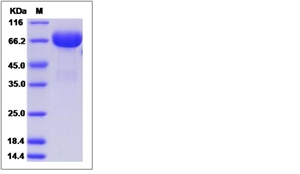
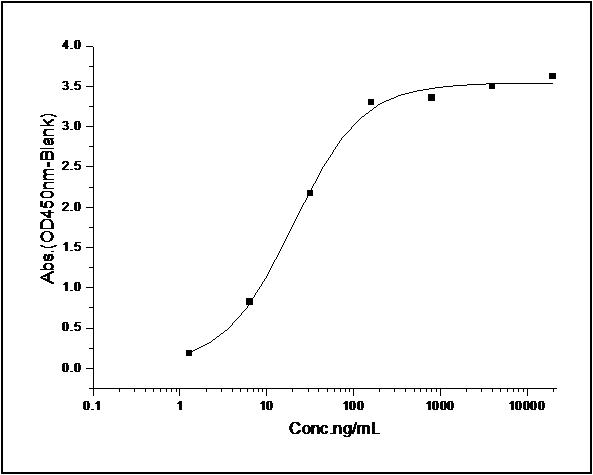 Application Data
(Measured by its binding ability in a functional ELISA. Immobilized mouse EPHB2-His at 10 ug/mL (100 uL/well) can bind mouse EFNB2-Fc. The EC50 of mouse EFNB2-Fc is 0.01-0.03 ug/mL.)
Application Data
(Measured by its binding ability in a functional ELISA. Immobilized mouse EPHB2-His at 10 ug/mL (100 uL/well) can bind mouse EFNB2-Fc. The EC50 of mouse EFNB2-Fc is 0.01-0.03 ug/mL.)
EphB2, Active Protein (Cat# AAA258241)
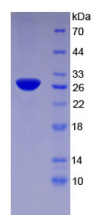
 Application Data
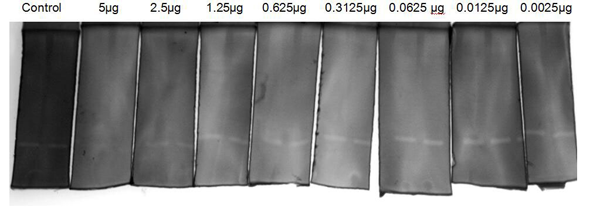
(Tissue Factor Pathway Inhibitor 2 (TFPI2) takes part in the regulation of plasmin-mediated matrix remodeling. Inhibits trypsin, plasmin, factor VIIa/tissue factor and weakly factor Xa. TFPI2 does not have any influence on thrombin. TFPI2 also can inhibit MMP activity, which can hydrolyze gelatin under certain conditions. Thus, the activity of TFPI2 can be measured by inhibit MMP-2 hydrolyze gelatin. Gelatin zymography is mainly used for the detection of the gelatinases, 2g/mL was denatured by SDS loading buffer, electrophoresed through sodium dodecylsulphate–polyacrylamide gel (SDS–PAGE; 8%gels) containing gelatin (1mg/mL) with nonreducing conditions. After renaturation, incubate with various concentrations of recombinant human TFPI2, then staining with coomassie brilliant blue G250, active MMP-2 would hydrolyze gelatin nearby, which was indicated by the white binds on the gel; if the activity of MMP-2 inhibit by TFPI2, there was none white binds on the gel. The result was shown in figure 1.As the figure1 shown, MMP-2 can be inhibited by recombinant human TFPI2 at least 5g/mL.)
Application Data
(Tissue Factor Pathway Inhibitor 2 (TFPI2) takes part in the regulation of plasmin-mediated matrix remodeling. Inhibits trypsin, plasmin, factor VIIa/tissue factor and weakly factor Xa. TFPI2 does not have any influence on thrombin. TFPI2 also can inhibit MMP activity, which can hydrolyze gelatin under certain conditions. Thus, the activity of TFPI2 can be measured by inhibit MMP-2 hydrolyze gelatin. Gelatin zymography is mainly used for the detection of the gelatinases, 2g/mL was denatured by SDS loading buffer, electrophoresed through sodium dodecylsulphate–polyacrylamide gel (SDS–PAGE; 8%gels) containing gelatin (1mg/mL) with nonreducing conditions. After renaturation, incubate with various concentrations of recombinant human TFPI2, then staining with coomassie brilliant blue G250, active MMP-2 would hydrolyze gelatin nearby, which was indicated by the white binds on the gel; if the activity of MMP-2 inhibit by TFPI2, there was none white binds on the gel. The result was shown in figure 1.As the figure1 shown, MMP-2 can be inhibited by recombinant human TFPI2 at least 5g/mL.)
Tissue Factor Pathway Inhibitor 2, Active Protein (Cat# AAA150119)
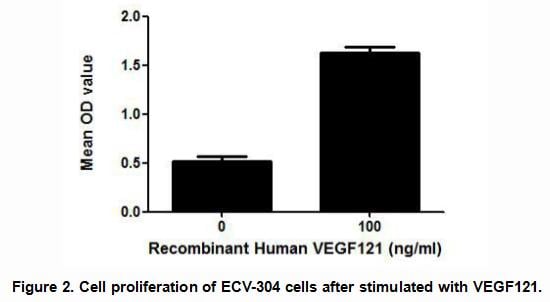
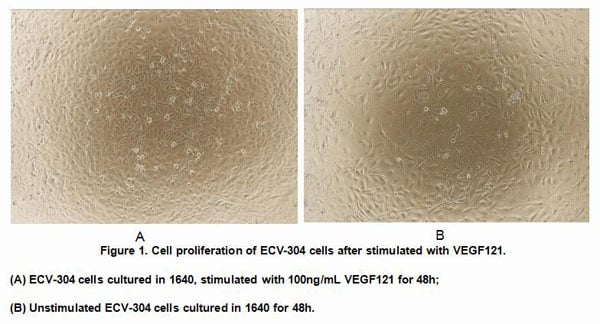
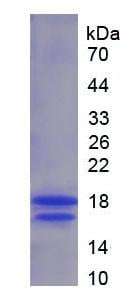
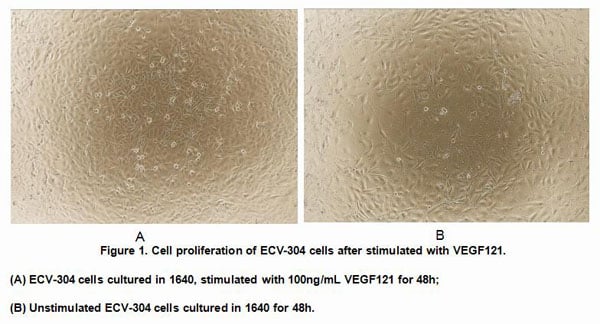
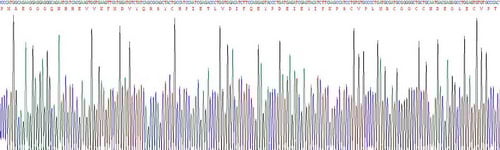 Application Data
Vascular Endothelial Growth Factor 121 (VEGF121), Active Protein (Cat# AAA148143)
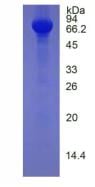
 WB (Western Blot)
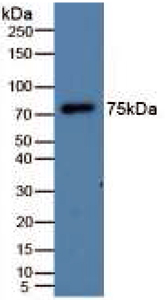
(Western BlotSample: Recombinant HRG, Human;Antibody: Rabbit Anti-Human HRG Ab)
WB (Western Blot)
(Western BlotSample: Recombinant HRG, Human;Antibody: Rabbit Anti-Human HRG Ab)
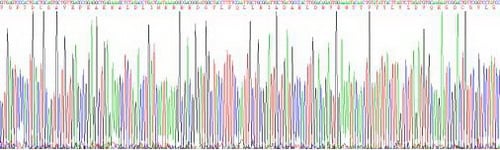
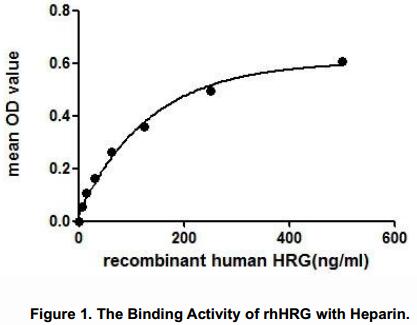
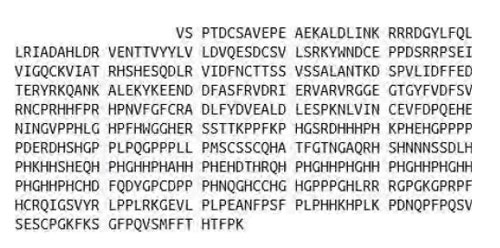
Histidine Rich Glycoprotein (HRG), Active Protein (Cat# AAA146623)
Platelet Derived Growth Factor-BB, Active Protein (Cat# AAA38232)
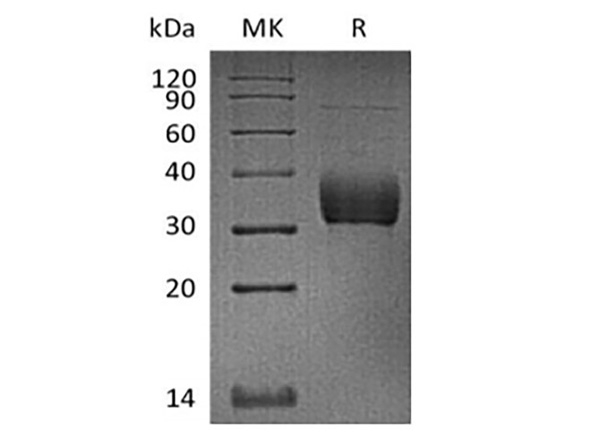
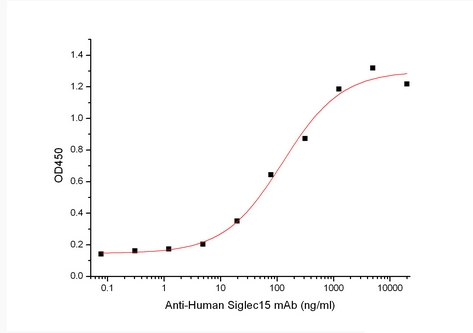 Bioactivity
Sialic acid-binding Ig-like lectin 15/Siglec-15/CD33L3, Active Protein (Cat# AAA177973)
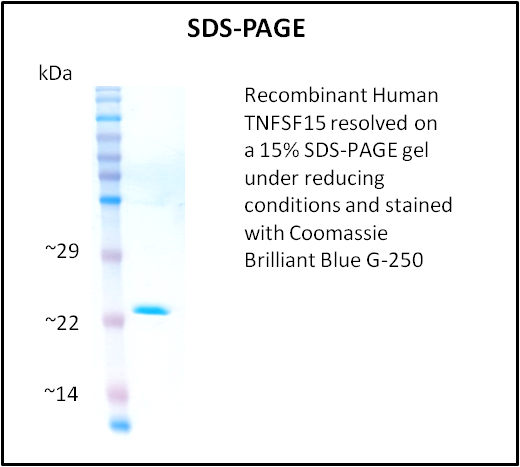
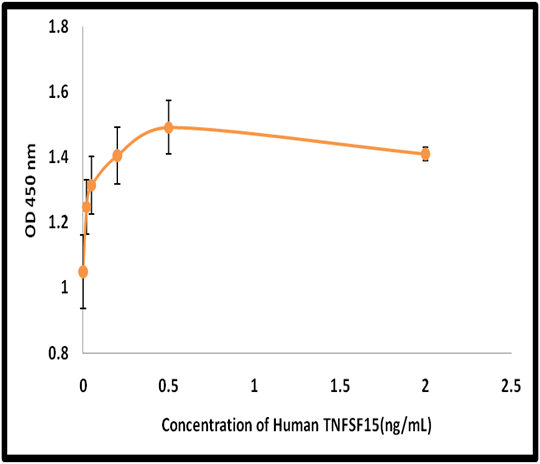 Application Data
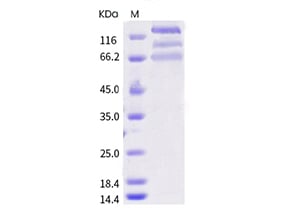
TNFSF15, Active Protein (Cat# AAA214297)
 Application Data
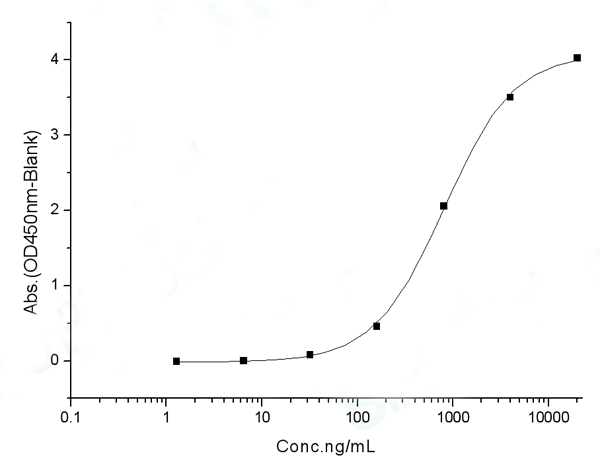
(Measured by its binding ability in a functional ELISA.Immobilized human ACE2 protein (Fc tag)(10108-H05H) at 2 ug/mL (100 uL/well) can bind SARS-CoV-2 (2019-nCoV) Spike S1+S2 ECD (D614G)-His(40589-V08B4), the EC50 of SARS-CoV-2 (2019-nCoV) Spike S1+S2 ECD (D614G)-His(40589-V08B4) is 0.5-1.2 ug/mL.)
Application Data
(Measured by its binding ability in a functional ELISA.Immobilized human ACE2 protein (Fc tag)(10108-H05H) at 2 ug/mL (100 uL/well) can bind SARS-CoV-2 (2019-nCoV) Spike S1+S2 ECD (D614G)-His(40589-V08B4), the EC50 of SARS-CoV-2 (2019-nCoV) Spike S1+S2 ECD (D614G)-His(40589-V08B4) is 0.5-1.2 ug/mL.)
COVID 19 Spike S1+S2 ECD (D614G)-His Coronavirus, Active Protein (Cat# AAA258079)
 Application Data
(Measured by its binding ability in a functional ELISA. Immobilized human TNFRSF9 at 10 ug/mL (100 uL/well) can bind human TNFSF9, the EC50 of human TNFSF9 is 7-40ng/mL.)
Application Data
(Measured by its binding ability in a functional ELISA. Immobilized human TNFRSF9 at 10 ug/mL (100 uL/well) can bind human TNFSF9, the EC50 of human TNFSF9 is 7-40ng/mL.)
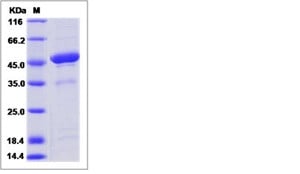
4-1BBL/TNFSF9, Active Protein (Cat# AAA258034)
acidic FGF (FGF-1), Active Protein (Cat# AAA47950)
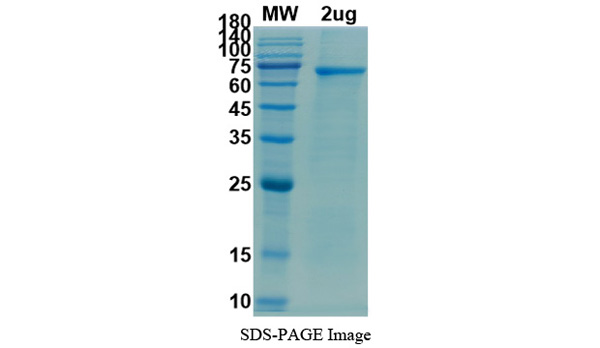
Purification: Purified by heparin affinity chromatography and HPLC; single band at 1 ug on silver-stained SDS-PAGE.
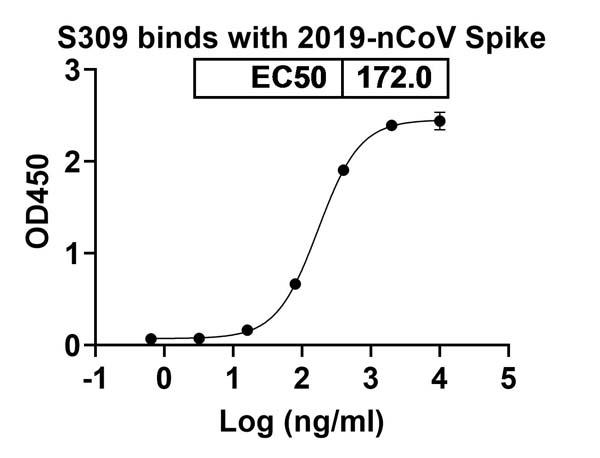 Bioactivity
COVID 19 Spike S1 Protein Coronavirus, Active Protein (Cat# AAA41021)
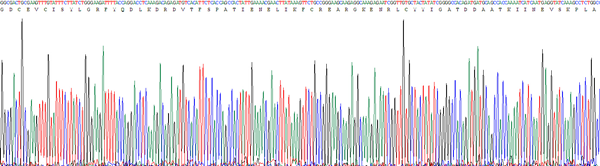
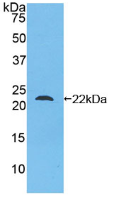
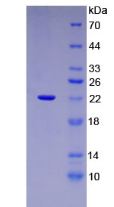
 Application Data
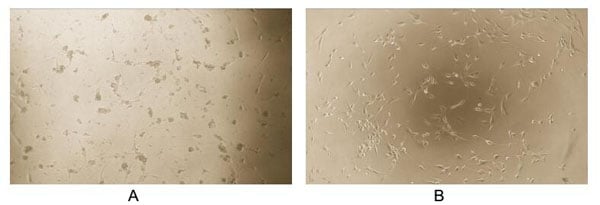
(MANF (Mesencephalic astrocyte-derived neurotrophic factor) is a prosurvival protein that protects the cells when applied intracellularly in vitro or extracellularly in vivo. Recently, MANF has also been proven to inhibit cell proliferation and ER stress-induced cell death and also affects cell size and morphology under certain conditions. Thus the bioactivity of human recombinant MANF were detected using U87-MG. Briefly, U87-MG cells were seeded into triplicate wells of 96-well plates at a density of 2,000 cells/well and allowed to attach overnight, then the medium was replaced with serum-free standard DMEM prior to the addition of various concentrations of MANF. After incubated for 48h, cells were observed by inverted microscope and were shown in Figure 1. It was obvious that MANF inhibited cell proliferation of U87-MG and affected cell size and morphology. (A)U7-MG cells cultured in DMEM, stimulated with 0.01ng/mL MANF for 48h; (B)Unstimulated U87-MG cells cultured in DMEM for 48h.Figure 1. Inhibition of U87-MG cell proliferation after stimulated with MANF.)
Application Data
(MANF (Mesencephalic astrocyte-derived neurotrophic factor) is a prosurvival protein that protects the cells when applied intracellularly in vitro or extracellularly in vivo. Recently, MANF has also been proven to inhibit cell proliferation and ER stress-induced cell death and also affects cell size and morphology under certain conditions. Thus the bioactivity of human recombinant MANF were detected using U87-MG. Briefly, U87-MG cells were seeded into triplicate wells of 96-well plates at a density of 2,000 cells/well and allowed to attach overnight, then the medium was replaced with serum-free standard DMEM prior to the addition of various concentrations of MANF. After incubated for 48h, cells were observed by inverted microscope and were shown in Figure 1. It was obvious that MANF inhibited cell proliferation of U87-MG and affected cell size and morphology. (A)U7-MG cells cultured in DMEM, stimulated with 0.01ng/mL MANF for 48h; (B)Unstimulated U87-MG cells cultured in DMEM for 48h.Figure 1. Inhibition of U87-MG cell proliferation after stimulated with MANF.)
Mesencephalic Astrocyte Derived Neurotrophic Factor, Active Protein (Cat# AAA150127)
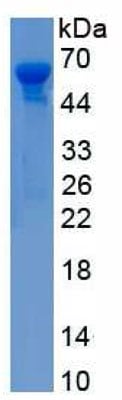 SDS_PAGE
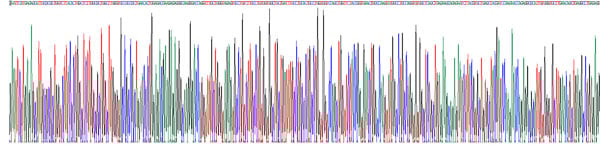
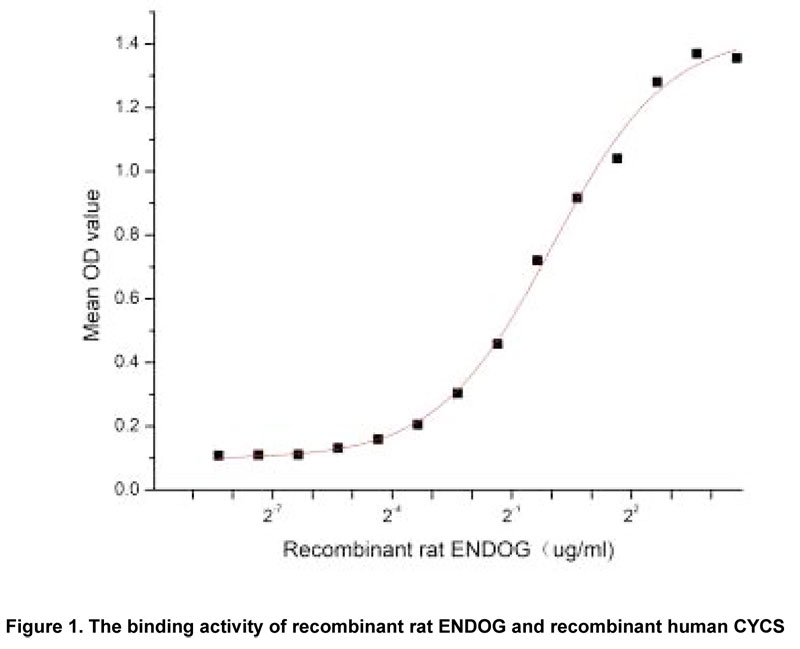
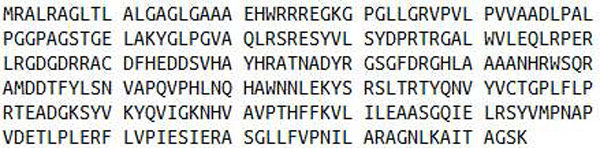
(Sample: Active recombinant ENDOG, Rat)
SDS_PAGE
(Sample: Active recombinant ENDOG, Rat)
Endonuclease G, Mitochondrial (ENDOG), Active Protein (Cat# AAA148142)
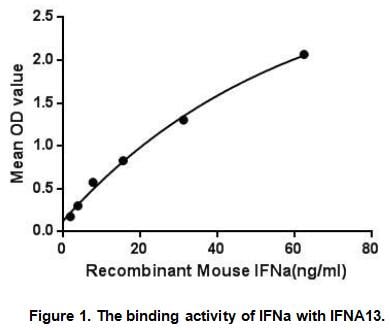
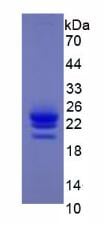
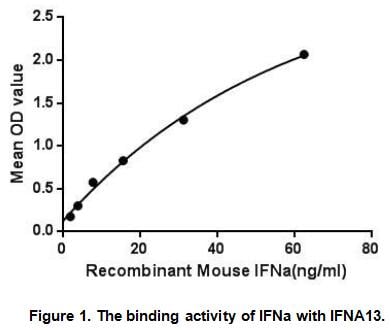
 Application Data
Interferon Alpha (IFNa), Active Protein (Cat# AAA148155)
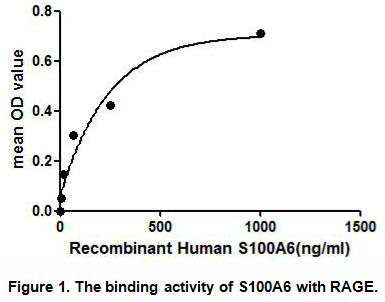
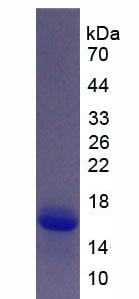 SDS-PAGE
S100 Calcium Binding Protein A6 (S100A6), Active Protein (Cat# AAA148243)
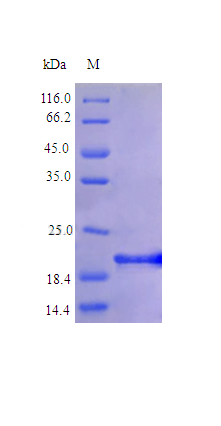 SDS-PAGE
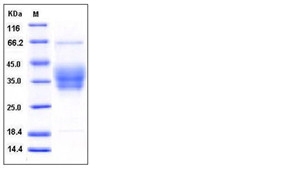
Interleukin-6 protein (IL6), Active Protein (Cat# AAA114237)
 Application Data
(Measured by its ability to compete with mouse EFNB2-Fc for binding to immobilized mouse EPHB4 in a functional ELISA assay.)
Application Data
(Measured by its ability to compete with mouse EFNB2-Fc for binding to immobilized mouse EPHB4 in a functional ELISA assay.)
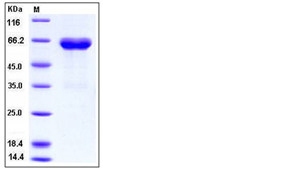
Ephrin B2, Active Protein (Cat# AAA258182)

 Application Data
(Measured by its binding ability in a functional ELISA. Immobilized mouse IFNG-His at 10 ug/ml (100 ul/well) can bind mouse IFNGR1-Fc. The EC50 of IFNGR1-Fc is 58.2-135.9 ng/ml.)
Application Data
(Measured by its binding ability in a functional ELISA. Immobilized mouse IFNG-His at 10 ug/ml (100 ul/well) can bind mouse IFNGR1-Fc. The EC50 of IFNGR1-Fc is 58.2-135.9 ng/ml.)
IFNGR1, Active Protein (Cat# AAA258195)
 Application Data
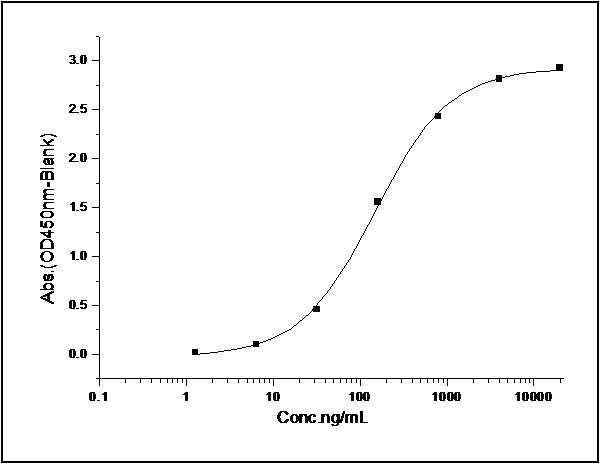
(Measured by its binding ability in a functional ELISA. Immobilized mouse EphB3 at 2 ug/ml (100 ul/well) can bind human EFNB1 Fc chimera with a linear ranger of 1.56-25 ng/ml.)
Application Data
(Measured by its binding ability in a functional ELISA. Immobilized mouse EphB3 at 2 ug/ml (100 ul/well) can bind human EFNB1 Fc chimera with a linear ranger of 1.56-25 ng/ml.)
Ephrin-B1, Active Protein (Cat# AAA257947)
Interleukin-4, Active Protein (Cat# AAA38143)
Interleukin-1 alpha, Active Protein (Cat# AAA38549)
Peptidyl-Prolyl Cis/Trans Isomerase NIMA-Interacting 1, Active Protein (Cat# AAA38283)
 Application Data
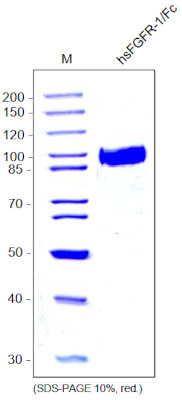
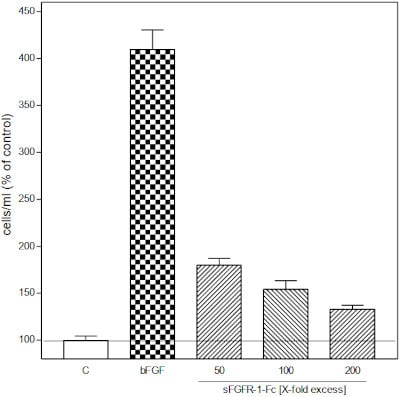
(Inhibition of the basic FGF-induced proliferation of HUVE cells by recombinant human sFGFR-1-Fc. HUVECs were stimulated with 10 ng/ml bFGF, the soluble receptor was added with a 50 - 200X excess)
Application Data
(Inhibition of the basic FGF-induced proliferation of HUVE cells by recombinant human sFGFR-1-Fc. HUVECs were stimulated with 10 ng/ml bFGF, the soluble receptor was added with a 50 - 200X excess)
FGFR-1/Fc Chimera, soluble, Active Protein (Cat# AAA79238)

 SDS-PAGE
Bone Morphogenetic Protein 4 (BMP4), Active Protein (Cat# AAA148234)
 SDS-PAGE
Interleukin 1 Receptor Type I (IL1R1), Active Protein (Cat# AAA148235)
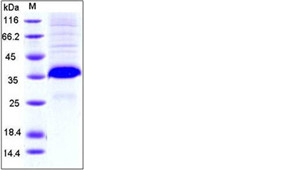
 Application Data
(Measured by its ability to neutralize Activin-mediated inhibition on MPC11 cell proliferation. The ED50 for this effect is typically 5-25 ng/mL in the presence of 10 ng/mL rhActivin A.)
Application Data
(Measured by its ability to neutralize Activin-mediated inhibition on MPC11 cell proliferation. The ED50 for this effect is typically 5-25 ng/mL in the presence of 10 ng/mL rhActivin A.)
FSTL3, Active Protein (Cat# AAA258117)
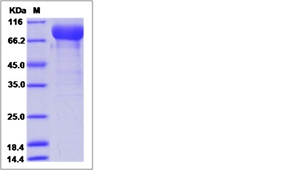
 Application Data
(Measured by its ability to inhibit VEGF-dependent proliferation of human umbilical vein endothelial cells (HUVEC) in the presence of 10 ng/mL rhVEGF165. The ED50 for this effect is 40-120ng/mL.)
Application Data
(Measured by its ability to inhibit VEGF-dependent proliferation of human umbilical vein endothelial cells (HUVEC) in the presence of 10 ng/mL rhVEGF165. The ED50 for this effect is 40-120ng/mL.)
VEGFR2/KDR, Active Protein (Cat# AAA257814)
 Application Data
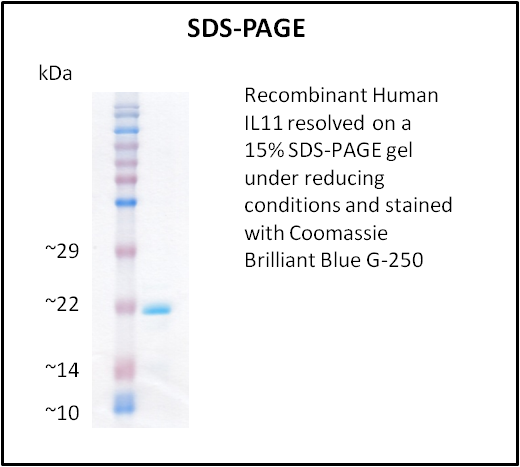
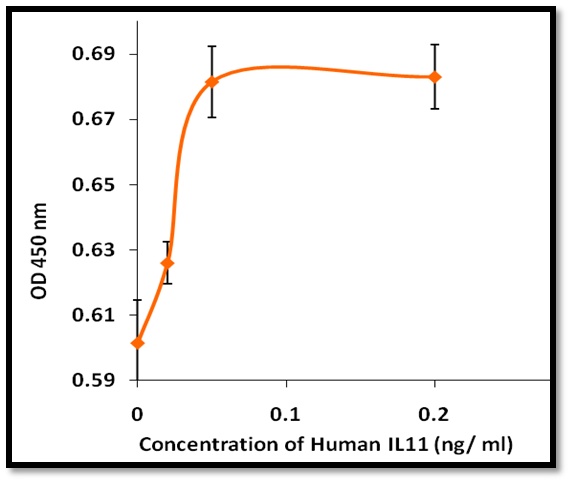
IL11, Active Protein (Cat# AAA214230)
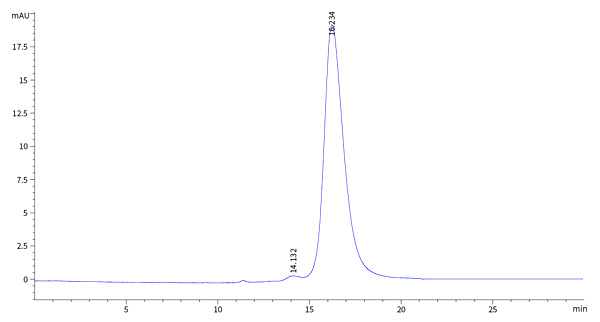
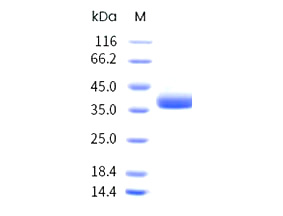
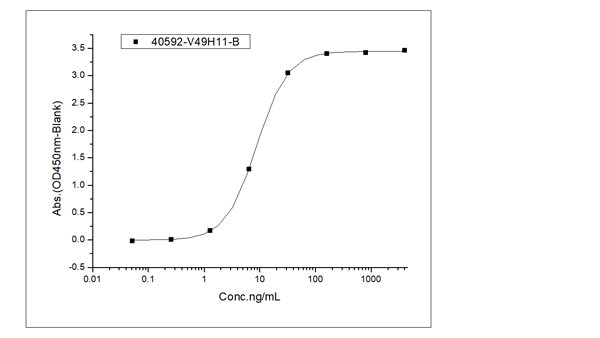 Application Data
(Immobilized human ACE2 protein (Fc tag)(Cat: 10108-H05H) at 2 ug/mL (100 uL/well) can bind Recombinant SARS-CoV-2 (BA.2.12.1) Spike RBD Protein(His&AVI Tag), Biotinylated(Cat: AAA258591), the EC50 is 4.5-13 ng/mL.)
Application Data
(Immobilized human ACE2 protein (Fc tag)(Cat: 10108-H05H) at 2 ug/mL (100 uL/well) can bind Recombinant SARS-CoV-2 (BA.2.12.1) Spike RBD Protein(His&AVI Tag), Biotinylated(Cat: AAA258591), the EC50 is 4.5-13 ng/mL.)
COVID 19 (BA.2.12.1) Spike RBD Coronavirus, Active Protein (Cat# AAA258591)
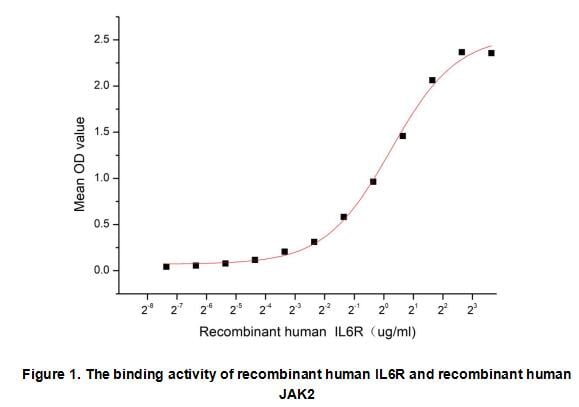 Bioactivity
(Interleukin-6 receptor (IL-6R) is a receptor for IL-6, belonging to the type I cytokine receptor family, subfamily 3. IL-6 is a potent pleiotropic cytokine that regulates cell growth and differentiation and plays an important role in immune response. IL-6)
Bioactivity
(Interleukin-6 receptor (IL-6R) is a receptor for IL-6, belonging to the type I cytokine receptor family, subfamily 3. IL-6 is a potent pleiotropic cytokine that regulates cell growth and differentiation and plays an important role in immune response. IL-6)
Interleukin 6 Receptor (IL6R), Active Protein (Cat# AAA153104)
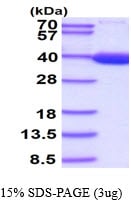 SDS-PAGE
(3ug by SDS-PAGE under reducing condition and visualized by coomassie blue stain)
SDS-PAGE
(3ug by SDS-PAGE under reducing condition and visualized by coomassie blue stain)
LDHB, Active Protein (Cat# AAA48607)
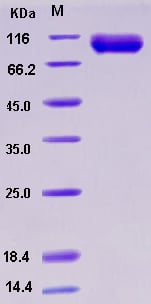 SDS-PAGE
LIMP-2 / SCARB2 / CD36L2, Active Protein (Cat# AAA173552)
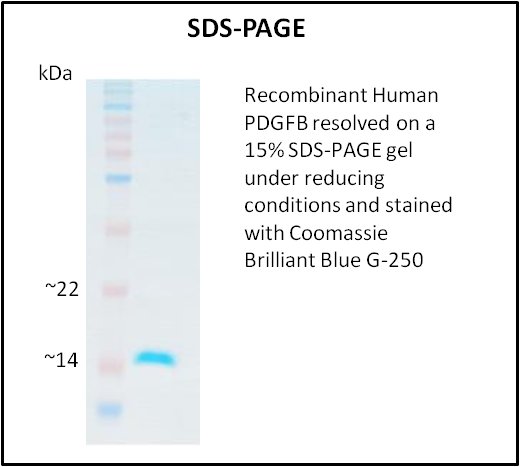
 Application Data
PDGFB, Active Protein (Cat# AAA214227)
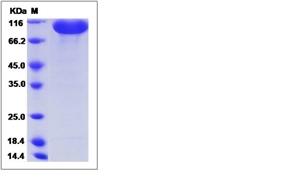
 Application Data
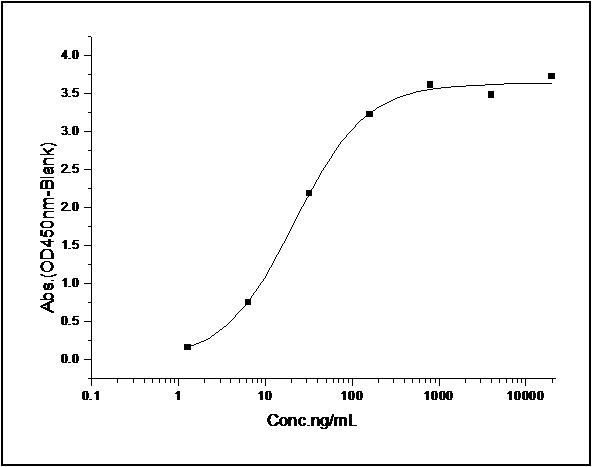
(Measured by its binding ability in a functional ELISA. Immobilized mouse EFNB2-His at 10 ug/mL (100 uL/well) can bind mouse EPHB2-Fc. The EC50 of mouse EPHB2-Fc is 13.2-30.8 ng/mL.)
Application Data
(Measured by its binding ability in a functional ELISA. Immobilized mouse EFNB2-His at 10 ug/mL (100 uL/well) can bind mouse EPHB2-Fc. The EC50 of mouse EPHB2-Fc is 13.2-30.8 ng/mL.)
EphB2, Active Protein (Cat# AAA258240)
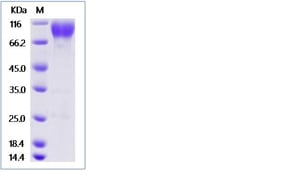
 Application Data
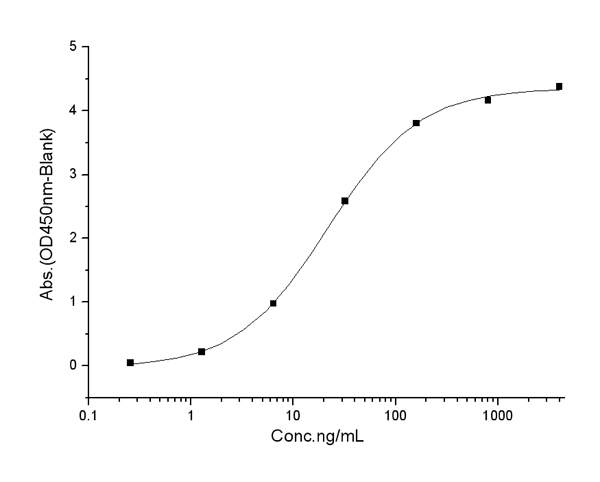
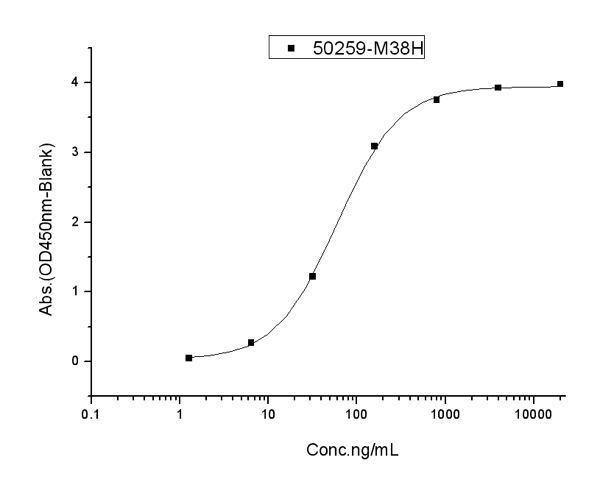
(Measured by its binding ability in a functional ELISA. Immobilized TIGIT Protein, Human, Recombinant (ECD, His Tag) at 2 ug/ml (100 ul/well) can bind CD155/PVR Protein, Mouse, Recombinant (mFc Tag), the EC50 of CD155/PVR Protein, Mouse, Recombinant (mFc Tag) is 25-140 ng/mL.)
Application Data
(Measured by its binding ability in a functional ELISA. Immobilized TIGIT Protein, Human, Recombinant (ECD, His Tag) at 2 ug/ml (100 ul/well) can bind CD155/PVR Protein, Mouse, Recombinant (mFc Tag), the EC50 of CD155/PVR Protein, Mouse, Recombinant (mFc Tag) is 25-140 ng/mL.)
CD155/PVR, Active Protein (Cat# AAA258150)
 Application Data
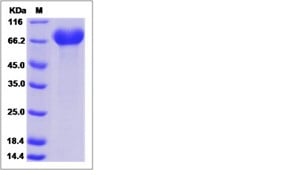
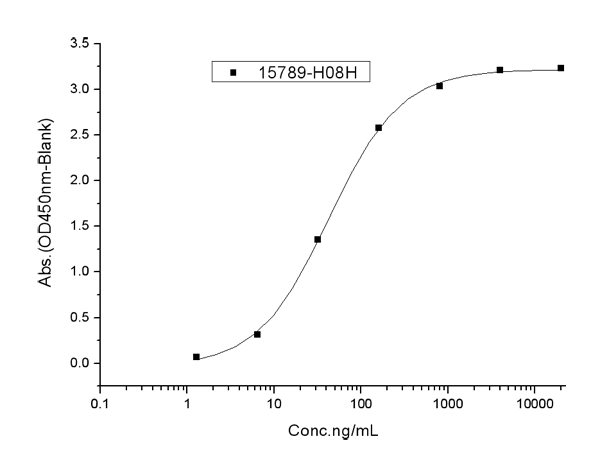
(Immobilized Human EphA1 His at 2 ug/ml (100 ul/well) can bind Human Ephrin-A1 Fch, the EC50 of Human Ephrin-A1 Fch is 25-90 ng/mL.)
Application Data
(Immobilized Human EphA1 His at 2 ug/ml (100 ul/well) can bind Human Ephrin-A1 Fch, the EC50 of Human Ephrin-A1 Fch is 25-90 ng/mL.)
EphA1, Active Protein (Cat# AAA258038)
 SDS-PAGE
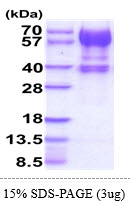
(3ug by SDS-PAGE under reducing condition and visualized by coomassie blue stain.)
SDS-PAGE
(3ug by SDS-PAGE under reducing condition and visualized by coomassie blue stain.)
IL15RA, Active Protein (Cat# AAA48968)
What Are Active Proteins?
Proteins are large molecules made up of long chains of amino acids. They will typically fold into a very particular 3-dimensional shape/conformation, that is sometimes referred to as their “native” form, which allows them to work properly in the body. For the purposes of product categorization, AAA Biotech will typically refer to proteins purified from their original animal host as being “native” proteins (this is to signify their difference compared to their recombinant proteins or “synthetic” protein counterparts).
If a protein successfully folds into the correct shape, it will typically display high fidelity characteristics to its original protein in its original animal host and be classified as an active protein, as it will be able to function “normally” in most enzymatic or binding capacities. If it loses this shape, due to factors such as heat or strong chemicals (such as detergents), it becomes inactive and is no longer able to perform its basic functions.
All of the proteins in this category are made under strict quality control, and they are active, pure, low in contaminants, and stable. Most are stored as freeze-dried powders and come without extra tags, so they’re very close to the actual natural/native form.
Learn more in our guide “How active proteins work”.
Key Applications of Active Proteins
1. Scientific Research
- Aid in the study of how proteins function in the body
- Aid in understanding various disease processes
2. Drug Development
- Powerful tools to investigate how potential drugs interact with specific proteins
- Ideal for identifying drug targets
3. Cell Culture
- Are routinely utilized to support cell growth and function (e.g., using exogenous growth factors)
- Can be used to promote cellular development into specific types (differentiation)
4. Diagnostics
- Regularly utilized in tests to detect diseases or infections (e.g., COVID-19, cancer)
- Note: All products are strictly for research-use only (RUO).
5. Therapeutics
- Some active proteins are used directly as treatments (e.g., insulin, enzymes)
- Note: All products are strictly for research-use only (RUO).
6. Vaccine Development
- Used to create or test vaccines by mimicking parts of viruses or bacteria
7. Biochemical Assays
- They can facilitate the characterization of enzyme activity, binding strength, or protein interactions in lab tests
Why Buy Active Proteins from AAA Biotech?
- High biological activity – Verified to perform as expected or indicated on datasheet
- Strict quality control – We are confident in our active proteins’ reliability and consistency
- High purity & low endotoxin – Ideal for applications involving sensitive or precious samples/components
- Freeze-dried for stability – Long shelf life and straightforward storage
- Mostly tag-free – Closer to natural/native protein form
FAQ
1. What are active proteins used for in research?
Active proteins are used primarily in the study of how proteins function, in characterizing/discovering drug interactions, supporting cell growth, running biochemical assays, and in development of diagnostics or therapeutics.
2. How are AAA Biotech's active proteins validated?
AAA Biotech’s active proteins are validated through strict quality control and functional assays to ensure they are properly folded and active. “Active”, though, can be an ambiguous term, so if a specific “activity” or “binding” capability of a protein is of crucial interest to you, please inquire with us prior to purchase, and we will provide further details on how the “Active” modifier was determined to be applicable.
3. Are these proteins tested for biological activity?
Yes, all active proteins from AAA Biotech are tested to confirm they have the expected biological activity before being offered for use. Though, said “biological activity” can be either “enzymatic”, “binding”, or both.