
Filters
▼Clonality
▼Type
▼Reactivity
▼Gene Name
▼Isotype
▼Host
▼Application
▼Clone
▼Active Proteins
AAA Biotech also known as AAA Bio or AAABio provides a variety of high-quality recombinant and natural/native proteins that are proven to work in a wide range of experiments. Explore our products to find the active protein that best fits your needs or experimental model.
Viewing 1550-1600 of 2875 product results
Zinc-Alpha 2 Glycoprotein, Active Protein (Cat# AAA38476)
Aprotinin, Active Protein (Cat# AAA44781)
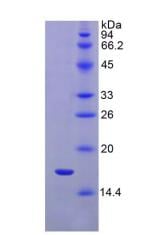 SDS-PAGE
Interleukin 1 Receptor Type I (IL1R1), Active Protein (Cat# AAA148236)
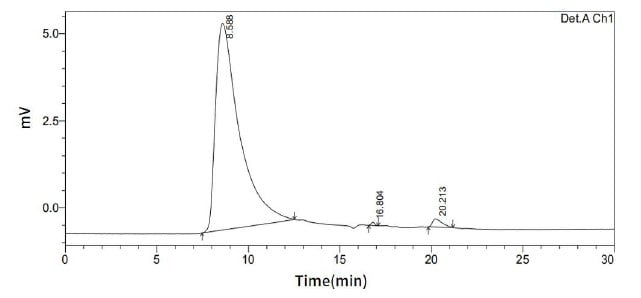
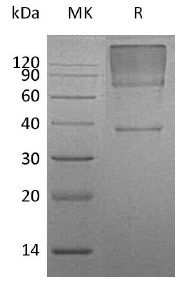
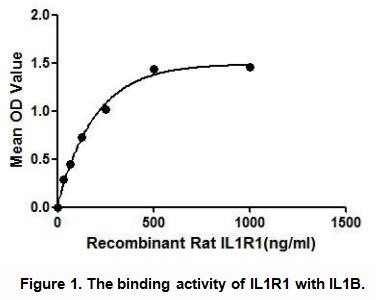
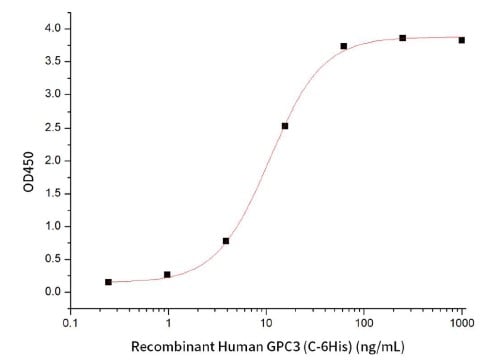 Bioactivity
Glypican 3 (GPC3), Active Protein (Cat# AAA190412)
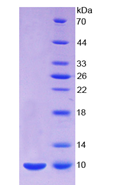
 Bioactivity
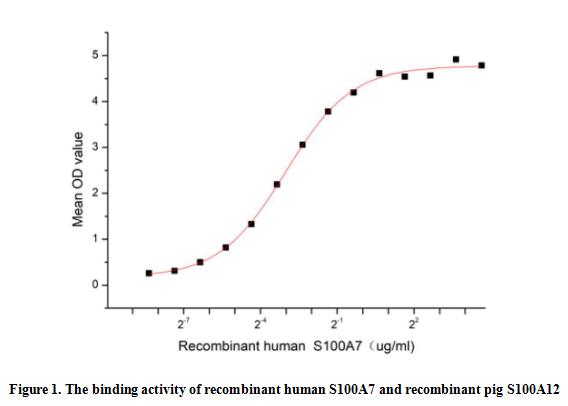
(S100 Calcium Binding Protein A7 (S100A7), a member of the S100 family of vertebrate proteins, is an EF-hand type calcium binding protein localized in epithelial cells. S100A7 regulates cell proliferation and differentiation. An S100A7 overexpression may occur in response to inflammatory stimuli, such in psoriasis, besides S100A7 expression is upregulated in several cancers including skin, breast, lung, head, neck, cervix, bladder and gastric cancer. S100 Calcium Binding Protein A12 (S100A12) has been identified as an interactor of S100A7, thus a functional binding ELISA assay was conducted to detect the interaction of recombinant human S100A7 and recombinant pig S100A12. Briefly, S100A7 was diluted serially in PBS with 0.01% BSA (pH 7.4). Duplicate samples of 100 ul were then transferred to S100A12-coated microtiter wells and incubated for 1h at 37 degree C. Wells were washed with PBST and incubated for 1h with anti-S100A7 pAb, then aspirated and washed 3 times. After incubation with HRP labelled secondary antibody for 1h at 37 degree C, wells were aspirated and washed 5 times. With the addition of substrate solution, wells were incubated 15-25 minutes at 37 degree C. Finally, add 50 uL stop solution to the wells and read at 450/630 nm immediately. The binding activity of recombinant human S100A7 and recombinant pig S100A12 was shown in Figure 1, the EC50 for this effect is 0.12 ug/mL.)
Bioactivity
(S100 Calcium Binding Protein A7 (S100A7), a member of the S100 family of vertebrate proteins, is an EF-hand type calcium binding protein localized in epithelial cells. S100A7 regulates cell proliferation and differentiation. An S100A7 overexpression may occur in response to inflammatory stimuli, such in psoriasis, besides S100A7 expression is upregulated in several cancers including skin, breast, lung, head, neck, cervix, bladder and gastric cancer. S100 Calcium Binding Protein A12 (S100A12) has been identified as an interactor of S100A7, thus a functional binding ELISA assay was conducted to detect the interaction of recombinant human S100A7 and recombinant pig S100A12. Briefly, S100A7 was diluted serially in PBS with 0.01% BSA (pH 7.4). Duplicate samples of 100 ul were then transferred to S100A12-coated microtiter wells and incubated for 1h at 37 degree C. Wells were washed with PBST and incubated for 1h with anti-S100A7 pAb, then aspirated and washed 3 times. After incubation with HRP labelled secondary antibody for 1h at 37 degree C, wells were aspirated and washed 5 times. With the addition of substrate solution, wells were incubated 15-25 minutes at 37 degree C. Finally, add 50 uL stop solution to the wells and read at 450/630 nm immediately. The binding activity of recombinant human S100A7 and recombinant pig S100A12 was shown in Figure 1, the EC50 for this effect is 0.12 ug/mL.)
S100 Calcium Binding Protein A7 (S100A7), Active Protein (Cat# AAA161876)
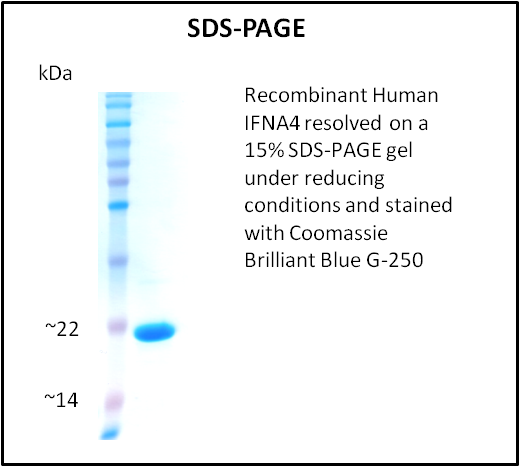
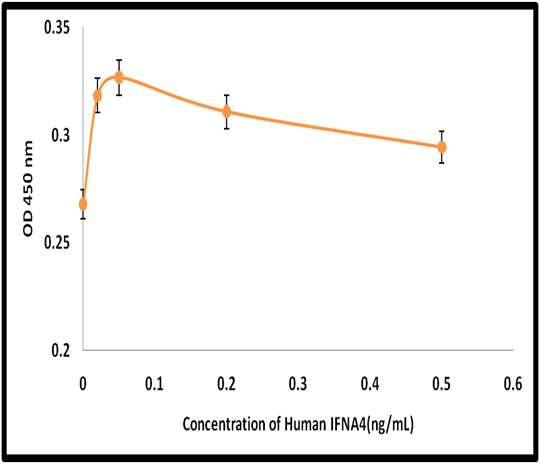 Application Data
IFNA4, Active Protein (Cat# AAA214301)
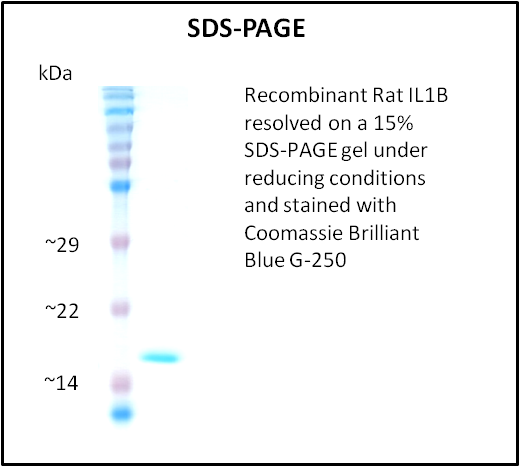
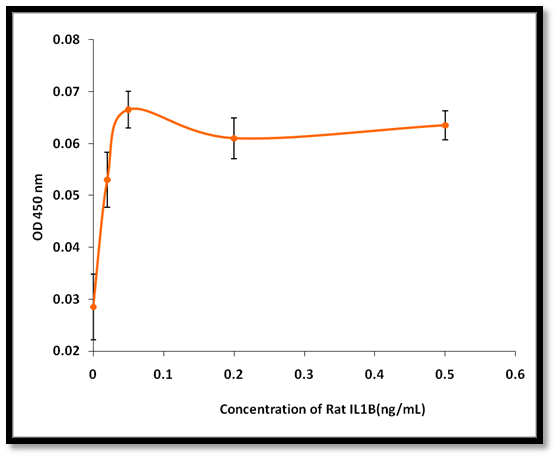 Application Data
IL1B, Active Protein (Cat# AAA214339)
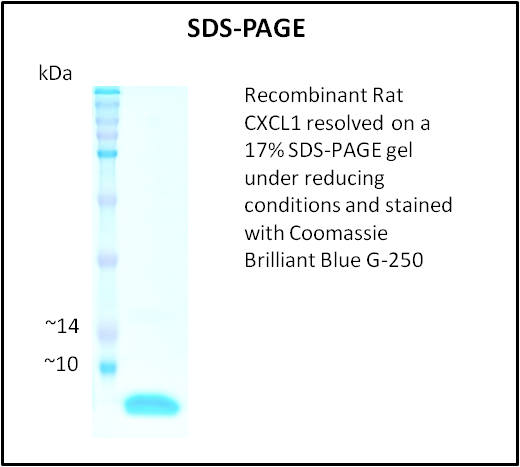
 Application Data
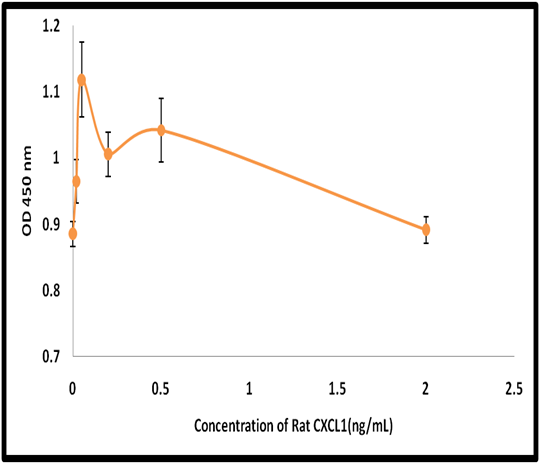
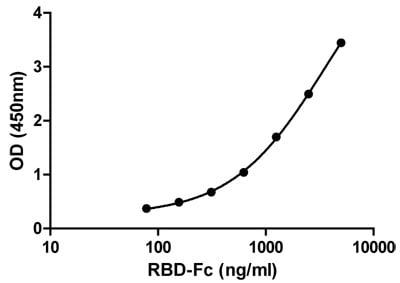
CXCL1, Active Protein (Cat# AAA214340)
 Purity Data
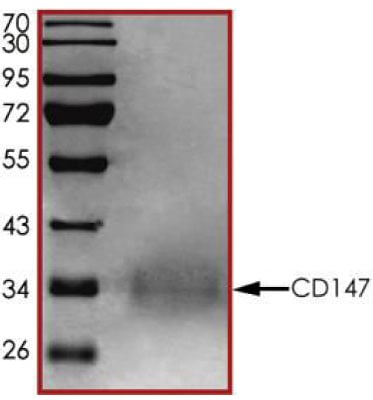
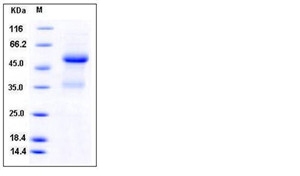
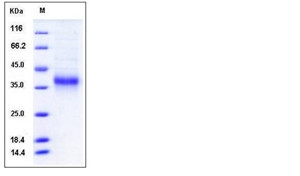
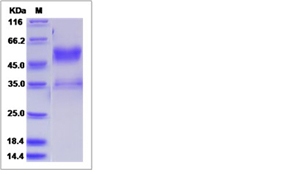
(The purity of CD147 (22-205) was determined to be >90% by densitometry. Approx. MW 30-36 kDa.)
Purity Data
(The purity of CD147 (22-205) was determined to be >90% by densitometry. Approx. MW 30-36 kDa.)
 Application Data
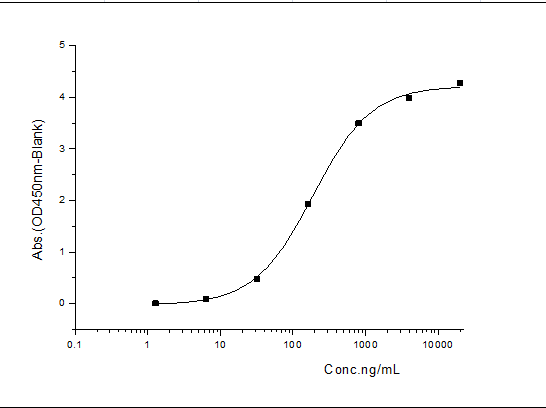
(Measured by its binding ability in a functional ELISA. Immobilized TGFBR2h (1-166Q) at 10 ug/mL (100 uL/well) can bind TGFB1-His/Biotin, the EC50 of human TGFB1-His/Biotin is 130-300 ng/mL.)
Application Data
(Measured by its binding ability in a functional ELISA. Immobilized TGFBR2h (1-166Q) at 10 ug/mL (100 uL/well) can bind TGFB1-His/Biotin, the EC50 of human TGFB1-His/Biotin is 130-300 ng/mL.)
TGFBR2, Active Protein (Cat# AAA257875)
 Application Data
(Measured by its binding ability in a functional ELISA. Immobilized Mouse EphA2 at 2 ug/ml (100 ul/well) can bind mouse EphrinA1 with a linear range of 0.16-20 ng/ml.)
Application Data
(Measured by its binding ability in a functional ELISA. Immobilized Mouse EphA2 at 2 ug/ml (100 ul/well) can bind mouse EphrinA1 with a linear range of 0.16-20 ng/ml.)
Ephrin-A1, Active Protein (Cat# AAA258178)
 Application Data
(Measured by its binding ability in a functional ELISA. Immobilized mouse EphrinA3 at 1 ug/ml (100 ul/well) can bind mouse EPHA6 with a linear ranger of 6.25-400 ng/ml.)
Application Data
(Measured by its binding ability in a functional ELISA. Immobilized mouse EphrinA3 at 1 ug/ml (100 ul/well) can bind mouse EPHA6 with a linear ranger of 6.25-400 ng/ml.)
Ephrin A3, Active Protein (Cat# AAA258179)
 Application Data
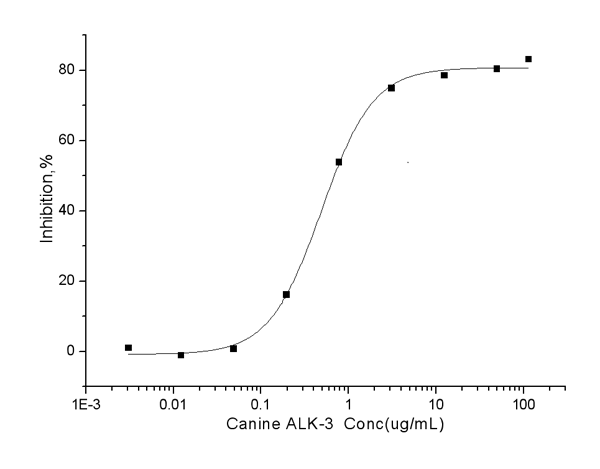
(Measured by its ability to inhibit rhBMP4-induced alkaline phosphatase production by MC3T3-E1 cells. The ED50 for this effect is typically 0.5-2.5 ug/mL in the presence of 50 ng/mL of recombinant human BMP4.)
Application Data
(Measured by its ability to inhibit rhBMP4-induced alkaline phosphatase production by MC3T3-E1 cells. The ED50 for this effect is typically 0.5-2.5 ug/mL in the presence of 50 ng/mL of recombinant human BMP4.)
BMPR1A/ALK-3, Active Protein (Cat# AAA258253)
 Application Data
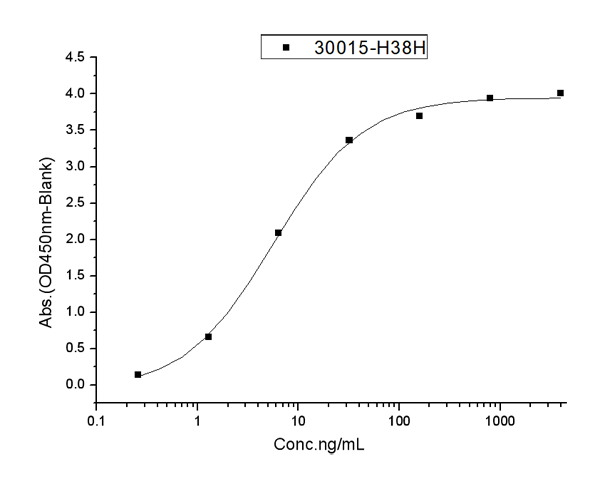
(Measured by its binding ability in a functional ELISA. Immobilized human CD47-His at 2 ug/ml (100 ul/well) can bind human SIRPa(V8)-mFc, the EC50 of human SIRPa(V8)-mFc is 2-14 ng/mL.)
Application Data
(Measured by its binding ability in a functional ELISA. Immobilized human CD47-His at 2 ug/ml (100 ul/well) can bind human SIRPa(V8)-mFc, the EC50 of human SIRPa(V8)-mFc is 2-14 ng/mL.)
SIRP alpha, Active Protein (Cat# AAA258065)
 Application Data
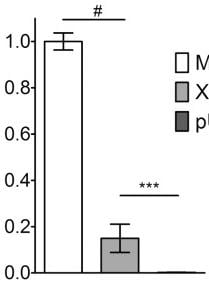
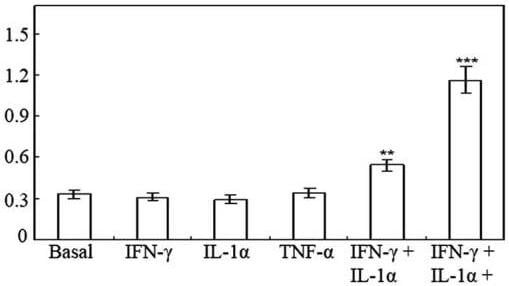
((A) Nitrite production by HT-29 cells following 48 h of treatment with cytokines.Effect of 0–50 ng/ml TNF-? on nitrite production induced by 100 U/ml IFN-? and 10 ng/ml IL-1? in HT-29 cells following 48 h of treatment.)
Application Data
((A) Nitrite production by HT-29 cells following 48 h of treatment with cytokines.Effect of 0–50 ng/ml TNF-? on nitrite production induced by 100 U/ml IFN-? and 10 ng/ml IL-1? in HT-29 cells following 48 h of treatment.)
Interferon-beta 1b, Active Protein (Cat# AAA76387)
 Application Data
VEGF-E, Heparin-binding, Active Protein (Cat# AAA79256)
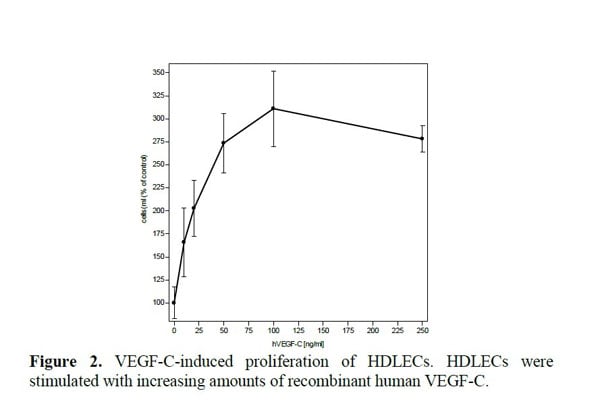 Application Data
VEGF-C, Active Protein (Cat# AAA79305)
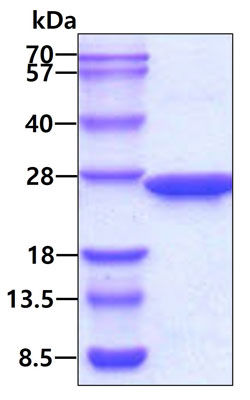
 Bioactivity
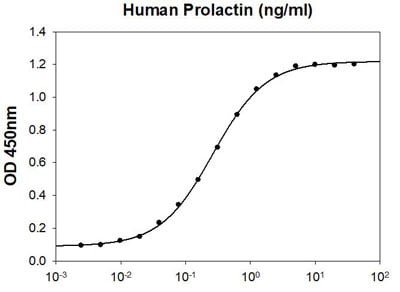
(Human Prolactin in a cell proliferation assay using Nb2-11 Rat lymphoma cells. The ED50 range is less than or equal to 0.5ng/ml.)
Bioactivity
(Human Prolactin in a cell proliferation assay using Nb2-11 Rat lymphoma cells. The ED50 range is less than or equal to 0.5ng/ml.)
Prolactin, Active Protein (Cat# AAA48461)
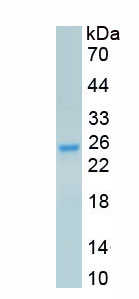
 Bioactivity
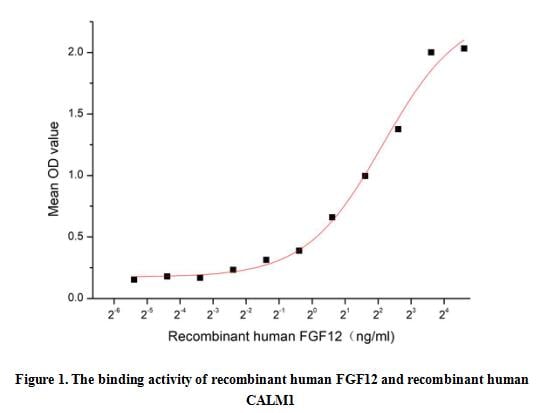
(Fibroblast Growth Factor 12 (FGF12) is a member of the fibroblast growth factor (FGF) family. FGF family members possess broad mitogenic and cell survival activities, and are involved in a variety of biological processes, including embryonic development, cell growth, morphogenesis, tissue repair, tumor growth, and invasion. Fibroblast Growth Factor 12 (FGF12) may represent an important modulator of neuronal network activity and has been associated with developmental and epileptic encephalopathy (DEE). Besides, it is reported that both domains of (Ca2)4-CaM directly bind two sites in the N-terminal domain (NTD) of A-type FGF splice variants (FGF11A, FGF12A, FGF13A, and FGF14A) with high affinity. Calmodulin 1 (CALM1) has been identified as an interactor of FGF12, thus a binding ELISA assay was conducted to detect the interaction of recombinant human FGF12 and recombinant human CALM1. Briefly, FGF12 was diluted serially in PBS with 0.01% BSA (pH 7.4). Duplicate samples of 100 ul were then transferred to CALM1-coated microtiter wells and incubated for 1h at 37 degree C. Wells were washed with PBST and incubated for 1h with anti-FGF12 pAb, then aspirated and washed 3 times. After incubation with HRP labelled secondary antibody for 1h at 37 degree C, wells were aspirated and washed 5 times. With the addition of substrate solution, wells were incubated 15-25 minutes at 37 degree C. Finally, add 50 uL stop solution to the wells and read at 450/630nm immediately. The binding activity of recombinant human FGF12 and recombinant human CALM1 was shown in Figure 1, the EC50 for this effect is 4.44 ug/mL.)
Bioactivity
(Fibroblast Growth Factor 12 (FGF12) is a member of the fibroblast growth factor (FGF) family. FGF family members possess broad mitogenic and cell survival activities, and are involved in a variety of biological processes, including embryonic development, cell growth, morphogenesis, tissue repair, tumor growth, and invasion. Fibroblast Growth Factor 12 (FGF12) may represent an important modulator of neuronal network activity and has been associated with developmental and epileptic encephalopathy (DEE). Besides, it is reported that both domains of (Ca2)4-CaM directly bind two sites in the N-terminal domain (NTD) of A-type FGF splice variants (FGF11A, FGF12A, FGF13A, and FGF14A) with high affinity. Calmodulin 1 (CALM1) has been identified as an interactor of FGF12, thus a binding ELISA assay was conducted to detect the interaction of recombinant human FGF12 and recombinant human CALM1. Briefly, FGF12 was diluted serially in PBS with 0.01% BSA (pH 7.4). Duplicate samples of 100 ul were then transferred to CALM1-coated microtiter wells and incubated for 1h at 37 degree C. Wells were washed with PBST and incubated for 1h with anti-FGF12 pAb, then aspirated and washed 3 times. After incubation with HRP labelled secondary antibody for 1h at 37 degree C, wells were aspirated and washed 5 times. With the addition of substrate solution, wells were incubated 15-25 minutes at 37 degree C. Finally, add 50 uL stop solution to the wells and read at 450/630nm immediately. The binding activity of recombinant human FGF12 and recombinant human CALM1 was shown in Figure 1, the EC50 for this effect is 4.44 ug/mL.)
Fibroblast Growth Factor 12 (FGF12), Active Protein (Cat# AAA161897)

 Bioactivity
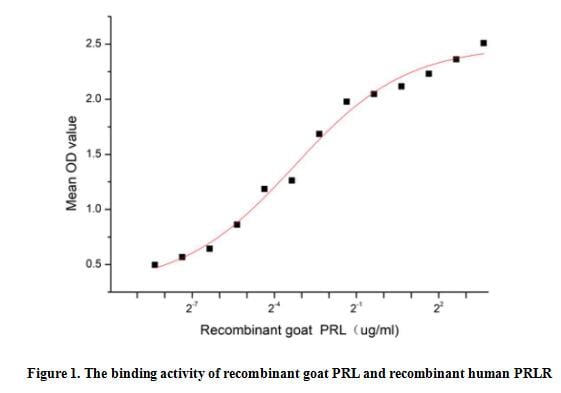
(PRL (prolactin), also known as luteotropin, is a hormone secreted from the pituitary gland and is best known for its role in enabling mammals to produce milk. PRL plays an essential role in metabolism, regulation of the immune system through activating its specific membrane-anchored receptor (PRLR). A functional binding ELISA assay was conducted to detect the interaction of recombinant goat PRL and recombinant human PRLR. Briefly, PRL was diluted serially in PBS with 0.01% BSA (pH 7.4). Duplicate samples of 100 ul were then transferred to PRLR-coated microtiter wells and incubated for 1h at 37 degree C. Wells were washed with PBST and incubated for 1h with anti-PRL pAb, then aspirated and washed 3 times. After incubation with HRP labelled secondary antibody for 1h at 37 degree C, wells were aspirated and washed 5 times. With the addition of substrate solution, wells were incubated 15-25 minutes at 37 degree C. Finally, add 50 uL stop solution to the wells and read at 450/630 nm immediately. The binding activity of recombinant goat PRL and recombinant human PRLR was shown in Figure 1, the EC50 for this effect is 0.1 ug/mL.)
Bioactivity
(PRL (prolactin), also known as luteotropin, is a hormone secreted from the pituitary gland and is best known for its role in enabling mammals to produce milk. PRL plays an essential role in metabolism, regulation of the immune system through activating its specific membrane-anchored receptor (PRLR). A functional binding ELISA assay was conducted to detect the interaction of recombinant goat PRL and recombinant human PRLR. Briefly, PRL was diluted serially in PBS with 0.01% BSA (pH 7.4). Duplicate samples of 100 ul were then transferred to PRLR-coated microtiter wells and incubated for 1h at 37 degree C. Wells were washed with PBST and incubated for 1h with anti-PRL pAb, then aspirated and washed 3 times. After incubation with HRP labelled secondary antibody for 1h at 37 degree C, wells were aspirated and washed 5 times. With the addition of substrate solution, wells were incubated 15-25 minutes at 37 degree C. Finally, add 50 uL stop solution to the wells and read at 450/630 nm immediately. The binding activity of recombinant goat PRL and recombinant human PRLR was shown in Figure 1, the EC50 for this effect is 0.1 ug/mL.)
Prolactin (PRL), Active Protein (Cat# AAA161788)

 Application Data
Interleukin 17 Receptor C (IL17RC), Active Protein (Cat# AAA148123)
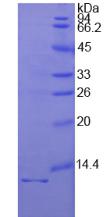
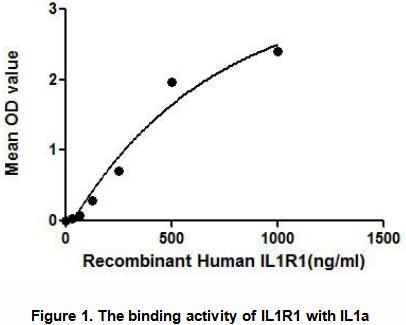
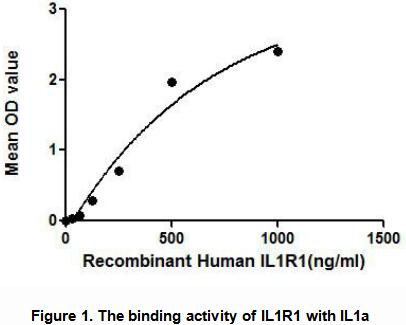 Application Data
Interleukin 1 Receptor Type I (IL1R1), Active Protein (Cat# AAA148134)
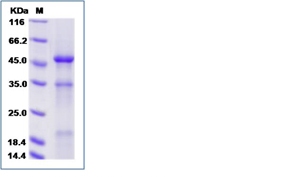
 Application Data
(Measured in a cell proliferation assay using human umbilical vein endothelial cells (HUVEC). The ED50 for this effect is typically 10-50 ng/mL.)
Application Data
(Measured in a cell proliferation assay using human umbilical vein endothelial cells (HUVEC). The ED50 for this effect is typically 10-50 ng/mL.)
TWEAK/TNFSF12, Active Protein (Cat# AAA258138)

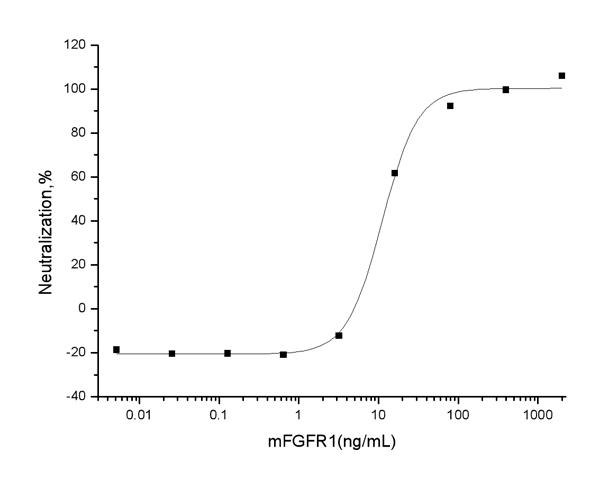 Application Data
(Measured by its ability to inhibit mouse FGF acidic (aFGF/FGF1) dependent proliferation of Balb/C 3T3 mouse fibroblasts. The ED50 for this effect is typically 6-25 ng/mL in the presence of 0.5 ng/mL of mouse FGF acidic (aFGF/FGF1).)
Application Data
(Measured by its ability to inhibit mouse FGF acidic (aFGF/FGF1) dependent proliferation of Balb/C 3T3 mouse fibroblasts. The ED50 for this effect is typically 6-25 ng/mL in the presence of 0.5 ng/mL of mouse FGF acidic (aFGF/FGF1).)
FGFR1, Active Protein (Cat# AAA258140)
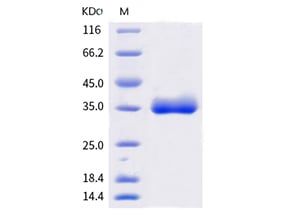
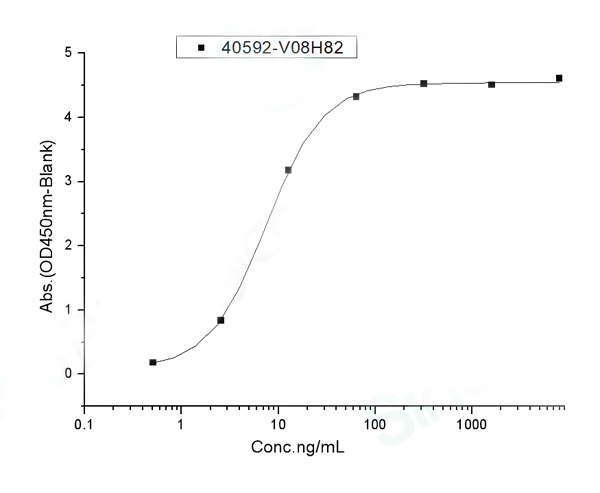 Application Data
COVID 19 Spike RBD(N501Y)-His Coronavirus, Active Protein (Cat# AAA258103)
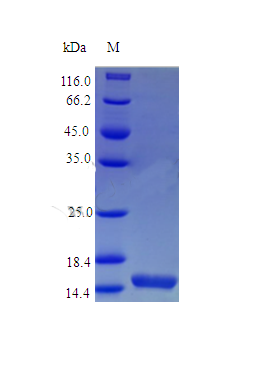 SDS-PAGE
Interleukin-21 protein (Il21), Active Protein (Cat# AAA114250)
 Application Data
VEGF-C, Active Protein (Cat# AAA79143)
 Bioactivity
IL-36 Receptor Antagonist Protein/IL-36RN/IL-1F5, Active Protein (Cat# AAA177938)
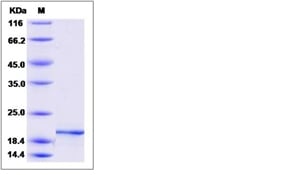
 Application Data
(Measured by its binding ability in a functional ELISA. Immobilized mouse PTN at 10 ug/ml (100 ul/well) can bind rat SDC1-Fc, The EC50 of rat SDC1-Fc is 0.4-1.1 ug/ml.)
Application Data
(Measured by its binding ability in a functional ELISA. Immobilized mouse PTN at 10 ug/ml (100 ul/well) can bind rat SDC1-Fc, The EC50 of rat SDC1-Fc is 0.4-1.1 ug/ml.)
Pleiotrophin/PTN, Active Protein (Cat# AAA258219)
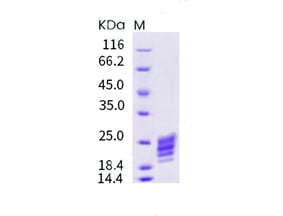
 Application Data
(Measured by its binding ability in a functional ELISA. Immobilized human CEACAM6-his at 10 ug/mL (100 ul/well) can bind biotinylated human CEACAM8-his, The EC50 of biotinylated human CEACAM8-his is 0.17 ug/mL.)
Application Data
(Measured by its binding ability in a functional ELISA. Immobilized human CEACAM6-his at 10 ug/mL (100 ul/well) can bind biotinylated human CEACAM8-his, The EC50 of biotinylated human CEACAM8-his is 0.17 ug/mL.)
CD66b, Active Protein (Cat# AAA257990)
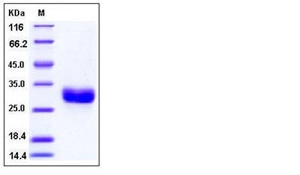
 Application Data
(Immobilized human ulBP1-His at 10 ug/ml (100 ul/well) can bind human S4-Fc3L3-NKG2D, The EC50 of human S4-Fc3L3-NKG2D is 0.39-0.91 ug/ml.)
Application Data
(Immobilized human ulBP1-His at 10 ug/ml (100 ul/well) can bind human S4-Fc3L3-NKG2D, The EC50 of human S4-Fc3L3-NKG2D is 0.39-0.91 ug/ml.)
ULBP1, Active Protein (Cat# AAA257908)
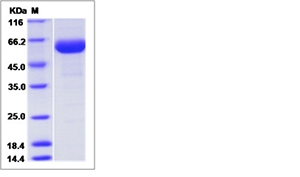
 Application Data
(Measured by its ability to inhibit VEGF-dependent proliferation of human umbilical vein endothelial cells (HUVEC) in the presence of 10 ng/mL rhVEGF165. The ED50 for this effect is 20-80 ng/mL.)
Application Data
(Measured by its ability to inhibit VEGF-dependent proliferation of human umbilical vein endothelial cells (HUVEC) in the presence of 10 ng/mL rhVEGF165. The ED50 for this effect is 20-80 ng/mL.)
VEGFR2/KDR, Active Protein (Cat# AAA257815)
 Bioactivity
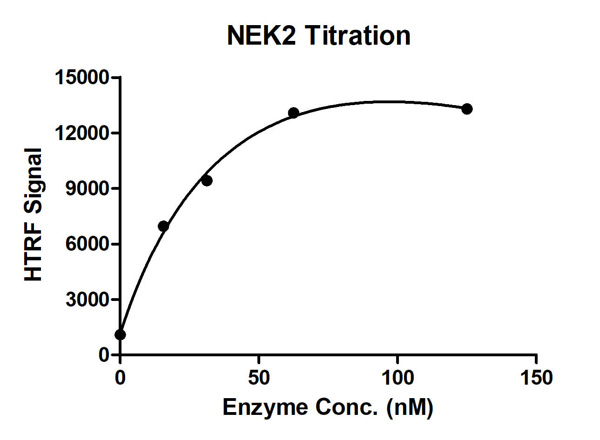
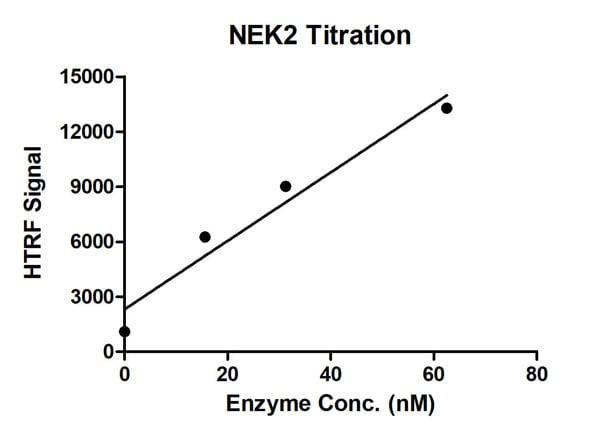
(HTRF assay for NEK2 activity 1 uM STK S3 substrate was incubated with different concentrations of NEK2 protein in a 10 ul reaction system containing 1×Enzymatic Buffer, 5 mM MgCl2, 1 mM DTT, and 100 uM ATP for 1 hour. Then 10 ul detection reagents containing anti-STK antibody (1:2) and SA-XL665 (1:100) diluted with 1× Detection Buffer were added and incubated with the reactions for 30 min. All the operations and reactions were performed at room temperature. HTRF assay was used for detection.)
Bioactivity
(HTRF assay for NEK2 activity 1 uM STK S3 substrate was incubated with different concentrations of NEK2 protein in a 10 ul reaction system containing 1×Enzymatic Buffer, 5 mM MgCl2, 1 mM DTT, and 100 uM ATP for 1 hour. Then 10 ul detection reagents containing anti-STK antibody (1:2) and SA-XL665 (1:100) diluted with 1× Detection Buffer were added and incubated with the reactions for 30 min. All the operations and reactions were performed at room temperature. HTRF assay was used for detection.)
 Bioactivity
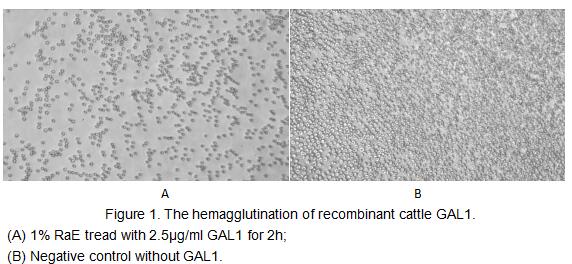
(Figure 2. The hemagglutination assay of GAL1 in V- bottom shaped 96-well microtiter plate.)
Bioactivity
(Figure 2. The hemagglutination assay of GAL1 in V- bottom shaped 96-well microtiter plate.)
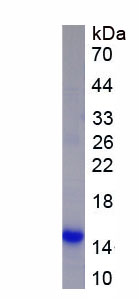
Galectin 1 (GAL1), Active Protein (Cat# AAA153031)

 Application Data
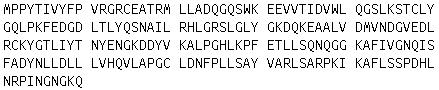
(Figure. Gene Sequencing (Extract))
Application Data
(Figure. Gene Sequencing (Extract))
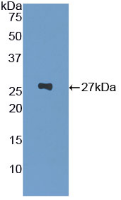
Glutathione S Transferase Pi, Active Protein (Cat# AAA150106)
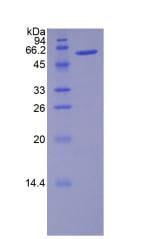
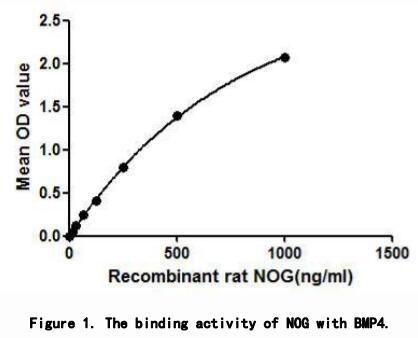
 Application Data
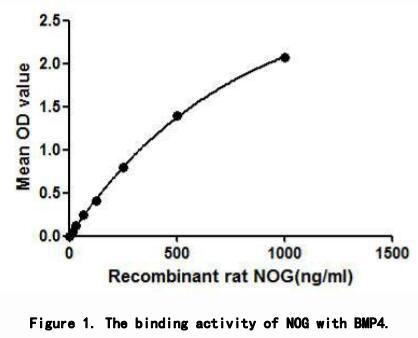
Noggin (NOG), Active Protein (Cat# AAA148132)
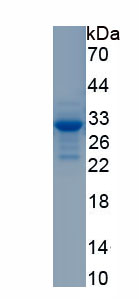
 Bioactivity
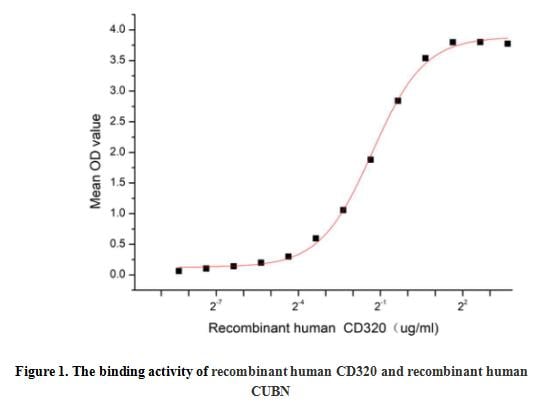
(CD320, also known as the Transcobalamin II receptor (TCb1R) and 8D6A, is an approximately 60 kDa transmembrane member of the LDL receptor family. CD320 is expressed in virtually all tissues and is tightly regulated according to the proliferative/differentiation status of the cell and the cellular levels of B12. Cellular uptake of vitamin B12 (cobalamin) requires capture of transcobalamin (TC) from the plasma by CD320. Cubilin (CUBN) is the intrinsic factor-vitamin B12 receptor, thus a functional binding ELISA assay was conducted to detect the interaction of recombinant human CD320 and recombinant human CUBN. Briefly, biotin-linked CD320 were diluted serially in PBS, with 0.01% BSA (pH 7.4). Duplicate samples of 100 ul were then transferred to CUBN-coated microtiter wells and incubated for 1h at 37 degree C. Wells were washed with PBST 3 times and incubation with Streptavidin-HRP for 30min, then wells were aspirated and washed 5 times. With the addition of substrate solution, wells were incubated 15-25 minutes at 37 degree C. Finally, add 50 ul stop solution to the wells and read at 450 nm immediately. The binding activity of recombinant human CD320 and recombinant human CUBN was shown in Figure 1, the EC50 for this effect is 0.4 ug/mL.)
Bioactivity
(CD320, also known as the Transcobalamin II receptor (TCb1R) and 8D6A, is an approximately 60 kDa transmembrane member of the LDL receptor family. CD320 is expressed in virtually all tissues and is tightly regulated according to the proliferative/differentiation status of the cell and the cellular levels of B12. Cellular uptake of vitamin B12 (cobalamin) requires capture of transcobalamin (TC) from the plasma by CD320. Cubilin (CUBN) is the intrinsic factor-vitamin B12 receptor, thus a functional binding ELISA assay was conducted to detect the interaction of recombinant human CD320 and recombinant human CUBN. Briefly, biotin-linked CD320 were diluted serially in PBS, with 0.01% BSA (pH 7.4). Duplicate samples of 100 ul were then transferred to CUBN-coated microtiter wells and incubated for 1h at 37 degree C. Wells were washed with PBST 3 times and incubation with Streptavidin-HRP for 30min, then wells were aspirated and washed 5 times. With the addition of substrate solution, wells were incubated 15-25 minutes at 37 degree C. Finally, add 50 ul stop solution to the wells and read at 450 nm immediately. The binding activity of recombinant human CD320 and recombinant human CUBN was shown in Figure 1, the EC50 for this effect is 0.4 ug/mL.)
Cluster Of Differentiation 320 (CD320), Active Protein (Cat# AAA161823)
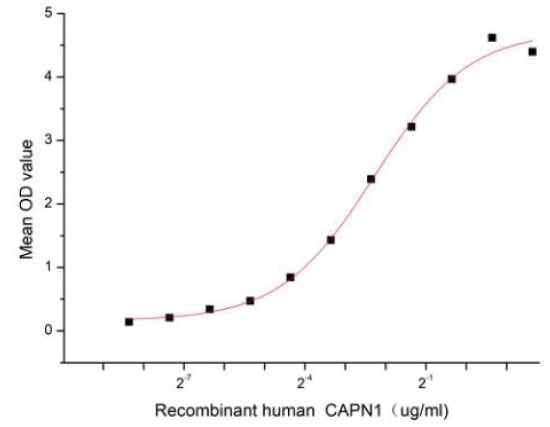
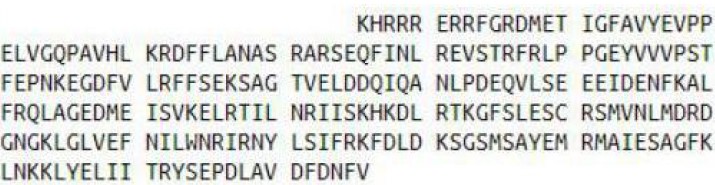
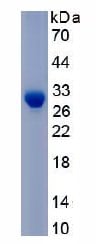 SDS-PAGE
Calpain 1 (CAPN1), Active Protein (Cat# AAA161457)
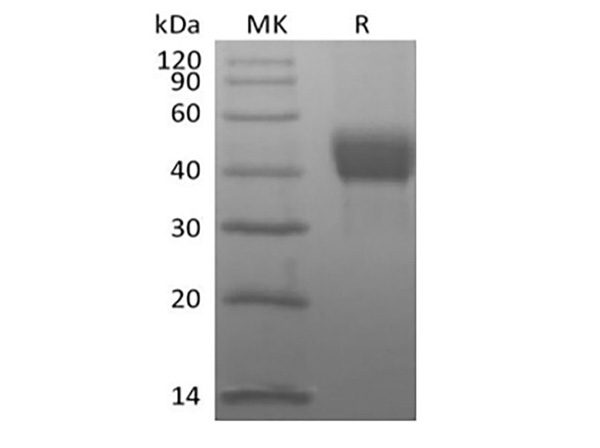
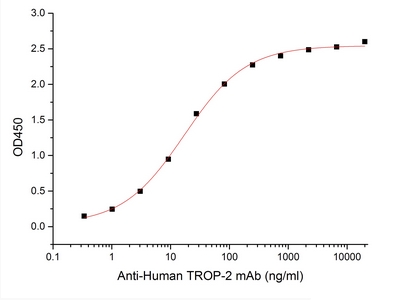 Bioactivity
Tumor-associated Calcium Signal Transducer 2/TROP-2 Biotinylated, Active Protein (Cat# AAA177963)
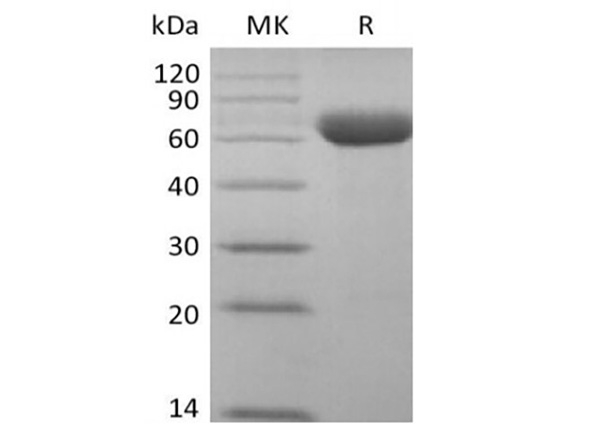
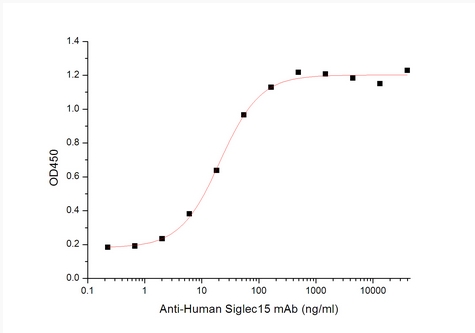 Bioactivity
Sialic acid-binding Ig-like lectin 15/Siglec-15/CD33L3, Active Protein (Cat# AAA177977)
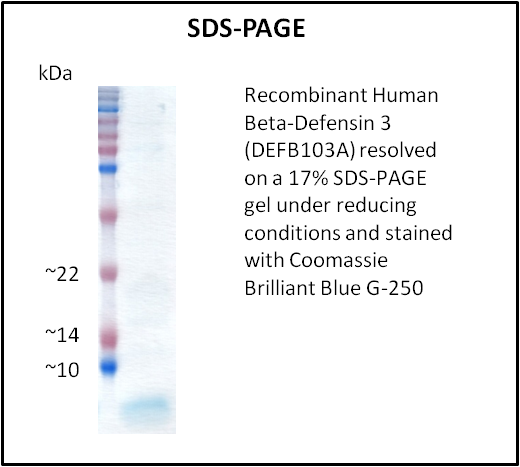
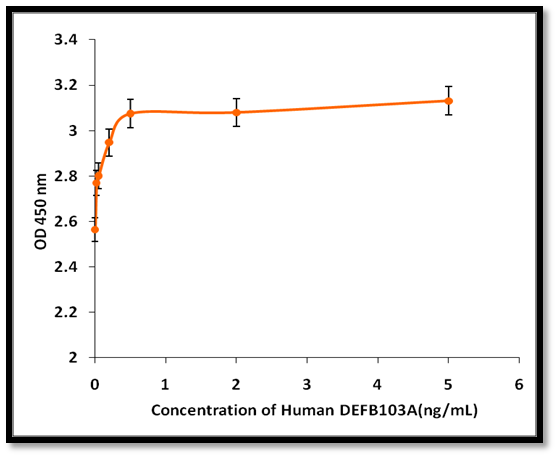 Application Data
Beta-Defensin 3 (DEFB103A), Active Protein (Cat# AAA214214)
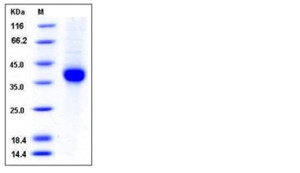
 Application Data
(Measured by its ability to compete with human EphrinA3 / Fc for binding to immobilized mouse EphA6-his in a functional ELISA assay.)
Application Data
(Measured by its ability to compete with human EphrinA3 / Fc for binding to immobilized mouse EphA6-his in a functional ELISA assay.)
Ephrin A3, Active Protein (Cat# AAA257841)

 Application Data
CSF1R, Active Protein (Cat# AAA258124)
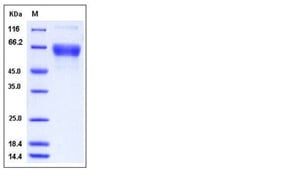
 Application Data
(Measured by its binding ability in a functional ELISA. Immobilized human CTLA4 at 10 ug/mL (100 ul/well) can bind mouse CD80-Fc, The EC50 of mouse CD80-Fc is 28 ng/mL.)
Application Data
(Measured by its binding ability in a functional ELISA. Immobilized human CTLA4 at 10 ug/mL (100 ul/well) can bind mouse CD80-Fc, The EC50 of mouse CD80-Fc is 28 ng/mL.)
B7-1, Active Protein (Cat# AAA258163)
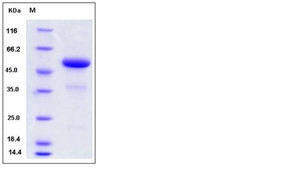
 Application Data
(Measured in antiviral assays using L929 cells infected with vesicular stomatitisvirus (VSV). The ED50 for this effect is 0.1-0.8 ng/mL.)
Application Data
(Measured in antiviral assays using L929 cells infected with vesicular stomatitisvirus (VSV). The ED50 for this effect is 0.1-0.8 ng/mL.)
Interferon alpha 2/IFNA2, Active Protein (Cat# AAA258171)
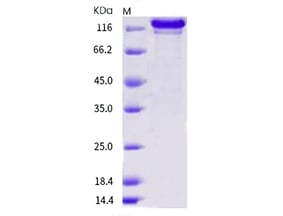
 Application Data
(Measured by its binding ability in a functional ELISA. Immobilized recombinant human Angiopoietin-2 at 10 ug/ml (100 ul/well) can bind Human Tie2 / Fc chimera with a range of 0.2-20 ug/ml.)
Application Data
(Measured by its binding ability in a functional ELISA. Immobilized recombinant human Angiopoietin-2 at 10 ug/ml (100 ul/well) can bind Human Tie2 / Fc chimera with a range of 0.2-20 ug/ml.)
TIE2, Active Protein (Cat# AAA257917)
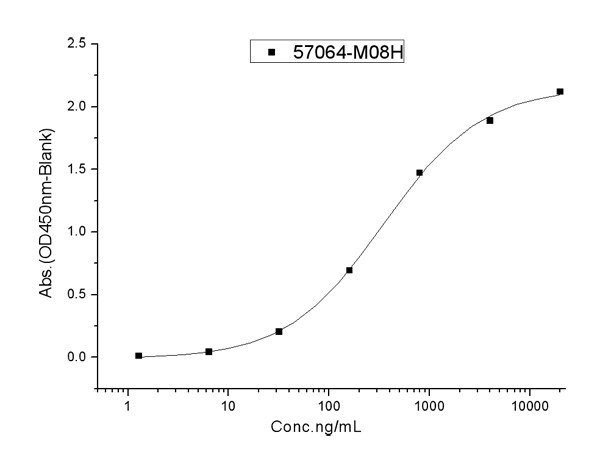
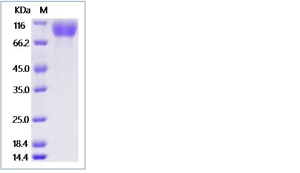 Application Data
PDGFRA, Active Protein (Cat# AAA258242)
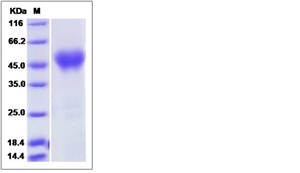
 Application Data
(Measured by its binding ability in a functional ELISA. Immobilized canine NRG1 at 10 ug/ml (100 ul/well) can bind human ErbB4-Fc, The EC50 of human ErbB4-Fc is 0.19-0.43 ug/ml.)
Application Data
(Measured by its binding ability in a functional ELISA. Immobilized canine NRG1 at 10 ug/ml (100 ul/well) can bind human ErbB4-Fc, The EC50 of human ErbB4-Fc is 0.19-0.43 ug/ml.)
Neuregulin-1, Active Protein (Cat# AAA258259)
Apo Transferrin (ATF), Active Protein (Cat# AAA76530)
 Bioactivity
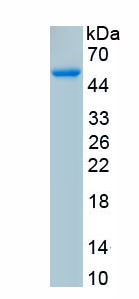
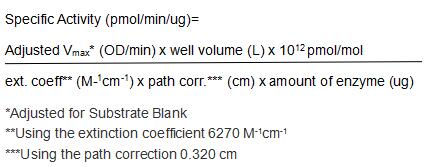
(Isocitrate Dehydrogenase 2 (IDH2) catalyzes the oxidative decarboxylation of isocitrate to alpha-ketoglutarate. There are two subclasses in the IDH family, one of them utilizing NADP as the electron acceptor and the other using NAD. The protein encoded by this gene is the NADP dependent isocitrate dehydrogenase found in the mitochondrial. The activity of recombinant human IDH2 was measured by the ability to oxidatively decarboxylate isocitrate to 2-oxoglutarate. The reaction was performed in 25 mM Tris, 0.5 mM MnCl2, 5 mM DTT, pH 7.5 (Assay Buffer), initiated by addition 50 uL of various concentrations of IDH2 (diluted by Assay Buffer) to 50 uL of substrate mixture consisted of 1 mM NADP and 2 mM isocitric acid. The final well serves as a negative control with no IDH2, replaced with 50ul assay buffer. Incubated at 25 degree C for 5min, then read at a wavelength of 340 nm. The specific activity of recombinant human IDH2 is >200 pmol/min/ug.)
Bioactivity
(Isocitrate Dehydrogenase 2 (IDH2) catalyzes the oxidative decarboxylation of isocitrate to alpha-ketoglutarate. There are two subclasses in the IDH family, one of them utilizing NADP as the electron acceptor and the other using NAD. The protein encoded by this gene is the NADP dependent isocitrate dehydrogenase found in the mitochondrial. The activity of recombinant human IDH2 was measured by the ability to oxidatively decarboxylate isocitrate to 2-oxoglutarate. The reaction was performed in 25 mM Tris, 0.5 mM MnCl2, 5 mM DTT, pH 7.5 (Assay Buffer), initiated by addition 50 uL of various concentrations of IDH2 (diluted by Assay Buffer) to 50 uL of substrate mixture consisted of 1 mM NADP and 2 mM isocitric acid. The final well serves as a negative control with no IDH2, replaced with 50ul assay buffer. Incubated at 25 degree C for 5min, then read at a wavelength of 340 nm. The specific activity of recombinant human IDH2 is >200 pmol/min/ug.)
Isocitrate Dehydrogenase 2, mitochondrial (IDH2), Active Protein (Cat# AAA161929)
What Are Active Proteins?
Proteins are large molecules made up of long chains of amino acids. They will typically fold into a very particular 3-dimensional shape/conformation, that is sometimes referred to as their “native” form, which allows them to work properly in the body. For the purposes of product categorization, AAA Biotech will typically refer to proteins purified from their original animal host as being “native” proteins (this is to signify their difference compared to their recombinant proteins or “synthetic” protein counterparts).
If a protein successfully folds into the correct shape, it will typically display high fidelity characteristics to its original protein in its original animal host and be classified as an active protein, as it will be able to function “normally” in most enzymatic or binding capacities. If it loses this shape, due to factors such as heat or strong chemicals (such as detergents), it becomes inactive and is no longer able to perform its basic functions.
All of the proteins in this category are made under strict quality control, and they are active, pure, low in contaminants, and stable. Most are stored as freeze-dried powders and come without extra tags, so they’re very close to the actual natural/native form.
Learn more in our guide “How active proteins work”.
Key Applications of Active Proteins
1. Scientific Research
- Aid in the study of how proteins function in the body
- Aid in understanding various disease processes
2. Drug Development
- Powerful tools to investigate how potential drugs interact with specific proteins
- Ideal for identifying drug targets
3. Cell Culture
- Are routinely utilized to support cell growth and function (e.g., using exogenous growth factors)
- Can be used to promote cellular development into specific types (differentiation)
4. Diagnostics
- Regularly utilized in tests to detect diseases or infections (e.g., COVID-19, cancer)
- Note: All products are strictly for research-use only (RUO).
5. Therapeutics
- Some active proteins are used directly as treatments (e.g., insulin, enzymes)
- Note: All products are strictly for research-use only (RUO).
6. Vaccine Development
- Used to create or test vaccines by mimicking parts of viruses or bacteria
7. Biochemical Assays
- They can facilitate the characterization of enzyme activity, binding strength, or protein interactions in lab tests
Why Buy Active Proteins from AAA Biotech?
- High biological activity – Verified to perform as expected or indicated on datasheet
- Strict quality control – We are confident in our active proteins’ reliability and consistency
- High purity & low endotoxin – Ideal for applications involving sensitive or precious samples/components
- Freeze-dried for stability – Long shelf life and straightforward storage
- Mostly tag-free – Closer to natural/native protein form
FAQ
1. What are active proteins used for in research?
Active proteins are used primarily in the study of how proteins function, in characterizing/discovering drug interactions, supporting cell growth, running biochemical assays, and in development of diagnostics or therapeutics.
2. How are AAA Biotech's active proteins validated?
AAA Biotech’s active proteins are validated through strict quality control and functional assays to ensure they are properly folded and active. “Active”, though, can be an ambiguous term, so if a specific “activity” or “binding” capability of a protein is of crucial interest to you, please inquire with us prior to purchase, and we will provide further details on how the “Active” modifier was determined to be applicable.
3. Are these proteins tested for biological activity?
Yes, all active proteins from AAA Biotech are tested to confirm they have the expected biological activity before being offered for use. Though, said “biological activity” can be either “enzymatic”, “binding”, or both.