
Filters
▼Clonality
▼Type
▼Reactivity
▼Gene Name
▼Isotype
▼Host
▼Application
▼Clone
▼Active Proteins
AAA Biotech also known as AAA Bio or AAABio provides a variety of high-quality recombinant and natural/native proteins that are proven to work in a wide range of experiments. Explore our products to find the active protein that best fits your needs or experimental model.
Viewing 1300-1350 of 2875 product results
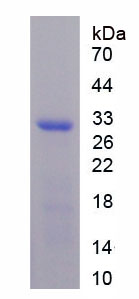
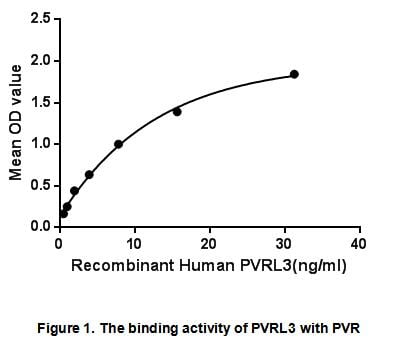 Bioactivity
(Poliovirus receptor-related 3 (PVRL3), also known as nectin-3 and CD113, is a human protein of the immunoglobulin superfamily which forms part of adherens junctions. Nectins and Nectin-like molecules (Necl) are families of cellular adhesion molecules invo)
Bioactivity
(Poliovirus receptor-related 3 (PVRL3), also known as nectin-3 and CD113, is a human protein of the immunoglobulin superfamily which forms part of adherens junctions. Nectins and Nectin-like molecules (Necl) are families of cellular adhesion molecules invo)
Poliovirus Receptor Related Protein 3 (PVRL3), Active Protein (Cat# AAA153088)
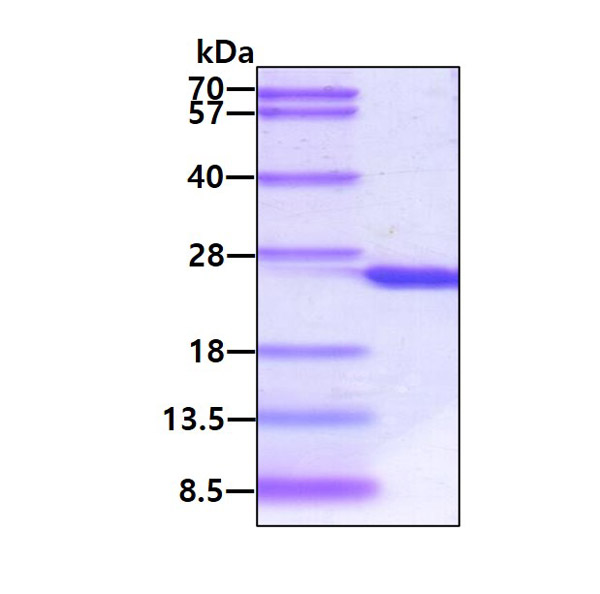
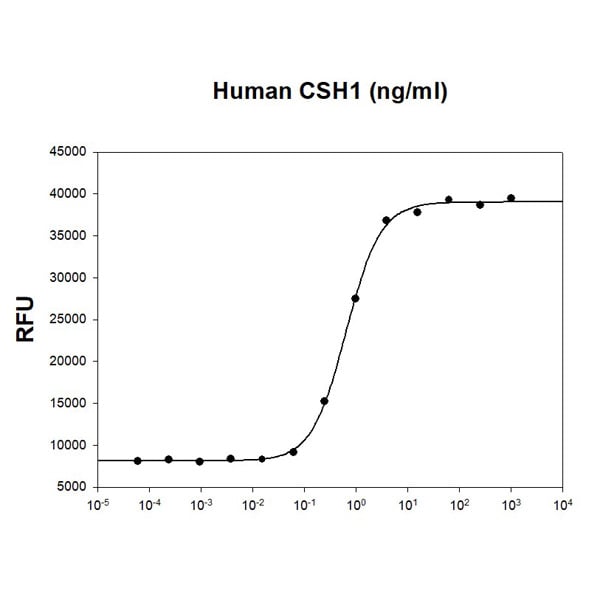 Bioactivity
(Human CSH1 stimulates cell proliferation of the Nb2-11 Rat lymphoma cells. The ED50 range )
Bioactivity
(Human CSH1 stimulates cell proliferation of the Nb2-11 Rat lymphoma cells. The ED50 range )
Placental Lactogen/CSH1, Active Protein (Cat# AAA48364)
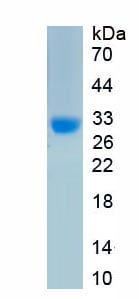
 Bioactivity
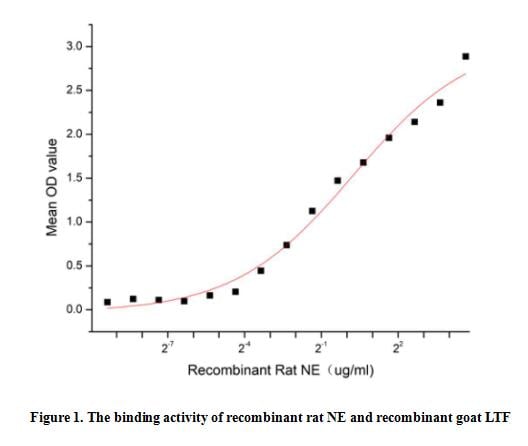
(Neutrophil elastase (NE), also known as polymorphonuclear leukocyte elastase, is a major protease in the primary granules of neutrophils, is involved in microbicidal activity. It is located primarily in the azurophil granules of polymorphonuclear leukocytes. NE is an important factor promoting inflammation, has bactericidal effects, and shortens the inflammatory process. NE also regulates tumor growth by promoting metastasis and tumor microenvironment remodeling. However, NE plays a role in killing tumors under certain conditions and promotes other diseases such as pulmonary ventilation dysfunction. Additionally, it plays a complex role in various physiological processes and mediates several diseases. Lactoferrin (LTF) has been identified as an interactor of NE, thus a functional binding ELISA assay was conducted to detect the interaction of recombinant rat NE and recombinant goat LTF. Briefly, biotin-linked NE were diluted serially in PBS, with 0.01% BSA (pH 7.4). Duplicate samples of 100 ul were then transferred to LTF-coated microtiter wells and incubated for 1h at 37 degree C. Wells were washed with PBST 3 times and incubation with Streptavidin-HRP for 30min, then wells were aspirated and washed 5 times. With the addition of substrate solution, wells were incubated 15-25 minutes at 37 degree C. Finally, add 50 ul stop solution to the wells and read at 450 nm immediately. The binding activity of recombinant rat NE and recombinant goat LTF was shown in Figure 1, the EC50 for this effect is 1.19 ug/mL.)
Bioactivity
(Neutrophil elastase (NE), also known as polymorphonuclear leukocyte elastase, is a major protease in the primary granules of neutrophils, is involved in microbicidal activity. It is located primarily in the azurophil granules of polymorphonuclear leukocytes. NE is an important factor promoting inflammation, has bactericidal effects, and shortens the inflammatory process. NE also regulates tumor growth by promoting metastasis and tumor microenvironment remodeling. However, NE plays a role in killing tumors under certain conditions and promotes other diseases such as pulmonary ventilation dysfunction. Additionally, it plays a complex role in various physiological processes and mediates several diseases. Lactoferrin (LTF) has been identified as an interactor of NE, thus a functional binding ELISA assay was conducted to detect the interaction of recombinant rat NE and recombinant goat LTF. Briefly, biotin-linked NE were diluted serially in PBS, with 0.01% BSA (pH 7.4). Duplicate samples of 100 ul were then transferred to LTF-coated microtiter wells and incubated for 1h at 37 degree C. Wells were washed with PBST 3 times and incubation with Streptavidin-HRP for 30min, then wells were aspirated and washed 5 times. With the addition of substrate solution, wells were incubated 15-25 minutes at 37 degree C. Finally, add 50 ul stop solution to the wells and read at 450 nm immediately. The binding activity of recombinant rat NE and recombinant goat LTF was shown in Figure 1, the EC50 for this effect is 1.19 ug/mL.)
Neutrophil Elastase (NE), Active Protein (Cat# AAA161713)
 Application Data
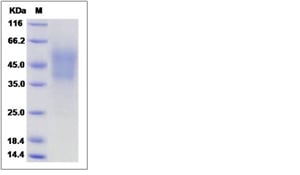
(Measured in a cell proliferation assay using M-NFS-60 mouse myelogenous leukemia lymphoblast cells. The ED50 for this effect is typically 2-10 ng/ml.)
Application Data
(Measured in a cell proliferation assay using M-NFS-60 mouse myelogenous leukemia lymphoblast cells. The ED50 for this effect is typically 2-10 ng/ml.)
M-CSF, Active Protein (Cat# AAA258231)
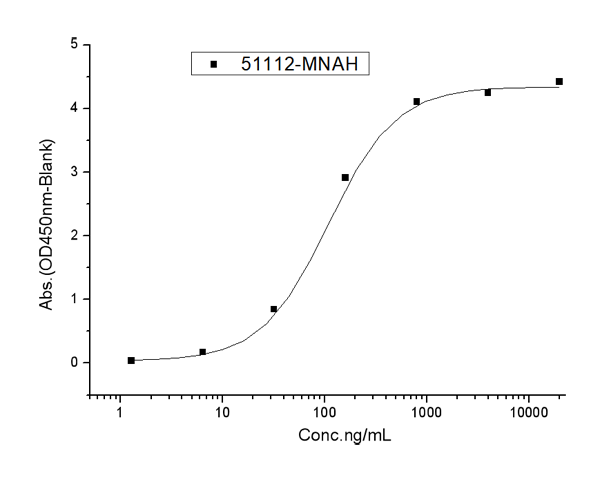 Application Data
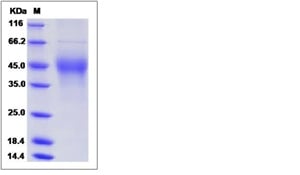
(Immobilized mouse CSF1 at 2 ug/ml (100 ul/well) can bind mouse CSF1R-Fch, The EC50 of mouse CSF1R-Fch is 60-220 ng/mL.)
Application Data
(Immobilized mouse CSF1 at 2 ug/ml (100 ul/well) can bind mouse CSF1R-Fch, The EC50 of mouse CSF1R-Fch is 60-220 ng/mL.)
M-CSF, Active Protein (Cat# AAA258232)
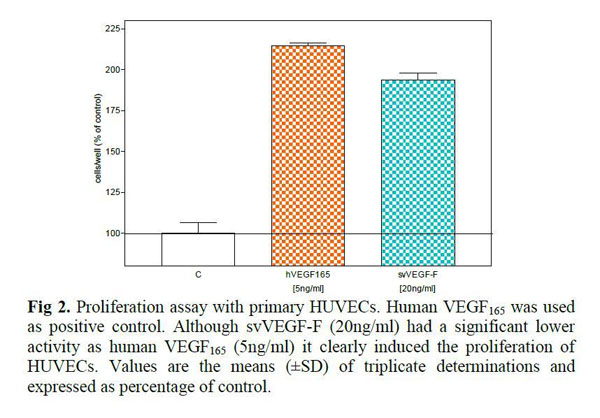
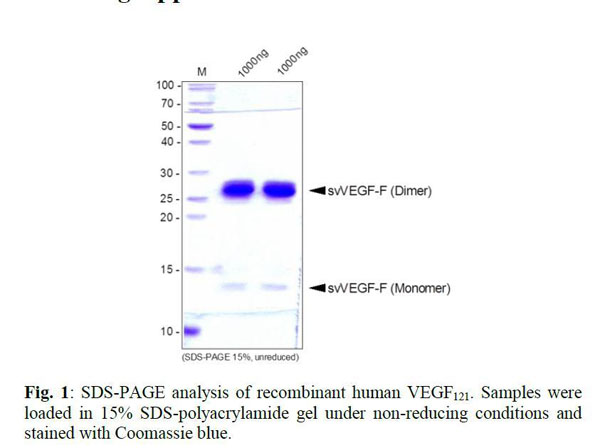
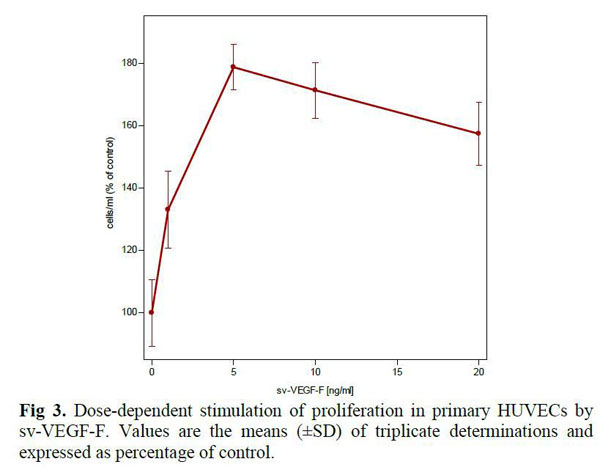 Application Data
VEGF-F (Bothrops insularis), Active Protein (Cat# AAA79144)
Glutamic-Pyruvate Transaminase, Active Protein (Cat# AAA38251)
Cancer Antigen 19-9, Active Protein (Cat# AAA44842)
 Bioactivity
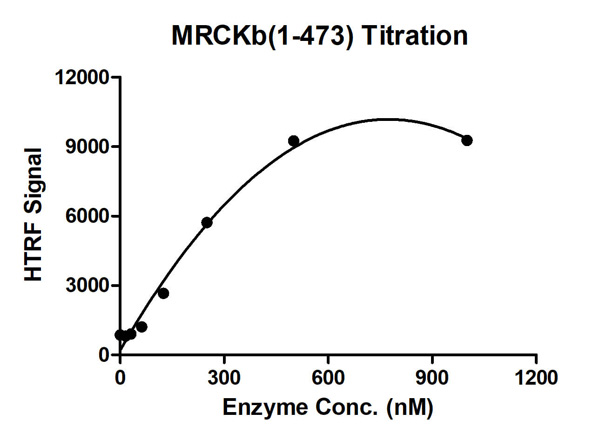
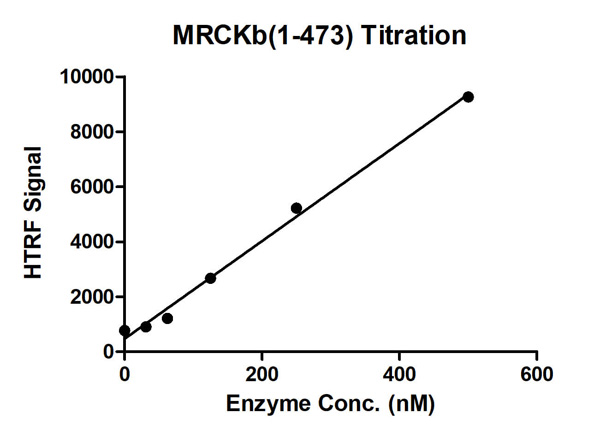
(HTRF assay for Recombinant MRCKb/CDC42BPB (1-473) protein activity 1 uM STK S3 substrate was incubated with different concentrations of MRCKb/CDC42BPB (1-473) protein in a 10 ul reaction system containing 5 mM MgCl2, 1 mM DTT and 100 uM ATP for 1 hour. Then 10 ul detection reagents containing anti-STK antibody (1:2) GST and SA-XL665 mixture (each 1:100 diluted with 1X Detection Buffer were added and incubated with the reactions for 30 min. All the operations and reactions were performed at room temperature. HTRF assay was used for detection.)
Bioactivity
(HTRF assay for Recombinant MRCKb/CDC42BPB (1-473) protein activity 1 uM STK S3 substrate was incubated with different concentrations of MRCKb/CDC42BPB (1-473) protein in a 10 ul reaction system containing 5 mM MgCl2, 1 mM DTT and 100 uM ATP for 1 hour. Then 10 ul detection reagents containing anti-STK antibody (1:2) GST and SA-XL665 mixture (each 1:100 diluted with 1X Detection Buffer were added and incubated with the reactions for 30 min. All the operations and reactions were performed at room temperature. HTRF assay was used for detection.)
MRCKb/CDC42BPB, Active Protein (Cat# AAA60315)
Placenta Growth Factor-2, Active Protein (Cat# AAA38199)
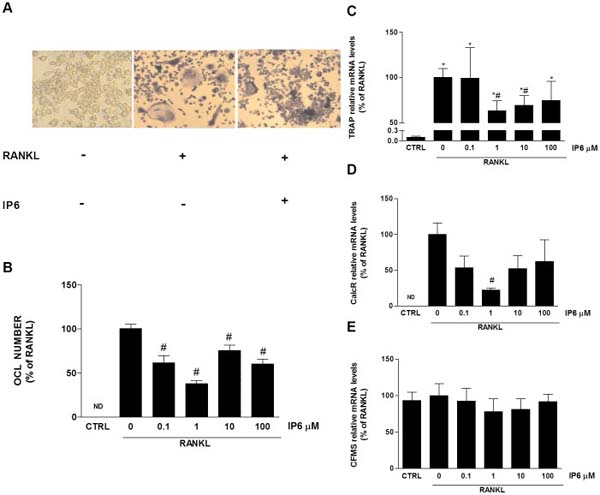 Application Data
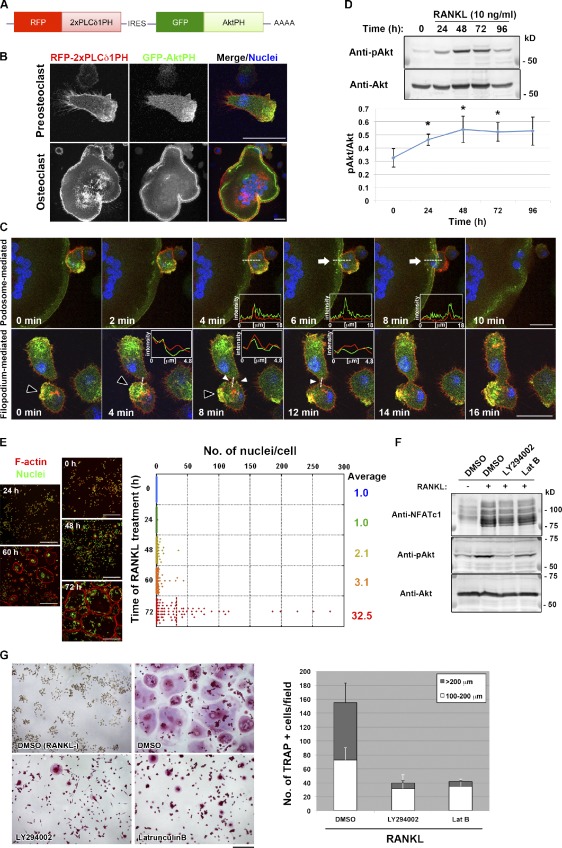
(Polarized membrane extensions mediate osteoclast fusion.(D, top) Immunoblot analysis of lysates of RAW264.7 macrophages stimulated with RANKL for the indicated times with antibodies to Ser473-phosphorylated (p) or total forms of Akt.)
Application Data
(Polarized membrane extensions mediate osteoclast fusion.(D, top) Immunoblot analysis of lysates of RAW264.7 macrophages stimulated with RANKL for the indicated times with antibodies to Ser473-phosphorylated (p) or total forms of Akt.)
Soluble RANK ligand, Active Protein (Cat# AAA76383)
 Bioactivity
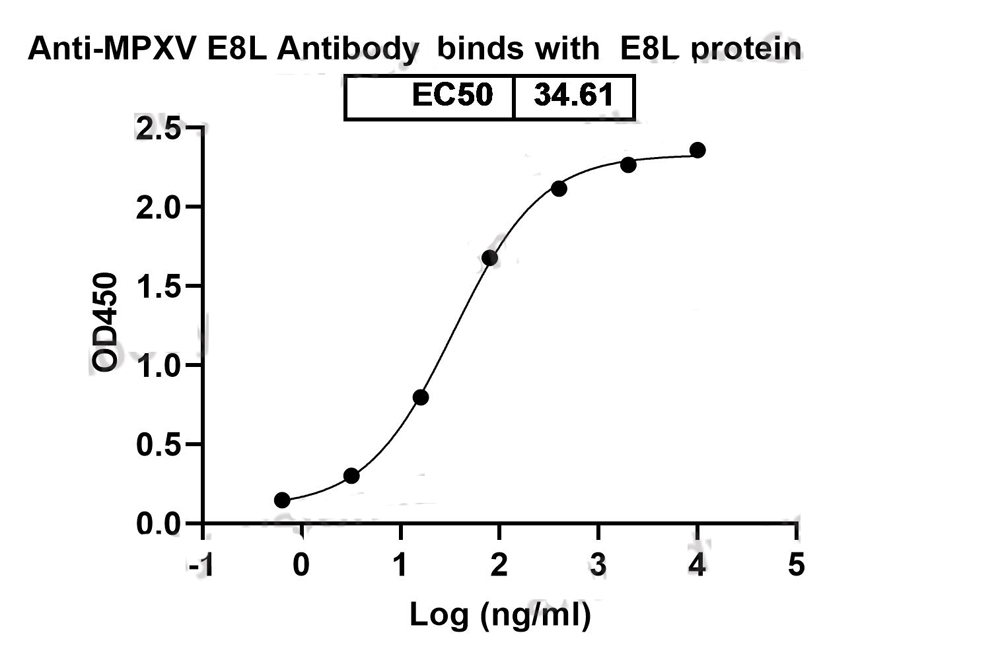
(Anti-MPXV E8L Antibody (SAA0285) binds with E8L protein)
Bioactivity
(Anti-MPXV E8L Antibody (SAA0285) binds with E8L protein)
Monkeypox virus/MPXV E8L, Active Protein (Cat# AAA120194)
 Bioactivity
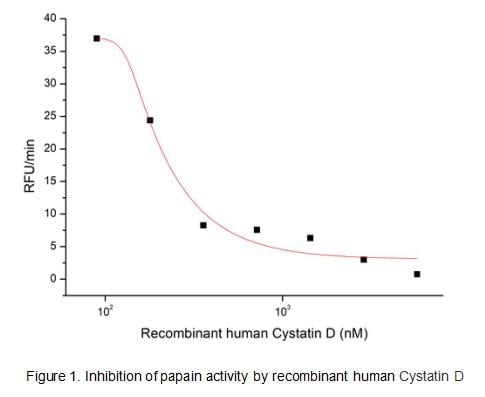
(Cystatin D is a member of family 2 of the cystatin superfamily. In contrast to other members of family 2, Cystatin D has restricted tissue distribution and has been found only in saliva and tears. Two allelic variants (Arg46 and Cys46) are known in the human protein and they are not significantly different in their inhibitory activity against papain and cathepsins B, H, L and S. Recombinant Human Cystatin D corresponds to the Arg46 variant. The functions of Cystatin D are largely unknown. However, Cystatin D has been shown to inhibit coronavirus replication at its physiological concentration (0.121.9 uM) and has been suggested to play a protective role against proteases present in the oral cavity. The activity of recombinant human Cystatin D was measured by its ability to inhibit papain cleavage of a fluorogenic peptide substrate Z-FR-AMC in the assay buffer 50 mM Tris, pH 7.0. Papain was diluted to 500 ug/ml in activation buffer 50 mM Tris, 5 mM DTT, pH 7.0 and incubated at room temperature for 15 minutes. The activated papain was diluted to 100 ug/ml in the assay buffer and 20 ul different concentrations of recombinant human Cystatin D (MW: 17.45 KD) was incubated with 20 ul 100 ug/ml papain at 37 degree C for 10 minutes. Loading 50 uL of the incubated mixtures which were diluted five-fold in assay buffer into empty wells of a plate, and start the reaction by adding 50 uL of 200 uM substrate. Include a substrate blank containing 50 uL of assay buffer and 50 uL of 200 uM substrate. Then read at excitiation and emission wavelengths of 380 nm and 460 nm, respectively, in kinetic mode for 5 minutes. The result was shown in Figure 1 and it was obvious that recombinant human Cystatin D significantly decreased papain activity. The inhibition IC50 was )
Bioactivity
(Cystatin D is a member of family 2 of the cystatin superfamily. In contrast to other members of family 2, Cystatin D has restricted tissue distribution and has been found only in saliva and tears. Two allelic variants (Arg46 and Cys46) are known in the human protein and they are not significantly different in their inhibitory activity against papain and cathepsins B, H, L and S. Recombinant Human Cystatin D corresponds to the Arg46 variant. The functions of Cystatin D are largely unknown. However, Cystatin D has been shown to inhibit coronavirus replication at its physiological concentration (0.121.9 uM) and has been suggested to play a protective role against proteases present in the oral cavity. The activity of recombinant human Cystatin D was measured by its ability to inhibit papain cleavage of a fluorogenic peptide substrate Z-FR-AMC in the assay buffer 50 mM Tris, pH 7.0. Papain was diluted to 500 ug/ml in activation buffer 50 mM Tris, 5 mM DTT, pH 7.0 and incubated at room temperature for 15 minutes. The activated papain was diluted to 100 ug/ml in the assay buffer and 20 ul different concentrations of recombinant human Cystatin D (MW: 17.45 KD) was incubated with 20 ul 100 ug/ml papain at 37 degree C for 10 minutes. Loading 50 uL of the incubated mixtures which were diluted five-fold in assay buffer into empty wells of a plate, and start the reaction by adding 50 uL of 200 uM substrate. Include a substrate blank containing 50 uL of assay buffer and 50 uL of 200 uM substrate. Then read at excitiation and emission wavelengths of 380 nm and 460 nm, respectively, in kinetic mode for 5 minutes. The result was shown in Figure 1 and it was obvious that recombinant human Cystatin D significantly decreased papain activity. The inhibition IC50 was )
Cystatin 5 (CST5), Active Protein (Cat# AAA161930)
 Bioactivity
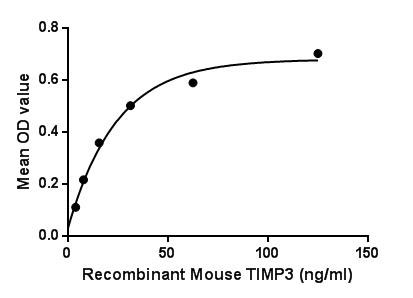
(Figure. The binding activity of TIMP3 with MMP2.Tissue Inhibitors Of Metalloproteinase 3 (TIMP3) is an protein belongs to the tissue inhibitor of metalloproteinases family. They are inhibitors of the matrix metalloproteinases. TIMP-3 is the only member of the TIMP family which is found exclusively in the extracellular matrix (ECM). It is regulated in a cell cycle-dependent fashion in certain cell types and may serve as a marker for terminal differentiation. Besides, Matrix Metalloproteinase 2 (MMP2) has been identified as an interactor of TIMP3, thus a binding ELISA assay was conducted to detect the interaction of recombinant mouse TIMP3 and recombinant mouse MMP2. Briefly, TIMP3 were diluted serially in PBS, with 0.01% BSA (pH 7.4). Duplicate samples of 100ul were then transferred to MMP2-coated microtiter wells and incubated for 2h at 37. Wells were washed with PBST and incubated for 1h with anti-TIMP3 pAb, then aspirated and washed 3 times. After incubation with HRP labelled secondary antibody, wells were aspirated and washed 3 times. With the addition of substrate solution, wells were incubated 15-25 minutes at 37. Finally, add 50uL stop solution to the wells and read at 450nm immediately. The binding activity of TIMP3 and MMP2 was shown in Figure 1, and this effect was in a dose dependent manner.)
Bioactivity
(Figure. The binding activity of TIMP3 with MMP2.Tissue Inhibitors Of Metalloproteinase 3 (TIMP3) is an protein belongs to the tissue inhibitor of metalloproteinases family. They are inhibitors of the matrix metalloproteinases. TIMP-3 is the only member of the TIMP family which is found exclusively in the extracellular matrix (ECM). It is regulated in a cell cycle-dependent fashion in certain cell types and may serve as a marker for terminal differentiation. Besides, Matrix Metalloproteinase 2 (MMP2) has been identified as an interactor of TIMP3, thus a binding ELISA assay was conducted to detect the interaction of recombinant mouse TIMP3 and recombinant mouse MMP2. Briefly, TIMP3 were diluted serially in PBS, with 0.01% BSA (pH 7.4). Duplicate samples of 100ul were then transferred to MMP2-coated microtiter wells and incubated for 2h at 37. Wells were washed with PBST and incubated for 1h with anti-TIMP3 pAb, then aspirated and washed 3 times. After incubation with HRP labelled secondary antibody, wells were aspirated and washed 3 times. With the addition of substrate solution, wells were incubated 15-25 minutes at 37. Finally, add 50uL stop solution to the wells and read at 450nm immediately. The binding activity of TIMP3 and MMP2 was shown in Figure 1, and this effect was in a dose dependent manner.)
Tissue Inhibitors Of Metalloproteinase 3, Active Protein (Cat# AAA150076)
 SDS-PAGE
Interleukin 17 Receptor B (IL17RB), Active Protein (Cat# AAA148246)
 Application Data
(Measured by its binding ability in a functional ELISA. Immobilized human NCR3 at 10 ug/mL (100 uL/well) can bind human B7-H6, the EC50 of human B7-H6 is 20-100 ng/mL.)
Application Data
(Measured by its binding ability in a functional ELISA. Immobilized human NCR3 at 10 ug/mL (100 uL/well) can bind human B7-H6, the EC50 of human B7-H6 is 20-100 ng/mL.)
NKp30/NCR3, Active Protein (Cat# AAA257889)
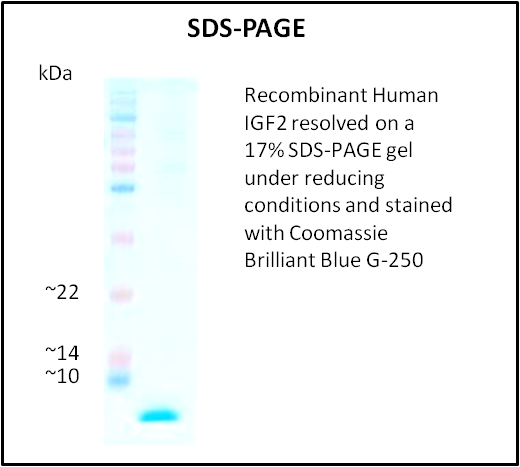
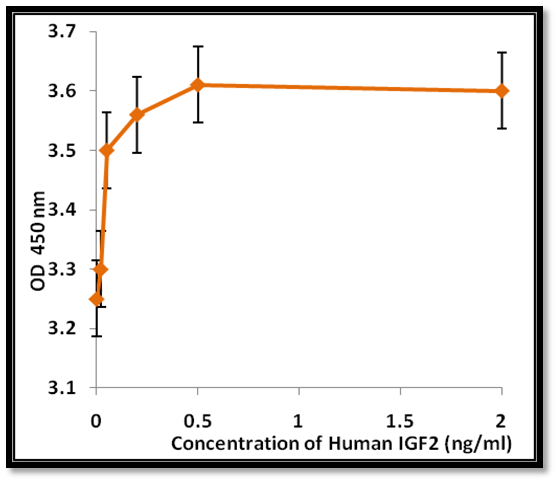 Application Data
IGF2, Active Protein (Cat# AAA214298)
Cathepsin G, Active Protein (Cat# AAA44787)
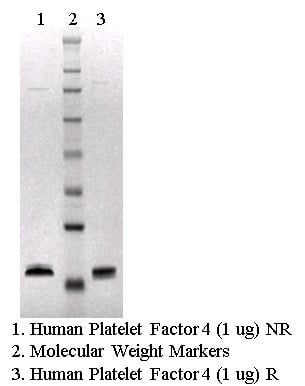 Application Data
Platelet Factor 4, Active Protein (Cat# AAA37788)
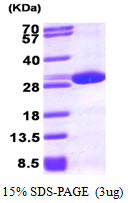 SDS-PAGE
(3ug by SDS-PAGE under reducing condition and visualized fby coomassie blue stain.)
SDS-PAGE
(3ug by SDS-PAGE under reducing condition and visualized fby coomassie blue stain.)
Peroxiredoxin 6, Active Protein (Cat# AAA48548)
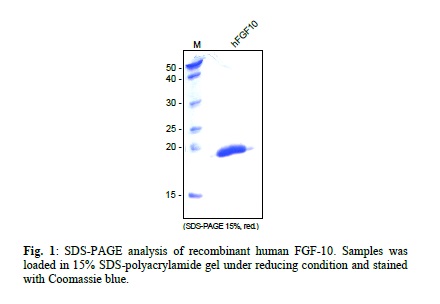
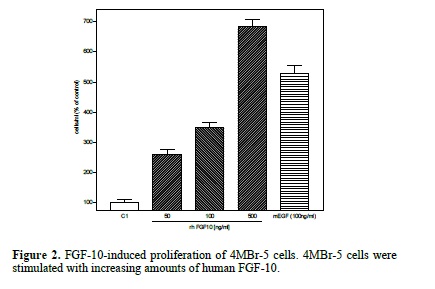 Application Data
FGF-10, Active Protein (Cat# AAA79268)
 Application Data
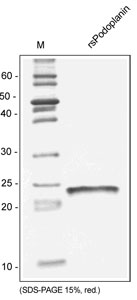
(SDS-PAGE analysis of recombinant rat soluble Podoplanin. Sample was loaded in 15% SDS-polyacrylamide gel under reducing conditions and stained with Silver stain.)
Application Data
(SDS-PAGE analysis of recombinant rat soluble Podoplanin. Sample was loaded in 15% SDS-polyacrylamide gel under reducing conditions and stained with Silver stain.)
Podoplanin, soluble, Active Protein (Cat# AAA79303)
 Application Data
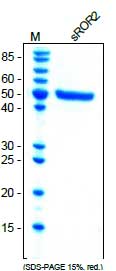
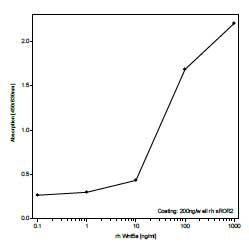
(Binding of recombinant human Wnt5a to recombinant human sROR2 in a functional ELISA. sROR2 was coated with 2ug/ml (100ug/well) and increasing amounts of Wnt5a was added. Detection was performed using a polyclonal rabbit anti-human Wnt5a and a goat anti-rabbit Biotin conjugated secondary antibody.)
Application Data
(Binding of recombinant human Wnt5a to recombinant human sROR2 in a functional ELISA. sROR2 was coated with 2ug/ml (100ug/well) and increasing amounts of Wnt5a was added. Detection was performed using a polyclonal rabbit anti-human Wnt5a and a goat anti-rabbit Biotin conjugated secondary antibody.)
ROR2, Active Protein (Cat# AAA79320)
 Bioactivity
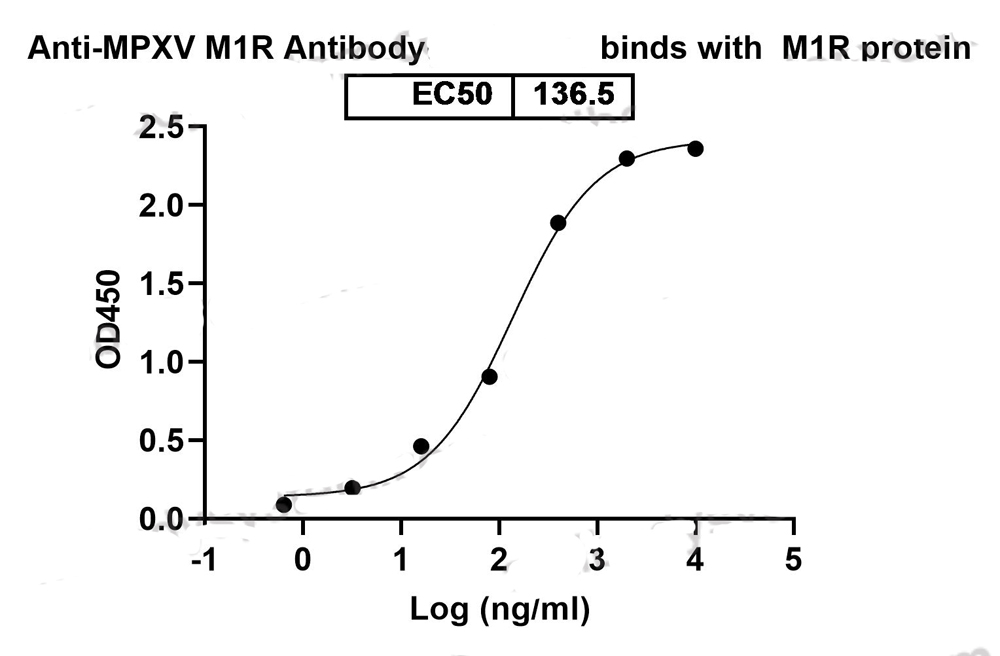
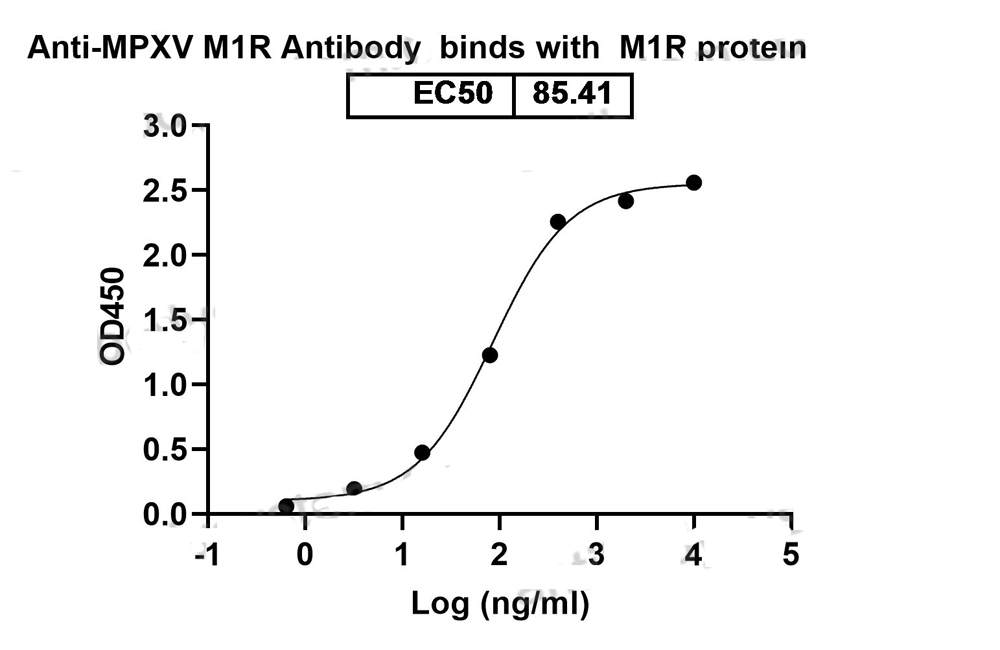
(Anti-MPXV M1R Antibody binds with M1R protein)
Bioactivity
(Anti-MPXV M1R Antibody binds with M1R protein)
Monkeypox virus/MPXV M1R, Active Protein (Cat# AAA120193)
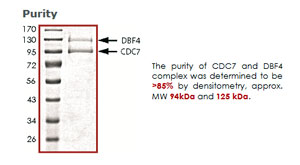
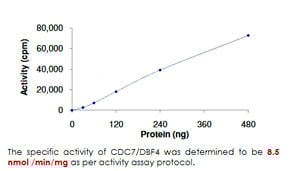 Application Data
CDC7/DBF4, Active Protein (Cat# AAA72963)
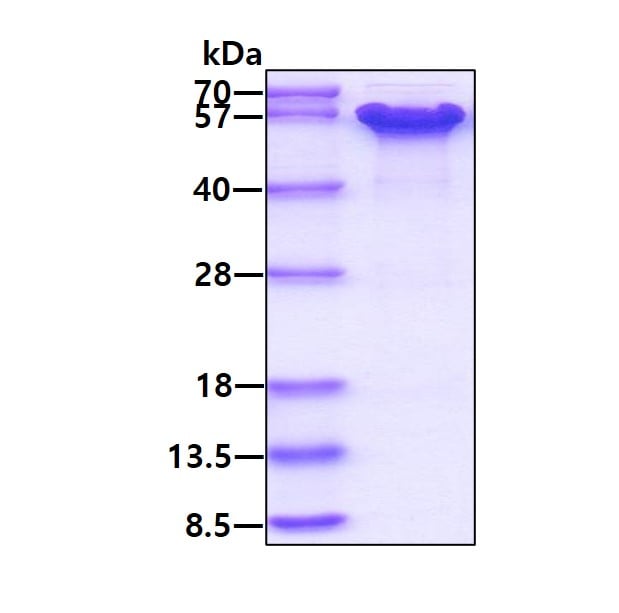 SDS-PAGE
(3ug by SDS-PAGE under reducing condition and visualized by coomassie blue stain.)
SDS-PAGE
(3ug by SDS-PAGE under reducing condition and visualized by coomassie blue stain.)
Osteopontin/OPN protein, Active Protein (Cat# AAA48974)
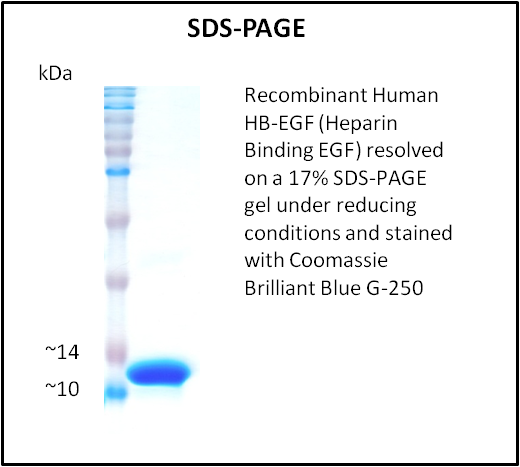
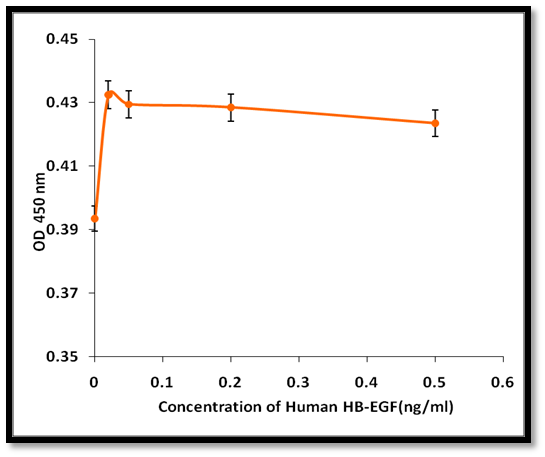 Application Data
HB-EGF (Heparin Binding EGF), Active Protein (Cat# AAA214291)
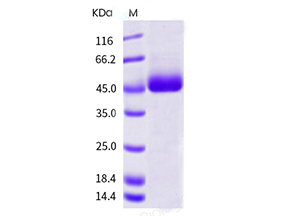
 Application Data
(Measured by its binding ability in a functional ELISA. Immobilized human SIRPG-His at 10 ug/ml (100 ul/well) can bind human CD47-Fc, The EC50 of human CD47-Fc is 0.58-1.34 ug/ml.)
Application Data
(Measured by its binding ability in a functional ELISA. Immobilized human SIRPG-His at 10 ug/ml (100 ul/well) can bind human CD47-Fc, The EC50 of human CD47-Fc is 0.58-1.34 ug/ml.)
SIRP gamma/SIRPG, Active Protein (Cat# AAA257993)
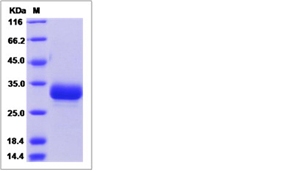
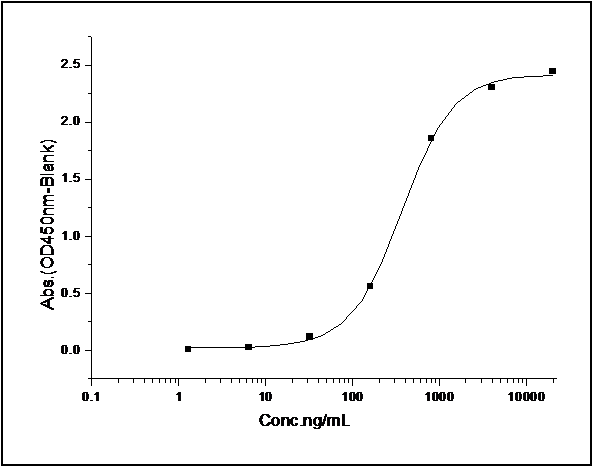 Application Data
(Measured by its binding ability in a functional ELISA. Immobilized mouse EFNB3-His at 10 ug/mL (100 uL/well) can bind biotinylated mouse EPHB3-His, the EC50 of biotinylated mouse EPHB3-His 0.02-0.4 ug/mL.)
Application Data
(Measured by its binding ability in a functional ELISA. Immobilized mouse EFNB3-His at 10 ug/mL (100 uL/well) can bind biotinylated mouse EPHB3-His, the EC50 of biotinylated mouse EPHB3-His 0.02-0.4 ug/mL.)
Ephrin B3, Active Protein (Cat# AAA258239)
Aldo-Keto Reductase Family 7 Member A2, Active Protein (Cat# AAA38659)
Guanylate Kinase 1, Active Protein (Cat# AAA38408)
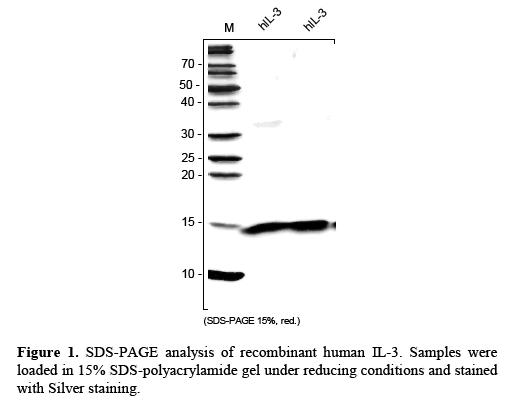
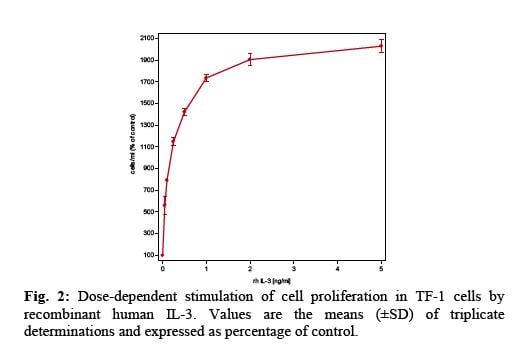 Application Data
IL-3, Active Protein (Cat# AAA79188)
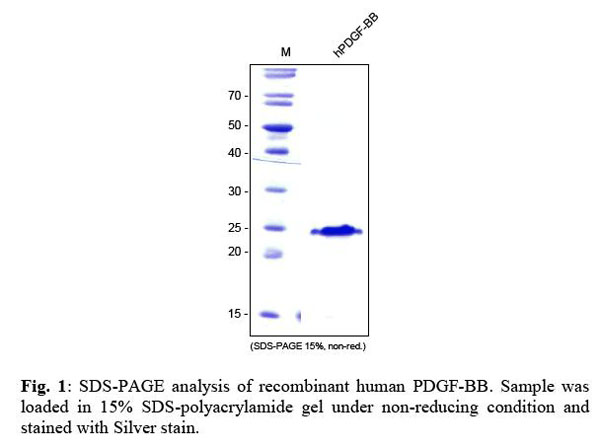
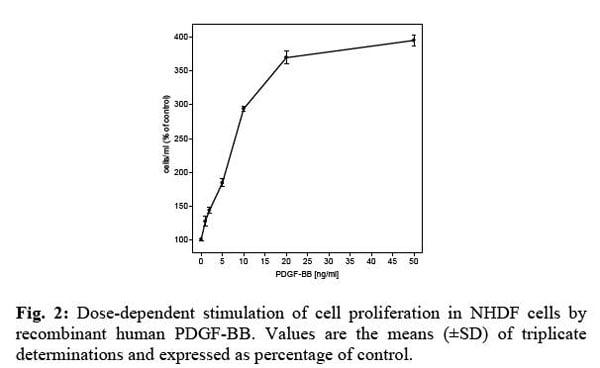 Application Data
PDGF-BB, Active Protein (Cat# AAA79279)
Pepsinogen I, Active Protein (Cat# AAA75592)
 Bioactivity
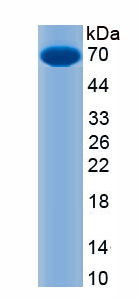
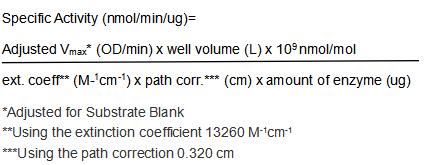
(The classical role of ACHE is to terminate cholinergic neurotransmission by hydrolysis of acetylcholine (ACH). ACHE is thought to be involved in the pathology of Alzheimer's disease (AD) by accelerating the assembly of A beta peptides into fibrillar species through forming complexes with A beta via the peripheral anionic site on ACHE. ACHE inhibitors have been used to delay symptoms of AD patients by virtue of their ability to enhance ACH availability, as well as reduce amyloidogenesis and subsequent neurotoxicity. Its involvement in the cholinergic anti-inflammatory pathway connects ACHE with a possible marker of low-grade systemic inflammation in obesity, hypertension, coronary heart disease, and AD. The activity of recombinant mouse ACHE was measured by its ability to cleave Acetylthiocholine in the assay buffer 0.1 M sodium phosphate, 0.05% (w/v) Brij-35, pH 7.5. 50 uL of various concentrations of rmACHE (diluted by Assay Buffer) was added into the 96-well clear plate and the reaction was started by the addition of 50 ul substrate mixture of 200 uM acetylthiocholine and 100 uM DTNB. The final well serves as a negative control with no rmACHE, replaced with 50ul assay buffer and 50 ul substrate mixture. Read plate in kinetic mode for 5 minutes at an absorbance of 405 nm. The specific activity of recombinant mouse ACHE is >2200 nmol/min/ug.)
Bioactivity
(The classical role of ACHE is to terminate cholinergic neurotransmission by hydrolysis of acetylcholine (ACH). ACHE is thought to be involved in the pathology of Alzheimer's disease (AD) by accelerating the assembly of A beta peptides into fibrillar species through forming complexes with A beta via the peripheral anionic site on ACHE. ACHE inhibitors have been used to delay symptoms of AD patients by virtue of their ability to enhance ACH availability, as well as reduce amyloidogenesis and subsequent neurotoxicity. Its involvement in the cholinergic anti-inflammatory pathway connects ACHE with a possible marker of low-grade systemic inflammation in obesity, hypertension, coronary heart disease, and AD. The activity of recombinant mouse ACHE was measured by its ability to cleave Acetylthiocholine in the assay buffer 0.1 M sodium phosphate, 0.05% (w/v) Brij-35, pH 7.5. 50 uL of various concentrations of rmACHE (diluted by Assay Buffer) was added into the 96-well clear plate and the reaction was started by the addition of 50 ul substrate mixture of 200 uM acetylthiocholine and 100 uM DTNB. The final well serves as a negative control with no rmACHE, replaced with 50ul assay buffer and 50 ul substrate mixture. Read plate in kinetic mode for 5 minutes at an absorbance of 405 nm. The specific activity of recombinant mouse ACHE is >2200 nmol/min/ug.)
Acetylcholinesterase (ACHE), Active Protein (Cat# AAA161851)
 Bioactivity
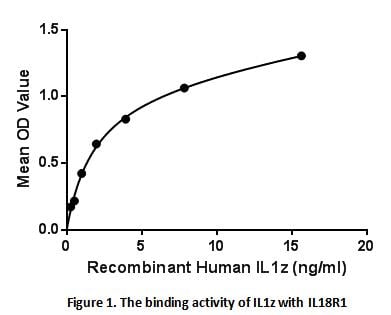
(Interleukin 37, also known as Interleukin 1 Zeta (IL1z), is an anti-inflammatory cytokine. Interleukines are cytokines that make an important part of immune signaling. It belongs to the interleukin-1 family. IL-37 plays a role in protecting the body again)
Bioactivity
(Interleukin 37, also known as Interleukin 1 Zeta (IL1z), is an anti-inflammatory cytokine. Interleukines are cytokines that make an important part of immune signaling. It belongs to the interleukin-1 family. IL-37 plays a role in protecting the body again)
Interleukin 1 Zeta (IL1z), Active Protein (Cat# AAA153128)
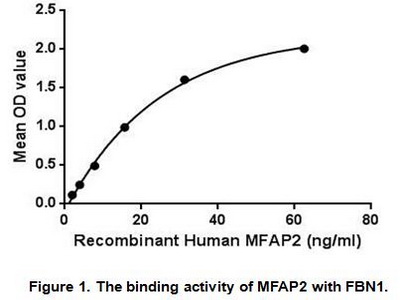
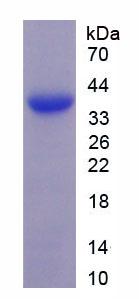
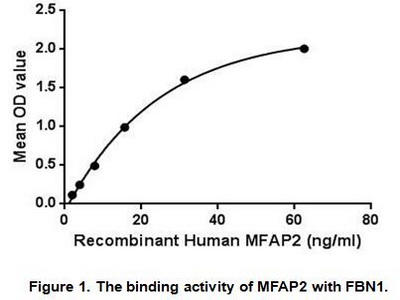
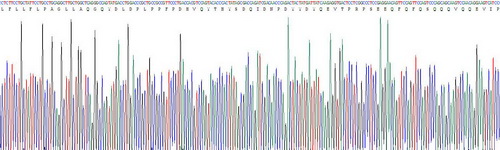 Application Data
Microfibrillar Associated Protein 2 (MFAP2), Active Protein (Cat# AAA148203)
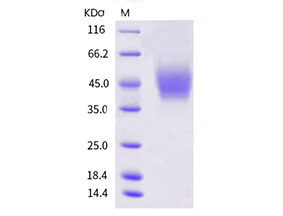
 Application Data
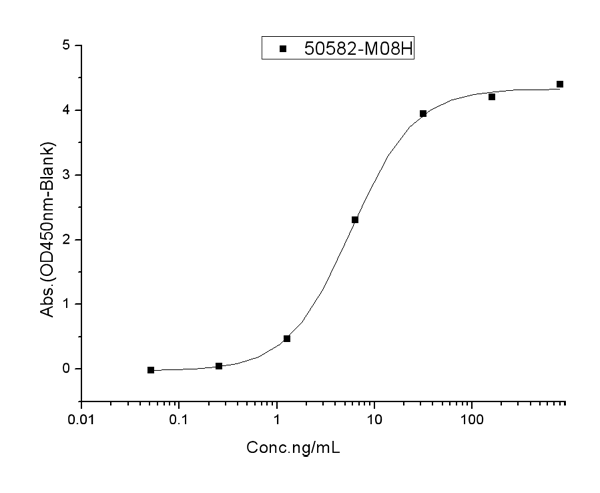
(Measured by its binding ability in a functional ELISA. Immobilized human CD226 at 2 ug/ml (100 ul/well) can bind human CD112 with a linear ranger of 6.4-800 ng/ml.)
Application Data
(Measured by its binding ability in a functional ELISA. Immobilized human CD226 at 2 ug/ml (100 ul/well) can bind human CD112 with a linear ranger of 6.4-800 ng/ml.)
CD226, Active Protein (Cat# AAA257896)
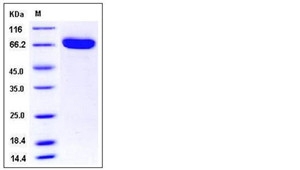
 Application Data
(Measured by its binding ability in a functional ELISA. Immobilized Mouse Ephrin B2hFc at 2 ug/ml (100 ul/well) can bind Mouse EphB4 His, the EC50 of Mouse EphB4 His is 3.5-20 ng/mL.)
Application Data
(Measured by its binding ability in a functional ELISA. Immobilized Mouse Ephrin B2hFc at 2 ug/ml (100 ul/well) can bind Mouse EphB4 His, the EC50 of Mouse EphB4 His is 3.5-20 ng/mL.)
EphB4, Active Protein (Cat# AAA258174)
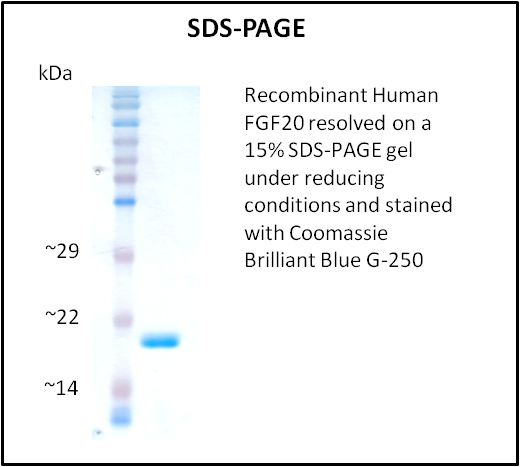
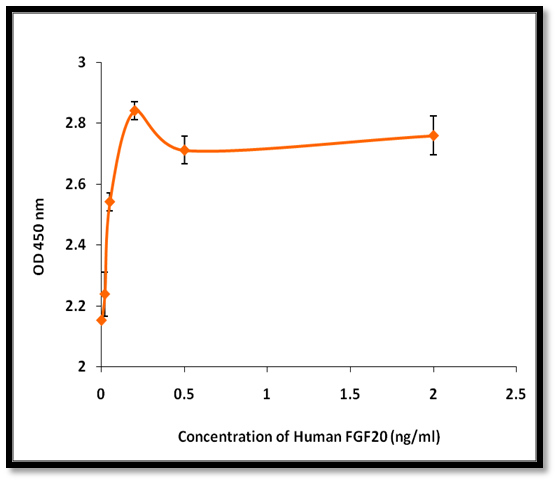 Application Data
FGF20, Active Protein (Cat# AAA214273)
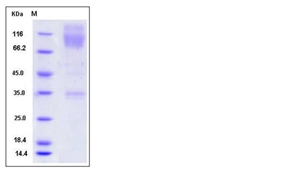
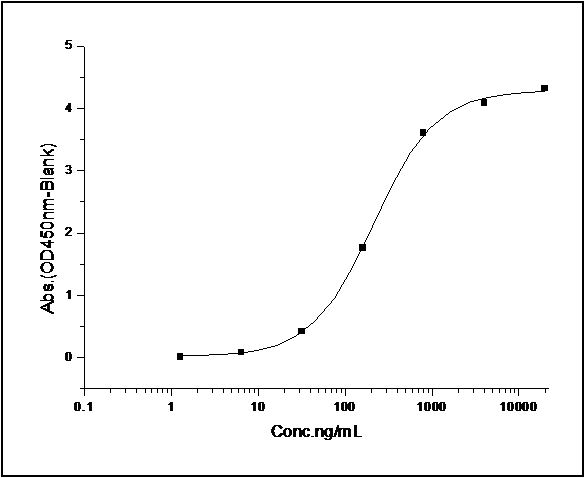 Application Data
(Measured by its binding ability in a functional ELISA. Immobilized rat CD47-His at 10 ug/ml (100 ul/well) can bind mouse SIRPA-Fc, The EC50 of mouse SIRPA-Fc is 0.6-1.4 ug/ml.)
Application Data
(Measured by its binding ability in a functional ELISA. Immobilized rat CD47-His at 10 ug/ml (100 ul/well) can bind mouse SIRPA-Fc, The EC50 of mouse SIRPA-Fc is 0.6-1.4 ug/ml.)
SIRP alpha, Active Protein (Cat# AAA258214)
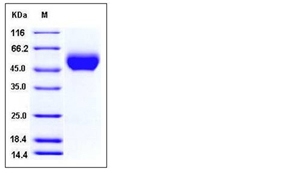
 Application Data
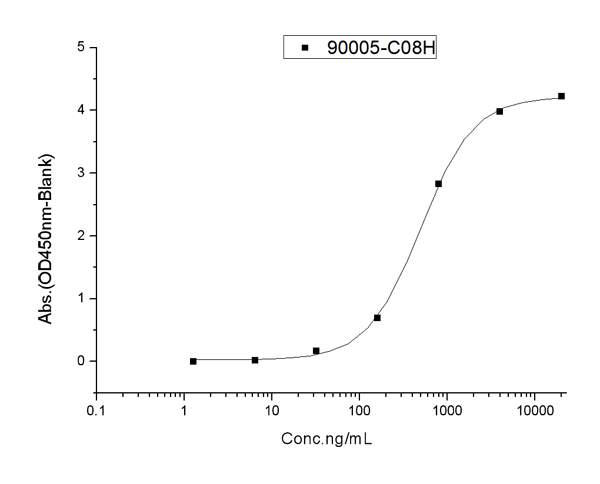
(Immobilized TIGIT Protein, Human, Recombinant (mFc Tag) at 2 ug/ml (100 ul/well) can bind CD155/PVR Protein, Rhesus, Recombinant (His Tag), the EC50 of CD155/PVR Protein, Rhesus, Recombinant (His Tag)is 200-900 ng/mL.)
Application Data
(Immobilized TIGIT Protein, Human, Recombinant (mFc Tag) at 2 ug/ml (100 ul/well) can bind CD155/PVR Protein, Rhesus, Recombinant (His Tag), the EC50 of CD155/PVR Protein, Rhesus, Recombinant (His Tag)is 200-900 ng/mL.)
CD155/PVR, Active Protein (Cat# AAA258263)
 Bioactivity
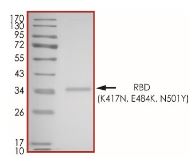
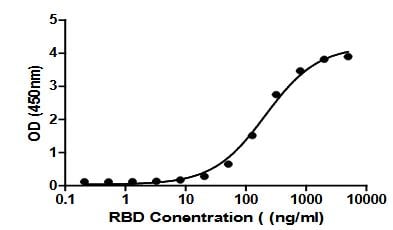
(Figure 2. Binding ability measured in a functional ELISA. 2019-nCoV spike protein RBD (K417N, E484K, N501Y) binds to immobilized human ACE2 (19-740) protein)
Bioactivity
(Figure 2. Binding ability measured in a functional ELISA. 2019-nCoV spike protein RBD (K417N, E484K, N501Y) binds to immobilized human ACE2 (19-740) protein)
COVID 19 Spike protein RBD (K417N, E484K, N501Y) Coronavirus, Active Protein (Cat# AAA73185)
Rheumatoid Factor (RF), Active Protein (Cat# AAA44877)
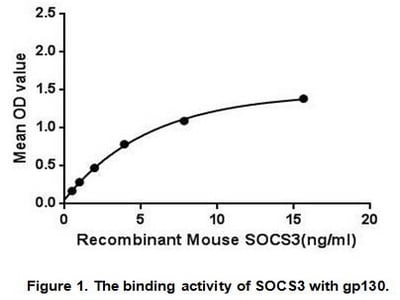
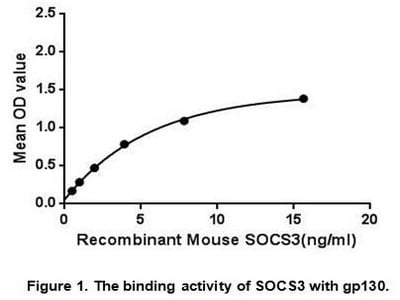 Application Data
Suppressors Of Cytokine Signaling 3 (SOCS3), Active Protein (Cat# AAA148196)
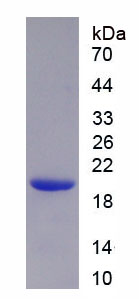
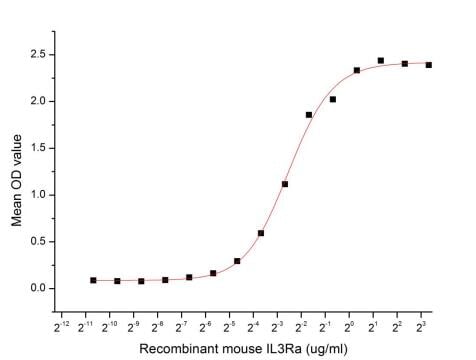 Bioactivity
(Interleukin 3 receptor alpha (IL3Ra), also known as CD123 (Cluster of Differentiation 123), is a subunit of the functional high-affinity mouse IL-3 receptor which is a heterodimer. The alpha subunit alone binds IL-3 with low affinity. The beta subunit doe)
Bioactivity
(Interleukin 3 receptor alpha (IL3Ra), also known as CD123 (Cluster of Differentiation 123), is a subunit of the functional high-affinity mouse IL-3 receptor which is a heterodimer. The alpha subunit alone binds IL-3 with low affinity. The beta subunit doe)
Interleukin 3 Receptor Alpha (IL3Ra), Active Protein (Cat# AAA153092)
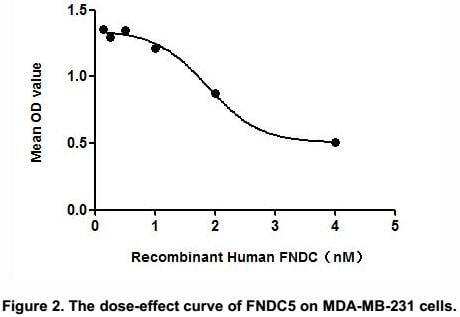
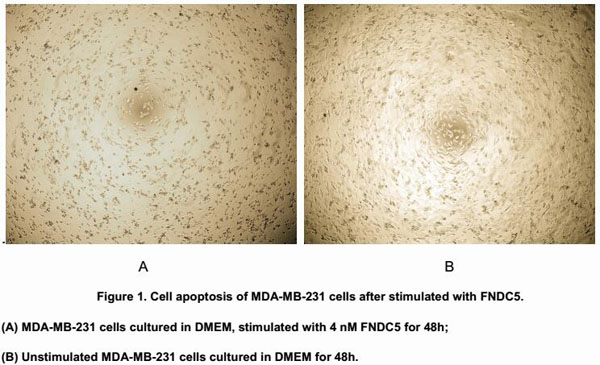
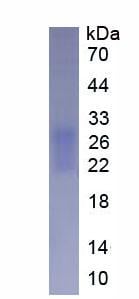
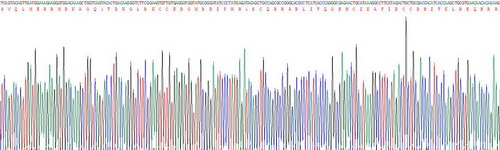 Application Data
Fibronectin Type III Domain Containing Protein 5 (FNDC5), Active Protein (Cat# AAA146626)
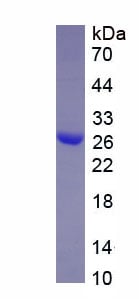
 Bioactivity
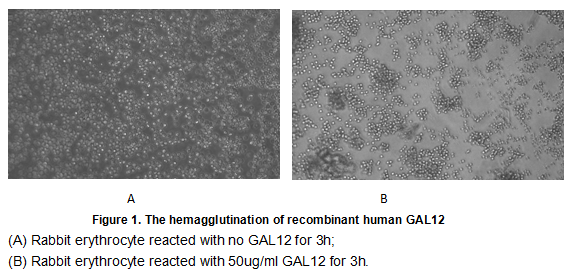
(Galectin-12 is a member of a family of mammalian lectins known as galectins. The galectins constitute a large family of carbohydrate-binding proteins that function in many systems both intracellularly and following secretion. Galectins contain either one or two carbohydrate recognition domains (CRR) which mediate recognition of N-acetyl-lactosamine-containing glycoproteins. Individual galectins differ in their tissue distribution and in their carbohydrate-binding specificities. Galectin-12 is predominantly expressed in adipose tissue and detected also in macrophages and other leukocytes. It plays an important role in cell-cell adhesion, cell-matrix interactions, macrophage activation, angiogenesis, metastasis, apoptosis. In this case, we chose rabbit erythrocyte (RaE) to assay its ability of agglutination. A general procedure for hemagglutination assay (or haemagglutination assay; HA) is as follows, two-fold dilute the recombinant Hu GAL12 with 0.9% sodium chloride injection, add 50uL a serial dilution of GAL12 to each well of a U or V-bottom shaped 96-well microtiter plate. The final well serves as a negative control with no GAL12, replace with 50uL 0.9% sodium chloride injection. Then add 50uL 1% rabbit erythrocyte to each well and mixed gently. The plate is incubated for 3 hours at room temperature. The results are shown in Figure 1. It was obvious that the minimal effective concentration of GAL12 is 0.781 ug/mL.)
Bioactivity
(Galectin-12 is a member of a family of mammalian lectins known as galectins. The galectins constitute a large family of carbohydrate-binding proteins that function in many systems both intracellularly and following secretion. Galectins contain either one or two carbohydrate recognition domains (CRR) which mediate recognition of N-acetyl-lactosamine-containing glycoproteins. Individual galectins differ in their tissue distribution and in their carbohydrate-binding specificities. Galectin-12 is predominantly expressed in adipose tissue and detected also in macrophages and other leukocytes. It plays an important role in cell-cell adhesion, cell-matrix interactions, macrophage activation, angiogenesis, metastasis, apoptosis. In this case, we chose rabbit erythrocyte (RaE) to assay its ability of agglutination. A general procedure for hemagglutination assay (or haemagglutination assay; HA) is as follows, two-fold dilute the recombinant Hu GAL12 with 0.9% sodium chloride injection, add 50uL a serial dilution of GAL12 to each well of a U or V-bottom shaped 96-well microtiter plate. The final well serves as a negative control with no GAL12, replace with 50uL 0.9% sodium chloride injection. Then add 50uL 1% rabbit erythrocyte to each well and mixed gently. The plate is incubated for 3 hours at room temperature. The results are shown in Figure 1. It was obvious that the minimal effective concentration of GAL12 is 0.781 ug/mL.)
Galectin 12 (GAL12), Active Protein (Cat# AAA152174)
Cathepsin-B, Active Protein (Cat# AAA39158)
 Application Data
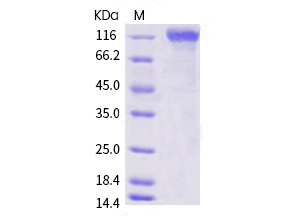
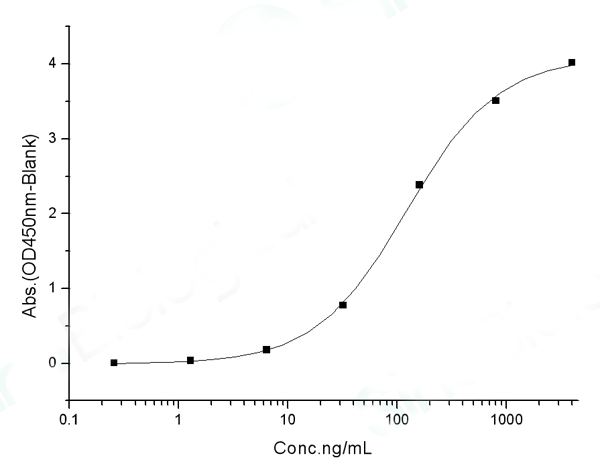
(Measured by its binding ability in a functional ELISA. Immobilized human ACE2 protein (His tag)(10108-H08H) at 2 ug/mL (100 uL/well) can bind SARS-CoV-2 (2019-nCoV) Spike S1(D614G), ECD-Fc(40591-V02H3), the EC50 of SARS-CoV-2 (2019-nCoV) Spike S1(D614G),ECD-Fc(40591-V02H3) is 40-230 ng/mL.)
Application Data
(Measured by its binding ability in a functional ELISA. Immobilized human ACE2 protein (His tag)(10108-H08H) at 2 ug/mL (100 uL/well) can bind SARS-CoV-2 (2019-nCoV) Spike S1(D614G), ECD-Fc(40591-V02H3), the EC50 of SARS-CoV-2 (2019-nCoV) Spike S1(D614G),ECD-Fc(40591-V02H3) is 40-230 ng/mL.)
COVID 19 Spike S1(D614G),ECD-Fc Coronavirus, Active Protein (Cat# AAA258086)
What Are Active Proteins?
Proteins are large molecules made up of long chains of amino acids. They will typically fold into a very particular 3-dimensional shape/conformation, that is sometimes referred to as their “native” form, which allows them to work properly in the body. For the purposes of product categorization, AAA Biotech will typically refer to proteins purified from their original animal host as being “native” proteins (this is to signify their difference compared to their recombinant proteins or “synthetic” protein counterparts).
If a protein successfully folds into the correct shape, it will typically display high fidelity characteristics to its original protein in its original animal host and be classified as an active protein, as it will be able to function “normally” in most enzymatic or binding capacities. If it loses this shape, due to factors such as heat or strong chemicals (such as detergents), it becomes inactive and is no longer able to perform its basic functions.
All of the proteins in this category are made under strict quality control, and they are active, pure, low in contaminants, and stable. Most are stored as freeze-dried powders and come without extra tags, so they’re very close to the actual natural/native form.
Learn more in our guide “How active proteins work”.
Key Applications of Active Proteins
1. Scientific Research
- Aid in the study of how proteins function in the body
- Aid in understanding various disease processes
2. Drug Development
- Powerful tools to investigate how potential drugs interact with specific proteins
- Ideal for identifying drug targets
3. Cell Culture
- Are routinely utilized to support cell growth and function (e.g., using exogenous growth factors)
- Can be used to promote cellular development into specific types (differentiation)
4. Diagnostics
- Regularly utilized in tests to detect diseases or infections (e.g., COVID-19, cancer)
- Note: All products are strictly for research-use only (RUO).
5. Therapeutics
- Some active proteins are used directly as treatments (e.g., insulin, enzymes)
- Note: All products are strictly for research-use only (RUO).
6. Vaccine Development
- Used to create or test vaccines by mimicking parts of viruses or bacteria
7. Biochemical Assays
- They can facilitate the characterization of enzyme activity, binding strength, or protein interactions in lab tests
Why Buy Active Proteins from AAA Biotech?
- High biological activity – Verified to perform as expected or indicated on datasheet
- Strict quality control – We are confident in our active proteins’ reliability and consistency
- High purity & low endotoxin – Ideal for applications involving sensitive or precious samples/components
- Freeze-dried for stability – Long shelf life and straightforward storage
- Mostly tag-free – Closer to natural/native protein form
FAQ
1. What are active proteins used for in research?
Active proteins are used primarily in the study of how proteins function, in characterizing/discovering drug interactions, supporting cell growth, running biochemical assays, and in development of diagnostics or therapeutics.
2. How are AAA Biotech's active proteins validated?
AAA Biotech’s active proteins are validated through strict quality control and functional assays to ensure they are properly folded and active. “Active”, though, can be an ambiguous term, so if a specific “activity” or “binding” capability of a protein is of crucial interest to you, please inquire with us prior to purchase, and we will provide further details on how the “Active” modifier was determined to be applicable.
3. Are these proteins tested for biological activity?
Yes, all active proteins from AAA Biotech are tested to confirm they have the expected biological activity before being offered for use. Though, said “biological activity” can be either “enzymatic”, “binding”, or both.