
Filters
▼Clonality
▼Type
▼Reactivity
▼Gene Name
▼Isotype
▼Host
▼Application
▼Clone
▼Active Proteins
AAA Biotech also known as AAA Bio or AAABio provides a variety of high-quality recombinant and natural/native proteins that are proven to work in a wide range of experiments. Explore our products to find the active protein that best fits your needs or experimental model.
Viewing 2550-2600 of 2875 product results

 WB (Western Blot)
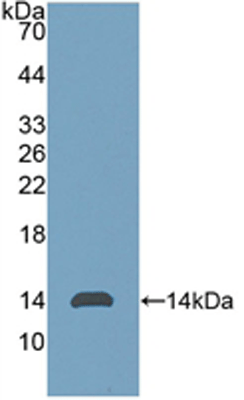
(Sample: Recombinant AMH, Human;Antibody: Rabbit Anti-Human AMH Ab)
WB (Western Blot)
(Sample: Recombinant AMH, Human;Antibody: Rabbit Anti-Human AMH Ab)
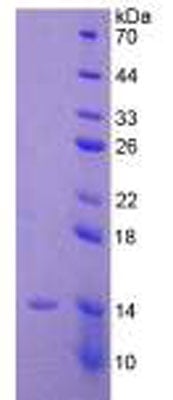
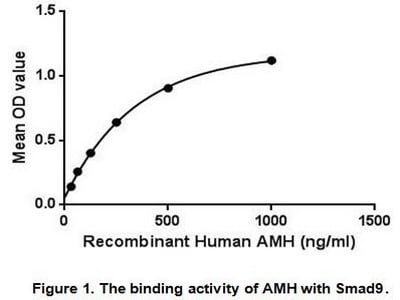
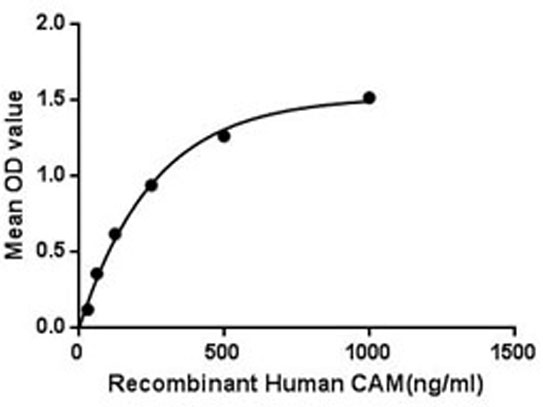
Anti-Mullerian Hormone (AMH), Active Protein (Cat# AAA148168)

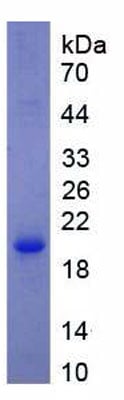 SDS_PAGE
(Figure 3. SDS-PAGESample: Active recombinant CAM, Human)
SDS_PAGE
(Figure 3. SDS-PAGESample: Active recombinant CAM, Human)
Calmodulin (CAM), Active Protein (Cat# AAA149238)

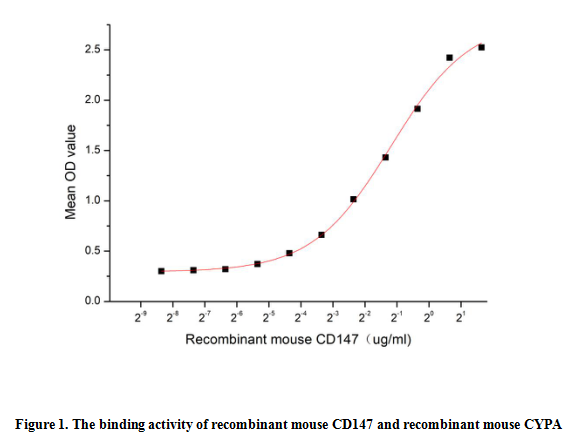 Bioactivity
(Extracellular matrix metalloproteinase (MMP) inducer (EMMPRIN), also known as basigin and CD147, is a 4466 kDa, variably N and Oglycosylated, type I transmembrane protein that belongs to the immunoglobulin superfamily. EMMPRIN is 269 amino acids (aa) in l)
Bioactivity
(Extracellular matrix metalloproteinase (MMP) inducer (EMMPRIN), also known as basigin and CD147, is a 4466 kDa, variably N and Oglycosylated, type I transmembrane protein that belongs to the immunoglobulin superfamily. EMMPRIN is 269 amino acids (aa) in l)
Cluster Of Differentiation 147 (CD147), Active Protein (Cat# AAA153098)
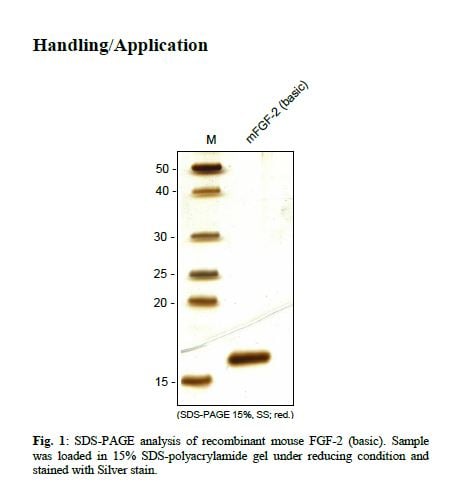
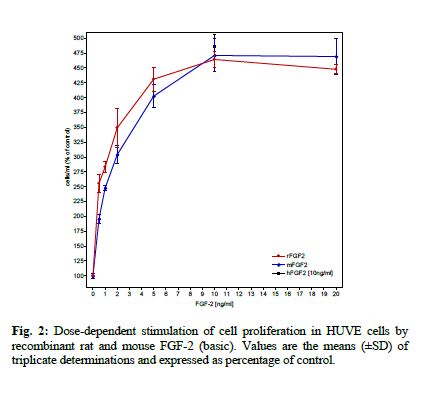 Application Data
FGF-2 (basic), Active Protein (Cat# AAA79191)
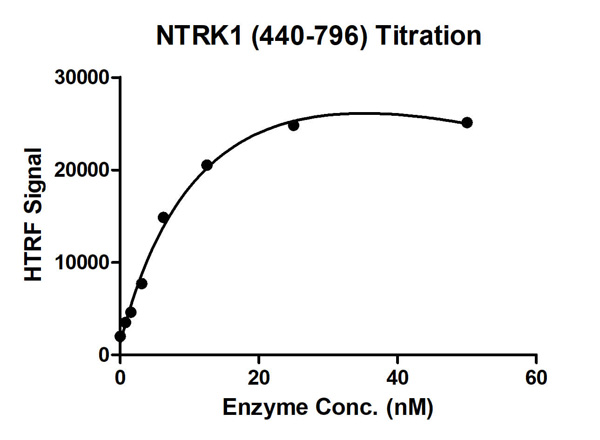
 Bioactivity
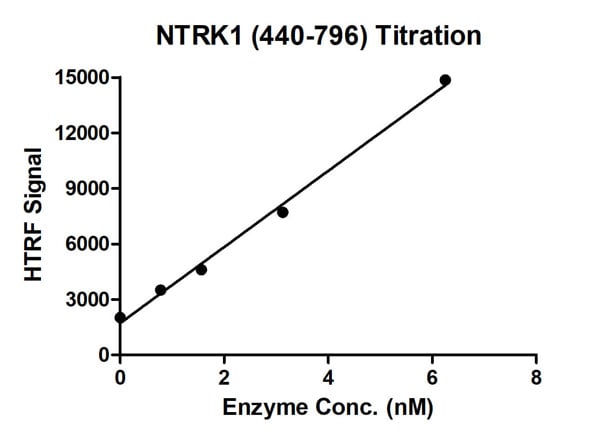
(HTRF assay for NTRK1 (440-796) activity 1 uM TK substrate was incubated with different concentrations of NTRK1 (440-796) protein in a 10 ul reaction system containing 1×Enzymatic Buffer, 5 mM MgCl2, 1 mM DTT, and 100 uM ATP for 1 hour. Then 10 ul detection reagents containing anti-TK antibody (1:2) and SA-XL665 (1:100) diluted with 1× Detection Buffer were added and incubated with the reactions for 30 min. All the operations and reactions were performed at room temperature. HTRF assay was used for detection.)
Bioactivity
(HTRF assay for NTRK1 (440-796) activity 1 uM TK substrate was incubated with different concentrations of NTRK1 (440-796) protein in a 10 ul reaction system containing 1×Enzymatic Buffer, 5 mM MgCl2, 1 mM DTT, and 100 uM ATP for 1 hour. Then 10 ul detection reagents containing anti-TK antibody (1:2) and SA-XL665 (1:100) diluted with 1× Detection Buffer were added and incubated with the reactions for 30 min. All the operations and reactions were performed at room temperature. HTRF assay was used for detection.)
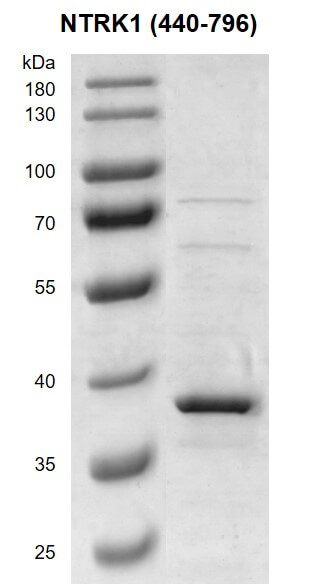
NTRK1, Active Protein (Cat# AAA60324)
 Application Data
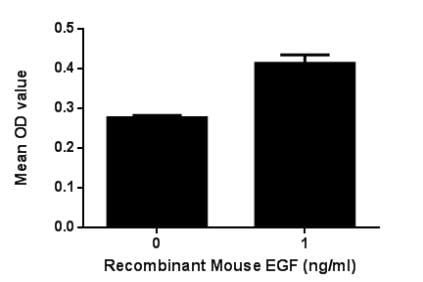
(Figure. Cell proliferation of 3T3 cells after stimulated with EGF.)
Application Data
(Figure. Cell proliferation of 3T3 cells after stimulated with EGF.)
Epidermal Growth Factor, Active Protein (Cat# AAA150091)
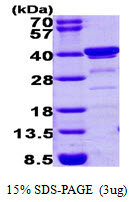 SDS-PAGE
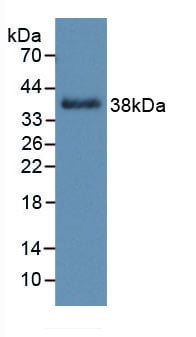
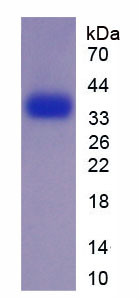
(3ug by SDS-PAGE under reducing condition and visualized by coomassie blue stain.)
SDS-PAGE
(3ug by SDS-PAGE under reducing condition and visualized by coomassie blue stain.)
Biliverdin reductase A, Active Protein (Cat# AAA48555)

 Bioactivity
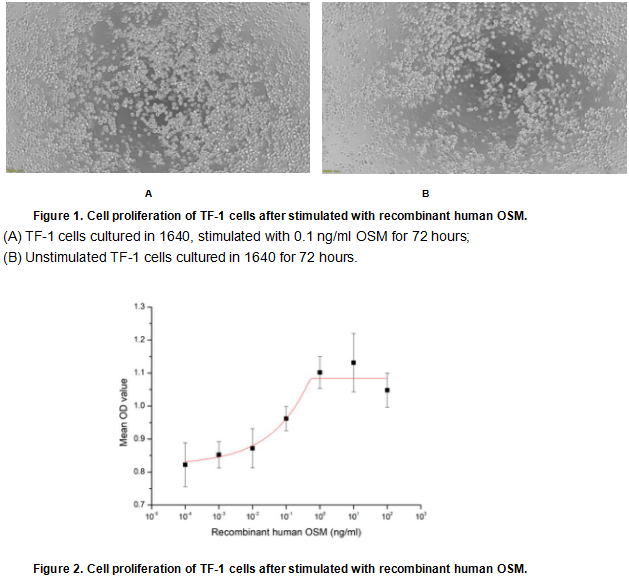
(Oncostatin M (OSM) is an approximately 30 KDa secreted cytokine belonging to the Interleukin-6 family. Like other members of the IL-6 family such as IL-11, CNTF, and Cardiotrophin-1, OSM plays crucial roles in inflammation, neuroprotection, hematopoiesis, metabolism and development. To test the effect of OSM on cell proliferation, TF-1 cells were seeded into triplicate wells of 96-well plates at a density of 20,000 cells/well with various concentrations of recombinant human OSM. After incubated for 72 hours, cells were observed by inverted microscope and cell proliferation was measured by Cell Counting Kit-8(CCK-8). Briefly, 10 ul of CCK-8 solution was added to each well of the plate, then the absorbance at 450 nm was measured using a microplate reader after incubating the plate for 1-4 hours at 37 degree C. Proliferation of TF-1 cells after incubation with OSM for 72 hours observed by inverted microscope was shown in Figure 1. Cell viability was assessed by CCK-8 (Cell Counting Kit-8) assay after incubation with recombinant human OSM for 72 hours. The result was shown in Figure 2. It was obvious that recombinant human OSM significantly increased cell viability of TF-1 cells, the EC50 was 0.08 ng/ml.)
Bioactivity
(Oncostatin M (OSM) is an approximately 30 KDa secreted cytokine belonging to the Interleukin-6 family. Like other members of the IL-6 family such as IL-11, CNTF, and Cardiotrophin-1, OSM plays crucial roles in inflammation, neuroprotection, hematopoiesis, metabolism and development. To test the effect of OSM on cell proliferation, TF-1 cells were seeded into triplicate wells of 96-well plates at a density of 20,000 cells/well with various concentrations of recombinant human OSM. After incubated for 72 hours, cells were observed by inverted microscope and cell proliferation was measured by Cell Counting Kit-8(CCK-8). Briefly, 10 ul of CCK-8 solution was added to each well of the plate, then the absorbance at 450 nm was measured using a microplate reader after incubating the plate for 1-4 hours at 37 degree C. Proliferation of TF-1 cells after incubation with OSM for 72 hours observed by inverted microscope was shown in Figure 1. Cell viability was assessed by CCK-8 (Cell Counting Kit-8) assay after incubation with recombinant human OSM for 72 hours. The result was shown in Figure 2. It was obvious that recombinant human OSM significantly increased cell viability of TF-1 cells, the EC50 was 0.08 ng/ml.)
Oncostatin M (OSM), Active Protein (Cat# AAA161690)
 Bioactivity
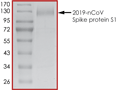
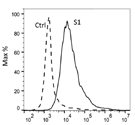
(Sample Activity Plot.)
Bioactivity
(Sample Activity Plot.)
COVID 19 Spike S1 Coronavirus, Active Protein (Cat# AAA73161)
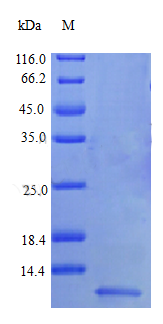 SDS-PAGE
Pro-neuregulin-1, membrane-bound isoform (NRG1), Active Protein (Cat# AAA114246)
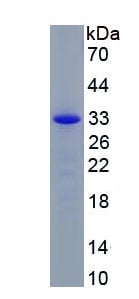
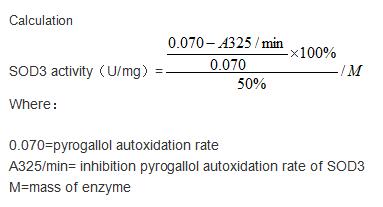 Bioactivity
(Extracellular superoxide dismutase [Cu-Zn] is an enzyme that in humans is encoded by the SOD3 gene. This gene encodes a member of the superoxide dismutase (SOD) protein family. SODs are antioxidant enzymes that catalyze the dismutation of two superoxide r)
Bioactivity
(Extracellular superoxide dismutase [Cu-Zn] is an enzyme that in humans is encoded by the SOD3 gene. This gene encodes a member of the superoxide dismutase (SOD) protein family. SODs are antioxidant enzymes that catalyze the dismutation of two superoxide r)
Superoxide Dismutase 3, Extracellular (SOD3), Active Protein (Cat# AAA152980)
Creatine Kinase MB, Active Protein (Cat# AAA11458)
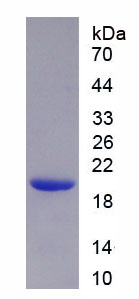
 Bioactivity
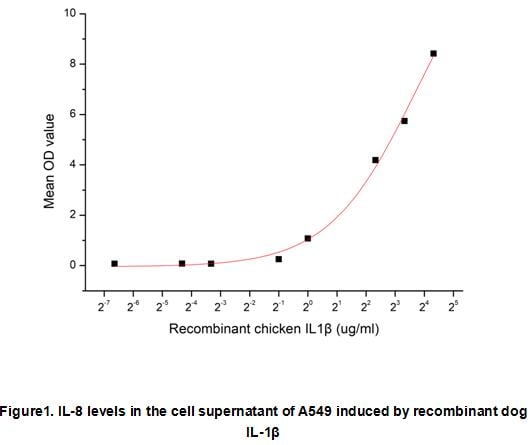
(Interleukin 1 beta (IL-1beta) also known as leukocytic pyrogen, leukocytic endogenous mediator, mononuclear cell factor, lymphocyte activating factor and other names, is a member of the interleukin 1 family of cytokines. This cytokine is an important medi)
Bioactivity
(Interleukin 1 beta (IL-1beta) also known as leukocytic pyrogen, leukocytic endogenous mediator, mononuclear cell factor, lymphocyte activating factor and other names, is a member of the interleukin 1 family of cytokines. This cytokine is an important medi)
Interleukin 1 Beta (IL1b), Active Protein (Cat# AAA153040)
 SDS-PAGE
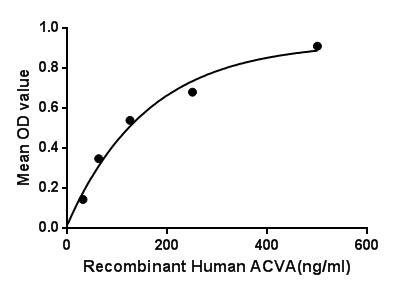
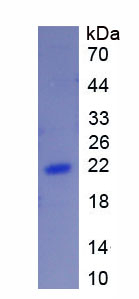
Activin A (ACVA), Active Protein (Cat# AAA149221)
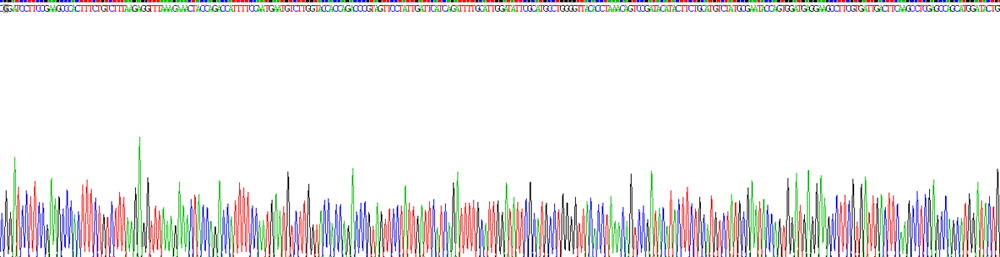
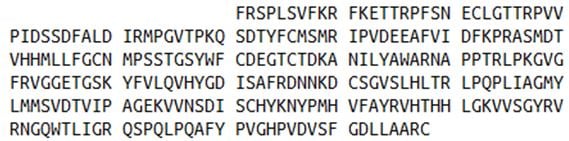
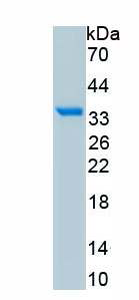 SDS_PAGE
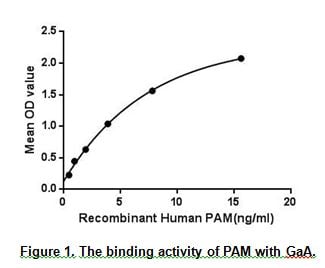
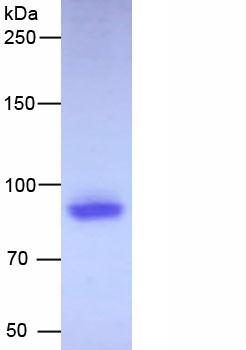
(Sample: Active recombinant PAM, Human)
SDS_PAGE
(Sample: Active recombinant PAM, Human)
Peptidylglycine Alpha Amidating Monooxygenase (PAM), Active Protein (Cat# AAA150334)
 Bioactivity
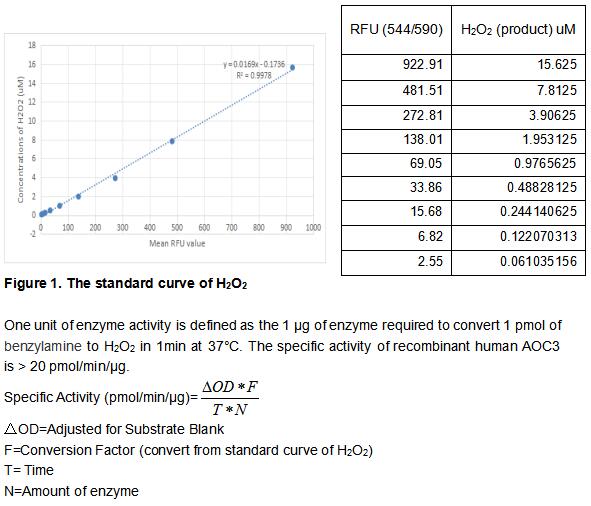
(Amine Oxidase, Copper Containing 3 (AOC3) is a copper amine oxidase with a topaquinone cofactor. AOC3 is a Type II integral membrane protein, but a soluble form of the enzyme is present in human serum, and its level increases in diabetes and some inflammatory liver diseases. AOC3 catalyzes the oxidative deamination of small primary amines such as methylamine, benzylamine, and aminoacetone in a reaction that produces an aldehyde, ammonia, and H2O2. The enzyme is sensitive to inhibition by semicarbazide. AOC3 expression is highest in the endothelium of lung, heart, and intestine, but low in tissues such as brain, spleen, kidney, and liver. The activity of recombinant human AOC3 was measured by its ability to produce hydrogen peroxide during the oxidation of benzylamine. The reaction was performed in 50 mM HEPES, pH 7.5 (assay buffer), initiated by addition 50 uL of various concentrations of AOC3 (diluted by assay buffer) to 50 ul substrate mixture of 2 mM Benzylamine, 2 units/mL HRP and 100 uM AUR. Read at excitation and emission wavelengths of 544 nm and 590 nm (top read), respectively in kinetic mode for 5 minutes.)
Bioactivity
(Amine Oxidase, Copper Containing 3 (AOC3) is a copper amine oxidase with a topaquinone cofactor. AOC3 is a Type II integral membrane protein, but a soluble form of the enzyme is present in human serum, and its level increases in diabetes and some inflammatory liver diseases. AOC3 catalyzes the oxidative deamination of small primary amines such as methylamine, benzylamine, and aminoacetone in a reaction that produces an aldehyde, ammonia, and H2O2. The enzyme is sensitive to inhibition by semicarbazide. AOC3 expression is highest in the endothelium of lung, heart, and intestine, but low in tissues such as brain, spleen, kidney, and liver. The activity of recombinant human AOC3 was measured by its ability to produce hydrogen peroxide during the oxidation of benzylamine. The reaction was performed in 50 mM HEPES, pH 7.5 (assay buffer), initiated by addition 50 uL of various concentrations of AOC3 (diluted by assay buffer) to 50 ul substrate mixture of 2 mM Benzylamine, 2 units/mL HRP and 100 uM AUR. Read at excitation and emission wavelengths of 544 nm and 590 nm (top read), respectively in kinetic mode for 5 minutes.)
Amine Oxidase, Copper Containing 3 (AOC3), Active Protein (Cat# AAA161882)
 Bioactivity
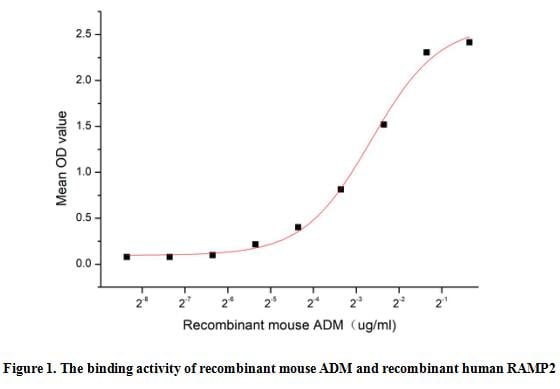
(Adrenomedullin (ADM) is a peptide hormone first discovered in 1993 in pheochromocytoma. Although AM is highly expressed in the adrenal glands, heart, lungs, and kidneys, vascular endothelium and smooth muscle are thought to be the main source of plasma AM. It is a 52 aa peptide with several functions, including vasodilation, regulation of hormone secretion, promotion of angiogenesis, and antimicrobial activity. The antimicrobial activity is antibacterial, as the peptide has been shown to kill E. coli and S. aureus at low concentration. Receptor activity-modifying protein 2 can transports the calcitonin gene-related peptide type 1 receptor (CALCRL) to the plasma membrane. Acts as a receptor for adrenomedullin (AM) together with CALCRL. Thus a functional binding ELISA assay was conducted to detect the interaction of recombinant mouse ADM and recombinant human RAMP2. Briefly, ADM was diluted serially in PBS with 0.01% BSA (pH 7.4). Duplicate samples of 100 ul were then transferred to RAMP2-coated microtiter wells and incubated for 1h at 37 degree C. Wells were washed with PBST and incubated for 1h with anti-ADM pAb, then aspirated and washed 3 times. After incubation with HRP labelled secondary antibody for 1h at 37 degree C, wells were aspirated and washed 5 times. With the addition of substrate solution, wells were incubated 15-25 minutes at 37 degree C. Finally, add 50 uL stop solution to the wells and read at 450/630nm immediately. The binding activity of recombinant mouse ADM and recombinant human RAMP2 was shown in Figure 1, the EC50 for this effect is 0.16 ug/mL.)
Bioactivity
(Adrenomedullin (ADM) is a peptide hormone first discovered in 1993 in pheochromocytoma. Although AM is highly expressed in the adrenal glands, heart, lungs, and kidneys, vascular endothelium and smooth muscle are thought to be the main source of plasma AM. It is a 52 aa peptide with several functions, including vasodilation, regulation of hormone secretion, promotion of angiogenesis, and antimicrobial activity. The antimicrobial activity is antibacterial, as the peptide has been shown to kill E. coli and S. aureus at low concentration. Receptor activity-modifying protein 2 can transports the calcitonin gene-related peptide type 1 receptor (CALCRL) to the plasma membrane. Acts as a receptor for adrenomedullin (AM) together with CALCRL. Thus a functional binding ELISA assay was conducted to detect the interaction of recombinant mouse ADM and recombinant human RAMP2. Briefly, ADM was diluted serially in PBS with 0.01% BSA (pH 7.4). Duplicate samples of 100 ul were then transferred to RAMP2-coated microtiter wells and incubated for 1h at 37 degree C. Wells were washed with PBST and incubated for 1h with anti-ADM pAb, then aspirated and washed 3 times. After incubation with HRP labelled secondary antibody for 1h at 37 degree C, wells were aspirated and washed 5 times. With the addition of substrate solution, wells were incubated 15-25 minutes at 37 degree C. Finally, add 50 uL stop solution to the wells and read at 450/630nm immediately. The binding activity of recombinant mouse ADM and recombinant human RAMP2 was shown in Figure 1, the EC50 for this effect is 0.16 ug/mL.)
Adrenomedullin (ADM), Active Protein (Cat# AAA161717)
 Application Data
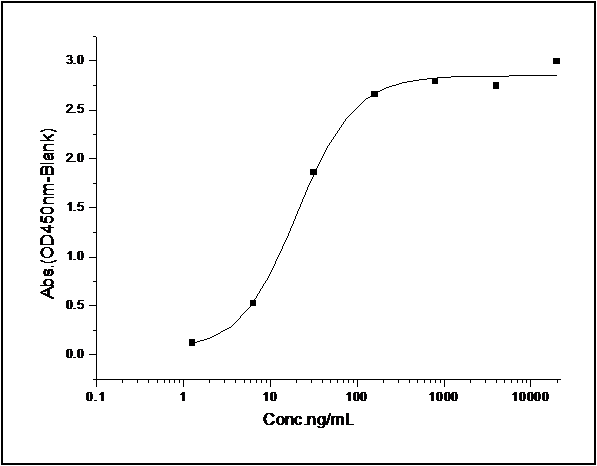
(Measured by its binding ability in a functional ELISA. Immobilized human B7-H6-His at 10 ug/mL (100 uL/well) can bind human NCR3-Fch, the EC50 of human NCR3-Fch is 6-200 ng/mL.)
Application Data
(Measured by its binding ability in a functional ELISA. Immobilized human B7-H6-His at 10 ug/mL (100 uL/well) can bind human NCR3-Fch, the EC50 of human NCR3-Fch is 6-200 ng/mL.)
B7-H6, Active Protein (Cat# AAA258051)
 Application Data
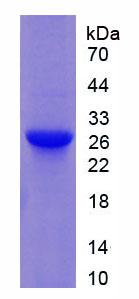
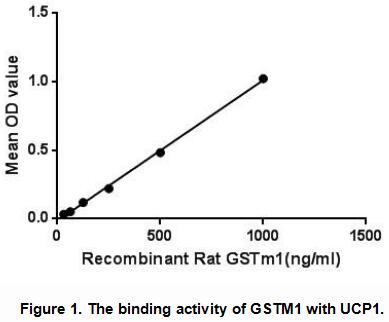
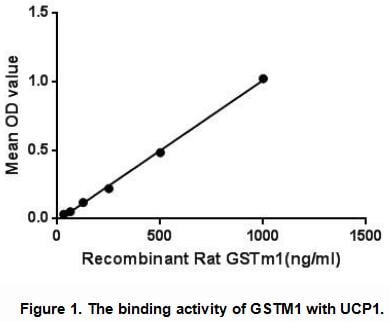
Glutathione S Transferase Mu 1 (GSTm1), Active Protein (Cat# AAA148176)
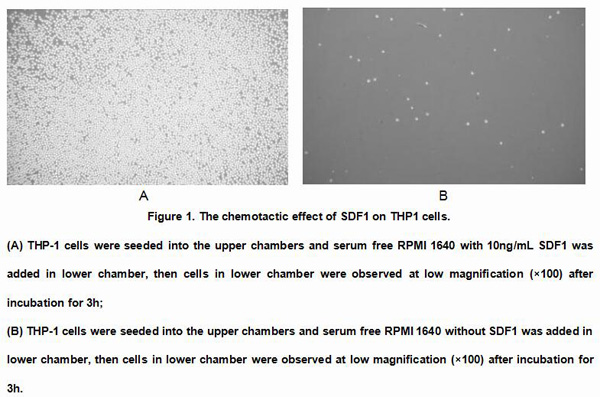
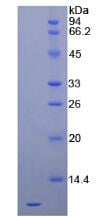 SDS-PAGE
Stromal Cell Derived Factor 1 (SDF1), Active Protein (Cat# AAA148247)
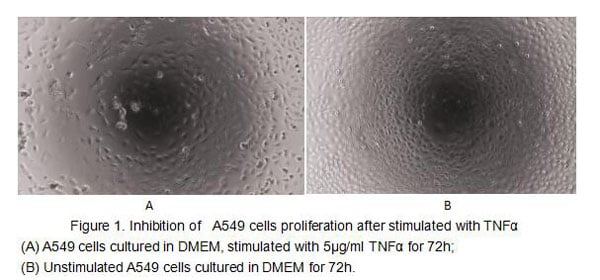
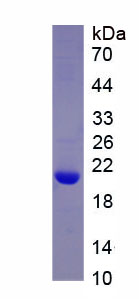
 Bioactivity
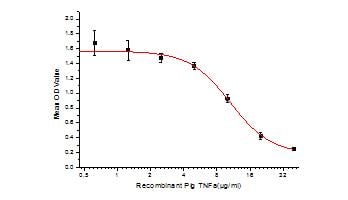
(Figure 2. Inhibition of A549 cells proliferation after stimulated with TNFalpha.)
Bioactivity
(Figure 2. Inhibition of A549 cells proliferation after stimulated with TNFalpha.)
Tumor Necrosis Factor Alpha (TNFa), Active Protein (Cat# AAA152990)
 Bioactivity
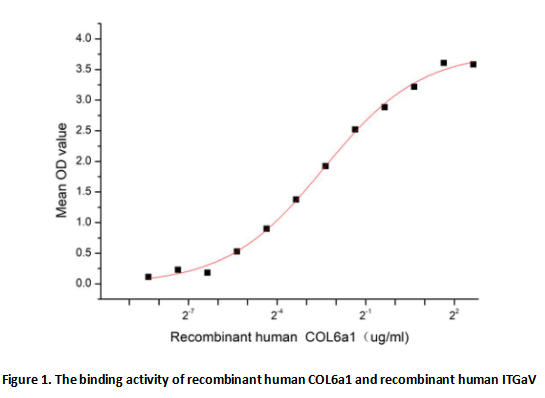
(Collagen alpha-1(VI) chain (COL6a1) is a protein that in humans, the collagens are a superfamily of proteins that play a role in maintaining the integrity of various tissues. Collagens are extracellular matrix proteins and have a triple-helical domain as their common structural element. Besides, Integrin Alpha V (ITGaV) has been identified as an interactor of COL6A1, thus a functional binding ELISA assay was conducted to detect the interaction of recombinant human COL6a1 and recombinant human ITGaV. Briefly, COL6a1 were diluted serially in PBS, with 0.01% BSA (pH 7.4). Duplicate samples of 100 ul were then transferred to ITGaV -coated microtiter wells and incubated for 2h at 37 degree C. Wells were washed with PBST and incubated for 1h with anti-COL6a1 pAb, then aspirated and washed 3 times. After incubation with HRP labelled secondary antibody, wells were aspirated and washed 5 times. With the addition of substrate solution, wells were incubated 15-25 minutes at 37 degree C. Finally, add 50 uL stop solution to the wells and read at 450/630 nm immediately. The binding activity of recombinant human COL6a1 and recombinant human ITGaV was shown in Figure 1, the EC50 for this effect is 0.19 ug/mL.)
Bioactivity
(Collagen alpha-1(VI) chain (COL6a1) is a protein that in humans, the collagens are a superfamily of proteins that play a role in maintaining the integrity of various tissues. Collagens are extracellular matrix proteins and have a triple-helical domain as their common structural element. Besides, Integrin Alpha V (ITGaV) has been identified as an interactor of COL6A1, thus a functional binding ELISA assay was conducted to detect the interaction of recombinant human COL6a1 and recombinant human ITGaV. Briefly, COL6a1 were diluted serially in PBS, with 0.01% BSA (pH 7.4). Duplicate samples of 100 ul were then transferred to ITGaV -coated microtiter wells and incubated for 2h at 37 degree C. Wells were washed with PBST and incubated for 1h with anti-COL6a1 pAb, then aspirated and washed 3 times. After incubation with HRP labelled secondary antibody, wells were aspirated and washed 5 times. With the addition of substrate solution, wells were incubated 15-25 minutes at 37 degree C. Finally, add 50 uL stop solution to the wells and read at 450/630 nm immediately. The binding activity of recombinant human COL6a1 and recombinant human ITGaV was shown in Figure 1, the EC50 for this effect is 0.19 ug/mL.)
Collagen Type VI Alpha 1 (COL6a1), Active Protein (Cat# AAA161878)
 Bioactivity
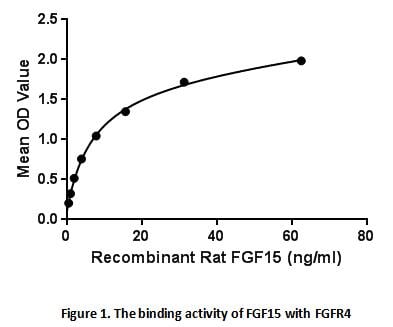
(Fibroblast growth factor 15 is a protein in mouse encoded by the Fgf15 gene. It is a member of the fibroblast growth factor (FGF) family but, like FGF19, FGF21 and FGF23, has endocrine functions. FGF15 subsequently acts on a cell surface receptor complex)
Bioactivity
(Fibroblast growth factor 15 is a protein in mouse encoded by the Fgf15 gene. It is a member of the fibroblast growth factor (FGF) family but, like FGF19, FGF21 and FGF23, has endocrine functions. FGF15 subsequently acts on a cell surface receptor complex)
Fibroblast Growth Factor 15 (FGF15), Active Protein (Cat# AAA153137)
 Bioactivity
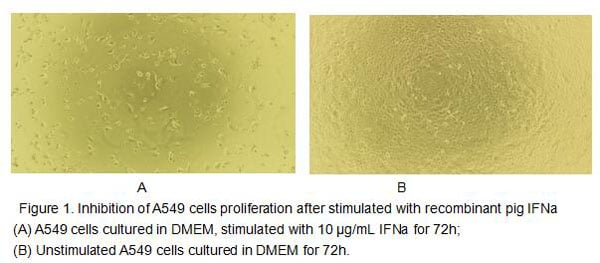
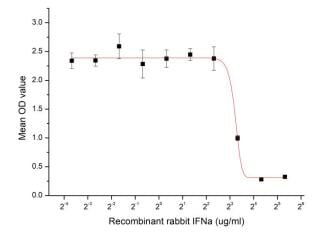
(Figure 2. Inhibition of A549 cells proliferation after stimulated with recombinant rabbit IFN-alpha.)
Bioactivity
(Figure 2. Inhibition of A549 cells proliferation after stimulated with recombinant rabbit IFN-alpha.)
Interferon Alpha (IFNa), Active Protein (Cat# AAA152956)
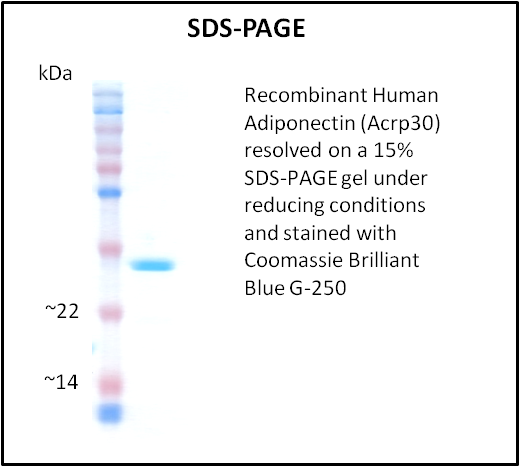
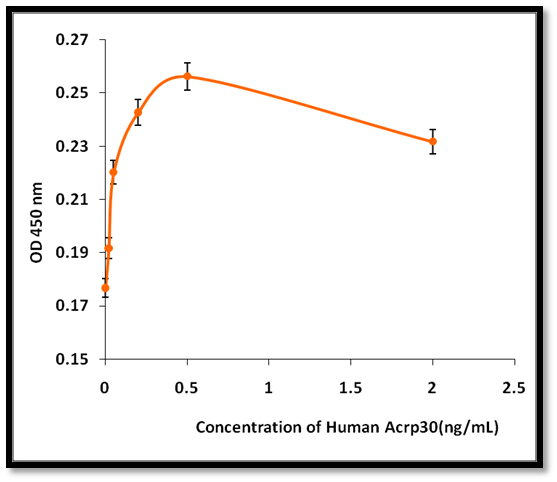 Application Data
Adiponectin (Acrp30), Active Protein (Cat# AAA214306)
 Application Data
(Measured in a serum-free cell proliferation assay using MCF-7 human breast cancer cells. Karey, K.P. et al. (1988) Cancer Research 48:4083. The ED50 for this effect is typically 0.05-0.2 ug/mL.)
Application Data
(Measured in a serum-free cell proliferation assay using MCF-7 human breast cancer cells. Karey, K.P. et al. (1988) Cancer Research 48:4083. The ED50 for this effect is typically 0.05-0.2 ug/mL.)
Transferrin, Active Protein (Cat# AAA258208)
 Bioactivity
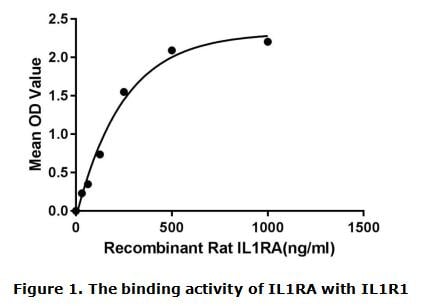
(The interleukin-1 receptor antagonist (IL-1RA) is a member of the interleukin 1 cytokine family. IL1Ra is secreted by various types of cells including immune cells, epithelial cells, and adipocytes, and is a natural inhibitor of the pro-inflammatory effec)
Bioactivity
(The interleukin-1 receptor antagonist (IL-1RA) is a member of the interleukin 1 cytokine family. IL1Ra is secreted by various types of cells including immune cells, epithelial cells, and adipocytes, and is a natural inhibitor of the pro-inflammatory effec)
Interleukin 1 Receptor Antagonist (IL1RA), Active Protein (Cat# AAA153007)
 SDS-PAGE
AKR7A2, Active Protein (Cat# AAA48568)
 Application Data
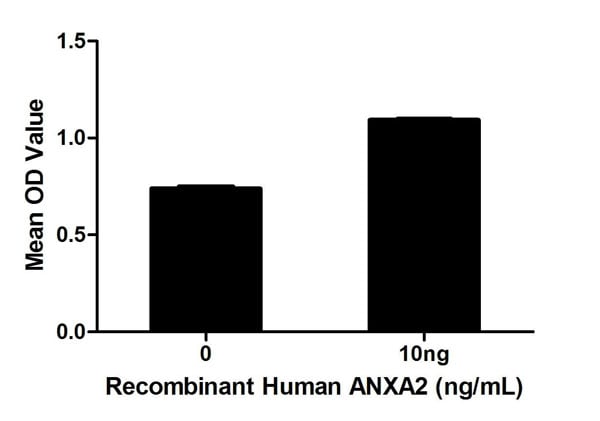
(Figure. Cell proliferation of Hela cells after stimulated with ANXA2.)
Application Data
(Figure. Cell proliferation of Hela cells after stimulated with ANXA2.)
Annexin A2, Active Protein (Cat# AAA150121)
 Bioactivity
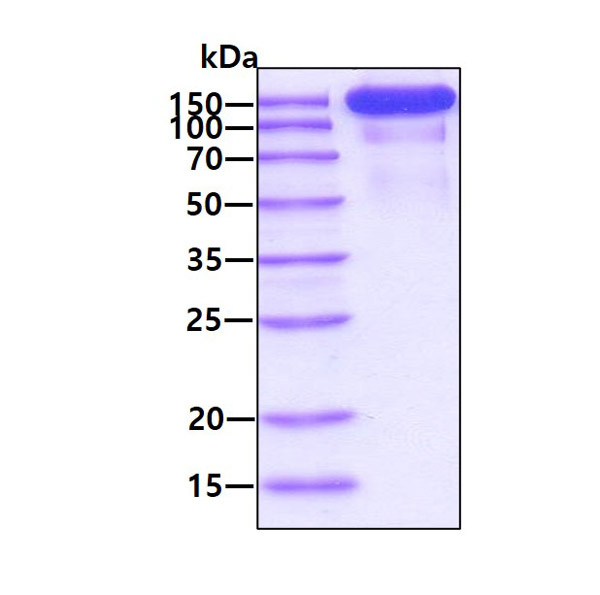
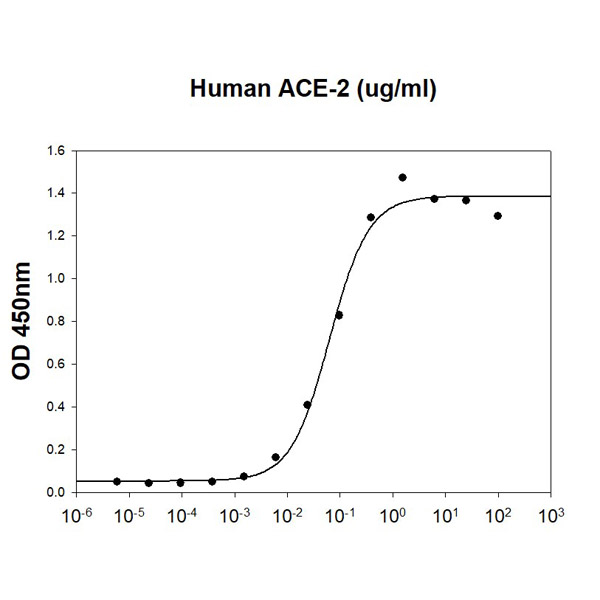
(SARS-CoV-2 Spike RBD is coated at 5 ug/ml (100 ul/well) can bind Human ACE-2. The ED50 range )
Bioactivity
(SARS-CoV-2 Spike RBD is coated at 5 ug/ml (100 ul/well) can bind Human ACE-2. The ED50 range )
ACE-2, Active Protein (Cat# AAA48372)
 Bioactivity
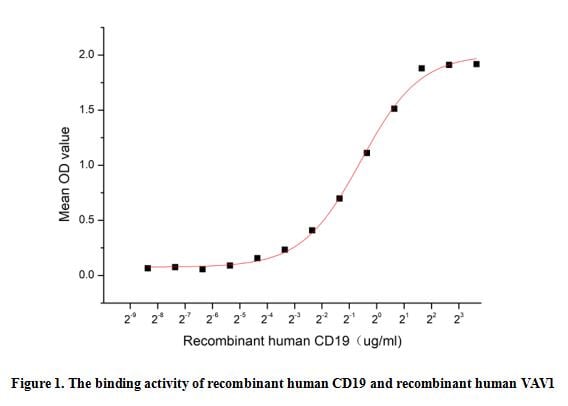
(Cluster Of Differentiation 19 (CD19) is a type I transmembrane glycoprotein belonging to the immunoglobulin superfamily. It is expressed in normal and neoplastic B cells, and it modulates the threshold of B cell activation for amplifying B cell receptor signaling. This protein has recently emerged as a very attractive biomarker and therapeutic target for B-cell malignancies. The development of safe and effective ligands for CD19 has become an important need for the development of targeted conventional and immunotherapies. As far as we know, signaling through CD19 activates Vav/mitogen-activated protein kinase pathway and induces formation of a CD19/Vav/phosphatidylinositol 3-kinase complex in human B cell precursors. Thus a functional binding ELISA assay was conducted to detect the interaction of recombinant human CD19 and recombinant human VAV1. Briefly, biotin-linked CD19 were diluted serially in PBS, with 0.01% BSA (pH 7.4). Duplicate samples of 100 ul were then transferred to VAV1-coated microtiter wells and incubated for 1h at 37 degree C. Wells were washed with PBST 3 times and incubation with Streptavidin-HRP for 30min, then wells were aspirated and washed 5 times. With the addition of substrate solution, wells were incubated 15-25 minutes at 37 degree C. Finally, add 50 ul stop solution to the wells and read at 450 nm immediately. The binding activity of recombinant human CD19 and recombinant human VAV1 was shown in Figure 1, the EC50 for this effect is 0.67 ug/mL.)
Bioactivity
(Cluster Of Differentiation 19 (CD19) is a type I transmembrane glycoprotein belonging to the immunoglobulin superfamily. It is expressed in normal and neoplastic B cells, and it modulates the threshold of B cell activation for amplifying B cell receptor signaling. This protein has recently emerged as a very attractive biomarker and therapeutic target for B-cell malignancies. The development of safe and effective ligands for CD19 has become an important need for the development of targeted conventional and immunotherapies. As far as we know, signaling through CD19 activates Vav/mitogen-activated protein kinase pathway and induces formation of a CD19/Vav/phosphatidylinositol 3-kinase complex in human B cell precursors. Thus a functional binding ELISA assay was conducted to detect the interaction of recombinant human CD19 and recombinant human VAV1. Briefly, biotin-linked CD19 were diluted serially in PBS, with 0.01% BSA (pH 7.4). Duplicate samples of 100 ul were then transferred to VAV1-coated microtiter wells and incubated for 1h at 37 degree C. Wells were washed with PBST 3 times and incubation with Streptavidin-HRP for 30min, then wells were aspirated and washed 5 times. With the addition of substrate solution, wells were incubated 15-25 minutes at 37 degree C. Finally, add 50 ul stop solution to the wells and read at 450 nm immediately. The binding activity of recombinant human CD19 and recombinant human VAV1 was shown in Figure 1, the EC50 for this effect is 0.67 ug/mL.)
Cluster Of Differentiation 19 (CD19), Active Protein (Cat# AAA161866)
 Bioactivity
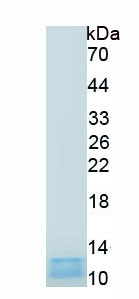
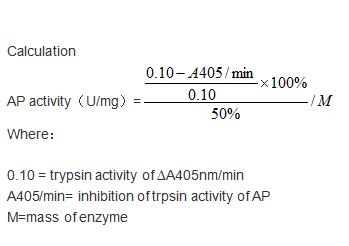
(Aprotinin (AP) is a competitive serine protease inhibitor. Reversibly binds to and blocks the enzymatic active site. Inhibits a range of serine proteases including trypsin, chymotrypsin, kallikrein and plasmin. Inhibits cytopathogenic effect of SARS-CoV-2 and double-stranded RNA formation in SARS-CoV-2-infected cells. The activity of recombinant pig AP was measured by its ability to inhibit trypsin cleavage of a peptide substrate BAPNA in the assay buffer 200 mM Triethanolamine hydrochloride, 20 mM CaCl2, pH 7.8. The reaction was performed in adding 20 ul 4 mg/mL trypsin diluted by 1mM HCl to 160 ul assay buffer and 20 ul 0.85% (w/v) NaCl and start the reaction by adding 100 ul of 1mg/ml BAPNA. Include a substrate blank containing 160 ul assay buffer, 20 ul 1mM HCl, 20 ul 0.85% (w/v) NaCl and 100 uL of 1mg/ml substrate. Rapidly mixing at 25 degree C, then read at 405 nm in kinetic mode for 5 minutes using a microplate reader controlling the ?A405nm/min=0.08-0.12. The 20 ul different concentrations of recombinant pig AP was incubated with 20 ul 4 mg/mL trypsin in 160 ul assay buffer at 25 degree C for 10 minutes followed by adding 100 ul substrate, then read at 405 nm in kinetic mode for 5 minutes using a microplate reader. Under these conditions, the enzyme amount of 50% inhibition of trypsin activity per minute is defined as a unit. The specific activity of recombinant pig AP is >9000 U/mg.)
Bioactivity
(Aprotinin (AP) is a competitive serine protease inhibitor. Reversibly binds to and blocks the enzymatic active site. Inhibits a range of serine proteases including trypsin, chymotrypsin, kallikrein and plasmin. Inhibits cytopathogenic effect of SARS-CoV-2 and double-stranded RNA formation in SARS-CoV-2-infected cells. The activity of recombinant pig AP was measured by its ability to inhibit trypsin cleavage of a peptide substrate BAPNA in the assay buffer 200 mM Triethanolamine hydrochloride, 20 mM CaCl2, pH 7.8. The reaction was performed in adding 20 ul 4 mg/mL trypsin diluted by 1mM HCl to 160 ul assay buffer and 20 ul 0.85% (w/v) NaCl and start the reaction by adding 100 ul of 1mg/ml BAPNA. Include a substrate blank containing 160 ul assay buffer, 20 ul 1mM HCl, 20 ul 0.85% (w/v) NaCl and 100 uL of 1mg/ml substrate. Rapidly mixing at 25 degree C, then read at 405 nm in kinetic mode for 5 minutes using a microplate reader controlling the ?A405nm/min=0.08-0.12. The 20 ul different concentrations of recombinant pig AP was incubated with 20 ul 4 mg/mL trypsin in 160 ul assay buffer at 25 degree C for 10 minutes followed by adding 100 ul substrate, then read at 405 nm in kinetic mode for 5 minutes using a microplate reader. Under these conditions, the enzyme amount of 50% inhibition of trypsin activity per minute is defined as a unit. The specific activity of recombinant pig AP is >9000 U/mg.)
Aprotinin (AP), Active Protein (Cat# AAA161812)
 SDS-PAGE
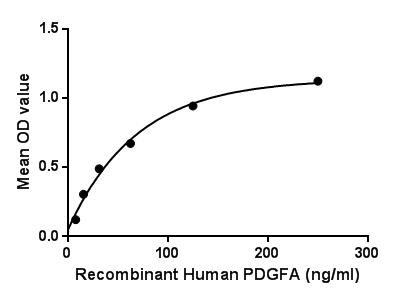
Platelet Derived Growth Factor Subunit A (PDGFA), Active Protein (Cat# AAA149234)
 Bioactivity
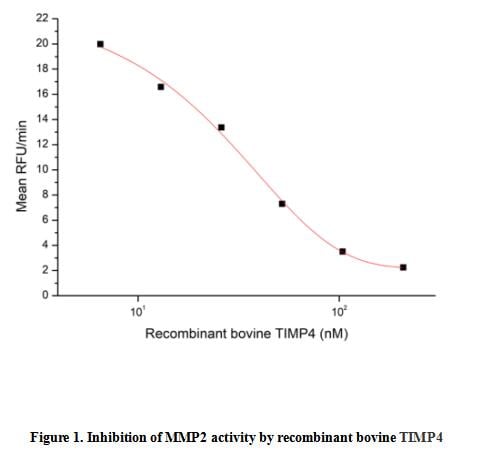
(Tissue Inhibitors of Metalloproteinase 4 (TIMP4) is an enzyme that in humans is encoded by the TIMP4 gene. This gene belongs to the tissue inhibitor of metalloproteinases gene family. The proteins encoded by this gene family are inhibitors of the matrix metalloproteinases, a group of peptidases involved in degradation of the extracellular matrix. The secreted, netrin domain-containing protein encoded by this gene is involved in regulation of platelet aggregation and recruitment and may play role in hormonal regulation and endometrial tissue remodeling. The activity of recombinant bovine TIMP4 was measured by its ability to inhibit rhMMP2 cleavage of a fluorogenic peptide substrate MCA-Pro-Leu-Gly-Leu-DPA-Ala-Arg-NH2 in the assay buffer 50 mM Tris, 10 mM CaCl2, 150 mM NaCl, 0.05% (w/v) Brij-35, pH 7.5. rhMMP2 was diluted to 100 ug/ml and activated with 1 mM APMA at 37 degree C for 1 hour and rbTIMP4 (MW: 24.05 KD) was diluted to different concentrations with the assay buffer. Mix 8 ul of rbTIMP4 curve dilutions, 12.8 ul of activated rhMMP-2, and 59.2 ul of assay buffer, including a control containing assay buffer and the diluted rhMMP-2 and incubate the reactions for 2 hours at 37 degree C. Loading 50 ul of the incubated mixtures which were diluted five-fold in assay buffer into empty wells of a plate, and start the reaction by adding 50 ul of 20 uM substrate. Include a substrate blank containing 50 ul of assay buffer and 50 ul of 20 uM substrate. Then read at excitiation and emission wavelengths of 320 nm and 405 nm, respectively, in kinetic mode for 5 minutes. The result was shown in Figure 1 and it was obvious that recombinant bovine TIMP4 significantly decreased rhMMP2 activity. The inhibition IC50 was )
Bioactivity
(Tissue Inhibitors of Metalloproteinase 4 (TIMP4) is an enzyme that in humans is encoded by the TIMP4 gene. This gene belongs to the tissue inhibitor of metalloproteinases gene family. The proteins encoded by this gene family are inhibitors of the matrix metalloproteinases, a group of peptidases involved in degradation of the extracellular matrix. The secreted, netrin domain-containing protein encoded by this gene is involved in regulation of platelet aggregation and recruitment and may play role in hormonal regulation and endometrial tissue remodeling. The activity of recombinant bovine TIMP4 was measured by its ability to inhibit rhMMP2 cleavage of a fluorogenic peptide substrate MCA-Pro-Leu-Gly-Leu-DPA-Ala-Arg-NH2 in the assay buffer 50 mM Tris, 10 mM CaCl2, 150 mM NaCl, 0.05% (w/v) Brij-35, pH 7.5. rhMMP2 was diluted to 100 ug/ml and activated with 1 mM APMA at 37 degree C for 1 hour and rbTIMP4 (MW: 24.05 KD) was diluted to different concentrations with the assay buffer. Mix 8 ul of rbTIMP4 curve dilutions, 12.8 ul of activated rhMMP-2, and 59.2 ul of assay buffer, including a control containing assay buffer and the diluted rhMMP-2 and incubate the reactions for 2 hours at 37 degree C. Loading 50 ul of the incubated mixtures which were diluted five-fold in assay buffer into empty wells of a plate, and start the reaction by adding 50 ul of 20 uM substrate. Include a substrate blank containing 50 ul of assay buffer and 50 ul of 20 uM substrate. Then read at excitiation and emission wavelengths of 320 nm and 405 nm, respectively, in kinetic mode for 5 minutes. The result was shown in Figure 1 and it was obvious that recombinant bovine TIMP4 significantly decreased rhMMP2 activity. The inhibition IC50 was )
Tissue Inhibitors Of Metalloproteinase 4 (TIMP4), Active Protein (Cat# AAA161701)
 Bioactivity
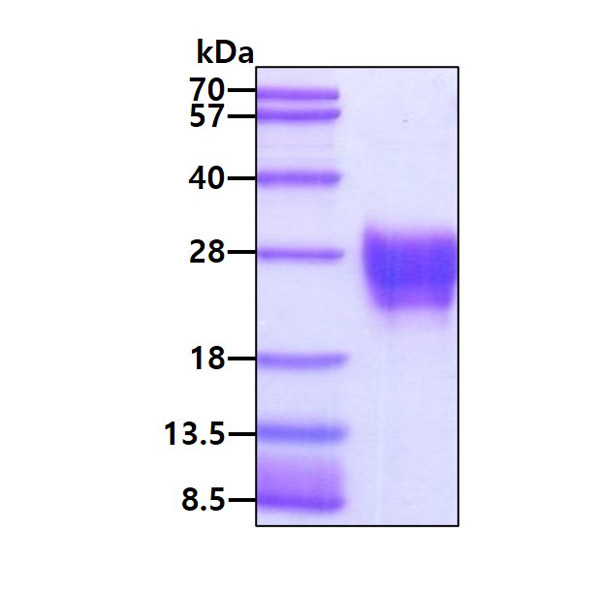
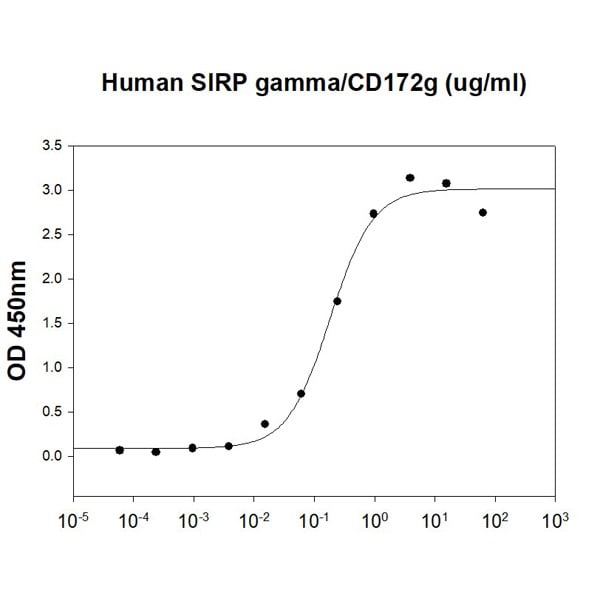
(Human CD47 is coated at 1 ug/ml (100 ul/well) can bind Human SIRP gamma/CD172g (CAT# ATGP4030) in a Functional ELISA assay.)
Bioactivity
(Human CD47 is coated at 1 ug/ml (100 ul/well) can bind Human SIRP gamma/CD172g (CAT# ATGP4030) in a Functional ELISA assay.)
CD47, Active Protein (Cat# AAA48392)
 Bioactivity
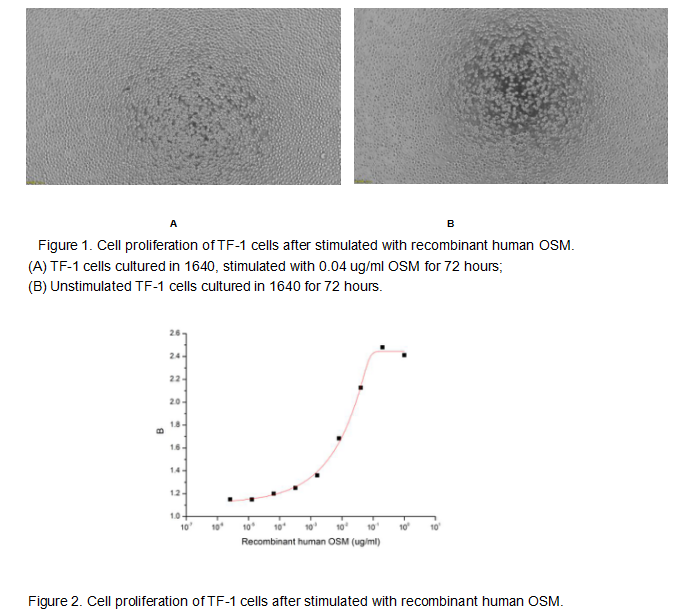
(Oncostatin M (OSM) is an approximately 30 KDa secreted cytokine belonging to the Interleukin-6 family. Like other members of the IL-6 family such as IL-11, CNTF, and Cardiotrophin-1, OSM plays crucial roles in inflammation, neuroprotection, hematopoiesis, metabolism and development. To test the effect of OSM on cell proliferation, TF-1 cells were seeded into triplicate wells of 96-well plates with various concentrations of recombinant human OSM. After incubated for 72 hours, cells were observed by inverted microscope and cell proliferation was measured by Cell Counting Kit-8 (CCK-8). Briefly, 10 ul of CCK-8 solution was added to each well of the plate, then the absorbance at 450 nm was measured using a microplate reader after incubating the plate for 1-4 hours at 37 degree C. Proliferation of TF-1 cells after incubation with OSM for 72 hours observed by inverted microscope was shown in Figure 1. Cell viability was assessed by CCK-8 (Cell Counting Kit-8) assay after incubation with recombinant human OSM for 72 hours. The result was shown in Figure 2. It was obvious that recombinant human OSM significantly increased cell viability of TF-1 cells, the EC50 was 0.014 ug/ml.)
Bioactivity
(Oncostatin M (OSM) is an approximately 30 KDa secreted cytokine belonging to the Interleukin-6 family. Like other members of the IL-6 family such as IL-11, CNTF, and Cardiotrophin-1, OSM plays crucial roles in inflammation, neuroprotection, hematopoiesis, metabolism and development. To test the effect of OSM on cell proliferation, TF-1 cells were seeded into triplicate wells of 96-well plates with various concentrations of recombinant human OSM. After incubated for 72 hours, cells were observed by inverted microscope and cell proliferation was measured by Cell Counting Kit-8 (CCK-8). Briefly, 10 ul of CCK-8 solution was added to each well of the plate, then the absorbance at 450 nm was measured using a microplate reader after incubating the plate for 1-4 hours at 37 degree C. Proliferation of TF-1 cells after incubation with OSM for 72 hours observed by inverted microscope was shown in Figure 1. Cell viability was assessed by CCK-8 (Cell Counting Kit-8) assay after incubation with recombinant human OSM for 72 hours. The result was shown in Figure 2. It was obvious that recombinant human OSM significantly increased cell viability of TF-1 cells, the EC50 was 0.014 ug/ml.)
Oncostatin M (OSM), Active Protein (Cat# AAA161689)
 Application Data
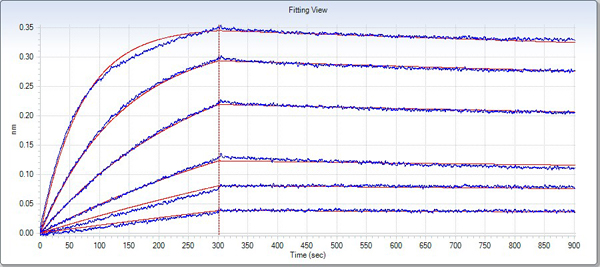
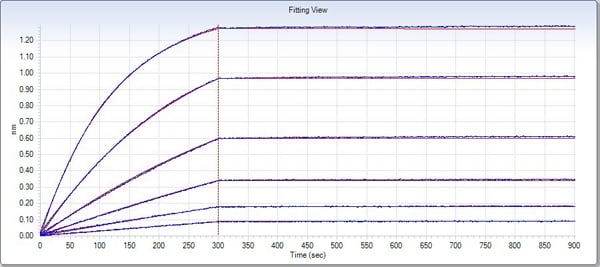
(Loaded Fc-DPPIV on ProA Biosensor, can bind MERS-CoV Spike/S1 Protein (S1 Subunit, aa 1-725, His Tag) with an affinity constant of 0.02 nM as determined by Octet RED System.)
Application Data
(Loaded Fc-DPPIV on ProA Biosensor, can bind MERS-CoV Spike/S1 Protein (S1 Subunit, aa 1-725, His Tag) with an affinity constant of 0.02 nM as determined by Octet RED System.)
DPP4/CD26, Active Protein (Cat# AAA257911)
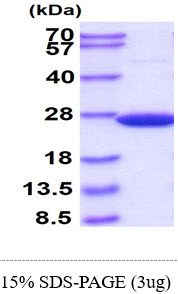 SDS-PAGE
SOD2, Active Protein (Cat# AAA48636)
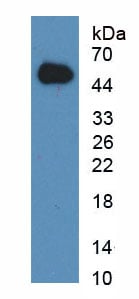
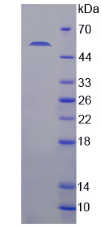
 Bioactivity
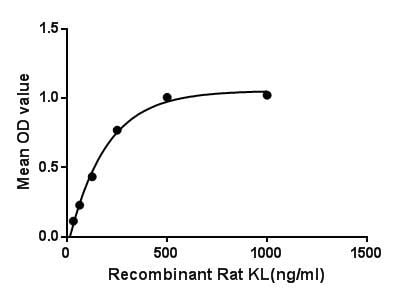
(Klotho (KL) is a transmembrane protein that, in addition to other effects, provides some control over the sensitivity of the organism to insulin and appears to be involved in aging. The Klotho protein is a novel -glucuronidase capable of hydrolyzing steroid -glucuronides. Genetic variants in KLOTHO have been associated with human aging, and Klotho protein has been shown to be a circulating factor detectable in serum that declines with age. The binding of certain fibroblast growth factors (FGFs) viz., FGF19, FGF20, and FGF23, to their fibroblast growth factor receptors, is promoted via their interactions as co-receptors with -Klotho. Besides, Fibroblast Growth Factor 23 (FGF23) has been identified as an interactor of KL, thus a binding ELISA assay was conducted to detect the interaction of recombinant rat KL and recombinant rat FGF23. Briefly, KL were diluted serially in PBS, with 0.01% BSA (pH 7.4). Duplicate samples of 100L were then transferred to FGF23-coated microtiter wells and incubated for 2h at 37. Wells were washed with PBST and incubated for 1h with anti-KL pAb, then aspirated and washed 3 times. After incubation with HRP labelled secondary antibody, wells were aspirated and washed 3 times. With the addition of substrate solution, wells were incubated 15-25 minutes at 37. Finally, add 50uL stop solution to the wells and read at 450nm immediately. The binding activity of KL and FGF23 was shown in Figure 1, and this effect was in a dose dependent manner.Figure. The binding activity of KL with FGF23.)
Bioactivity
(Klotho (KL) is a transmembrane protein that, in addition to other effects, provides some control over the sensitivity of the organism to insulin and appears to be involved in aging. The Klotho protein is a novel -glucuronidase capable of hydrolyzing steroid -glucuronides. Genetic variants in KLOTHO have been associated with human aging, and Klotho protein has been shown to be a circulating factor detectable in serum that declines with age. The binding of certain fibroblast growth factors (FGFs) viz., FGF19, FGF20, and FGF23, to their fibroblast growth factor receptors, is promoted via their interactions as co-receptors with -Klotho. Besides, Fibroblast Growth Factor 23 (FGF23) has been identified as an interactor of KL, thus a binding ELISA assay was conducted to detect the interaction of recombinant rat KL and recombinant rat FGF23. Briefly, KL were diluted serially in PBS, with 0.01% BSA (pH 7.4). Duplicate samples of 100L were then transferred to FGF23-coated microtiter wells and incubated for 2h at 37. Wells were washed with PBST and incubated for 1h with anti-KL pAb, then aspirated and washed 3 times. After incubation with HRP labelled secondary antibody, wells were aspirated and washed 3 times. With the addition of substrate solution, wells were incubated 15-25 minutes at 37. Finally, add 50uL stop solution to the wells and read at 450nm immediately. The binding activity of KL and FGF23 was shown in Figure 1, and this effect was in a dose dependent manner.Figure. The binding activity of KL with FGF23.)
Klotho, Active Protein (Cat# AAA150143)
 Bioactivity
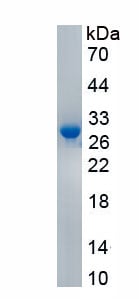
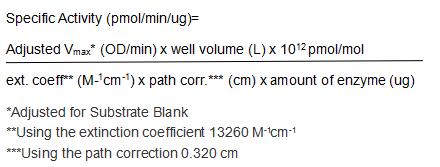
(Granzyme B is a member of the granzyme family of the serine proteases found specifically in the cytotoxic granules of cytotoxic T lymphocytes (CTL) and natural killer (NK) cells. Granzyme B plays an essential role in granule-mediated apoptosis and may have additional roles in rheumatoid arthritis and in bacterial and viral infections. It activates various caspases and cleaves proteins such as aggrecan. The activity of recombinant pig Granzyme B was measured by its ability to cleaves a thioester substrate Z-Lys-SBzl•HCl. The reaction was performed in 0.05 M Tris, 0.15 M NaCl, 0.01% Triton X-100, pH 8.0 (Assay Buffer), initiated by addition 50 uL of various concentrations of GZMB (diluted by Assay Buffer) to 50 uL of 1.2 mM Substrate and DTNB mixture. The final well serves as a negative control with no GZMB, replaced with 50 uL assay buffer. Incubated at 25 degree C for 5min, then read at a wavelength of 405 nm. The specific activity of recombinant pig Granzyme B is >440 pmol/min/ug.)
Bioactivity
(Granzyme B is a member of the granzyme family of the serine proteases found specifically in the cytotoxic granules of cytotoxic T lymphocytes (CTL) and natural killer (NK) cells. Granzyme B plays an essential role in granule-mediated apoptosis and may have additional roles in rheumatoid arthritis and in bacterial and viral infections. It activates various caspases and cleaves proteins such as aggrecan. The activity of recombinant pig Granzyme B was measured by its ability to cleaves a thioester substrate Z-Lys-SBzl•HCl. The reaction was performed in 0.05 M Tris, 0.15 M NaCl, 0.01% Triton X-100, pH 8.0 (Assay Buffer), initiated by addition 50 uL of various concentrations of GZMB (diluted by Assay Buffer) to 50 uL of 1.2 mM Substrate and DTNB mixture. The final well serves as a negative control with no GZMB, replaced with 50 uL assay buffer. Incubated at 25 degree C for 5min, then read at a wavelength of 405 nm. The specific activity of recombinant pig Granzyme B is >440 pmol/min/ug.)
Granzyme B (GZMB), Active Protein (Cat# AAA161751)
 Bioactivity
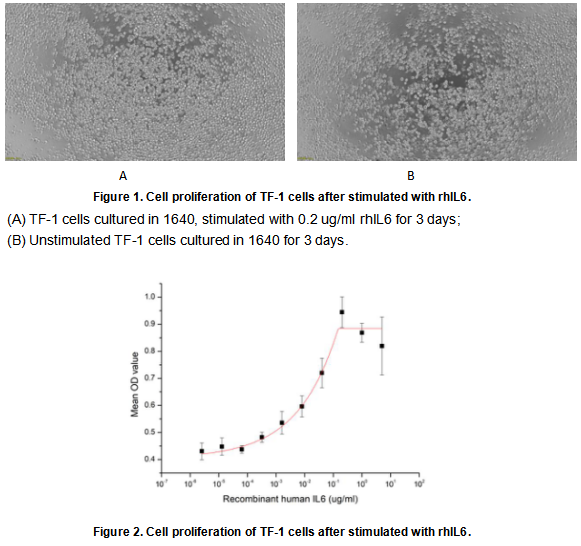
(Interleukin 6 (IL-6) is an interleukin that acts as both a pro-inflammatory cytokine and an anti-inflammatory myokine. Interleukin 6 is secreted by T cells and macrophages to stimulate immune response and also plays a role in fighting infection. It supports the growth of B cells and is antagonistic to regulatory T cells. To test the effect of IL6 on cell proliferation, TF-1 cells were seeded into triplicate wells of 96-well plates at a density of 20,000 cells/well with 10% serum standard 1640 which contains various concentrations of recombinant human IL6. After incubated for 3 days, cells were observed by inverted microscope and cell proliferation was measured by Cell Counting Kit-8 (CCK-8). Briefly, 10 ul of CCK-8 solution was added to each well of the plate, then the absorbance at 450 nm was measured using a microplate reader after incubating the plate for 1-4 hours at 37 degree C. Proliferation of TF-1 cells after incubation with rhIL6 for 3 days observed by inverted microscope was shown in Figure 1. Cell viability was assessed by CCK-8 (Cell Counting Kit-8) assay after incubation with recombinant human IL6 for 3 days. The result was shown in Figure 2. It was obvious that recombinant human IL6 significantly increased cell viability of TF-1 cells, the EC50 was 0.016 ug/ml.)
Bioactivity
(Interleukin 6 (IL-6) is an interleukin that acts as both a pro-inflammatory cytokine and an anti-inflammatory myokine. Interleukin 6 is secreted by T cells and macrophages to stimulate immune response and also plays a role in fighting infection. It supports the growth of B cells and is antagonistic to regulatory T cells. To test the effect of IL6 on cell proliferation, TF-1 cells were seeded into triplicate wells of 96-well plates at a density of 20,000 cells/well with 10% serum standard 1640 which contains various concentrations of recombinant human IL6. After incubated for 3 days, cells were observed by inverted microscope and cell proliferation was measured by Cell Counting Kit-8 (CCK-8). Briefly, 10 ul of CCK-8 solution was added to each well of the plate, then the absorbance at 450 nm was measured using a microplate reader after incubating the plate for 1-4 hours at 37 degree C. Proliferation of TF-1 cells after incubation with rhIL6 for 3 days observed by inverted microscope was shown in Figure 1. Cell viability was assessed by CCK-8 (Cell Counting Kit-8) assay after incubation with recombinant human IL6 for 3 days. The result was shown in Figure 2. It was obvious that recombinant human IL6 significantly increased cell viability of TF-1 cells, the EC50 was 0.016 ug/ml.)
Interleukin 6 (IL6), Active Protein (Cat# AAA161680)

 Bioactivity

 Bioactivity
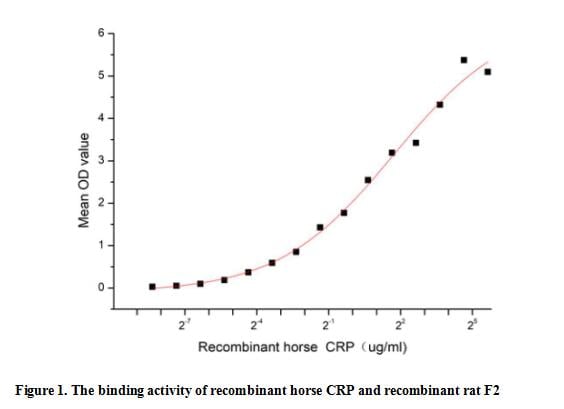
(C reactive protein (CRP) is an annular (ring-shaped), pentameric protein found in blood plasma, whose levels rise in response to inflammation. It is an acute-phase protein of hepatic origin that increases following interleukin-6 secretion by macrophages and T cells. Its physiological role is to bind to lysophosphatidylcholine expressed on the surface of dead or dying cells (and some types of bacteria) in order to activate the complement system via C1q. Besides, Coagulation Factor II (F2) has been identified as an interactor of CRP, thus a functional binding ELISA assay was conducted to detect the interaction of recombinant horse CRP and recombinant rat F2. Briefly, CRP was diluted serially in PBS with 0.01% BSA (pH 7.4). Duplicate samples of 100 ul were then transferred to F2-coated microtiter wells and incubated for 1h at 37 degree C. Wells were washed with PBST and incubated for 1h with anti-CRP pAb, then aspirated and washed 3 times. After incubation with HRP labelled secondary antibody for 1h at 37 degree C, wells were aspirated and washed 5 times. With the addition of substrate solution, wells were incubated 15-25 minutes at 37 degree C. Finally, add 50 uL stop solution to the wells and read at 450/630 nm immediately. The binding activity of recombinant horse CRP and recombinant rat F2 was shown in Figure 1, the EC50 for this effect is 3.29 ug/mL.)
Bioactivity
(C reactive protein (CRP) is an annular (ring-shaped), pentameric protein found in blood plasma, whose levels rise in response to inflammation. It is an acute-phase protein of hepatic origin that increases following interleukin-6 secretion by macrophages and T cells. Its physiological role is to bind to lysophosphatidylcholine expressed on the surface of dead or dying cells (and some types of bacteria) in order to activate the complement system via C1q. Besides, Coagulation Factor II (F2) has been identified as an interactor of CRP, thus a functional binding ELISA assay was conducted to detect the interaction of recombinant horse CRP and recombinant rat F2. Briefly, CRP was diluted serially in PBS with 0.01% BSA (pH 7.4). Duplicate samples of 100 ul were then transferred to F2-coated microtiter wells and incubated for 1h at 37 degree C. Wells were washed with PBST and incubated for 1h with anti-CRP pAb, then aspirated and washed 3 times. After incubation with HRP labelled secondary antibody for 1h at 37 degree C, wells were aspirated and washed 5 times. With the addition of substrate solution, wells were incubated 15-25 minutes at 37 degree C. Finally, add 50 uL stop solution to the wells and read at 450/630 nm immediately. The binding activity of recombinant horse CRP and recombinant rat F2 was shown in Figure 1, the EC50 for this effect is 3.29 ug/mL.)
C ReProtein (CRP), Active Protein (Cat# AAA161779)


 Application Data
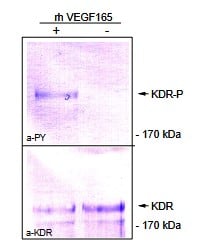
(Fig. 3: Confluent PAE/KDR cells were stimulated with 50ng/ml human VEGF165 for 10 min at 37°C. Cells were lysed and an IP was performed using a mouse anti-human KDR antibody (Cat# WB was performed with a mouse anti-human KDR antibody (Cat# and an anti- Phosphotyrosine antibody.)
Application Data
(Fig. 3: Confluent PAE/KDR cells were stimulated with 50ng/ml human VEGF165 for 10 min at 37°C. Cells were lysed and an IP was performed using a mouse anti-human KDR antibody (Cat# WB was performed with a mouse anti-human KDR antibody (Cat# and an anti- Phosphotyrosine antibody.)
VEGF165, Active Protein (Cat# AAA79288)
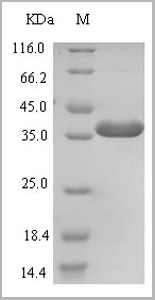 SDS-PAGE
E3 ubiquitin-protein ligase ZNRF3 , Active Protein (Cat# AAA18791)
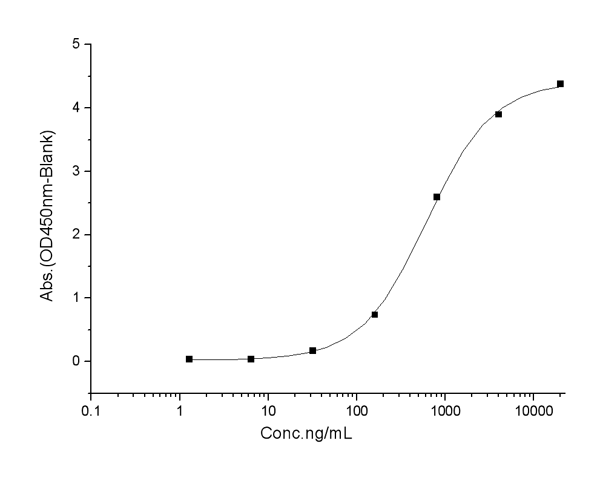 Application Data
(Measured by its binding ability in a functional ELISA. Immobilized Mouse Angiopoietin-2-His at 2 ug/ml (100 ul/well) can bind mouse TEK-Fc, the EC50 of mouse TEK-Fc is 350-900 ng/mL.)
Application Data
(Measured by its binding ability in a functional ELISA. Immobilized Mouse Angiopoietin-2-His at 2 ug/ml (100 ul/well) can bind mouse TEK-Fc, the EC50 of mouse TEK-Fc is 350-900 ng/mL.)
Angiopoietin-2, Active Protein (Cat# AAA258152)
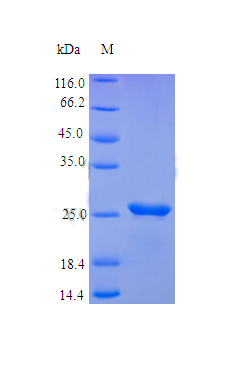 SDS-PAGE
Fibroblast growth factor 23 protein (FGF23), Active Protein (Cat# AAA114242)
 Application Data
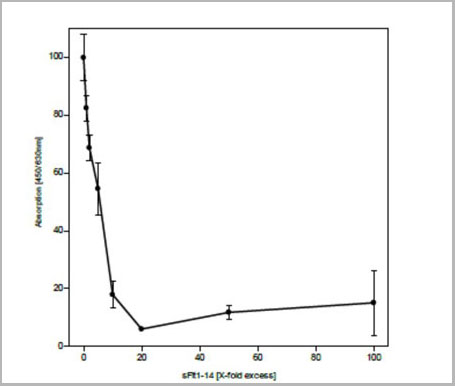
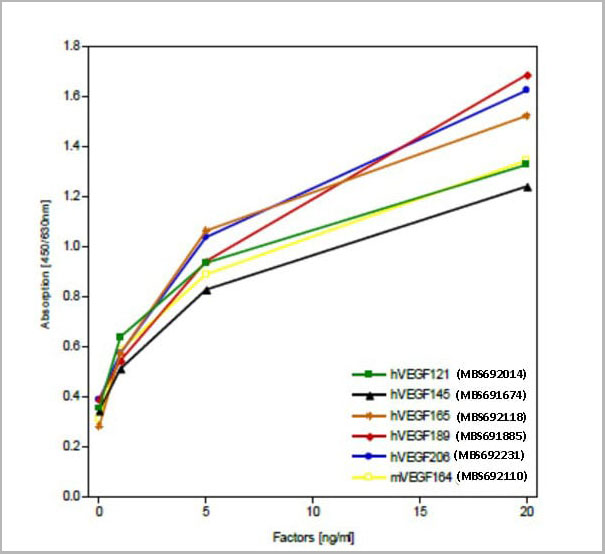
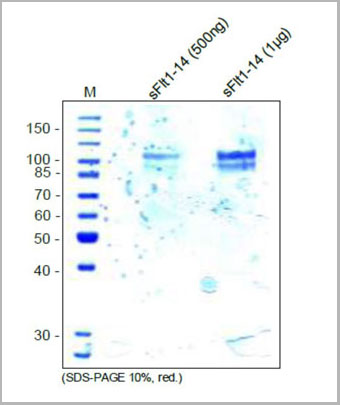
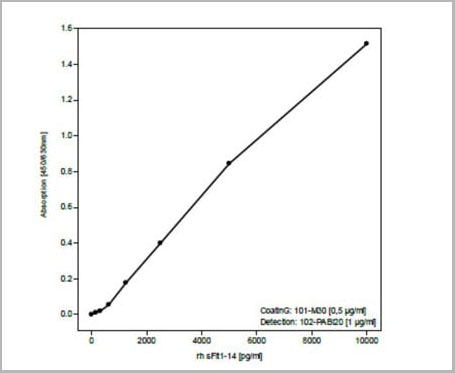
(Flt-1 Sandwich-ELISA using recombinant human sFlt1-14 as standard.Mouse anti-human Flt-1 #EWI was used as capture antibody, Biotinylated rabbit anti-human Flt-1 was used for detection.)
Application Data
(Flt-1 Sandwich-ELISA using recombinant human sFlt1-14 as standard.Mouse anti-human Flt-1 #EWI was used as capture antibody, Biotinylated rabbit anti-human Flt-1 was used for detection.)
VEGFR-1/Flt1-14, Active Protein (Cat# AAA14956)
Alpha-1 Antitrypsin, Active Protein (Cat# AAA38953)
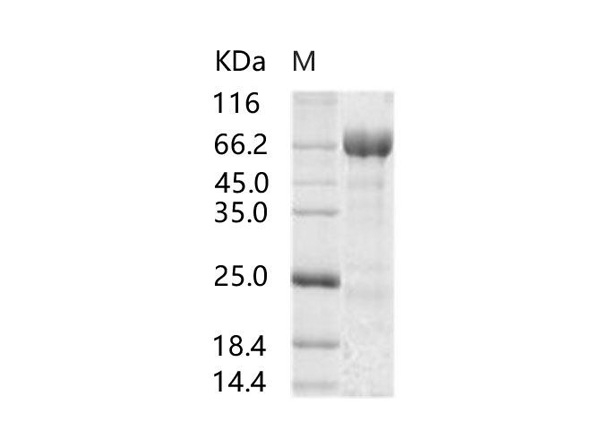
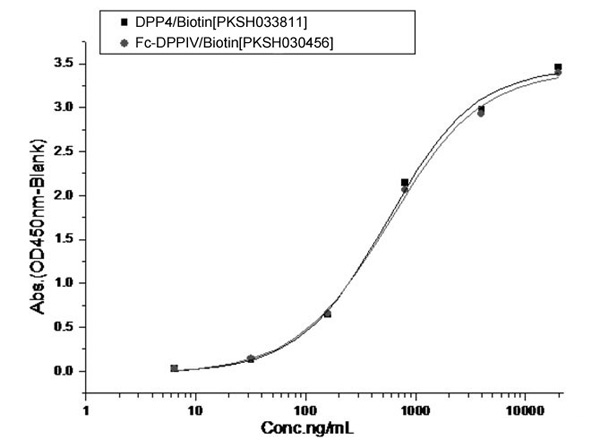 Bioactivity
MERS-CoV Spike Protein, Active Protein (Cat# AAA177989)
What Are Active Proteins?
Proteins are large molecules made up of long chains of amino acids. They will typically fold into a very particular 3-dimensional shape/conformation, that is sometimes referred to as their “native” form, which allows them to work properly in the body. For the purposes of product categorization, AAA Biotech will typically refer to proteins purified from their original animal host as being “native” proteins (this is to signify their difference compared to their recombinant proteins or “synthetic” protein counterparts).
If a protein successfully folds into the correct shape, it will typically display high fidelity characteristics to its original protein in its original animal host and be classified as an active protein, as it will be able to function “normally” in most enzymatic or binding capacities. If it loses this shape, due to factors such as heat or strong chemicals (such as detergents), it becomes inactive and is no longer able to perform its basic functions.
All of the proteins in this category are made under strict quality control, and they are active, pure, low in contaminants, and stable. Most are stored as freeze-dried powders and come without extra tags, so they’re very close to the actual natural/native form.
Learn more in our guide “How active proteins work”.
Key Applications of Active Proteins
1. Scientific Research
- Aid in the study of how proteins function in the body
- Aid in understanding various disease processes
2. Drug Development
- Powerful tools to investigate how potential drugs interact with specific proteins
- Ideal for identifying drug targets
3. Cell Culture
- Are routinely utilized to support cell growth and function (e.g., using exogenous growth factors)
- Can be used to promote cellular development into specific types (differentiation)
4. Diagnostics
- Regularly utilized in tests to detect diseases or infections (e.g., COVID-19, cancer)
- Note: All products are strictly for research-use only (RUO).
5. Therapeutics
- Some active proteins are used directly as treatments (e.g., insulin, enzymes)
- Note: All products are strictly for research-use only (RUO).
6. Vaccine Development
- Used to create or test vaccines by mimicking parts of viruses or bacteria
7. Biochemical Assays
- They can facilitate the characterization of enzyme activity, binding strength, or protein interactions in lab tests
Why Buy Active Proteins from AAA Biotech?
- High biological activity – Verified to perform as expected or indicated on datasheet
- Strict quality control – We are confident in our active proteins’ reliability and consistency
- High purity & low endotoxin – Ideal for applications involving sensitive or precious samples/components
- Freeze-dried for stability – Long shelf life and straightforward storage
- Mostly tag-free – Closer to natural/native protein form
FAQ
1. What are active proteins used for in research?
Active proteins are used primarily in the study of how proteins function, in characterizing/discovering drug interactions, supporting cell growth, running biochemical assays, and in development of diagnostics or therapeutics.
2. How are AAA Biotech's active proteins validated?
AAA Biotech’s active proteins are validated through strict quality control and functional assays to ensure they are properly folded and active. “Active”, though, can be an ambiguous term, so if a specific “activity” or “binding” capability of a protein is of crucial interest to you, please inquire with us prior to purchase, and we will provide further details on how the “Active” modifier was determined to be applicable.
3. Are these proteins tested for biological activity?
Yes, all active proteins from AAA Biotech are tested to confirm they have the expected biological activity before being offered for use. Though, said “biological activity” can be either “enzymatic”, “binding”, or both.