
Filters
▼Clonality
▼Type
▼Reactivity
▼Gene Name
▼Isotype
▼Host
▼Application
▼Clone
▼Active Proteins
AAA Biotech also known as AAA Bio or AAABio provides a variety of high-quality recombinant and natural/native proteins that are proven to work in a wide range of experiments. Explore our products to find the active protein that best fits your needs or experimental model.
Viewing 2450-2500 of 2875 product results
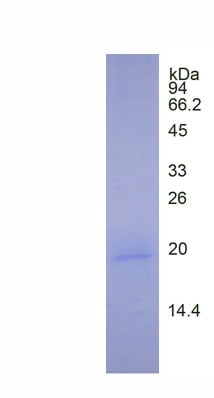
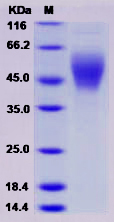 SDS-PAGE
B7-H6 / B7H6, Active Protein (Cat# AAA173515)
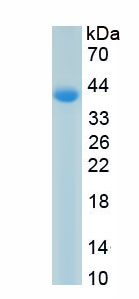
 Bioactivity
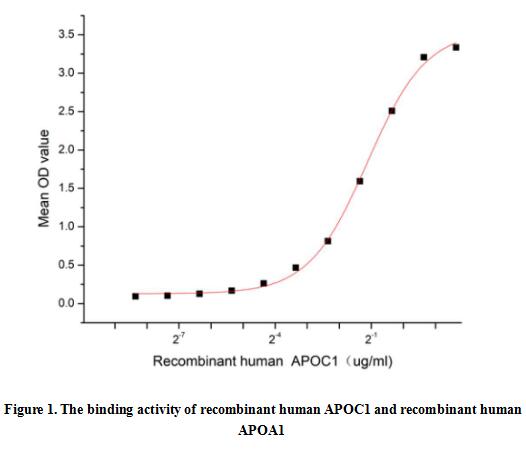
(Apolipoprotein C1 (APOC1), also known as Apo-CI; ApoC-I; apo-CIB; apoC-IB, is the smallest size apolipoprotein of all apolipoprotein C family (Mr = 6.6 kDa) and located at position 19q13.32. APOC1 is primarily expressed in the liver and activated when monocytes differentiate into macrophages. It plays important roles in the innate immune response as effector of glucocorticoid-mediated responses and regulator of the inflammatory process. It has anti-inflammatory activity and also can promote the differentiation of T-cells into Th1 cells and negatively regulates differentiation into Th2 cells. Besides, Apolipoprotein A1 (APOA1) has been identified as an interactor of APOC1, thus a functional binding ELISA assay was conducted to detect the interaction of recombinant human APOC1 and recombinant human APOA1. Briefly, APOC1 was diluted serially in PBS with 0.01% BSA (pH 7.4). Duplicate samples of 100 ul were then transferred to APOA1-coated microtiter wells and incubated for 1h at 37 degree C. Wells were washed with PBST and incubated for 1h with anti-APOC1 pAb, then aspirated and washed 3 times. After incubation with HRP labelled secondary antibody for 1h at 37 degree C, wells were aspirated and washed 5 times. With the addition of substrate solution, wells were incubated 15-25 minutes at 37 degree C. Finally, add 50 uL stop solution to the wells and read at 450/630 nm immediately. The binding activity of recombinant human APOC1 and recombinant human APOA1 was shown in Figure 1, the EC50 for this effect is 0.46 ug/mL.)
Bioactivity
(Apolipoprotein C1 (APOC1), also known as Apo-CI; ApoC-I; apo-CIB; apoC-IB, is the smallest size apolipoprotein of all apolipoprotein C family (Mr = 6.6 kDa) and located at position 19q13.32. APOC1 is primarily expressed in the liver and activated when monocytes differentiate into macrophages. It plays important roles in the innate immune response as effector of glucocorticoid-mediated responses and regulator of the inflammatory process. It has anti-inflammatory activity and also can promote the differentiation of T-cells into Th1 cells and negatively regulates differentiation into Th2 cells. Besides, Apolipoprotein A1 (APOA1) has been identified as an interactor of APOC1, thus a functional binding ELISA assay was conducted to detect the interaction of recombinant human APOC1 and recombinant human APOA1. Briefly, APOC1 was diluted serially in PBS with 0.01% BSA (pH 7.4). Duplicate samples of 100 ul were then transferred to APOA1-coated microtiter wells and incubated for 1h at 37 degree C. Wells were washed with PBST and incubated for 1h with anti-APOC1 pAb, then aspirated and washed 3 times. After incubation with HRP labelled secondary antibody for 1h at 37 degree C, wells were aspirated and washed 5 times. With the addition of substrate solution, wells were incubated 15-25 minutes at 37 degree C. Finally, add 50 uL stop solution to the wells and read at 450/630 nm immediately. The binding activity of recombinant human APOC1 and recombinant human APOA1 was shown in Figure 1, the EC50 for this effect is 0.46 ug/mL.)
Apolipoprotein C1 (APOC1), Active Protein (Cat# AAA161720)
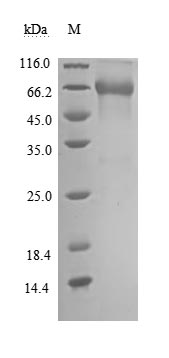
 Bioactivity
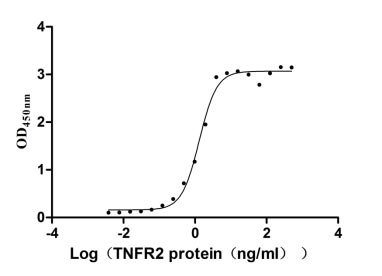
Tumor necrosis factor receptor superfamily member 1B (TNFRSF1B), Active Protein (Cat# AAA244030)


 Bioactivity
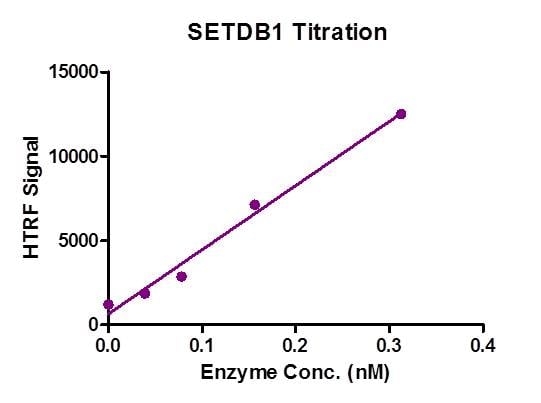
(HTRF assay for Recombinant SETDB1 protein activity. 1 uM histone peptide H3 (1-21) was incubated with SETDB1 in reaction buffer including 50 mM Tris-HCl pH 8.6, 0.02% Triton X-100, 2 mM MgCl2, 1 mM TCEP and 50 uM SAM for 3 hours at room temperature. H3K9me2 antibody was used to detect reaction product.)
Bioactivity
(HTRF assay for Recombinant SETDB1 protein activity. 1 uM histone peptide H3 (1-21) was incubated with SETDB1 in reaction buffer including 50 mM Tris-HCl pH 8.6, 0.02% Triton X-100, 2 mM MgCl2, 1 mM TCEP and 50 uM SAM for 3 hours at room temperature. H3K9me2 antibody was used to detect reaction product.)
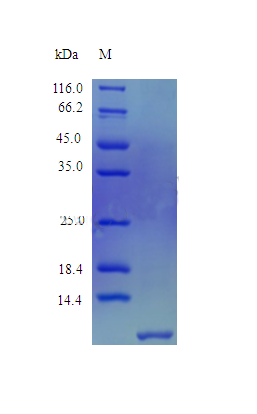 SDS-PAGE
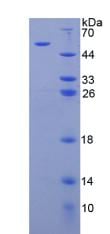
Beta-defensin 4A protein (DEFB4A), Active Protein (Cat# AAA114249)

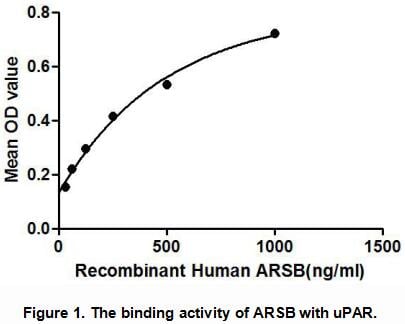 Application Data
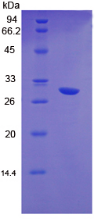
Arylsulfatase B (ARSB), Active Protein (Cat# AAA148214)
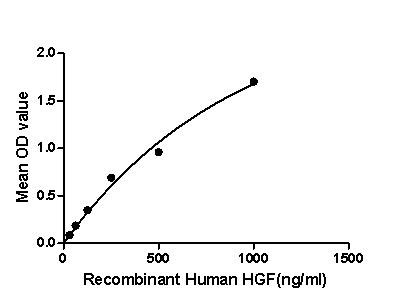 Bioactivity
(Figure. The binding activity of HGF with HSPG.)
Bioactivity
(Figure. The binding activity of HGF with HSPG.)
Hepatocyte Growth Factor, Active Protein (Cat# AAA150052)
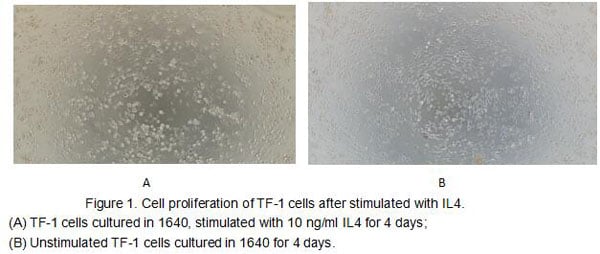
 Bioactivity
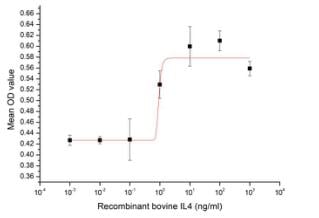
(Figure 2. Cell proliferation of TF-1 cells after stimulated with IL4.)
Bioactivity
(Figure 2. Cell proliferation of TF-1 cells after stimulated with IL4.)
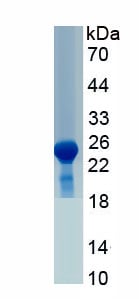
Interleukin 4 (IL4), Active Protein (Cat# AAA152970)
 Bioactivity
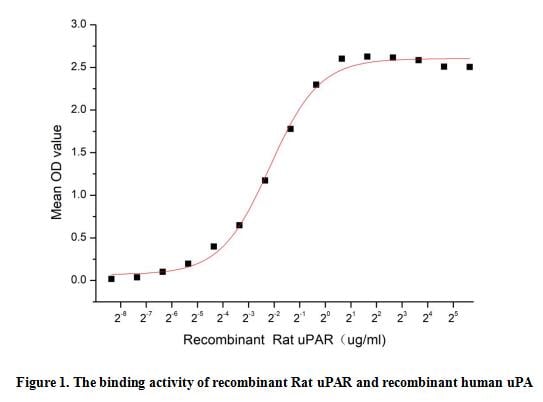
(Plasminogen Activator, Urokinase Receptor (uPAR) is the receptor for urokinase plasminogen activator and, given its role in localizing and promoting plasmin formation, likely influences many normal and pathological processes related to cell-surface plasmi)
Bioactivity
(Plasminogen Activator, Urokinase Receptor (uPAR) is the receptor for urokinase plasminogen activator and, given its role in localizing and promoting plasmin formation, likely influences many normal and pathological processes related to cell-surface plasmi)
Plasminogen Activator, Urokinase Receptor (uPAR), Active Protein (Cat# AAA152999)
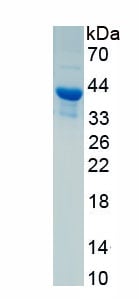
 Bioactivity
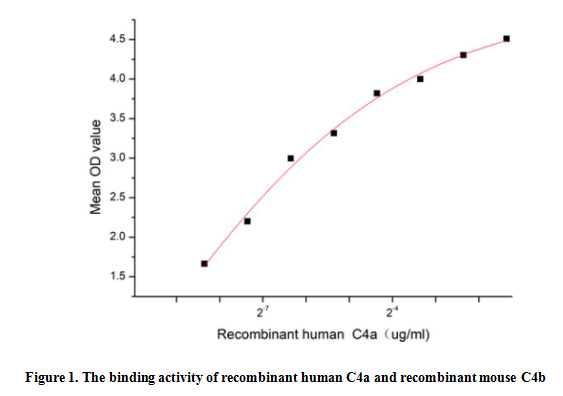
(Complement Component 4a (C4a) is a component of the complement system, which is a cleavage product of the complement C4 protein. C4a has been implicated in various inflammatory and immune responses. It acts as a chemoattractant, recruiting immune cells such as neutrophils and macrophages to the site of inflammation. Additionally, C4a can stimulate the release of pro-inflammatory cytokines and chemokines, further amplifying the immune response. C4a and C4b are the two subunits of C4, thus a functional binding ELISA assay was conducted to detect the interaction of recombinant human C4a and recombinant mouse C4b. Briefly, C4a was diluted serially in PBS with 0.01% BSA (pH 7.4). Duplicate samples of 100 ul were then transferred to C4b-coated microtiter wells and incubated for 1h at 37 degree C. Wells were washed with PBST and incubated for 1h with anti-C4a pAb, then aspirated and washed 3 times. After incubation with HRP labelled secondary antibody for 1h at 37 degree C, wells were aspirated and washed 5 times. With the addition of substrate solution, wells were incubated 15-25 minutes at 37 degree C. Finally, add 50 uL stop solution to the wells and read at 450/630 nm immediately. The binding activity of recombinant human C4a and recombinant mouse C4b was shown in Figure 1,and this effect was in a dose dependent manner.)
Bioactivity
(Complement Component 4a (C4a) is a component of the complement system, which is a cleavage product of the complement C4 protein. C4a has been implicated in various inflammatory and immune responses. It acts as a chemoattractant, recruiting immune cells such as neutrophils and macrophages to the site of inflammation. Additionally, C4a can stimulate the release of pro-inflammatory cytokines and chemokines, further amplifying the immune response. C4a and C4b are the two subunits of C4, thus a functional binding ELISA assay was conducted to detect the interaction of recombinant human C4a and recombinant mouse C4b. Briefly, C4a was diluted serially in PBS with 0.01% BSA (pH 7.4). Duplicate samples of 100 ul were then transferred to C4b-coated microtiter wells and incubated for 1h at 37 degree C. Wells were washed with PBST and incubated for 1h with anti-C4a pAb, then aspirated and washed 3 times. After incubation with HRP labelled secondary antibody for 1h at 37 degree C, wells were aspirated and washed 5 times. With the addition of substrate solution, wells were incubated 15-25 minutes at 37 degree C. Finally, add 50 uL stop solution to the wells and read at 450/630 nm immediately. The binding activity of recombinant human C4a and recombinant mouse C4b was shown in Figure 1,and this effect was in a dose dependent manner.)
Complement Component 4a (C4a), Active Protein (Cat# AAA161728)
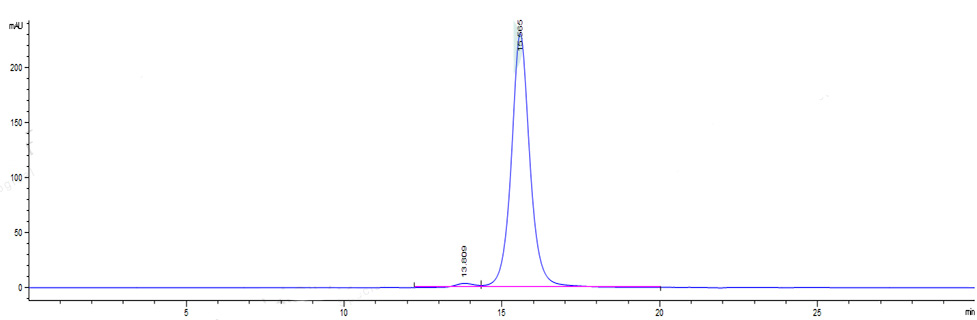
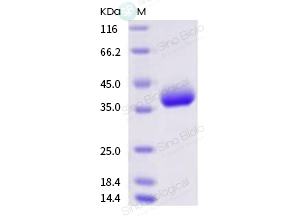
 Bioactivity
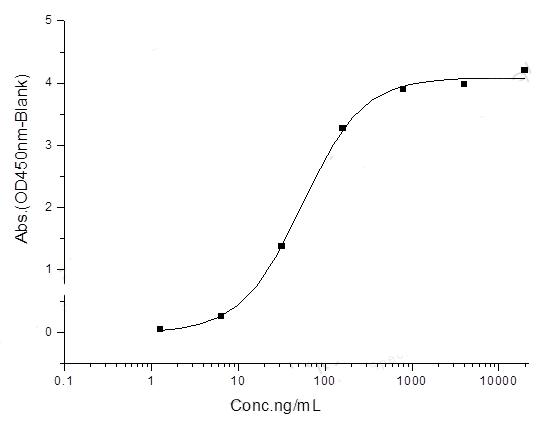
(Measured by its binding ability in a functional ELISA. Immobilized human ACE2 protein (Fc tag) at 2 ug/mL (100 uL/well) can bind SARS-CoV-2 (2019-nCoV) Spike RBD-AVI & His Recombinant Protein, Biotinylated, the EC50 of SARS-CoV-2 (2019-nCoV) Spike RBD-AVI & His Recombinant Protein, Biotinylated is 40-130 ng/mL.)
Bioactivity
(Measured by its binding ability in a functional ELISA. Immobilized human ACE2 protein (Fc tag) at 2 ug/mL (100 uL/well) can bind SARS-CoV-2 (2019-nCoV) Spike RBD-AVI & His Recombinant Protein, Biotinylated, the EC50 of SARS-CoV-2 (2019-nCoV) Spike RBD-AVI & His Recombinant Protein, Biotinylated is 40-130 ng/mL.)
COVID 19 Spike RBD-AVI & His Coronavirus, Active Protein (Cat# AAA258269)
 Application Data
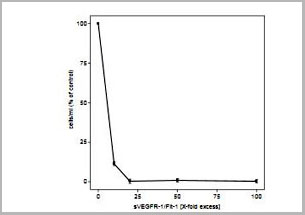
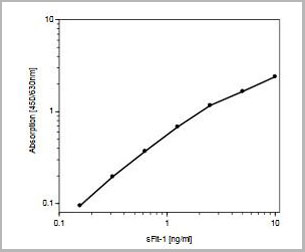
(Figure 3.FLT-1 Sandwich-ELISA using recombinant human soluble FLT-1as standard [AAA14952]. Mouse anti-human FLT-1 #EWI was used as capture antibody, Biotinylated rabbit anti-human FLT-1 was used for detection.)
Application Data
(Figure 3.FLT-1 Sandwich-ELISA using recombinant human soluble FLT-1as standard [AAA14952]. Mouse anti-human FLT-1 #EWI was used as capture antibody, Biotinylated rabbit anti-human FLT-1 was used for detection.)
VEGFR-1/Flt-1 (native), soluble, Active Protein (Cat# AAA14952)
CD31 (PECAM1), Active Protein (Cat# AAA14418)
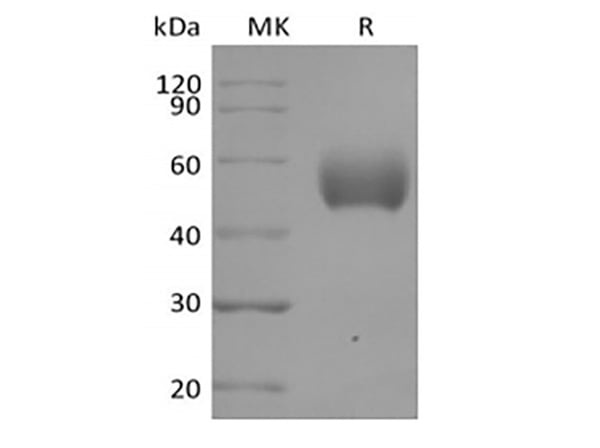
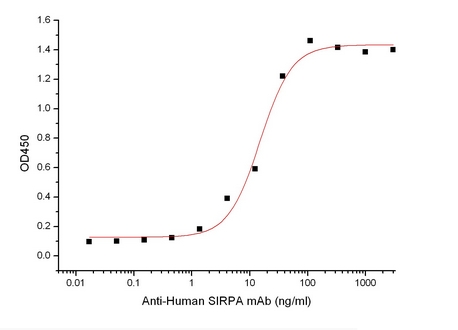 Bioactivity
Signal-Regulatory Protein alpha-1/SIRPA/CD172a, Active Protein (Cat# AAA177940)
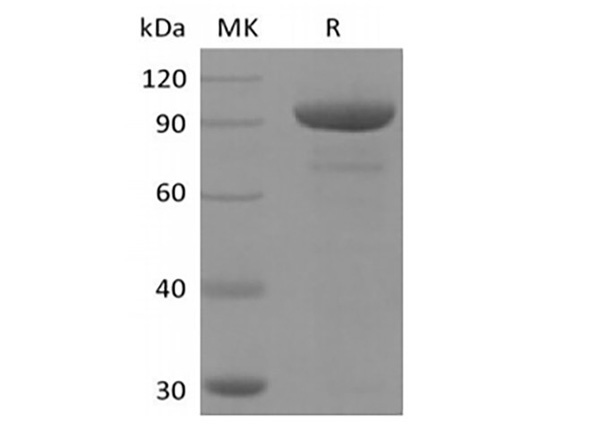
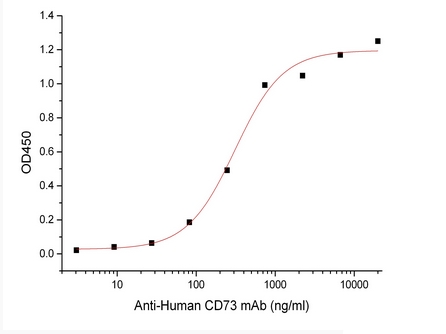 Bioactivity
5'-Nucleotidase/5'-NT/CD73, Active Protein (Cat# AAA177941)
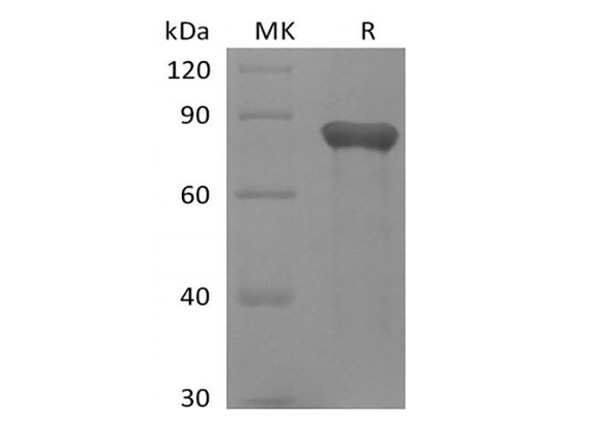
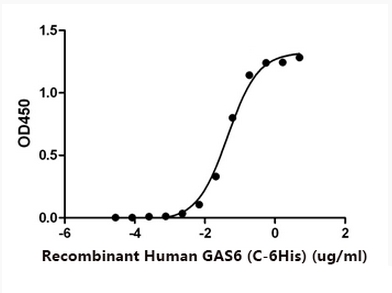 Bioactivity
GAS6, Active Protein (Cat# AAA177950)
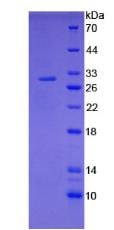
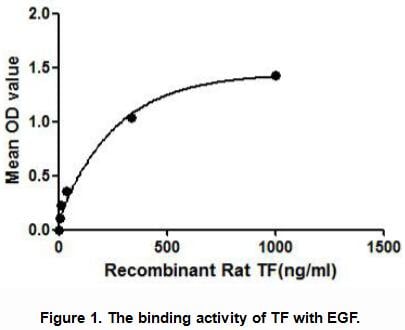
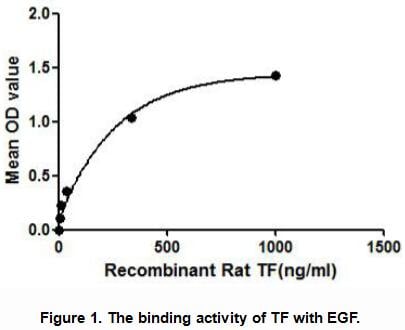 Application Data
Tissue Factor (TF), Active Protein (Cat# AAA148175)
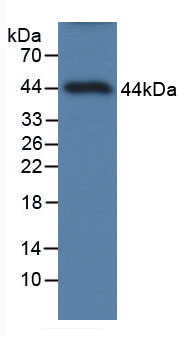
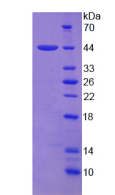
 Bioactivity
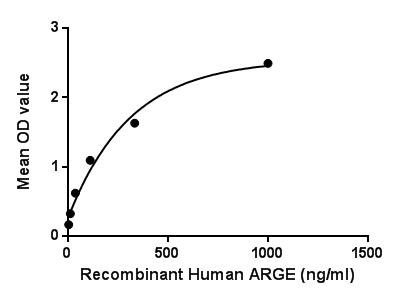
(Amphiregulin, also known as AREG, is an autocrine growth factor as well as a mitogen for astrocytes, Schwann cells, fibroblasts. It is related to epidermal growth factor (EGF) and transforming growth factor alpha (TGF-alpha). This protein interacts with the Epidermal growth factor receptor (EGFR) to promote the growth of normal epithelial cells. Besides, Epidermal Growth Factor Receptor (EGFR) has been identified as an interactor of ARGE, thus a binding ELISA assay was conducted to detect the interaction of recombinant human ARGE and recombinant human EGFR. Briefly, ARGE were diluted serially in PBS, with 0.01% BSA (pH 7.4). Duplicate samples of 100uL were then transferred to EGFR-coated microtiter wells and incubated for 2h at 37. Wells were washed with PBST and incubated for 1h with anti-ARGE pAb, then aspirated and washed 3 times. After incubation with HRP labelled secondary antibody, wells were aspirated and washed 3 times. With the addition of substrate solution, wells were incubated 15-25 minutes at 37. Finally, add 50uL stop solution to the wells and read at 450nm immediately. The binding activity of ARGE and EGFR was shown in Figure 1, and this effect was in a dose dependent manner.Figure. The binding activity of ARGE with EGFR.)
Bioactivity
(Amphiregulin, also known as AREG, is an autocrine growth factor as well as a mitogen for astrocytes, Schwann cells, fibroblasts. It is related to epidermal growth factor (EGF) and transforming growth factor alpha (TGF-alpha). This protein interacts with the Epidermal growth factor receptor (EGFR) to promote the growth of normal epithelial cells. Besides, Epidermal Growth Factor Receptor (EGFR) has been identified as an interactor of ARGE, thus a binding ELISA assay was conducted to detect the interaction of recombinant human ARGE and recombinant human EGFR. Briefly, ARGE were diluted serially in PBS, with 0.01% BSA (pH 7.4). Duplicate samples of 100uL were then transferred to EGFR-coated microtiter wells and incubated for 2h at 37. Wells were washed with PBST and incubated for 1h with anti-ARGE pAb, then aspirated and washed 3 times. After incubation with HRP labelled secondary antibody, wells were aspirated and washed 3 times. With the addition of substrate solution, wells were incubated 15-25 minutes at 37. Finally, add 50uL stop solution to the wells and read at 450nm immediately. The binding activity of ARGE and EGFR was shown in Figure 1, and this effect was in a dose dependent manner.Figure. The binding activity of ARGE with EGFR.)
Amphiregulin, Active Protein (Cat# AAA150047)
 Bioactivity
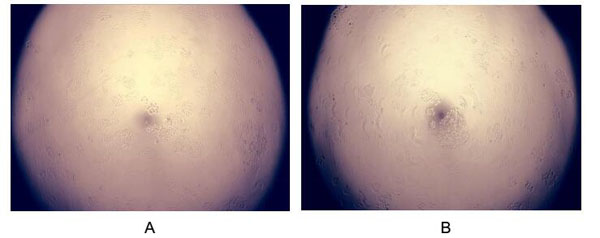
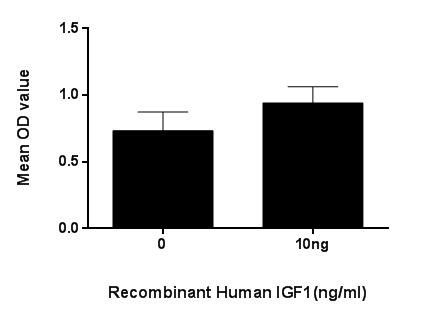
(Figure. Cell proliferation of MCF-7 cells after stimulated with IGF1.)
Bioactivity
(Figure. Cell proliferation of MCF-7 cells after stimulated with IGF1.)
Insulin Like Growth Factor 1, Active Protein (Cat# AAA150053)
 Bioactivity
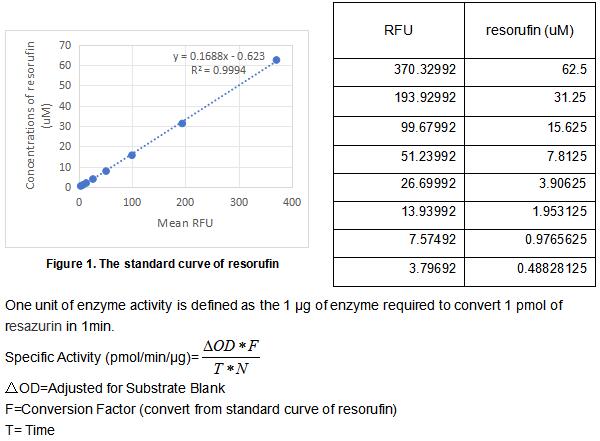
(NAD(P)H:quinone acceptor oxidoreductase 1 (NQO1), also known as DT-diaphorase, is a widely-distributed FAD-dependent flavoprotein that promotes 2-electron reductions of quinones, quinoneimines, nitroaromatics, and azo dyes. As a result it prevents the one electron reduction of quinones that results in the production of radical species. NQO1 is a highly-inducible enzyme that is regulated by the Keap1/Nrf2/ARE pathway. The increase and decrease of NQO1 levels are associated with decreased and increased susceptibilities to oxidative stress, respectively. Thus, NQO1 is a marker cytoprotective enzyme in oxidative stress. Independently of its catalytic function, NQO1 plays a role in regulating the proteosomal degradation of p53, p73a, and p33. NQO1 physically interacts with p53 and p73 in an NADH-dependent manner and protects them from 20S proteasomal degradation in a ubiquitin independent pathway. The activity assay of recombinant rat NQO1 was measured by its ability to oxidize the substrate resazurin to resorufin. The rrNQO1 was diluted to 0.05 ug/ml in the assay buffer 50 mM HEPES, 0.2 M NaCl, 5 uM FAD, 0.05% Tween 20, pH 7.5. 50 ul 0.05 ug/ml rhNQO1 was added into the microplate and start the reaction by adding 50 ul substrate mixture of 400 uM beta-NADH and 20 uM resazurin which was diluted in assay buffer. Read at excitation and emission wavelengths of 540 nm and 585 nm (top read), respectively, in kinetic mode for 5 minutes. The specific activity of recombinant rat NQO1 is >45000 pmol/min/ug.)
Bioactivity
(NAD(P)H:quinone acceptor oxidoreductase 1 (NQO1), also known as DT-diaphorase, is a widely-distributed FAD-dependent flavoprotein that promotes 2-electron reductions of quinones, quinoneimines, nitroaromatics, and azo dyes. As a result it prevents the one electron reduction of quinones that results in the production of radical species. NQO1 is a highly-inducible enzyme that is regulated by the Keap1/Nrf2/ARE pathway. The increase and decrease of NQO1 levels are associated with decreased and increased susceptibilities to oxidative stress, respectively. Thus, NQO1 is a marker cytoprotective enzyme in oxidative stress. Independently of its catalytic function, NQO1 plays a role in regulating the proteosomal degradation of p53, p73a, and p33. NQO1 physically interacts with p53 and p73 in an NADH-dependent manner and protects them from 20S proteasomal degradation in a ubiquitin independent pathway. The activity assay of recombinant rat NQO1 was measured by its ability to oxidize the substrate resazurin to resorufin. The rrNQO1 was diluted to 0.05 ug/ml in the assay buffer 50 mM HEPES, 0.2 M NaCl, 5 uM FAD, 0.05% Tween 20, pH 7.5. 50 ul 0.05 ug/ml rhNQO1 was added into the microplate and start the reaction by adding 50 ul substrate mixture of 400 uM beta-NADH and 20 uM resazurin which was diluted in assay buffer. Read at excitation and emission wavelengths of 540 nm and 585 nm (top read), respectively, in kinetic mode for 5 minutes. The specific activity of recombinant rat NQO1 is >45000 pmol/min/ug.)
NADH Dehydrogenase, Quinone 1 (NQO1), Active Protein (Cat# AAA161939)
 Application Data
(Measured by its binding ability in a functional ELISA. Immobilized canine NTRK-His at 10 ug/ml (100 ul/well) can bind biotinylated mouse BDNF, The EC50 of biotinylated mouse BDNF is 0.07-0.17 ug/ml.)
Application Data
(Measured by its binding ability in a functional ELISA. Immobilized canine NTRK-His at 10 ug/ml (100 ul/well) can bind biotinylated mouse BDNF, The EC50 of biotinylated mouse BDNF is 0.07-0.17 ug/ml.)
TrkB, Active Protein (Cat# AAA258251)
 Application Data
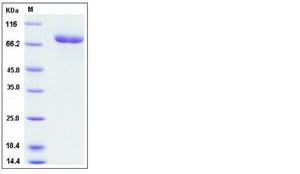
(Measured in a serum-free cell proliferation assay using MCF-7 human breast cancer cells. Karey, K.P. et al. (1988) Cancer Research 48:4083. The ED50 for this effect is typically 0.01-0.04 ug/mL.)
Application Data
(Measured in a serum-free cell proliferation assay using MCF-7 human breast cancer cells. Karey, K.P. et al. (1988) Cancer Research 48:4083. The ED50 for this effect is typically 0.01-0.04 ug/mL.)
Transferrin, Active Protein (Cat# AAA257958)
 Bioactivity
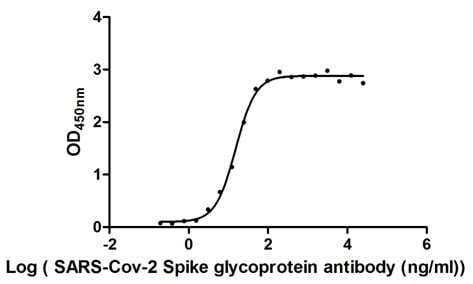
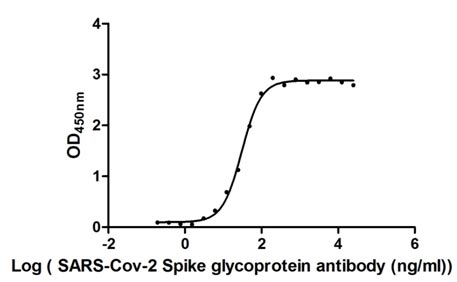
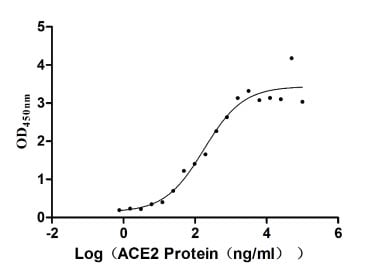
(Measured by its binding ability in a functional ELISA. Immobilized SARS-CoV-2-S1-RBD at 5 ug/ml can bind human ACE2 , the EC50 of SARS-CoV-2-S1-RBD protein is 115.0 - 274.9 ng/ml)
Bioactivity
(Measured by its binding ability in a functional ELISA. Immobilized SARS-CoV-2-S1-RBD at 5 ug/ml can bind human ACE2 , the EC50 of SARS-CoV-2-S1-RBD protein is 115.0 - 274.9 ng/ml)
COVID 19 Spike glycoprotein (S) Coronavirus, Active Protein (Cat# AAA243745)
 SDS-PAGE
Interleukin 17 Receptor A (IL17RA), Active Protein (Cat# AAA148242)
 Bioactivity
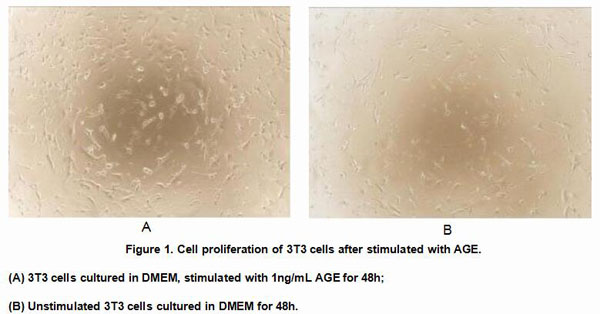
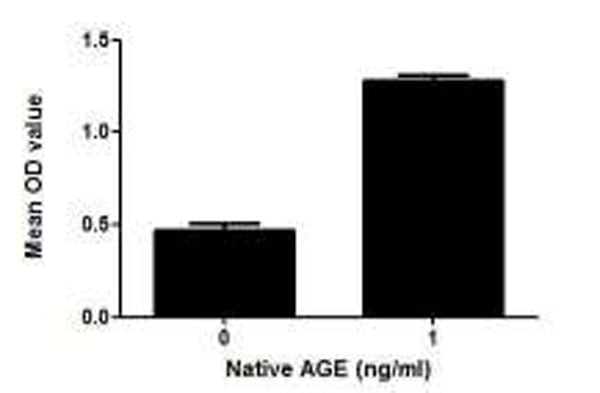
(Figure 2. Cell proliferation of 3T3 cells after stimulated with AGE.)
Bioactivity
(Figure 2. Cell proliferation of 3T3 cells after stimulated with AGE.)
Advanced Glycation End Product (AGE), Active Protein (Cat# AAA148250)
Purification Methods: Salt co-precipitation and ionic-Exchange chromatography.
 ELISA
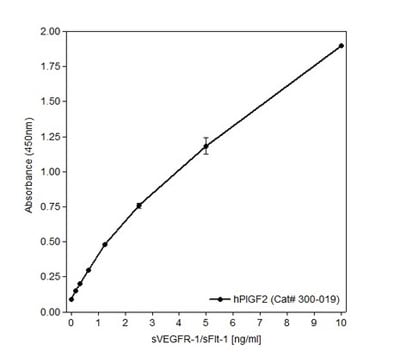
(Figure 2.Functional ELISA: Recombinant human PlGF-2 was coated with 0.5ug/ml and increasing amounts of recombinant human sFlt-1(5) was added as standard . The monoclonal mouse anti-human VEGFR1/Flt-1 antibody in combination with a goat anti-mouse Biotin antibody was used for detection.)
ELISA
(Figure 2.Functional ELISA: Recombinant human PlGF-2 was coated with 0.5ug/ml and increasing amounts of recombinant human sFlt-1(5) was added as standard . The monoclonal mouse anti-human VEGFR1/Flt-1 antibody in combination with a goat anti-mouse Biotin antibody was used for detection.)
PlGF-2, Active Protein (Cat# AAA79127)
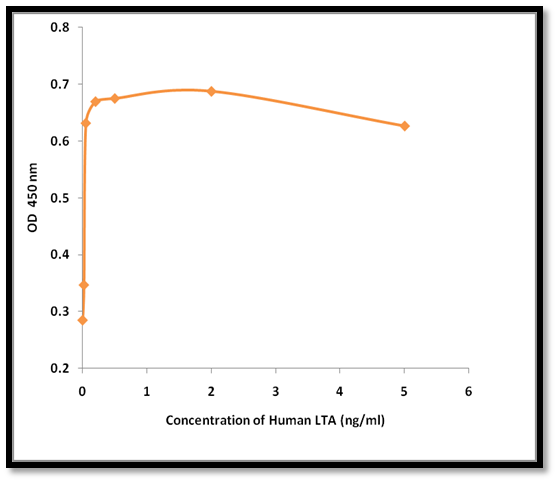 Application Data
LTA, Active Protein (Cat# AAA214254)
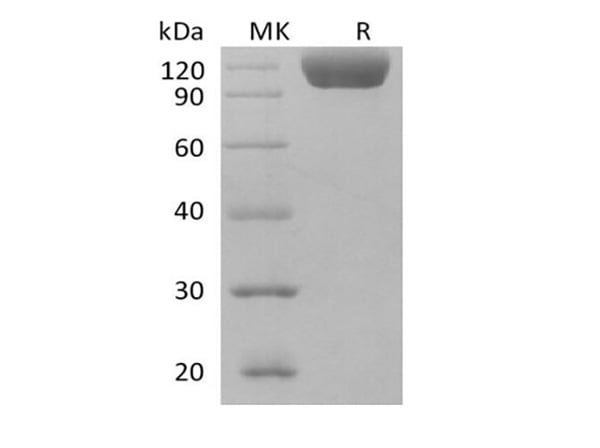
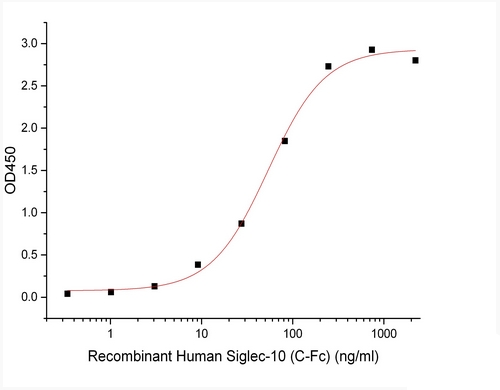 Bioactivity
Siglec-10, Active Protein (Cat# AAA177947)
 Bioactivity
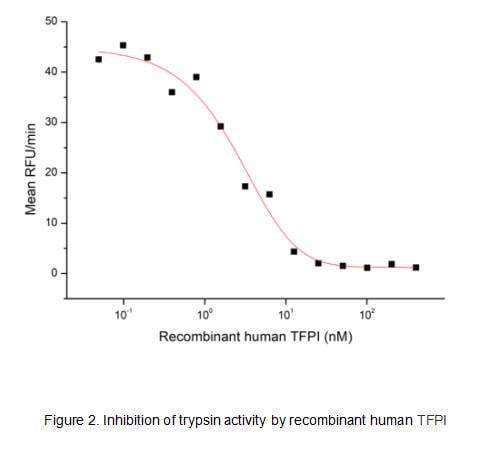
(Human TFPI, also known as lipoprotein-associated coagulation inhibitor (LACI) and extrinsic pathway inhibitor (EPI), is a physiological inhibitor of extrinsic pathway of coagulation and has biological functions of anticoagulation and anti-inflammation. It is a secreted protein with a N-terminal acidic region, three Kunitz (K) domains separated with by two linker regions, and a C-terminal basic region. The activity of recombinant human TFPI was measured by its ability to inhibit trypsin cleavage of a fluorogenic peptide substrate Mca-RPKPVE-Nval-WRK(Dnp)-NH2 in the assay buffer 50 mM Tris, 10 mM CaCl2, 150 mM NaCl, 0.05% (w/v) Brij-35, pH 7.5. Trypsin was diluted to 50 ug/ml in the assay buffer and 20 ul different concentrations of recombinant human TFPI (MW: 61.9 KD) was incubated with 20 ul diluted trypsin at 37 degree C for 15 minutes. Loading 50 uL of the incubated mixtures which were diluted five-fold in assay buffer into empty wells of a plate, and start the reaction by adding 50 uL of 20 uM substrate. Include a substrate blank containing 50 uL of assay buffer and 50 uL of 20 uM substrate. Then read at excitiation and emission wavelengths of 320 nm and 405 nm, respectively, in kinetic mode for 5 minutes. The result was shown in Figure 1 and it was obvious that recombinant human TFPI significantly decreased trypsin activity. The inhibition IC50 was )
Bioactivity
(Human TFPI, also known as lipoprotein-associated coagulation inhibitor (LACI) and extrinsic pathway inhibitor (EPI), is a physiological inhibitor of extrinsic pathway of coagulation and has biological functions of anticoagulation and anti-inflammation. It is a secreted protein with a N-terminal acidic region, three Kunitz (K) domains separated with by two linker regions, and a C-terminal basic region. The activity of recombinant human TFPI was measured by its ability to inhibit trypsin cleavage of a fluorogenic peptide substrate Mca-RPKPVE-Nval-WRK(Dnp)-NH2 in the assay buffer 50 mM Tris, 10 mM CaCl2, 150 mM NaCl, 0.05% (w/v) Brij-35, pH 7.5. Trypsin was diluted to 50 ug/ml in the assay buffer and 20 ul different concentrations of recombinant human TFPI (MW: 61.9 KD) was incubated with 20 ul diluted trypsin at 37 degree C for 15 minutes. Loading 50 uL of the incubated mixtures which were diluted five-fold in assay buffer into empty wells of a plate, and start the reaction by adding 50 uL of 20 uM substrate. Include a substrate blank containing 50 uL of assay buffer and 50 uL of 20 uM substrate. Then read at excitiation and emission wavelengths of 320 nm and 405 nm, respectively, in kinetic mode for 5 minutes. The result was shown in Figure 1 and it was obvious that recombinant human TFPI significantly decreased trypsin activity. The inhibition IC50 was )
Tissue Factor Pathway Inhibitor (TFPI), Active Protein (Cat# AAA161730)
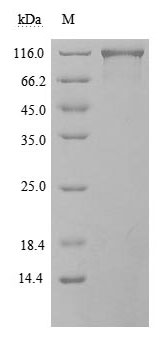
 SDS-PAGE
Carnosine Dipeptidase 1, Active Protein (Cat# AAA174600)
 Bioactivity
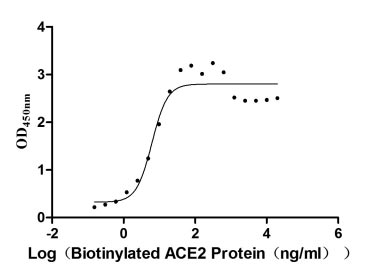
Angiotensin-converting enzyme 2 (ACE2), Active Protein (Cat# AAA244035)

 WB (Western Blot)
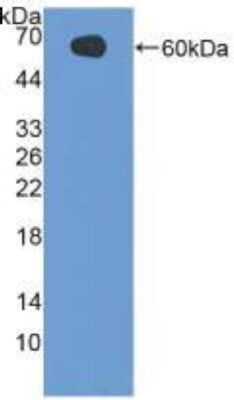
(Western BlotSample: Recombinant OPN, Human;Antibody: Rabbit Anti-Human OPN Ab)
WB (Western Blot)
(Western BlotSample: Recombinant OPN, Human;Antibody: Rabbit Anti-Human OPN Ab)
Osteopontin (OPN), Active Protein (Cat# AAA146621)
 Bioactivity
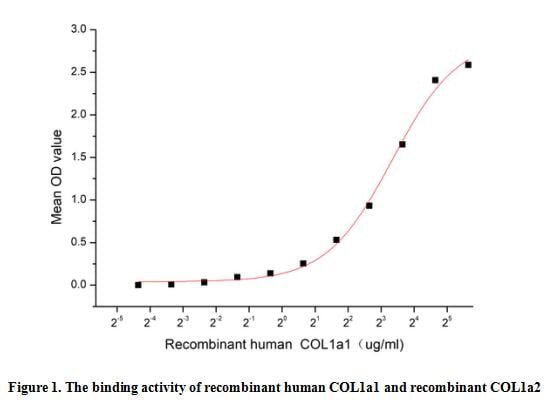
(Type I collagen is a fibril-forming collagen found in most connective tissues and is abundant in bone, cornea, dermis and tendon. It is a heterotrimer that consists of two alpha 1 chains and one alpha 2 chain, although homotrimers consisting of three iden)
Bioactivity
(Type I collagen is a fibril-forming collagen found in most connective tissues and is abundant in bone, cornea, dermis and tendon. It is a heterotrimer that consists of two alpha 1 chains and one alpha 2 chain, although homotrimers consisting of three iden)
Collagen Type I Alpha 1 (COL1a1), Active Protein (Cat# AAA153033)
Chorionic Gonadotropin, Active Protein (Cat# AAA11473)
 Application Data
VEGF165, Active Protein (Cat# AAA79271)
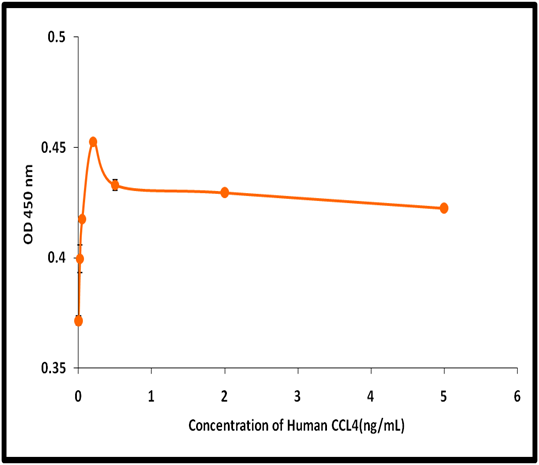 Application Data
CCL4, Active Protein (Cat# AAA214247)
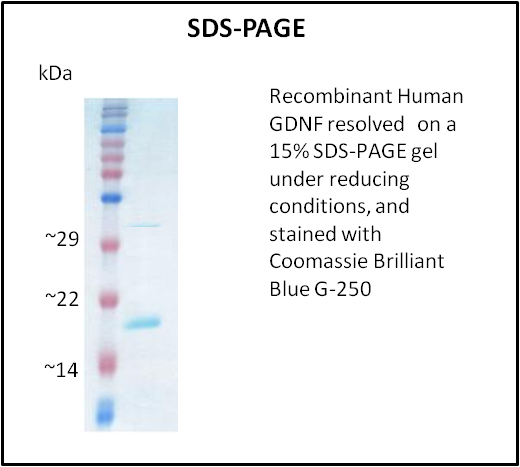
 Application Data
GDNF, Active Protein (Cat# AAA214260)
 Bioactivity
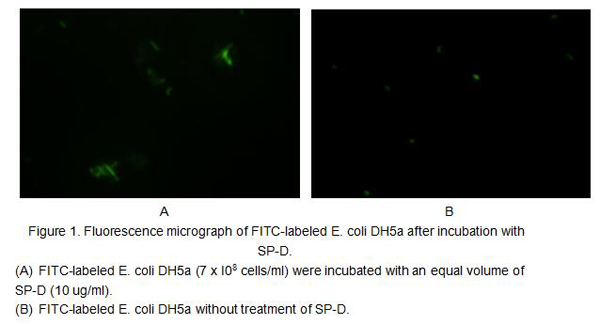
(SP-D (surfactant protein-D) is a 43 kDa member of the collectin family of innate immune modulators. It is constitutively secreted by alveolar lining cells and epithelium associated with tubular structures. Its principal components consist of a collagen-like region and a C-terminal carbohydrate recognition domain (CRD), a structure that further places it in a subset of an expanded group of proteins termed defense collagens. SP-D is known to bind both SIRP alpha and the calreticulin/CD91 complex on macrophages. When the ratio of antigen/pathogen to available CRDs is low, antigen can be bound without occupying all available CRDs. The free CRDs will bind to SIRP alpha, generating a signal that downmodulates the inflammatory response. When virtually all CRDs are occupied by ligand, however, free CRDs are not available for SIRP alpha binding. The activity of the recombinant human SPD was measured by its ability to bind fluorescein-conjugated E. coli bioparticles. The rhSPD was diluted to 10 ug/ml in assay buffer of 20 mM Tris, 137 mM NaCl, 1 mM CaC12, pH7.4 and fluorescein-conjugated E. coli was diluted to 7*108 cells/ml. Equal volume of 10 ug/ml rhSPD and fluorescein-conjugated E. coli were mixed and incubated at room temperature for 1h. 10 ul mixture was took onto the slide and observed under the fluorescence microscopy. The result was shown in figure 1, the rhSPD could bind fluorescein-conjugated E. coli bioparticles.)
Bioactivity
(SP-D (surfactant protein-D) is a 43 kDa member of the collectin family of innate immune modulators. It is constitutively secreted by alveolar lining cells and epithelium associated with tubular structures. Its principal components consist of a collagen-like region and a C-terminal carbohydrate recognition domain (CRD), a structure that further places it in a subset of an expanded group of proteins termed defense collagens. SP-D is known to bind both SIRP alpha and the calreticulin/CD91 complex on macrophages. When the ratio of antigen/pathogen to available CRDs is low, antigen can be bound without occupying all available CRDs. The free CRDs will bind to SIRP alpha, generating a signal that downmodulates the inflammatory response. When virtually all CRDs are occupied by ligand, however, free CRDs are not available for SIRP alpha binding. The activity of the recombinant human SPD was measured by its ability to bind fluorescein-conjugated E. coli bioparticles. The rhSPD was diluted to 10 ug/ml in assay buffer of 20 mM Tris, 137 mM NaCl, 1 mM CaC12, pH7.4 and fluorescein-conjugated E. coli was diluted to 7*108 cells/ml. Equal volume of 10 ug/ml rhSPD and fluorescein-conjugated E. coli were mixed and incubated at room temperature for 1h. 10 ul mixture was took onto the slide and observed under the fluorescence microscopy. The result was shown in figure 1, the rhSPD could bind fluorescein-conjugated E. coli bioparticles.)
Surfactant Associated Protein D (SPD), Active Protein (Cat# AAA161827)
 Bioactivity
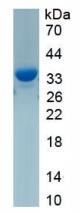
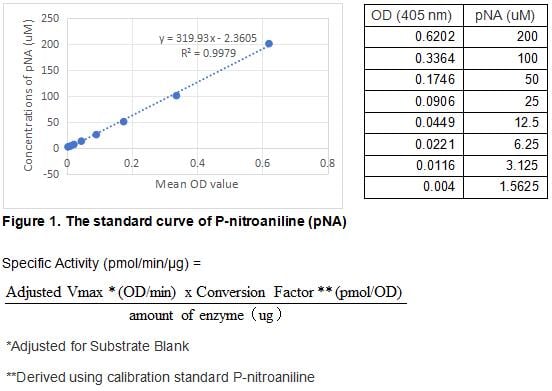
(Kallikrein 3, commonly known as prostate specific antigen (PSA), is a serine protease of the human tissue Kallikrein gene family. PSA is synthesized in the ductal and acinar epithelium of the prostate gland and secreted into the seminal plasma in high concentrations (0.5 - 2 g/L). A small portion of PSA "leaks" into the systemic circulation, the levels of which increase significantly (30-fold) from prostate cancer tissue than normal prostate tissue. PSA has become a well established tumor marker that aids the identification, staging, and follow up of prostate cancer. The activity of recombinant human KLK3 is measured by its ability to cleave a colorimetric peptide substrate Suc-Arg-Pro-Tyr-pNa in the assay buffer 50 mM Tris, 1 M NaCl, pH 8.0. The rhKLK3 is diluted to 200 ug/ml in activation buffer 50 mM Tris, 10 mM CaCl2, 150 mM NaCl, 0.05% Brij-35, pH 7.5, then activated with a final concentration of 1 ug/ml Thermolysin at 37 degree C for 5min. Adding a final concentration of 10 mM 1,10 Phenanthroline to stop the activation. The activated rhKLK3 is diluted to 50 ug/mL in assay buffer. Loading into a clear well plate 50 uL of 50 ug/mL rhKLK3 and start the reaction by adding 50 uL of 2 mM substrate, with a substrate blank containing 50 uL assay buffer, 50 uL substrate, and no rhKLK3. Then read at 405 nm in kinetic mode for 5 minutes. The specific activity of recombinant human KLK3 is > 400 pmol/min/ug.)
Bioactivity
(Kallikrein 3, commonly known as prostate specific antigen (PSA), is a serine protease of the human tissue Kallikrein gene family. PSA is synthesized in the ductal and acinar epithelium of the prostate gland and secreted into the seminal plasma in high concentrations (0.5 - 2 g/L). A small portion of PSA "leaks" into the systemic circulation, the levels of which increase significantly (30-fold) from prostate cancer tissue than normal prostate tissue. PSA has become a well established tumor marker that aids the identification, staging, and follow up of prostate cancer. The activity of recombinant human KLK3 is measured by its ability to cleave a colorimetric peptide substrate Suc-Arg-Pro-Tyr-pNa in the assay buffer 50 mM Tris, 1 M NaCl, pH 8.0. The rhKLK3 is diluted to 200 ug/ml in activation buffer 50 mM Tris, 10 mM CaCl2, 150 mM NaCl, 0.05% Brij-35, pH 7.5, then activated with a final concentration of 1 ug/ml Thermolysin at 37 degree C for 5min. Adding a final concentration of 10 mM 1,10 Phenanthroline to stop the activation. The activated rhKLK3 is diluted to 50 ug/mL in assay buffer. Loading into a clear well plate 50 uL of 50 ug/mL rhKLK3 and start the reaction by adding 50 uL of 2 mM substrate, with a substrate blank containing 50 uL assay buffer, 50 uL substrate, and no rhKLK3. Then read at 405 nm in kinetic mode for 5 minutes. The specific activity of recombinant human KLK3 is > 400 pmol/min/ug.)
Prostate Specific Antigen (PSA), Active Protein (Cat# AAA161711)
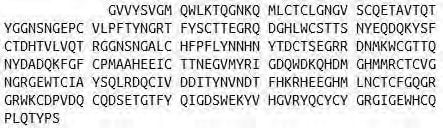
 WB (Western Blot)
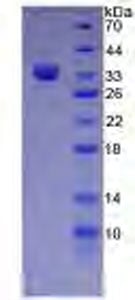
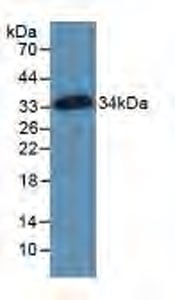
(Sample: Recombinant Fibronectin, Human; Antibody: Rabbit Anti-Human Fibronectin Ab)
WB (Western Blot)
(Sample: Recombinant Fibronectin, Human; Antibody: Rabbit Anti-Human Fibronectin Ab)
Fibronectin (FN), Active Protein (Cat# AAA148156)
Esterase, Active Protein (Cat# AAA11481)
 Application Data
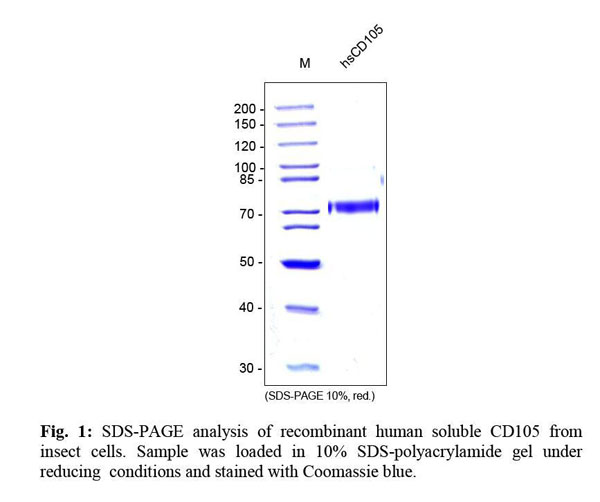
CD105/Endoglin, soluble, Active Protein (Cat# AAA79306)


 Application Data
(Measured in a cell proliferation assay using human umbilical vein endothelial cells (HUVEC). The ED50 for this effect is typically 1-5 ng/mL.)
Application Data
(Measured in a cell proliferation assay using human umbilical vein endothelial cells (HUVEC). The ED50 for this effect is typically 1-5 ng/mL.)
VEGF121b, Active Protein (Cat# AAA258033)
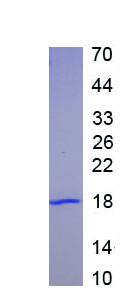
 SDS-PAGE
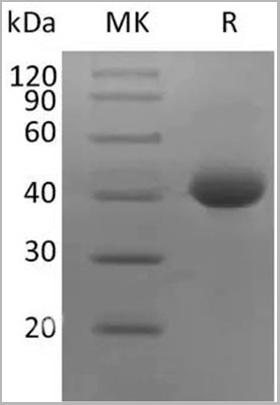
COVID 19 Spike Protein, Biotinylated (RBD-SD1, Avi) Coronavirus, Active Protein (Cat# AAA22155)

 Bioactivity
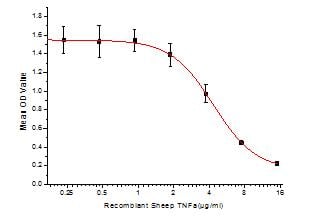
(Figure 2. Inhibition of A549 cells proliferation after stimulated with TNFalpha)
Bioactivity
(Figure 2. Inhibition of A549 cells proliferation after stimulated with TNFalpha)
Tumor Necrosis Factor Alpha (TNFa), Active Protein (Cat# AAA152989)
 SDS-PAGE
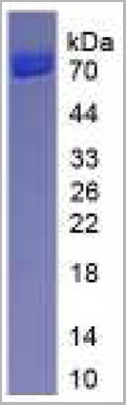
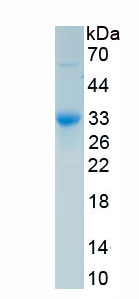
(Sample: Active recombinant PAM, Rat)
SDS-PAGE
(Sample: Active recombinant PAM, Rat)
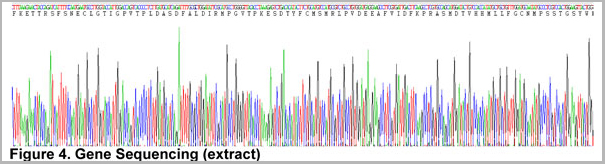
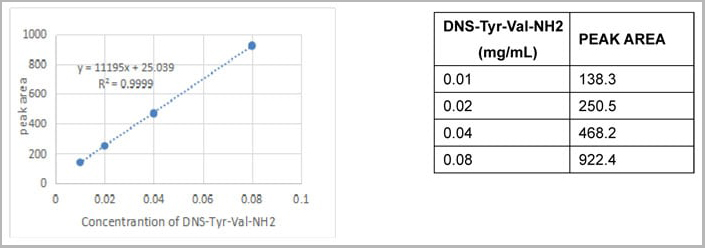
Peptidylglycine Alpha Amidating Monooxygenase (PAM), Active Protein (Cat# AAA21144)
 Bioactivity
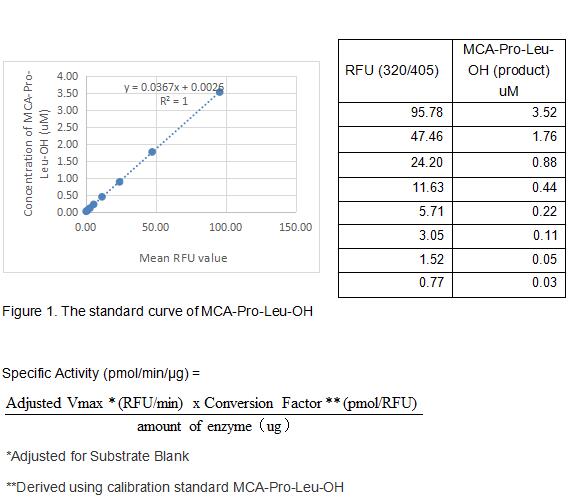
(Cathepsin S (CTSS) is a lysosomal cysteine protease of the papain family. It plays a major role in the processing of the MHC class IIassociated invariant chain. It has been implicated in the pathogenesis of several diseases such as Alzheimer's disease and degenerative disorders associated with the cells of the mononuclear phagocytic system. Mouse Cathepsin S is synthesized as a preproenzyme of 340 amino acid residues consisting a signal peptide (residues 117), a pro region (residues 18122), and the mature enzyme (residues 123340). Cathepsin S is less abundant in tissues than Cathepsins B, L and H. The activity of recombinant mouse CTSS is measured by its ability to cleave a fluorogenic peptide substrate Mca-Arg-Pro-Lys-Pro-Val-Glu-Nval-Trp-Arg-Lys(Dnp)-NH2 in the assay buffer 50 mM NaOAc, 5 mM DTT, 250 mM NaCl, pH 4.5. The rmCTSS is diluted to 50 ug/ml in assay buffer, then incubated at room temperature for 2h. The incubated rmCTSS is diluted to 5 ug/mL in assay buffer. Loading into a black well plate 50 uL of 5 ug/mL rmCTSS and start the reaction by adding 50 uL of 20 uM substrate, with a substrate blank containing 50 uL assay buffer, 50 uL substrate, and no rmCTSS. Then read at excitiation and emission wavelengths of 320 nm and 405 nm, respectively, in kinetic mode for 5 minutes. The specific activity of recombinant mouse CTSS is > 10 pmol/min/ug.)
Bioactivity
(Cathepsin S (CTSS) is a lysosomal cysteine protease of the papain family. It plays a major role in the processing of the MHC class IIassociated invariant chain. It has been implicated in the pathogenesis of several diseases such as Alzheimer's disease and degenerative disorders associated with the cells of the mononuclear phagocytic system. Mouse Cathepsin S is synthesized as a preproenzyme of 340 amino acid residues consisting a signal peptide (residues 117), a pro region (residues 18122), and the mature enzyme (residues 123340). Cathepsin S is less abundant in tissues than Cathepsins B, L and H. The activity of recombinant mouse CTSS is measured by its ability to cleave a fluorogenic peptide substrate Mca-Arg-Pro-Lys-Pro-Val-Glu-Nval-Trp-Arg-Lys(Dnp)-NH2 in the assay buffer 50 mM NaOAc, 5 mM DTT, 250 mM NaCl, pH 4.5. The rmCTSS is diluted to 50 ug/ml in assay buffer, then incubated at room temperature for 2h. The incubated rmCTSS is diluted to 5 ug/mL in assay buffer. Loading into a black well plate 50 uL of 5 ug/mL rmCTSS and start the reaction by adding 50 uL of 20 uM substrate, with a substrate blank containing 50 uL assay buffer, 50 uL substrate, and no rmCTSS. Then read at excitiation and emission wavelengths of 320 nm and 405 nm, respectively, in kinetic mode for 5 minutes. The specific activity of recombinant mouse CTSS is > 10 pmol/min/ug.)
Cathepsin S (CTSS), Active Protein (Cat# AAA161867)
 Application Data
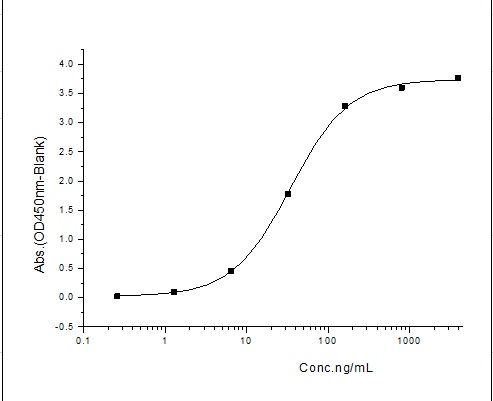
(Measured by its binding ability in a functional ELISA. Immobilized TNFRSF18-His at 10 ug/mL (100 uL/well) can bind TNFSF18-mFc, the EC50 of TNFSF18-mFc is 20-60 ng/mL.)
Application Data
(Measured by its binding ability in a functional ELISA. Immobilized TNFRSF18-His at 10 ug/mL (100 uL/well) can bind TNFSF18-mFc, the EC50 of TNFSF18-mFc is 20-60 ng/mL.)
GITR, Active Protein (Cat# AAA258024)
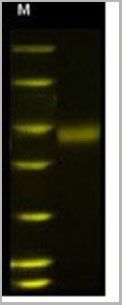 SDS-PAGE
IL-2RG (CD132), Active Protein (Cat# AAA14430)
What Are Active Proteins?
Proteins are large molecules made up of long chains of amino acids. They will typically fold into a very particular 3-dimensional shape/conformation, that is sometimes referred to as their “native” form, which allows them to work properly in the body. For the purposes of product categorization, AAA Biotech will typically refer to proteins purified from their original animal host as being “native” proteins (this is to signify their difference compared to their recombinant proteins or “synthetic” protein counterparts).
If a protein successfully folds into the correct shape, it will typically display high fidelity characteristics to its original protein in its original animal host and be classified as an active protein, as it will be able to function “normally” in most enzymatic or binding capacities. If it loses this shape, due to factors such as heat or strong chemicals (such as detergents), it becomes inactive and is no longer able to perform its basic functions.
All of the proteins in this category are made under strict quality control, and they are active, pure, low in contaminants, and stable. Most are stored as freeze-dried powders and come without extra tags, so they’re very close to the actual natural/native form.
Learn more in our guide “How active proteins work”.
Key Applications of Active Proteins
1. Scientific Research
- Aid in the study of how proteins function in the body
- Aid in understanding various disease processes
2. Drug Development
- Powerful tools to investigate how potential drugs interact with specific proteins
- Ideal for identifying drug targets
3. Cell Culture
- Are routinely utilized to support cell growth and function (e.g., using exogenous growth factors)
- Can be used to promote cellular development into specific types (differentiation)
4. Diagnostics
- Regularly utilized in tests to detect diseases or infections (e.g., COVID-19, cancer)
- Note: All products are strictly for research-use only (RUO).
5. Therapeutics
- Some active proteins are used directly as treatments (e.g., insulin, enzymes)
- Note: All products are strictly for research-use only (RUO).
6. Vaccine Development
- Used to create or test vaccines by mimicking parts of viruses or bacteria
7. Biochemical Assays
- They can facilitate the characterization of enzyme activity, binding strength, or protein interactions in lab tests
Why Buy Active Proteins from AAA Biotech?
- High biological activity – Verified to perform as expected or indicated on datasheet
- Strict quality control – We are confident in our active proteins’ reliability and consistency
- High purity & low endotoxin – Ideal for applications involving sensitive or precious samples/components
- Freeze-dried for stability – Long shelf life and straightforward storage
- Mostly tag-free – Closer to natural/native protein form
FAQ
1. What are active proteins used for in research?
Active proteins are used primarily in the study of how proteins function, in characterizing/discovering drug interactions, supporting cell growth, running biochemical assays, and in development of diagnostics or therapeutics.
2. How are AAA Biotech's active proteins validated?
AAA Biotech’s active proteins are validated through strict quality control and functional assays to ensure they are properly folded and active. “Active”, though, can be an ambiguous term, so if a specific “activity” or “binding” capability of a protein is of crucial interest to you, please inquire with us prior to purchase, and we will provide further details on how the “Active” modifier was determined to be applicable.
3. Are these proteins tested for biological activity?
Yes, all active proteins from AAA Biotech are tested to confirm they have the expected biological activity before being offered for use. Though, said “biological activity” can be either “enzymatic”, “binding”, or both.