
Filters
▼Clonality
▼Type
▼Reactivity
▼Gene Name
▼Isotype
▼Host
▼Application
▼Clone
▼Active Proteins
AAA Biotech also known as AAA Bio or AAABio provides a variety of high-quality recombinant and natural/native proteins that are proven to work in a wide range of experiments. Explore our products to find the active protein that best fits your needs or experimental model.
Viewing 2350-2400 of 2875 product results
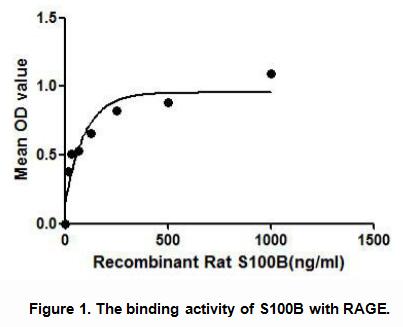
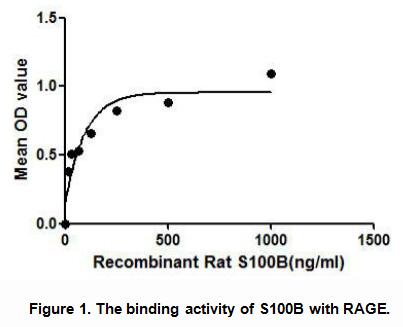 Application Data
S100 Calcium Binding Protein B (S100B), Active Protein (Cat# AAA148146)
Interleukin-18, Active Protein (Cat# AAA14421)
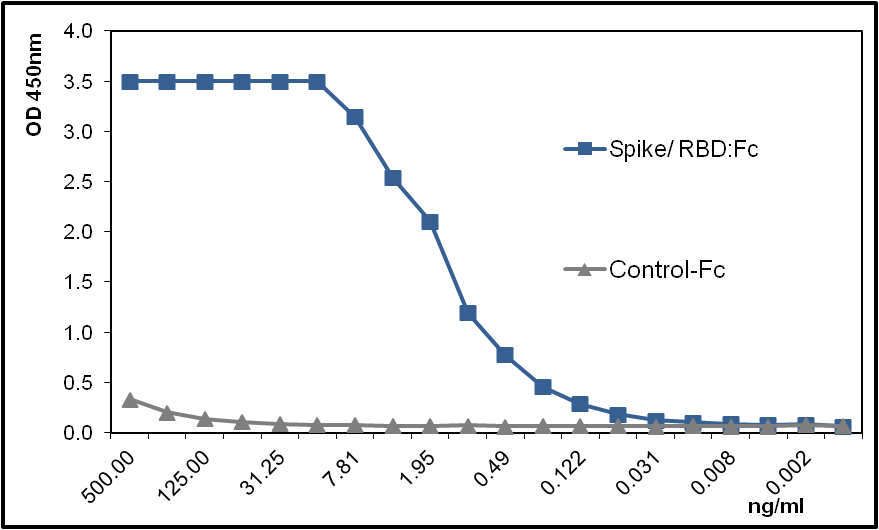 Activity
(Figure 1 : ACE2 (human)(rec.) (AAA78521) binds with high affinity to the Spike (RBD) protein of the virus SARS-CoV-2. Method: ACE2 (human)(rec.) (AAA78521 ) is coated on an ELISA plate at 1 ug/ml overnight at 4°C. Spike (SARS-CoV-2):Fc (human)(RBD)(rec.) is added (starting at a concentration of 500 ng/ml with a twofold serial dilution) during one hour at RT and the interaction is then detected using an anti-human IgG (HRP).)
Activity
(Figure 1 : ACE2 (human)(rec.) (AAA78521) binds with high affinity to the Spike (RBD) protein of the virus SARS-CoV-2. Method: ACE2 (human)(rec.) (AAA78521 ) is coated on an ELISA plate at 1 ug/ml overnight at 4°C. Spike (SARS-CoV-2):Fc (human)(RBD)(rec.) is added (starting at a concentration of 500 ng/ml with a twofold serial dilution) during one hour at RT and the interaction is then detected using an anti-human IgG (HRP).)
ACE2, Active Protein (Cat# AAA78521)
 Bioactivity
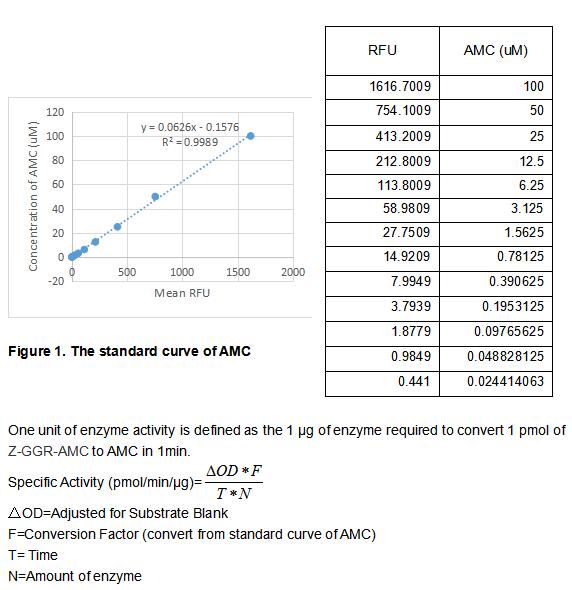
(Urokinase Plasminogen Activator (uPA), also known as u-plasminogen activator or urokinase, is a highly-specific serine protease from the peptidase S1 family that cleaves plasminogen to form plasmin making it a key player in the plasminogen activator (PA) system. Expression of uPA is minimal in normal cells but is increased several fold in tumor cells by extracellular stimuli elevated in cancer and corresponds to poor outcomes in several types of cancer. Therefore, uPA has been identified as an excellent target for therapeutic development through inhibition of protease activity or though inhibition of uPA-dependent signaling while in complex with uPA receptor (uPAR). The activity assay of uPA was measured by its ability to cleave a peptide substrate, N-carbobenzyloxy-Gly-Gly-Arg-7-amido-4-methylcoumarin (Z-GGR-AMC). The reaction was performed in 50 mM Tris, 0.01% Tween-20, pH 8.5 (Assay Buffer), ainitiated by addition 50 uL of 0.4 ug/ml uPA (diluted by Assay Buffer) to 50 uL of 200 uM Substrate. Read at excitation and emission wavelengths of 380 nm and 460 nm (top read), respectively, in kinetic mode for 5 minutes. The specific activity of recombinant human uPA is >9600 pmol/min/ug.)
Bioactivity
(Urokinase Plasminogen Activator (uPA), also known as u-plasminogen activator or urokinase, is a highly-specific serine protease from the peptidase S1 family that cleaves plasminogen to form plasmin making it a key player in the plasminogen activator (PA) system. Expression of uPA is minimal in normal cells but is increased several fold in tumor cells by extracellular stimuli elevated in cancer and corresponds to poor outcomes in several types of cancer. Therefore, uPA has been identified as an excellent target for therapeutic development through inhibition of protease activity or though inhibition of uPA-dependent signaling while in complex with uPA receptor (uPAR). The activity assay of uPA was measured by its ability to cleave a peptide substrate, N-carbobenzyloxy-Gly-Gly-Arg-7-amido-4-methylcoumarin (Z-GGR-AMC). The reaction was performed in 50 mM Tris, 0.01% Tween-20, pH 8.5 (Assay Buffer), ainitiated by addition 50 uL of 0.4 ug/ml uPA (diluted by Assay Buffer) to 50 uL of 200 uM Substrate. Read at excitation and emission wavelengths of 380 nm and 460 nm (top read), respectively, in kinetic mode for 5 minutes. The specific activity of recombinant human uPA is >9600 pmol/min/ug.)
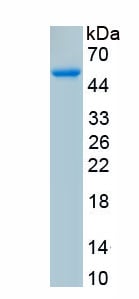
Plasminogen Activator, Urokinase (uPA), Active Protein (Cat# AAA161705)
 Bioactivity
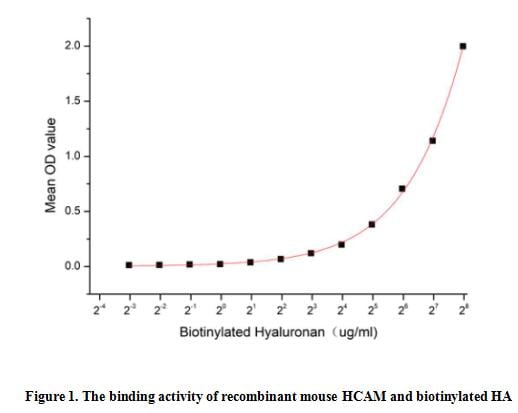
(Homing Associated Cell Adhesion Molecule (HCAM), also known as CD44, is a ubiquitous multistructural and multifunctional cells surface adhesion molecule involved in cell-cell and cell-matrix interactions. CD44 is broadly expressed, including in the membranes of B cells, granulocytes, monocytes, and erythrocytes as well as on many thymocytes and mature T cells, besides it is highly expressed in many cancers and regulates metastasis via recruitment of CD44 to the cell surface. This protein is a receptor for hyaluronic acid (HA) and can also interact with other ligands, such as osteopontin, collagens, and matrix metalloproteinases (MMPs). Thus a functional binding ELISA assay was conducted to detect the interaction of recombinant mouse HCAM and biotinylated hyaluronan (HA). Briefly, biotin-linked HA was diluted serially in PBS, with 0.01% BSA (pH 7.4). Duplicate samples of 100 ul were then transferred to HCAM-coated microtiter wells and incubated for 2h at 37 degree C. Wells were washed with PBST 3 times and incubation with Streptavidin-HRP for 1 hour, then wells were aspirated and washed 5 times. With the addition of substrate solution, wells were incubated 15-25 minutes at 37 degree C. Finally, add 50 ul stop solution to the wells and read at 450/630 nm immediately. The binding activity of recombinant mouse HCAM and biotinylated HA was shown in Figure 1, and this effect was in a dose dependent manner.)
Bioactivity
(Homing Associated Cell Adhesion Molecule (HCAM), also known as CD44, is a ubiquitous multistructural and multifunctional cells surface adhesion molecule involved in cell-cell and cell-matrix interactions. CD44 is broadly expressed, including in the membranes of B cells, granulocytes, monocytes, and erythrocytes as well as on many thymocytes and mature T cells, besides it is highly expressed in many cancers and regulates metastasis via recruitment of CD44 to the cell surface. This protein is a receptor for hyaluronic acid (HA) and can also interact with other ligands, such as osteopontin, collagens, and matrix metalloproteinases (MMPs). Thus a functional binding ELISA assay was conducted to detect the interaction of recombinant mouse HCAM and biotinylated hyaluronan (HA). Briefly, biotin-linked HA was diluted serially in PBS, with 0.01% BSA (pH 7.4). Duplicate samples of 100 ul were then transferred to HCAM-coated microtiter wells and incubated for 2h at 37 degree C. Wells were washed with PBST 3 times and incubation with Streptavidin-HRP for 1 hour, then wells were aspirated and washed 5 times. With the addition of substrate solution, wells were incubated 15-25 minutes at 37 degree C. Finally, add 50 ul stop solution to the wells and read at 450/630 nm immediately. The binding activity of recombinant mouse HCAM and biotinylated HA was shown in Figure 1, and this effect was in a dose dependent manner.)
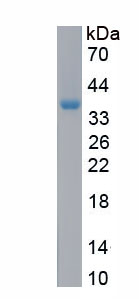
Homing Associated Cell Adhesion Molecule (HCAM), Active Protein (Cat# AAA161764)
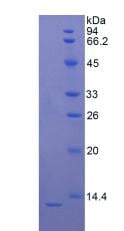
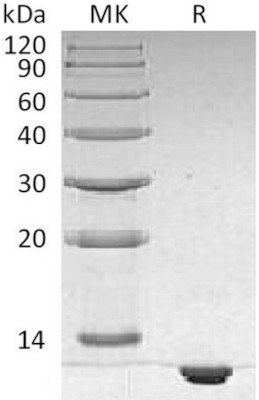 SDS-PAGE
(> 95 % as determined by reducing SDS-PAGE.)
SDS-PAGE
(> 95 % as determined by reducing SDS-PAGE.)
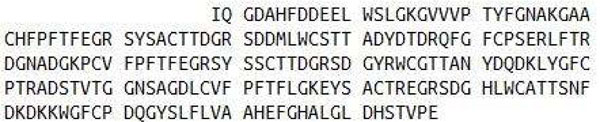
S100 Calcium Binding Protein B, Active Protein (Cat# AAA174599)
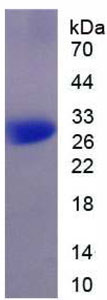
 WB (Western Blot)
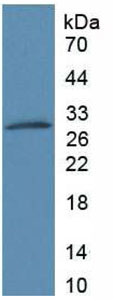
(Sample: Recombinant MMP9, Porcine; Antibody: Rabbit Anti-Porcine MMP9 Ab)
WB (Western Blot)
(Sample: Recombinant MMP9, Porcine; Antibody: Rabbit Anti-Porcine MMP9 Ab)
Matrix Metalloproteinase 9 (MMP9), Active Protein (Cat# AAA149237)
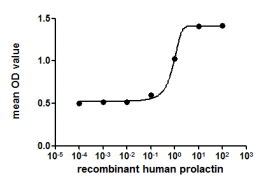 Application Data
(The dose-effect curve of PRL was shown in Figure 2. It was obvious that PRL significantly promoted cell proliferation of MCF-7 cells. The ED50 for this effect is typically 3.709 to 8.973 ng/mL.Figure. The dose-effect curve of PRL on MCF-7 cells.)
Application Data
(The dose-effect curve of PRL was shown in Figure 2. It was obvious that PRL significantly promoted cell proliferation of MCF-7 cells. The ED50 for this effect is typically 3.709 to 8.973 ng/mL.Figure. The dose-effect curve of PRL on MCF-7 cells.)
Prolactin, Active Protein (Cat# AAA150103)
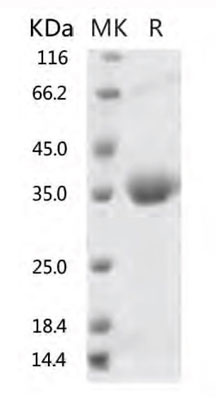 SDS-PAGE
COVID 19 Spike RBD Coronavirus, Active Protein (Cat# AAA177012)
Streptavidin, Active Protein (Cat# AAA14741)
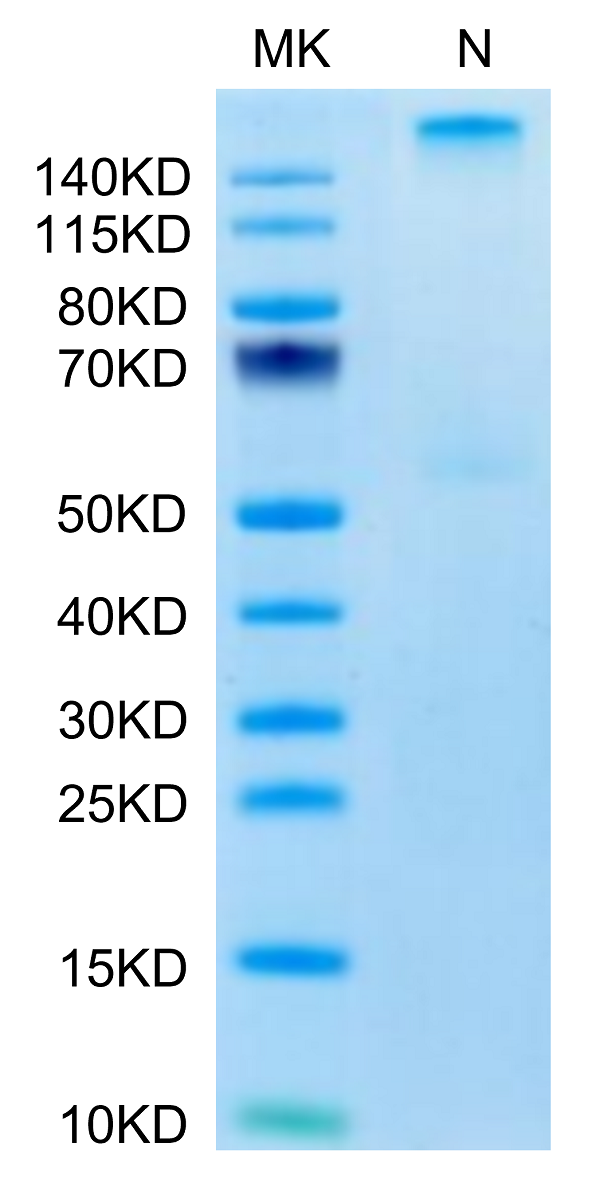
Single band (SDS-PAGE)
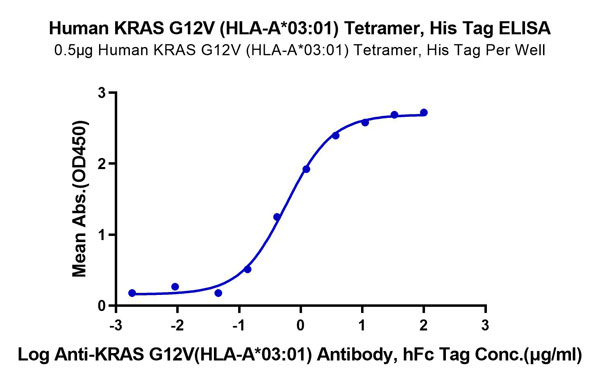
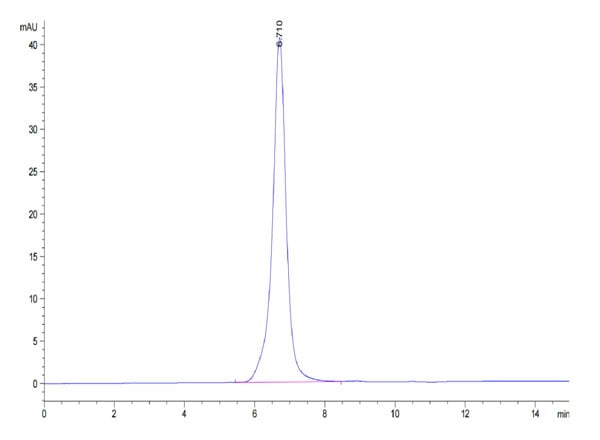
 Application Data
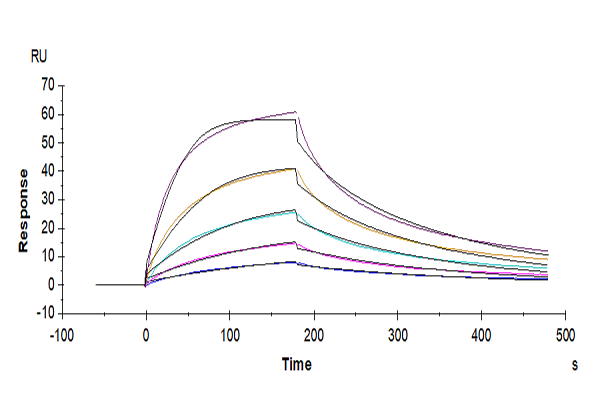
(KRAS G12V (HLA-A*03:01) Tetramer SPRSPR image shows curve for KRAS G12V(HLA-A*03:01) and immobilized Antibody binding, with a calculated affinity constant of 42nM)
Application Data
(KRAS G12V (HLA-A*03:01) Tetramer SPRSPR image shows curve for KRAS G12V(HLA-A*03:01) and immobilized Antibody binding, with a calculated affinity constant of 42nM)
HLA-A*03:01 KRAS G12V, Active Protein (Cat# AAA76371)
 Bioactivity
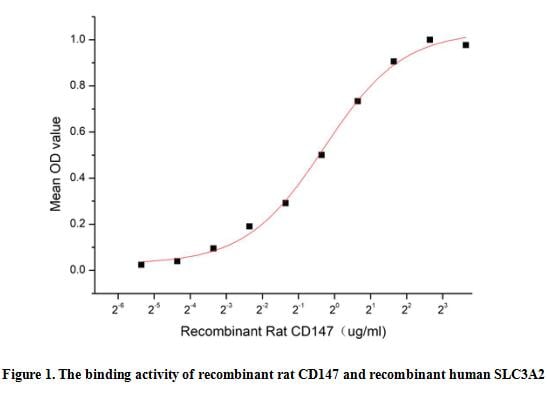
(Extracellular matrix metalloproteinase (MMP) inducer (EMMPRIN), also known as basigin and CD147, is a 4466 kDa, variably N and Oglycosylated, type I transmembrane protein that belongs to the immunoglobulin superfamily. EMMPRIN is 269 amino acids (aa) in length and contains a 24 aa signal sequence, a 183 aa extracellular domain (ECD), a 21 aa transmembrane (TM) segment and a 41 aa cytoplasmic tail. The ECD contains one C2type and one Vtype Iglike domain. EMMPRIN is expressed in areas of tissue remodeling, including endometrium, placenta, skin, and regions undergoing angiogenesis. It is also expressed on cells with high metabolic activity, such as lymphoblasts, macrophages and particularly tumor cells. A functional ELISA assay was conducted to detect the interaction of recombinant rat EMMPRIN/CD147 and recombinant human SLC3A2. Briefly, CD147 was diluted serially in PBS with 0.01% BSA (pH 7.4). Duplicate samples of 100 ul were then transferred to SLC3A2-coated microtiter wells and incubated for 1h at 37 degree C. Wells were washed with PBST and incubated for 1h with anti-CD147 pAb, then aspirated and washed 3 times. After incubation with HRP labelled secondary antibody for 1h at 37 degree C, wells were aspirated and washed 5 times. With the addition of substrate solution, wells were incubated 15-25 minutes at 37 degree C. Finally, add 50 uL stop solution to the wells and read at 450/630nm immediately. The binding activity of recombinant rat CD147 and recombinant human SLC3A2 was shown in Figure 1, the EC50 for this effect is 0.82 ug/mL.)
Bioactivity
(Extracellular matrix metalloproteinase (MMP) inducer (EMMPRIN), also known as basigin and CD147, is a 4466 kDa, variably N and Oglycosylated, type I transmembrane protein that belongs to the immunoglobulin superfamily. EMMPRIN is 269 amino acids (aa) in length and contains a 24 aa signal sequence, a 183 aa extracellular domain (ECD), a 21 aa transmembrane (TM) segment and a 41 aa cytoplasmic tail. The ECD contains one C2type and one Vtype Iglike domain. EMMPRIN is expressed in areas of tissue remodeling, including endometrium, placenta, skin, and regions undergoing angiogenesis. It is also expressed on cells with high metabolic activity, such as lymphoblasts, macrophages and particularly tumor cells. A functional ELISA assay was conducted to detect the interaction of recombinant rat EMMPRIN/CD147 and recombinant human SLC3A2. Briefly, CD147 was diluted serially in PBS with 0.01% BSA (pH 7.4). Duplicate samples of 100 ul were then transferred to SLC3A2-coated microtiter wells and incubated for 1h at 37 degree C. Wells were washed with PBST and incubated for 1h with anti-CD147 pAb, then aspirated and washed 3 times. After incubation with HRP labelled secondary antibody for 1h at 37 degree C, wells were aspirated and washed 5 times. With the addition of substrate solution, wells were incubated 15-25 minutes at 37 degree C. Finally, add 50 uL stop solution to the wells and read at 450/630nm immediately. The binding activity of recombinant rat CD147 and recombinant human SLC3A2 was shown in Figure 1, the EC50 for this effect is 0.82 ug/mL.)
Cluster Of Differentiation 147 (CD147), Active Protein (Cat# AAA161852)
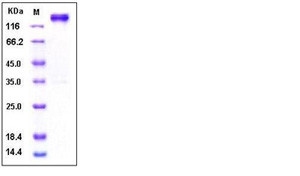
 Application Data
(Measured by its binding ability in a functional ELISA. Immobilized human Leptin at 1.25 ug/ml (100 ul/well) can bind human Leptin receptor with a linear range of 0.032-4 ug/ml.)
Application Data
(Measured by its binding ability in a functional ELISA. Immobilized human Leptin at 1.25 ug/ml (100 ul/well) can bind human Leptin receptor with a linear range of 0.032-4 ug/ml.)
Leptin Receptor, Active Protein (Cat# AAA257869)
Chorionic Gonadotropin, Active Protein (Cat# AAA11472)
 Application Data
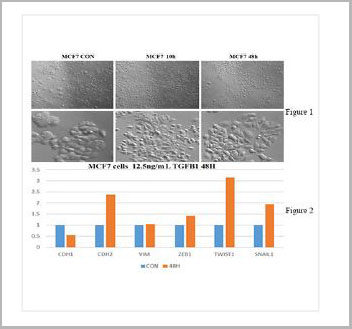
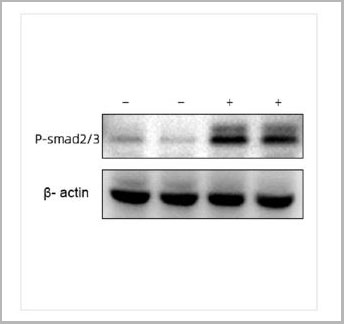
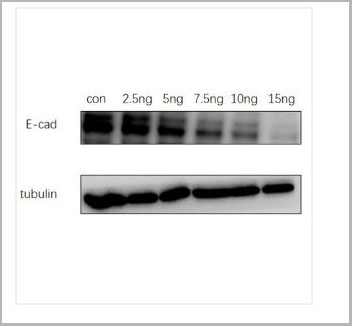
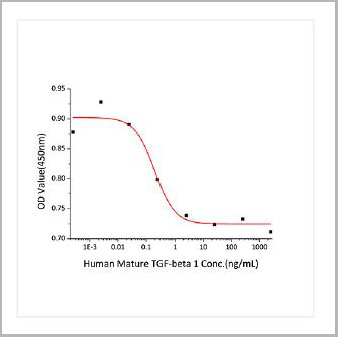
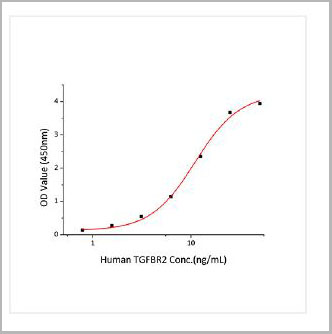
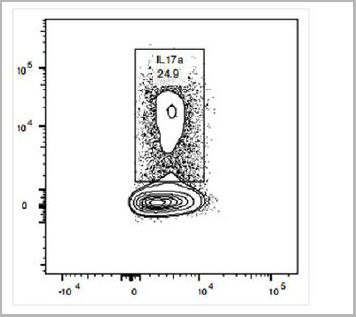
(Recombinant mouse IL-23 and human TGF-beta1 were used to induce the mouse T cells differentiate into Th17 cells. Flow cytometry was used to detect the expression of IL-17A. Results showed that Th17 cells were induced)
Application Data
(Recombinant mouse IL-23 and human TGF-beta1 were used to induce the mouse T cells differentiate into Th17 cells. Flow cytometry was used to detect the expression of IL-17A. Results showed that Th17 cells were induced)
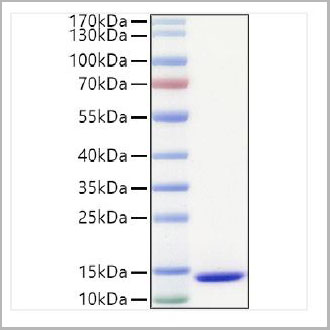
Mature TGF-beta 1, Active Protein (Cat# AAA28445)
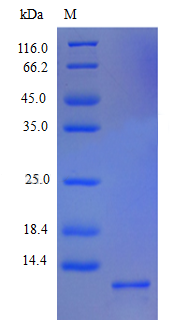 SDS-PAGE
C-X-C motif chemokine 5 (CXCL5), Active Protein (Cat# AAA114232)
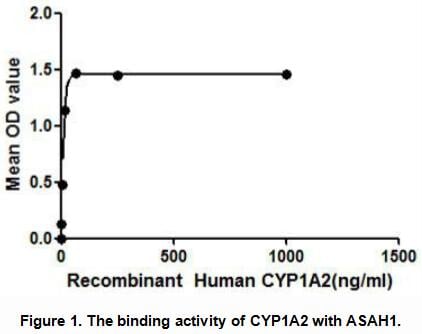
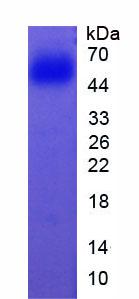
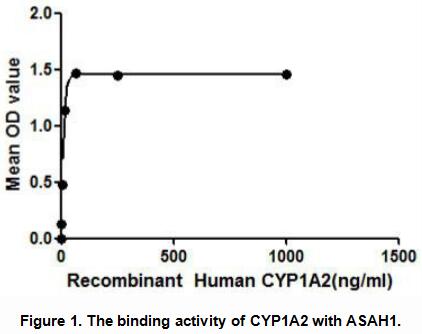
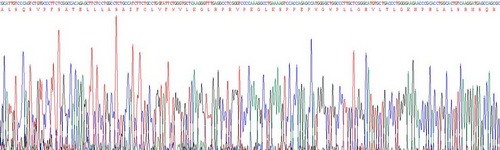 Application Data
Cytochrome P450 1A2 (CYP1A2), Active Protein (Cat# AAA148207)
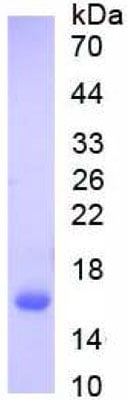
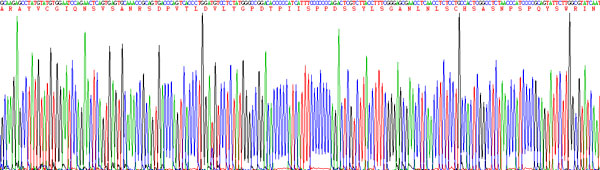
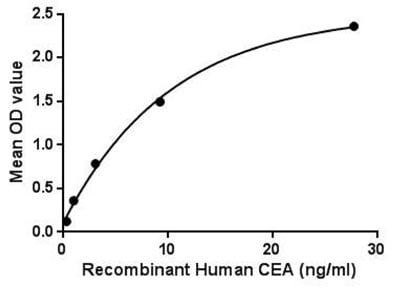

 WB (Western Blot)
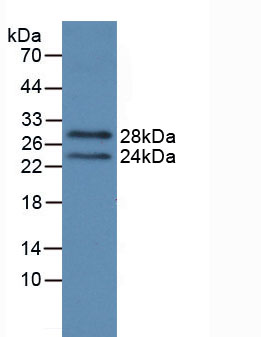
(Figure 4. Western BlotSample: Active recombinant CEA, HumanAntibody: Rabbit Anti-Human CEA Ab)
WB (Western Blot)
(Figure 4. Western BlotSample: Active recombinant CEA, HumanAntibody: Rabbit Anti-Human CEA Ab)
Carcinoembryonic Antigen, Active Protein (Cat# AAA150079)
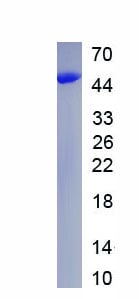
 Bioactivity
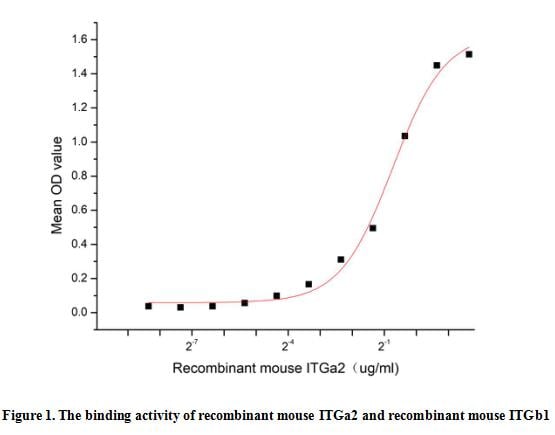
(Integrin Alpha 2 (ITGa2), also known as CD49b, is one of twelve integrin family alpha subunits which is pivotal to sustain the integrity of the cytoskeletal-extracellular matrix linkage among all cell adhesion receptors. Some research had shown that ITGa2 is a cell transmembrane receptor that assists the adhesion of other several cells to the extracellular matrix. In addition, changes of ITGa2 expression affect the immune microenvironment and immunogenicity of tumors. Integrin Beta 1 (ITGb1) has been identified as an interactor of ITGa2, thus a functional binding ELISA assay was conducted to detect the interaction of recombinant mouse ITGa2 and recombinant mouse ITGb1. Briefly, ITGa2 was diluted serially in PBS with 0.01% BSA (pH 7.4). Duplicate samples of 100 ul were then transferred to ITGb1-coated microtiter wells and incubated for 1h at 37 degree C. Wells were washed with PBST and incubated for 1h with anti-ITGa2 pAb, then aspirated and washed 3 times. After incubation with HRP labelled secondary antibody for 1h at 37 degree C, wells were aspirated and washed 5 times. With the addition of substrate solution, wells were incubated 15-25 minutes at 37 degree C. Finally, add 50 uL stop solution to the wells and read at 450/630 nm immediately. The binding activity of recombinant mouse ITGa2 and recombinant mouse ITGb1 was shown in Figure 1, the EC50 for this effect is 0.6 ug/mL.)
Bioactivity
(Integrin Alpha 2 (ITGa2), also known as CD49b, is one of twelve integrin family alpha subunits which is pivotal to sustain the integrity of the cytoskeletal-extracellular matrix linkage among all cell adhesion receptors. Some research had shown that ITGa2 is a cell transmembrane receptor that assists the adhesion of other several cells to the extracellular matrix. In addition, changes of ITGa2 expression affect the immune microenvironment and immunogenicity of tumors. Integrin Beta 1 (ITGb1) has been identified as an interactor of ITGa2, thus a functional binding ELISA assay was conducted to detect the interaction of recombinant mouse ITGa2 and recombinant mouse ITGb1. Briefly, ITGa2 was diluted serially in PBS with 0.01% BSA (pH 7.4). Duplicate samples of 100 ul were then transferred to ITGb1-coated microtiter wells and incubated for 1h at 37 degree C. Wells were washed with PBST and incubated for 1h with anti-ITGa2 pAb, then aspirated and washed 3 times. After incubation with HRP labelled secondary antibody for 1h at 37 degree C, wells were aspirated and washed 5 times. With the addition of substrate solution, wells were incubated 15-25 minutes at 37 degree C. Finally, add 50 uL stop solution to the wells and read at 450/630 nm immediately. The binding activity of recombinant mouse ITGa2 and recombinant mouse ITGb1 was shown in Figure 1, the EC50 for this effect is 0.6 ug/mL.)
Integrin Alpha 2 (ITGa2), Active Protein (Cat# AAA161836)

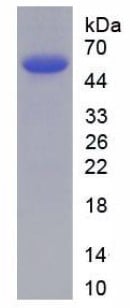 SDS_PAGE
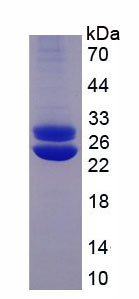
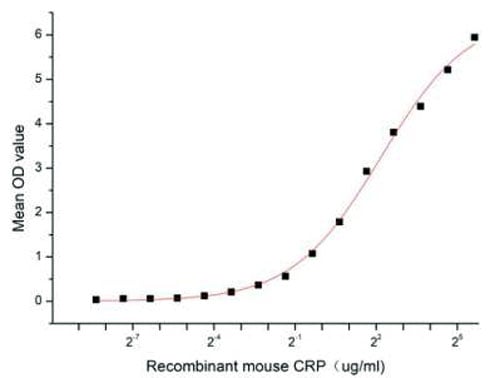
(Sample: Active recombinant CRP, Mouse)
SDS_PAGE
(Sample: Active recombinant CRP, Mouse)
C ReProtein (CRP), Active Protein (Cat# AAA161454)
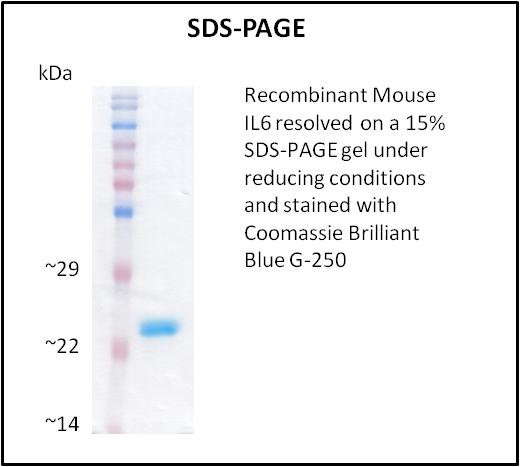
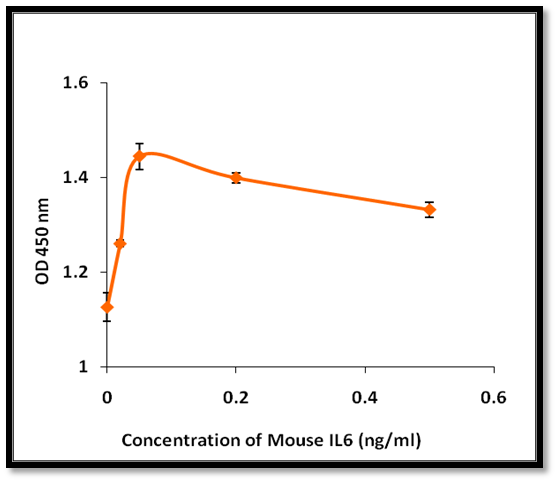 Application Data
IL6, Active Protein (Cat# AAA214318)
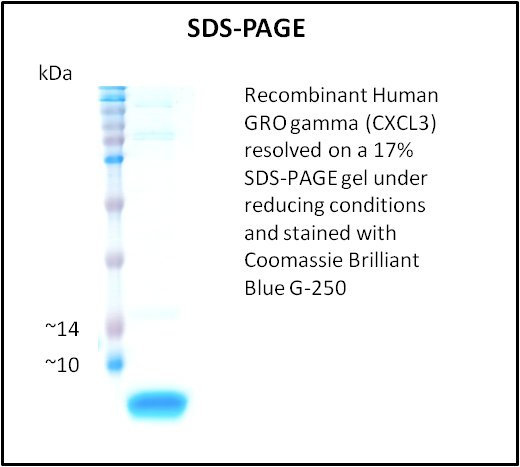
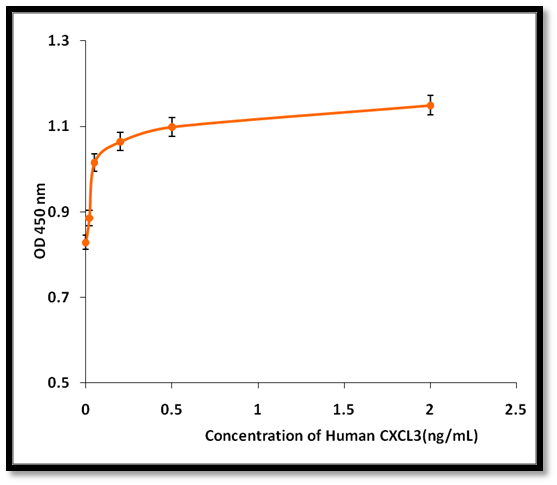 Application Data
GRO gamma (CXCL3), Active Protein (Cat# AAA214268)
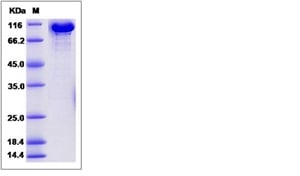
 Application Data
(Measured in a serum-free cell proliferation assay using MCF-7 human breast cancer cells. Karey, K.P. et al. (1988) Cancer Research 48:4083. The ED50 for this effect is typically 5-40 ng/mL.)
Application Data
(Measured in a serum-free cell proliferation assay using MCF-7 human breast cancer cells. Karey, K.P. et al. (1988) Cancer Research 48:4083. The ED50 for this effect is typically 5-40 ng/mL.)
Transferrin, Active Protein (Cat# AAA258207)
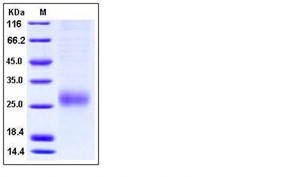
 Application Data
(Measured by its ability to inhibit BMP9 induced alkaline phosphatase production by MC3T3E1 mouse chondrogenic cells. David, L. et al. (2007) Blood 109:1953. The ED50 for this effect is typically 50-200 ng/mL in the presence of 2 ng/mL of recombiant human BMP9.)
Application Data
(Measured by its ability to inhibit BMP9 induced alkaline phosphatase production by MC3T3E1 mouse chondrogenic cells. David, L. et al. (2007) Blood 109:1953. The ED50 for this effect is typically 50-200 ng/mL in the presence of 2 ng/mL of recombiant human BMP9.)
ALK-1, Active Protein (Cat# AAA257826)
 Bioactivity
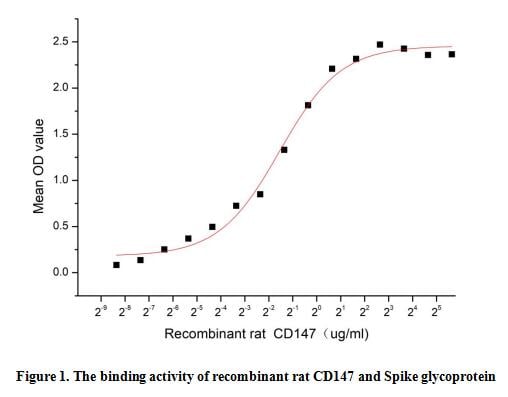
(Extracellular matrix metalloproteinase (MMP) inducer (EMMPRIN), also known as basigin and CD147, is a 4466 kDa, variably N and Oglycosylated, type I transmembrane protein that belongs to the immunoglobulin superfamily. Human EMMPRIN is 269 amino acids (aa)
Bioactivity
(Extracellular matrix metalloproteinase (MMP) inducer (EMMPRIN), also known as basigin and CD147, is a 4466 kDa, variably N and Oglycosylated, type I transmembrane protein that belongs to the immunoglobulin superfamily. Human EMMPRIN is 269 amino acids (aa)
Cluster Of Differentiation 147 (CD147), Active Protein (Cat# AAA153101)
 Bioactivity
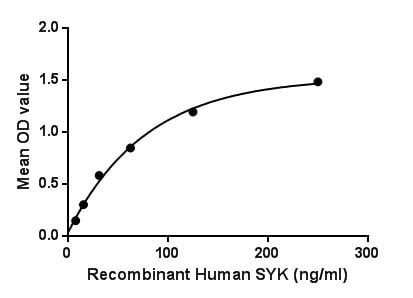
(Figure. The binding activity of SYK with SIGLEC2.Spleen Tyrosine Kinase (SYK) is a member of the SYK family of tyrosine kinases. These non-receptor cytoplasmic tyrosine kinases share a characteristic dual SH2 domain separated by a linker domain. Within B and T cells respectively, SYK and Zap-70 transmit signals from the B-Cell receptor and T-Cell receptor. SYK plays a similar role in transmitting signals from a variety of cell surface receptors including CD74, Fc Receptor, and integrins. Besides, Sialic Acid Binding Ig Like Lectin 1 (SIGLEC2) has been identified as an interactor of SYK, thus a binding ELISA assay was conducted to detect the interaction of recombinant human SYK and recombinant human SIGLEC2. Briefly, SYK were diluted serially in PBS, with 0.01% BSA (pH 7.4). Duplicate samples of 100uL were then transferred to SIGLEC2-coated microtiter wells and incubated for 2h at 37. Wells were washed with PBST and incubated for 1h with anti-SYK pAb, then aspirated and washed 3 times. After incubation with HRP labelled secondary antibody, wells were aspirated and washed 3 times. With the addition of substrate solution, wells were incubated 15-25 minutes at 37. Finally, add 50uL stop solution to the wells and read at 450nm immediately. The binding activity of SYK and SIGLEC2 was shown in Figure 1, and this effect was in a dose dependent manner.)
Bioactivity
(Figure. The binding activity of SYK with SIGLEC2.Spleen Tyrosine Kinase (SYK) is a member of the SYK family of tyrosine kinases. These non-receptor cytoplasmic tyrosine kinases share a characteristic dual SH2 domain separated by a linker domain. Within B and T cells respectively, SYK and Zap-70 transmit signals from the B-Cell receptor and T-Cell receptor. SYK plays a similar role in transmitting signals from a variety of cell surface receptors including CD74, Fc Receptor, and integrins. Besides, Sialic Acid Binding Ig Like Lectin 1 (SIGLEC2) has been identified as an interactor of SYK, thus a binding ELISA assay was conducted to detect the interaction of recombinant human SYK and recombinant human SIGLEC2. Briefly, SYK were diluted serially in PBS, with 0.01% BSA (pH 7.4). Duplicate samples of 100uL were then transferred to SIGLEC2-coated microtiter wells and incubated for 2h at 37. Wells were washed with PBST and incubated for 1h with anti-SYK pAb, then aspirated and washed 3 times. After incubation with HRP labelled secondary antibody, wells were aspirated and washed 3 times. With the addition of substrate solution, wells were incubated 15-25 minutes at 37. Finally, add 50uL stop solution to the wells and read at 450nm immediately. The binding activity of SYK and SIGLEC2 was shown in Figure 1, and this effect was in a dose dependent manner.)
Spleen Tyrosine Kinase, Active Protein (Cat# AAA150134)
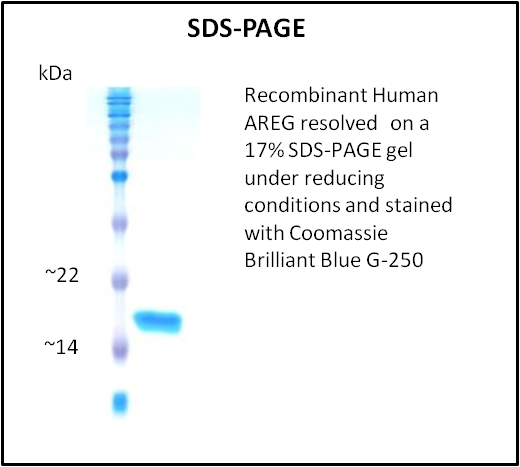
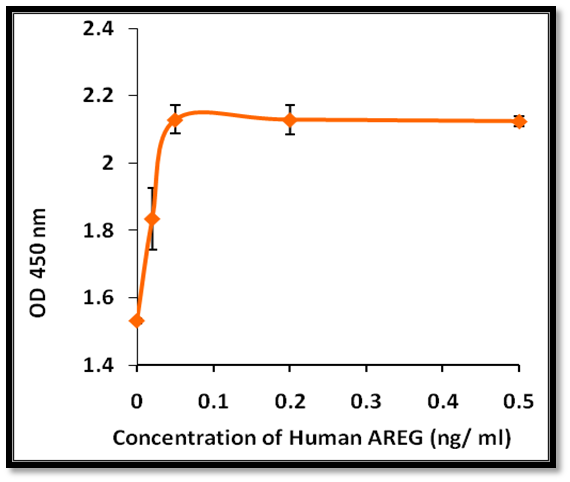 Application Data
AREG, Active Protein (Cat# AAA214278)
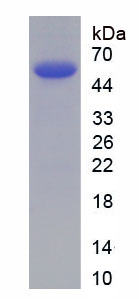
 Bioactivity
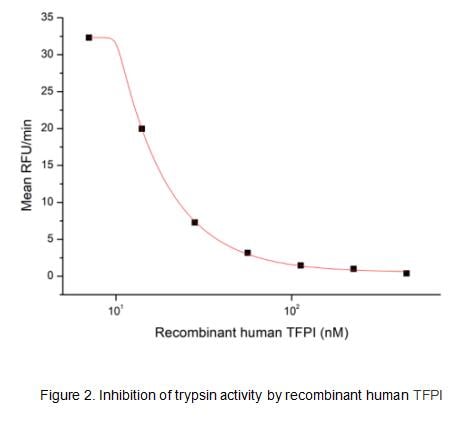
(Human TFPI, also known as lipoprotein-associated coagulation inhibitor (LACI) and extrinsic pathway inhibitor (EPI), is a physiological inhibitor of extrinsic pathway of coagulation and has biological functions of anticoagulation and anti-inflammation. It is a secreted protein with a N-terminal acidic region, three Kunitz (K) domains separated with by two linker regions, and a C-terminal basic region. The activity of recombinant human TFPI was measured by its ability to inhibit trypsin cleavage of a fluorogenic peptide substrate Mca-RPKPVE-Nval-WRK(Dnp)-NH2 in the assay buffer 50 mM Tris, 10 mM CaCl2, 150 mM NaCl, 0.05% (w/v) Brij-35, pH 7.5. Trypsin was diluted to 50 ug/ml in the assay buffer and 20 ul different concentrations of recombinant human TFPI (MW: 55.58 KD) was incubated with 20 ul diluted trypsin at 37 degree C for 15 minutes. Loading 50 uL of the incubated mixtures which were diluted five-fold in assay buffer into empty wells of a plate, and start the reaction by adding 50 uL of 20 uM substrate. Include a substrate blank containing 50 uL of assay buffer and 50 uL of 20 uM substrate. Then read at excitiation and emission wavelengths of 320 nm and 405 nm, respectively, in kinetic mode for 5 minutes. The result was shown in Figure 1 and it was obvious that recombinant human TFPI significantly decreased trypsin activity. The inhibition IC50 was )
Bioactivity
(Human TFPI, also known as lipoprotein-associated coagulation inhibitor (LACI) and extrinsic pathway inhibitor (EPI), is a physiological inhibitor of extrinsic pathway of coagulation and has biological functions of anticoagulation and anti-inflammation. It is a secreted protein with a N-terminal acidic region, three Kunitz (K) domains separated with by two linker regions, and a C-terminal basic region. The activity of recombinant human TFPI was measured by its ability to inhibit trypsin cleavage of a fluorogenic peptide substrate Mca-RPKPVE-Nval-WRK(Dnp)-NH2 in the assay buffer 50 mM Tris, 10 mM CaCl2, 150 mM NaCl, 0.05% (w/v) Brij-35, pH 7.5. Trypsin was diluted to 50 ug/ml in the assay buffer and 20 ul different concentrations of recombinant human TFPI (MW: 55.58 KD) was incubated with 20 ul diluted trypsin at 37 degree C for 15 minutes. Loading 50 uL of the incubated mixtures which were diluted five-fold in assay buffer into empty wells of a plate, and start the reaction by adding 50 uL of 20 uM substrate. Include a substrate blank containing 50 uL of assay buffer and 50 uL of 20 uM substrate. Then read at excitiation and emission wavelengths of 320 nm and 405 nm, respectively, in kinetic mode for 5 minutes. The result was shown in Figure 1 and it was obvious that recombinant human TFPI significantly decreased trypsin activity. The inhibition IC50 was )
Tissue Factor Pathway Inhibitor (TFPI), Active Protein (Cat# AAA161731)
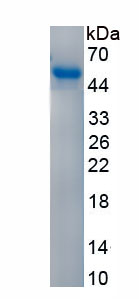
 Bioactivity
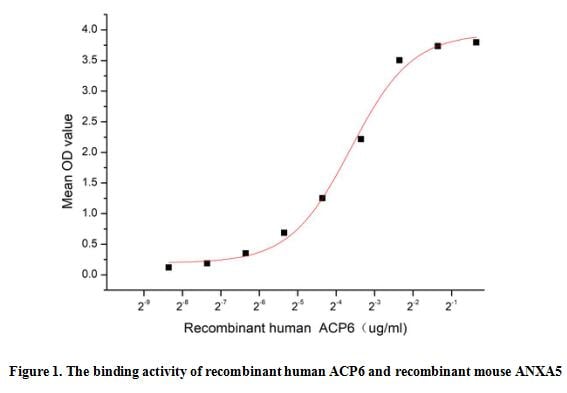
(Lysophosphatidic acid phosphatase type 6 (ACP6), is a 44-47 kDa monomeric member of the histidine acid phosphatase family of proteins. ACP6 is highly expressed in kidney, heart, small intestine, muscle, liver, prostate, testis, ovary and exists as two isoforms as a result of alternative splicing events. It plays a role in regulating lipid metabolism that hydrolyzes LPA to monoacylglycerol (MAG) and phosphate. Annexin V (ANXA5) binds to phospholipid bilayers, forming two-dimensional crystals that block the phospholipids from availability for coagulation enzyme reactions. A functional binding ELISA assay was conducted to detect the interaction of recombinant human ACP6 and recombinant mouse ANXA5. Briefly, ACP6 was diluted serially in PBS with 0.01% BSA (pH 7.4). Duplicate samples of 100 ul were then transferred to ANXA5-coated microtiter wells and incubated for 1h at 37 degree C. Wells were washed with PBST and incubated for 1h with anti-ACP6 pAb, then aspirated and washed 3 times. After incubation with HRP labelled secondary antibody for 1h at 37 degree C, wells were aspirated and washed 5 times. With the addition of substrate solution, wells were incubated 15-25 minutes at 37 degree C. Finally, add 50 uL stop solution to the wells and read at 450/630 nm immediately. The binding activity of recombinant human ACP6 and recombinant mouse ANXA5 was shown in Figure 1, the EC50 for this effect is 0.08 ug/mL.)
Bioactivity
(Lysophosphatidic acid phosphatase type 6 (ACP6), is a 44-47 kDa monomeric member of the histidine acid phosphatase family of proteins. ACP6 is highly expressed in kidney, heart, small intestine, muscle, liver, prostate, testis, ovary and exists as two isoforms as a result of alternative splicing events. It plays a role in regulating lipid metabolism that hydrolyzes LPA to monoacylglycerol (MAG) and phosphate. Annexin V (ANXA5) binds to phospholipid bilayers, forming two-dimensional crystals that block the phospholipids from availability for coagulation enzyme reactions. A functional binding ELISA assay was conducted to detect the interaction of recombinant human ACP6 and recombinant mouse ANXA5. Briefly, ACP6 was diluted serially in PBS with 0.01% BSA (pH 7.4). Duplicate samples of 100 ul were then transferred to ANXA5-coated microtiter wells and incubated for 1h at 37 degree C. Wells were washed with PBST and incubated for 1h with anti-ACP6 pAb, then aspirated and washed 3 times. After incubation with HRP labelled secondary antibody for 1h at 37 degree C, wells were aspirated and washed 5 times. With the addition of substrate solution, wells were incubated 15-25 minutes at 37 degree C. Finally, add 50 uL stop solution to the wells and read at 450/630 nm immediately. The binding activity of recombinant human ACP6 and recombinant mouse ANXA5 was shown in Figure 1, the EC50 for this effect is 0.08 ug/mL.)
Acid Phosphatase 6, Lysophosphatidic (ACP6), Active Protein (Cat# AAA161908)
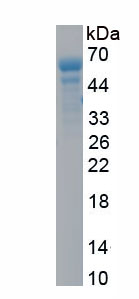
 Bioactivity
(Glypican-3 (GPC3), a 70 kDa protein, is a member of the glypican family that attaches to the cell surface by a glycosylphosphatidylinositol anchor, is specifically up-regulated in hepatocellular carcinoma (HCC) although rarely or not expressed in normal liver tissues, making it a perfect test and treatment target for HCC. GPC3 is also a negative transcriptional regulator and tumor suppressor that inhibits the growth of breast, ovary, and lung cancer cells. It is reported that GPC3 can form a complex with insulin-like growth factor 2 (IGF2), and might thereby modulate IGF2 action. Thus a functional binding ELISA assay was conducted to detect the interaction of recombinant human GPC3 and recombinant rat IGF2. Briefly, GPC3 was diluted serially in PBS with 0.01% BSA (pH 7.4). Duplicate samples of 100 ul were then transferred to IGF2-coated microtiter wells and incubated for 1h at 37 degree C. Wells were washed with PBST and incubated for 1h with anti-GPC3 pAb, then aspirated and washed 3 times. After incubation with HRP labelled secondary antibody for 1h at 37 degree C, wells were aspirated and washed 5 times. With the addition of substrate solution, wells were incubated 15-25 minutes at 37 degree C. Finally, add 50 uL stop solution to the wells and read at 450/630 nm immediately. The binding activity of recombinant human GPC3 and recombinant rat IGF2 was shown in Figure 1, the EC50 for this effect is 0.08 ug/mL.)
Bioactivity
(Glypican-3 (GPC3), a 70 kDa protein, is a member of the glypican family that attaches to the cell surface by a glycosylphosphatidylinositol anchor, is specifically up-regulated in hepatocellular carcinoma (HCC) although rarely or not expressed in normal liver tissues, making it a perfect test and treatment target for HCC. GPC3 is also a negative transcriptional regulator and tumor suppressor that inhibits the growth of breast, ovary, and lung cancer cells. It is reported that GPC3 can form a complex with insulin-like growth factor 2 (IGF2), and might thereby modulate IGF2 action. Thus a functional binding ELISA assay was conducted to detect the interaction of recombinant human GPC3 and recombinant rat IGF2. Briefly, GPC3 was diluted serially in PBS with 0.01% BSA (pH 7.4). Duplicate samples of 100 ul were then transferred to IGF2-coated microtiter wells and incubated for 1h at 37 degree C. Wells were washed with PBST and incubated for 1h with anti-GPC3 pAb, then aspirated and washed 3 times. After incubation with HRP labelled secondary antibody for 1h at 37 degree C, wells were aspirated and washed 5 times. With the addition of substrate solution, wells were incubated 15-25 minutes at 37 degree C. Finally, add 50 uL stop solution to the wells and read at 450/630 nm immediately. The binding activity of recombinant human GPC3 and recombinant rat IGF2 was shown in Figure 1, the EC50 for this effect is 0.08 ug/mL.)
Glypican 3 (GPC3), Active Protein (Cat# AAA161814)
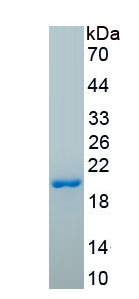
 Bioactivity
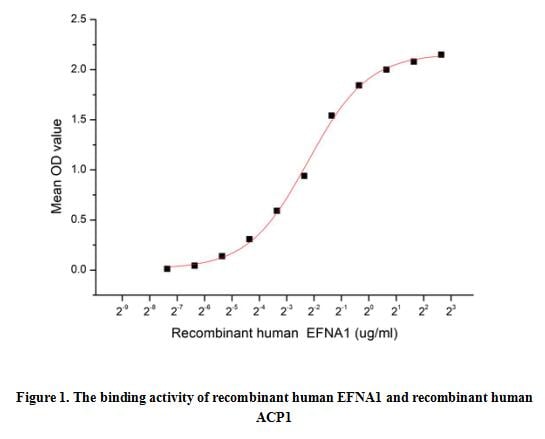
(Acid phosphatase locus 1 (ACP1) is a low molecular weight protein tyrosine phosphatase that has been shown to be an important regulator of insulin receptor signaling. EFNA1 is a kind of receptor tyrosine kinase which can Interact with ACP1. Thus a functional binding ELISA assay was conducted to detect the interaction of recombinant human EFNA1 and recombinant human ACP1. Briefly, EFNA1 was diluted serially in PBS with 0.01% BSA (pH 7.4). Duplicate samples of 100 ul were then transferred to ACP1-coated microtiter wells and incubated for 1h at 37 degree C. Wells were washed with PBST and incubated for 1h with anti-EFNA1 pAb, then aspirated and washed 3 times. After incubation with HRP labelled secondary antibody for 1h at 37 degree C, wells were aspirated and washed 5 times. With the addition of substrate solution, wells were incubated 15-25 minutes at 37 degree C. Finally, add 50 uL stop solution to the wells and read at 450/630 nm immediately. When recombinant human ACP1 is immobilized at 2 ug/ml (100 ul/well), the concentration of EFNA1 that produces 50% optimal binding response is found to be approximately 0.21 ug/ml.)
Bioactivity
(Acid phosphatase locus 1 (ACP1) is a low molecular weight protein tyrosine phosphatase that has been shown to be an important regulator of insulin receptor signaling. EFNA1 is a kind of receptor tyrosine kinase which can Interact with ACP1. Thus a functional binding ELISA assay was conducted to detect the interaction of recombinant human EFNA1 and recombinant human ACP1. Briefly, EFNA1 was diluted serially in PBS with 0.01% BSA (pH 7.4). Duplicate samples of 100 ul were then transferred to ACP1-coated microtiter wells and incubated for 1h at 37 degree C. Wells were washed with PBST and incubated for 1h with anti-EFNA1 pAb, then aspirated and washed 3 times. After incubation with HRP labelled secondary antibody for 1h at 37 degree C, wells were aspirated and washed 5 times. With the addition of substrate solution, wells were incubated 15-25 minutes at 37 degree C. Finally, add 50 uL stop solution to the wells and read at 450/630 nm immediately. When recombinant human ACP1 is immobilized at 2 ug/ml (100 ul/well), the concentration of EFNA1 that produces 50% optimal binding response is found to be approximately 0.21 ug/ml.)
Acid Phosphatase 1 (ACP1), Active Protein (Cat# AAA161820)
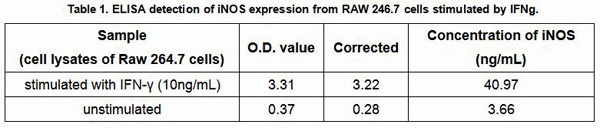 Application Data
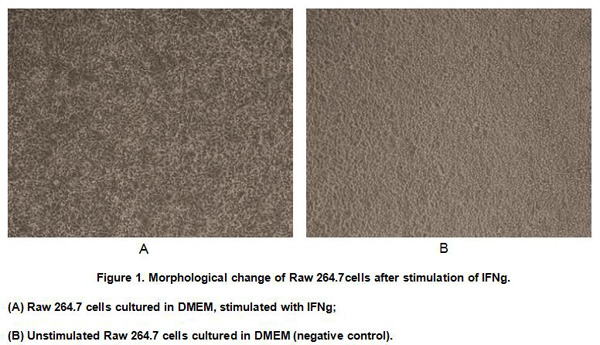
Interferon Gamma (IFNg), Active Protein (Cat# AAA146603)
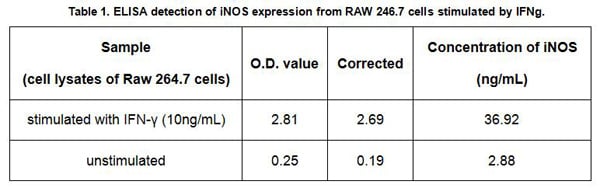
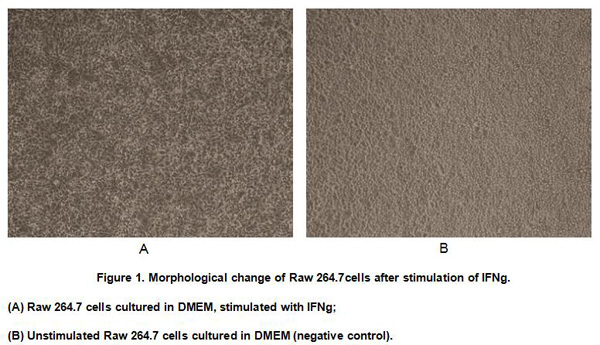
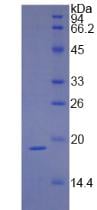
 Application Data
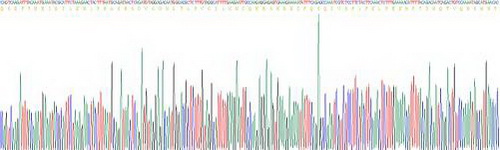
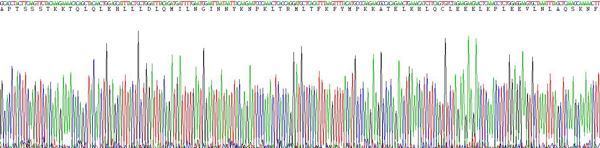
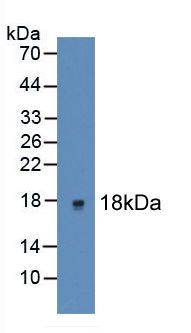
Interferon Gamma (IFNg), Active Protein (Cat# AAA148158)
 Application Data
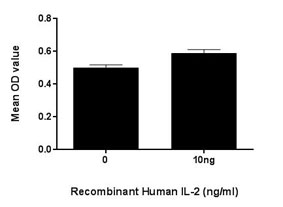
(Figure. Cell proliferation of CTLL-2 cells after stimulated with IL-2.)
Application Data
(Figure. Cell proliferation of CTLL-2 cells after stimulated with IL-2.)
Interleukin 2, Active Protein (Cat# AAA150059)
 Bioactivity
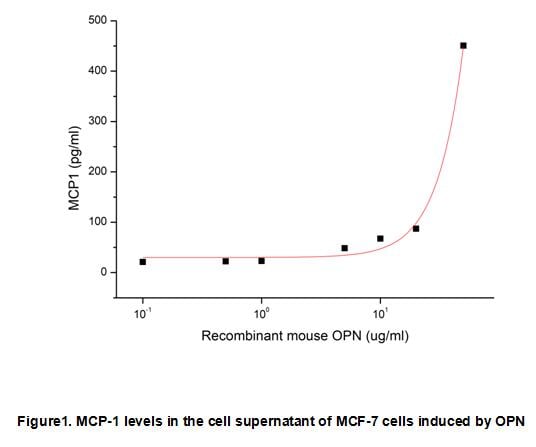
(Osteopontin (OPN), a multifunctional phosphorylated glycoprotein, plays an important role in neutrophil recruitment and was found to induce the expression of proinflammatory chemokines including MCP-1 and MIP-1beta which promote migration and recruitment)
Bioactivity
(Osteopontin (OPN), a multifunctional phosphorylated glycoprotein, plays an important role in neutrophil recruitment and was found to induce the expression of proinflammatory chemokines including MCP-1 and MIP-1beta which promote migration and recruitment)
Osteopontin (OPN), Active Protein (Cat# AAA153066)
 Bioactivity
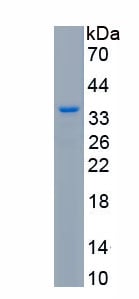
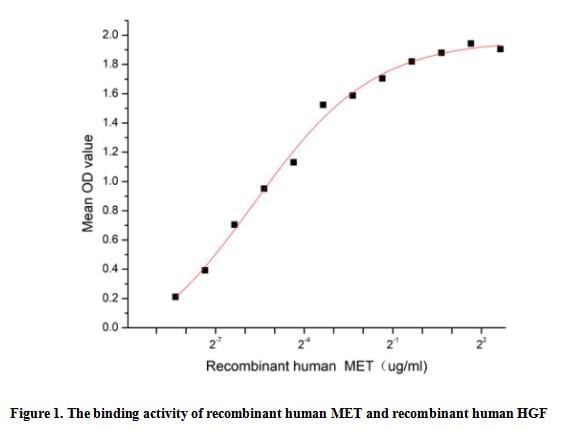
(c-Met is a receptor tyrosine kinase belonging to the MET (MNNG HOS transforming gene) family, and is expressed on the surfaces of various cells. Hepatocyte growth factor (HGF) is the ligand for this receptor. The binding of HGF to c-Met initiates a series of intracellular signals that mediate embryogenesis and wound healing in normal cells. Thus a functional binding ELISA assay was conducted to detect the interaction of recombinant human MET and recombinant human HGF. Briefly, MET was diluted serially in PBS with 0.01% BSA (pH 7.4). Duplicate samples of 100 ul were then transferred to HGF-coated microtiter wells and incubated for 1h at 37 degree C. Wells were washed with PBST and incubated for 1h with anti-MET pAb, then aspirated and washed 3 times. After incubation with HRP labelled secondary antibody for 1h at 37 degree C, wells were aspirated and washed 5 times. With the addition of substrate solution, wells were incubated 15-25 minutes at 37 degree C. Finally, add 50 uL stop solution to the wells and read at 450/630 nm immediately. The binding activity of recombinant human MET and recombinant human HGF was shown in Figure 1, the EC50 for this effect is 0.02 ug/mL.)
Bioactivity
(c-Met is a receptor tyrosine kinase belonging to the MET (MNNG HOS transforming gene) family, and is expressed on the surfaces of various cells. Hepatocyte growth factor (HGF) is the ligand for this receptor. The binding of HGF to c-Met initiates a series of intracellular signals that mediate embryogenesis and wound healing in normal cells. Thus a functional binding ELISA assay was conducted to detect the interaction of recombinant human MET and recombinant human HGF. Briefly, MET was diluted serially in PBS with 0.01% BSA (pH 7.4). Duplicate samples of 100 ul were then transferred to HGF-coated microtiter wells and incubated for 1h at 37 degree C. Wells were washed with PBST and incubated for 1h with anti-MET pAb, then aspirated and washed 3 times. After incubation with HRP labelled secondary antibody for 1h at 37 degree C, wells were aspirated and washed 5 times. With the addition of substrate solution, wells were incubated 15-25 minutes at 37 degree C. Finally, add 50 uL stop solution to the wells and read at 450/630 nm immediately. The binding activity of recombinant human MET and recombinant human HGF was shown in Figure 1, the EC50 for this effect is 0.02 ug/mL.)
C-Met (MET), Active Protein (Cat# AAA161879)
 Bioactivity
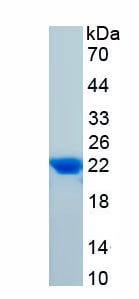
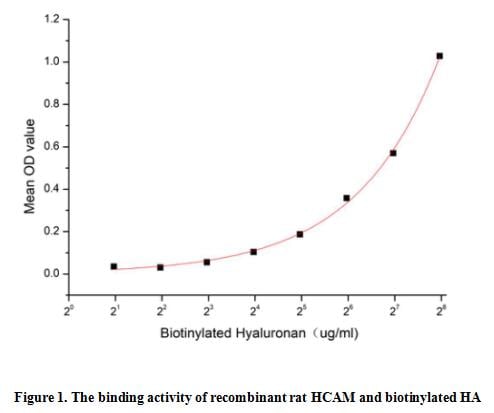
(Homing Associated Cell Adhesion Molecule (HCAM), also known as CD44, is a ubiquitous multistructural and multifunctional cells surface adhesion molecule involved in cell-cell and cell-matrix interactions. CD44 is broadly expressed, including in the membranes of B cells, granulocytes, monocytes, and erythrocytes as well as on many thymocytes and mature T cells, besides it is highly expressed in many cancers and regulates metastasis via recruitment of CD44 to the cell surface. This protein is a receptor for hyaluronic acid (HA) and can also interact with other ligands, such as osteopontin, collagens, and matrix metalloproteinases (MMPs). Thus a functional binding ELISA assay was conducted to detect the interaction of recombinant rat HCAM and biotinylated hyaluronan (HA). Briefly, biotin-linked HA were diluted serially in PBS, with 0.01% BSA (pH 7.4). Duplicate samples of 100 ul were then transferred to HCAM-coated microtiter wells and incubated for 2h at 37 degree C. Wells were washed with PBST 3 times and incubation with Streptavidin-HRP for 1 hour, then wells were aspirated and washed 5 times. With the addition of substrate solution, wells were incubated 15-25 minutes at 37 degree C. Finally, add 50 ul stop solution to the wells and read at 450/630 nm immediately. The binding activity of recombinant rat HCAM and biotinylated HA was shown in Figure 1, and this effect was in a dose dependent manner.)
Bioactivity
(Homing Associated Cell Adhesion Molecule (HCAM), also known as CD44, is a ubiquitous multistructural and multifunctional cells surface adhesion molecule involved in cell-cell and cell-matrix interactions. CD44 is broadly expressed, including in the membranes of B cells, granulocytes, monocytes, and erythrocytes as well as on many thymocytes and mature T cells, besides it is highly expressed in many cancers and regulates metastasis via recruitment of CD44 to the cell surface. This protein is a receptor for hyaluronic acid (HA) and can also interact with other ligands, such as osteopontin, collagens, and matrix metalloproteinases (MMPs). Thus a functional binding ELISA assay was conducted to detect the interaction of recombinant rat HCAM and biotinylated hyaluronan (HA). Briefly, biotin-linked HA were diluted serially in PBS, with 0.01% BSA (pH 7.4). Duplicate samples of 100 ul were then transferred to HCAM-coated microtiter wells and incubated for 2h at 37 degree C. Wells were washed with PBST 3 times and incubation with Streptavidin-HRP for 1 hour, then wells were aspirated and washed 5 times. With the addition of substrate solution, wells were incubated 15-25 minutes at 37 degree C. Finally, add 50 ul stop solution to the wells and read at 450/630 nm immediately. The binding activity of recombinant rat HCAM and biotinylated HA was shown in Figure 1, and this effect was in a dose dependent manner.)
Homing Associated Cell Adhesion Molecule (HCAM), Active Protein (Cat# AAA161766)
 Application Data
(Measured by its ability to neutralize Activin-mediated inhibition on MPC11 cell proliferation. The ED50 for this effect is typically 20-60 ng/mL in the presence of 10 ng/mL recombinant Activin A.)
Application Data
(Measured by its ability to neutralize Activin-mediated inhibition on MPC11 cell proliferation. The ED50 for this effect is typically 20-60 ng/mL in the presence of 10 ng/mL recombinant Activin A.)
ACVR2A, Active Protein (Cat# AAA258184)
 Bioactivity
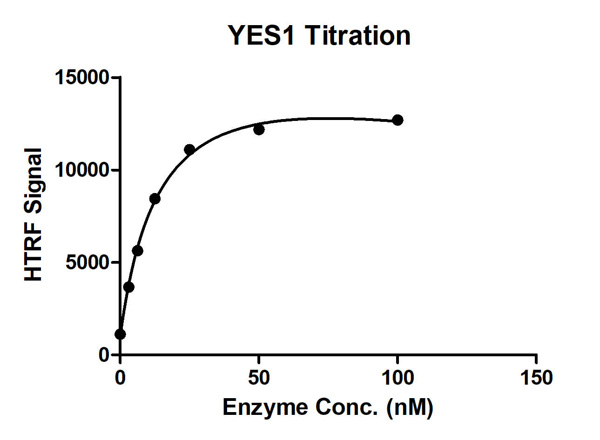
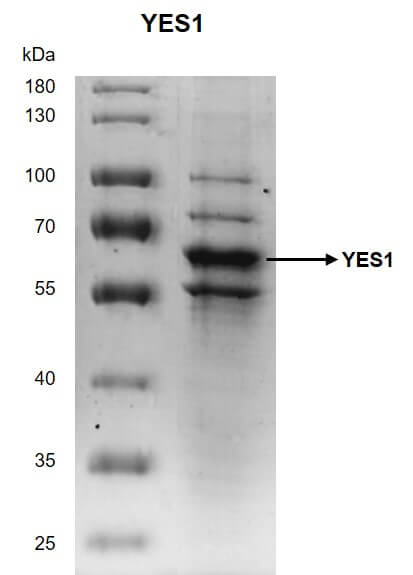
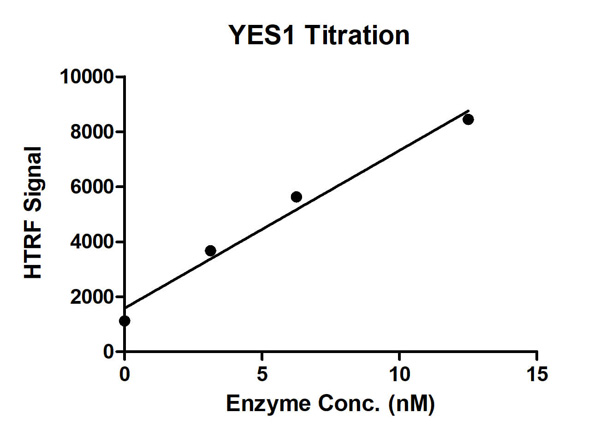
(HTRF Assay for Recombinant YES1 activity. 1 uM TK substrate was incubated with different concentrations of YES1 protein in 10 ul reaction system containing 1×Enzymatic Buffer, 5 mM MgCl2, 1 mM DTT and 100 uM ATP for 1 hour. The 10 ul detection reagents containing anti-TK antibody (1:2) and SA-XL665 (1:100) diluted with 1× Detection Buffer were added and incubated with the reactions for 30 min. All the operations and reactions were performed at room temperature. HTRF assay was used for detection.)
Bioactivity
(HTRF Assay for Recombinant YES1 activity. 1 uM TK substrate was incubated with different concentrations of YES1 protein in 10 ul reaction system containing 1×Enzymatic Buffer, 5 mM MgCl2, 1 mM DTT and 100 uM ATP for 1 hour. The 10 ul detection reagents containing anti-TK antibody (1:2) and SA-XL665 (1:100) diluted with 1× Detection Buffer were added and incubated with the reactions for 30 min. All the operations and reactions were performed at room temperature. HTRF assay was used for detection.)
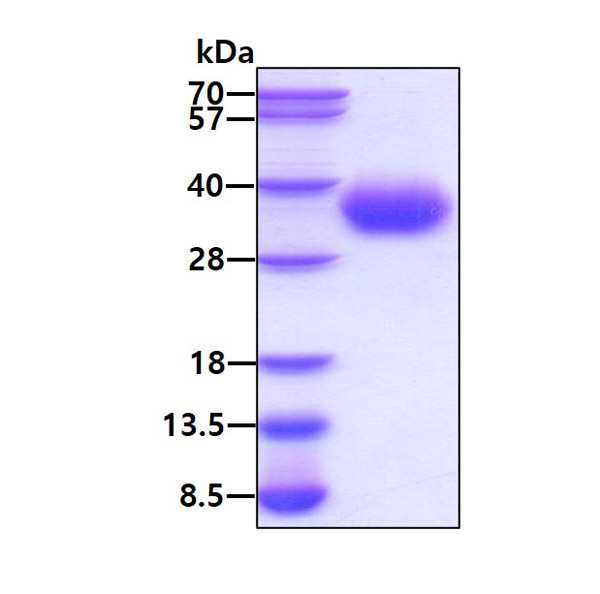
 Bioactivity
(SARS-CoV-2 Spike RBD is coated at 5ug/ml (100 ul/well) can bind ACE-2 (CAT# ATGP3963) in a Functional ELISA assay.)
Bioactivity
(SARS-CoV-2 Spike RBD is coated at 5ug/ml (100 ul/well) can bind ACE-2 (CAT# ATGP3963) in a Functional ELISA assay.)
COVID 19 Spike RBD Coronavirus, Active Protein (Cat# AAA48377)
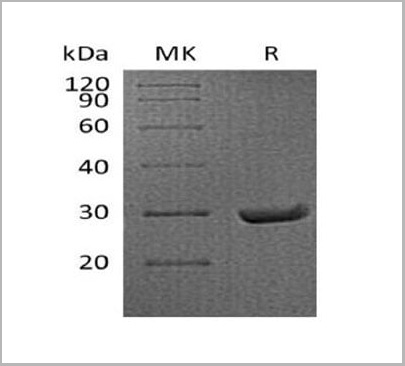 SDS-PAGE
Serum Amyloid P Component, Active Protein (Cat# AAA22130)
 Bioactivity
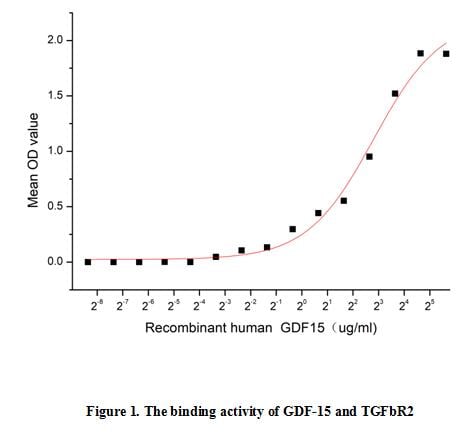
(Growth Differentiation Factor 15 (GDF-15), also called Macrophage Inhibitory Cytokine 1 (MIC-1), is a divergent member of the Transforming Growth Factor beta (TGF-beta ) superfamily. Human GDF-15 shares 66% and 68% amino acid sequence identity with the ra)
Bioactivity
(Growth Differentiation Factor 15 (GDF-15), also called Macrophage Inhibitory Cytokine 1 (MIC-1), is a divergent member of the Transforming Growth Factor beta (TGF-beta ) superfamily. Human GDF-15 shares 66% and 68% amino acid sequence identity with the ra)
Growth Differentiation Factor 15 (GDF15), Active Protein (Cat# AAA153111)
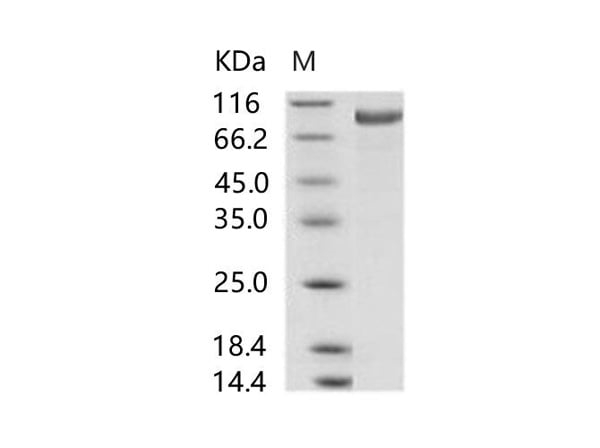
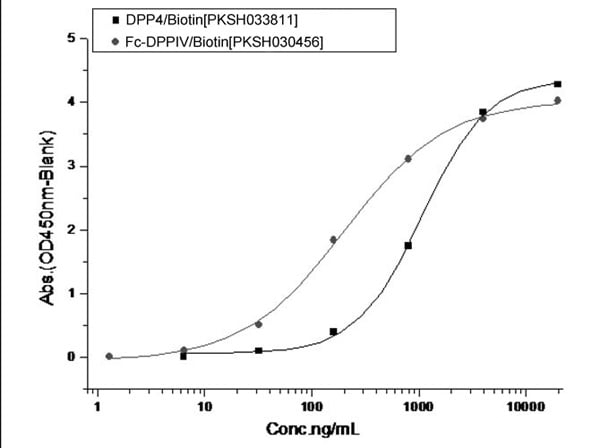 Bioactivity
MERS-CoV Spike/S1 Protein, Active Protein (Cat# AAA177990)
 Bioactivity
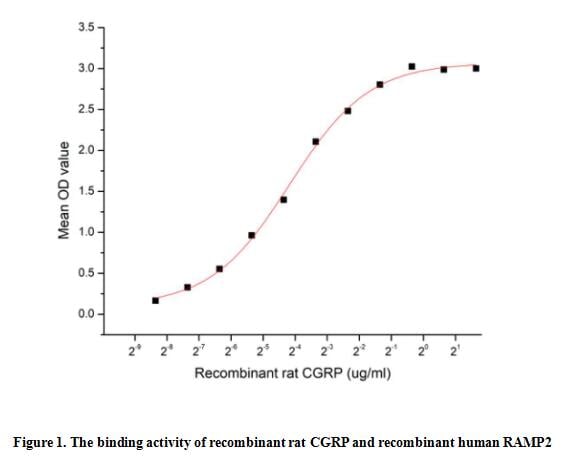
(Calcitonin gene-related peptide (CGRP) is a highly potent vasoactive peptide released from sensory nerves. CGRP is a 37-amino acid and it has two major forms (alpha and beta). It belongs to a group of peptides that all act on an unusual receptor family. These receptors consist of calcitonin receptor-like receptor (CLR) linked to an essential receptor activity modifying protein (RAMP) that is necessary for full functionality. Thus a functional binding ELISA assay was conducted to detect the interaction of recombinant rat CGRP and recombinant human RAMP2. Briefly, CGRP was diluted serially in PBS with 0.01% BSA (pH 7.4). Duplicate samples of 100 ul were then transferred to RAMP2-coated microtiter wells and incubated for 1h at 37 degree C. Wells were washed with PBST and incubated for 1h with anti-CGRP pAb, then aspirated and washed 3 times. After incubation with HRP labelled secondary antibody for 1h at 37 degree C, wells were aspirated and washed 5 times. With the addition of substrate solution, wells were incubated 15-25 minutes at 37 degree C. Finally, add 50 uL stop solution to the wells and read at 450/630 nm immediately. The binding activity of recombinant rat CGRP and recombinant human RAMP2 was shown in Figure 1, the EC50 for this effect is 0.06 ug/mL.)
Bioactivity
(Calcitonin gene-related peptide (CGRP) is a highly potent vasoactive peptide released from sensory nerves. CGRP is a 37-amino acid and it has two major forms (alpha and beta). It belongs to a group of peptides that all act on an unusual receptor family. These receptors consist of calcitonin receptor-like receptor (CLR) linked to an essential receptor activity modifying protein (RAMP) that is necessary for full functionality. Thus a functional binding ELISA assay was conducted to detect the interaction of recombinant rat CGRP and recombinant human RAMP2. Briefly, CGRP was diluted serially in PBS with 0.01% BSA (pH 7.4). Duplicate samples of 100 ul were then transferred to RAMP2-coated microtiter wells and incubated for 1h at 37 degree C. Wells were washed with PBST and incubated for 1h with anti-CGRP pAb, then aspirated and washed 3 times. After incubation with HRP labelled secondary antibody for 1h at 37 degree C, wells were aspirated and washed 5 times. With the addition of substrate solution, wells were incubated 15-25 minutes at 37 degree C. Finally, add 50 uL stop solution to the wells and read at 450/630 nm immediately. The binding activity of recombinant rat CGRP and recombinant human RAMP2 was shown in Figure 1, the EC50 for this effect is 0.06 ug/mL.)
Calcitonin Gene Related Peptide (CGRP), Active Protein (Cat# AAA161798)
 Bioactivity
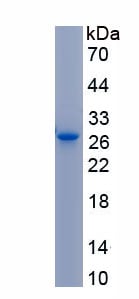
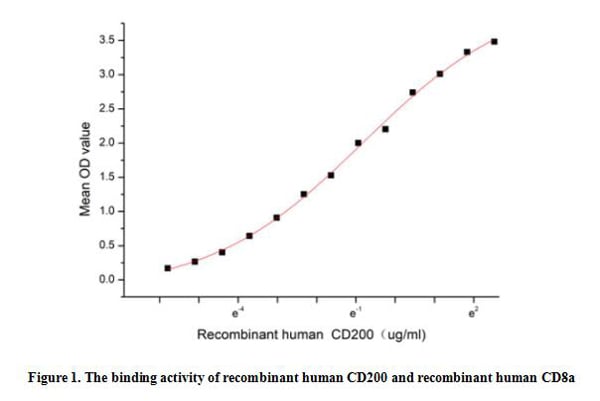
(Cluster Of Differentiation 200 (CD200), also known as OX-2 or MOX1/MOX2, is a membrane glycoprotein belonging to the immunoglobulin superfamily. This protein is widely expressed in various cell types, including neurons, endothelial cells, certain immune cells (such as B cells, dendritic cells, T cell subsets), and various tumor cells. CD200 is a multifaceted protein with important roles in immune regulation, neuronal function, and disease pathogenesis. Besides, Cluster Of Differentiation 8a (CD8a) has been identified as an interactor of CD200, thus a functional binding ELISA assay was conducted to detect the interaction of recombinant human CD200 and recombinant human CD8a. Briefly, CD200 was diluted serially in PBS with 0.01% BSA (pH 7.4). Duplicate samples of 100 ul were then transferred to CD8a-coated microtiter wells and incubated for 1h at 37 degree C. Wells were washed with PBST and incubated for 1h with anti-CD200 pAb, then aspirated and washed 3 times. After incubation with HRP labelled secondary antibody for 1h at 37 degree C, wells were aspirated and washed 5 times. With the addition of substrate solution, wells were incubated 15-25 minutes at 37 degree C. Finally, add 50 uL stop solution to the wells and read at 450/630 nm immediately. The binding activity of recombinant recombinant human CD200 and recombinant human CD8a was shown in Figure 1, the EC50 for this effect is 0.44 ug/mL.)
Bioactivity
(Cluster Of Differentiation 200 (CD200), also known as OX-2 or MOX1/MOX2, is a membrane glycoprotein belonging to the immunoglobulin superfamily. This protein is widely expressed in various cell types, including neurons, endothelial cells, certain immune cells (such as B cells, dendritic cells, T cell subsets), and various tumor cells. CD200 is a multifaceted protein with important roles in immune regulation, neuronal function, and disease pathogenesis. Besides, Cluster Of Differentiation 8a (CD8a) has been identified as an interactor of CD200, thus a functional binding ELISA assay was conducted to detect the interaction of recombinant human CD200 and recombinant human CD8a. Briefly, CD200 was diluted serially in PBS with 0.01% BSA (pH 7.4). Duplicate samples of 100 ul were then transferred to CD8a-coated microtiter wells and incubated for 1h at 37 degree C. Wells were washed with PBST and incubated for 1h with anti-CD200 pAb, then aspirated and washed 3 times. After incubation with HRP labelled secondary antibody for 1h at 37 degree C, wells were aspirated and washed 5 times. With the addition of substrate solution, wells were incubated 15-25 minutes at 37 degree C. Finally, add 50 uL stop solution to the wells and read at 450/630 nm immediately. The binding activity of recombinant recombinant human CD200 and recombinant human CD8a was shown in Figure 1, the EC50 for this effect is 0.44 ug/mL.)
Cluster Of Differentiation 200 (CD200), Active Protein (Cat# AAA161799)
 Bioactivity
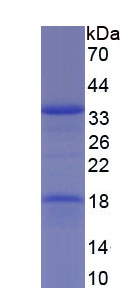
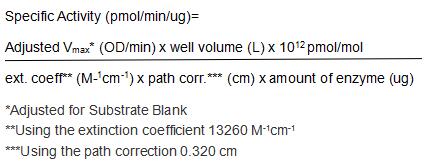
(The classical complement pathway plays a major role in innate immunity against infection. This pathway is triggered by C1, a multimolecular complex composed of the recognition protein C1q and two serine proteases, C1r and C1s. Following the C1q recognition, C1r is autoactivated, and in turn activates C1s, which cleaves C4 and C2, the C1 substrates. Both C1r and C1s activation involve cleavage of a specific Arg-Ile bond, converting single-chain proenzymes into active proteases of disulfide bond-linked chains (A and B). The full-length (amino acid residues 1-707) of mouse C1r was expressed which activity was measured by its ability to cleaves a thioester substrate Z-Lys-SBzl•HCl. The reaction was performed in 50 mM Tris, pH 7.5 (Assay Buffer), initiated by addition 50 uL of various concentrations of C1r (diluted by Assay Buffer) to 50 ul substrate mixture of 0.2mM Z-Lys-SBzl•HCl and 0.2 mM DTNB. The final well serves as a negative control with no C1r, replaced with 50 ul assay buffer. Then read in kinetic mode for 5 minutes at an absorbance of 405 nm. The specific activity of recombinant mouse C1r is > 500 pmol/min/ug.)
Bioactivity
(The classical complement pathway plays a major role in innate immunity against infection. This pathway is triggered by C1, a multimolecular complex composed of the recognition protein C1q and two serine proteases, C1r and C1s. Following the C1q recognition, C1r is autoactivated, and in turn activates C1s, which cleaves C4 and C2, the C1 substrates. Both C1r and C1s activation involve cleavage of a specific Arg-Ile bond, converting single-chain proenzymes into active proteases of disulfide bond-linked chains (A and B). The full-length (amino acid residues 1-707) of mouse C1r was expressed which activity was measured by its ability to cleaves a thioester substrate Z-Lys-SBzl•HCl. The reaction was performed in 50 mM Tris, pH 7.5 (Assay Buffer), initiated by addition 50 uL of various concentrations of C1r (diluted by Assay Buffer) to 50 ul substrate mixture of 0.2mM Z-Lys-SBzl•HCl and 0.2 mM DTNB. The final well serves as a negative control with no C1r, replaced with 50 ul assay buffer. Then read in kinetic mode for 5 minutes at an absorbance of 405 nm. The specific activity of recombinant mouse C1r is > 500 pmol/min/ug.)
Complement Component 1, R Subcomponent (C1r), Active Protein (Cat# AAA161831)
 Bioactivity
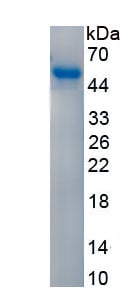
(Uracil Phosphoribosyltransferase (UPRT) is an important enzyme involved in the pyrimidine salvage pathway, which is a critical metabolic pathway for the synthesis of nucleotides in various organisms, including humans. This enzyme plays a key role in the conversion of uracil, a pyrimidine base, into uridine-5'-phosphate (UMP), a precursor for the synthesis of RNA and DNA. Besides, Purine Nucleoside Phosphorylase (PNP) has been identified as an interactor of UPRT, thus a functional binding ELISA assay was conducted to detect the interaction of recombinant human UPRT and recombinant mouse PNP. Briefly, UPRT was diluted serially in PBS with 0.01% BSA (pH 7.4). Duplicate samples of 100 ul were then transferred to PNP-coated microtiter wells and incubated for 1h at 37 degree C. Wells were washed with PBST and incubated for 1h with anti-UPRT pAb, then aspirated and washed 3 times. After incubation with HRP labelled secondary antibody for 1h at 37 degree C, wells were aspirated and washed 5 times. With the addition of substrate solution, wells were incubated 15-25 minutes at 37 degree C. Finally, add 50 uL stop solution to the wells and read at 450/630 nm immediately. The binding activity of recombinant human UPRT and recombinant mouse PNP was shown in Figure 1, the EC50 for this effect is 0.017 ug/mL.)
Bioactivity
(Uracil Phosphoribosyltransferase (UPRT) is an important enzyme involved in the pyrimidine salvage pathway, which is a critical metabolic pathway for the synthesis of nucleotides in various organisms, including humans. This enzyme plays a key role in the conversion of uracil, a pyrimidine base, into uridine-5'-phosphate (UMP), a precursor for the synthesis of RNA and DNA. Besides, Purine Nucleoside Phosphorylase (PNP) has been identified as an interactor of UPRT, thus a functional binding ELISA assay was conducted to detect the interaction of recombinant human UPRT and recombinant mouse PNP. Briefly, UPRT was diluted serially in PBS with 0.01% BSA (pH 7.4). Duplicate samples of 100 ul were then transferred to PNP-coated microtiter wells and incubated for 1h at 37 degree C. Wells were washed with PBST and incubated for 1h with anti-UPRT pAb, then aspirated and washed 3 times. After incubation with HRP labelled secondary antibody for 1h at 37 degree C, wells were aspirated and washed 5 times. With the addition of substrate solution, wells were incubated 15-25 minutes at 37 degree C. Finally, add 50 uL stop solution to the wells and read at 450/630 nm immediately. The binding activity of recombinant human UPRT and recombinant mouse PNP was shown in Figure 1, the EC50 for this effect is 0.017 ug/mL.)
Uracil Phosphoribosyltransferase (UPRT), Active Protein (Cat# AAA161941)
 Application Data
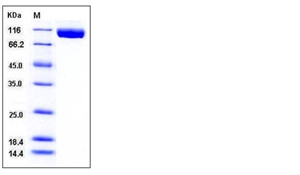
(Measured by its binding ability in a functional ELISA. Immobilized mouse VEGFR3-His at 10 ug/mL (100 ul/well) can bind mouse Fc-VEGFD, The EC50 of mouse Fc-VEGFD is 44 ng/mL.)
Application Data
(Measured by its binding ability in a functional ELISA. Immobilized mouse VEGFR3-His at 10 ug/mL (100 ul/well) can bind mouse Fc-VEGFD, The EC50 of mouse Fc-VEGFD is 44 ng/mL.)
VEGFR3/FLT4, Active Protein (Cat# AAA258176)
 Application Data
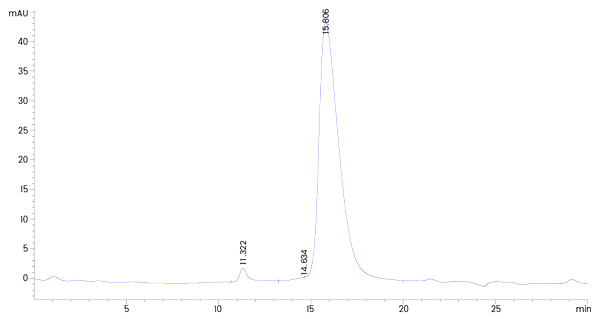
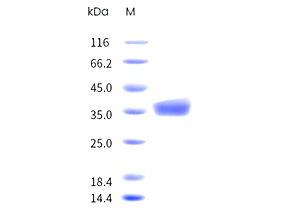
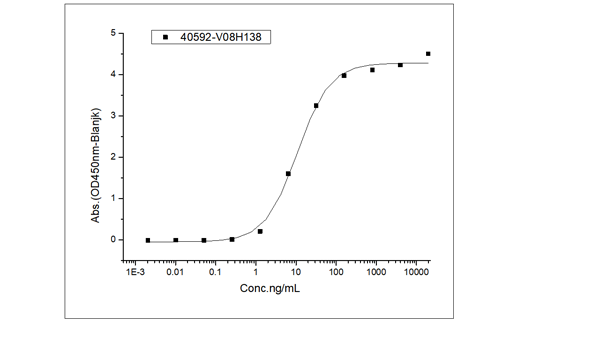
(Immobilized human ACE2 protein (Fc tag)(Cat: 10108-H05H) at 2 ug/mL (100 uL/well) can bind Recombinant SARS-CoV-2 (BA.3) Spike RBD Protein (R319-K537, His Tag)(Cat: AAA258588), the EC50 is 7-21 ng/mL.)
Application Data
(Immobilized human ACE2 protein (Fc tag)(Cat: 10108-H05H) at 2 ug/mL (100 uL/well) can bind Recombinant SARS-CoV-2 (BA.3) Spike RBD Protein (R319-K537, His Tag)(Cat: AAA258588), the EC50 is 7-21 ng/mL.)
COVID 19 (BA.3) Spike RBD Coronavirus, Active Protein (Cat# AAA258588)

 Application Data
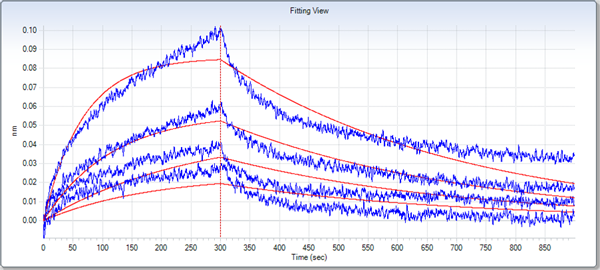
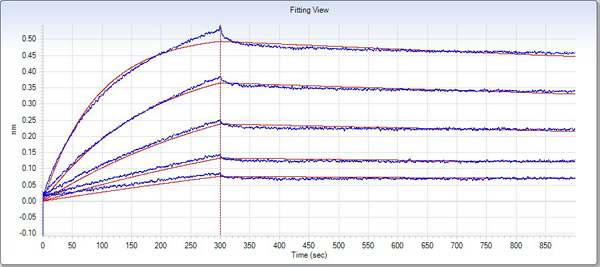
(Loaded Anti-CD112 Antibody on AMC Biosensor, can bind Nectin-2 Protein, Human, Recombinant (His Tag) with an affinity constant of 34.4 nM as determined by Octet RED System.)
Application Data
(Loaded Anti-CD112 Antibody on AMC Biosensor, can bind Nectin-2 Protein, Human, Recombinant (His Tag) with an affinity constant of 34.4 nM as determined by Octet RED System.)
Nectin-2, Active Protein (Cat# AAA257812)
What Are Active Proteins?
Proteins are large molecules made up of long chains of amino acids. They will typically fold into a very particular 3-dimensional shape/conformation, that is sometimes referred to as their “native” form, which allows them to work properly in the body. For the purposes of product categorization, AAA Biotech will typically refer to proteins purified from their original animal host as being “native” proteins (this is to signify their difference compared to their recombinant proteins or “synthetic” protein counterparts).
If a protein successfully folds into the correct shape, it will typically display high fidelity characteristics to its original protein in its original animal host and be classified as an active protein, as it will be able to function “normally” in most enzymatic or binding capacities. If it loses this shape, due to factors such as heat or strong chemicals (such as detergents), it becomes inactive and is no longer able to perform its basic functions.
All of the proteins in this category are made under strict quality control, and they are active, pure, low in contaminants, and stable. Most are stored as freeze-dried powders and come without extra tags, so they’re very close to the actual natural/native form.
Learn more in our guide “How active proteins work”.
Key Applications of Active Proteins
1. Scientific Research
- Aid in the study of how proteins function in the body
- Aid in understanding various disease processes
2. Drug Development
- Powerful tools to investigate how potential drugs interact with specific proteins
- Ideal for identifying drug targets
3. Cell Culture
- Are routinely utilized to support cell growth and function (e.g., using exogenous growth factors)
- Can be used to promote cellular development into specific types (differentiation)
4. Diagnostics
- Regularly utilized in tests to detect diseases or infections (e.g., COVID-19, cancer)
- Note: All products are strictly for research-use only (RUO).
5. Therapeutics
- Some active proteins are used directly as treatments (e.g., insulin, enzymes)
- Note: All products are strictly for research-use only (RUO).
6. Vaccine Development
- Used to create or test vaccines by mimicking parts of viruses or bacteria
7. Biochemical Assays
- They can facilitate the characterization of enzyme activity, binding strength, or protein interactions in lab tests
Why Buy Active Proteins from AAA Biotech?
- High biological activity – Verified to perform as expected or indicated on datasheet
- Strict quality control – We are confident in our active proteins’ reliability and consistency
- High purity & low endotoxin – Ideal for applications involving sensitive or precious samples/components
- Freeze-dried for stability – Long shelf life and straightforward storage
- Mostly tag-free – Closer to natural/native protein form
FAQ
1. What are active proteins used for in research?
Active proteins are used primarily in the study of how proteins function, in characterizing/discovering drug interactions, supporting cell growth, running biochemical assays, and in development of diagnostics or therapeutics.
2. How are AAA Biotech's active proteins validated?
AAA Biotech’s active proteins are validated through strict quality control and functional assays to ensure they are properly folded and active. “Active”, though, can be an ambiguous term, so if a specific “activity” or “binding” capability of a protein is of crucial interest to you, please inquire with us prior to purchase, and we will provide further details on how the “Active” modifier was determined to be applicable.
3. Are these proteins tested for biological activity?
Yes, all active proteins from AAA Biotech are tested to confirm they have the expected biological activity before being offered for use. Though, said “biological activity” can be either “enzymatic”, “binding”, or both.