
Filters
▼Clonality
▼Type
▼Reactivity
▼Gene Name
▼Isotype
▼Host
▼Application
▼Clone
▼Active Proteins
AAA Biotech also known as AAA Bio or AAABio provides a variety of high-quality recombinant and natural/native proteins that are proven to work in a wide range of experiments. Explore our products to find the active protein that best fits your needs or experimental model.
Viewing 1250-1300 of 2875 product results
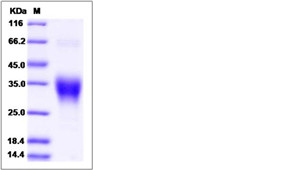
 Application Data
(Measured by its binding ability in a functional ELISA. Immobilized human EFNB2 at 10ug/mL (100uL/well) can bind biotinylate human EphB4-Fc, the EC50 of biotinylate human EphB4-Fc is 5-60 ng/mL.)
Application Data
(Measured by its binding ability in a functional ELISA. Immobilized human EFNB2 at 10ug/mL (100uL/well) can bind biotinylate human EphB4-Fc, the EC50 of biotinylate human EphB4-Fc is 5-60 ng/mL.)
Ephrin B2, Active Protein (Cat# AAA257943)
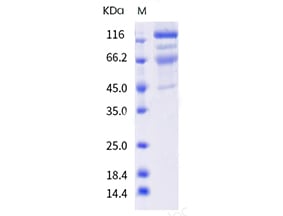
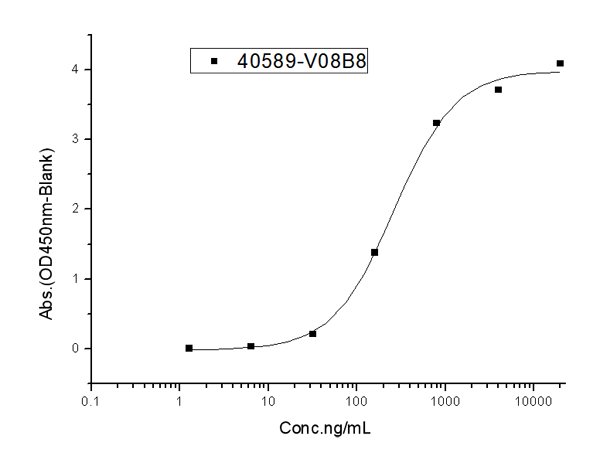 Application Data
(Immobilized human ACE2 protein (mFc tag) at 2 ug/mL (100 uL/well) can bind SARS-CoV-2 (2019-nCoV) Spike S1+S2 (L18F, T20N, P26S, D138Y, R190S, K417T, E484K, N501Y, D614G, H655Y, T1027I) Protein (ECD, His Tag),the EC50 of SARS-CoV-2 (2019-nCoV) Spike S1+S2 (L18F, T20N, P26S, D138Y, R190S, K417T, E484K, N501Y, D614G, H655Y, T1027I) Protein (ECD, His Tag) is 100-600 ng/mL.)
Application Data
(Immobilized human ACE2 protein (mFc tag) at 2 ug/mL (100 uL/well) can bind SARS-CoV-2 (2019-nCoV) Spike S1+S2 (L18F, T20N, P26S, D138Y, R190S, K417T, E484K, N501Y, D614G, H655Y, T1027I) Protein (ECD, His Tag),the EC50 of SARS-CoV-2 (2019-nCoV) Spike S1+S2 (L18F, T20N, P26S, D138Y, R190S, K417T, E484K, N501Y, D614G, H655Y, T1027I) Protein (ECD, His Tag) is 100-600 ng/mL.)
COVID 19 Spike S1+S2 (L18F, T20N, P26S, D138Y, R190S, K417T, E484K, N501Y, D614G, H655Y, T1027I) Protein (ECD, His Tag) Coronavirus, Active Protein (Cat# AAA258082)
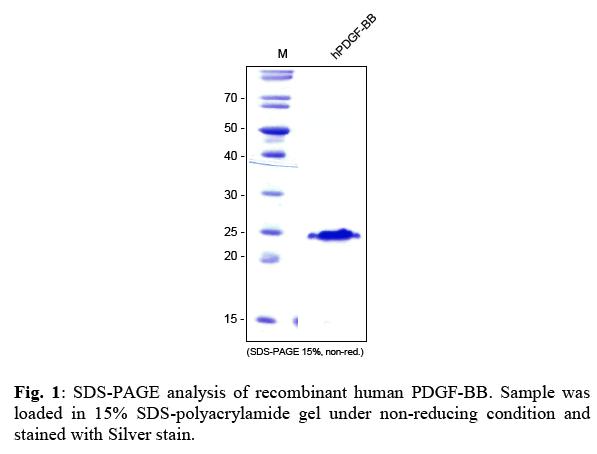
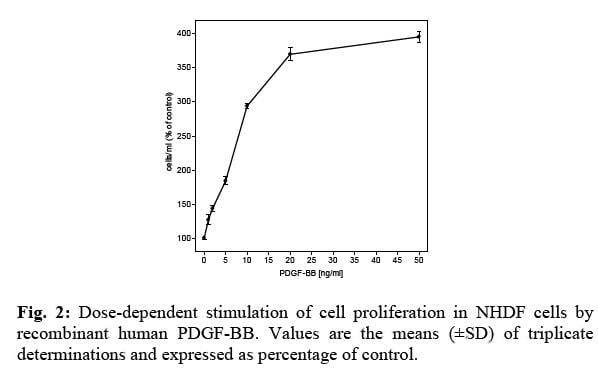 Application Data
PDGF-BB, Active Protein (Cat# AAA79160)
Adiponectin (Acrp30), Active Protein (Cat# AAA79239)
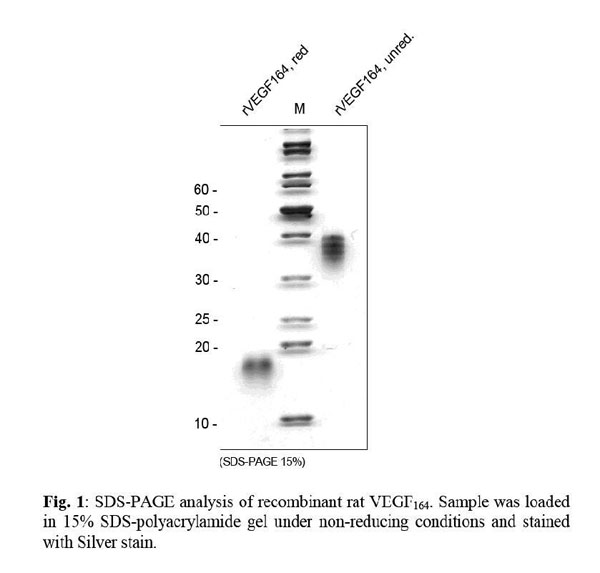
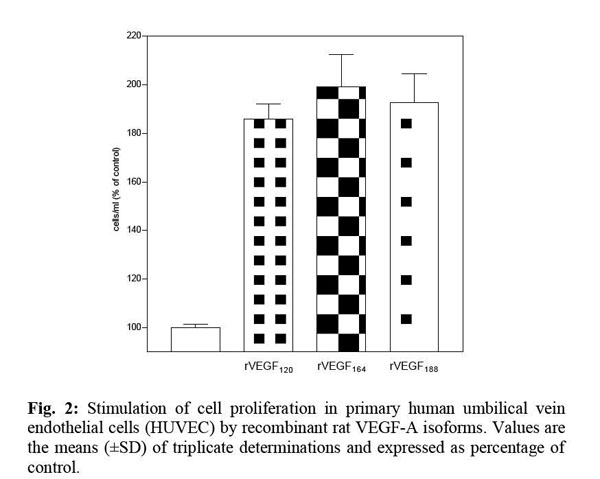 Application Data
VEGF164, Active Protein (Cat# AAA79293)
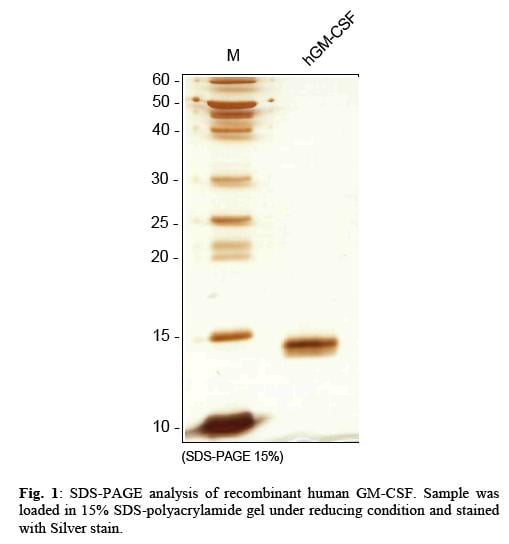
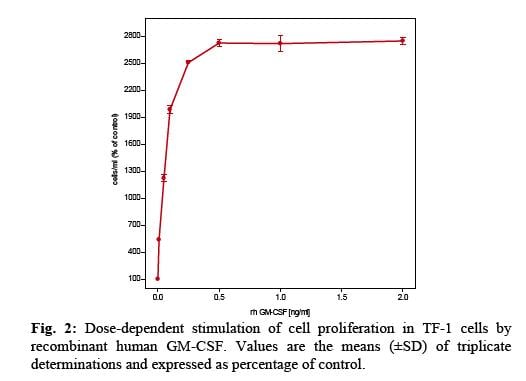 Application Data
GM-CSF, Active Protein (Cat# AAA79117)
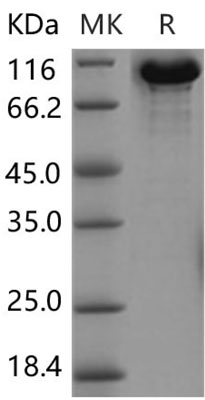 SDS-PAGE
Transferrin / CD176 / Serotransferrin, Active Protein (Cat# AAA173584)
Insulin growth factor-like family member 1 (IGFL1), Active Protein (Cat# AAA116918)
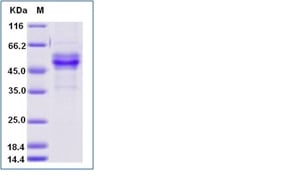
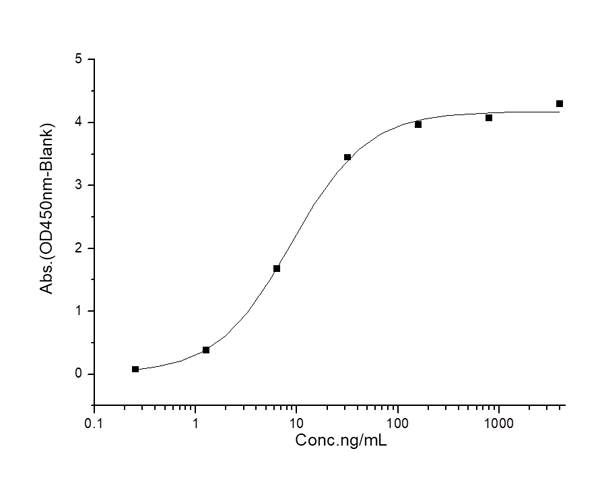 Application Data
(Measured by its binding ability in a functional ELISA. Immobilized ALK4-His at 10 ug/mL (100 uL/well) can bind TDGF1-Fc, the EC50 of human TDGF1-Fc is 6.0-14 ng/mL.)
Application Data
(Measured by its binding ability in a functional ELISA. Immobilized ALK4-His at 10 ug/mL (100 uL/well) can bind TDGF1-Fc, the EC50 of human TDGF1-Fc is 6.0-14 ng/mL.)
Cripto, Active Protein (Cat# AAA257949)
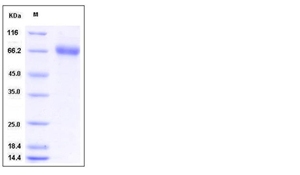
 Application Data
(Measured by its binding ability in a functional ELISA. Immobilized mouse EPHA1-His at 10 ug/ml (100 ul/well) can bind mouse EFNA1-Fc, The EC50 of mouse EFNA1-Fc is 21.3-49.8 ng/ml.)
Application Data
(Measured by its binding ability in a functional ELISA. Immobilized mouse EPHA1-His at 10 ug/ml (100 ul/well) can bind mouse EFNA1-Fc, The EC50 of mouse EFNA1-Fc is 21.3-49.8 ng/ml.)
EphA1, Active Protein (Cat# AAA258209)
Isocitrate Dehydrogenase, Active Protein (Cat# AAA44806)
Erythropoietin-alpha, Active Protein (Cat# AAA38105)
BAFF/TNFSF13B, Active Protein (Cat# AAA48992)
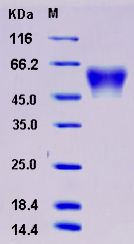 SDS-PAGE
Neurexin-3-beta / NRXN3, Active Protein (Cat# AAA173540)
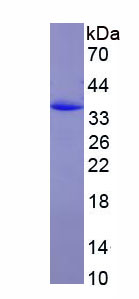
 Bioactivity
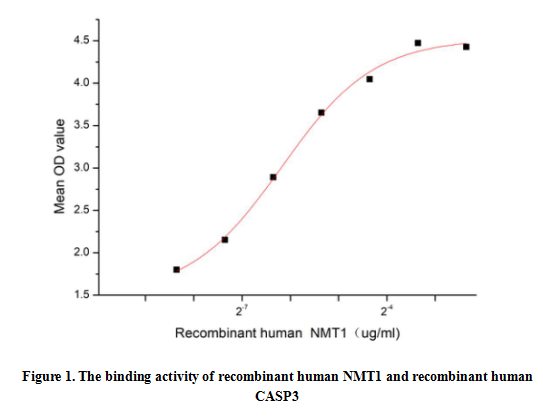
(N-Myristoyltransferase 1 (NMT1) is an indispensable eukaryotic enzyme that belongs to the NMT family. NMT1 can catalyses the transfer of myristoyl groups to the amino acid terminal residues of numerous proteins. This catalytic process is required for the growth and development of many eukaryotes and viruses. Furthermore, it is recognized that N-myristoylation can also occur posttranslationally on an internal glycine exposed by caspase cleavage during apoptosis. Thus a functional binding ELISA assay was conducted to detect the interaction of recombinant human NMT1 and recombinant human CASP3. Briefly, biotin-linked NMT1 were diluted serially in PBS, with 0.01% BSA (pH 7.4). Duplicate samples of 100 ul were then transferred to CASP3-coated microtiter wells and incubated for 1h at 37 degree C. Wells were washed with PBST 3 times and incubation with Streptavidin-HRP for 30min, then wells were aspirated and washed 5 times. With the addition of substrate solution, wells were incubated 15-25 minutes at 37 degree C. Finally, add 50 ul stop solution to the wells and read at 450 nm immediately. The binding activity of recombinant human NMT1 and recombinant human CASP3 was shown in Figure 1, the EC50 for this effect is 0.01 ug/mL.)
Bioactivity
(N-Myristoyltransferase 1 (NMT1) is an indispensable eukaryotic enzyme that belongs to the NMT family. NMT1 can catalyses the transfer of myristoyl groups to the amino acid terminal residues of numerous proteins. This catalytic process is required for the growth and development of many eukaryotes and viruses. Furthermore, it is recognized that N-myristoylation can also occur posttranslationally on an internal glycine exposed by caspase cleavage during apoptosis. Thus a functional binding ELISA assay was conducted to detect the interaction of recombinant human NMT1 and recombinant human CASP3. Briefly, biotin-linked NMT1 were diluted serially in PBS, with 0.01% BSA (pH 7.4). Duplicate samples of 100 ul were then transferred to CASP3-coated microtiter wells and incubated for 1h at 37 degree C. Wells were washed with PBST 3 times and incubation with Streptavidin-HRP for 30min, then wells were aspirated and washed 5 times. With the addition of substrate solution, wells were incubated 15-25 minutes at 37 degree C. Finally, add 50 ul stop solution to the wells and read at 450 nm immediately. The binding activity of recombinant human NMT1 and recombinant human CASP3 was shown in Figure 1, the EC50 for this effect is 0.01 ug/mL.)
N-Myristoyltransferase 1 (NMT1), Active Protein (Cat# AAA161922)
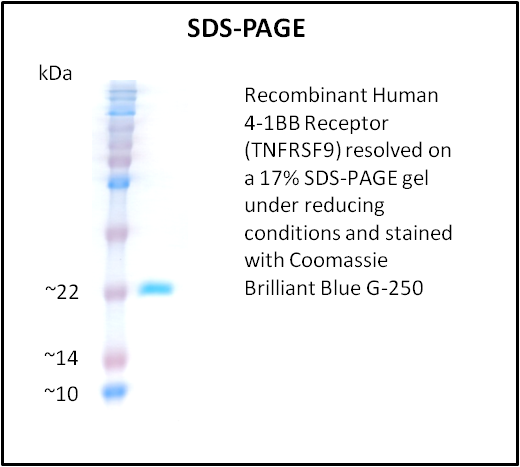
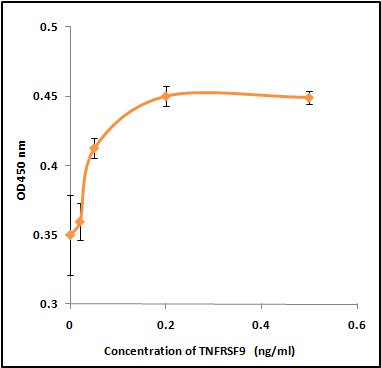 Application Data
4-1BB Receptor (TNFRSF9), Active Protein (Cat# AAA214261)
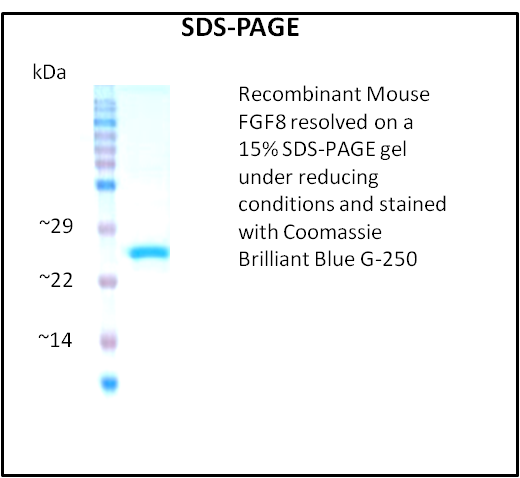
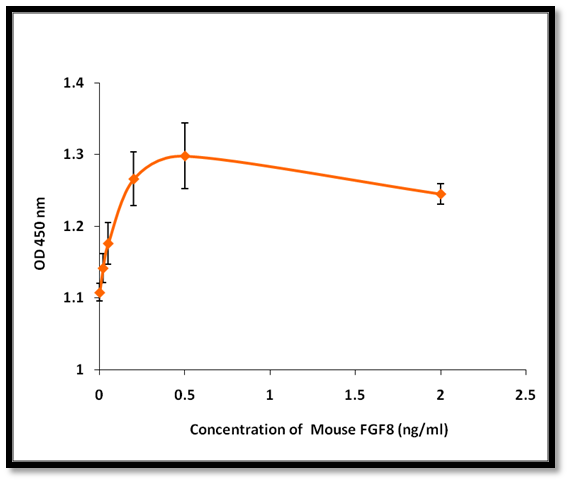 Application Data
FGF8, Active Protein (Cat# AAA214334)
 Application Data
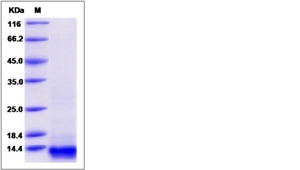
(Measured by its ability to induce alkaline phosphatase production by ATDC5 mouse chondrogenic cells. The ED50 for this effect is typically 0.5-3 ug/mL.)
Application Data
(Measured by its ability to induce alkaline phosphatase production by ATDC5 mouse chondrogenic cells. The ED50 for this effect is typically 0.5-3 ug/mL.)
BMP-2, Active Protein (Cat# AAA258250)
 Application Data
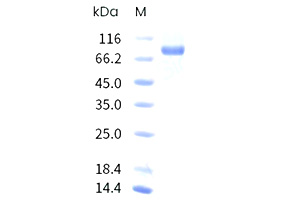
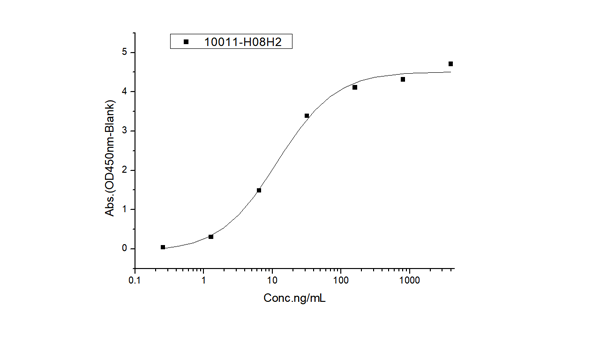
(Immobilized Recombinant Human/Cynomolgus VEGF/VEGFA/VEGF165 Protein(Cat:11066-HNAH) at 2 ug/mL (100 uL/well) can bind Recombinant Human Neuropilin-1 Protein (ECD, His Tag)(Cat:AAA258582), the EC50 is 6-18 ng/mL.)
Application Data
(Immobilized Recombinant Human/Cynomolgus VEGF/VEGFA/VEGF165 Protein(Cat:11066-HNAH) at 2 ug/mL (100 uL/well) can bind Recombinant Human Neuropilin-1 Protein (ECD, His Tag)(Cat:AAA258582), the EC50 is 6-18 ng/mL.)
Neuropilin-1, Active Protein (Cat# AAA258582)
 Application Data
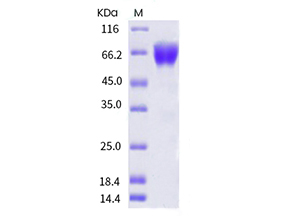
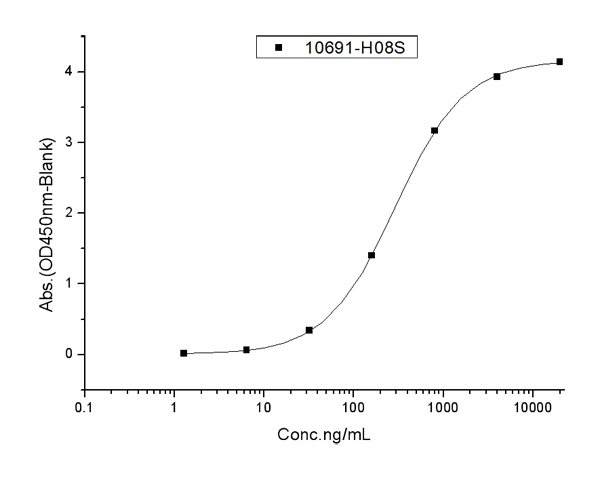
(Immobilized Human Ang2 His at 2 ug/ml (100 ul/well) can bind Human TIE2 Fch, the EC50 of Human TIE2 Fch is 80-480 ng/mL.)
Application Data
(Immobilized Human Ang2 His at 2 ug/ml (100 ul/well) can bind Human TIE2 Fch, the EC50 of Human TIE2 Fch is 80-480 ng/mL.)
Angiopoietin-2, Active Protein (Cat# AAA257914)
 Application Data
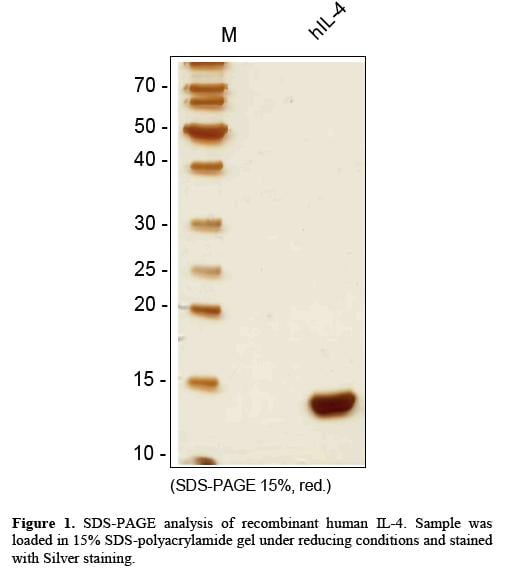
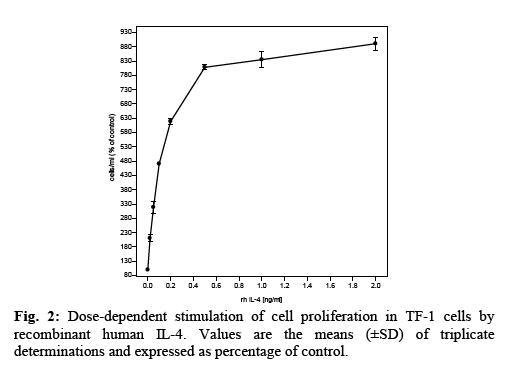
IL-4, Active Protein (Cat# AAA79208)
 Bioactivity
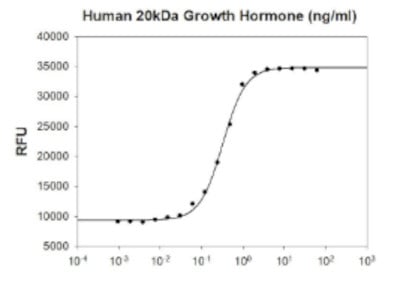
(Human 20kDa Growth Hormone stimulates cell proliferation of the Nb2-11 Rat lymphoma cells. The ED50 range ?1 ng/ml.)
Bioactivity
(Human 20kDa Growth Hormone stimulates cell proliferation of the Nb2-11 Rat lymphoma cells. The ED50 range ?1 ng/ml.)
20kDa Growth Hormone, Active Protein (Cat# AAA48455)
 Application Data
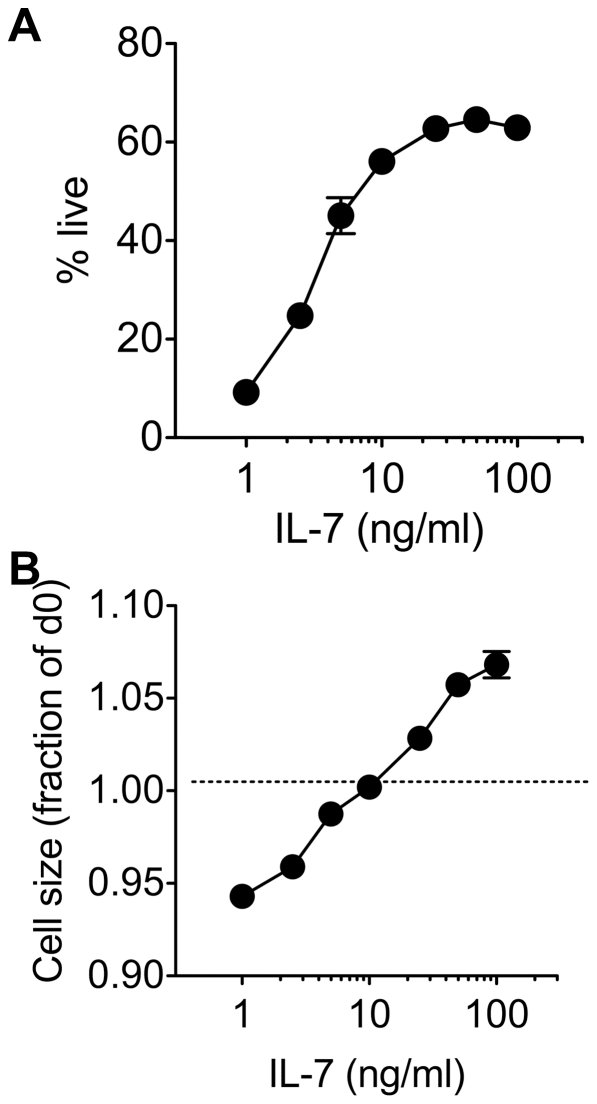
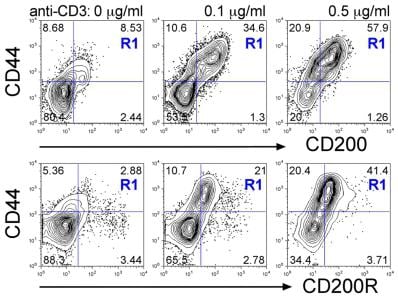
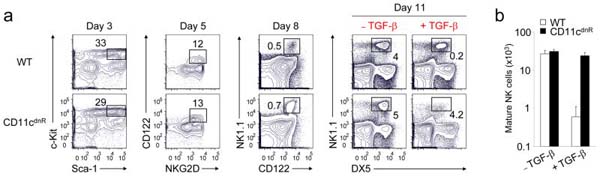
(TGF-? is a negative regulator of NK cell generation CD11cdnR and wild-type mice were injected (i.p.)Four days later, mice were sacrificed and HSC-enriched bone marrow cells were cultured in the presence of IL-7, SCF, and Flt3L.)
Application Data
(TGF-? is a negative regulator of NK cell generation CD11cdnR and wild-type mice were injected (i.p.)Four days later, mice were sacrificed and HSC-enriched bone marrow cells were cultured in the presence of IL-7, SCF, and Flt3L.)
Interleukin-7, Active Protein (Cat# AAA76391)
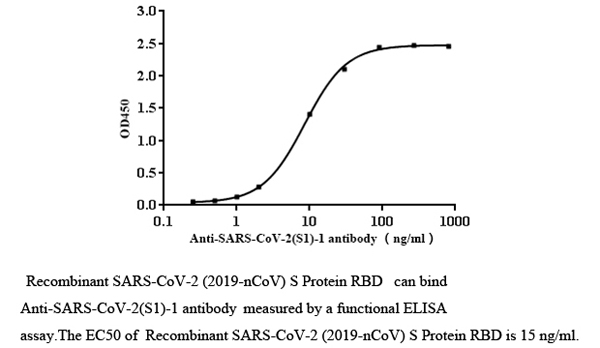
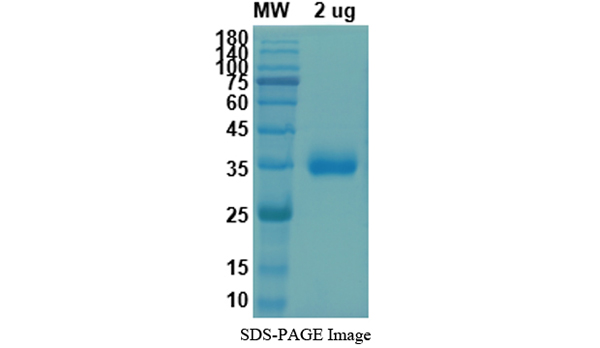 SDS-PAGE
COVID 19 Spike S RBD Coronavirus, Active Protein (Cat# AAA119896)
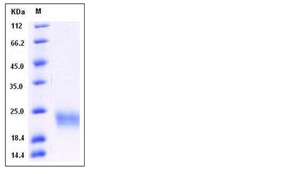
 Application Data
(Measured in a cell proliferation assay using TF-1 human erythroleukemic cells. The ED50 for this effect is typically 5-30 ng/mL.)
Application Data
(Measured in a cell proliferation assay using TF-1 human erythroleukemic cells. The ED50 for this effect is typically 5-30 ng/mL.)
SCF, Active Protein (Cat# AAA258166)
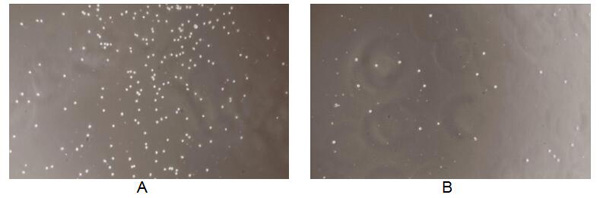
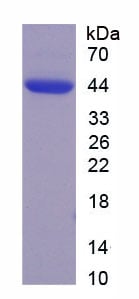 SDS-PAGE
Chemokine C-X3-C-Motif Ligand 1 (CX3CL1), Active Protein (Cat# AAA149223)
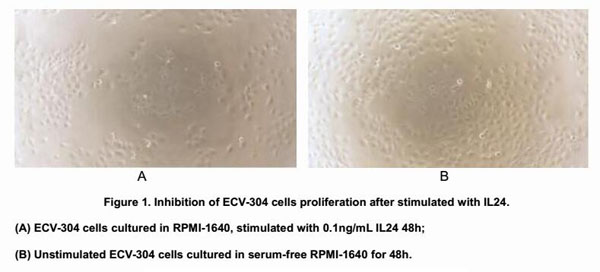
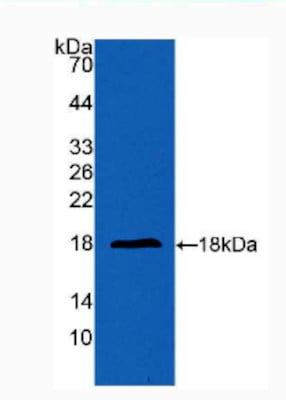
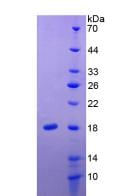
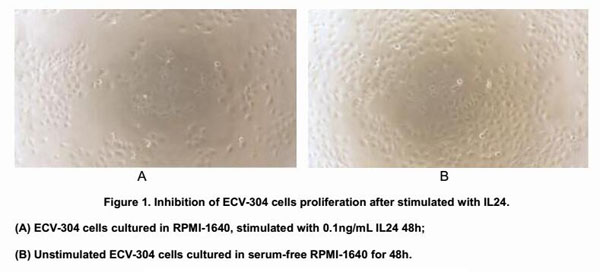
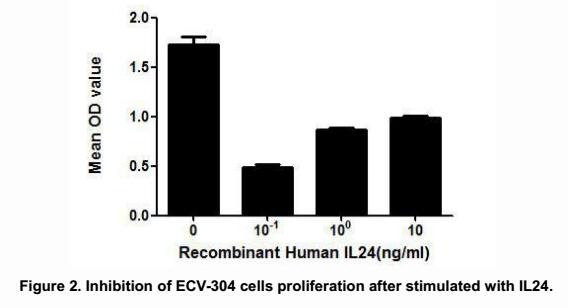 Application Data
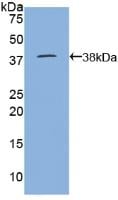
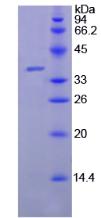
Interleukin 24 (IL24), Active Protein (Cat# AAA148127)
 Bioactivity
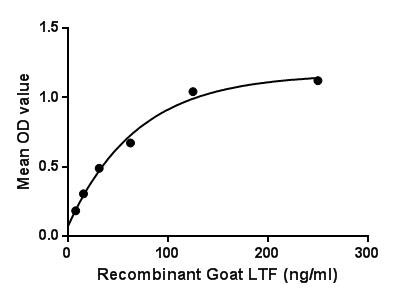
(Figure. The binding activity of LTF with CLU.Lactotransferrin (LTF), also known as actoferrin (LF), is a multifunctional protein of the transferrin family. Lactoferrin belongs to the innate immune system. Apart from its main biological function, namely binding and transport of iron ions, lactoferrin also has antibacterial, antiviral, antiparasitic, catalytic, anti-cancer, and anti-allergic functions and properties. LTF is widely represented in various secretory fluids, such as milk, saliva, tears, and nasal secretions. It also present in secondary granules of PMN and is secreted by some acinar cells. Besides, Clusterin (CLU) has been identified as an interactor of LTF, thus a binding ELISA assay was conducted to detect the interaction of recombinant goat LTF and recombinant goat CLU. Briefly, LTF were diluted serially in PBS, with 0.01% BSA (pH 7.4). Duplicate samples of 100uL were then transferred to CLU-coated microtiter wells and incubated for 2h at 37. Wells were washed with PBST and incubated for 1h with anti-LTF pAb, then aspirated and washed 3 times. After incubation with HRP labelled secondary antibody, wells were aspirated and washed 3 times. With the addition of substrate solution, wells were incubated 15-25 minutes at 37. Finally, add 50uL stop solution to the wells and read at 450nm immediately. The binding activity of LTF and CLU was shown in Figure 1, and this effect was in a dose dependent manner.)
Bioactivity
(Figure. The binding activity of LTF with CLU.Lactotransferrin (LTF), also known as actoferrin (LF), is a multifunctional protein of the transferrin family. Lactoferrin belongs to the innate immune system. Apart from its main biological function, namely binding and transport of iron ions, lactoferrin also has antibacterial, antiviral, antiparasitic, catalytic, anti-cancer, and anti-allergic functions and properties. LTF is widely represented in various secretory fluids, such as milk, saliva, tears, and nasal secretions. It also present in secondary granules of PMN and is secreted by some acinar cells. Besides, Clusterin (CLU) has been identified as an interactor of LTF, thus a binding ELISA assay was conducted to detect the interaction of recombinant goat LTF and recombinant goat CLU. Briefly, LTF were diluted serially in PBS, with 0.01% BSA (pH 7.4). Duplicate samples of 100uL were then transferred to CLU-coated microtiter wells and incubated for 2h at 37. Wells were washed with PBST and incubated for 1h with anti-LTF pAb, then aspirated and washed 3 times. After incubation with HRP labelled secondary antibody, wells were aspirated and washed 3 times. With the addition of substrate solution, wells were incubated 15-25 minutes at 37. Finally, add 50uL stop solution to the wells and read at 450nm immediately. The binding activity of LTF and CLU was shown in Figure 1, and this effect was in a dose dependent manner.)
Lactoferrin, Active Protein (Cat# AAA150100)
Bacterial Outer Membrane Protein-A, Active Protein (Cat# AAA38518)
Soluble RANK Ligand, Active Protein (Cat# AAA38163)
 Bioactivity
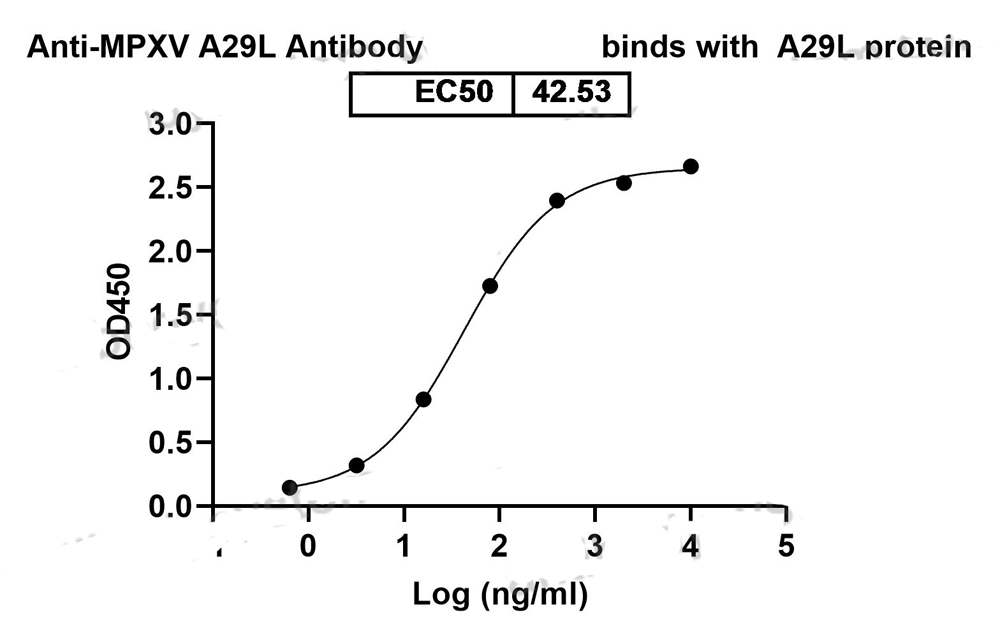
(Anti-MPXV A29L Antibody (SAA0286) binds with A29L protein)
Bioactivity
(Anti-MPXV A29L Antibody (SAA0286) binds with A29L protein)
Monkeypox virus/MPXV A29L, Active Protein (Cat# AAA120192)
 Application Data
(Measured by its binding ability in a functional ELISA. Immobilized human ACE2 protein (His tag) at 2ug/mL (100uL/well) can bind SARS-CoV-2 (2019-nCoV) Spike Protein (S1 Subunit, Fc Tag)(40591-V02H), the EC50 of SARS-CoV-2 (2019-nCoV) Spike Protein (S1 Subunit, Fc Tag) is 10-50 ng/mL.)
Application Data
(Measured by its binding ability in a functional ELISA. Immobilized human ACE2 protein (His tag) at 2ug/mL (100uL/well) can bind SARS-CoV-2 (2019-nCoV) Spike Protein (S1 Subunit, Fc Tag)(40591-V02H), the EC50 of SARS-CoV-2 (2019-nCoV) Spike Protein (S1 Subunit, Fc Tag) is 10-50 ng/mL.)
COVID 19 Spike S1-Fc Coronavirus, Active Protein (Cat# AAA258085)
 Application Data
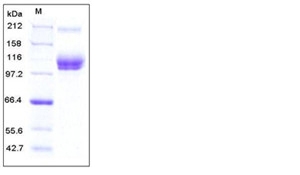
(Immobilized mouse CD6-His at 10 ug/ml (100 ul/well) can bind mouse ALCAM-Fc2h, The EC50 of mouse ALCAM-Fc2h is 0.12-0.28 ug/ml.)
Application Data
(Immobilized mouse CD6-His at 10 ug/ml (100 ul/well) can bind mouse ALCAM-Fc2h, The EC50 of mouse ALCAM-Fc2h is 0.12-0.28 ug/ml.)
CD166/ALCAM, Active Protein (Cat# AAA258114)

 Application Data
(Immobilized human Trkc-His at 10 ug/ml (100 ul/well) can bind biotinylated human NT3, The EC50 of biotinylated human NT3 is 0.03-0.07 ug/ml.)
Application Data
(Immobilized human Trkc-His at 10 ug/ml (100 ul/well) can bind biotinylated human NT3, The EC50 of biotinylated human NT3 is 0.03-0.07 ug/ml.)
TrkC, Active Protein (Cat# AAA257822)
Eotaxin, Active Protein (Cat# AAA39096)
(a) Analysis by RP-HPLC
(b) Analysis by SDS-PAGE
Glucagon, Active Protein (Cat# AAA38343)
(a) Analysis by RP-HPLC.
(b) Analysis by SDS-PAGE.
 Bioactivity
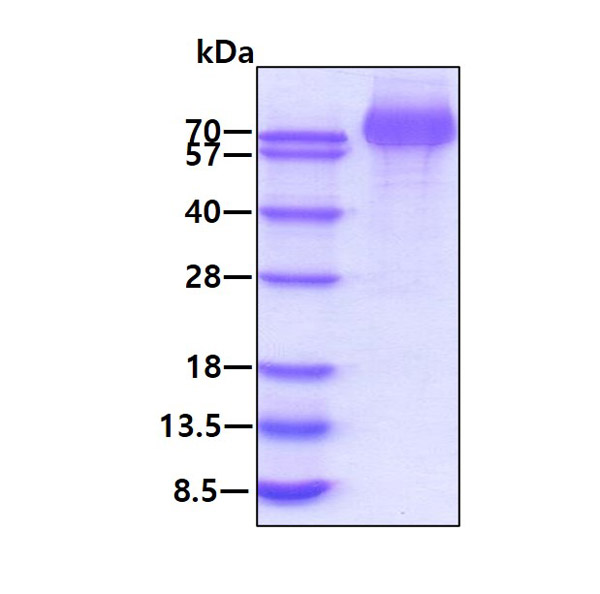
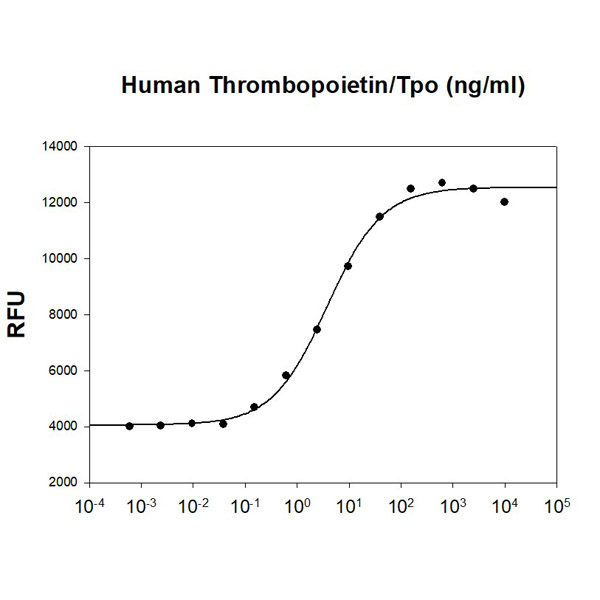
(Human Thrombopoietin stimulates cell proliferation of the MO7e human megakaryocytic leukemic cells. The ED50 range )
Bioactivity
(Human Thrombopoietin stimulates cell proliferation of the MO7e human megakaryocytic leukemic cells. The ED50 range )
Thrombopoietin, Active Protein (Cat# AAA48378)
 Application Data
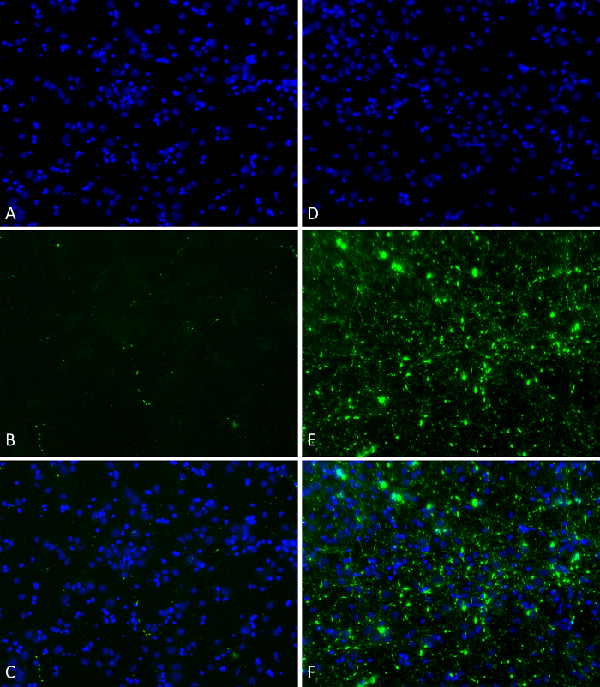
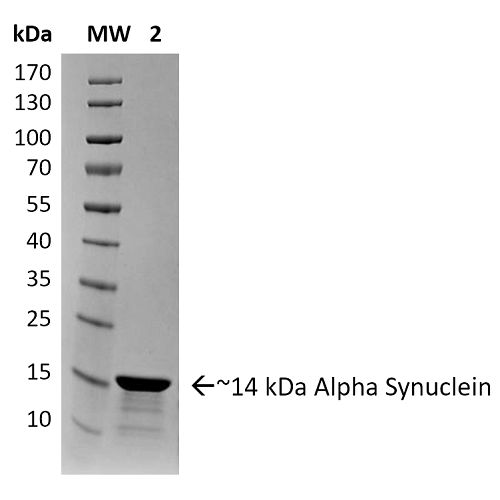
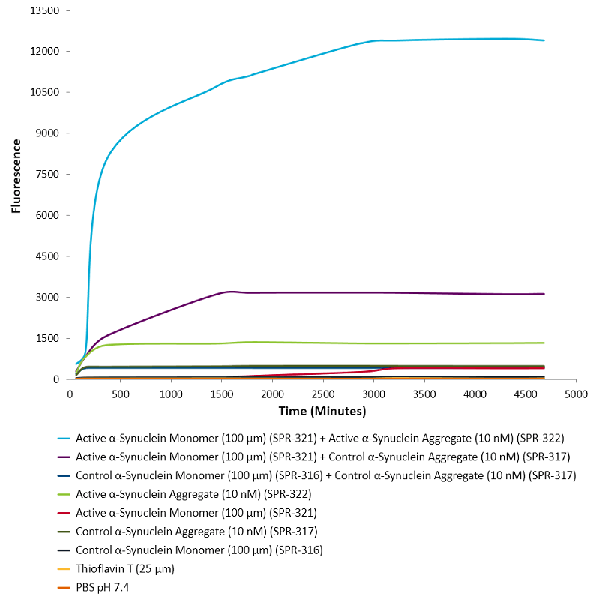
(Active alpha synuclein aggregate seeds the formation of new alpha Synuclein aggregates from the pool of active alpha Synuclein monomers. Thioflavin T is a fluorescent dye that binds to beta sheet-rich structures, such as those in alpha Synuclein aggregates. Upon binding, the emission spectrum of the dye experiences a red-shift, and increased fluorescence intensity. Thioflavin T emission curves show increased fluorescence (correlated to alpha Synuclein protein aggregation) over time when 10 nM of active alpha Synuclein aggregate is combined with 100 uM of active alpha Synuclein monomer, as compared to when 100 uM of active alpha Synuclein monomer is combined with 10 nM of control alpha Synuclein aggregate, or 100 uM of control alpha Synuclein monomer is combined with 10 nM of control alpha Synuclein aggregate. Thioflavin T ex = 450 nm, em = 485 nm.)
Application Data
(Active alpha synuclein aggregate seeds the formation of new alpha Synuclein aggregates from the pool of active alpha Synuclein monomers. Thioflavin T is a fluorescent dye that binds to beta sheet-rich structures, such as those in alpha Synuclein aggregates. Upon binding, the emission spectrum of the dye experiences a red-shift, and increased fluorescence intensity. Thioflavin T emission curves show increased fluorescence (correlated to alpha Synuclein protein aggregation) over time when 10 nM of active alpha Synuclein aggregate is combined with 100 uM of active alpha Synuclein monomer, as compared to when 100 uM of active alpha Synuclein monomer is combined with 10 nM of control alpha Synuclein aggregate, or 100 uM of control alpha Synuclein monomer is combined with 10 nM of control alpha Synuclein aggregate. Thioflavin T ex = 450 nm, em = 485 nm.)
Alpha Synuclein, Active Protein (Cat# AAA253922)
 Purity Info
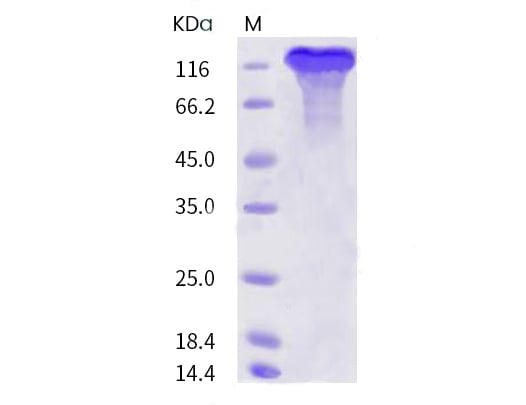
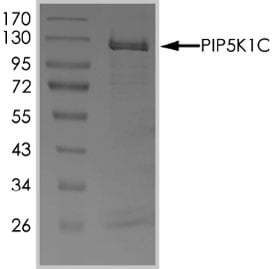
(The purity of PIP5K1C was detrermined to be >70% by densitometry approx. MW 120 kDa.)
Purity Info
(The purity of PIP5K1C was detrermined to be >70% by densitometry approx. MW 120 kDa.)
PIP5K1C, Active Protein (Cat# AAA73045)
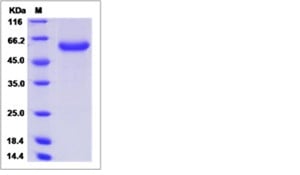
 Application Data
(Measured by its binding ability in a functional ELISA. Immobilized human His-NKG2D(78-216) at 10 ug/ml (100 ul/well) can bind RAET1L-Fc, The EC50 of RAET1L-Fc is 13-30 ng/ml.)
Application Data
(Measured by its binding ability in a functional ELISA. Immobilized human His-NKG2D(78-216) at 10 ug/ml (100 ul/well) can bind RAET1L-Fc, The EC50 of RAET1L-Fc is 13-30 ng/ml.)
ULBP6/RAET1L, Active Protein (Cat# AAA258035)
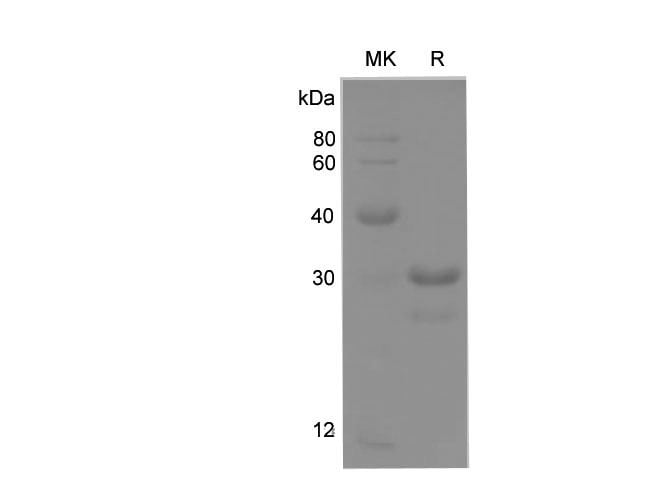 SDS-PAGE
COVID 19 Spike S Protein (RBD) Coronavirus, Active Protein (Cat# AAA176990)
Interleukin-9, Active Protein (Cat# AAA38171)
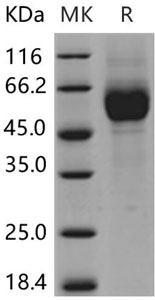 SDS-PAGE
IL1R1 / CD121a, Active Protein (Cat# AAA173585)
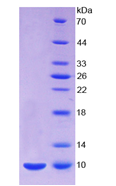
 Bioactivity
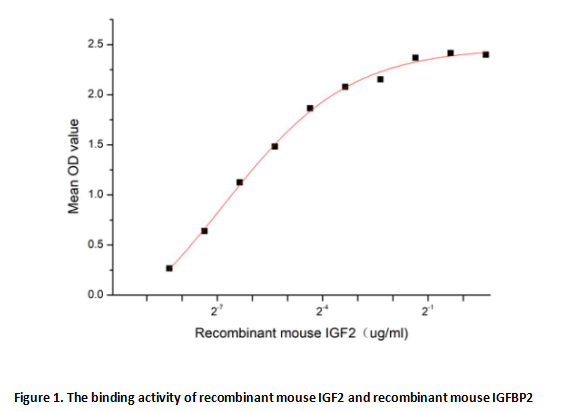
(Insulin-like growth factor 2 (IGF2) is one of three protein hormones that share structural similarity to insulin. It has growth-regulating, insulin-like and mitogenic activities. IGF2 exerts its effects by binding to the IGF-1 receptor and to the short isoform of the insulin receptor. IGF2 may also bind to the IGF2 receptor (also called the cation-independent mannose 6-phosphate receptor), which acts as a signalling antagonist; that is, to prevent IGF2 responses. Besides, Insulin Like Growth Factor Binding Protein 2 (IGFBP2) has been identified as an interactor of IGF2, thus a functional binding ELISA assay was conducted to detect the interaction of recombinant mouse IGF2 and recombinant mouse IGFBP2. Briefly, IGF2 were diluted serially in PBS, with 0.01% BSA (pH 7.4). Duplicate samples of 100 ul were then transferred to IGFBP2-coated microtiter wells and incubated for 2h at 37 degree C. Wells were washed with PBST and incubated for 1h with anti-IGF2 pAb, then aspirated and washed 3 times. After incubation with HRP labelled secondary antibody, wells were aspirated and washed 3 times. With the addition of substrate solution, wells were incubated 15-25 minutes at 37 degree C. Finally, add 50 uL stop solution to the wells and read at 450 nm immediately. The binding activity of recombinant mouse IGF2 and recombinant mouse IGFBP2 was shown in Figure 1, the EC50 for this effect is 0.009 ug/mL.)
Bioactivity
(Insulin-like growth factor 2 (IGF2) is one of three protein hormones that share structural similarity to insulin. It has growth-regulating, insulin-like and mitogenic activities. IGF2 exerts its effects by binding to the IGF-1 receptor and to the short isoform of the insulin receptor. IGF2 may also bind to the IGF2 receptor (also called the cation-independent mannose 6-phosphate receptor), which acts as a signalling antagonist; that is, to prevent IGF2 responses. Besides, Insulin Like Growth Factor Binding Protein 2 (IGFBP2) has been identified as an interactor of IGF2, thus a functional binding ELISA assay was conducted to detect the interaction of recombinant mouse IGF2 and recombinant mouse IGFBP2. Briefly, IGF2 were diluted serially in PBS, with 0.01% BSA (pH 7.4). Duplicate samples of 100 ul were then transferred to IGFBP2-coated microtiter wells and incubated for 2h at 37 degree C. Wells were washed with PBST and incubated for 1h with anti-IGF2 pAb, then aspirated and washed 3 times. After incubation with HRP labelled secondary antibody, wells were aspirated and washed 3 times. With the addition of substrate solution, wells were incubated 15-25 minutes at 37 degree C. Finally, add 50 uL stop solution to the wells and read at 450 nm immediately. The binding activity of recombinant mouse IGF2 and recombinant mouse IGFBP2 was shown in Figure 1, the EC50 for this effect is 0.009 ug/mL.)
Insulin Like Growth Factor 2 (IGF2), Active Protein (Cat# AAA161671)
 Bioactivity
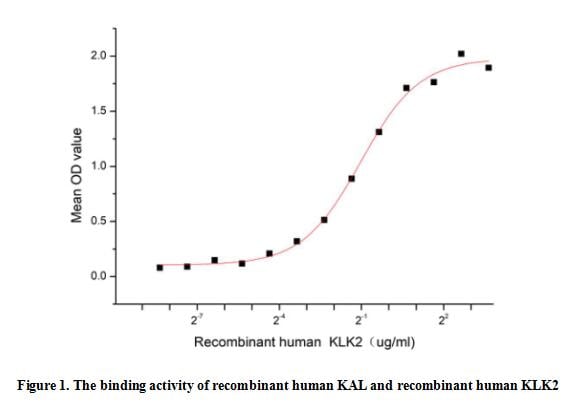
(Kallistatin (KAL), a member of serpin family, can Inhibit human amidolytic and kininogenase activities of tissue kallikrein. KAL is widely distributed in a variety of organs and body fluids and has biological effects such as anti-inflammatory, antioxidant stress, anti-angiogenesis and anti-tumor. Besides, Kallikrein 2 (KLK2) has been identified as an interactor of KAL, thus a functional binding ELISA assay was conducted to detect the interaction of recombinant human KAL and recombinant human KLK2. Briefly, KLK2 was diluted serially in PBS with 0.01% BSA (pH 7.4). Duplicate samples of 100 ul were then transferred to KAL-coated microtiter wells and incubated for 1h at 37 degree C. Wells were washed with PBST and incubated for 1h with anti-KLK2 pAb, then aspirated and washed 3 times. After incubation with HRP labelled secondary antibody for 1h at 37 degree C, wells were aspirated and washed 5 times. With the addition of substrate solution, wells were incubated 15-25 minutes at 37 degree C. Finally, add 50 uL stop solution to the wells and read at 450/630 nm immediately. When recombinant human KAL is immobilized at 2 ug/mL (100 uL/well), the concentration of KLK2 that produces 50% optimal binding response is found to be approximately 0.49 ug/mL.)
Bioactivity
(Kallistatin (KAL), a member of serpin family, can Inhibit human amidolytic and kininogenase activities of tissue kallikrein. KAL is widely distributed in a variety of organs and body fluids and has biological effects such as anti-inflammatory, antioxidant stress, anti-angiogenesis and anti-tumor. Besides, Kallikrein 2 (KLK2) has been identified as an interactor of KAL, thus a functional binding ELISA assay was conducted to detect the interaction of recombinant human KAL and recombinant human KLK2. Briefly, KLK2 was diluted serially in PBS with 0.01% BSA (pH 7.4). Duplicate samples of 100 ul were then transferred to KAL-coated microtiter wells and incubated for 1h at 37 degree C. Wells were washed with PBST and incubated for 1h with anti-KLK2 pAb, then aspirated and washed 3 times. After incubation with HRP labelled secondary antibody for 1h at 37 degree C, wells were aspirated and washed 5 times. With the addition of substrate solution, wells were incubated 15-25 minutes at 37 degree C. Finally, add 50 uL stop solution to the wells and read at 450/630 nm immediately. When recombinant human KAL is immobilized at 2 ug/mL (100 uL/well), the concentration of KLK2 that produces 50% optimal binding response is found to be approximately 0.49 ug/mL.)
Kallistatin (KAL), Active Protein (Cat# AAA161912)
 Bioactivity
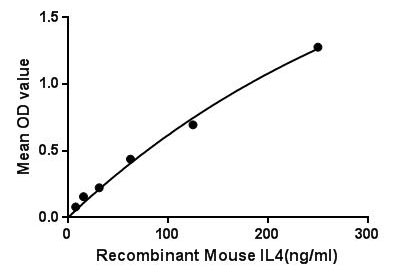
(Figure. The binding activity of IL4 with IL2g.The interleukin 4 (IL4, IL-4) is a cytokine that induces differentiation of naive helper T cells (Th0 cells) to Th2 cells. Interleukin 4 has many biological roles, including the stimulation of activated B-cell and T-cell proliferation, and the differentiation of B cells into plasma cells. It is a key regulator in humoral and adaptive immunity. IL-4 induces B-cell class switching to IgE, and up-regulates MHC class II production. IL-4 decreases the production of Th1 cells, macrophages, IFN-gamma, and dendritic cell IL-12. Besides, Interleukin 2 Receptor Gamma (IL2Rg) has been identified as an interactor of IL4, thus a binding ELISA assay was conducted to detect the interaction of recombinant mouse IL4 and recombinant mouse IL2Rg. Briefly, IL4 were diluted serially in PBS, with 0.01% BSA (pH 7.4). Duplicate samples of 100uL were then transferred to IL2Rg-coated microtiter wells and incubated for 2h at 37. Wells were washed with PBST and incubated for 1h with anti-IL4 pAb, then aspirated and washed 3 times. After incubation with HRP labelled secondary antibody, wells were aspirated and washed 3 times. With the addition of substrate solution, wells were incubated 15-25 minutes at 37. Finally, add 50uL stop solution to the wells and read at 450nm immediately. The binding activity of IL4 and IL2Rg was shown in Figure 1, and this effect was in a dose dependent manner.)
Bioactivity
(Figure. The binding activity of IL4 with IL2g.The interleukin 4 (IL4, IL-4) is a cytokine that induces differentiation of naive helper T cells (Th0 cells) to Th2 cells. Interleukin 4 has many biological roles, including the stimulation of activated B-cell and T-cell proliferation, and the differentiation of B cells into plasma cells. It is a key regulator in humoral and adaptive immunity. IL-4 induces B-cell class switching to IgE, and up-regulates MHC class II production. IL-4 decreases the production of Th1 cells, macrophages, IFN-gamma, and dendritic cell IL-12. Besides, Interleukin 2 Receptor Gamma (IL2Rg) has been identified as an interactor of IL4, thus a binding ELISA assay was conducted to detect the interaction of recombinant mouse IL4 and recombinant mouse IL2Rg. Briefly, IL4 were diluted serially in PBS, with 0.01% BSA (pH 7.4). Duplicate samples of 100uL were then transferred to IL2Rg-coated microtiter wells and incubated for 2h at 37. Wells were washed with PBST and incubated for 1h with anti-IL4 pAb, then aspirated and washed 3 times. After incubation with HRP labelled secondary antibody, wells were aspirated and washed 3 times. With the addition of substrate solution, wells were incubated 15-25 minutes at 37. Finally, add 50uL stop solution to the wells and read at 450nm immediately. The binding activity of IL4 and IL2Rg was shown in Figure 1, and this effect was in a dose dependent manner.)
Interleukin 4, Active Protein (Cat# AAA150060)
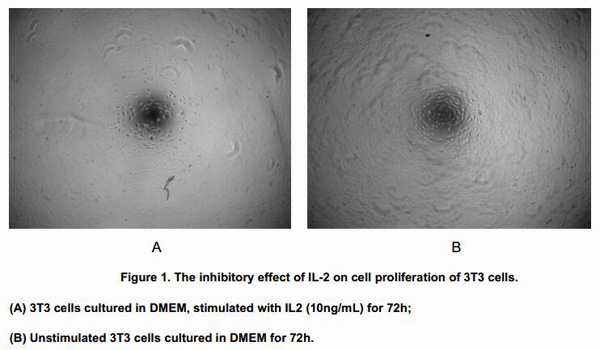
 Application Data
Interleukin 2 (IL2), Active Protein (Cat# AAA146606)
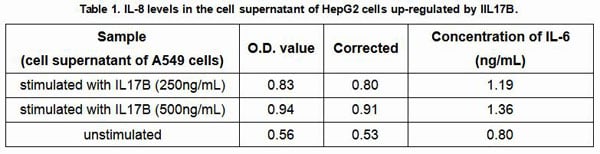
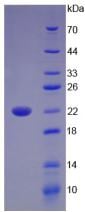 SDS-PAGE
Interleukin 17B (IL17B), Active Protein (Cat# AAA148225)
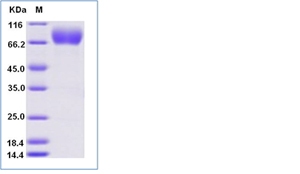
 Application Data
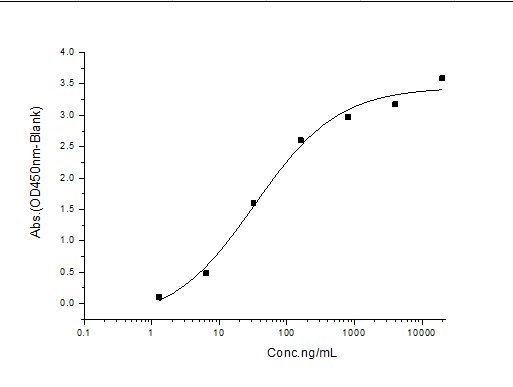
(Measured by its binding ability in a functional ELISA. Immobilized CD155a-His at 10 ug/mL (100 uL/well) can bind CD226-Fc-10565-H02H, the EC50 of human CD226-Fc is 15-40 ng/mL.)
Application Data
(Measured by its binding ability in a functional ELISA. Immobilized CD155a-His at 10 ug/mL (100 uL/well) can bind CD226-Fc-10565-H02H, the EC50 of human CD226-Fc is 15-40 ng/mL.)
CD226, Active Protein (Cat# AAA257895)
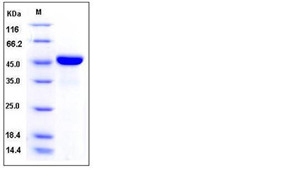 SDS-PAGE
LRPAP1, Active Protein (Cat# AAA258151)
What Are Active Proteins?
Proteins are large molecules made up of long chains of amino acids. They will typically fold into a very particular 3-dimensional shape/conformation, that is sometimes referred to as their “native” form, which allows them to work properly in the body. For the purposes of product categorization, AAA Biotech will typically refer to proteins purified from their original animal host as being “native” proteins (this is to signify their difference compared to their recombinant proteins or “synthetic” protein counterparts).
If a protein successfully folds into the correct shape, it will typically display high fidelity characteristics to its original protein in its original animal host and be classified as an active protein, as it will be able to function “normally” in most enzymatic or binding capacities. If it loses this shape, due to factors such as heat or strong chemicals (such as detergents), it becomes inactive and is no longer able to perform its basic functions.
All of the proteins in this category are made under strict quality control, and they are active, pure, low in contaminants, and stable. Most are stored as freeze-dried powders and come without extra tags, so they’re very close to the actual natural/native form.
Learn more in our guide “How active proteins work”.
Key Applications of Active Proteins
1. Scientific Research
- Aid in the study of how proteins function in the body
- Aid in understanding various disease processes
2. Drug Development
- Powerful tools to investigate how potential drugs interact with specific proteins
- Ideal for identifying drug targets
3. Cell Culture
- Are routinely utilized to support cell growth and function (e.g., using exogenous growth factors)
- Can be used to promote cellular development into specific types (differentiation)
4. Diagnostics
- Regularly utilized in tests to detect diseases or infections (e.g., COVID-19, cancer)
- Note: All products are strictly for research-use only (RUO).
5. Therapeutics
- Some active proteins are used directly as treatments (e.g., insulin, enzymes)
- Note: All products are strictly for research-use only (RUO).
6. Vaccine Development
- Used to create or test vaccines by mimicking parts of viruses or bacteria
7. Biochemical Assays
- They can facilitate the characterization of enzyme activity, binding strength, or protein interactions in lab tests
Why Buy Active Proteins from AAA Biotech?
- High biological activity – Verified to perform as expected or indicated on datasheet
- Strict quality control – We are confident in our active proteins’ reliability and consistency
- High purity & low endotoxin – Ideal for applications involving sensitive or precious samples/components
- Freeze-dried for stability – Long shelf life and straightforward storage
- Mostly tag-free – Closer to natural/native protein form
FAQ
1. What are active proteins used for in research?
Active proteins are used primarily in the study of how proteins function, in characterizing/discovering drug interactions, supporting cell growth, running biochemical assays, and in development of diagnostics or therapeutics.
2. How are AAA Biotech's active proteins validated?
AAA Biotech’s active proteins are validated through strict quality control and functional assays to ensure they are properly folded and active. “Active”, though, can be an ambiguous term, so if a specific “activity” or “binding” capability of a protein is of crucial interest to you, please inquire with us prior to purchase, and we will provide further details on how the “Active” modifier was determined to be applicable.
3. Are these proteins tested for biological activity?
Yes, all active proteins from AAA Biotech are tested to confirm they have the expected biological activity before being offered for use. Though, said “biological activity” can be either “enzymatic”, “binding”, or both.