
Filters
▼Clonality
▼Type
▼Reactivity
▼Gene Name
▼Isotype
▼Host
▼Application
▼Clone
▼Active Proteins
AAA Biotech also known as AAA Bio or AAABio provides a variety of high-quality recombinant and natural/native proteins that are proven to work in a wide range of experiments. Explore our products to find the active protein that best fits your needs or experimental model.
Viewing 2150-2200 of 2875 product results
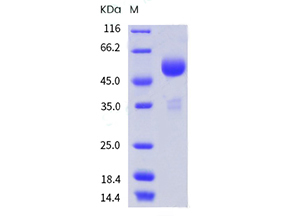
 Application Data
(Measured by its ability to inhibit IL-2 secretion by stimulated Jurkat human acute T cell leukemia cells. The ED50 for this effect is 0.05-0.3ug/mL when stimulated with 1 ug/mL Recombinant Human B7-1/CD80.)
Application Data
(Measured by its ability to inhibit IL-2 secretion by stimulated Jurkat human acute T cell leukemia cells. The ED50 for this effect is 0.05-0.3ug/mL when stimulated with 1 ug/mL Recombinant Human B7-1/CD80.)
CTLA-4, Active Protein (Cat# AAA258168)
 Application Data
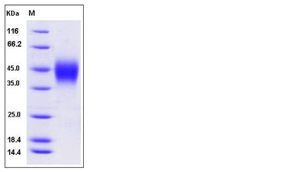
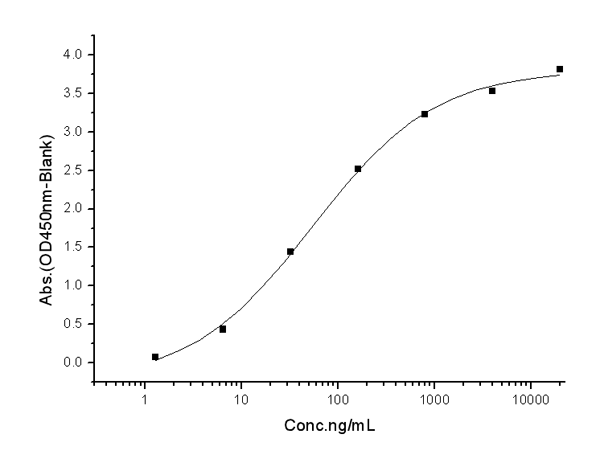
(Immobilized Mouse IFNGR1-His at 2 ug/mL (100 ul/well) can bind mouse IFNG-Fc, The EC50 of mouse IFNG-Fc is 20-100 ng/mL.)
Application Data
(Immobilized Mouse IFNGR1-His at 2 ug/mL (100 ul/well) can bind mouse IFNG-Fc, The EC50 of mouse IFNG-Fc is 20-100 ng/mL.)
IFNGR1, Active Protein (Cat# AAA258196)
 Application Data
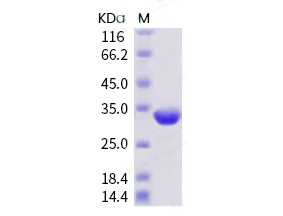
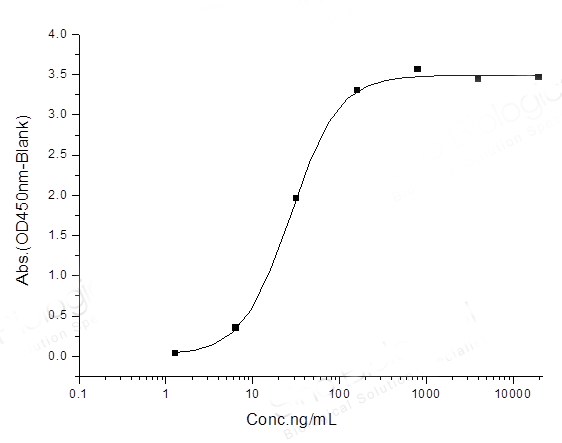
(Measured by its binding ability in a functional ELISA. Immobilized human ACE2 protein (Fc tag)(10108-H05H) at 2 ug/mL (100 uL/well) can bind SARS-CoV-2 (2019-nCoV) Spike RBD-AVI & His Recombinant Protein, Biotinylated(40592-V27B-B),the EC50 of SARS-CoV-2 (2019-nCoV) Spike RBD-AVI & His Recombinant Protein, Biotinylated (40592-V27B-B) is 17-40 ng/mL.)
Application Data
(Measured by its binding ability in a functional ELISA. Immobilized human ACE2 protein (Fc tag)(10108-H05H) at 2 ug/mL (100 uL/well) can bind SARS-CoV-2 (2019-nCoV) Spike RBD-AVI & His Recombinant Protein, Biotinylated(40592-V27B-B),the EC50 of SARS-CoV-2 (2019-nCoV) Spike RBD-AVI & His Recombinant Protein, Biotinylated (40592-V27B-B) is 17-40 ng/mL.)
COVID 19 Spike RBD-AVI & His Coronavirus, Active Protein (Cat# AAA258109)

 Bioactivity
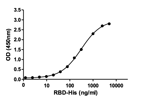
alpha-thrombin, Active Protein (Cat# AAA37807)
 SDS-PAGE
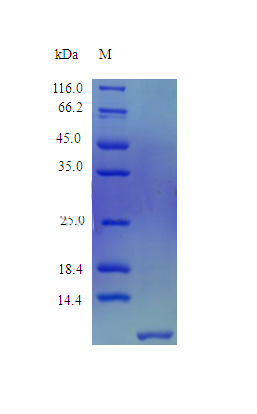
Beta-defensin 1 protein (DEFB1), Active Protein (Cat# AAA114248)
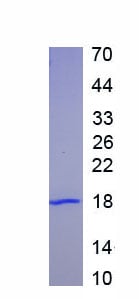
 SDS-PAGE
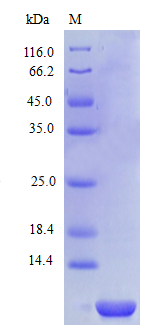
C-X-C motif chemokine 6 protein (CXCL6), Active Protein (Cat# AAA114233)
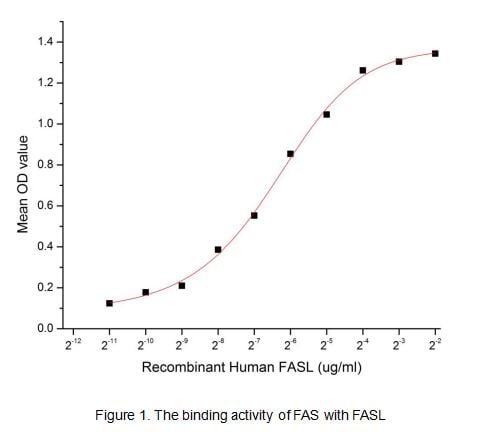 Bioactivity
(FAS (Tumor necrosis factor receptor superfamily member 6) belongs to the tumor necrosis factor receptor superfamily. FAS contains a death domain, which has been shown to play a central role in the physiological regulation of programmed cell death. A bindi)
Bioactivity
(FAS (Tumor necrosis factor receptor superfamily member 6) belongs to the tumor necrosis factor receptor superfamily. FAS contains a death domain, which has been shown to play a central role in the physiological regulation of programmed cell death. A bindi)
Factor Related Apoptosis (FAS), Active Protein (Cat# AAA152950)
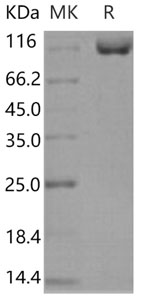 SDS-PAGE
DPP4 / DPPIV / CD26, Active Protein (Cat# AAA173512)
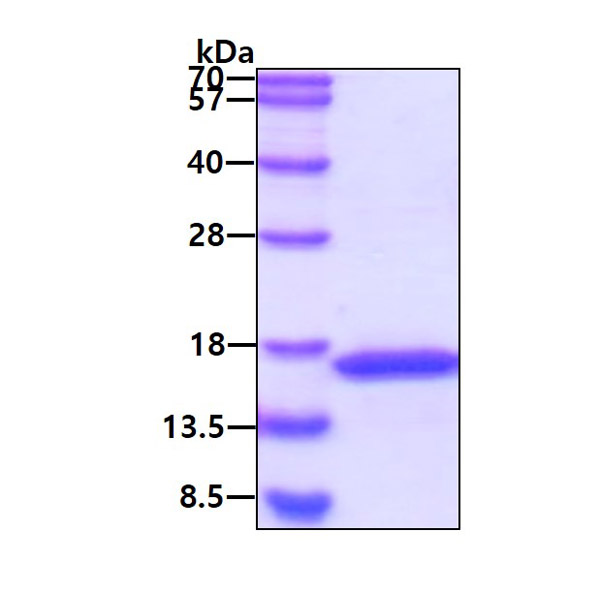
 Bioactivity
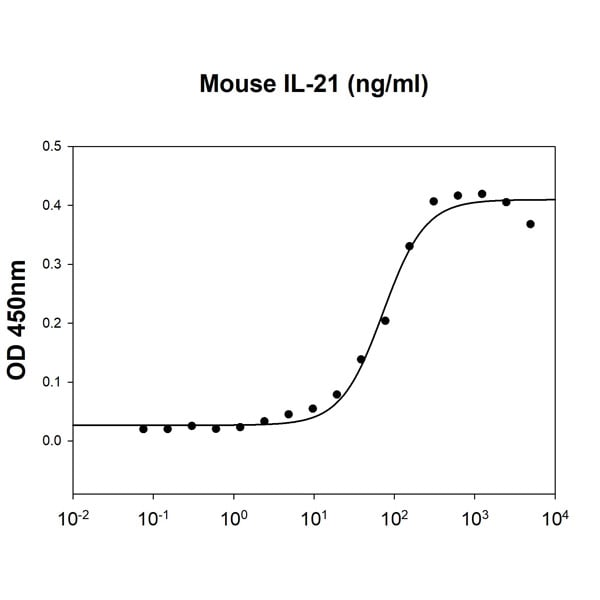
(Mouse IL-21 stimulates IFN-g secretion of the NK-92 human natural killer cells. The ED50 range )
Bioactivity
(Mouse IL-21 stimulates IFN-g secretion of the NK-92 human natural killer cells. The ED50 range )
IL-21, Active Protein (Cat# AAA48409)
 Bioactivity
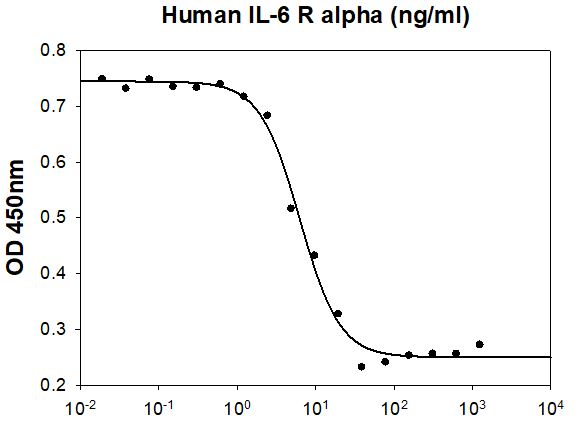
(Human IL-6 R alpha inhibits Human IL-6 induced cell proliferation in the M1 mouse myeloid leukemia cells. The ED50 range 20 ng/ml.)
Bioactivity
(Human IL-6 R alpha inhibits Human IL-6 induced cell proliferation in the M1 mouse myeloid leukemia cells. The ED50 range 20 ng/ml.)
IL-6R alpha, Active Protein (Cat# AAA48327)
 Bioactivity
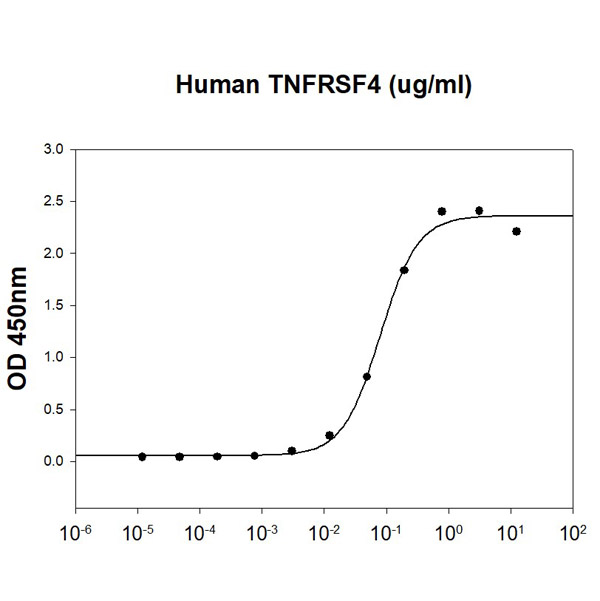
(Mouse TNFSF4 is coated at 1 ug/ml (100 ul/well) can bind Human TNFRSF4 (CAT# ATGP3686) in a Functional ELISA assay.)
Bioactivity
(Mouse TNFSF4 is coated at 1 ug/ml (100 ul/well) can bind Human TNFRSF4 (CAT# ATGP3686) in a Functional ELISA assay.)
OX40 Ligand/TNFSF4, Active Protein (Cat# AAA48397)
 Bioactivity
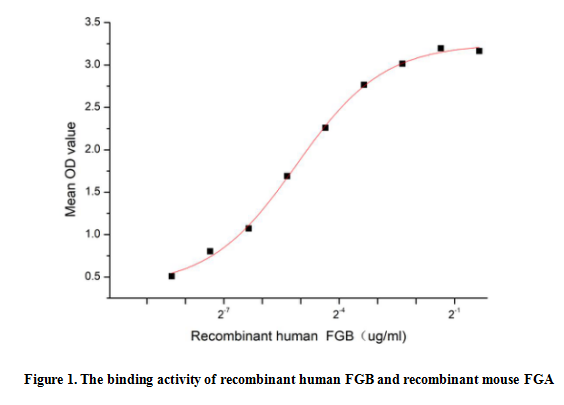
(Fibrinogen Beta Chain (FGB) is the beta subunit of the coagulation factor fibrinogen, which is a component of the blood clot. Following vascular injury, fibrinogen is cleaved by thrombin to form fibrin which is the most abundant component of blood clots. Fibrinogen Alpha Chain (FGA) has been identified as an interactor of FGB. Thus a functional binding ELISA assay was conducted to detect the interaction of recombinant human FGB and recombinant mouse FGA. Briefly, FGB was diluted serially in PBS with 0.01% BSA (pH 7.4). Duplicate samples of 100 ul were then transferred to FGA-coated microtiter wells and incubated for 1h at 37 degree C. Wells were washed with PBST and incubated for 1h with anti-FGB pAb, then aspirated and washed 3 times. After incubation with HRP labelled secondary antibody for 1h at 37 degree C, wells were aspirated and washed 5 times. With the addition of substrate solution, wells were incubated 15-25 minutes at 37 degree C. Finally, add 50 uL stop solution to the wells and read at 450/630 nm immediately. The binding activity of recombinant human FGB and recombinant mouse FGA was shown in Figure 1, the EC50 for this effect is 0.03 ug/mL.)
Bioactivity
(Fibrinogen Beta Chain (FGB) is the beta subunit of the coagulation factor fibrinogen, which is a component of the blood clot. Following vascular injury, fibrinogen is cleaved by thrombin to form fibrin which is the most abundant component of blood clots. Fibrinogen Alpha Chain (FGA) has been identified as an interactor of FGB. Thus a functional binding ELISA assay was conducted to detect the interaction of recombinant human FGB and recombinant mouse FGA. Briefly, FGB was diluted serially in PBS with 0.01% BSA (pH 7.4). Duplicate samples of 100 ul were then transferred to FGA-coated microtiter wells and incubated for 1h at 37 degree C. Wells were washed with PBST and incubated for 1h with anti-FGB pAb, then aspirated and washed 3 times. After incubation with HRP labelled secondary antibody for 1h at 37 degree C, wells were aspirated and washed 5 times. With the addition of substrate solution, wells were incubated 15-25 minutes at 37 degree C. Finally, add 50 uL stop solution to the wells and read at 450/630 nm immediately. The binding activity of recombinant human FGB and recombinant mouse FGA was shown in Figure 1, the EC50 for this effect is 0.03 ug/mL.)
Fibrinogen Beta Chain (FGB), Active Protein (Cat# AAA161833)
 Bioactivity
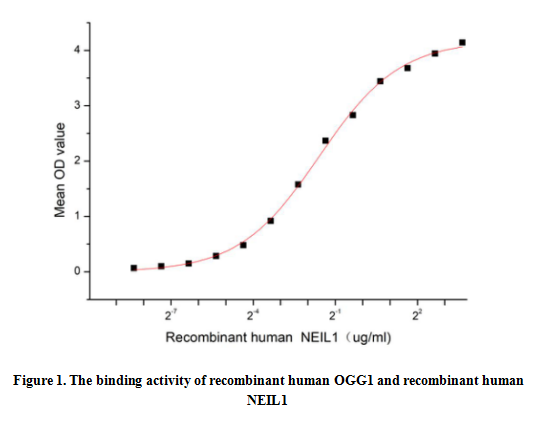
(Oxoguanine Glycosylase 1 (OGG1), a prominent member of the BER enzyme family, is an essential DNA repair enzyme. OGG1 is highly conserved across eukaryotic organisms and is expressed in various cell types. Its activity is regulated by several factors, including cellular redox status, DNA damage, and cell cycle progression. In addition to its role in repairing oxidative DNA damage, OGG1 has also been implicated in other cellular processes, such as transcription, replication, and apoptosis. In addition, the combination of OGG1 and NEIL1 can contribute to improve the repair efficiency of oxidative DNA damage, maintain genomic stability, and reduce the risk of cell mutation. Thus a functional binding ELISA assay was conducted to detect the interaction of recombinant human OGG1 and recombinant human NEIL1. Briefly, biotin-linked OGG1 were diluted serially in PBS, with 0.01% BSA (pH 7.4). Duplicate samples of 100 ul were then transferred to NEIL1-coated microtiter wells and incubated for 1h at 37 degree C. Wells were washed with PBST 3 times and incubation with Streptavidin-HRP for 30min, then wells were aspirated and washed 5 times. With the addition of substrate solution, wells were incubated 15-25 minutes at 37 degree C. Finally, add 50 ul stop solution to the wells and read at 450 nm immediately. The binding activity of recombinant human OGG1 and recombinant human NEIL1 was shown in Figure 1, the EC50 for this effect is 0.33 ug/mL.)
Bioactivity
(Oxoguanine Glycosylase 1 (OGG1), a prominent member of the BER enzyme family, is an essential DNA repair enzyme. OGG1 is highly conserved across eukaryotic organisms and is expressed in various cell types. Its activity is regulated by several factors, including cellular redox status, DNA damage, and cell cycle progression. In addition to its role in repairing oxidative DNA damage, OGG1 has also been implicated in other cellular processes, such as transcription, replication, and apoptosis. In addition, the combination of OGG1 and NEIL1 can contribute to improve the repair efficiency of oxidative DNA damage, maintain genomic stability, and reduce the risk of cell mutation. Thus a functional binding ELISA assay was conducted to detect the interaction of recombinant human OGG1 and recombinant human NEIL1. Briefly, biotin-linked OGG1 were diluted serially in PBS, with 0.01% BSA (pH 7.4). Duplicate samples of 100 ul were then transferred to NEIL1-coated microtiter wells and incubated for 1h at 37 degree C. Wells were washed with PBST 3 times and incubation with Streptavidin-HRP for 30min, then wells were aspirated and washed 5 times. With the addition of substrate solution, wells were incubated 15-25 minutes at 37 degree C. Finally, add 50 ul stop solution to the wells and read at 450 nm immediately. The binding activity of recombinant human OGG1 and recombinant human NEIL1 was shown in Figure 1, the EC50 for this effect is 0.33 ug/mL.)
Oxoguanine Glycosylase 1 (OGG1), Active Protein (Cat# AAA161893)
Carbonic Anhydrase 1 (CA1), Active Protein (Cat# AAA235617)
 Application Data
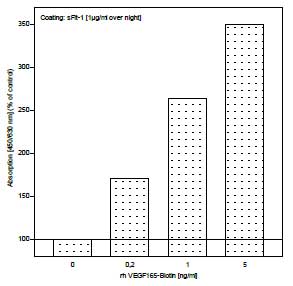
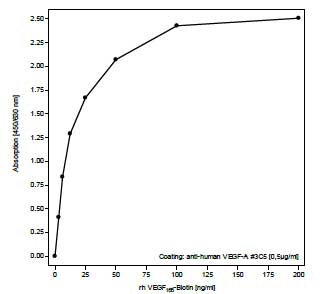
(Binding of Biotinylated VEGF165 to anti-human VEGF-A #3C5 in a functional ELISA. Anti-human VEGF-A antibody was coated with 0,5ug/ml (100ul/well) and Biotinylated VEGF165 was added starting with 3.125 ng/ml to 200 ng/ml.)
Application Data
(Binding of Biotinylated VEGF165 to anti-human VEGF-A #3C5 in a functional ELISA. Anti-human VEGF-A antibody was coated with 0,5ug/ml (100ul/well) and Biotinylated VEGF165 was added starting with 3.125 ng/ml to 200 ng/ml.)
VEGF165, Active Protein (Cat# AAA79318)
 Bioactivity
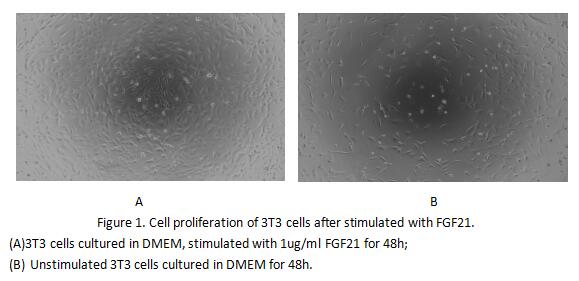
(Fibroblast growth factor 21 (FGF21) is a protein that in mammals is encoded by the FGF21 gene. The protein encoded by this gene is a member of the fibroblast growth factor (FGF) family which possess broad mitogenic and cell survival activities, and are in)
Bioactivity
(Fibroblast growth factor 21 (FGF21) is a protein that in mammals is encoded by the FGF21 gene. The protein encoded by this gene is a member of the fibroblast growth factor (FGF) family which possess broad mitogenic and cell survival activities, and are in)
Fibroblast Growth Factor 21 (FGF21), Active Protein (Cat# AAA153123)
 Bioactivity
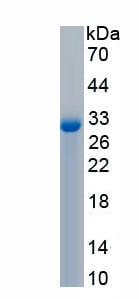
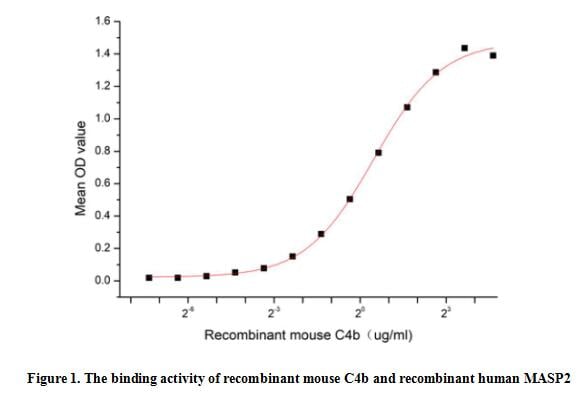
(Complement Component 4b (C4b) is a component of the complement system, which is activated by the recognition of foreign pathogens, such as bacteria and viruses, or altered self-cells. In the classical activation pathway of complement, C4b is produced by the proteolytic cleavage of the precursor protein C4 by the activated enzyme C1s, and it can bind to C2a to form C3 invertase (C4b2a) which is responsible for the cleavage of C3. Besides, the binding of MASP2 to C4b is an important step in the lectin pathway of the complement system, thus a functional binding ELISA assay was conducted to detect the interaction of recombinant mouse C4b and recombinant human MASP2. Briefly, C4b was diluted serially in PBS with 0.01% BSA (pH 7.4). Duplicate samples of 100 ul were then transferred to MASP2-coated microtiter wells and incubated for 1h at 37 degree C. Wells were washed with PBST and incubated for 1h with anti-C4b pAb, then aspirated and washed 3 times. After incubation with HRP labelled secondary antibody for 1h at 37 degree C, wells were aspirated and washed 5 times. With the addition of substrate solution, wells were incubated 15-25 minutes at 37 degree C. Finally, add 50 uL stop solution to the wells and read at 450/630 nm immediately. The binding activity of recombinant mouse C4b and recombinant human MASP2 was shown in Figure 1, the EC50 for this effect is 1.39 ug/mL.)
Bioactivity
(Complement Component 4b (C4b) is a component of the complement system, which is activated by the recognition of foreign pathogens, such as bacteria and viruses, or altered self-cells. In the classical activation pathway of complement, C4b is produced by the proteolytic cleavage of the precursor protein C4 by the activated enzyme C1s, and it can bind to C2a to form C3 invertase (C4b2a) which is responsible for the cleavage of C3. Besides, the binding of MASP2 to C4b is an important step in the lectin pathway of the complement system, thus a functional binding ELISA assay was conducted to detect the interaction of recombinant mouse C4b and recombinant human MASP2. Briefly, C4b was diluted serially in PBS with 0.01% BSA (pH 7.4). Duplicate samples of 100 ul were then transferred to MASP2-coated microtiter wells and incubated for 1h at 37 degree C. Wells were washed with PBST and incubated for 1h with anti-C4b pAb, then aspirated and washed 3 times. After incubation with HRP labelled secondary antibody for 1h at 37 degree C, wells were aspirated and washed 5 times. With the addition of substrate solution, wells were incubated 15-25 minutes at 37 degree C. Finally, add 50 uL stop solution to the wells and read at 450/630 nm immediately. The binding activity of recombinant mouse C4b and recombinant human MASP2 was shown in Figure 1, the EC50 for this effect is 1.39 ug/mL.)
Complement C4-B (C4B), Active Protein (Cat# AAA161840)
 Bioactivity
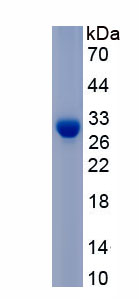
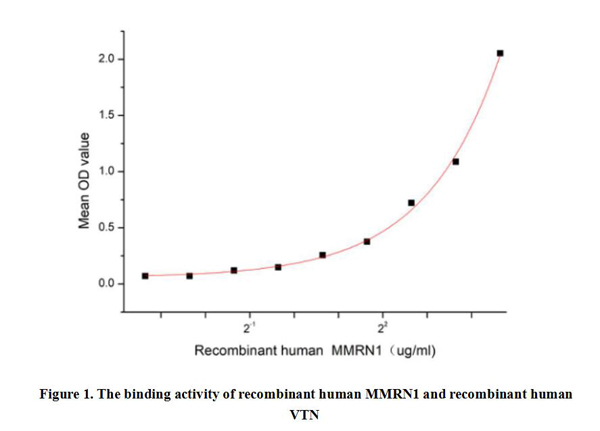
(Multimerin 1 (MMRN1) is a secreted glycoprotein that consists of multiple subunits, forming a complex with a molecular weight of approximately 150 kDa. MMRN1 is a member of the multimerin family and it is mainly expressed in platelets and endothelial cells. MMRN1 plays an important role in maintaining vascular integrity, regulating clotting and inflammatory responses, among others. In addition, the binding of MMRN1 to Vitronectin (VTN) plays an important role in a variety of physiological and pathological processes, including cell adhesion, migration, blood coagulation, and cell signaling. Thus a functional binding ELISA assay was conducted to detect the interaction of recombinant human MMRN1 and recombinant human VTN. Briefly, MMRN1 was diluted serially in PBS with 0.01% BSA (pH 7.4). Duplicate samples of 100 ul were then transferred to VTN-coated microtiter wells and incubated for 1h at 37 degree C. Wells were washed with PBST and incubated for 1h with anti-MMRN1 pAb, then aspirated and washed 3 times. After incubation with HRP labelled secondary antibody for 1h at 37 degree C, wells were aspirated and washed 5 times. With the addition of substrate solution, wells were incubated 15-25 minutes at 37 degree C. Finally, add 50 uL stop solution to the wells and read at 450/630 nm immediately. The binding activity of recombinant human MMRN1 and recombinant human VTN was shown in Figure 1, and this effect was in a dose dependent manner.)
Bioactivity
(Multimerin 1 (MMRN1) is a secreted glycoprotein that consists of multiple subunits, forming a complex with a molecular weight of approximately 150 kDa. MMRN1 is a member of the multimerin family and it is mainly expressed in platelets and endothelial cells. MMRN1 plays an important role in maintaining vascular integrity, regulating clotting and inflammatory responses, among others. In addition, the binding of MMRN1 to Vitronectin (VTN) plays an important role in a variety of physiological and pathological processes, including cell adhesion, migration, blood coagulation, and cell signaling. Thus a functional binding ELISA assay was conducted to detect the interaction of recombinant human MMRN1 and recombinant human VTN. Briefly, MMRN1 was diluted serially in PBS with 0.01% BSA (pH 7.4). Duplicate samples of 100 ul were then transferred to VTN-coated microtiter wells and incubated for 1h at 37 degree C. Wells were washed with PBST and incubated for 1h with anti-MMRN1 pAb, then aspirated and washed 3 times. After incubation with HRP labelled secondary antibody for 1h at 37 degree C, wells were aspirated and washed 5 times. With the addition of substrate solution, wells were incubated 15-25 minutes at 37 degree C. Finally, add 50 uL stop solution to the wells and read at 450/630 nm immediately. The binding activity of recombinant human MMRN1 and recombinant human VTN was shown in Figure 1, and this effect was in a dose dependent manner.)
Multimerin 1 (MMRN1), Active Protein (Cat# AAA161892)

 Application Data
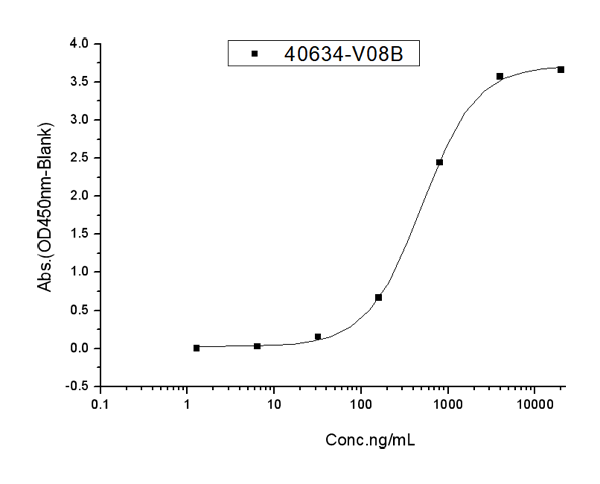
(Measured by its binding ability in a functional ELISA. Immobilized ACE2 Protein, Human, Recombinant (mFc Tag)(10108-H05H) at 2ug/mL (100uL/well) can bind SARS-CoV Spike S1+S2 ECD-His Recombinant Protein (S577A, Isolate Tor2)(40634-V08B),the EC50 of SARS-CoV Spike S1+S2 ECD-His Recombinant Protein (S577A, Isolate Tor2)(40634-V08B) is 300-900ng/mL.)
Application Data
(Measured by its binding ability in a functional ELISA. Immobilized ACE2 Protein, Human, Recombinant (mFc Tag)(10108-H05H) at 2ug/mL (100uL/well) can bind SARS-CoV Spike S1+S2 ECD-His Recombinant Protein (S577A, Isolate Tor2)(40634-V08B),the EC50 of SARS-CoV Spike S1+S2 ECD-His Recombinant Protein (S577A, Isolate Tor2)(40634-V08B) is 300-900ng/mL.)
SARS-CoV Spike S1+S2, Active Protein (Cat# AAA258111)
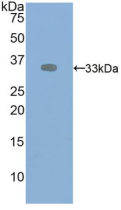
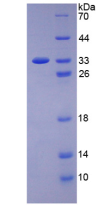
 Bioactivity
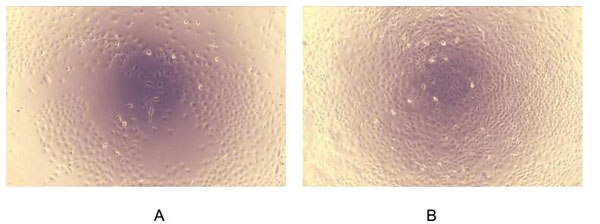
(Figure. VEGFR2 inhibit VEGF-dependent proliferation of ECV-304 cells.)
Bioactivity
(Figure. VEGFR2 inhibit VEGF-dependent proliferation of ECV-304 cells.)
Vascular Endothelial Growth Factor Receptor 2, Active Protein (Cat# AAA150107)
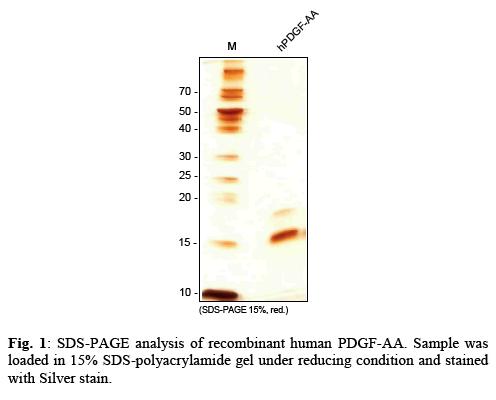
 Application Data
PDGF-AA, Active Protein (Cat# AAA79247)
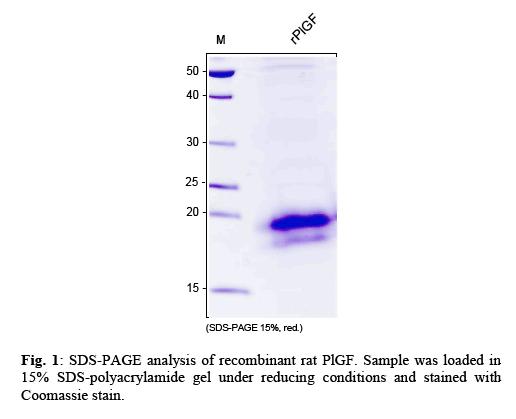
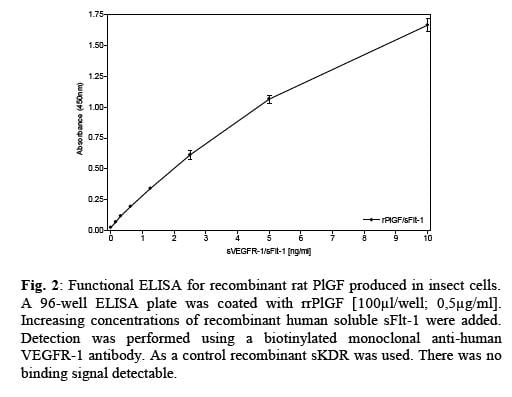 Application Data
PlGF, Active Protein (Cat# AAA79139)
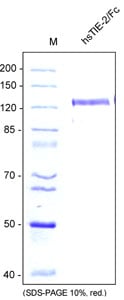 SDS-PAGE
(SDS-PAGE analysis of recombinant human soluble TIE-2/Fc produced from insect cells. Sample was loaded in 10% SDS-polyacrylamide gel under reducing condition and stained with Coomassie blue.)
SDS-PAGE
(SDS-PAGE analysis of recombinant human soluble TIE-2/Fc produced from insect cells. Sample was loaded in 10% SDS-polyacrylamide gel under reducing condition and stained with Coomassie blue.)
TIE-2/Fc Chimera, soluble, Active Protein (Cat# AAA79181)
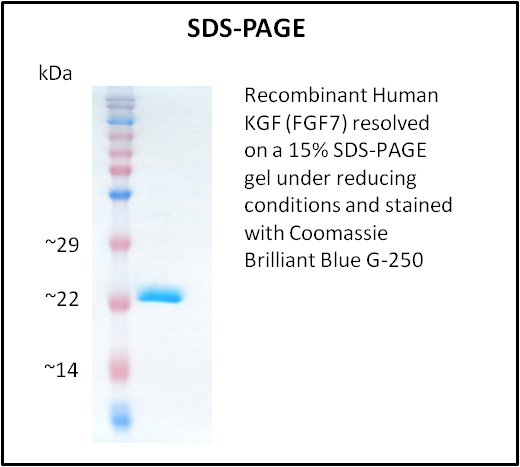
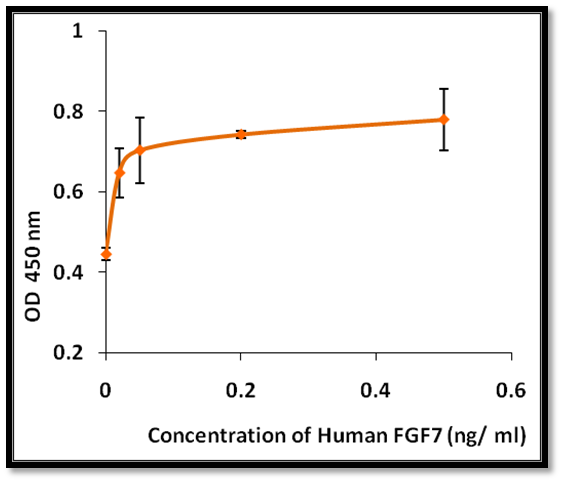 Application Data
KGF (FGF7), Active Protein (Cat# AAA214239)

 Bioactivity
Interleukin-17A/IL-17A, Active Protein (Cat# AAA177976)

 Bioactivity
(Connective Tissue Growth Factor (CTGF), also known as CCN2 is a matricellular protein of the CCN family of extracellular matrix-associated heparin-binding proteins. CTGF has important roles in many biological processes, including cell adhesion, migration, proliferation, angiogenesis, skeletal development, and tissue wound repair, and is critically involved in fibrotic disease and several forms of cancers. As CTGF has the function of cell adhesion, we measure the activity of recombinant human CTGF by the ability of the immobilized protein to support the adhesion of Balb/3T3 mouse embryonic fibroblast cell. When 5 x 10⁴ cells/well are added to different concentrations of recombinat human CTGF coated plates, cells will adhere after 2 hour incubation at 37 degree C. The adhesion of Balb/3T3 after 2 hour incubation at 37 degree C observed by inverted microscope was shown in Figure 1. Cell adherent was in a dose dependent manner, the result was shown in Figure 2, the EC50 was 0.6 ug/ml.)
Bioactivity
(Connective Tissue Growth Factor (CTGF), also known as CCN2 is a matricellular protein of the CCN family of extracellular matrix-associated heparin-binding proteins. CTGF has important roles in many biological processes, including cell adhesion, migration, proliferation, angiogenesis, skeletal development, and tissue wound repair, and is critically involved in fibrotic disease and several forms of cancers. As CTGF has the function of cell adhesion, we measure the activity of recombinant human CTGF by the ability of the immobilized protein to support the adhesion of Balb/3T3 mouse embryonic fibroblast cell. When 5 x 10⁴ cells/well are added to different concentrations of recombinat human CTGF coated plates, cells will adhere after 2 hour incubation at 37 degree C. The adhesion of Balb/3T3 after 2 hour incubation at 37 degree C observed by inverted microscope was shown in Figure 1. Cell adherent was in a dose dependent manner, the result was shown in Figure 2, the EC50 was 0.6 ug/ml.)
Connective Tissue Growth Factor (CTGF), Active Protein (Cat# AAA161649)
 Bioactivity
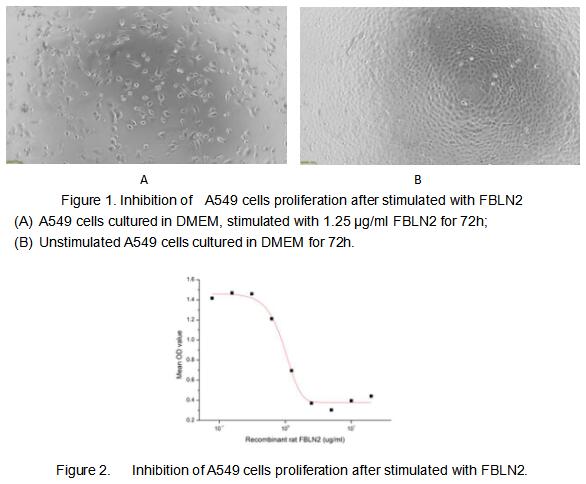
(Fibulin 2 (FBLN2) is the second largest member of the seven-member fibulin family of extracellular membrane (ECM) glycoproteins. The protein is known to form disulfide-linked homodimers, but it can also be secreted as an oligomer. Fibulin 2 is considered a multifunctional binding protein due to its association with numerous ECM components, but its specific interactions have yet to be determined. Fibulin 2 is localized at the interface between microfibrils and the elastin core and its known interactions include nidogen-1, perlecan, laminin, aggrecan, endostatins, versican, collagen, and tropoelastin. It is down-regulated in numerous forms of cancer including breast, colorectal, lung, esophageal, and squamous cell carcinoma, but over-expression has been shown with solid tumors. To test the effect of FBLN2 on cell apoptosis, A549 cells were seeded into triplicate wells of 96-well plates at a density of 4,000 cells/well and allowed to attach overnight, then the medium was replaced with various concentrations of recombinant rat FBLN2 diluted with 5% serum standard DMEM. After incubated for 72h, cells were observed by inverted microscope and cell proliferation was measured by Cell Counting Kit-8 (CCK-8). Briefly, 10 ul of CCK-8 solution was added to each well of the plate, then the absorbance at 450 nm was measured using a microplate reader after incubating the plate for 1h at 37 degree C. Proliferation of A549 cells after incubation with FBLN2 for 72h observed by inverted microscope was shown in Figure 1. Cell viability was assessed by CCK-8 (Cell Counting Kit-8) assay after incubation with recombinant rat FBLN2 for 72h. The result was shown in Figure 2. It was obvious that FBLN2 significantly inhibit cell viability of A549 cells. The ED50 is 0.97 ug/mL.)
Bioactivity
(Fibulin 2 (FBLN2) is the second largest member of the seven-member fibulin family of extracellular membrane (ECM) glycoproteins. The protein is known to form disulfide-linked homodimers, but it can also be secreted as an oligomer. Fibulin 2 is considered a multifunctional binding protein due to its association with numerous ECM components, but its specific interactions have yet to be determined. Fibulin 2 is localized at the interface between microfibrils and the elastin core and its known interactions include nidogen-1, perlecan, laminin, aggrecan, endostatins, versican, collagen, and tropoelastin. It is down-regulated in numerous forms of cancer including breast, colorectal, lung, esophageal, and squamous cell carcinoma, but over-expression has been shown with solid tumors. To test the effect of FBLN2 on cell apoptosis, A549 cells were seeded into triplicate wells of 96-well plates at a density of 4,000 cells/well and allowed to attach overnight, then the medium was replaced with various concentrations of recombinant rat FBLN2 diluted with 5% serum standard DMEM. After incubated for 72h, cells were observed by inverted microscope and cell proliferation was measured by Cell Counting Kit-8 (CCK-8). Briefly, 10 ul of CCK-8 solution was added to each well of the plate, then the absorbance at 450 nm was measured using a microplate reader after incubating the plate for 1h at 37 degree C. Proliferation of A549 cells after incubation with FBLN2 for 72h observed by inverted microscope was shown in Figure 1. Cell viability was assessed by CCK-8 (Cell Counting Kit-8) assay after incubation with recombinant rat FBLN2 for 72h. The result was shown in Figure 2. It was obvious that FBLN2 significantly inhibit cell viability of A549 cells. The ED50 is 0.97 ug/mL.)
Fibulin 2 (FBLN2), Active Protein (Cat# AAA161910)
 Purity
(The purity of PDE1B was determined to be >90% by densitometry. Approx. MW 86kDa)
Purity
(The purity of PDE1B was determined to be >90% by densitometry. Approx. MW 86kDa)
PDE1B, Active Protein (Cat# AAA73094)
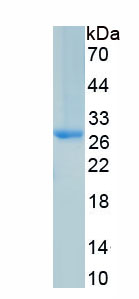
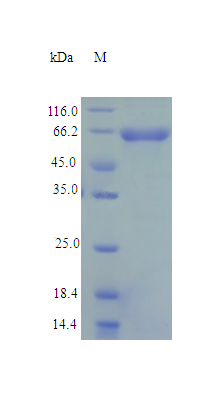 SDS-PAGE
NAD-dependent malic enzyme, mitochondrial protein (ME2), Active Protein (Cat# AAA114230)
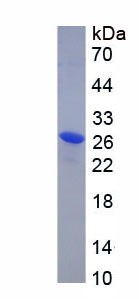
 Bioactivity
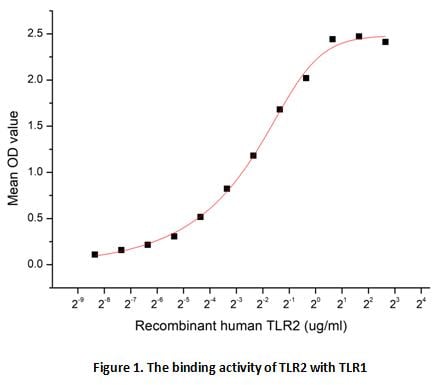
(TLR2 is a member of TLR family which is type I transmembrane proteins with a large number of extracellular leucine-rich repeats (LRRs) and a cytoplasmic Toll/IL-1 receptor (TIR) domain. Human TLR2 is synthesized as a 784 amino acid precursor that contains)
Bioactivity
(TLR2 is a member of TLR family which is type I transmembrane proteins with a large number of extracellular leucine-rich repeats (LRRs) and a cytoplasmic Toll/IL-1 receptor (TIR) domain. Human TLR2 is synthesized as a 784 amino acid precursor that contains)
Toll Like Receptor 2 (TLR2), Active Protein (Cat# AAA153052)
 Bioactivity
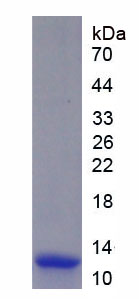
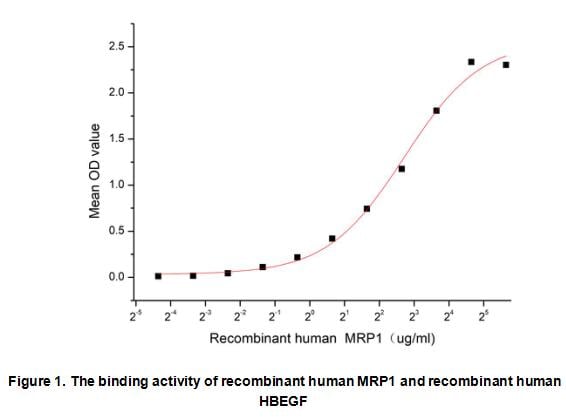
(Motility Related Protein (MRP1) is a member of the superfamily of ATP-binding cassette (ABC) transporters. It can enable ATPase-coupled inorganic anion transmembrane transporter activity. Involved in anion transmembrane transport; renal tubular secretion)
Bioactivity
(Motility Related Protein (MRP1) is a member of the superfamily of ATP-binding cassette (ABC) transporters. It can enable ATPase-coupled inorganic anion transmembrane transporter activity. Involved in anion transmembrane transport; renal tubular secretion)
Motility Related Protein (MRP1), Active Protein (Cat# AAA153072)
 Bioactivity
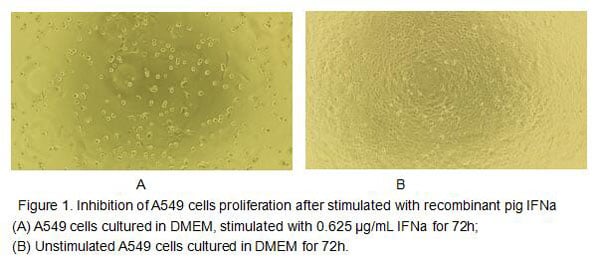
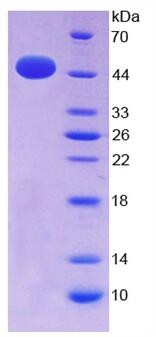
(Figure 2. Inhibition of A549 cells proliferation after stimulated with recombinant mouse IFN-alpha.)
Bioactivity
(Figure 2. Inhibition of A549 cells proliferation after stimulated with recombinant mouse IFN-alpha.)
Interferon Alpha (IFNa), Active Protein (Cat# AAA152953)
Mitogen-Activated Protein Kinase 1, Active Protein (Cat# AAA38388)
 Bioactivity
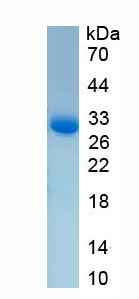
(C reactive protein (CRP) is an annular (ring-shaped), pentameric protein found in blood plasma, whose levels rise in response to inflammation. It is an acute-phase protein of hepatic origin that increases following interleukin-6 secretion by macrophages and T cells. Its physiological role is to bind to lysophosphatidylcholine expressed on the surface of dead or dying cells (and some types of bacteria) in order to activate the complement system via C1q. Besides, Coagulation Factor II (F2) has been identified as an interactor of CRP, thus a functional binding ELISA assay was conducted to detect the interaction of recombinant zebrafish CRP and recombinant rat F2. Briefly, CRP was diluted serially in PBS with 0.01% BSA (pH 7.4). Duplicate samples of 100 ul were then transferred to F2-coated microtiter wells and incubated for 1h at 37 degree C. Wells were washed with PBST and incubated for 1h with anti-CRP pAb, then aspirated and washed 3 times. After incubation with HRP labelled secondary antibody for 1h at 37 degree C, wells were aspirated and washed 5 times. With the addition of substrate solution, wells were incubated 15-25 minutes at 37 degree C. Finally, add 50 uL stop solution to the wells and read at 450/630 nm immediately. The binding activity of recombinant zebrafish CRP and recombinant rat F2 was shown in Figure 1, the EC50 for this effect is 0.64 ug/mL.)
Bioactivity
(C reactive protein (CRP) is an annular (ring-shaped), pentameric protein found in blood plasma, whose levels rise in response to inflammation. It is an acute-phase protein of hepatic origin that increases following interleukin-6 secretion by macrophages and T cells. Its physiological role is to bind to lysophosphatidylcholine expressed on the surface of dead or dying cells (and some types of bacteria) in order to activate the complement system via C1q. Besides, Coagulation Factor II (F2) has been identified as an interactor of CRP, thus a functional binding ELISA assay was conducted to detect the interaction of recombinant zebrafish CRP and recombinant rat F2. Briefly, CRP was diluted serially in PBS with 0.01% BSA (pH 7.4). Duplicate samples of 100 ul were then transferred to F2-coated microtiter wells and incubated for 1h at 37 degree C. Wells were washed with PBST and incubated for 1h with anti-CRP pAb, then aspirated and washed 3 times. After incubation with HRP labelled secondary antibody for 1h at 37 degree C, wells were aspirated and washed 5 times. With the addition of substrate solution, wells were incubated 15-25 minutes at 37 degree C. Finally, add 50 uL stop solution to the wells and read at 450/630 nm immediately. The binding activity of recombinant zebrafish CRP and recombinant rat F2 was shown in Figure 1, the EC50 for this effect is 0.64 ug/mL.)
C ReProtein (CRP), Active Protein (Cat# AAA161780)
 Application Data
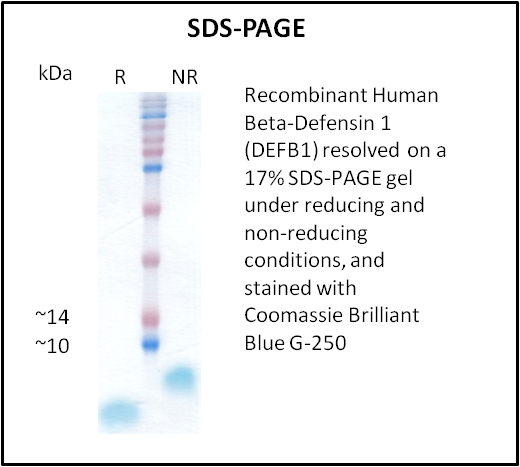
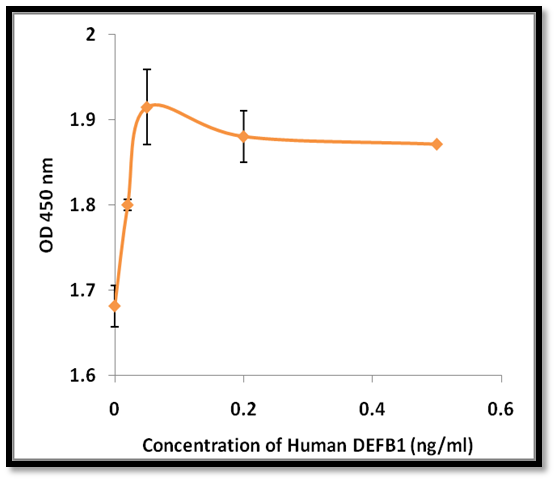
Beta-Defensin 1 (DEFB1), Active Protein (Cat# AAA214212)
 Application Data
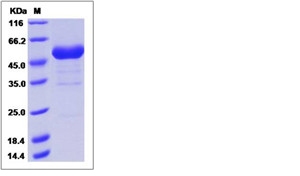
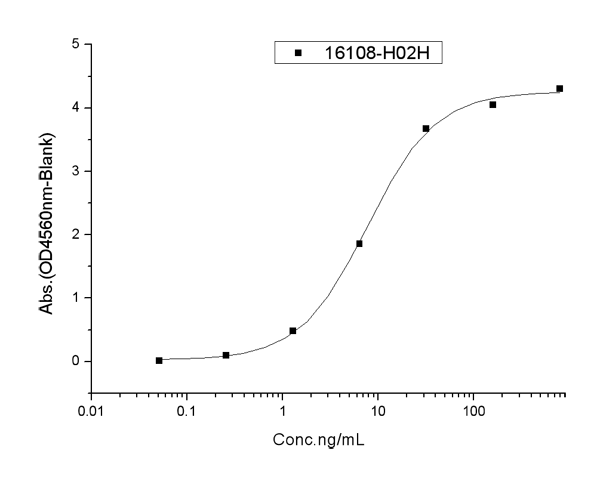
(Measured by its binding ability in a functional ELISA. Immobilized Human RSPO3 His at 2 ug/ml (100 ul/well) can bind Human RNF43 hFc, the EC50 of Human RNF43 hFc is 3.0-12.0 ng/mL)
Application Data
(Measured by its binding ability in a functional ELISA. Immobilized Human RSPO3 His at 2 ug/ml (100 ul/well) can bind Human RNF43 hFc, the EC50 of Human RNF43 hFc is 3.0-12.0 ng/mL)
RNF43, Active Protein (Cat# AAA258047)
 Bioactivity
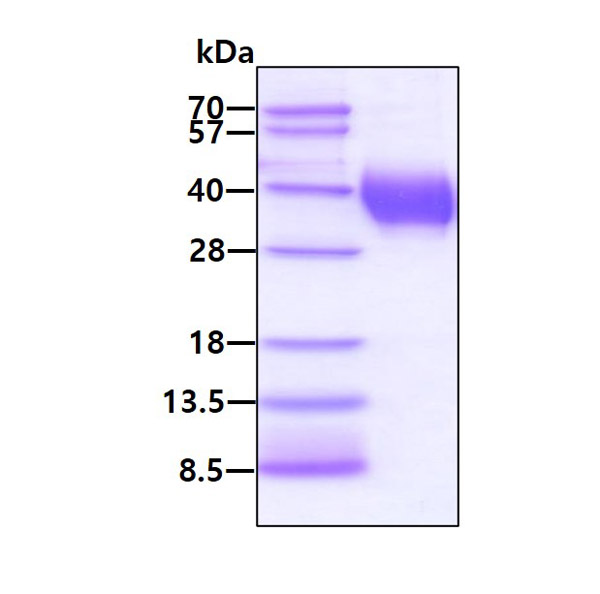
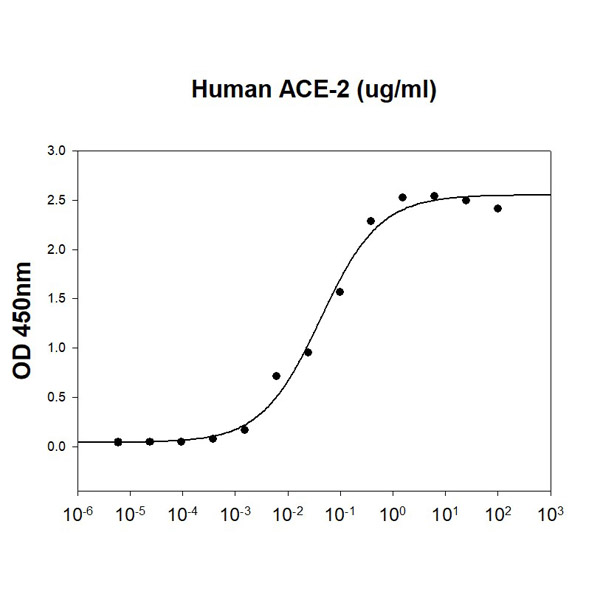
(SARS-CoV Spike RBD is coated at 5ug/ml (100 ul/well) can bind ACE-2 (CAT# ATGP3963) in a Functional ELISA assay.)
Bioactivity
(SARS-CoV Spike RBD is coated at 5ug/ml (100 ul/well) can bind ACE-2 (CAT# ATGP3963) in a Functional ELISA assay.)
COVID 19 Spike RBD Coronavirus, Active Protein (Cat# AAA48374)
 Comparison
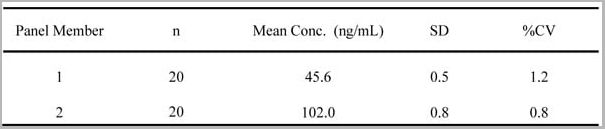
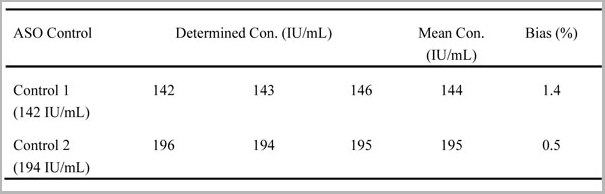
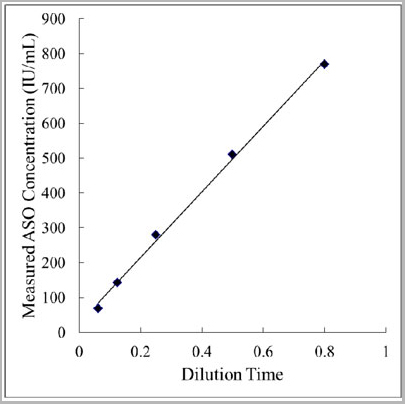
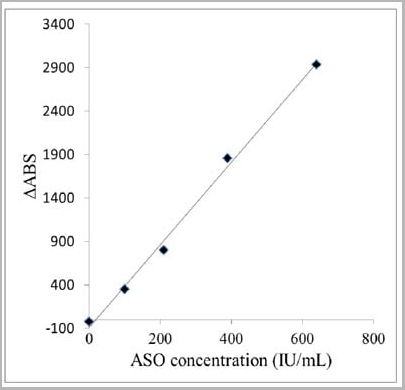
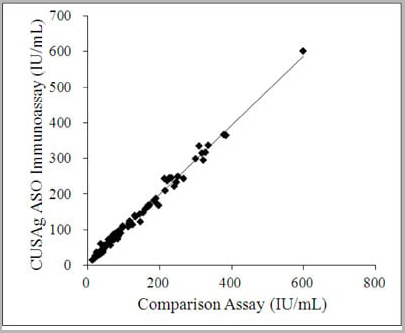
(SLO protein was also with random blood samples from donor (n=100). Fig.3 showed that the correlation coefficient(r) is as high as 0.99 between latex reagents and another commercial ASO immunoassay. These results show good agreement between the two systems.Fig.3 Comparison of ASO immunoassay and another commercial assays)
Comparison
(SLO protein was also with random blood samples from donor (n=100). Fig.3 showed that the correlation coefficient(r) is as high as 0.99 between latex reagents and another commercial ASO immunoassay. These results show good agreement between the two systems.Fig.3 Comparison of ASO immunoassay and another commercial assays)
Streptolysin O, Active Protein (Cat# AAA18828)
 SDS-PAGE
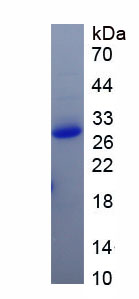
(Figure. SDS-PAGE)
SDS-PAGE
(Figure. SDS-PAGE)
C ReProtein (CRP), Active Protein (Cat# AAA153060)
 Bioactivity
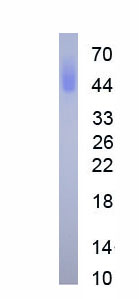
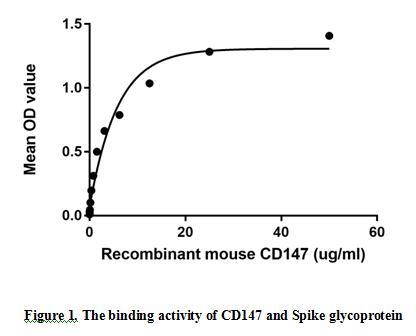
(Extracellular matrix metalloproteinase (MMP) inducer (EMMPRIN), also known as basigin and CD147, is a 44 66 kDa, variably N and O glycosylated, type I transmembrane protein that belongs to the immunoglobulin superfamily. EMMPRIN is 269 amino acids (aa) in)
Bioactivity
(Extracellular matrix metalloproteinase (MMP) inducer (EMMPRIN), also known as basigin and CD147, is a 44 66 kDa, variably N and O glycosylated, type I transmembrane protein that belongs to the immunoglobulin superfamily. EMMPRIN is 269 amino acids (aa) in)
Cluster Of Differentiation 147 (CD147), Active Protein (Cat# AAA153099)
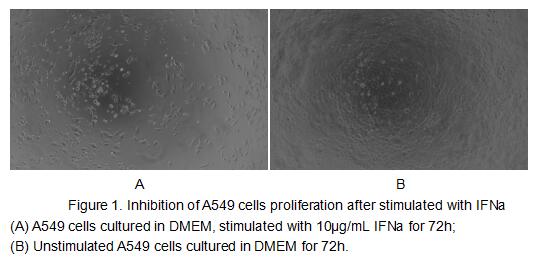
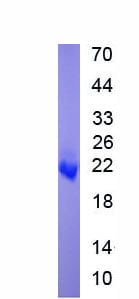
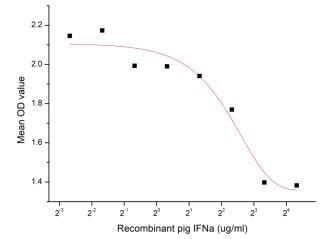 Bioactivity
(Figure 2. Inhibition of A549 cells proliferation after stimulated with IFN-alpha.)
Bioactivity
(Figure 2. Inhibition of A549 cells proliferation after stimulated with IFN-alpha.)
Interferon Alpha (IFNa), Active Protein (Cat# AAA152955)
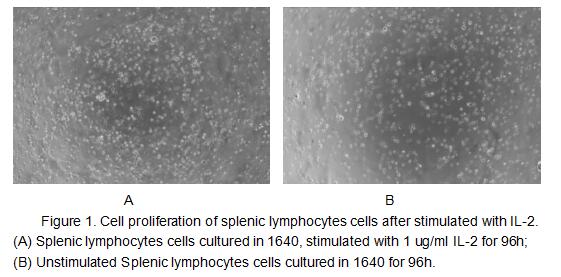
 Bioactivity
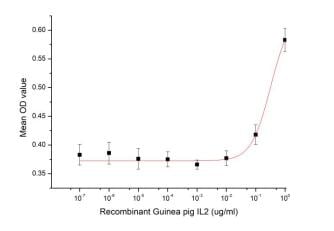
(Figure 2. The dose-effect curve of IL-2 on Splenic lymphocytes cells.)
Bioactivity
(Figure 2. The dose-effect curve of IL-2 on Splenic lymphocytes cells.)
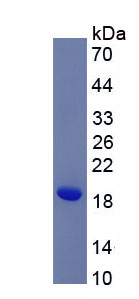
Interleukin 2 (IL2), Active Protein (Cat# AAA152963)
 Bioactivity
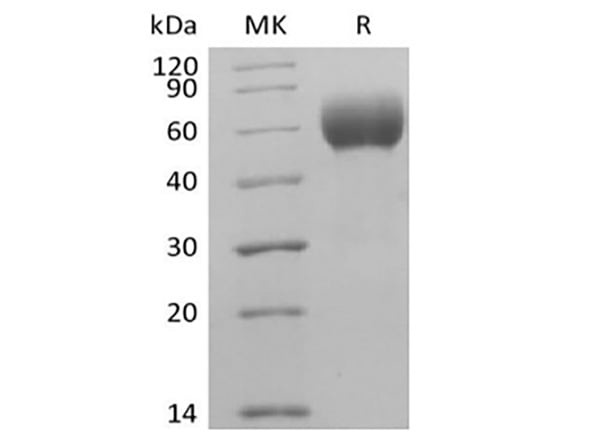
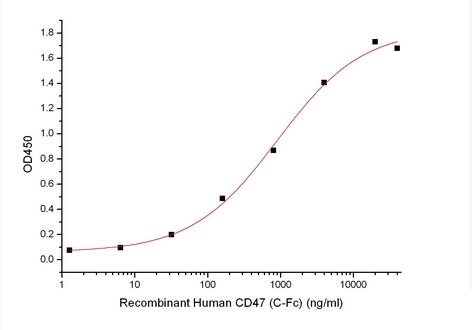
Signal-Regulatory Protein alpha-1/SIRPA/CD172a) Biotinylated, Active Protein (Cat# AAA177937)
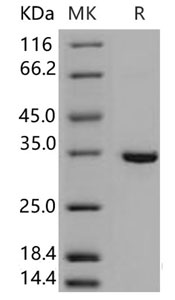 SDS-PAGE
Cytosolic Sulfotransferase Family 1B Member 1, Active Protein (Cat# AAA174591)
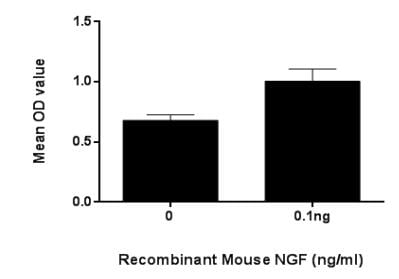
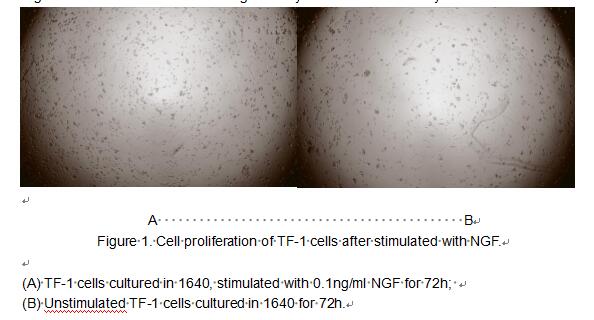
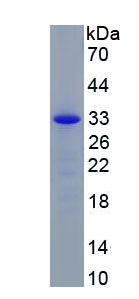
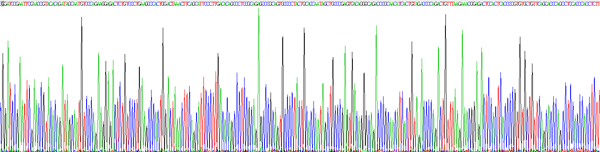
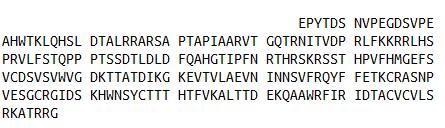 Sequence
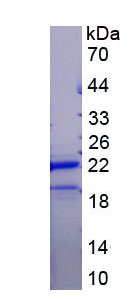
Nerve Growth Factor (NGF), Active Protein (Cat# AAA150972)
 Bioactivity
(Retinol-binding protein 4 (RBP4) is the specific carrier for retinol (also known as vitamin A), and is responsible for the conversion of unstable and insoluble retinol in aqueous solution into stable and soluble complex in plasma through their tight interaction. As a member of the lipocalin superfamily, RBP4 containing a beta-barrel structure with a well-defined cavity is secreted from the liver, and in turn delivers retinol from the liver stores to the peripheral tissues. In plasma, the RBP4-retinol complex interacts with transthyretin (TTR), and this binding is crucial for preventing RBP4 excretion through the kidney glomeruli. RBP4 expressed from an ectopic source efficiently delivers retinol to the eyes, and its deficiency affects night vision largely. Recently, RBP4 as an adipokine, is found to be expressed in adipose tissue and correlated with obesity, insulin resistance (IR) and type 2 diabetes (T2DM). The activity of recombinant mouse RBP4 was measured by its ability to bind all-trans retinoic acid. The binding of retinoic acid results in the quenching of Trp fluorescence in RBP4. RBP4 was diluted to 50 ug/ml in 50 mM Tris, 10 mM CaCl2, 150 mM NaCl, pH 7.5 (assay buffer) and the retinoic acid was diluted to 800, 400, 200, 100, 30, 10, 3, 1, 0.5 and 0.1 uM in 95% ethanol. Mixing 112.5 uL of 50 ug/mL rmRBP4 and 12.5 uL of retinoic acid serial dilutions in microtubes and a blank containing 112.5 uL of 50 ug/mL rmRBP4 and 12.5 uL of 95% ethanol, then incubate at room temperature for 30 minutes. Loading 100 ul of the reaction mixtures and blank and read at excitation and emission wavelengths of 280 nm and 340 nm (top read), respectively, in endpoint mode. The result was shown in figure 1, the 50% binding concentration (BC50) is > 4.6 uM.)
Bioactivity
(Retinol-binding protein 4 (RBP4) is the specific carrier for retinol (also known as vitamin A), and is responsible for the conversion of unstable and insoluble retinol in aqueous solution into stable and soluble complex in plasma through their tight interaction. As a member of the lipocalin superfamily, RBP4 containing a beta-barrel structure with a well-defined cavity is secreted from the liver, and in turn delivers retinol from the liver stores to the peripheral tissues. In plasma, the RBP4-retinol complex interacts with transthyretin (TTR), and this binding is crucial for preventing RBP4 excretion through the kidney glomeruli. RBP4 expressed from an ectopic source efficiently delivers retinol to the eyes, and its deficiency affects night vision largely. Recently, RBP4 as an adipokine, is found to be expressed in adipose tissue and correlated with obesity, insulin resistance (IR) and type 2 diabetes (T2DM). The activity of recombinant mouse RBP4 was measured by its ability to bind all-trans retinoic acid. The binding of retinoic acid results in the quenching of Trp fluorescence in RBP4. RBP4 was diluted to 50 ug/ml in 50 mM Tris, 10 mM CaCl2, 150 mM NaCl, pH 7.5 (assay buffer) and the retinoic acid was diluted to 800, 400, 200, 100, 30, 10, 3, 1, 0.5 and 0.1 uM in 95% ethanol. Mixing 112.5 uL of 50 ug/mL rmRBP4 and 12.5 uL of retinoic acid serial dilutions in microtubes and a blank containing 112.5 uL of 50 ug/mL rmRBP4 and 12.5 uL of 95% ethanol, then incubate at room temperature for 30 minutes. Loading 100 ul of the reaction mixtures and blank and read at excitation and emission wavelengths of 280 nm and 340 nm (top read), respectively, in endpoint mode. The result was shown in figure 1, the 50% binding concentration (BC50) is > 4.6 uM.)
Retinol Binding Protein 4 (RBP4), Active Protein (Cat# AAA161806)
 Bioactivity
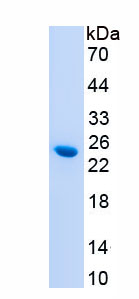
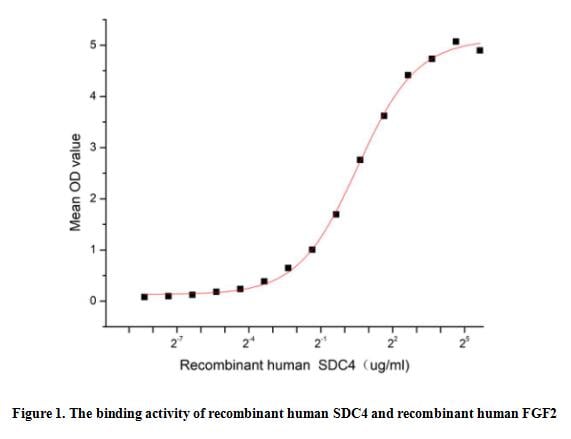
(Syndecan-4 (SDC4), a transmembrane proteoglycan bearing heparan sulfate chains, is an important member of SDCs family.SDC4 is expressed on dendritic cells (DCs) and activated T cells, plays a crucial role in DC motility and has been shown as a potential target for activated T-cell-driven diseases.SDC4 is involved in numerous inside-out and outside-in signaling processes, such as binding and sequestration of growth factors and extracellular matrix components, regulation of the activity of the small GTPase Rac1, protein kinase C-alpha, the level of intracellular calcium, or the phosphorylation of focal adhesion kinase. A functional binding ELISA assay was conducted to detect the interaction of recombinant human Fibroblast Growth Factor 2, Basic (FGF2) and recombinant human SDC4. Briefly, biotin-linked SDC4 were diluted serially in PBS, with 0.01% BSA (pH 7.4). Duplicate samples of 100 ul were then transferred to FGF2-coated microtiter wells and incubated for 1h at 37 degree C. Wells were washed with PBST 3 times and incubation with Streptavidin-HRP for 30min, then wells were aspirated and washed 5 times. With the addition of substrate solution, wells were incubated 15-25 minutes at 37 degree C. Finally, add 50ul stop solution to the wells and read at 450 nm immediately. The binding activity of recombinant human SDC4 and recombinant human FGF2 was shown in Figure 1, the EC50 for this effect is 1.45 ug/mL.)
Bioactivity
(Syndecan-4 (SDC4), a transmembrane proteoglycan bearing heparan sulfate chains, is an important member of SDCs family.SDC4 is expressed on dendritic cells (DCs) and activated T cells, plays a crucial role in DC motility and has been shown as a potential target for activated T-cell-driven diseases.SDC4 is involved in numerous inside-out and outside-in signaling processes, such as binding and sequestration of growth factors and extracellular matrix components, regulation of the activity of the small GTPase Rac1, protein kinase C-alpha, the level of intracellular calcium, or the phosphorylation of focal adhesion kinase. A functional binding ELISA assay was conducted to detect the interaction of recombinant human Fibroblast Growth Factor 2, Basic (FGF2) and recombinant human SDC4. Briefly, biotin-linked SDC4 were diluted serially in PBS, with 0.01% BSA (pH 7.4). Duplicate samples of 100 ul were then transferred to FGF2-coated microtiter wells and incubated for 1h at 37 degree C. Wells were washed with PBST 3 times and incubation with Streptavidin-HRP for 30min, then wells were aspirated and washed 5 times. With the addition of substrate solution, wells were incubated 15-25 minutes at 37 degree C. Finally, add 50ul stop solution to the wells and read at 450 nm immediately. The binding activity of recombinant human SDC4 and recombinant human FGF2 was shown in Figure 1, the EC50 for this effect is 1.45 ug/mL.)
Syndecan 4 (SDC4), Active Protein (Cat# AAA161868)
 Application Data
IL3, Active Protein (Cat# AAA214236)
 Application Data
(Measured by its ability to neutralize Activin-mediated inhibition on MPC11 cell proliferation. The ED50 for this effect is typically 0.2-1 ug/mL in the presence of 10 ng/mL recombinant Activin A.)
Application Data
(Measured by its ability to neutralize Activin-mediated inhibition on MPC11 cell proliferation. The ED50 for this effect is typically 0.2-1 ug/mL in the presence of 10 ng/mL recombinant Activin A.)
ACVR2B, Active Protein (Cat# AAA258265)
What Are Active Proteins?
Proteins are large molecules made up of long chains of amino acids. They will typically fold into a very particular 3-dimensional shape/conformation, that is sometimes referred to as their “native” form, which allows them to work properly in the body. For the purposes of product categorization, AAA Biotech will typically refer to proteins purified from their original animal host as being “native” proteins (this is to signify their difference compared to their recombinant proteins or “synthetic” protein counterparts).
If a protein successfully folds into the correct shape, it will typically display high fidelity characteristics to its original protein in its original animal host and be classified as an active protein, as it will be able to function “normally” in most enzymatic or binding capacities. If it loses this shape, due to factors such as heat or strong chemicals (such as detergents), it becomes inactive and is no longer able to perform its basic functions.
All of the proteins in this category are made under strict quality control, and they are active, pure, low in contaminants, and stable. Most are stored as freeze-dried powders and come without extra tags, so they’re very close to the actual natural/native form.
Learn more in our guide “How active proteins work”.
Key Applications of Active Proteins
1. Scientific Research
- Aid in the study of how proteins function in the body
- Aid in understanding various disease processes
2. Drug Development
- Powerful tools to investigate how potential drugs interact with specific proteins
- Ideal for identifying drug targets
3. Cell Culture
- Are routinely utilized to support cell growth and function (e.g., using exogenous growth factors)
- Can be used to promote cellular development into specific types (differentiation)
4. Diagnostics
- Regularly utilized in tests to detect diseases or infections (e.g., COVID-19, cancer)
- Note: All products are strictly for research-use only (RUO).
5. Therapeutics
- Some active proteins are used directly as treatments (e.g., insulin, enzymes)
- Note: All products are strictly for research-use only (RUO).
6. Vaccine Development
- Used to create or test vaccines by mimicking parts of viruses or bacteria
7. Biochemical Assays
- They can facilitate the characterization of enzyme activity, binding strength, or protein interactions in lab tests
Why Buy Active Proteins from AAA Biotech?
- High biological activity – Verified to perform as expected or indicated on datasheet
- Strict quality control – We are confident in our active proteins’ reliability and consistency
- High purity & low endotoxin – Ideal for applications involving sensitive or precious samples/components
- Freeze-dried for stability – Long shelf life and straightforward storage
- Mostly tag-free – Closer to natural/native protein form
FAQ
1. What are active proteins used for in research?
Active proteins are used primarily in the study of how proteins function, in characterizing/discovering drug interactions, supporting cell growth, running biochemical assays, and in development of diagnostics or therapeutics.
2. How are AAA Biotech's active proteins validated?
AAA Biotech’s active proteins are validated through strict quality control and functional assays to ensure they are properly folded and active. “Active”, though, can be an ambiguous term, so if a specific “activity” or “binding” capability of a protein is of crucial interest to you, please inquire with us prior to purchase, and we will provide further details on how the “Active” modifier was determined to be applicable.
3. Are these proteins tested for biological activity?
Yes, all active proteins from AAA Biotech are tested to confirm they have the expected biological activity before being offered for use. Though, said “biological activity” can be either “enzymatic”, “binding”, or both.