
Filters
▼Clonality
▼Type
▼Reactivity
▼Gene Name
▼Isotype
▼Host
▼Application
▼Clone
▼Active Proteins
AAA Biotech also known as AAA Bio or AAABio provides a variety of high-quality recombinant and natural/native proteins that are proven to work in a wide range of experiments. Explore our products to find the active protein that best fits your needs or experimental model.
Viewing 2250-2300 of 2875 product results
 Bioactivity
(Human Angiopoietin-2 is coated at 5 ug/ml (100 ul/well) can bind Human Tie-2. The ED50 range )
Bioactivity
(Human Angiopoietin-2 is coated at 5 ug/ml (100 ul/well) can bind Human Tie-2. The ED50 range )
Tie-2, Active Protein (Cat# AAA48363)
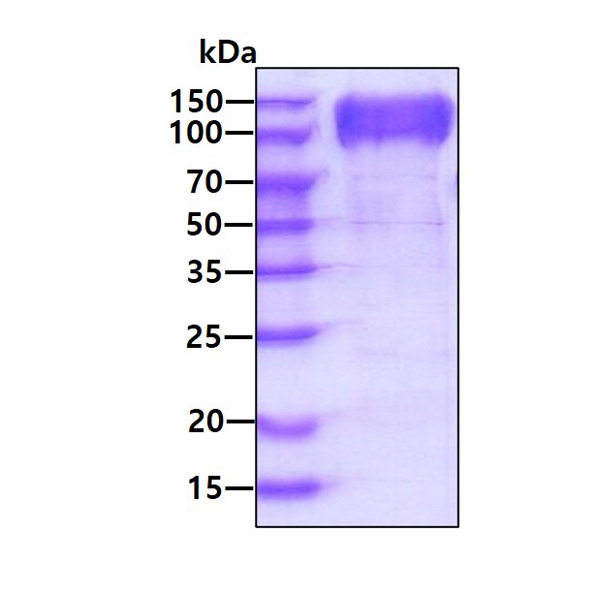
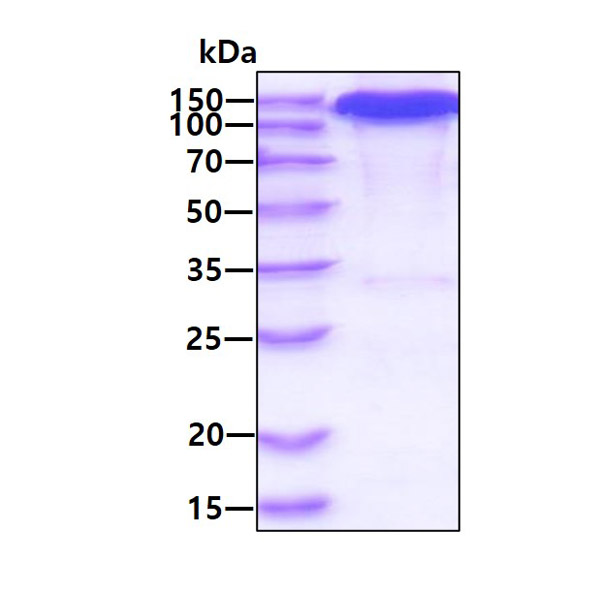
 Bioactivity
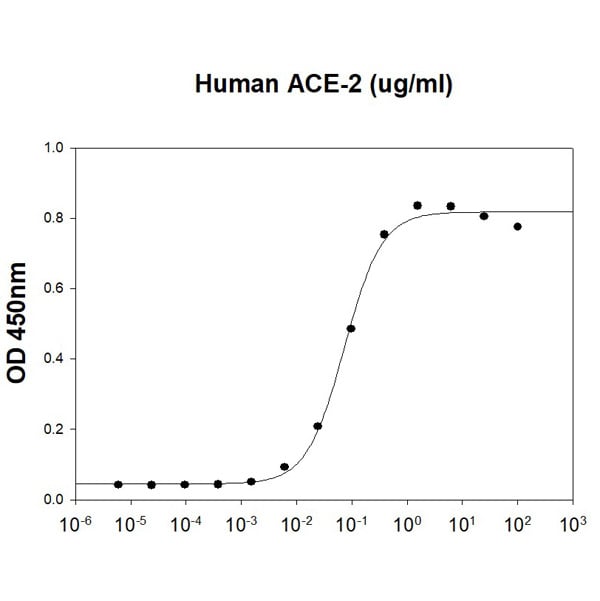
(SARS-CoV S1 Subunit is coated at 5 ug/ml (100 ul/well) can bind Human ACE-2 (CAT# ATGP3963) in a Functional ELISA assay.)
Bioactivity
(SARS-CoV S1 Subunit is coated at 5 ug/ml (100 ul/well) can bind Human ACE-2 (CAT# ATGP3963) in a Functional ELISA assay.)
COVID 19 Spike S1 Subunit Coronavirus, Active Protein (Cat# AAA48390)
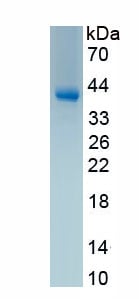
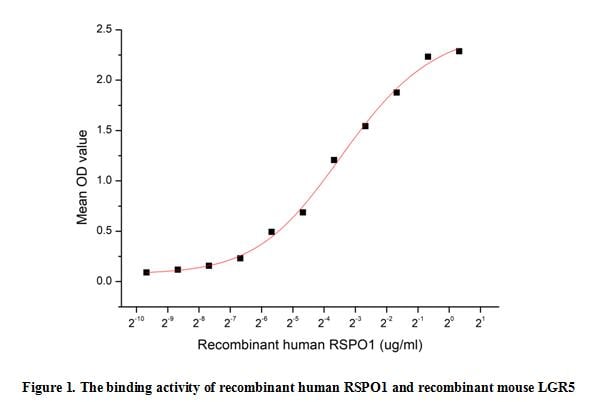 Bioactivity
(R-Spondin 1 (RSPO1, Roof plate-specific Spondin 1), also known as cysteine-rich and single thrombospondin domain containing protein 3 (Cristin 3), is a 27 kDa secreted protein that shares~40% amino acid (aa) identity with three other R-Spondin family memb)
Bioactivity
(R-Spondin 1 (RSPO1, Roof plate-specific Spondin 1), also known as cysteine-rich and single thrombospondin domain containing protein 3 (Cristin 3), is a 27 kDa secreted protein that shares~40% amino acid (aa) identity with three other R-Spondin family memb)
R-Spondin 1 (RSPO1), Active Protein (Cat# AAA153139)
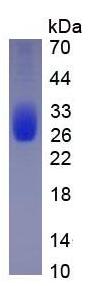
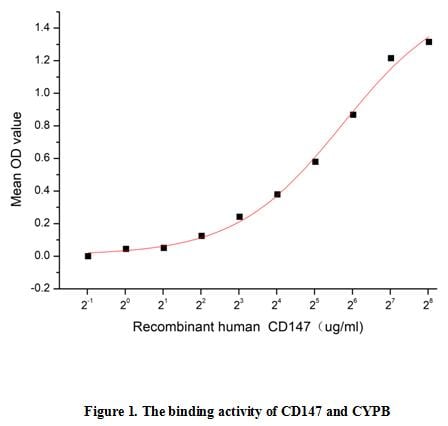 Bioactivity
(Extracellular matrix metalloproteinase (MMP) inducer (EMMPRIN), also known as basigin and CD147, is a 44 66 kDa, variably N and O glycosylated, type I transmembrane protein that belongs to the immunoglobulin superfamily. Human EMMPRIN is 269 amino acids ()
Bioactivity
(Extracellular matrix metalloproteinase (MMP) inducer (EMMPRIN), also known as basigin and CD147, is a 44 66 kDa, variably N and O glycosylated, type I transmembrane protein that belongs to the immunoglobulin superfamily. Human EMMPRIN is 269 amino acids ()
Cluster Of Differentiation 147 (CD147), Active Protein (Cat# AAA153096)
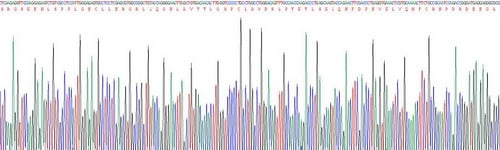
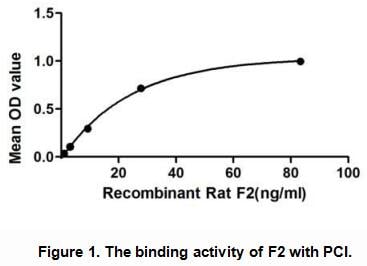
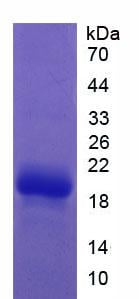 SDS-PAGE
(Sample: Active recombinant F2, Human)
SDS-PAGE
(Sample: Active recombinant F2, Human)
Coagulation Factor II (F2), Active Protein (Cat# AAA148183)
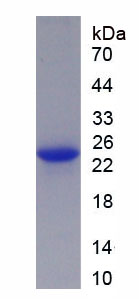
 Bioactivity
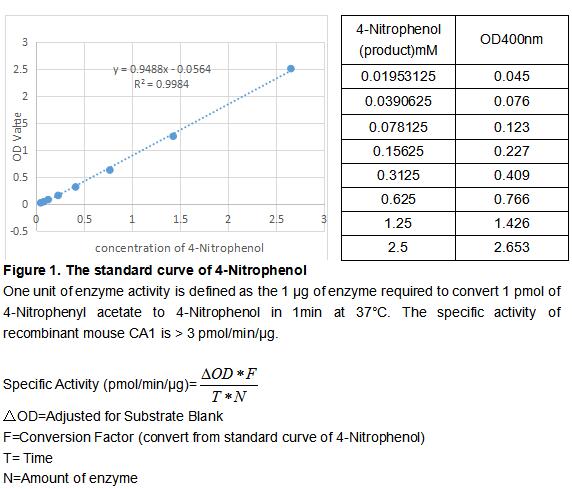
(Carbonic Anhydrase (CA) catalyzes the reversible reaction of CO2 H2O = HCO3- H, which is fundamental to many processes such as respiration, renal tubular acidification and bone resorption. CA1 is a cytosolic enzyme with the highest levels in erythrocytes and is a very early marker for erythroid differentiation. The activity of recombinant mouse CA1 was measured by its ability to hydrolyze 4-Nitrophenyl acetate (4-NPA) to 4-Nitrophenol. The reaction was performed in 12.5 mM Tris, 75 mM NaCl, pH 7.5 (assay buffer), initiated by addition 50 uL of various concentrations of CA1 (diluted by assay buffer) to 50 uL of 2 mM substrate 4-NPA (100 mM stock in Acetone, diluted by assay buffer). Incubated at 37 degree C for 5min, then read at a wavelength of 400 nm.)
Bioactivity
(Carbonic Anhydrase (CA) catalyzes the reversible reaction of CO2 H2O = HCO3- H, which is fundamental to many processes such as respiration, renal tubular acidification and bone resorption. CA1 is a cytosolic enzyme with the highest levels in erythrocytes and is a very early marker for erythroid differentiation. The activity of recombinant mouse CA1 was measured by its ability to hydrolyze 4-Nitrophenyl acetate (4-NPA) to 4-Nitrophenol. The reaction was performed in 12.5 mM Tris, 75 mM NaCl, pH 7.5 (assay buffer), initiated by addition 50 uL of various concentrations of CA1 (diluted by assay buffer) to 50 uL of 2 mM substrate 4-NPA (100 mM stock in Acetone, diluted by assay buffer). Incubated at 37 degree C for 5min, then read at a wavelength of 400 nm.)
Carbonic Anhydrase I (CA1), Active Protein (Cat# AAA161797)
 Bioactivity
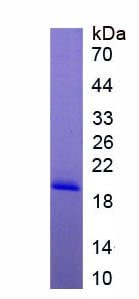
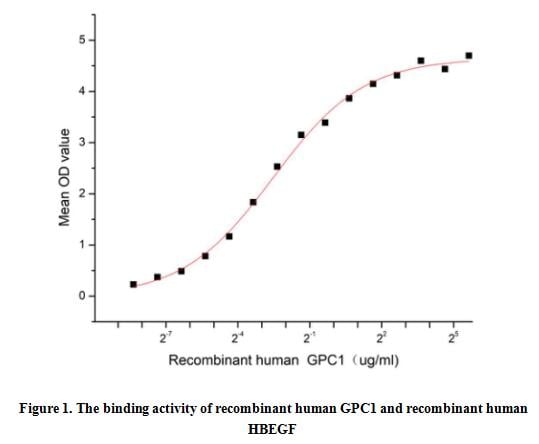
(Glypican 1 (GPC1) is one of the six glycosylphosphatidylinositol-anchored, cell surface heparan sulfate proteoglycans that acts as a growth factor signaling. Cells known to express GPC-1 include neurons, smooth and skeletal muscle cells, keratinocytes, osteoblasts, Schwann cells, immature dendritic cells, and tumor, plus tumor-associated vascular endothelial cells. The function of GPC-1 is complex and varied, it can modulate various signaling pathways including Heparin Binding Epidermal Growth Factor Like Growth Factor (HBEGF), fibroblast growth factors (FGF), vascular endothelial growth factor-A (VEGF-A), transforming growth factor-beta (TGF-beta), Wnt, Hedgehog (Hh), and bone morphogenic protein (BMP) through specific interactions with pathway ligands and receptors. Thus a functional binding ELISA assay was conducted to detect the interaction of recombinant human GPC1 and recombinant human HBEGF. Briefly, GPC1 was diluted serially in PBS with 0.01% BSA (pH 7.4). Duplicate samples of 100 ul were then transferred to HBEGF-coated microtiter wells and incubated for 1h at 37 degree C. Wells were washed with PBST and incubated for 1h with anti-GPC1 pAb, then aspirated and washed 3 times. After incubation with HRP labelled secondary antibody for 1h at 37 degree C, wells were aspirated and washed 5 times. With the addition of substrate solution, wells were incubated 15-25 minutes at 37 degree C. Finally, add 50 uL stop solution to the wells and read at 450/630 nm immediately. The binding activity of recombinant human GPC1 and recombinant human HBEGF was shown in Figure 1, the EC50 for this effect is 0.17 ug/mL.)
Bioactivity
(Glypican 1 (GPC1) is one of the six glycosylphosphatidylinositol-anchored, cell surface heparan sulfate proteoglycans that acts as a growth factor signaling. Cells known to express GPC-1 include neurons, smooth and skeletal muscle cells, keratinocytes, osteoblasts, Schwann cells, immature dendritic cells, and tumor, plus tumor-associated vascular endothelial cells. The function of GPC-1 is complex and varied, it can modulate various signaling pathways including Heparin Binding Epidermal Growth Factor Like Growth Factor (HBEGF), fibroblast growth factors (FGF), vascular endothelial growth factor-A (VEGF-A), transforming growth factor-beta (TGF-beta), Wnt, Hedgehog (Hh), and bone morphogenic protein (BMP) through specific interactions with pathway ligands and receptors. Thus a functional binding ELISA assay was conducted to detect the interaction of recombinant human GPC1 and recombinant human HBEGF. Briefly, GPC1 was diluted serially in PBS with 0.01% BSA (pH 7.4). Duplicate samples of 100 ul were then transferred to HBEGF-coated microtiter wells and incubated for 1h at 37 degree C. Wells were washed with PBST and incubated for 1h with anti-GPC1 pAb, then aspirated and washed 3 times. After incubation with HRP labelled secondary antibody for 1h at 37 degree C, wells were aspirated and washed 5 times. With the addition of substrate solution, wells were incubated 15-25 minutes at 37 degree C. Finally, add 50 uL stop solution to the wells and read at 450/630 nm immediately. The binding activity of recombinant human GPC1 and recombinant human HBEGF was shown in Figure 1, the EC50 for this effect is 0.17 ug/mL.)
Glypican 1 (GPC1), Active Protein (Cat# AAA161824)

 Bioactivity
(CD146 (cluster of differentiation 146), also known as MUC18 or MCAM, is a putative adhesion molecule that belongs to the immunoglobulin superfamily (IgSF). It is an approximately 113-kDa type1 transmembrane glycoprotein that is expressed at the intercellular junction of endothelial cells. CD146 was originally identified as a tumor marker for melanoma (MCAM) due to its existence only in melanoma but not in the corresponding normal counterpart. However CD146 is not just a CAM for the inter-cellular and cell-matrix adhesion. Recent evidence indicates that CD146 is actively involved in miscellaneous processes, such as development, signaling transduction, cell migration, mesenchymal stem cells differentiation, angiogenesis and immune response. CD146 and PECAM-1 are both members of immunoglobulin superfamily of cell adhesion molecules. PECAM-1 has been identified as an interactor of CD146, thus a functional binding ELISA assay was conducted to detect the interaction of recombinant human CD146 and recombinant rat PECAM-1. Briefly, CD146 was diluted serially in PBS with 0.01% BSA (pH 7.4). Duplicate samples of 100 ul were then transferred to PECAM-1-coated microtiter wells and incubated for 1h at 37 degree C. Wells were washed with PBST and incubated for 1h with anti-CD146 pAb, then aspirated and washed 3 times. After incubation with HRP labelled secondary antibody for 1h at 37 degree C, wells were aspirated and washed 5 times. With the addition of substrate solution, wells were incubated 15-25 minutes at 37 degree C. Finally, add 50 ul stop solution to the wells and read at 450/630 nm immediately. The binding activity of recombinant human CD146 and recombinant rat PECAM-1 was shown in Figure 1, the EC50 for this effect is 3.6 ug/mL.)
Bioactivity
(CD146 (cluster of differentiation 146), also known as MUC18 or MCAM, is a putative adhesion molecule that belongs to the immunoglobulin superfamily (IgSF). It is an approximately 113-kDa type1 transmembrane glycoprotein that is expressed at the intercellular junction of endothelial cells. CD146 was originally identified as a tumor marker for melanoma (MCAM) due to its existence only in melanoma but not in the corresponding normal counterpart. However CD146 is not just a CAM for the inter-cellular and cell-matrix adhesion. Recent evidence indicates that CD146 is actively involved in miscellaneous processes, such as development, signaling transduction, cell migration, mesenchymal stem cells differentiation, angiogenesis and immune response. CD146 and PECAM-1 are both members of immunoglobulin superfamily of cell adhesion molecules. PECAM-1 has been identified as an interactor of CD146, thus a functional binding ELISA assay was conducted to detect the interaction of recombinant human CD146 and recombinant rat PECAM-1. Briefly, CD146 was diluted serially in PBS with 0.01% BSA (pH 7.4). Duplicate samples of 100 ul were then transferred to PECAM-1-coated microtiter wells and incubated for 1h at 37 degree C. Wells were washed with PBST and incubated for 1h with anti-CD146 pAb, then aspirated and washed 3 times. After incubation with HRP labelled secondary antibody for 1h at 37 degree C, wells were aspirated and washed 5 times. With the addition of substrate solution, wells were incubated 15-25 minutes at 37 degree C. Finally, add 50 ul stop solution to the wells and read at 450/630 nm immediately. The binding activity of recombinant human CD146 and recombinant rat PECAM-1 was shown in Figure 1, the EC50 for this effect is 3.6 ug/mL.)
Cluster Of Differentiation 146 (CD146), Active Protein (Cat# AAA161855)
 Bioactivity
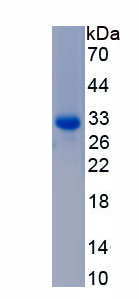
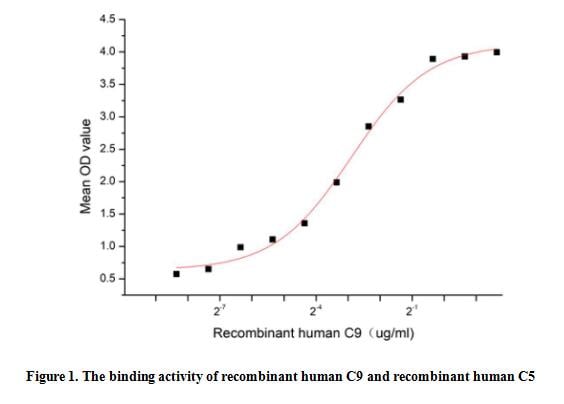
(Complement Component 9 (C9), a component of the Membrane attack Complex (MAC) plays a key role in the innate and adaptive immune response by forming pores in the plasma membrane of target cells. During MAC assembly, multiple copies of C9 are sequentially recruited to membrane associated C5b8 to form a pore. Thus a functional binding ELISA assay was conducted to detect the interaction of recombinant human C9 and recombinant human C5. Briefly, biotin-linked C9 were diluted serially in PBS, with 0.01% BSA (pH 7.4). Duplicate samples of 100 ul were then transferred to C5-coated microtiter wells and incubated for 1h at 37 degree C. Wells were washed with PBST 3 times and incubation with Streptavidin-HRP for 30min, then wells were aspirated and washed 5 times. With the addition of substrate solution, wells were incubated 15-25 minutes at 37 degree C. Finally, add 50 ul stop solution to the wells and read at 450 nm immediately. The binding activity of recombinant human C9 and recombinant human C5 was shown in Figure 1, the EC50 for this effect is 0.13 ug/mL.)
Bioactivity
(Complement Component 9 (C9), a component of the Membrane attack Complex (MAC) plays a key role in the innate and adaptive immune response by forming pores in the plasma membrane of target cells. During MAC assembly, multiple copies of C9 are sequentially recruited to membrane associated C5b8 to form a pore. Thus a functional binding ELISA assay was conducted to detect the interaction of recombinant human C9 and recombinant human C5. Briefly, biotin-linked C9 were diluted serially in PBS, with 0.01% BSA (pH 7.4). Duplicate samples of 100 ul were then transferred to C5-coated microtiter wells and incubated for 1h at 37 degree C. Wells were washed with PBST 3 times and incubation with Streptavidin-HRP for 30min, then wells were aspirated and washed 5 times. With the addition of substrate solution, wells were incubated 15-25 minutes at 37 degree C. Finally, add 50 ul stop solution to the wells and read at 450 nm immediately. The binding activity of recombinant human C9 and recombinant human C5 was shown in Figure 1, the EC50 for this effect is 0.13 ug/mL.)
Complement Component 9 (C9), Active Protein (Cat# AAA161862)
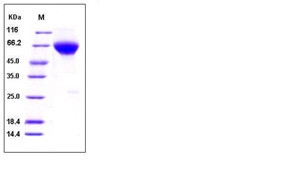
 Application Data
(Measured by its binding ability in a functional ELISA. Immobilized human BMPR-II-Fc at 10 ug/mL (100 ul/well) can bind biotinylated human BMP2-Fc, The EC50 of biotinylated human BMP2-Fc is 80-110 ng/mL.)
Application Data
(Measured by its binding ability in a functional ELISA. Immobilized human BMPR-II-Fc at 10 ug/mL (100 ul/well) can bind biotinylated human BMP2-Fc, The EC50 of biotinylated human BMP2-Fc is 80-110 ng/mL.)
BMPR2, Active Protein (Cat# AAA257894)
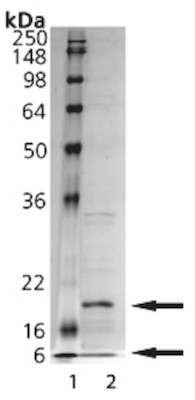 SDS-PAGE
(SDS-PAGE Analysis - Lane 1: MW Marker, Lane 2: 1 ug Caspase-6.)
SDS-PAGE
(SDS-PAGE Analysis - Lane 1: MW Marker, Lane 2: 1 ug Caspase-6.)
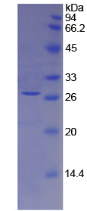
Caspase-6, Active Protein (Cat# AAA77044)
 Application Data
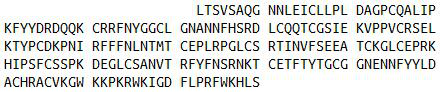
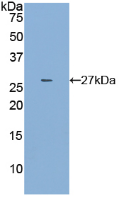
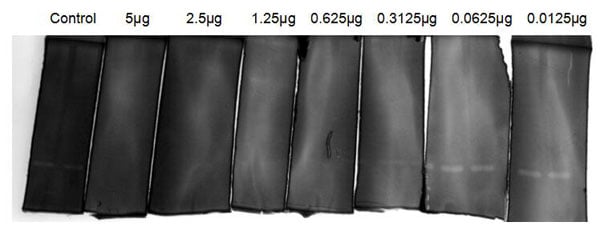
(Tissue Factor Pathway Inhibitor 2 (TFPI2) takes part in the regulation of plasmin-mediated matrix remodeling. Inhibits trypsin, plasmin, factor VIIa/tissue factor and weakly factor Xa. TFPI2 doesn’t have any influence on thrombin. TFPI2 also can inhibit MMP activity, which can hydrolyze gelatin under certain conditions. Thus, the activity of TFPI2 can be measured by inhibit MMP-2 hydrolyze gelatin. Gelatin zymography is mainly used for the detection of the gelatinases, 2g/mL was denatured by SDS loading buffer, electrophoresed through sodium dodecylsulphate–polyacrylamide gel (SDS–PAGE; 8% gels) containing gelatin (1mg/mL) with nonreducing conditions. After renaturation, incubate with various concentrations of recombinant mouse TFPI2, then staining with coomassie brilliant blue G250, active MMP-2 would hydrolyze gelatin nearby, which was indicated by the white binds on the gel; if the activity of MMP-2 inhibit by TFPI2, there was none white binds on the gel.The result was shown in figure 1.As the figure 1 shown, MMP-2 can be inhibited by recombinant mouse TFPI2 at least 2.5g/mL.)
Application Data
(Tissue Factor Pathway Inhibitor 2 (TFPI2) takes part in the regulation of plasmin-mediated matrix remodeling. Inhibits trypsin, plasmin, factor VIIa/tissue factor and weakly factor Xa. TFPI2 doesn’t have any influence on thrombin. TFPI2 also can inhibit MMP activity, which can hydrolyze gelatin under certain conditions. Thus, the activity of TFPI2 can be measured by inhibit MMP-2 hydrolyze gelatin. Gelatin zymography is mainly used for the detection of the gelatinases, 2g/mL was denatured by SDS loading buffer, electrophoresed through sodium dodecylsulphate–polyacrylamide gel (SDS–PAGE; 8% gels) containing gelatin (1mg/mL) with nonreducing conditions. After renaturation, incubate with various concentrations of recombinant mouse TFPI2, then staining with coomassie brilliant blue G250, active MMP-2 would hydrolyze gelatin nearby, which was indicated by the white binds on the gel; if the activity of MMP-2 inhibit by TFPI2, there was none white binds on the gel.The result was shown in figure 1.As the figure 1 shown, MMP-2 can be inhibited by recombinant mouse TFPI2 at least 2.5g/mL.)
Tissue Factor Pathway Inhibitor 2, Active Protein (Cat# AAA150120)
 Application Data
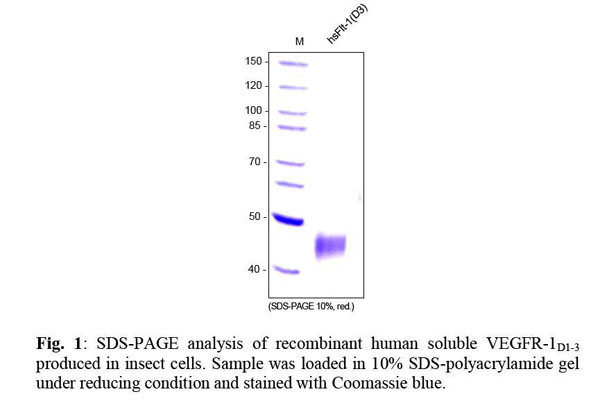
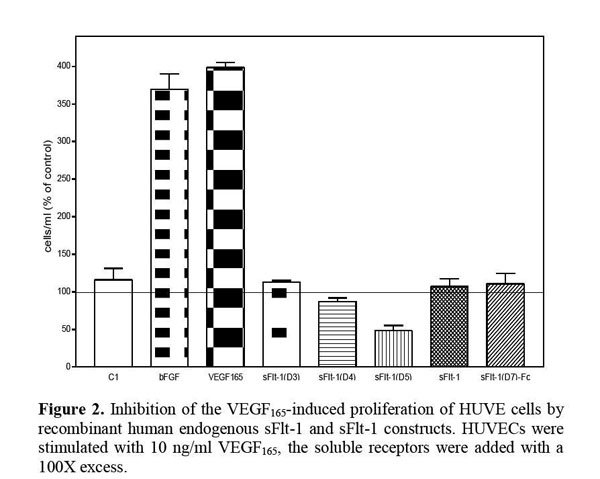
VEGFR-1/Flt-1 (D3), soluble, Active Protein (Cat# AAA79257)
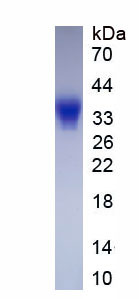
 Bioactivity
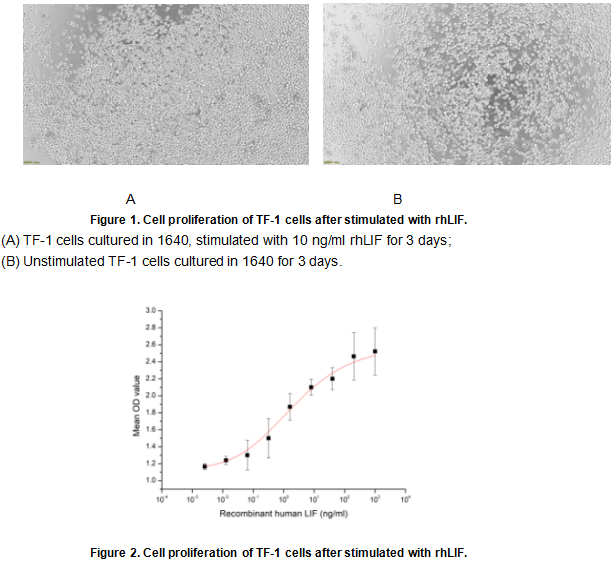
(Leukemia inhibitory factor (LIF), is an interleukin 6 class cytokine that affects cell growth by inhibiting differentiation. LIF as a cytokine also has another fuction including: the growth promotion and cell differentiation of different types of target cells, influence on bone metabolism, cachexia, neural development, embryogenesis and inflammation. The activity of LIF is usually measured by a cell proliferation assay using TF-1 cells. TF-1 cells were seeded into triplicate wells of 96-well plates at a density of 20000 cells/well with 10% serum standard 1640 which contains various concentrations of recombinant human LIF. After incubated for 3 days, cells were observed by inverted microscope and cell proliferation was measured by Cell Counting Kit-8 (CCK-8). Briefly, 10 ul of CCK-8 solution was added to each well of the plate, then the absorbance at 450 nm was measured using a microplate reader after incubating the plate for 2-4 hours at 37 degree C. Proliferation of TF-1 cells after incubation with LIF for 3 days observed by inverted microscope was shown in Figure 1. Cell viability was assessed by CCK-8 (Cell Counting Kit-8) assay after incubation with rhLIF for 3 days. The result was shown in Figure 2. It was obvious that rhLIF significantly increased cell viability of TF-1 cells. The ED50 is 1.86 ng/ml.)
Bioactivity
(Leukemia inhibitory factor (LIF), is an interleukin 6 class cytokine that affects cell growth by inhibiting differentiation. LIF as a cytokine also has another fuction including: the growth promotion and cell differentiation of different types of target cells, influence on bone metabolism, cachexia, neural development, embryogenesis and inflammation. The activity of LIF is usually measured by a cell proliferation assay using TF-1 cells. TF-1 cells were seeded into triplicate wells of 96-well plates at a density of 20000 cells/well with 10% serum standard 1640 which contains various concentrations of recombinant human LIF. After incubated for 3 days, cells were observed by inverted microscope and cell proliferation was measured by Cell Counting Kit-8 (CCK-8). Briefly, 10 ul of CCK-8 solution was added to each well of the plate, then the absorbance at 450 nm was measured using a microplate reader after incubating the plate for 2-4 hours at 37 degree C. Proliferation of TF-1 cells after incubation with LIF for 3 days observed by inverted microscope was shown in Figure 1. Cell viability was assessed by CCK-8 (Cell Counting Kit-8) assay after incubation with rhLIF for 3 days. The result was shown in Figure 2. It was obvious that rhLIF significantly increased cell viability of TF-1 cells. The ED50 is 1.86 ng/ml.)
Leukemia Inhibitory Factor (LIF), Active Protein (Cat# AAA161682)
 Application Data
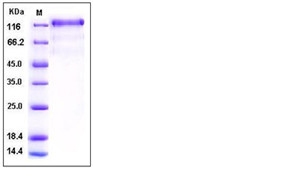
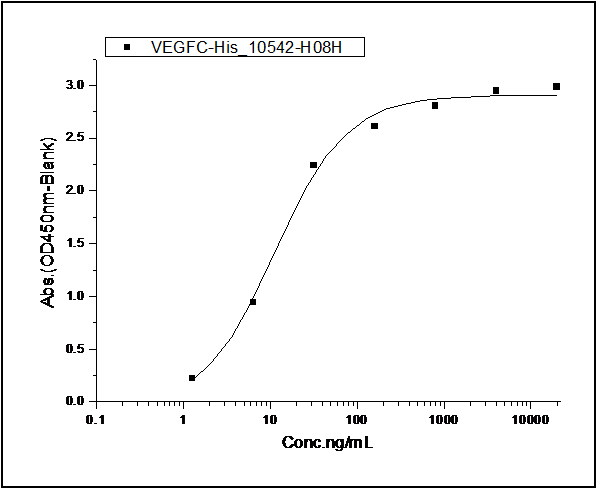
(Measured by its binding ability in a functional ELISA. Immobilized human VEGF-C at 10 ug/mL (100 ul/well) can bind human VEGFR3-his. The EC50 of human VEGFR3-his is 0.011 ug/mL.)
Application Data
(Measured by its binding ability in a functional ELISA. Immobilized human VEGF-C at 10 ug/mL (100 ul/well) can bind human VEGFR3-his. The EC50 of human VEGFR3-his is 0.011 ug/mL.)
VEGFR3/FLT4, Active Protein (Cat# AAA257930)
 Application Data
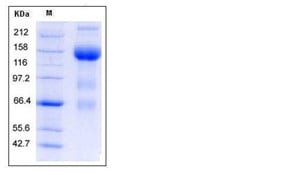
(Immobilized human VEGF-C at 10 ug/mL (100 uL/well) can bind mouse VEGFR3-Fc. The EC50 of mouse VEGFR3-Fc is 0.008 ug/mL.)
Application Data
(Immobilized human VEGF-C at 10 ug/mL (100 uL/well) can bind mouse VEGFR3-Fc. The EC50 of mouse VEGFR3-Fc is 0.008 ug/mL.)
VEGFR3/FLT4, Active Protein (Cat# AAA258175)
 Bioactivity
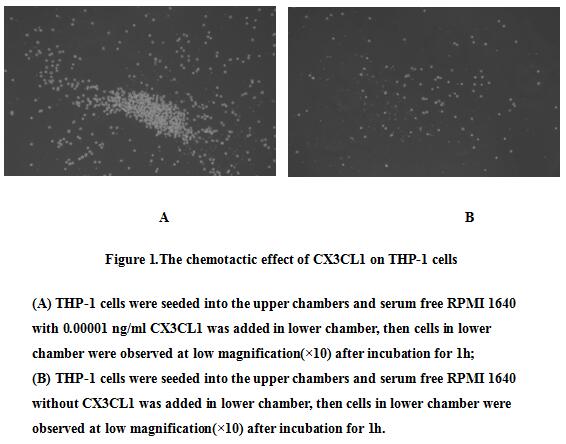
(Chemokine C-X3-C-Motif Ligand 1 (CX3CL1) also known as fractalkine is a large cytokine protein of 373 amino acids, it contains multiple domains and is the only known member of the CX3C chemokine family. Soluble CX3CL1 potently chemoattracts T cells and mo)
Bioactivity
(Chemokine C-X3-C-Motif Ligand 1 (CX3CL1) also known as fractalkine is a large cytokine protein of 373 amino acids, it contains multiple domains and is the only known member of the CX3C chemokine family. Soluble CX3CL1 potently chemoattracts T cells and mo)
Chemokine C-X3-C-Motif Ligand 1 (CX3CL1), Active Protein (Cat# AAA152958)
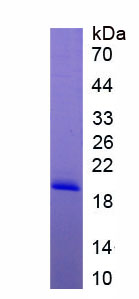
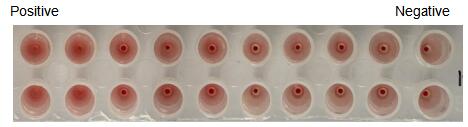 Bioactivity
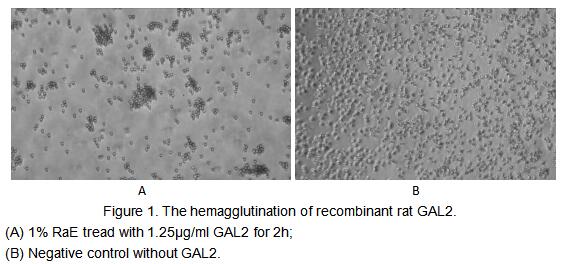
(Figure 2. The hemagglutination assay of GAL2 in V- bottom shaped 96-well microtiter plate.)
Bioactivity
(Figure 2. The hemagglutination assay of GAL2 in V- bottom shaped 96-well microtiter plate.)
Galectin 2 (GAL2), Active Protein (Cat# AAA153014)
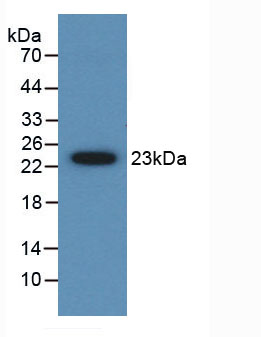
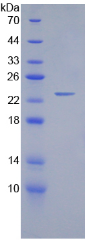
 Application Data
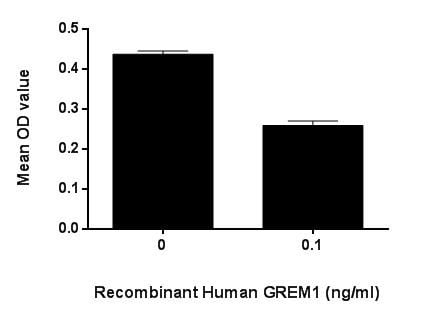
(Figure. Inhibition of 3T3 cell proliferation after stimulated with GREM1.)
Application Data
(Figure. Inhibition of 3T3 cell proliferation after stimulated with GREM1.)
Gremlin 1, Active Protein (Cat# AAA150126)
 SDS-PAGE
DAPK1 / DAP Kinase 1, Active Protein (Cat# AAA173507)
 SDS-PAGE
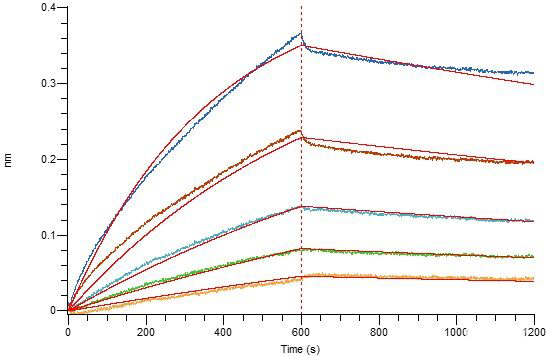
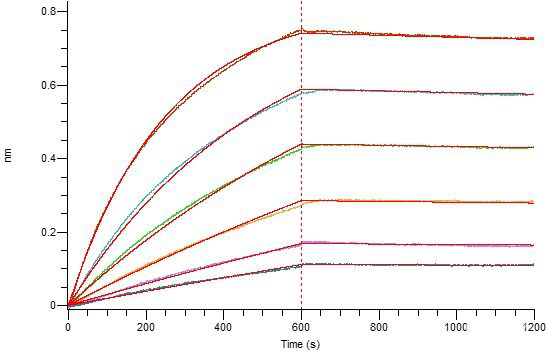
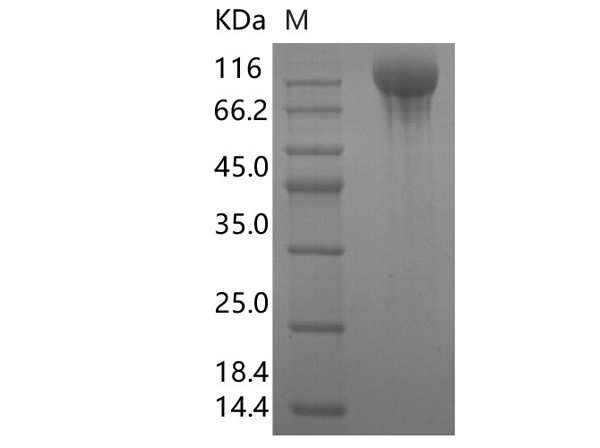
(Recombinant SARS-CoV-2 S1+S2 trimer Protein (C-His Tag)(Omicron))
SDS-PAGE
(Recombinant SARS-CoV-2 S1+S2 trimer Protein (C-His Tag)(Omicron))
COVID 19 Spike S1+S2 trimer Coronavirus, Active Protein (Cat# AAA177998)
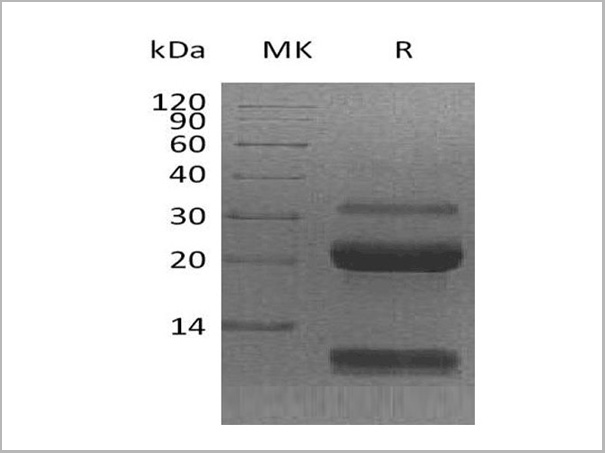 SDS-PAGE
Kallikrein 6, Active Protein (Cat# AAA22126)
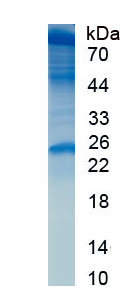
 Bioactivity
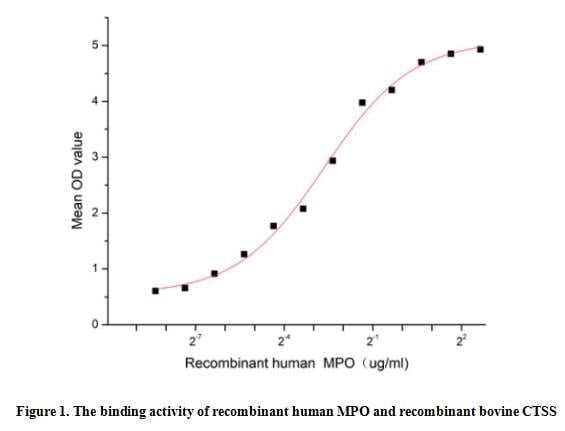
(Myeloperoxidase (MPO), a member of the XPO subfamily of peroxidases, is a 150 kDa heme protein produced mostly from polymorphonuclear neutrophils and monocytes. MPO is a part of the host defense system of polymorphonuclear leukocytes. It is responsible for microbicidal activity against a wide range of organisms. In the stimulated PMN, MPO catalyzes the production of hypohalous acids, primarily hypochlorous acid in physiologic situations, and other toxic intermediates that greatly enhance PMN microbicidal activity. Cathepsin S (CTSS) is one of targets of MPO, thus a functional binding ELISA assay was conducted to detect the interaction of recombinant human MPO and recombinant bovine CTSS. Briefly, biotin-linked MPO were diluted serially in PBS, with 0.01% BSA (pH 7.4). Duplicate samples of 100 ul were then transferred to CTSS-coated microtiter wells and incubated for 1h at 37 degree C. Wells were washed with PBST 3 times and incubation with Streptavidin-HRP for 30min, then wells were aspirated and washed 5 times. With the addition of substrate solution, wells were incubated 15-25 minutes at 37 degree C. Finally, add 50 ul stop solution to the wells and read at 450 nm immediately. The binding activity of recombinant human MPO and recombinant bovine CTSS was shown in Figure 1, the EC50 for this effect is 0.16 ug/mL.)
Bioactivity
(Myeloperoxidase (MPO), a member of the XPO subfamily of peroxidases, is a 150 kDa heme protein produced mostly from polymorphonuclear neutrophils and monocytes. MPO is a part of the host defense system of polymorphonuclear leukocytes. It is responsible for microbicidal activity against a wide range of organisms. In the stimulated PMN, MPO catalyzes the production of hypohalous acids, primarily hypochlorous acid in physiologic situations, and other toxic intermediates that greatly enhance PMN microbicidal activity. Cathepsin S (CTSS) is one of targets of MPO, thus a functional binding ELISA assay was conducted to detect the interaction of recombinant human MPO and recombinant bovine CTSS. Briefly, biotin-linked MPO were diluted serially in PBS, with 0.01% BSA (pH 7.4). Duplicate samples of 100 ul were then transferred to CTSS-coated microtiter wells and incubated for 1h at 37 degree C. Wells were washed with PBST 3 times and incubation with Streptavidin-HRP for 30min, then wells were aspirated and washed 5 times. With the addition of substrate solution, wells were incubated 15-25 minutes at 37 degree C. Finally, add 50 ul stop solution to the wells and read at 450 nm immediately. The binding activity of recombinant human MPO and recombinant bovine CTSS was shown in Figure 1, the EC50 for this effect is 0.16 ug/mL.)
Myeloperoxidase (MPO), Active Protein (Cat# AAA161752)
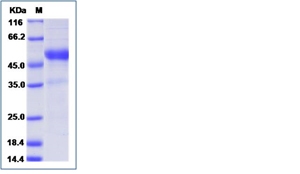
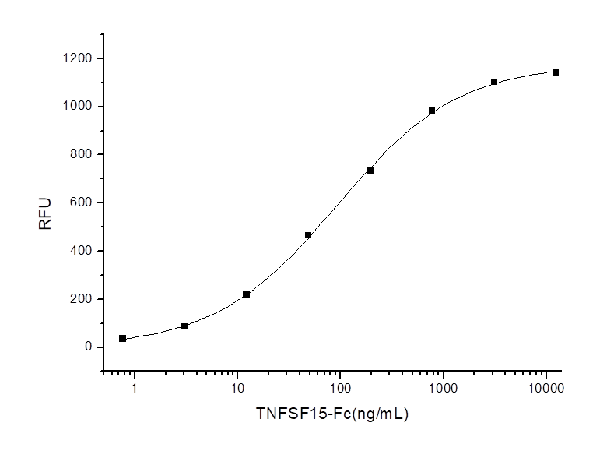 Application Data
(Measured by its ability to induce apoptosis of TF1 human erythroleukemic cells.The ED50 for this effect is typically 20-120 ng/mL.)
Application Data
(Measured by its ability to induce apoptosis of TF1 human erythroleukemic cells.The ED50 for this effect is typically 20-120 ng/mL.)
TL1A, Active Protein (Cat# AAA258057)
 Application Data
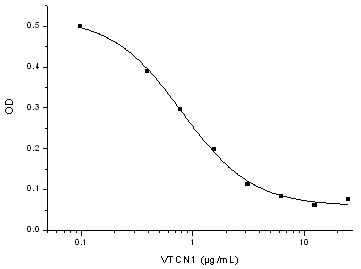
(Measured by its ability to inhibit IL-2 secretion in human T lymphocytes induced by anti-CD3 antibody and anti-CD28 antibody. The ED50 for this effect is 0.7-3.5 ug/mL.)
Application Data
(Measured by its ability to inhibit IL-2 secretion in human T lymphocytes induced by anti-CD3 antibody and anti-CD28 antibody. The ED50 for this effect is 0.7-3.5 ug/mL.)
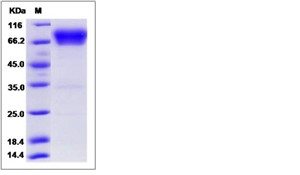
B7-H4, Active Protein (Cat# AAA257923)
Jagged-1:Fc, Active Protein (Cat# AAA14750)

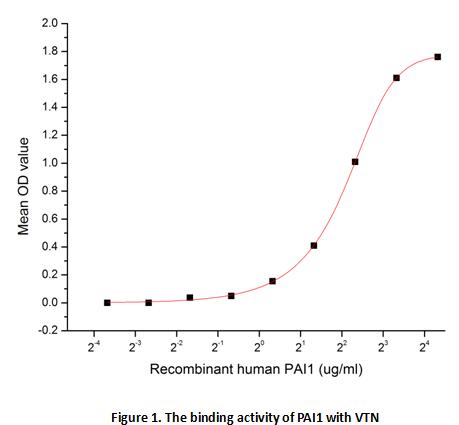 Bioactivity
(Plasminogen Activator Inhibitor 1 (PAI1) is a member of the Serpin superfamily of serine protease inhibitors, Serpin E1/PAI 1 is the principal inhibitor of urokinase type plasminogen activator (uPA) and tissue type PA. As important regulators of extracell)
Bioactivity
(Plasminogen Activator Inhibitor 1 (PAI1) is a member of the Serpin superfamily of serine protease inhibitors, Serpin E1/PAI 1 is the principal inhibitor of urokinase type plasminogen activator (uPA) and tissue type PA. As important regulators of extracell)
Plasminogen Activator Inhibitor 1 (PAI1), Active Protein (Cat# AAA153037)
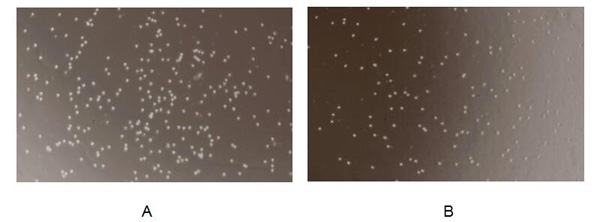
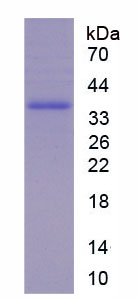 SDS-PAGE
Chemokine C-X3-C-Motif Ligand 1 (CX3CL1), Active Protein (Cat# AAA149224)
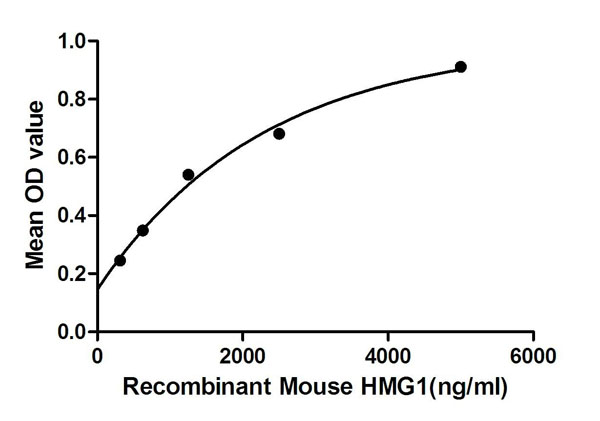
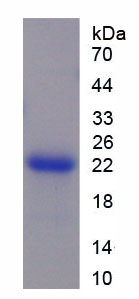 SDS-PAGE
High Mobility Group Protein 1 (HMGB1), Active Protein (Cat# AAA149232)
 Bioactivity
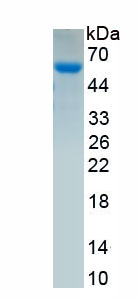
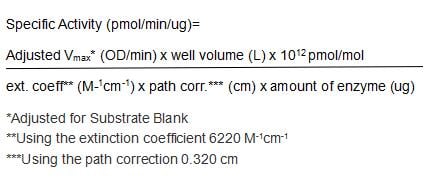
(Glucose-6-phosphate dehydrogenase (G6PD) converts D-glucose 6-phosphate (G6P) into 6-phosphoglucono-delta-lactone and generate co-enzyme nicotinamide adenine dinucleotide phosphate (NADPH). G6PD is the rate-limiting enzyme of the pentose phosphate pathway that supplies reducing energy to cells by maintaining the level of NADPH, which in turn maintains the level of glutathione in these cells that helps protect the red blood cells against oxidative damage from compounds like hydrogen peroxide. More importantly, NADPH is used for biosynthesis of fatty acids or isoprenoids. G6PD is generally found as a dimer of two identical monomers. Depending on conditions, such as pH, these dimers can themselves dimerize to form tetramers. Each monomer in the complex has a substrate binding site that binds to G6P, and a catalytic coenzyme binding site that binds to NADP /NADPH using the Rossman fold. Its activity is stimulated by the substrate G6P and NADP. The activity of recombinant human G6PD was measured by its ability to dehydrogenate glucose-6-phosphate. The reaction was performed in 25 mM Tris, 50 mM NaCl, 10 mM MgCl2, pH 8.0 (Assay Buffer), initiated by addition 50 uL of various concentrations of G6PD (diluted by Assay Buffer) to 50 ul substrate mixture consists of 1 mM NADP and 1 mM G6P. The final well serves as a negative control with no G6PD, replaced with 50 uL assay buffer. Then read at a wavelength of 340 nm in kinetic mode for 5 minutes. The specific activity of recombinant human G6PD is >280 pmol/min/ug.)
Bioactivity
(Glucose-6-phosphate dehydrogenase (G6PD) converts D-glucose 6-phosphate (G6P) into 6-phosphoglucono-delta-lactone and generate co-enzyme nicotinamide adenine dinucleotide phosphate (NADPH). G6PD is the rate-limiting enzyme of the pentose phosphate pathway that supplies reducing energy to cells by maintaining the level of NADPH, which in turn maintains the level of glutathione in these cells that helps protect the red blood cells against oxidative damage from compounds like hydrogen peroxide. More importantly, NADPH is used for biosynthesis of fatty acids or isoprenoids. G6PD is generally found as a dimer of two identical monomers. Depending on conditions, such as pH, these dimers can themselves dimerize to form tetramers. Each monomer in the complex has a substrate binding site that binds to G6P, and a catalytic coenzyme binding site that binds to NADP /NADPH using the Rossman fold. Its activity is stimulated by the substrate G6P and NADP. The activity of recombinant human G6PD was measured by its ability to dehydrogenate glucose-6-phosphate. The reaction was performed in 25 mM Tris, 50 mM NaCl, 10 mM MgCl2, pH 8.0 (Assay Buffer), initiated by addition 50 uL of various concentrations of G6PD (diluted by Assay Buffer) to 50 ul substrate mixture consists of 1 mM NADP and 1 mM G6P. The final well serves as a negative control with no G6PD, replaced with 50 uL assay buffer. Then read at a wavelength of 340 nm in kinetic mode for 5 minutes. The specific activity of recombinant human G6PD is >280 pmol/min/ug.)
Glucose-6-phosphate Dehydrogenase (G6PD), Active Protein (Cat# AAA161771)
 Bioactivity
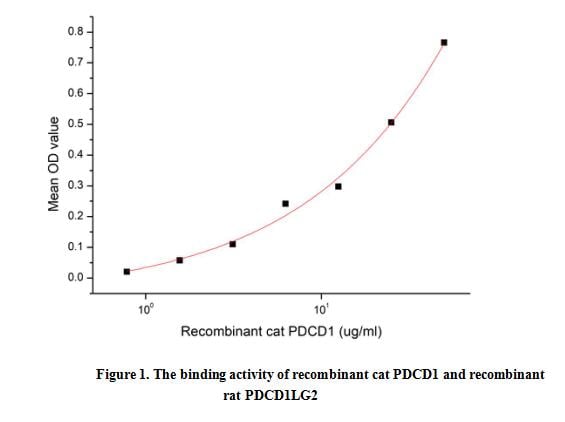
(PD-1 (Programmed Death-1 receptor), also known as CD279, is a receptor expressed on T cells responsible for modulating T cell activation. Like CTLA4, PD-1 is classified as an immune checkpoint inhibitory receptor. When PD-1 protein binds to PD-L1, it initiates a negative signaling cascade inhibiting activation of T cells. The cytoplasmic tail contains two tyrosine residues that form the immunoreceptor tyrosine-based inhibitory motif (ITIM) and immunoreceptor tyrosine-based switch motif (ITSM) that are important for mediating PD-1 signaling. Normally, PD-1 helps keep T cells from attacking other cells in the body. However, many cancers take advantage of this by expressing high amounts of PD-L1 allowing cancer cells to evade the body's own immune response. Blocking the PD-1:PD-L1 interaction has proven successful in treating many different cancer types. A functional binding ELISA assay was conducted to detect the interaction of recombinant cat PDCD1 and recombinant rat PDCD1LG2. Briefly, biotin-linked PDCD1 were diluted serially in PBS, with 0.01% BSA (pH 7.4). Duplicate samples of 100 ul were then transferred to PDCD1LG2-coated microtiter wells and incubated for 1h at 37 degree C. Wells were washed with PBST 3 times and incubation with Streptavidin-HRP for 30min, then wells were aspirated and washed 5 times. With the addition of substrate solution, wells were incubated 15-25 minutes at 37 degree C. Finally, add 50 ul stop solution to the wells and read at 450 nm immediately. The binding activity of PDCD1 and PDCD1LG2 was shown in Figure 1, and this effect was in a dose dependent manner.)
Bioactivity
(PD-1 (Programmed Death-1 receptor), also known as CD279, is a receptor expressed on T cells responsible for modulating T cell activation. Like CTLA4, PD-1 is classified as an immune checkpoint inhibitory receptor. When PD-1 protein binds to PD-L1, it initiates a negative signaling cascade inhibiting activation of T cells. The cytoplasmic tail contains two tyrosine residues that form the immunoreceptor tyrosine-based inhibitory motif (ITIM) and immunoreceptor tyrosine-based switch motif (ITSM) that are important for mediating PD-1 signaling. Normally, PD-1 helps keep T cells from attacking other cells in the body. However, many cancers take advantage of this by expressing high amounts of PD-L1 allowing cancer cells to evade the body's own immune response. Blocking the PD-1:PD-L1 interaction has proven successful in treating many different cancer types. A functional binding ELISA assay was conducted to detect the interaction of recombinant cat PDCD1 and recombinant rat PDCD1LG2. Briefly, biotin-linked PDCD1 were diluted serially in PBS, with 0.01% BSA (pH 7.4). Duplicate samples of 100 ul were then transferred to PDCD1LG2-coated microtiter wells and incubated for 1h at 37 degree C. Wells were washed with PBST 3 times and incubation with Streptavidin-HRP for 30min, then wells were aspirated and washed 5 times. With the addition of substrate solution, wells were incubated 15-25 minutes at 37 degree C. Finally, add 50 ul stop solution to the wells and read at 450 nm immediately. The binding activity of PDCD1 and PDCD1LG2 was shown in Figure 1, and this effect was in a dose dependent manner.)
Programmed Cell Death Protein 1 (PD1), Active Protein (Cat# AAA161773)
 Bioactivity
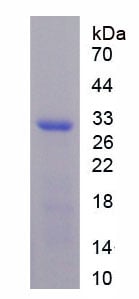
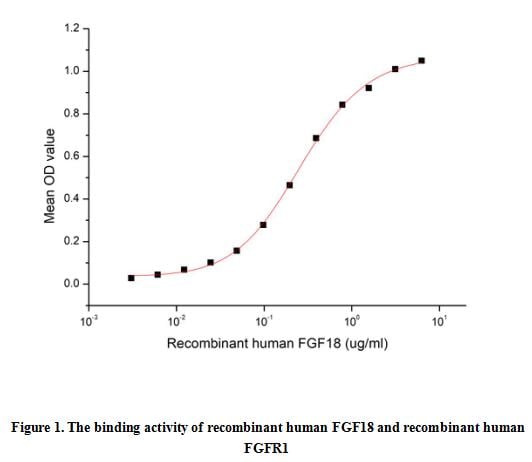
(Fibroblast Growth Factor 18 (FGF-18) is a 20 kDa protein that plays an important role in skeletal development and bone homeostasis. It is expressed in embryonic somites and the neural fold, adult lung, cerebellar and hippocampal neurons. FGF-18 binds to FGF R2c, FGF R3c as well as the Golgi protein GLG1 and induces the proliferation of astrocytes and microglia, vascular endothelial cells, dermal fibroblasts, papilla cells, and keratinocytes. FGF-18 is required for normal skeletal development. A functional binding ELISA assay was conducted to detect the interaction of recombinant human FGF18 and recombinant human FGFR1. Briefly, FGF18 was diluted serially in PBS with 0.01% BSA (pH 7.4). Duplicate samples of 100 ul were then transferred to FGFR1-coated microtiter wells and incubated for 1h at 37 degree C. Wells were washed with PBST and incubated for 1h with anti-FGF18 pAb, then aspirated and washed 3 times. After incubation with HRP labelled secondary antibody for 1h at 37 degree C, wells were aspirated and washed 5 times. With the addition of substrate solution, wells were incubated 15-25 minutes at 37 degree C. Finally, add 50 uL stop solution to the wells and read at 450/630nm immediately. The binding activity of recombinant human FGF18 and recombinant human FGFR1 was shown in Figure 1, the EC50 for this effect is 0.26 ug/mL.)
Bioactivity
(Fibroblast Growth Factor 18 (FGF-18) is a 20 kDa protein that plays an important role in skeletal development and bone homeostasis. It is expressed in embryonic somites and the neural fold, adult lung, cerebellar and hippocampal neurons. FGF-18 binds to FGF R2c, FGF R3c as well as the Golgi protein GLG1 and induces the proliferation of astrocytes and microglia, vascular endothelial cells, dermal fibroblasts, papilla cells, and keratinocytes. FGF-18 is required for normal skeletal development. A functional binding ELISA assay was conducted to detect the interaction of recombinant human FGF18 and recombinant human FGFR1. Briefly, FGF18 was diluted serially in PBS with 0.01% BSA (pH 7.4). Duplicate samples of 100 ul were then transferred to FGFR1-coated microtiter wells and incubated for 1h at 37 degree C. Wells were washed with PBST and incubated for 1h with anti-FGF18 pAb, then aspirated and washed 3 times. After incubation with HRP labelled secondary antibody for 1h at 37 degree C, wells were aspirated and washed 5 times. With the addition of substrate solution, wells were incubated 15-25 minutes at 37 degree C. Finally, add 50 uL stop solution to the wells and read at 450/630nm immediately. The binding activity of recombinant human FGF18 and recombinant human FGFR1 was shown in Figure 1, the EC50 for this effect is 0.26 ug/mL.)
Fibroblast Growth Factor 18 (FGF18), Active Protein (Cat# AAA161895)
 Bioactivity
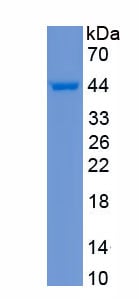
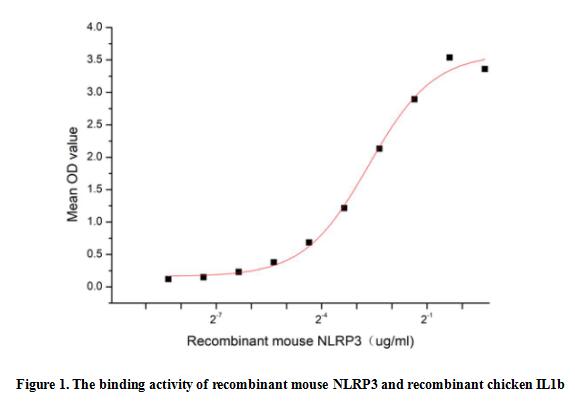
(NLR Family, Pyrin Domain Containing Protein 3 (NLRP3), also known as NALP3, CIAS1, PYPAF or Cryopyrin, is a cytosolic multiprotein complex composed of the innate immune receptor protein NLRP3, adapter protein ASC, and inflammatory protease caspase-1 that responds to microbial infection, endogenous danger signals, and environmental stimuli. Aberrant activation of the NLRP3 inflammasome is associated with the pathogenesis of various inflammatory diseases, such as diabetes, cancer, and Alzheimer's disease. Interleukin 1 Beta (IL1b) can interact with NLRP3, thus a functional binding ELISA assay was conducted to detect the interaction of recombinant mouse NLRP3 and recombinant chicken IL1b. Briefly, NLRP3 was diluted serially in PBS with 0.01% BSA (pH 7.4). Duplicate samples of 100 ul were then transferred to IL1b-coated microtiter wells and incubated for 1h at 37 degree C. Wells were washed with PBST and incubated for 1h with anti-NLRP3 pAb, then aspirated and washed 3 times. After incubation with HRP labelled secondary antibody for 1h at 37 degree C, wells were aspirated and washed 5 times. With the addition of substrate solution, wells were incubated 15-25 minutes at 37 degree C. Finally, add 50 uL stop solution to the wells and read at 450/630 nm immediately. The binding activity of recombinant mouse NLRP3 and recombinant chicken IL1b was shown in Figure 1, the EC50 for this effect is 0.16 ug/mL.)
Bioactivity
(NLR Family, Pyrin Domain Containing Protein 3 (NLRP3), also known as NALP3, CIAS1, PYPAF or Cryopyrin, is a cytosolic multiprotein complex composed of the innate immune receptor protein NLRP3, adapter protein ASC, and inflammatory protease caspase-1 that responds to microbial infection, endogenous danger signals, and environmental stimuli. Aberrant activation of the NLRP3 inflammasome is associated with the pathogenesis of various inflammatory diseases, such as diabetes, cancer, and Alzheimer's disease. Interleukin 1 Beta (IL1b) can interact with NLRP3, thus a functional binding ELISA assay was conducted to detect the interaction of recombinant mouse NLRP3 and recombinant chicken IL1b. Briefly, NLRP3 was diluted serially in PBS with 0.01% BSA (pH 7.4). Duplicate samples of 100 ul were then transferred to IL1b-coated microtiter wells and incubated for 1h at 37 degree C. Wells were washed with PBST and incubated for 1h with anti-NLRP3 pAb, then aspirated and washed 3 times. After incubation with HRP labelled secondary antibody for 1h at 37 degree C, wells were aspirated and washed 5 times. With the addition of substrate solution, wells were incubated 15-25 minutes at 37 degree C. Finally, add 50 uL stop solution to the wells and read at 450/630 nm immediately. The binding activity of recombinant mouse NLRP3 and recombinant chicken IL1b was shown in Figure 1, the EC50 for this effect is 0.16 ug/mL.)
NLR Family, Pyrin Domain Containing Protein 3 (NLRP3), Active Protein (Cat# AAA161932)
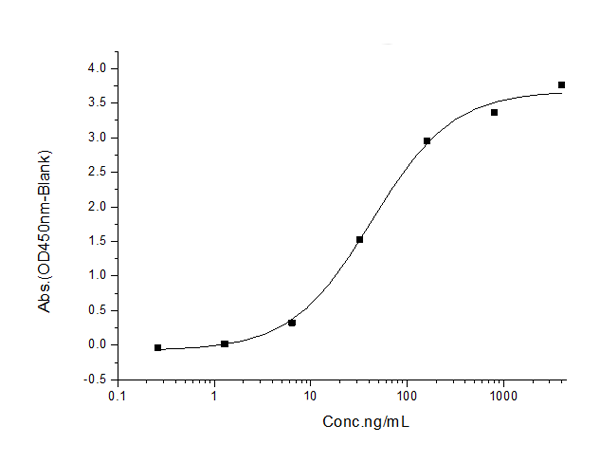
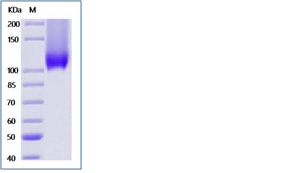 Application Data
Neuropilin-1, Active Protein (Cat# AAA258169)
 Bioactivity
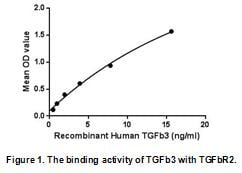
(Transforming growth factor beta-3 (TGFb3) is a type of protein, known as a cytokine, which is involved in cell differentiation, embryogenesis and development. It belongs to a large family of cytokines called the Transforming growth factor beta superfamily. TGFb3 is believed to regulate molecules involved in cellular adhesion and extracellular matrix (ECM) formation during the process of palate development. It also plays an essential role in controlling the development of lungs in mammals, by also regulating cell adhesion and ECM formation in this tissue, and controls wound healing by regulating the movements of epidermal and dermal cells in injured skin. Besides, Transforming Growth Factor Beta Receptor II (TGFbR2) has been identified as an interactor of TGFb3, thus a binding ELISA assay was conducted to detect the interaction of recombinant human TGFb3 and recombinant human TGFbR2. Briefly, TGFb3 were diluted serially in PBS, with 0.01% BSA (pH 7.4). Duplicate samples of 100uL were then transferred to TGFbR2-coated microtiter wells and incubated for 2h at 37 degree C. Wells were washed with PBST and incubated for 1h with anti-TGFb3 pAb, then aspirated and washed 3 times. After incubation with HRP labelled secondary antibody, wells were aspirated and washed 3 times. With the addition of substrate solution, wells were incubated 15-25 minutes at 37 degree C. Finally, add 50uL stop solution to the wells and read at 450nm immediately. The binding activity of TGFb3 and TGFbR2 was shown in Figure 1, and this effect was in a dose dependent manner.)
Bioactivity
(Transforming growth factor beta-3 (TGFb3) is a type of protein, known as a cytokine, which is involved in cell differentiation, embryogenesis and development. It belongs to a large family of cytokines called the Transforming growth factor beta superfamily. TGFb3 is believed to regulate molecules involved in cellular adhesion and extracellular matrix (ECM) formation during the process of palate development. It also plays an essential role in controlling the development of lungs in mammals, by also regulating cell adhesion and ECM formation in this tissue, and controls wound healing by regulating the movements of epidermal and dermal cells in injured skin. Besides, Transforming Growth Factor Beta Receptor II (TGFbR2) has been identified as an interactor of TGFb3, thus a binding ELISA assay was conducted to detect the interaction of recombinant human TGFb3 and recombinant human TGFbR2. Briefly, TGFb3 were diluted serially in PBS, with 0.01% BSA (pH 7.4). Duplicate samples of 100uL were then transferred to TGFbR2-coated microtiter wells and incubated for 2h at 37 degree C. Wells were washed with PBST and incubated for 1h with anti-TGFb3 pAb, then aspirated and washed 3 times. After incubation with HRP labelled secondary antibody, wells were aspirated and washed 3 times. With the addition of substrate solution, wells were incubated 15-25 minutes at 37 degree C. Finally, add 50uL stop solution to the wells and read at 450nm immediately. The binding activity of TGFb3 and TGFbR2 was shown in Figure 1, and this effect was in a dose dependent manner.)
Transforming Growth Factor Beta 3 (TGFb3), Active Protein (Cat# AAA152205)
 Bioactivity
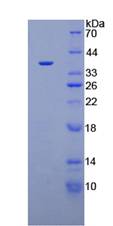
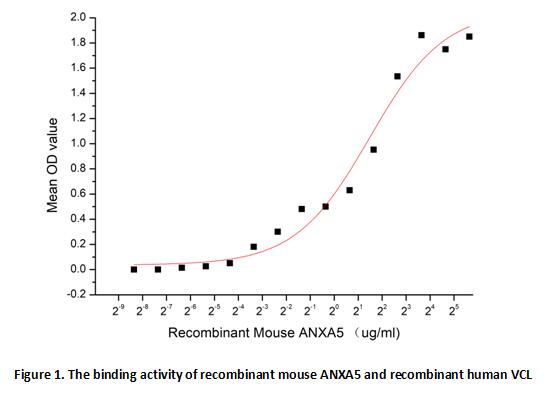
(Annexin V (ANXA5) is a multifunctional protein that is highly expressed on the apical surfaces of syncytiotrophoblasts, and plays an important role in haemostatic regulations, maintaining blood fluidity of the placenta. Lower ANXA5 levels have been observ)
Bioactivity
(Annexin V (ANXA5) is a multifunctional protein that is highly expressed on the apical surfaces of syncytiotrophoblasts, and plays an important role in haemostatic regulations, maintaining blood fluidity of the placenta. Lower ANXA5 levels have been observ)
Annexin V (ANXA5), Active Protein (Cat# AAA153011)
 Bioactivity
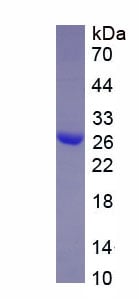
(Extracellular matrix metalloproteinase (MMP) inducer (EMMPRIN), also known as basigin and CD147, is a 4466 kDa, variably N and Oglycosylated, type I transmembrane protein that belongs to the immunoglobulin superfamily. Human EMMPRIN is 269 amino acids (aa)
Bioactivity
(Extracellular matrix metalloproteinase (MMP) inducer (EMMPRIN), also known as basigin and CD147, is a 4466 kDa, variably N and Oglycosylated, type I transmembrane protein that belongs to the immunoglobulin superfamily. Human EMMPRIN is 269 amino acids (aa)
Cluster Of Differentiation 147 (CD147), Active Protein (Cat# AAA153095)
 WB (Western Blot)
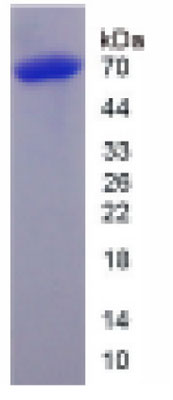
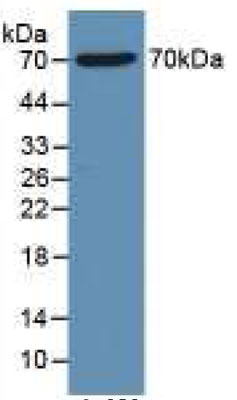
(Sample: Recombinant HDAC1, Human;Antibody: Rabbit Anti-Human HDAC1 Ab)
WB (Western Blot)
(Sample: Recombinant HDAC1, Human;Antibody: Rabbit Anti-Human HDAC1 Ab)
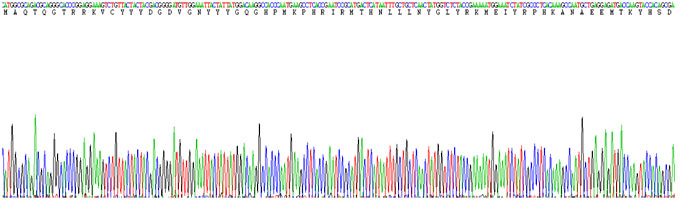
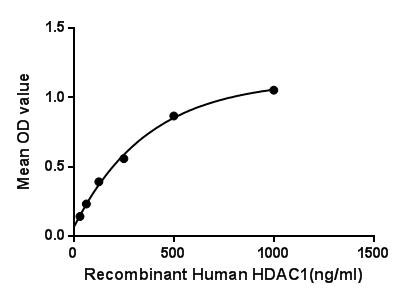
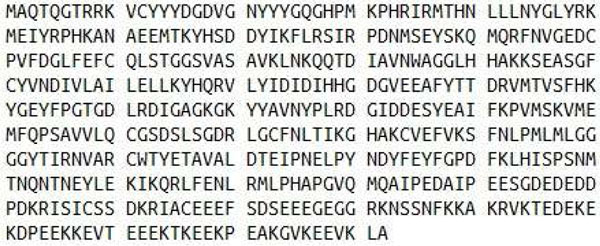
Histone Deacetylase 1 (HDAC1), Active Protein (Cat# AAA149259)

 WB (Western Blot)
(Figure 4. Western BlotSample: Recombinant MX1, Human;Antibody: Rabbit Anti-Human MX1 Ab)
WB (Western Blot)
(Figure 4. Western BlotSample: Recombinant MX1, Human;Antibody: Rabbit Anti-Human MX1 Ab)
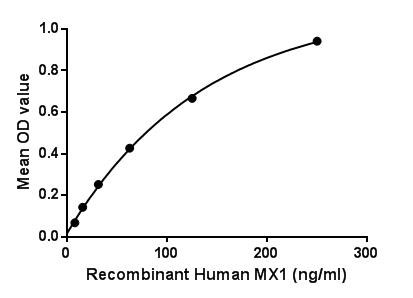
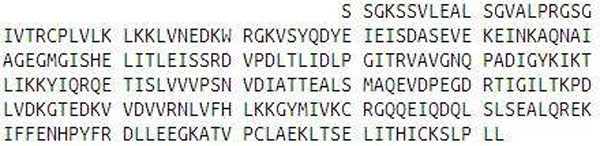
Myxovirus Resistance 1 (MX1), Active Protein (Cat# AAA149266)
 SDS-PAGE
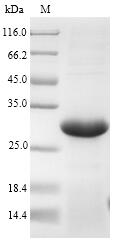
T-cell immunoreceptor with Ig and ITIM domains, Active Protein (Cat# AAA117496)
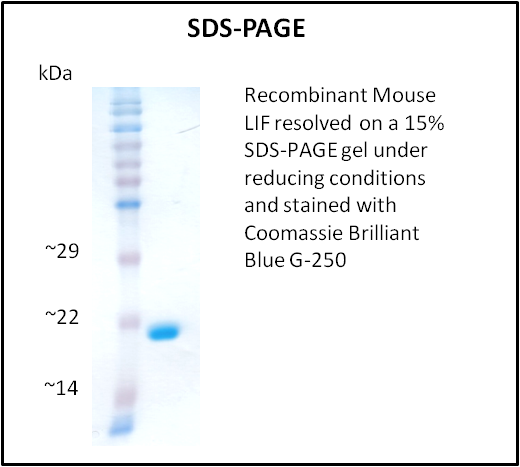
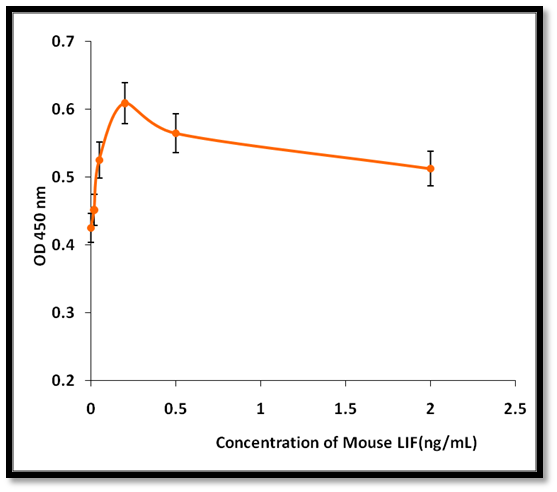 Application Data
LIF, Active Protein (Cat# AAA214320)
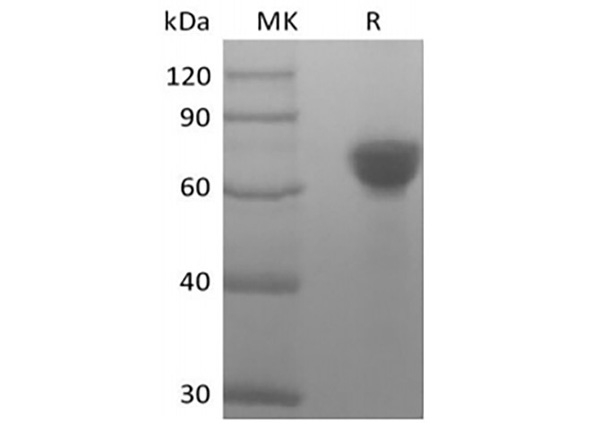
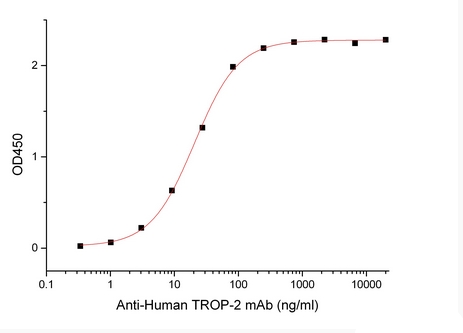 Bioactivity
Tumor-associated Calcium Signal Transducer 2/TROP-2, Active Protein (Cat# AAA177964)
 Bioactivity
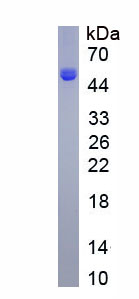
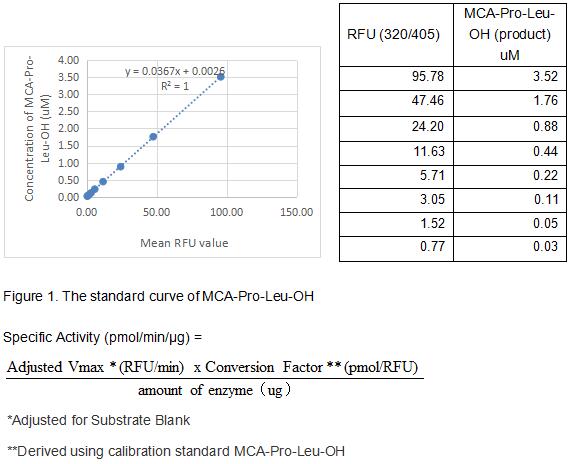
(Matrix metalloproteinases are a family of zinc and calcium dependent endopeptidases with the combined ability to degrade all the components of the extracellular matrix. MMP-3 (stromelysin-1), can degrade a broad range of substrates including collagen alpha chains, aggrecan, laminin, fibronectin, and elastin. MMP-3 does not cleave the triple helical region of interstitial collagens, a characteristic which distinguishes the stromelysins from the collagenases. MMP-3 is expressed by fibroblasts, chrondrocytes, osteoblasts, endothelial cells, smooth muscle cells and macrophages. Structurally, MMP-3 may be divided into several distinct domains; a pro-domain which is cleaved upon activation; a catalytic domain containing the zinc binding site; a short hinge region and a carboxyl terminal (hemopexin-like) domain. The activity of recombinant human MMP-3 is measured by its ability to cleave a fluorogenic peptide substrate Mca-Arg-Pro-Lys-Pro-Val-Glu-Nval-Trp-Arg-Lys(Dnp)-NH2 in the assay buffer 50 mM Tris, 10 mM CaCl2, 150 mM NaCl, 0.05% (w/v) Brij-35, pH 7.5. The rhMMP3 is diluted to 200 ug/ml in assay buffer, then activated with 5 ug/ml chymotrypsin at 37 degree C for 30min followed by adding 2 mM PMSF to stop activation. The activated rhMMP3 is diluted to 6.25 ug/mL in assay buffer. Loading into a black well plate 50 uL of 6.25 ug/mL rhMMP3 and start the reaction by adding 50 uL of 20 uM substrate, with a substrate blank containing 50 uL assay buffer, 50 uL substrate, and no rhMMP3. Then read at excitiation and emission wavelengths of 320 nm and 405 nm, respectively, in kinetic mode for 5 minutes. The specific activity of recombinant human MMP3 is > 90 pmol/min/ug.)
Bioactivity
(Matrix metalloproteinases are a family of zinc and calcium dependent endopeptidases with the combined ability to degrade all the components of the extracellular matrix. MMP-3 (stromelysin-1), can degrade a broad range of substrates including collagen alpha chains, aggrecan, laminin, fibronectin, and elastin. MMP-3 does not cleave the triple helical region of interstitial collagens, a characteristic which distinguishes the stromelysins from the collagenases. MMP-3 is expressed by fibroblasts, chrondrocytes, osteoblasts, endothelial cells, smooth muscle cells and macrophages. Structurally, MMP-3 may be divided into several distinct domains; a pro-domain which is cleaved upon activation; a catalytic domain containing the zinc binding site; a short hinge region and a carboxyl terminal (hemopexin-like) domain. The activity of recombinant human MMP-3 is measured by its ability to cleave a fluorogenic peptide substrate Mca-Arg-Pro-Lys-Pro-Val-Glu-Nval-Trp-Arg-Lys(Dnp)-NH2 in the assay buffer 50 mM Tris, 10 mM CaCl2, 150 mM NaCl, 0.05% (w/v) Brij-35, pH 7.5. The rhMMP3 is diluted to 200 ug/ml in assay buffer, then activated with 5 ug/ml chymotrypsin at 37 degree C for 30min followed by adding 2 mM PMSF to stop activation. The activated rhMMP3 is diluted to 6.25 ug/mL in assay buffer. Loading into a black well plate 50 uL of 6.25 ug/mL rhMMP3 and start the reaction by adding 50 uL of 20 uM substrate, with a substrate blank containing 50 uL assay buffer, 50 uL substrate, and no rhMMP3. Then read at excitiation and emission wavelengths of 320 nm and 405 nm, respectively, in kinetic mode for 5 minutes. The specific activity of recombinant human MMP3 is > 90 pmol/min/ug.)
Matrix Metalloproteinase 3 (MMP3), Active Protein (Cat# AAA161687)
 Bioactivity
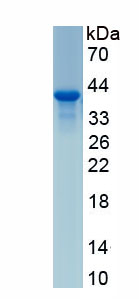
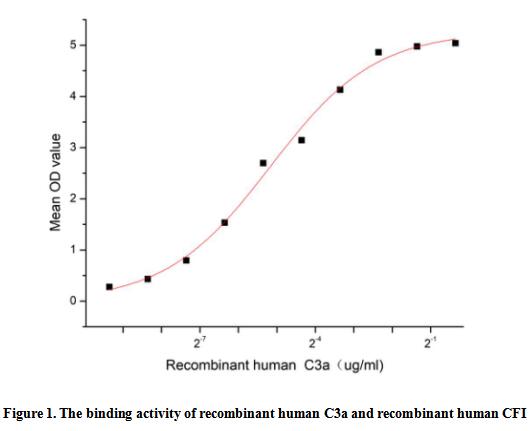
(Complement Component 3a (C3a) is a component of the complement system, this protein is also known as the C3a anaphylatoxin, modulates inflammation and possesses antimicrobial activity. It's been identified that C3A can interact with Complement Factor I (CFI), thus a functional binding ELISA assay was conducted to detect the interaction of recombinant human C3a and recombinant human CFI. Briefly, C3a was diluted serially in PBS with 0.01% BSA (pH 7.4). Duplicate samples of 100 ul were then transferred to CFI-coated microtiter wells and incubated for 1h at 37 degree C. Wells were washed with PBST and incubated for 1h with anti-C3a pAb, then aspirated and washed 3 times. After incubation with HRP labelled secondary antibody for 1h at 37 degree C, wells were aspirated and washed 5 times. With the addition of substrate solution, wells were incubated 15-25 minutes at 37 degree C. Finally, add 50 uL stop solution to the wells and read at 450/630 nm immediately. The binding activity of recombinant human C3a and recombinant human CFI was shown in Figure 1, the EC50 for this effect is 0.03 ug/mL.)
Bioactivity
(Complement Component 3a (C3a) is a component of the complement system, this protein is also known as the C3a anaphylatoxin, modulates inflammation and possesses antimicrobial activity. It's been identified that C3A can interact with Complement Factor I (CFI), thus a functional binding ELISA assay was conducted to detect the interaction of recombinant human C3a and recombinant human CFI. Briefly, C3a was diluted serially in PBS with 0.01% BSA (pH 7.4). Duplicate samples of 100 ul were then transferred to CFI-coated microtiter wells and incubated for 1h at 37 degree C. Wells were washed with PBST and incubated for 1h with anti-C3a pAb, then aspirated and washed 3 times. After incubation with HRP labelled secondary antibody for 1h at 37 degree C, wells were aspirated and washed 5 times. With the addition of substrate solution, wells were incubated 15-25 minutes at 37 degree C. Finally, add 50 uL stop solution to the wells and read at 450/630 nm immediately. The binding activity of recombinant human C3a and recombinant human CFI was shown in Figure 1, the EC50 for this effect is 0.03 ug/mL.)
Complement Component 3a (C3a), Active Protein (Cat# AAA161726)
 Bioactivity
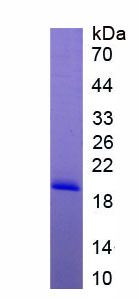
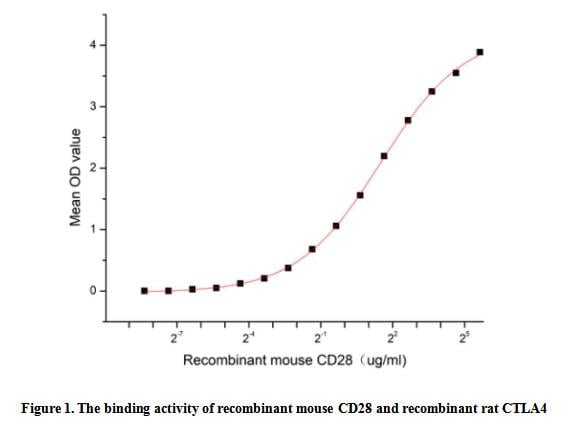
(The cluster of differentiation (CD) antigen CD28 is a central co-stimulatory molecule for TCR-mediated activation such as cytokine production and T-cell proliferation upon ligand binding and TCR stimulation. It is a member of the immunoglobulin subfamily, other members of the subfamily include ICOS, CTLA4, PD1, PD1H, TIGIT and BTLA. Cytotoxic T-Lymphocyte Associated Antigen 4 (CTLA4) and CD28 are highly homologous and compete for the same ligands, CTLA4 can also bind with CD28 to form a dimer. Thus a functional binding ELISA assay was conducted to detect the interaction of recombinant mouse CD28 and recombinant rat CTLA4. Briefly, rmCD28 was diluted serially in PBS with 0.01% BSA (pH 7.4). Duplicate samples of 100 ul were then transferred to CTLA4-coated microtiter wells and incubated for 1h at 37 degree C. Wells were washed with PBST and incubated for 1h with anti-CD28 pAb, then aspirated and washed 3 times. After incubation with HRP labelled secondary antibody for 1h at 37 degree C, wells were aspirated and washed 5 times. With the addition of substrate solution, wells were incubated 15-25 minutes at 37 degree C. Finally, add 50 uL stop solution to the wells and read at 450/630 nm immediately. The binding activity of recombinant mouse CD28 and recombinant rat CTLA4 was shown in Figure 1, the EC50 for this effect is 2.82 ug/mL.)
Bioactivity
(The cluster of differentiation (CD) antigen CD28 is a central co-stimulatory molecule for TCR-mediated activation such as cytokine production and T-cell proliferation upon ligand binding and TCR stimulation. It is a member of the immunoglobulin subfamily, other members of the subfamily include ICOS, CTLA4, PD1, PD1H, TIGIT and BTLA. Cytotoxic T-Lymphocyte Associated Antigen 4 (CTLA4) and CD28 are highly homologous and compete for the same ligands, CTLA4 can also bind with CD28 to form a dimer. Thus a functional binding ELISA assay was conducted to detect the interaction of recombinant mouse CD28 and recombinant rat CTLA4. Briefly, rmCD28 was diluted serially in PBS with 0.01% BSA (pH 7.4). Duplicate samples of 100 ul were then transferred to CTLA4-coated microtiter wells and incubated for 1h at 37 degree C. Wells were washed with PBST and incubated for 1h with anti-CD28 pAb, then aspirated and washed 3 times. After incubation with HRP labelled secondary antibody for 1h at 37 degree C, wells were aspirated and washed 5 times. With the addition of substrate solution, wells were incubated 15-25 minutes at 37 degree C. Finally, add 50 uL stop solution to the wells and read at 450/630 nm immediately. The binding activity of recombinant mouse CD28 and recombinant rat CTLA4 was shown in Figure 1, the EC50 for this effect is 2.82 ug/mL.)
Cluster Of Differentiation 28 (CD28), Active Protein (Cat# AAA161757)
 Application Data
Ephrin-A1, Active Protein (Cat# AAA257944)
 Application Data
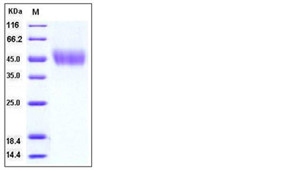
(Measured by its binding ability in a functional ELISA. Immobilized B7-1 Protein, Human, Recombinant (His Tag) at 2 ug/ml (100 ul/well) can bind CTLA-4 Protein, Human, Recombinant (His & hFc Tag). The EC50 of of CTLA-4 (His & hFc Tag) is 35-80 ng/ml.)
Application Data
(Measured by its binding ability in a functional ELISA. Immobilized B7-1 Protein, Human, Recombinant (His Tag) at 2 ug/ml (100 ul/well) can bind CTLA-4 Protein, Human, Recombinant (His & hFc Tag). The EC50 of of CTLA-4 (His & hFc Tag) is 35-80 ng/ml.)
B7-1, Active Protein (Cat# AAA257916)
 Bioactivity
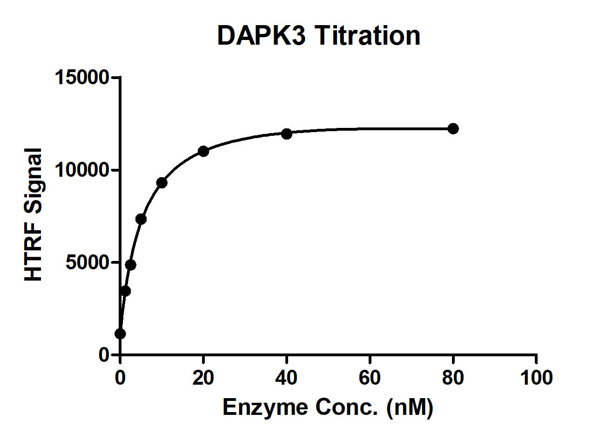
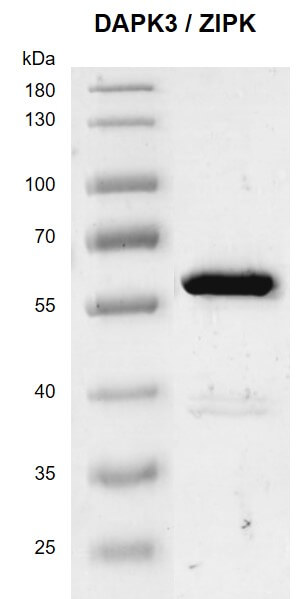
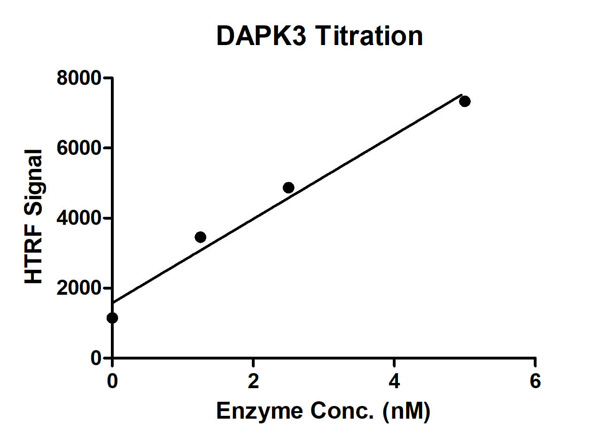
(HTRF assay for DAPK3/ZIPK; activity 1 uM STK S1 substrate was incubated with different concentrations of DAPK3/ZIPK; protein in a 10 ul reaction system containing 1×Enzymatic Buffer, 10 mM MgCl2, 1 mM DTT and 100 uM ATP for 1 hour. The detection reagents were added and incubated with the reactions for 30 min. All the operations and reactions were performed at room temperature.)
Bioactivity
(HTRF assay for DAPK3/ZIPK; activity 1 uM STK S1 substrate was incubated with different concentrations of DAPK3/ZIPK; protein in a 10 ul reaction system containing 1×Enzymatic Buffer, 10 mM MgCl2, 1 mM DTT and 100 uM ATP for 1 hour. The detection reagents were added and incubated with the reactions for 30 min. All the operations and reactions were performed at room temperature.)
DAPK3/ZIPK, Active Protein (Cat# AAA60341)
West Nile Virus E, Active Protein (Cat# AAA24010)
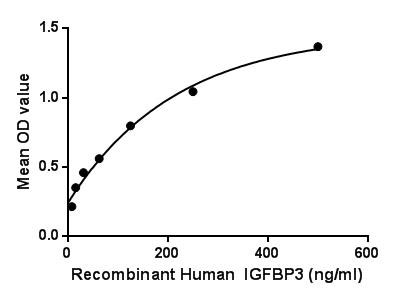
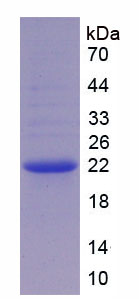 SDS-PAGE
Insulin Like Growth Factor Binding Protein 3 (IGFBP3), Active Protein (Cat# AAA149226)
What Are Active Proteins?
Proteins are large molecules made up of long chains of amino acids. They will typically fold into a very particular 3-dimensional shape/conformation, that is sometimes referred to as their “native” form, which allows them to work properly in the body. For the purposes of product categorization, AAA Biotech will typically refer to proteins purified from their original animal host as being “native” proteins (this is to signify their difference compared to their recombinant proteins or “synthetic” protein counterparts).
If a protein successfully folds into the correct shape, it will typically display high fidelity characteristics to its original protein in its original animal host and be classified as an active protein, as it will be able to function “normally” in most enzymatic or binding capacities. If it loses this shape, due to factors such as heat or strong chemicals (such as detergents), it becomes inactive and is no longer able to perform its basic functions.
All of the proteins in this category are made under strict quality control, and they are active, pure, low in contaminants, and stable. Most are stored as freeze-dried powders and come without extra tags, so they’re very close to the actual natural/native form.
Learn more in our guide “How active proteins work”.
Key Applications of Active Proteins
1. Scientific Research
- Aid in the study of how proteins function in the body
- Aid in understanding various disease processes
2. Drug Development
- Powerful tools to investigate how potential drugs interact with specific proteins
- Ideal for identifying drug targets
3. Cell Culture
- Are routinely utilized to support cell growth and function (e.g., using exogenous growth factors)
- Can be used to promote cellular development into specific types (differentiation)
4. Diagnostics
- Regularly utilized in tests to detect diseases or infections (e.g., COVID-19, cancer)
- Note: All products are strictly for research-use only (RUO).
5. Therapeutics
- Some active proteins are used directly as treatments (e.g., insulin, enzymes)
- Note: All products are strictly for research-use only (RUO).
6. Vaccine Development
- Used to create or test vaccines by mimicking parts of viruses or bacteria
7. Biochemical Assays
- They can facilitate the characterization of enzyme activity, binding strength, or protein interactions in lab tests
Why Buy Active Proteins from AAA Biotech?
- High biological activity – Verified to perform as expected or indicated on datasheet
- Strict quality control – We are confident in our active proteins’ reliability and consistency
- High purity & low endotoxin – Ideal for applications involving sensitive or precious samples/components
- Freeze-dried for stability – Long shelf life and straightforward storage
- Mostly tag-free – Closer to natural/native protein form
FAQ
1. What are active proteins used for in research?
Active proteins are used primarily in the study of how proteins function, in characterizing/discovering drug interactions, supporting cell growth, running biochemical assays, and in development of diagnostics or therapeutics.
2. How are AAA Biotech's active proteins validated?
AAA Biotech’s active proteins are validated through strict quality control and functional assays to ensure they are properly folded and active. “Active”, though, can be an ambiguous term, so if a specific “activity” or “binding” capability of a protein is of crucial interest to you, please inquire with us prior to purchase, and we will provide further details on how the “Active” modifier was determined to be applicable.
3. Are these proteins tested for biological activity?
Yes, all active proteins from AAA Biotech are tested to confirm they have the expected biological activity before being offered for use. Though, said “biological activity” can be either “enzymatic”, “binding”, or both.