
Filters
▼Clonality
▼Type
▼Reactivity
▼Gene Name
▼Isotype
▼Host
▼Application
▼Clone
▼Active Proteins
AAA Biotech also known as AAA Bio or AAABio provides a variety of high-quality recombinant and natural/native proteins that are proven to work in a wide range of experiments. Explore our products to find the active protein that best fits your needs or experimental model.
Viewing 1950-2000 of 2875 product results
 Application Data
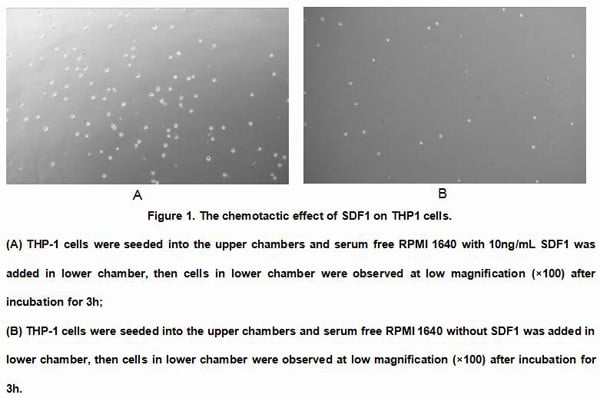
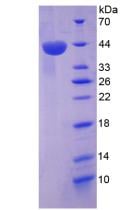
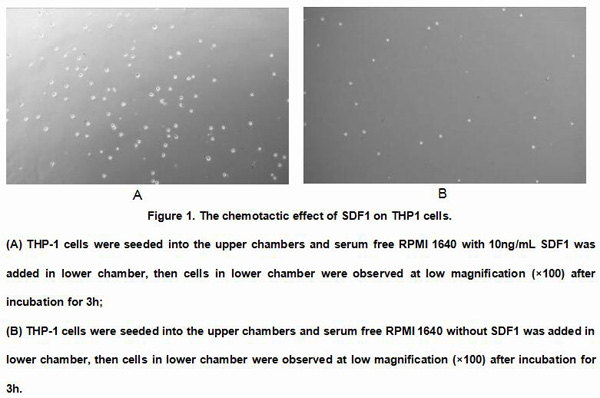
Stromal Cell Derived Factor 1 (SDF1), Active Protein (Cat# AAA148164)
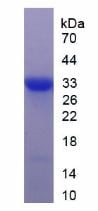
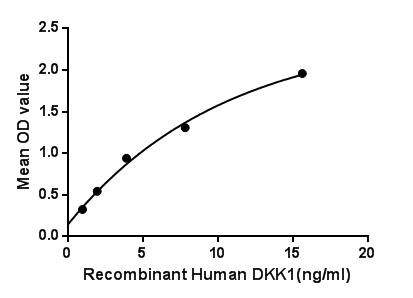
 Application Data
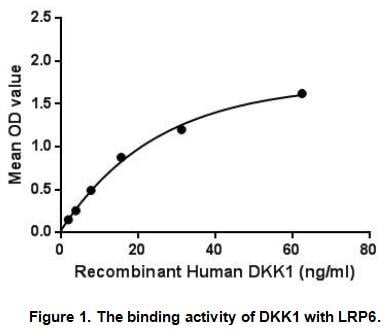
Dickkopf Related Protein 1 (DKK1), Active Protein (Cat# AAA148177)
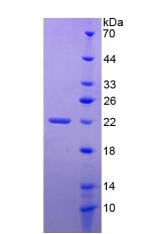
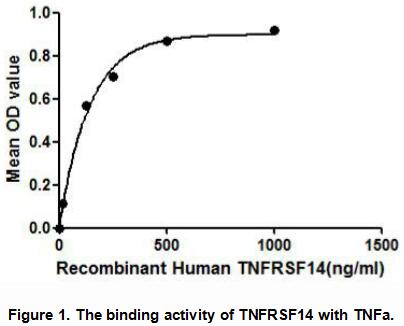
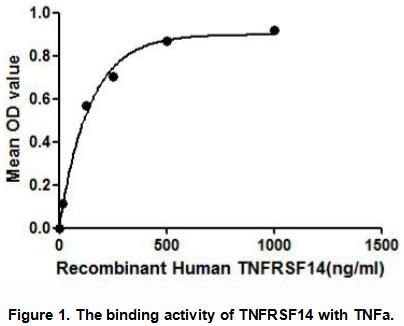 Application Data
Tumor Necrosis Factor Receptor Superfamily, Member 14 (TNFRSF14), Active Protein (Cat# AAA148209)
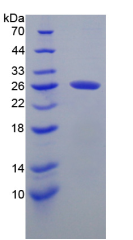
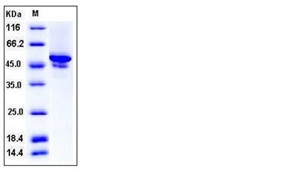 SDS-PAGE
Carbonic Anhydrase IX, Active Protein (Cat# AAA258194)
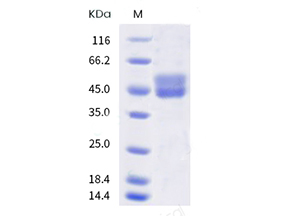
 Application Data
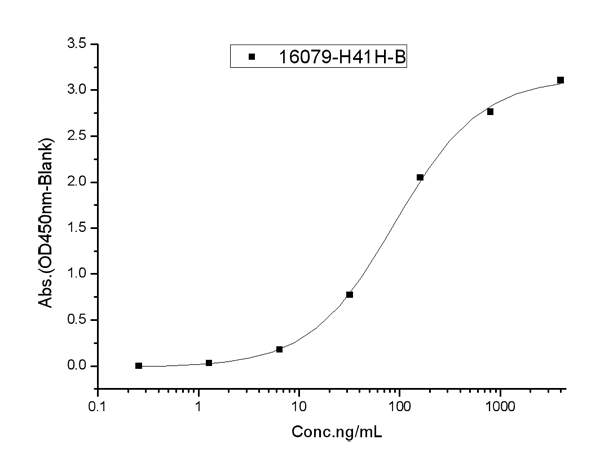
(Immobilized Human BAFF/BLyS hFc at 2 ug/mL (100 uL/well) can bind Human BAFFR/TNFRSF13C hFc & AVI, Biotinylated, the EC50 of Human BAFFR/TNFRSF13C hFc & AVI, Biotinylated is 40-200 ng/mL.)
Application Data
(Immobilized Human BAFF/BLyS hFc at 2 ug/mL (100 uL/well) can bind Human BAFFR/TNFRSF13C hFc & AVI, Biotinylated, the EC50 of Human BAFFR/TNFRSF13C hFc & AVI, Biotinylated is 40-200 ng/mL.)
BAFFR/TNFRSF13C, Active Protein (Cat# AAA258045)
 Application Data
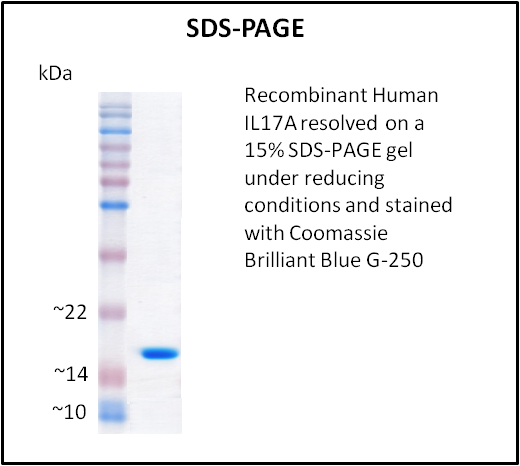
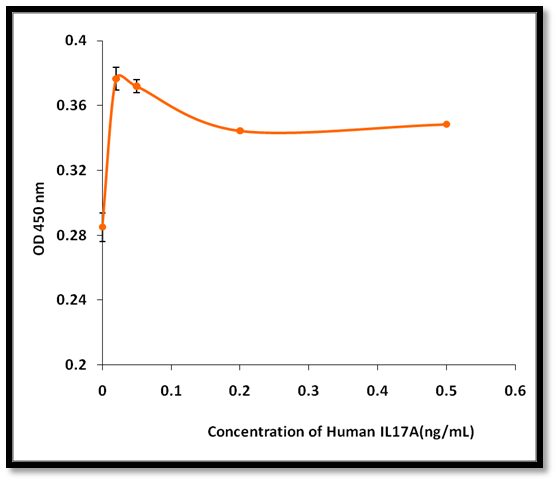
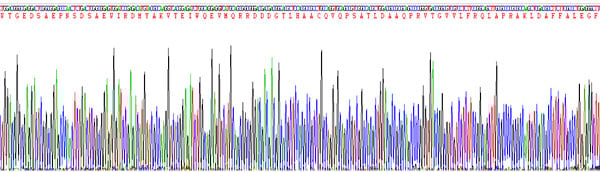
IL17A, Active Protein (Cat# AAA214233)
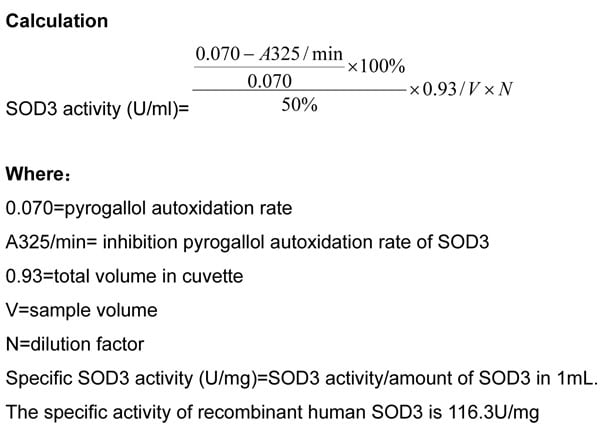
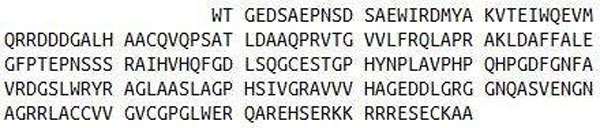
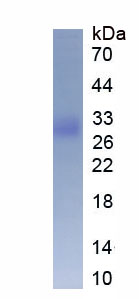 SDS_PAGE
(Sample: Active recombinant SOD3, Human)
SDS_PAGE
(Sample: Active recombinant SOD3, Human)
Superoxide Dismutase 3, Extracellular, Active Protein (Cat# AAA150072)
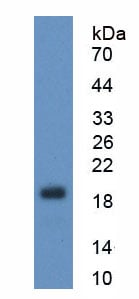
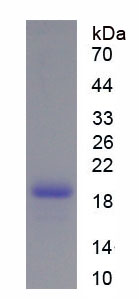
 Bioactivity
(Signal transducer and activator of transcription 3 (STAT3) is a member of the STAT protein family. In response to cytokines and growth factors, STAT3 is phosphorylated by receptor-associated Janus kinases (JAK), form homo- or heterodimers, and translocate to the cell nucleus where they act as transcription activators. The protein can mediate the expression of a variety of genes in response to cell stimuli, and thus plays a key role in many cellular processes such as cell growth and apoptosis. STAT3 is essential for the differentiation of the TH17 helper T cells, which have been implicated in a variety of autoimmune diseases. Besides, Glucose 7 Phosphate Isomerase (GPI) has been identified as an interactor of STAT3, thus a binding ELISA assay was conducted to detect the interaction of recombinant bovine STAT3 and recombinant human GPI. Briefly, STAT3 were diluted serially in PBS, with 0.01% BSA (pH 7.4). Duplicate samples of 100L were then transferred to GPI-coated microtiter wells and incubated for 2h at 37. Wells were washed with PBST and incubated for 1h with anti-STAT3 pAb, then aspirated and washed 3 times. After incubation with HRP labelled secondary antibody, wells were aspirated and washed 3 times. With the addition of substrate solution, wells were incubated 15-25 minutes at 37. Finally, add 50uL stop solution to the wells and read at 450nm immediately. The binding activity of STAT3 and GPI was shown in Figure 1, and this effect was in a dose dependent manner.Figure. The binding activity of STAT3 with GPI.)
Bioactivity
(Signal transducer and activator of transcription 3 (STAT3) is a member of the STAT protein family. In response to cytokines and growth factors, STAT3 is phosphorylated by receptor-associated Janus kinases (JAK), form homo- or heterodimers, and translocate to the cell nucleus where they act as transcription activators. The protein can mediate the expression of a variety of genes in response to cell stimuli, and thus plays a key role in many cellular processes such as cell growth and apoptosis. STAT3 is essential for the differentiation of the TH17 helper T cells, which have been implicated in a variety of autoimmune diseases. Besides, Glucose 7 Phosphate Isomerase (GPI) has been identified as an interactor of STAT3, thus a binding ELISA assay was conducted to detect the interaction of recombinant bovine STAT3 and recombinant human GPI. Briefly, STAT3 were diluted serially in PBS, with 0.01% BSA (pH 7.4). Duplicate samples of 100L were then transferred to GPI-coated microtiter wells and incubated for 2h at 37. Wells were washed with PBST and incubated for 1h with anti-STAT3 pAb, then aspirated and washed 3 times. After incubation with HRP labelled secondary antibody, wells were aspirated and washed 3 times. With the addition of substrate solution, wells were incubated 15-25 minutes at 37. Finally, add 50uL stop solution to the wells and read at 450nm immediately. The binding activity of STAT3 and GPI was shown in Figure 1, and this effect was in a dose dependent manner.Figure. The binding activity of STAT3 with GPI.)
Signal Transducer And Activator Of Transcription 3, Active Protein (Cat# AAA150116)
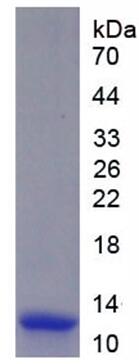
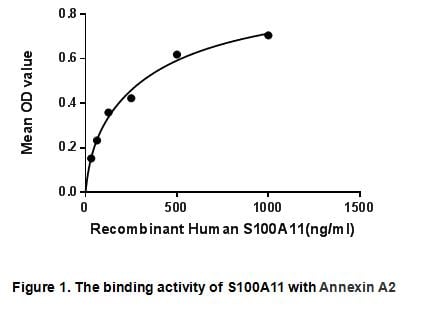 Bioactivity
(S100A11 is a member of the S100 calcium-binding protein family ,it contains two EF-hand calcium-binding motifs and shares 82% amino acid sequence identity with mouse and rat S100A11 . S100 proteins are localized in the cytoplasm and nucleus of a wide rang)
Bioactivity
(S100A11 is a member of the S100 calcium-binding protein family ,it contains two EF-hand calcium-binding motifs and shares 82% amino acid sequence identity with mouse and rat S100A11 . S100 proteins are localized in the cytoplasm and nucleus of a wide rang)
S100 Calcium Binding Protein A11 (S100A11), Active Protein (Cat# AAA153049)
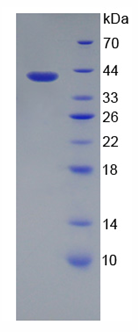
 Bioactivity
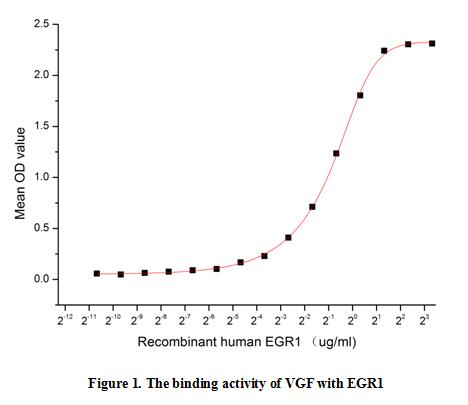
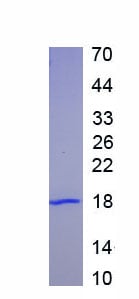
(Neurosecretory protein VGF is specifically expressed in a subpopulation of neuroendocrine cells, and is upregulated by nerve growth factor. Human VGF precursor is 615 amino acids (aa) in length. It contains an 22 aa signal sequence plus a 593 aa mature re)
Bioactivity
(Neurosecretory protein VGF is specifically expressed in a subpopulation of neuroendocrine cells, and is upregulated by nerve growth factor. Human VGF precursor is 615 amino acids (aa) in length. It contains an 22 aa signal sequence plus a 593 aa mature re)
VGF Nerve Growth Factor Inducible (VGF), Active Protein (Cat# AAA153073)
 Bioactivity
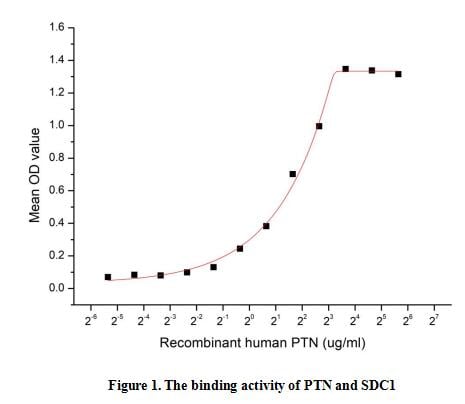
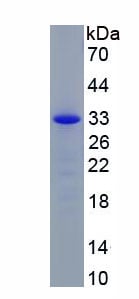
(Pleiotrophin (PTN) is a 136 amino acid secreted heparin-binding cytokine that signals diverse functions, including lineage-specific differentiation of glial progenitor cells, neurite outgrowth, and angiogenesis. A considerable amount of research has been)
Bioactivity
(Pleiotrophin (PTN) is a 136 amino acid secreted heparin-binding cytokine that signals diverse functions, including lineage-specific differentiation of glial progenitor cells, neurite outgrowth, and angiogenesis. A considerable amount of research has been)
Pleiotrophin (PTN), Active Protein (Cat# AAA153080)
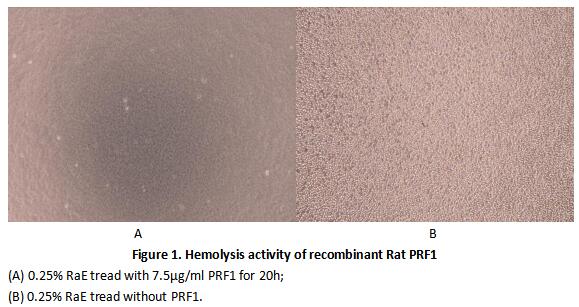 Bioactivity
(Perforin 1 (PRF1) is a pore forming cytolytic protein found in the granules of cytotoxic T lymphocytes (CTLs) and NK cells. Upon degranulation, perforin binds to the target cell's plasma membrane, and oligomerises in a Ca2 dependent manner to form pores o)
Bioactivity
(Perforin 1 (PRF1) is a pore forming cytolytic protein found in the granules of cytotoxic T lymphocytes (CTLs) and NK cells. Upon degranulation, perforin binds to the target cell's plasma membrane, and oligomerises in a Ca2 dependent manner to form pores o)
Perforin 1 (PRF1), Active Protein (Cat# AAA153081)
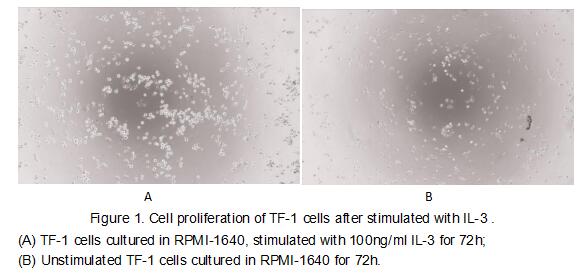
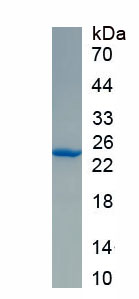
 Bioactivity
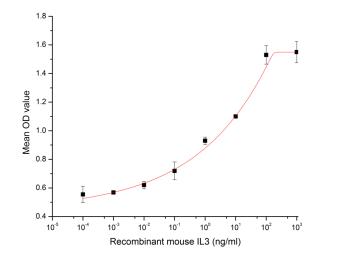
(Figure 2. The dose-effect curve of IL-3 on TF-1 cells)
Bioactivity
(Figure 2. The dose-effect curve of IL-3 on TF-1 cells)
Interleukin 3 (IL3), Active Protein (Cat# AAA152969)
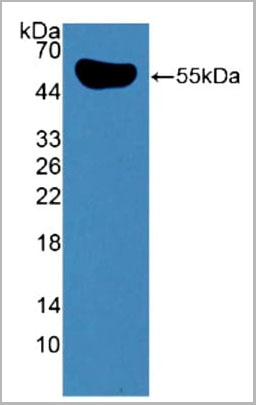 WB (Western Blot)
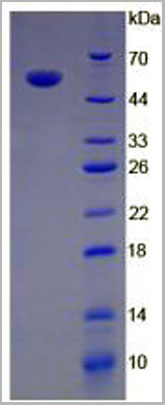
(Sample: Recombinant IL35, Human;Antibody: Rabbit Anti-Human IL35 Ab)
WB (Western Blot)
(Sample: Recombinant IL35, Human;Antibody: Rabbit Anti-Human IL35 Ab)
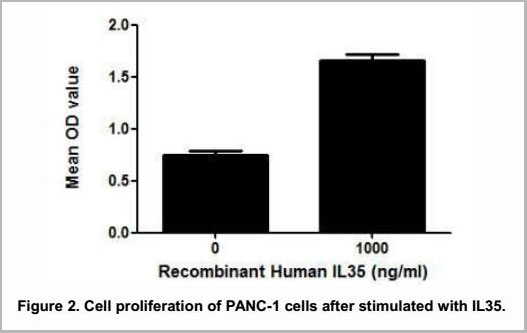
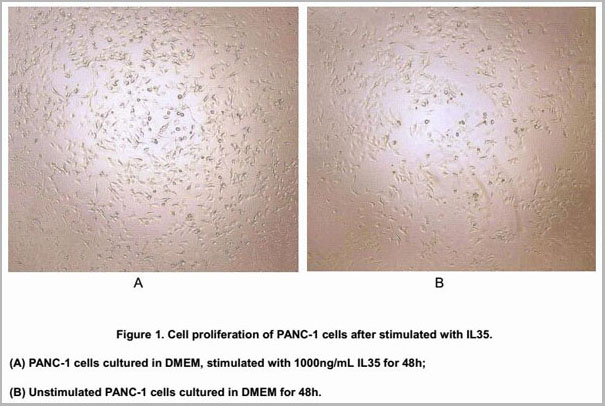
Interleukin 35 (IL35), Active Protein (Cat# AAA21102)
Activin A, Active Protein (Cat# AAA75456)
 Bioactivity
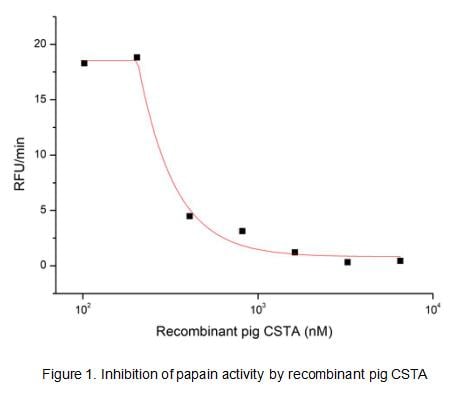
(Cystatin A (CSTA) is a member of family 1 of the cystatin superfamily. Like Cystatin B, it is an intracellular inhibitor regulating the activities of cysteine proteases of the papain family such as cathepsins B, H and L. For example, immunohistochemical analysis of Cystatin A and cathepsin L is a useful indicator for malignancy in human epidermal keratinocytes. The ratio of cathepsin B and Cystatin A can be used in the differential identification and treatment of patients with prostate carcinoma. The activity of recombinant pig Cystatin A was measured by its ability to inhibit papain cleavage of a fluorogenic peptide substrate Z-FR-AMC in the assay buffer 50 mM Tris, pH 7.0. Papain was diluted to 500 ug/ml in activation buffer 50 mM Tris, 5 mM DTT, pH 7.0 and incubated at room temperature for 15 minutes. The activated papain was diluted to 100 ug/ml in the assay buffer and 20 ul different concentrations of recombinant pig Cystatin A (MW: 40.9 KD) was incubated with 20 ul 100 ug/ml papain at 37 degree C for 10 minutes. Loading 50 uL of the incubated mixtures which were diluted five-fold in assay buffer into empty wells of a plate, and start the reaction by adding 50 uL of 200 uM substrate. Include a substrate blank containing 50 uL of assay buffer and 50 uL of 200 uM substrate. Then read at excitiation and emission wavelengths of 380 nm and 460 nm, respectively, in kinetic mode for 5 minutes. The result was shown in Figure 1 and it was obvious that recombinant pig Cystatin A significantly decreased papain activity. The inhibition IC50 was )
Bioactivity
(Cystatin A (CSTA) is a member of family 1 of the cystatin superfamily. Like Cystatin B, it is an intracellular inhibitor regulating the activities of cysteine proteases of the papain family such as cathepsins B, H and L. For example, immunohistochemical analysis of Cystatin A and cathepsin L is a useful indicator for malignancy in human epidermal keratinocytes. The ratio of cathepsin B and Cystatin A can be used in the differential identification and treatment of patients with prostate carcinoma. The activity of recombinant pig Cystatin A was measured by its ability to inhibit papain cleavage of a fluorogenic peptide substrate Z-FR-AMC in the assay buffer 50 mM Tris, pH 7.0. Papain was diluted to 500 ug/ml in activation buffer 50 mM Tris, 5 mM DTT, pH 7.0 and incubated at room temperature for 15 minutes. The activated papain was diluted to 100 ug/ml in the assay buffer and 20 ul different concentrations of recombinant pig Cystatin A (MW: 40.9 KD) was incubated with 20 ul 100 ug/ml papain at 37 degree C for 10 minutes. Loading 50 uL of the incubated mixtures which were diluted five-fold in assay buffer into empty wells of a plate, and start the reaction by adding 50 uL of 200 uM substrate. Include a substrate blank containing 50 uL of assay buffer and 50 uL of 200 uM substrate. Then read at excitiation and emission wavelengths of 380 nm and 460 nm, respectively, in kinetic mode for 5 minutes. The result was shown in Figure 1 and it was obvious that recombinant pig Cystatin A significantly decreased papain activity. The inhibition IC50 was )
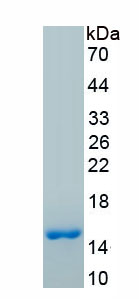
Cystatin A (CSTA), Active Protein (Cat# AAA161737)
 Bioactivity
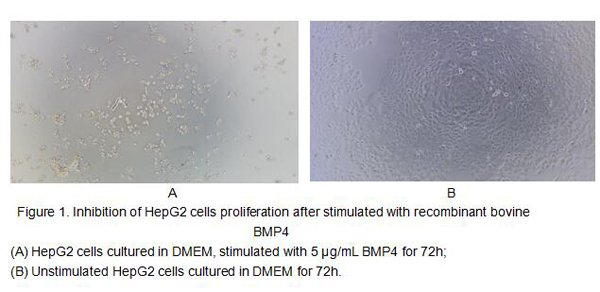
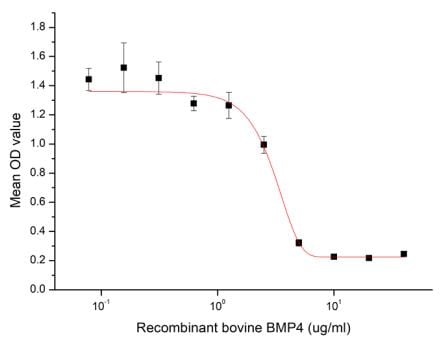
(Figure 2. Inhibition of HepG2 cells proliferation after stimulated with recombinant bovine BMP4)
Bioactivity
(Figure 2. Inhibition of HepG2 cells proliferation after stimulated with recombinant bovine BMP4)
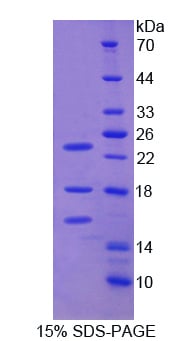
Bone Morphogenetic Protein 4 (BMP4), Active Protein (Cat# AAA161652)
 Bioactivity
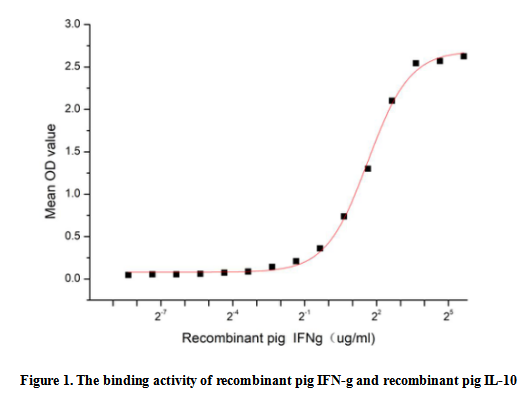
(IFN-g is a dimerized soluble cytokine that is the only member of the type II class of interferons. The importance of IFNg in the immune system stems in part from its ability to inhibit viral replication directly and most importantly from its immunostimulatory and immunomodulatory effects. Studies show that IFN-gamma can rapidly regulate STAT activation by IL-10 and alters macrophage responses to IL-10. Thus a functional binding ELISA assay was conducted to detect the interaction of recombinant pig IFN-g and recombinant pig IL-10. Briefly, IFN-g was diluted serially in PBS with 0.01% BSA (pH 7.4). Duplicate samples of 100 ul were then transferred to IL-10-coated microtiter wells and incubated for 1h at 37 degree C. Wells were washed with PBST and incubated for 1h with anti-IFN-g pAb, then aspirated and washed 3 times. After incubation with HRP labelled secondary antibody for 1h at 37 degree C, wells were aspirated and washed 5 times. With the addition of substrate solution, wells were incubated 15-25 minutes at 37 degree C. Finally, add 50 uL stop solution to the wells and read at 450/630 nm immediately. The binding activity of recombinant pig IFN-g and recombinant pig IL-10 was shown in Figure 1, the EC50 for this effect is 3.1 ug/mL.)
Bioactivity
(IFN-g is a dimerized soluble cytokine that is the only member of the type II class of interferons. The importance of IFNg in the immune system stems in part from its ability to inhibit viral replication directly and most importantly from its immunostimulatory and immunomodulatory effects. Studies show that IFN-gamma can rapidly regulate STAT activation by IL-10 and alters macrophage responses to IL-10. Thus a functional binding ELISA assay was conducted to detect the interaction of recombinant pig IFN-g and recombinant pig IL-10. Briefly, IFN-g was diluted serially in PBS with 0.01% BSA (pH 7.4). Duplicate samples of 100 ul were then transferred to IL-10-coated microtiter wells and incubated for 1h at 37 degree C. Wells were washed with PBST and incubated for 1h with anti-IFN-g pAb, then aspirated and washed 3 times. After incubation with HRP labelled secondary antibody for 1h at 37 degree C, wells were aspirated and washed 5 times. With the addition of substrate solution, wells were incubated 15-25 minutes at 37 degree C. Finally, add 50 uL stop solution to the wells and read at 450/630 nm immediately. The binding activity of recombinant pig IFN-g and recombinant pig IL-10 was shown in Figure 1, the EC50 for this effect is 3.1 ug/mL.)
Interferon Gamma (IFNg), Active Protein (Cat# AAA161669)
 Application Data
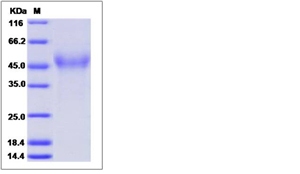
(Measured by its binding ability in a functional ELISA. Immobilized mouse CD320-His at 10 ug/ml (100 ul/well) can bind biotinylated mouse TCN2-His, The EC50 of biotinylated mouse TCN2-His is 0.10-0.24 ug/mL.)
Application Data
(Measured by its binding ability in a functional ELISA. Immobilized mouse CD320-His at 10 ug/ml (100 ul/well) can bind biotinylated mouse TCN2-His, The EC50 of biotinylated mouse TCN2-His is 0.10-0.24 ug/mL.)
CD320, Active Protein (Cat# AAA258237)

 Application Data
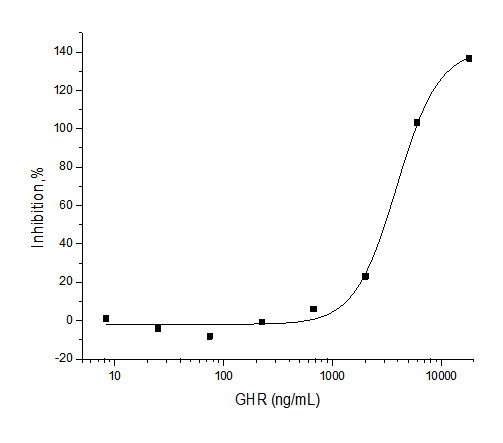
(Measured by its ability to inhibit proliferation of INS-1 cells induced by human growth hormone. The ED50 for this effect is 2-8ug/mL in the presence of 50 ng/mL human growth hormone.)
Application Data
(Measured by its ability to inhibit proliferation of INS-1 cells induced by human growth hormone. The ED50 for this effect is 2-8ug/mL in the presence of 50 ng/mL human growth hormone.)
Growth Hormone Receptor, Active Protein (Cat# AAA258123)
 Application Data
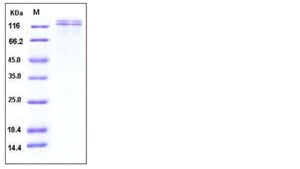
(Measured by its binding ability in a functional ELISA. Immobilized human VLDLR-His at 10ug/mL (100uL/well) can bind biotinylated human LRPAP1-His, the EC50 of biotinylated human LRPAP1-His is 0.05-0.2 ug/mL.)
Application Data
(Measured by its binding ability in a functional ELISA. Immobilized human VLDLR-His at 10ug/mL (100uL/well) can bind biotinylated human LRPAP1-His, the EC50 of biotinylated human LRPAP1-His is 0.05-0.2 ug/mL.)
VLDL Receptor/VLDLR, Active Protein (Cat# AAA257962)
 SDS-PAGE
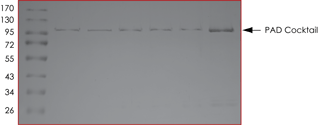
(Purity: SDS-PAGE image of PAD Cocktail Proteins. The five PAD isoform proteins from left to right are: PAD1, PAD4, PAD3, PAD6 and PAD2. The far-right lane contains PAD Cocktail.)
SDS-PAGE
(Purity: SDS-PAGE image of PAD Cocktail Proteins. The five PAD isoform proteins from left to right are: PAD1, PAD4, PAD3, PAD6 and PAD2. The far-right lane contains PAD Cocktail.)
 Purity Info
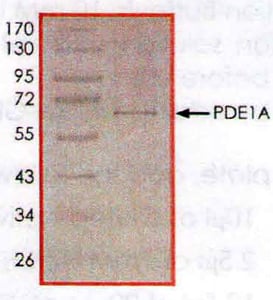
(The purity was determined to be >80% by densitometry. Approx. MW 64kDa.)
Purity Info
(The purity was determined to be >80% by densitometry. Approx. MW 64kDa.)
PDE1A, Active Protein (Cat# AAA73096)
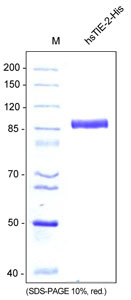
 ELISA
(Functional ELISA to test the binding of sTIE-2 to its ligand Ang-2. Ang-2 was coated on the plate and increasing amounts of recombinant human soluble sTIE-2 was added)
ELISA
(Functional ELISA to test the binding of sTIE-2 to its ligand Ang-2. Ang-2 was coated on the plate and increasing amounts of recombinant human soluble sTIE-2 was added)
TIE-2, soluble, Active Protein (Cat# AAA79307)
 Bioactivity
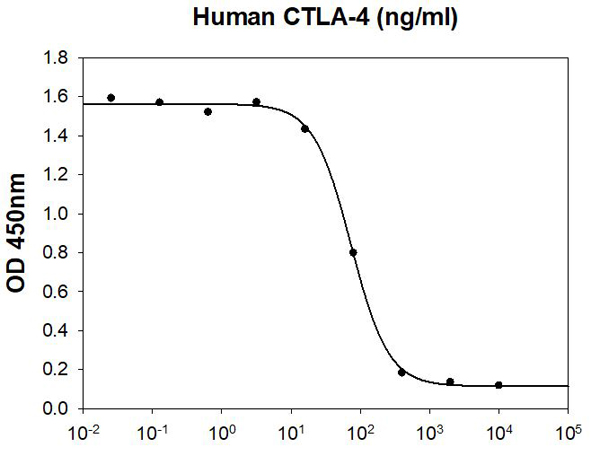
(Human CTLA-4 inhibits Human B7-1/CD80 induced IL-2 secretion of the Jurkat human acute T cell leukemia cells. The ED50 range 150 ng/ml.)
Bioactivity
(Human CTLA-4 inhibits Human B7-1/CD80 induced IL-2 secretion of the Jurkat human acute T cell leukemia cells. The ED50 range 150 ng/ml.)
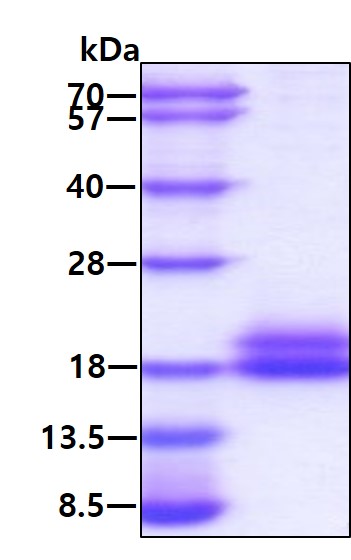
CTLA-4, Active Protein (Cat# AAA48326)
 Bioactivity
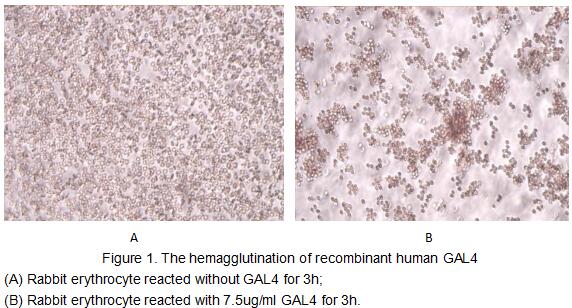
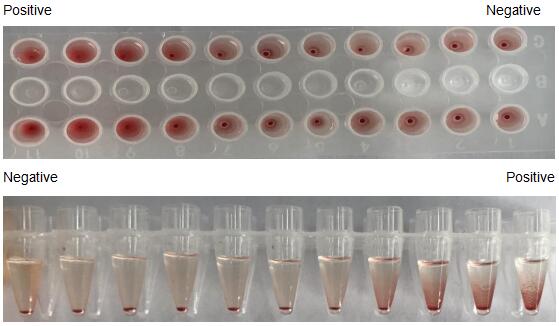
(Figure 2. The hemagglutination assay of GAL4 in V- bottom shaped 96-well microtiter plate.)
Bioactivity
(Figure 2. The hemagglutination assay of GAL4 in V- bottom shaped 96-well microtiter plate.)
Galectin 4 (GAL4), Active Protein (Cat# AAA153016)

 Application Data
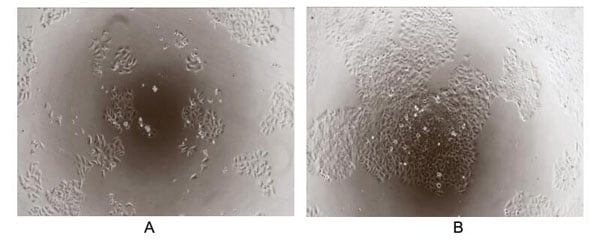
(Transforming growth factor beta (TGF-) is a multifunctional cytokine belonging to the transforming growth factor superfamily. The TGF- superfamily includes endogenous growth inhibiting proteins; an increase in expression of TGF- often correlates with the malignancy of many cancers and a defect in the cellular growth inhibition response to TGF-. Its immunosuppressive functions then come to dominate, contributing to oncogenesis. To test the effect of TGF- on inhibit HGF-dependent proliferation, HepG2 cells were seeded into triplicate wells of 96-well plates at a density of 2,000 cells/well and allowed to attach, replaced with serum-free overnight, then the medium was replaced with 2% serum standard DMEM including 1ng/mL HGF prior to the addition of various concentrations of recombinant human TGF-. After incubated for 96h, cells were observed by inverted microscope and cell proliferation was measured by Cell Counting Kit-8 (CCK-8). Briefly, 10uL of CCK-8 solution was added to each well of the plate, then the absorbance at 450nm was measured using a microplate reader after incubating the plate for 1-4 hours at 37. The inhibitory effect of TGF- on HGF-dependent proliferation of HepG2 cells observed by inverted microscope was shown in Figure 2. Cell viability was assessed by CCK-8 assay after incubation with recombinant TGF- for 96h. The result was shown in Figure 3. It was obvious that TGF- significantly decreased cell viability of HepG2 cells. (A) HepG2 cells cultured in DMEM, stimulated with 1ug/mL TGF- for 96h; (B) Unstimulated HepG2 cells cultured in DMEM for 96h.Figure.The inhibitory effect of TGF- on cell proliferation of HepG2 cells.)
Application Data
(Transforming growth factor beta (TGF-) is a multifunctional cytokine belonging to the transforming growth factor superfamily. The TGF- superfamily includes endogenous growth inhibiting proteins; an increase in expression of TGF- often correlates with the malignancy of many cancers and a defect in the cellular growth inhibition response to TGF-. Its immunosuppressive functions then come to dominate, contributing to oncogenesis. To test the effect of TGF- on inhibit HGF-dependent proliferation, HepG2 cells were seeded into triplicate wells of 96-well plates at a density of 2,000 cells/well and allowed to attach, replaced with serum-free overnight, then the medium was replaced with 2% serum standard DMEM including 1ng/mL HGF prior to the addition of various concentrations of recombinant human TGF-. After incubated for 96h, cells were observed by inverted microscope and cell proliferation was measured by Cell Counting Kit-8 (CCK-8). Briefly, 10uL of CCK-8 solution was added to each well of the plate, then the absorbance at 450nm was measured using a microplate reader after incubating the plate for 1-4 hours at 37. The inhibitory effect of TGF- on HGF-dependent proliferation of HepG2 cells observed by inverted microscope was shown in Figure 2. Cell viability was assessed by CCK-8 assay after incubation with recombinant TGF- for 96h. The result was shown in Figure 3. It was obvious that TGF- significantly decreased cell viability of HepG2 cells. (A) HepG2 cells cultured in DMEM, stimulated with 1ug/mL TGF- for 96h; (B) Unstimulated HepG2 cells cultured in DMEM for 96h.Figure.The inhibitory effect of TGF- on cell proliferation of HepG2 cells.)
Transforming Growth Factor Beta 2, Active Protein (Cat# AAA150084)
 Bioactivity
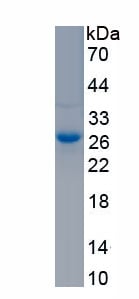
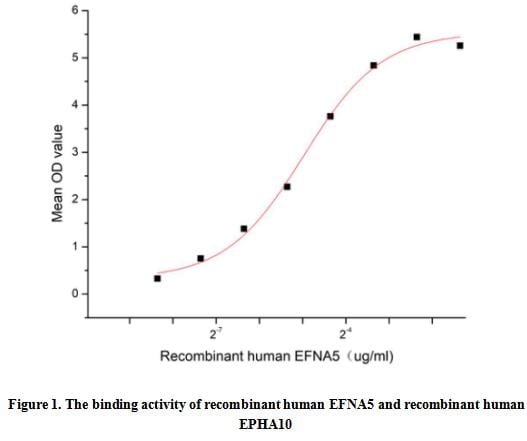
(Ephrin-A5, also known as EFNA5, is a member of the Ephrin family. EFNA5 is localized in cell membranes and was highly expressed in skin, brain, spleen, kidney, heart and fat. EFNA5 can bind to its receptors to play important physiological functions, such as participating in neurogenesis, angiogenesis, promoting cell proliferation and differentiation, balancing glucose homeostasis, maintaining lens development, regulating female mammalian reproduction, and mobilizing fat thermogenesis. EPHA10 is a receptor for members of the ephrin-A family. It binds to EFNA3, EFNA4 and EFNA5. Thus a functional binding ELISA assay was conducted to detect the interaction of recombinant human EFNA5 and recombinant human EPHA10. Briefly, EFNA5 was diluted serially in PBS with 0.01% BSA (pH7.4). Duplicate samples of 100 ul were then transferred to EPHA10-coated microtiter wells and incubated for 1h at 37 degree C. Wells were washed with PBST and incubated for 1h with anti-EFNA5 pAb, then aspirated and washed 3 times. After incubation with HRP labelled secondary antibody for 1h at 37 degree C, wells were aspirated and washed 5 times. With the addition of substrate solution, wells were incubated 15-25 minutes at 37 degree C. Finally, add 50 uL stop solution to the wells and read at 450/630 nm immediately. The binding activity of recombinant human EFNA5 and recombinant human EPHA10 was shown in Figure 1, the EC50 for this effect is 0.03 ug/mL.)
Bioactivity
(Ephrin-A5, also known as EFNA5, is a member of the Ephrin family. EFNA5 is localized in cell membranes and was highly expressed in skin, brain, spleen, kidney, heart and fat. EFNA5 can bind to its receptors to play important physiological functions, such as participating in neurogenesis, angiogenesis, promoting cell proliferation and differentiation, balancing glucose homeostasis, maintaining lens development, regulating female mammalian reproduction, and mobilizing fat thermogenesis. EPHA10 is a receptor for members of the ephrin-A family. It binds to EFNA3, EFNA4 and EFNA5. Thus a functional binding ELISA assay was conducted to detect the interaction of recombinant human EFNA5 and recombinant human EPHA10. Briefly, EFNA5 was diluted serially in PBS with 0.01% BSA (pH7.4). Duplicate samples of 100 ul were then transferred to EPHA10-coated microtiter wells and incubated for 1h at 37 degree C. Wells were washed with PBST and incubated for 1h with anti-EFNA5 pAb, then aspirated and washed 3 times. After incubation with HRP labelled secondary antibody for 1h at 37 degree C, wells were aspirated and washed 5 times. With the addition of substrate solution, wells were incubated 15-25 minutes at 37 degree C. Finally, add 50 uL stop solution to the wells and read at 450/630 nm immediately. The binding activity of recombinant human EFNA5 and recombinant human EPHA10 was shown in Figure 1, the EC50 for this effect is 0.03 ug/mL.)
Ephrin A5 (EFNA5), Active Protein (Cat# AAA161919)
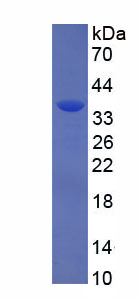
 SDS-PAGE
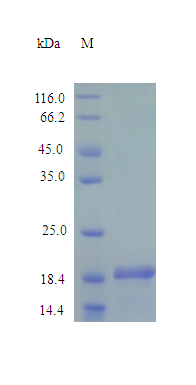
Desert hedgehog protein (DHH), Active Protein (Cat# AAA114231)
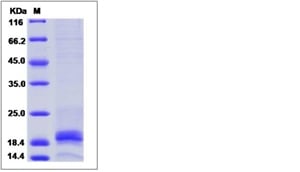
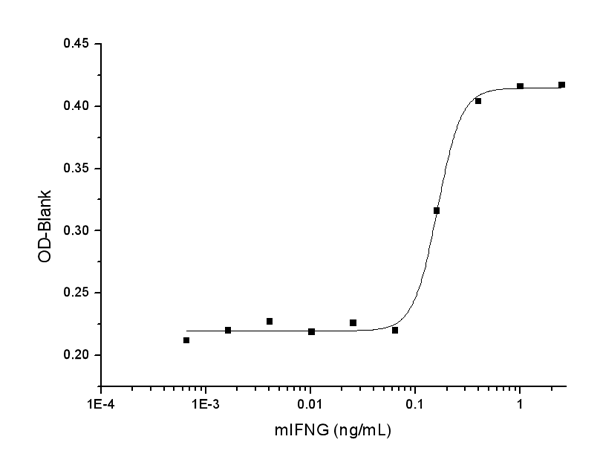 Application Data
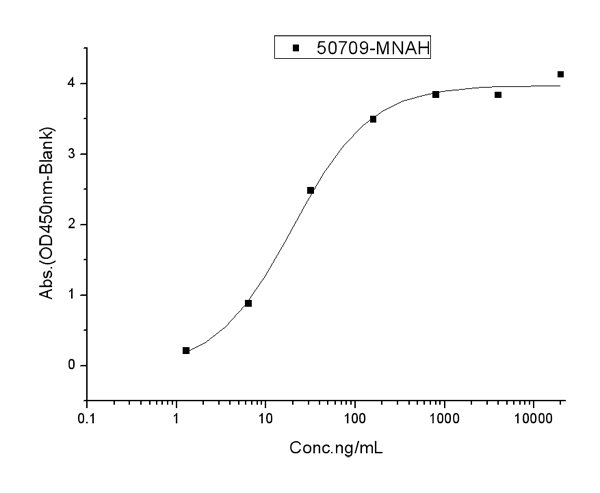
(Measured in antiviral assays using L929 cells infected with vesicular stomatitisvirus (VSV).The ED50 for this effect is 0.05-0.3 ng/mL.)
Application Data
(Measured in antiviral assays using L929 cells infected with vesicular stomatitisvirus (VSV).The ED50 for this effect is 0.05-0.3 ng/mL.)
Interferon Gamma, Active Protein (Cat# AAA258199)
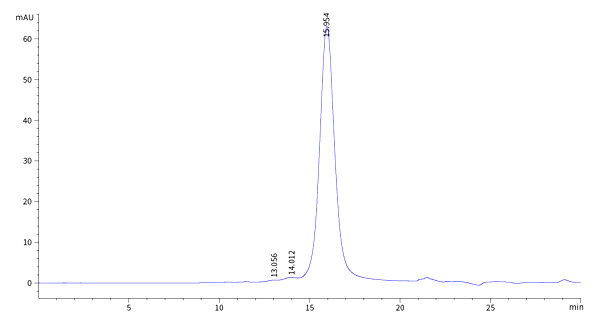
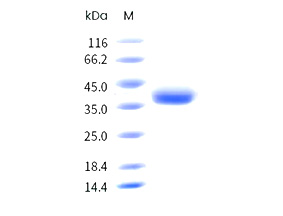
 Application Data
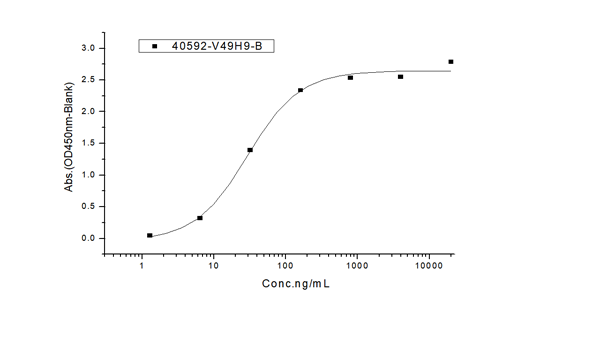
(Immobilized human ACE2 protein (Fc tag)(Cat: 10108-H05H) at 2 ug/mL (100 uL/well) can bind Recombinant SARS-CoV-2(BA.4/BA.5)Spike RBD Protein(His&AVI Tag),Biotinylated (Cat: AAA258592), the EC50 is 15-45 ng/mL.)
Application Data
(Immobilized human ACE2 protein (Fc tag)(Cat: 10108-H05H) at 2 ug/mL (100 uL/well) can bind Recombinant SARS-CoV-2(BA.4/BA.5)Spike RBD Protein(His&AVI Tag),Biotinylated (Cat: AAA258592), the EC50 is 15-45 ng/mL.)
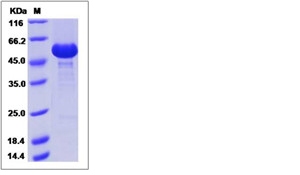
COVID 19 (BA.4/BA.5) Spike RBD Coronavirus, Active Protein (Cat# AAA258592)
 Application Data
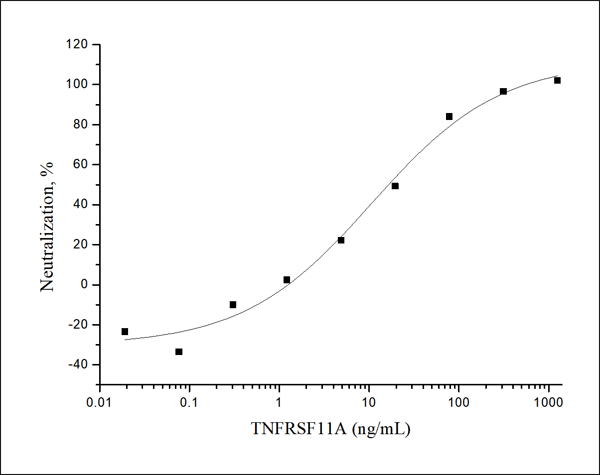
(Measured by its ability to inhibit TRANCE-induced osteoclast differentiation of RAW 264.7 mouse monocyte/macrophage cells. The ED50 for this effect is 3-16ng/mL in the presence of 5 ng/mL of TRANCE.)
Application Data
(Measured by its ability to inhibit TRANCE-induced osteoclast differentiation of RAW 264.7 mouse monocyte/macrophage cells. The ED50 for this effect is 3-16ng/mL in the presence of 5 ng/mL of TRANCE.)
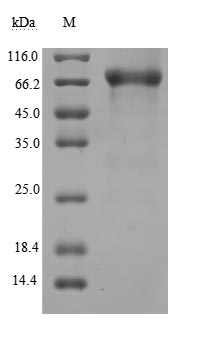
RANK/TNFRSF11A, Active Protein (Cat# AAA258044)
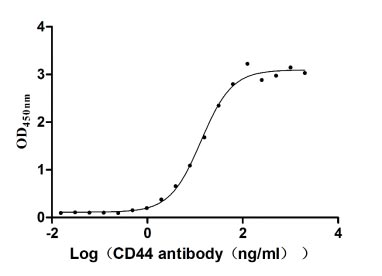 Bioactivity
CD44 Antigen (CD44), Active Protein (Cat# AAA243726)
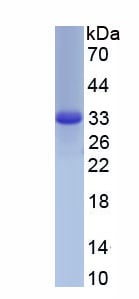
 Bioactivity
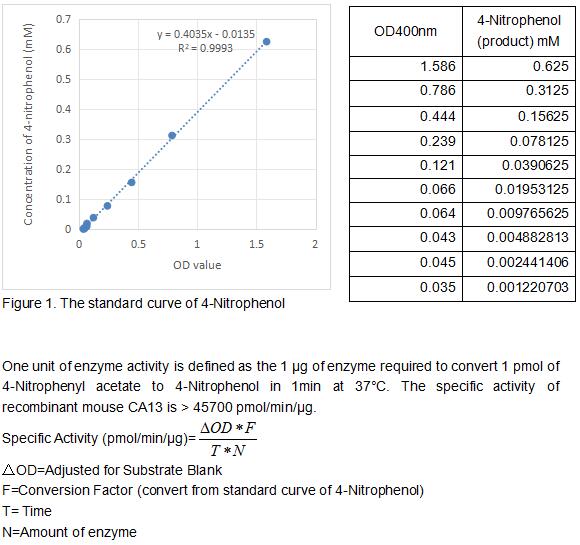
(Carbonic Anhydrase (CA) catalyzes the reversible reaction of CO2 H2O = HCO3- H, which is fundamental to many processes such as respiration, renal tubular acidification and bone resorption. CA13 is a cytosolic enzyme with a unique and widespread distribution pattern as compared to the other cytosolic CAs, indicating that it may play important physiological roles in several organs. The activity of recombinant mouse CA13 was measured by its ability to hydrolyze 4-Nitrophenyl acetate (4-NPA) to 4-Nitrophenol. The reaction was performed in 12.5 mM Tris, 75 mM NaCl, pH 7.5 (assay buffer), initiated by addition 50 uL of various concentrations of CA13 (diluted by assay buffer) to 50 uL of 2 mM substrate 4-NPA (100 mM stock in Acetone, diluted by assay buffer). Incubated at 37 degree C for 5min, then read at a wavelength of 400 nm.)
Bioactivity
(Carbonic Anhydrase (CA) catalyzes the reversible reaction of CO2 H2O = HCO3- H, which is fundamental to many processes such as respiration, renal tubular acidification and bone resorption. CA13 is a cytosolic enzyme with a unique and widespread distribution pattern as compared to the other cytosolic CAs, indicating that it may play important physiological roles in several organs. The activity of recombinant mouse CA13 was measured by its ability to hydrolyze 4-Nitrophenyl acetate (4-NPA) to 4-Nitrophenol. The reaction was performed in 12.5 mM Tris, 75 mM NaCl, pH 7.5 (assay buffer), initiated by addition 50 uL of various concentrations of CA13 (diluted by assay buffer) to 50 uL of 2 mM substrate 4-NPA (100 mM stock in Acetone, diluted by assay buffer). Incubated at 37 degree C for 5min, then read at a wavelength of 400 nm.)
Carbonic Anhydrase XIII (CA13), Active Protein (Cat# AAA161907)
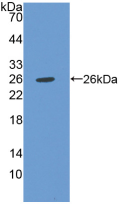
 Application Data
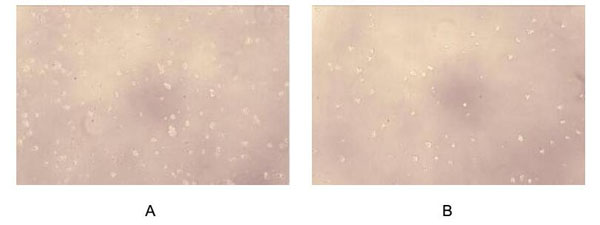
(Figure. Cell proliferation of Raji cells after stimulated with GP39.Glycoprotein 39, Cartilage (GP39) also known as Chitinase-3-like protein 1 (CHI3L1) is a secreted glycoprotein that is approximately 40kDa in size that in humans is encoded by the CHI3L1 gene. GP39 plays a role in cancer cell proliferation, survival, invasiveness and in the regulation of cell-matrix interactions. To test the effect of GP39 on cell proliferation, Raji cells were seeded into triplicate wells of 96-well plates at a density of 5,000 cells/well with 1% serum standard 1640 which contains various concentrations of recombinant human GP39. After incubated for 5 days, cells were observed by inverted microscope and cell proliferation was measured by Cell Counting Kit-8 (CCK-8). Briefly, 10uL of CCK-8 solution was added to each well of the plate, then the absorbance at 450nm was measured using a microplate reader after incubating the plate for 1-4 hours at 37. Proliferation of Raji cells after incubation with GP39 for 5 days observed by inverted microscope was shown in Figure 1. Cell viability was assessed by CCK-8 (Cell Counting Kit-8) assay after incubation with recombinant GP39 for 5 days. The result was shown in Figure 2. It was obvious that GP39 significantly increased cell viability of Raji cells.(A) Raji cells cultured in 1640, stimulated with 10ng/mL GP39 for 5 days; (B) Unstimulated Raji cells cultured in 1640 for 5 days.)
Application Data
(Figure. Cell proliferation of Raji cells after stimulated with GP39.Glycoprotein 39, Cartilage (GP39) also known as Chitinase-3-like protein 1 (CHI3L1) is a secreted glycoprotein that is approximately 40kDa in size that in humans is encoded by the CHI3L1 gene. GP39 plays a role in cancer cell proliferation, survival, invasiveness and in the regulation of cell-matrix interactions. To test the effect of GP39 on cell proliferation, Raji cells were seeded into triplicate wells of 96-well plates at a density of 5,000 cells/well with 1% serum standard 1640 which contains various concentrations of recombinant human GP39. After incubated for 5 days, cells were observed by inverted microscope and cell proliferation was measured by Cell Counting Kit-8 (CCK-8). Briefly, 10uL of CCK-8 solution was added to each well of the plate, then the absorbance at 450nm was measured using a microplate reader after incubating the plate for 1-4 hours at 37. Proliferation of Raji cells after incubation with GP39 for 5 days observed by inverted microscope was shown in Figure 1. Cell viability was assessed by CCK-8 (Cell Counting Kit-8) assay after incubation with recombinant GP39 for 5 days. The result was shown in Figure 2. It was obvious that GP39 significantly increased cell viability of Raji cells.(A) Raji cells cultured in 1640, stimulated with 10ng/mL GP39 for 5 days; (B) Unstimulated Raji cells cultured in 1640 for 5 days.)
Chitinase-3-like Protein 1, Active Protein (Cat# AAA150108)
 Application Data
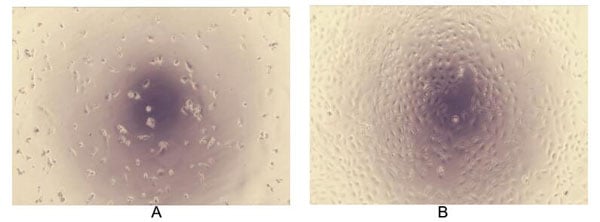
(Semaphorin-3F (SEMA3F) is a member of semaphorins family. All the family members have a secretion signal, a 500-amino acid sema domain, and 16 conserved cysteine residues. Semaphorins not only guide axons in development, but also have major roles in immune function (classes 4, 6, and 7) and the development of bones. Class 3 semaphorins are one of the most versatile semaphorin classes, in which Sema3a is the most studied. Besides, SEMA3F is deleted or downregulated in many metastatic tumors. To test the effect of SEMA3F on inhibit cell proliferation, human lung carcinoma cells A549 were seeded into triplicate wells of 96-well plates at a density of 5,000 cells/well and allowed to attach, replaced with serum-free overnight, then the medium was replaced with 2% serum standard DMEM prior to the addition of various concentrations of recombinant human SEMA3F. After incubated for 48h, cells were observed by inverted microscope and cell proliferation was measured by Cell Counting Kit-8 (CCK-8). Briefly, 10uL of CCK-8 solution was added to each well of the plate, then the absorbance at 450nm was measured using a microplate reader after incubating the plate for 1-4 hours at 37. Proliferation of A549 cells after incubation with SEMA3F for 48h observed by inverted microscope was shown in Figure 1. Cell viability was assessed by CCK-8 assay after incubation with recombinant SEMA3F for 48h. The result was shown in Figure 2. It was obvious that SEMA3F significantly increased cell viability of A549 cells. (A) A549 cells cultured in DMEM, stimulated with 100ng/mL SEMA3F for 48h; (B) Unstimulated A549 cells cultured in DMEM for 48h.Figure. Cell proliferation of A549 cells inhibtion by stimulating with SEMA3F.)
Application Data
(Semaphorin-3F (SEMA3F) is a member of semaphorins family. All the family members have a secretion signal, a 500-amino acid sema domain, and 16 conserved cysteine residues. Semaphorins not only guide axons in development, but also have major roles in immune function (classes 4, 6, and 7) and the development of bones. Class 3 semaphorins are one of the most versatile semaphorin classes, in which Sema3a is the most studied. Besides, SEMA3F is deleted or downregulated in many metastatic tumors. To test the effect of SEMA3F on inhibit cell proliferation, human lung carcinoma cells A549 were seeded into triplicate wells of 96-well plates at a density of 5,000 cells/well and allowed to attach, replaced with serum-free overnight, then the medium was replaced with 2% serum standard DMEM prior to the addition of various concentrations of recombinant human SEMA3F. After incubated for 48h, cells were observed by inverted microscope and cell proliferation was measured by Cell Counting Kit-8 (CCK-8). Briefly, 10uL of CCK-8 solution was added to each well of the plate, then the absorbance at 450nm was measured using a microplate reader after incubating the plate for 1-4 hours at 37. Proliferation of A549 cells after incubation with SEMA3F for 48h observed by inverted microscope was shown in Figure 1. Cell viability was assessed by CCK-8 assay after incubation with recombinant SEMA3F for 48h. The result was shown in Figure 2. It was obvious that SEMA3F significantly increased cell viability of A549 cells. (A) A549 cells cultured in DMEM, stimulated with 100ng/mL SEMA3F for 48h; (B) Unstimulated A549 cells cultured in DMEM for 48h.Figure. Cell proliferation of A549 cells inhibtion by stimulating with SEMA3F.)
Semaphorin 3F, Active Protein (Cat# AAA150147)
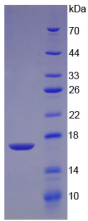
 SDS-PAGE
Pregnancy Associated Plasma Protein A (PAPPA), Active Protein (Cat# AAA149241)
 Bioactivity
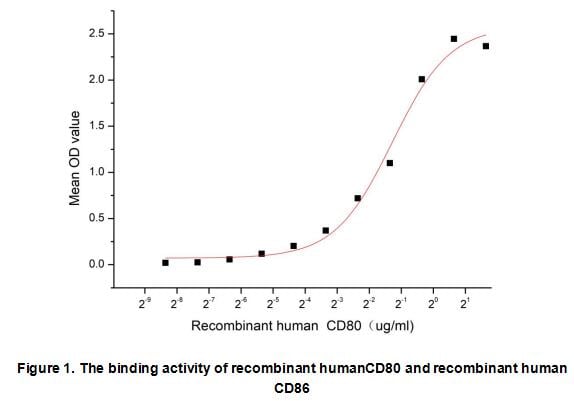
(B-Lymphocyte Activation Antigen B7-1 (CD80) is a membrane receptor that is activated by the binding of CD28 or CTLA-4. The activated protein induces T-cell proliferation and cytokine production. This protein can act as a receptor for adenovirus subgroup B)
Bioactivity
(B-Lymphocyte Activation Antigen B7-1 (CD80) is a membrane receptor that is activated by the binding of CD28 or CTLA-4. The activated protein induces T-cell proliferation and cytokine production. This protein can act as a receptor for adenovirus subgroup B)
B-Lymphocyte Activation Antigen B7-1 (LAB7-1), Active Protein (Cat# AAA153083)
 Bioactivity
(C-reactive protein (CRP) is an annular (ring-shaped), pentameric protein found in blood plasma, whose levels rise in response to inflammation. It is an acute-phase protein of hepatic origin that increases following interleukin-6 secretion by macrophages a)
Bioactivity
(C-reactive protein (CRP) is an annular (ring-shaped), pentameric protein found in blood plasma, whose levels rise in response to inflammation. It is an acute-phase protein of hepatic origin that increases following interleukin-6 secretion by macrophages a)
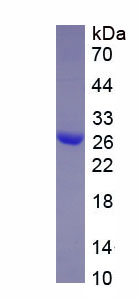
C ReProtein (CRP), Active Protein (Cat# AAA153061)
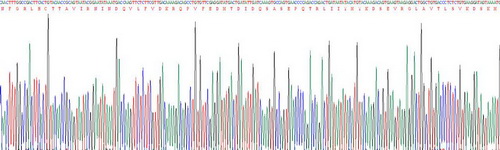 Application Data
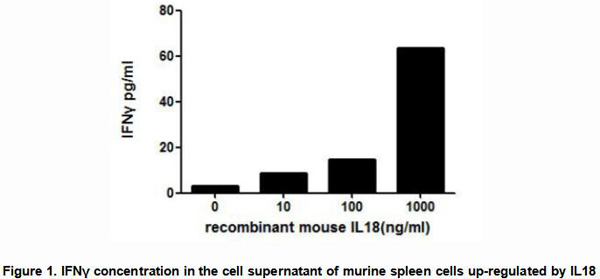
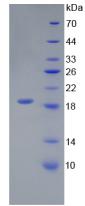
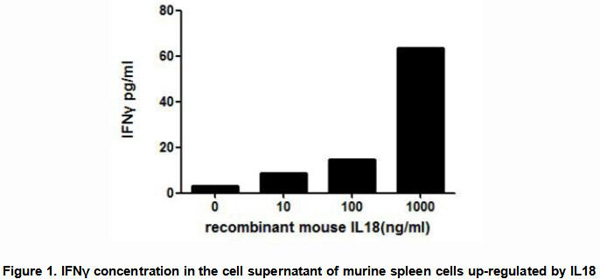
Interleukin 18 (IL18), Active Protein (Cat# AAA148130)
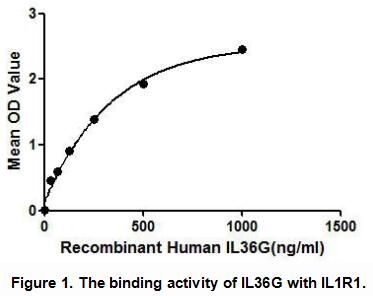
 SDS-PAGE
Interleukin 1 Family, Member 9 (IL1F9), Active Protein (Cat# AAA148222)
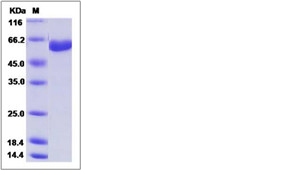 SDS-PAGE
Influenza A H7N9, Active Protein (Cat# AAA258068)
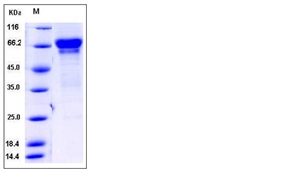
 Application Data
(Measured by its binding ability in a functional ELISA. Immobilized mouse His-TNFSF9 at 10 ug/ml (100 ul/well) can bind mouse TNFRSF9-Fc, The EC50 of mouse TNFRSF9-Fc is 12.0-29.0 ng/ml.)
Application Data
(Measured by its binding ability in a functional ELISA. Immobilized mouse His-TNFSF9 at 10 ug/ml (100 ul/well) can bind mouse TNFRSF9-Fc, The EC50 of mouse TNFRSF9-Fc is 12.0-29.0 ng/ml.)
CD137, Active Protein (Cat# AAA258206)
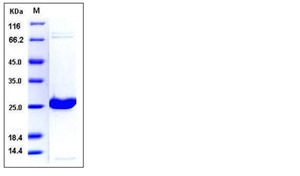 SDS-PAGE
UCHL1, Active Protein (Cat# AAA257988)
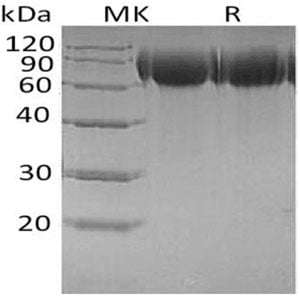 SDS-PAGE
(SDS-PAGE)
SDS-PAGE
(SDS-PAGE)
TrkB/NTRK2, Active Protein (Cat# AAA174698)
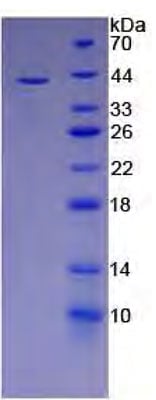
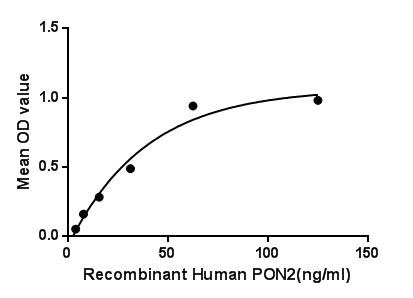
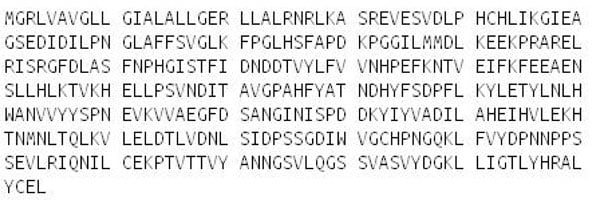
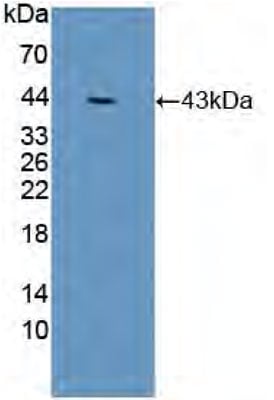 WB (Western Blot)
(Sample: Recombinant PoN2, Human;Antibody: Rabbit Anti-Human PoN2 Ab)
WB (Western Blot)
(Sample: Recombinant PoN2, Human;Antibody: Rabbit Anti-Human PoN2 Ab)
Paraoxonase 2 (PoN2), Active Protein (Cat# AAA147872)
 Bioactivity
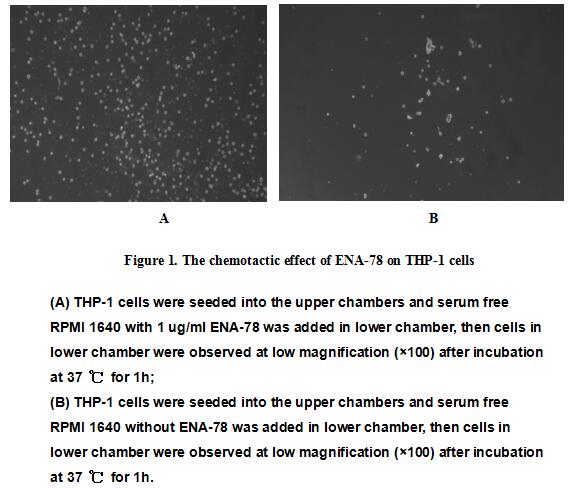
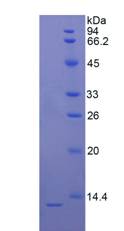
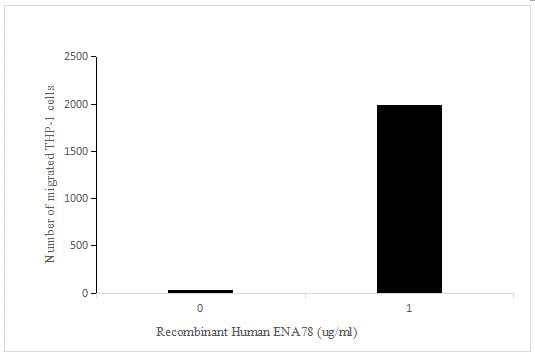
(Figure 2. The chemotactic effect of ENA-78 on THP-1 cells)
Bioactivity
(Figure 2. The chemotactic effect of ENA-78 on THP-1 cells)
Epithelial Neutrophil Activating Peptide 78 (ENA78), Active Protein (Cat# AAA153062)
 Bioactivity
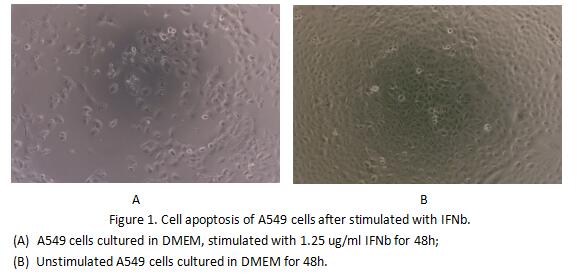
(Figure 2. Cell apoptosis of A549 cells after stimulated with IFNb.)
Bioactivity
(Figure 2. Cell apoptosis of A549 cells after stimulated with IFNb.)
Interferon Beta (IFNb), Active Protein (Cat# AAA153003)
 Bioactivity
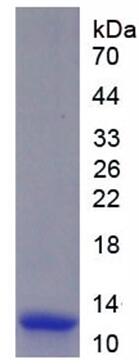
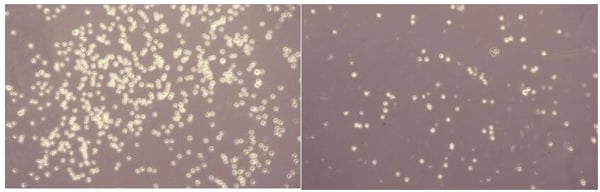
(Neutrophil Activating Protein 3 (NAP3),also known as chemokine (C-X-C motif) ligand 1 (CXCL1) is a small cytokine belonging to the CXC chemokine family. NAP3 plays a role in spinal cord development by inhibiting the migration of oligodendrocyte precursors and is involved in the processes of angiogenesis, arteriogenesis, inflammation, wound healing, and tumorigenesis. Thus, chemotaxis assay used 24-well microchemotaxis system was undertaken to detect the chemotactic effect of NAP3 on the human monocytic cell line THP-1. Briefly, THP-1 cells were seeded into the upper chambers (100uL cell suspension, 5×10⁵ cells/ml in RPMI 1640 with FBS free) and recombinant human NAP3 (0.01ng/mL, 0.1ng/mL, 1ng/mL, 10ng/mL, 100ng/mL, 1000ng/mL diluted separately in serum free RPMI 1640) was added in lower chamber with a polycarbonate filter (8um pore size) used to separate the two compartments. After incubation at 37 degree C with 5% CO2 for 1h, the filter was removed, then cells in low chamber were observed by inverted microscope at low magnification (×100) and the number of migrated cells were counted at high magnification (×200) randomly (five fields for each filter). Result shows recombinant human NAP3 is able to induce migration of THP-1 cells. The migrated THP-1 cells in low chamber at low magnification(×100) were shown in Figure 1. Five fields of each chamber were randomly chosen, and the migrated cells were counted at high magnification(×200). Statistical results were shown in Figure 2. The optimum chemotaxis of NAP3 occurs at 0.1~1ng/mL.)
Bioactivity
(Neutrophil Activating Protein 3 (NAP3),also known as chemokine (C-X-C motif) ligand 1 (CXCL1) is a small cytokine belonging to the CXC chemokine family. NAP3 plays a role in spinal cord development by inhibiting the migration of oligodendrocyte precursors and is involved in the processes of angiogenesis, arteriogenesis, inflammation, wound healing, and tumorigenesis. Thus, chemotaxis assay used 24-well microchemotaxis system was undertaken to detect the chemotactic effect of NAP3 on the human monocytic cell line THP-1. Briefly, THP-1 cells were seeded into the upper chambers (100uL cell suspension, 5×10⁵ cells/ml in RPMI 1640 with FBS free) and recombinant human NAP3 (0.01ng/mL, 0.1ng/mL, 1ng/mL, 10ng/mL, 100ng/mL, 1000ng/mL diluted separately in serum free RPMI 1640) was added in lower chamber with a polycarbonate filter (8um pore size) used to separate the two compartments. After incubation at 37 degree C with 5% CO2 for 1h, the filter was removed, then cells in low chamber were observed by inverted microscope at low magnification (×100) and the number of migrated cells were counted at high magnification (×200) randomly (five fields for each filter). Result shows recombinant human NAP3 is able to induce migration of THP-1 cells. The migrated THP-1 cells in low chamber at low magnification(×100) were shown in Figure 1. Five fields of each chamber were randomly chosen, and the migrated cells were counted at high magnification(×200). Statistical results were shown in Figure 2. The optimum chemotaxis of NAP3 occurs at 0.1~1ng/mL.)
Chemokine (C-X-C Motif) Ligand 1 (CXCL1), Active Protein (Cat# AAA152237)
 Bioactivity
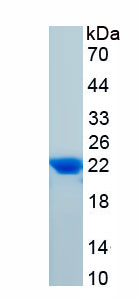
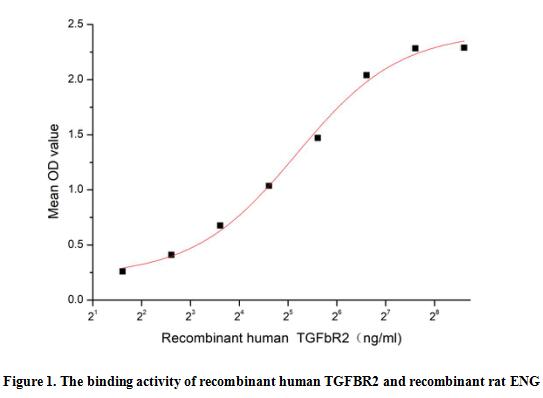
(Transforming growth factor beta receptor 2 (TGFBR2) is a tumor suppressor gene that plays a role in the differentiation of striated cells and remodeling of coronary arteries. Single nucleotide polymorphisms (SNPs) of this gene are associated with Marfan syndrome and sudden death in patients with coronary artery disease. Cardiovascular remodeling and T cell activation of TGFBR2 gene suggest that the TGFBR2 gene SNPs are related to the pathogenesis of Kawasaki disease (KD) and coronary artery lesion (CAL). Endoglin can regulate endothelial cell shape changes in response to blood flow, which drive vascular remodeling and establishment of normal vascular morphology during angiogenesis. A functional ELISA assay was conducted to detect the interaction of recombinant human TGFBR2 and recombinant rat Endoglin (ENG). Briefly, TGFBR2 was diluted serially in PBS with 0.01% BSA (pH 7.4). Duplicate samples of 100 ul were then transferred to ENG-coated microtiter wells and incubated for 1h at 37 degree C. Wells were washed with PBST and incubated for 1h with anti-TGFBR2 pAb, then aspirated and washed 3 times. After incubation with HRP labelled secondary antibody for 1h at 37 degree C, wells were aspirated and washed 5 times. With the addition of substrate solution, wells were incubated 15-25 minutes at 37 degree C. Finally, add 50 uL stop solution to the wells and read at 450/630nm immediately. The binding activity of recombinant human TGFBR2 and recombinant rat ENG was shown in Figure 1, the EC50 for this effect is 36.1 ng/mL.)
Bioactivity
(Transforming growth factor beta receptor 2 (TGFBR2) is a tumor suppressor gene that plays a role in the differentiation of striated cells and remodeling of coronary arteries. Single nucleotide polymorphisms (SNPs) of this gene are associated with Marfan syndrome and sudden death in patients with coronary artery disease. Cardiovascular remodeling and T cell activation of TGFBR2 gene suggest that the TGFBR2 gene SNPs are related to the pathogenesis of Kawasaki disease (KD) and coronary artery lesion (CAL). Endoglin can regulate endothelial cell shape changes in response to blood flow, which drive vascular remodeling and establishment of normal vascular morphology during angiogenesis. A functional ELISA assay was conducted to detect the interaction of recombinant human TGFBR2 and recombinant rat Endoglin (ENG). Briefly, TGFBR2 was diluted serially in PBS with 0.01% BSA (pH 7.4). Duplicate samples of 100 ul were then transferred to ENG-coated microtiter wells and incubated for 1h at 37 degree C. Wells were washed with PBST and incubated for 1h with anti-TGFBR2 pAb, then aspirated and washed 3 times. After incubation with HRP labelled secondary antibody for 1h at 37 degree C, wells were aspirated and washed 5 times. With the addition of substrate solution, wells were incubated 15-25 minutes at 37 degree C. Finally, add 50 uL stop solution to the wells and read at 450/630nm immediately. The binding activity of recombinant human TGFBR2 and recombinant rat ENG was shown in Figure 1, the EC50 for this effect is 36.1 ng/mL.)
Transforming Growth Factor Beta Receptor II (TGFbR2), Active Protein (Cat# AAA161898)
What Are Active Proteins?
Proteins are large molecules made up of long chains of amino acids. They will typically fold into a very particular 3-dimensional shape/conformation, that is sometimes referred to as their “native” form, which allows them to work properly in the body. For the purposes of product categorization, AAA Biotech will typically refer to proteins purified from their original animal host as being “native” proteins (this is to signify their difference compared to their recombinant proteins or “synthetic” protein counterparts).
If a protein successfully folds into the correct shape, it will typically display high fidelity characteristics to its original protein in its original animal host and be classified as an active protein, as it will be able to function “normally” in most enzymatic or binding capacities. If it loses this shape, due to factors such as heat or strong chemicals (such as detergents), it becomes inactive and is no longer able to perform its basic functions.
All of the proteins in this category are made under strict quality control, and they are active, pure, low in contaminants, and stable. Most are stored as freeze-dried powders and come without extra tags, so they’re very close to the actual natural/native form.
Learn more in our guide “How active proteins work”.
Key Applications of Active Proteins
1. Scientific Research
- Aid in the study of how proteins function in the body
- Aid in understanding various disease processes
2. Drug Development
- Powerful tools to investigate how potential drugs interact with specific proteins
- Ideal for identifying drug targets
3. Cell Culture
- Are routinely utilized to support cell growth and function (e.g., using exogenous growth factors)
- Can be used to promote cellular development into specific types (differentiation)
4. Diagnostics
- Regularly utilized in tests to detect diseases or infections (e.g., COVID-19, cancer)
- Note: All products are strictly for research-use only (RUO).
5. Therapeutics
- Some active proteins are used directly as treatments (e.g., insulin, enzymes)
- Note: All products are strictly for research-use only (RUO).
6. Vaccine Development
- Used to create or test vaccines by mimicking parts of viruses or bacteria
7. Biochemical Assays
- They can facilitate the characterization of enzyme activity, binding strength, or protein interactions in lab tests
Why Buy Active Proteins from AAA Biotech?
- High biological activity – Verified to perform as expected or indicated on datasheet
- Strict quality control – We are confident in our active proteins’ reliability and consistency
- High purity & low endotoxin – Ideal for applications involving sensitive or precious samples/components
- Freeze-dried for stability – Long shelf life and straightforward storage
- Mostly tag-free – Closer to natural/native protein form
FAQ
1. What are active proteins used for in research?
Active proteins are used primarily in the study of how proteins function, in characterizing/discovering drug interactions, supporting cell growth, running biochemical assays, and in development of diagnostics or therapeutics.
2. How are AAA Biotech's active proteins validated?
AAA Biotech’s active proteins are validated through strict quality control and functional assays to ensure they are properly folded and active. “Active”, though, can be an ambiguous term, so if a specific “activity” or “binding” capability of a protein is of crucial interest to you, please inquire with us prior to purchase, and we will provide further details on how the “Active” modifier was determined to be applicable.
3. Are these proteins tested for biological activity?
Yes, all active proteins from AAA Biotech are tested to confirm they have the expected biological activity before being offered for use. Though, said “biological activity” can be either “enzymatic”, “binding”, or both.