
Filters
▼Clonality
▼Type
▼Reactivity
▼Gene Name
▼Isotype
▼Host
▼Application
▼Clone
▼Active Proteins
AAA Biotech also known as AAA Bio or AAABio provides a variety of high-quality recombinant and natural/native proteins that are proven to work in a wide range of experiments. Explore our products to find the active protein that best fits your needs or experimental model.
Viewing 1900-1950 of 2875 product results
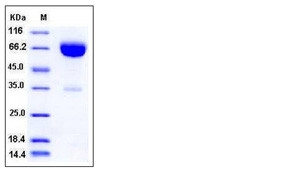
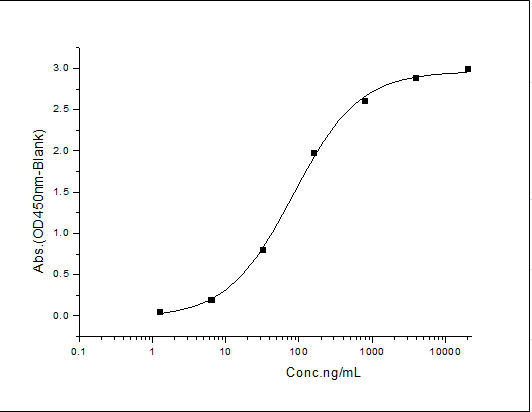 Application Data
(Measured by its binding ability in a functional ELISA. Immobilized PPICZa-IFNA2 at 10 ug/mL (100 uL/well) can bind IFNaR2-Fc, the EC50 of IFNaR2-Fc is 60-200 ng/mL.)
Application Data
(Measured by its binding ability in a functional ELISA. Immobilized PPICZa-IFNA2 at 10 ug/mL (100 uL/well) can bind IFNaR2-Fc, the EC50 of IFNaR2-Fc is 60-200 ng/mL.)
IFNAR2, Active Protein (Cat# AAA257877)
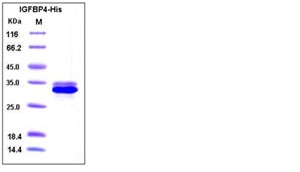
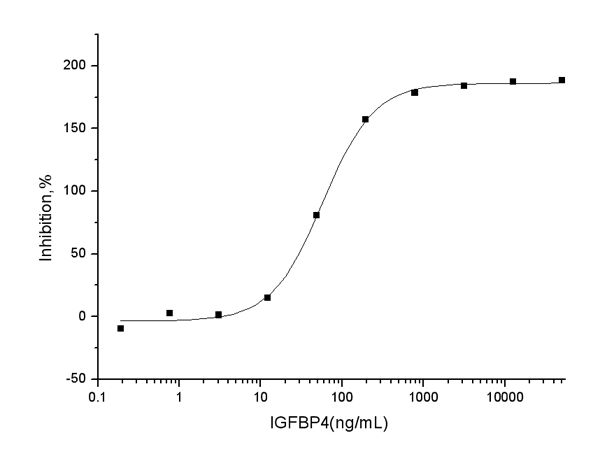 Application Data
(Measured by its ability to inhibit the biological activity of IGFI or IGFII on MCF7 human breast adenocarcinoma cells (Karey, K.P. et al. (1988) Cancer Research 48:4083.). The ED50 for this effect is typically 0.04-0.4 ug/mL in the presence of 14 ng/mL human IGFII.)
Application Data
(Measured by its ability to inhibit the biological activity of IGFI or IGFII on MCF7 human breast adenocarcinoma cells (Karey, K.P. et al. (1988) Cancer Research 48:4083.). The ED50 for this effect is typically 0.04-0.4 ug/mL in the presence of 14 ng/mL human IGFII.)
IGFBP4, Active Protein (Cat# AAA257955)
Aldehyde Dehydrogenase 2, Active Protein (Cat# AAA38769)
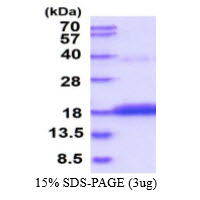 SDS-PAGE
CDA, Active Protein (Cat# AAA48626)

 Bioactivity
SARS-CoV S1 Protein, Active Protein (Cat# AAA177981)
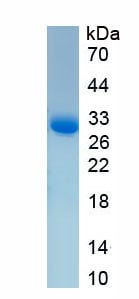
 Bioactivity
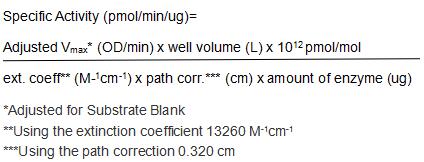
(Granzyme H is a member of the granzyme family of serine proteases found specifically in the cytotoxic granules of cytotoxic T lymphocytes (CTL) and natural killer (NK) cells. Granzyme H's functions are largely unknown. The more abundant expression of Granzyme H than Granzyme B in NK cells suggests that Granzyme H may complement the pro-apoptotic function of Granzyme B in this cell type. Human Granzyme H is synthesized as a precursor (246 residues) with a signal peptide (residues 1-18), a propeptide (residues 19-20) and a mature chain (residues 21-246). The purified recombinant human Granzyme H consists of residues 19 to 246 which activity was measured by its ability to cleaves a thioester substrate Z-Lys-SBzl•HCl. The reaction was performed in 0.05 M Tris, 0.15 M NaCl, 0.01% Triton X-100, pH 8.0 (Assay Buffer), initiated by addition 50 uL of various concentrations of GZMH (diluted by Assay Buffer) to 50 uL of 1.2 mM Substrate and DTNB mixture. The final well serves as a negative control with no GZMH, replaced with 50 uL assay buffer. Incubated at 25 degree C for 5min, then read at a wavelength of 405 nm. The specific activity of recombinant human Granzyme H is >300 pmol/min/ug.)
Bioactivity
(Granzyme H is a member of the granzyme family of serine proteases found specifically in the cytotoxic granules of cytotoxic T lymphocytes (CTL) and natural killer (NK) cells. Granzyme H's functions are largely unknown. The more abundant expression of Granzyme H than Granzyme B in NK cells suggests that Granzyme H may complement the pro-apoptotic function of Granzyme B in this cell type. Human Granzyme H is synthesized as a precursor (246 residues) with a signal peptide (residues 1-18), a propeptide (residues 19-20) and a mature chain (residues 21-246). The purified recombinant human Granzyme H consists of residues 19 to 246 which activity was measured by its ability to cleaves a thioester substrate Z-Lys-SBzl•HCl. The reaction was performed in 0.05 M Tris, 0.15 M NaCl, 0.01% Triton X-100, pH 8.0 (Assay Buffer), initiated by addition 50 uL of various concentrations of GZMH (diluted by Assay Buffer) to 50 uL of 1.2 mM Substrate and DTNB mixture. The final well serves as a negative control with no GZMH, replaced with 50 uL assay buffer. Incubated at 25 degree C for 5min, then read at a wavelength of 405 nm. The specific activity of recombinant human Granzyme H is >300 pmol/min/ug.)
Granzyme H (GZMH), Active Protein (Cat# AAA161935)
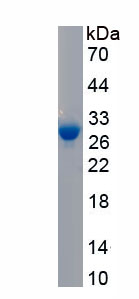
 Bioactivity
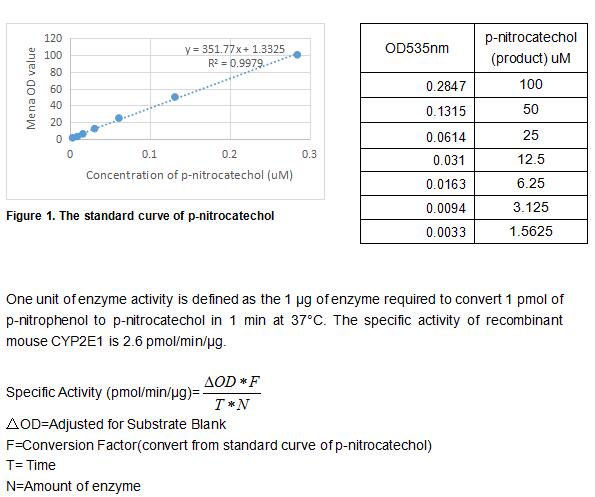
(The cytochrome P450 enzyme CYP2E1 catalyzes the oxidative metabolism of many solvents and other small organic molecules. CYP2E1 is expressed in adult and fetal human liver in addition to extrahepatic tissues such as lung and placenta. Treatment of primary cultures of human hepatocytes with ethanol induces CYP2E1 protein, and this is consistent with the finding that hepatic CYP2E1 protein and mRNA levels are increased in individuals with alcoholism. Although only a few drugs (e.g., acetaminophen have been identified as substrates for CYP2E1, many low molecular weight procarcinogens are activated by this cytochrome P450 (P450). Chlorzoxazone 6-hydroxylation, N-nitrosodimethylamine N-demethylation and p-nitrophenol hydroxylation can be used to measure the catalytic activity of CYP2E1. Thus, the recombinant mouse CYP2E1 activity was measured by its ability to hydroxylate p-nitrophenol to p-nitrocatechol. The reaction was performed in 50 mM potassium phosphate, pH 7.4 (Assay Buffer), initiated by addition 20 uL of 500 ug/ml CYP2E1 to 10 uL of 5 mM substrate p-nitrophenol and 30 ul of 26 mM NADPH in a total volume of 500 ul. Incubated at 37 degree C for 30min, then read at a wavelength of 535 nm after acidification of the reaction mixture with trichloroacetic acid followed by neutralization using 2 M NaOH.)
Bioactivity
(The cytochrome P450 enzyme CYP2E1 catalyzes the oxidative metabolism of many solvents and other small organic molecules. CYP2E1 is expressed in adult and fetal human liver in addition to extrahepatic tissues such as lung and placenta. Treatment of primary cultures of human hepatocytes with ethanol induces CYP2E1 protein, and this is consistent with the finding that hepatic CYP2E1 protein and mRNA levels are increased in individuals with alcoholism. Although only a few drugs (e.g., acetaminophen have been identified as substrates for CYP2E1, many low molecular weight procarcinogens are activated by this cytochrome P450 (P450). Chlorzoxazone 6-hydroxylation, N-nitrosodimethylamine N-demethylation and p-nitrophenol hydroxylation can be used to measure the catalytic activity of CYP2E1. Thus, the recombinant mouse CYP2E1 activity was measured by its ability to hydroxylate p-nitrophenol to p-nitrocatechol. The reaction was performed in 50 mM potassium phosphate, pH 7.4 (Assay Buffer), initiated by addition 20 uL of 500 ug/ml CYP2E1 to 10 uL of 5 mM substrate p-nitrophenol and 30 ul of 26 mM NADPH in a total volume of 500 ul. Incubated at 37 degree C for 30min, then read at a wavelength of 535 nm after acidification of the reaction mixture with trichloroacetic acid followed by neutralization using 2 M NaOH.)
Cytochrome P450 2E1 (CYP2E1), Active Protein (Cat# AAA161819)
 Bioactivity
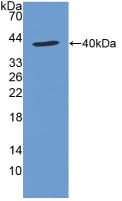
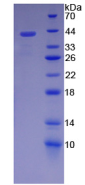
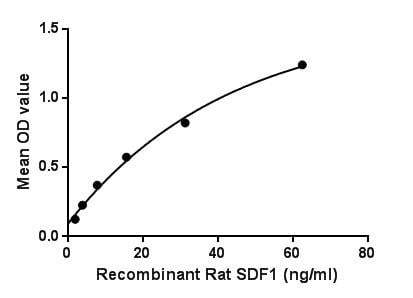
(Figure. The binding activity of SDF1 with CCR1The stromal cell-derived factor 1 (SDF1), also known as C-X-C motif chemokine 12 (CXCL12), is a chemokine protein. SDF1 is strongly chemotactic for lymphocytes. During embryogenesis, it directs the migration of hematopoietic cells from fetal liver to bone marrow and the formation of large blood vessels. CXCL12 is also chemotactic for mesenchymal stem cells and is expressed in the area of inflammatory bone destruction, where it mediates their suppressive effect on osteoclastogenesis. Besides, Chemokine C-C-Motif Receptor 1 (CCR1) has been identified as an interactor of SDF1, thus a binding ELISA assay was conducted to detect the interaction of recombinant rat SDF1 and recombinant rat CCR1. Briefly, SDF1 were diluted serially in PBS, with 0.01% BSA (pH 7.4). Duplicate samples of 100L were then transferred to CCR1-coated microtiter wells and incubated for 2h at 37. Wells were washed with PBST and incubated for 1h with anti-SDF1 pAb, then aspirated and washed 3 times. After incubation with HRP labelled secondary antibody, wells were aspirated and washed 3 times. With the addition of substrate solution, wells were incubated 15-25 minutes at 37. Finally, add 50uL stop solution to the wells and read at 450nm immediately. The binding activity of SDF1 and CCR1 was shown in Figure 1, and this effect was in a dose dependent manner.)
Bioactivity
(Figure. The binding activity of SDF1 with CCR1The stromal cell-derived factor 1 (SDF1), also known as C-X-C motif chemokine 12 (CXCL12), is a chemokine protein. SDF1 is strongly chemotactic for lymphocytes. During embryogenesis, it directs the migration of hematopoietic cells from fetal liver to bone marrow and the formation of large blood vessels. CXCL12 is also chemotactic for mesenchymal stem cells and is expressed in the area of inflammatory bone destruction, where it mediates their suppressive effect on osteoclastogenesis. Besides, Chemokine C-C-Motif Receptor 1 (CCR1) has been identified as an interactor of SDF1, thus a binding ELISA assay was conducted to detect the interaction of recombinant rat SDF1 and recombinant rat CCR1. Briefly, SDF1 were diluted serially in PBS, with 0.01% BSA (pH 7.4). Duplicate samples of 100L were then transferred to CCR1-coated microtiter wells and incubated for 2h at 37. Wells were washed with PBST and incubated for 1h with anti-SDF1 pAb, then aspirated and washed 3 times. After incubation with HRP labelled secondary antibody, wells were aspirated and washed 3 times. With the addition of substrate solution, wells were incubated 15-25 minutes at 37. Finally, add 50uL stop solution to the wells and read at 450nm immediately. The binding activity of SDF1 and CCR1 was shown in Figure 1, and this effect was in a dose dependent manner.)
Stromal Cell Derived Factor 1, Active Protein (Cat# AAA150074)
 Bioactivity
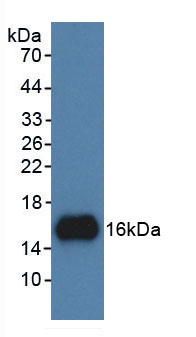
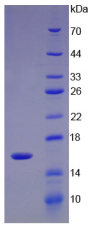
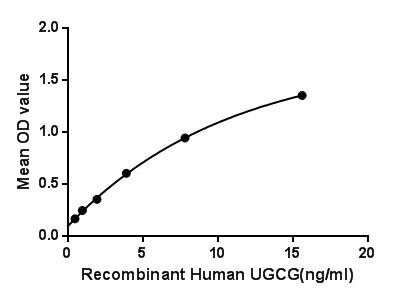
(Figure. The binding activity of UGCG with LMP2.)
Bioactivity
(Figure. The binding activity of UGCG with LMP2.)
UDP Glucose Ceramide Glucosyltransferase, Active Protein (Cat# AAA150115)
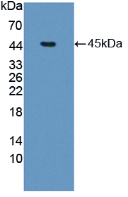 WB (Western Blot)
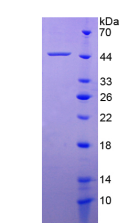
(Figure. Western Blot)
WB (Western Blot)
(Figure. Western Blot)
Platelet Derived Growth Factor D, Active Protein (Cat# AAA150130)
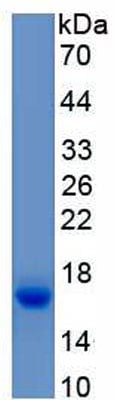
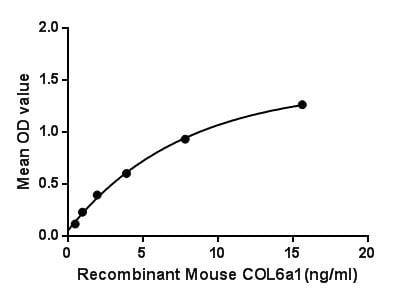

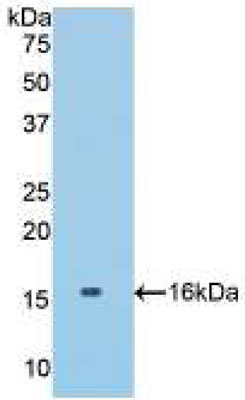 WB (Western Blot)
(Western BlotSample: Recombinant COL6a1, Mouse;Antibody: Rabbit Anti-Mouse COL6a1 Ab)
WB (Western Blot)
(Western BlotSample: Recombinant COL6a1, Mouse;Antibody: Rabbit Anti-Mouse COL6a1 Ab)
Collagen Type VI Alpha 1 (COL6a1), Active Protein (Cat# AAA149258)

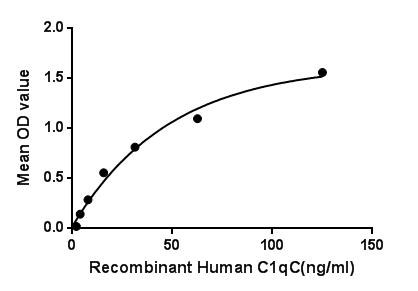

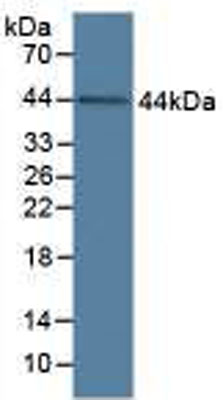 WB (Western Blot)
(Figure 3. Western BlotSample: Recombinant C1qC, Human;Antibody: Rabbit Anti-Human C1qC Ab)
WB (Western Blot)
(Figure 3. Western BlotSample: Recombinant C1qC, Human;Antibody: Rabbit Anti-Human C1qC Ab)
Complement Component 1, Q Subcomponent C (C1qC), Active Protein (Cat# AAA149263)

 Bioactivity
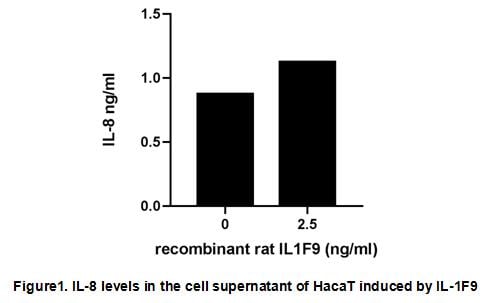
(IL36G (Interleukin 36 gamma), also known as IL-1F9 and IL-1H1 is a member of the IL-1 family of cytokines. This cytokine is an important mediator of the inflammatory response, and is involved in a variety of cellular activities, including cell proliferati)
Bioactivity
(IL36G (Interleukin 36 gamma), also known as IL-1F9 and IL-1H1 is a member of the IL-1 family of cytokines. This cytokine is an important mediator of the inflammatory response, and is involved in a variety of cellular activities, including cell proliferati)
Interleukin 1 Family, Member 9 (IL1F9), Active Protein (Cat# AAA153138)
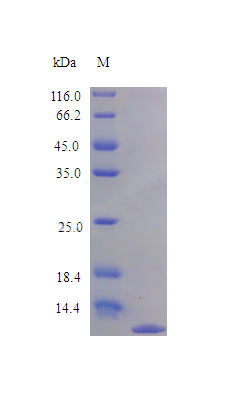 SDS-PAGE
C-C motif chemokine 3 protein (Ccl3), Active Protein (Cat# AAA114236)
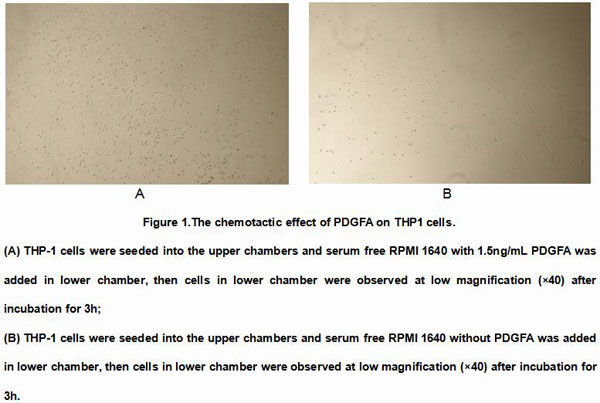
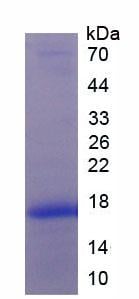
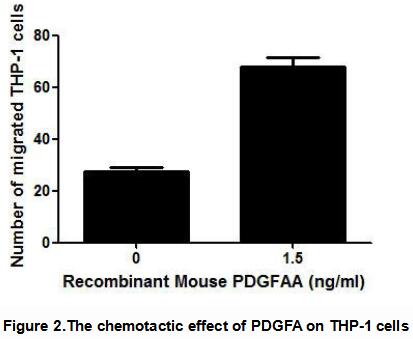 Application Data
Platelet Derived Growth Factor Subunit A (PDGFA), Active Protein (Cat# AAA148131)
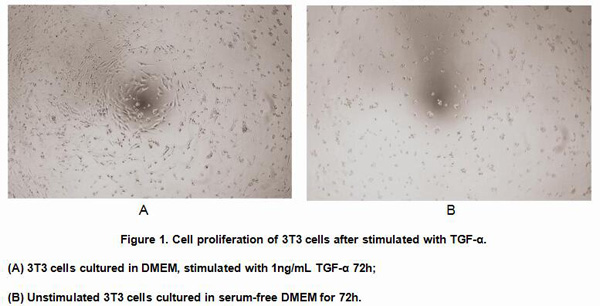
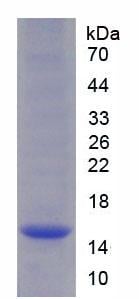 SDS-PAGE
Transforming Growth Factor Alpha (TGFa), Active Protein (Cat# AAA148232)
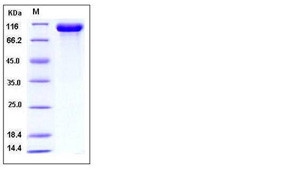
 Application Data
(Measured by its ability to inhibit FGF acidic (aFGF / FGF1) dependent proliferation of Balb/c3T3 mouse embryonic fibroblasts. The ED50 for this effect is typically 5-25ng/mL.)
Application Data
(Measured by its ability to inhibit FGF acidic (aFGF / FGF1) dependent proliferation of Balb/c3T3 mouse embryonic fibroblasts. The ED50 for this effect is typically 5-25ng/mL.)
FGFR4, Active Protein (Cat# AAA257891)
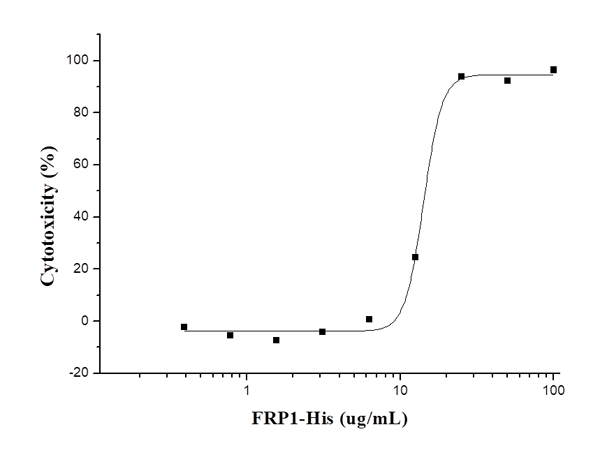
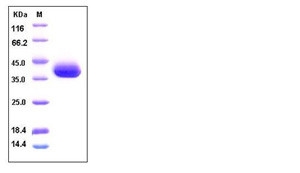 Application Data
SFRP1, Active Protein (Cat# AAA257909)
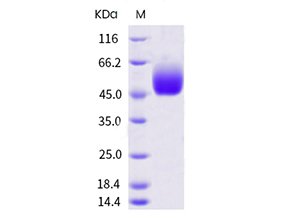
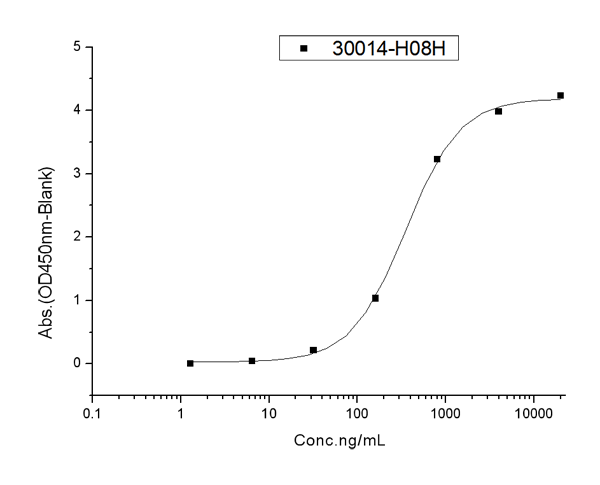 Application Data
(Measured by its binding ability in a functional ELISA. Immobilized human CD47 at 2 ug/ml (100 ul/well) can bind human SIRPa(V2)-His, the EC50 of human SIRPa(V2)-His is 200-800 ng/mL.)
Application Data
(Measured by its binding ability in a functional ELISA. Immobilized human CD47 at 2 ug/ml (100 ul/well) can bind human SIRPa(V2)-His, the EC50 of human SIRPa(V2)-His is 200-800 ng/mL.)
SIRP alpha, Active Protein (Cat# AAA258062)
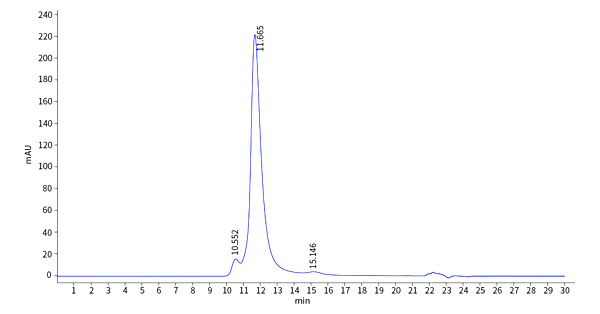
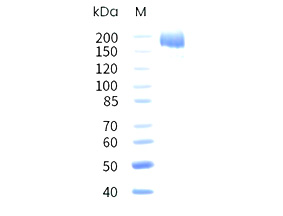
 Application Data
(Immobilized human ACE2 protein (Fc tag)(Cat: 10108-H05H) at 2 ug/mL (100 uL/well) can bind Recombinant SARS-CoV-2 BA.3 (Omicron) Spike S1+S2 trimer Protein (His Tag)(Cat:AAA258595), the EC50 is 5-15 ng/mL.)
Application Data
(Immobilized human ACE2 protein (Fc tag)(Cat: 10108-H05H) at 2 ug/mL (100 uL/well) can bind Recombinant SARS-CoV-2 BA.3 (Omicron) Spike S1+S2 trimer Protein (His Tag)(Cat:AAA258595), the EC50 is 5-15 ng/mL.)
COVID 19 BA.3 (Omicron) Spike S1+S2 trimer Coronavirus, Active Protein (Cat# AAA258595)
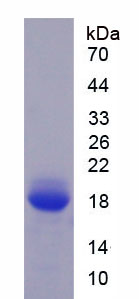
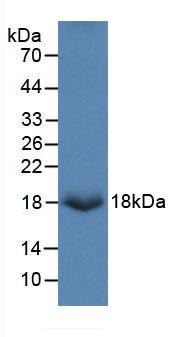 WB (Western Blot)
(Figure. Western Blot)
WB (Western Blot)
(Figure. Western Blot)
Fibronectin Type III Domain Containing Protein 5, Active Protein (Cat# AAA150148)
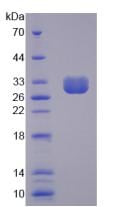
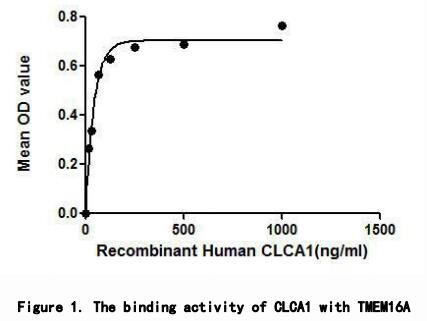
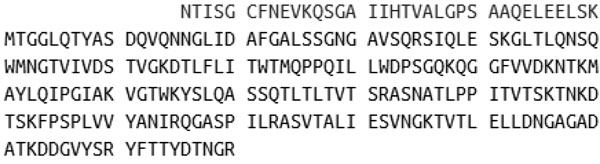
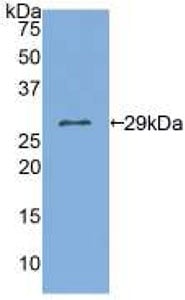 WB (Western Blot)
(Figure 3. Western BlotSample: Recombinant CLCA1, Human;Antibody: Rabbit Anti-Human CLCA1 Ab)
WB (Western Blot)
(Figure 3. Western BlotSample: Recombinant CLCA1, Human;Antibody: Rabbit Anti-Human CLCA1 Ab)
Chloride Channel Accessory 1 (CLCA1), Active Protein (Cat# AAA148124)

 Bioactivity
(Complement factor B (CFB), a 95-kDa protein, is a crucial catalytic element of the alternative pathway (AP) of complement. After binding of CFB to C3b, activation of the AP depends on the proteolytic cleavage of CFB by factor D to generate the C3 converta)
Bioactivity
(Complement factor B (CFB), a 95-kDa protein, is a crucial catalytic element of the alternative pathway (AP) of complement. After binding of CFB to C3b, activation of the AP depends on the proteolytic cleavage of CFB by factor D to generate the C3 converta)
Complement Factor B (CFB), Active Protein (Cat# AAA153109)
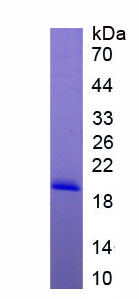
 Bioactivity
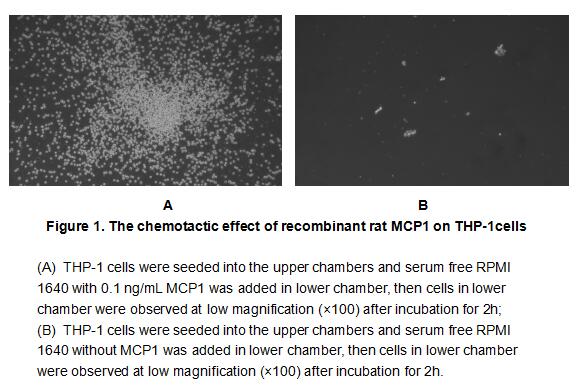
(Monocyte Chemotactic Protein 1 (MCP1), also known as C-C motif chemokine 2(CCL2), is a member of the beta (C-C) subfamily of chemokines that is a chemoattractant for monocytes and basophils. Rat CCL2 is secreted as a 14 kDa glycoprotein monomer but noncov)
Bioactivity
(Monocyte Chemotactic Protein 1 (MCP1), also known as C-C motif chemokine 2(CCL2), is a member of the beta (C-C) subfamily of chemokines that is a chemoattractant for monocytes and basophils. Rat CCL2 is secreted as a 14 kDa glycoprotein monomer but noncov)
Monocyte Chemotactic Protein 1 (MCP1), Active Protein (Cat# AAA152976)
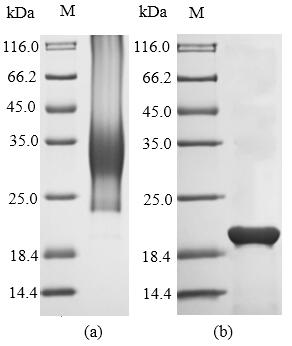 SDS-PAGE
Zymogen granule protein 16 homolog B, Active Protein (Cat# AAA117036)
 Bioactivity
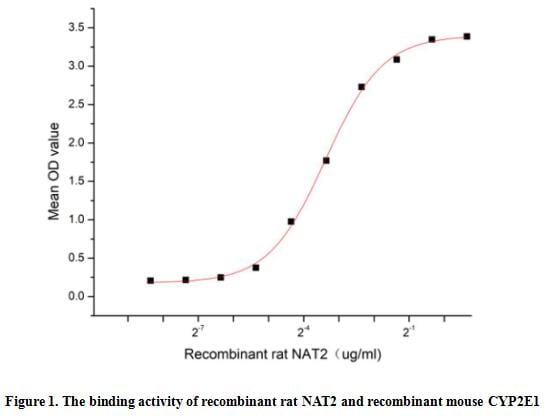
(N-Acetyltransferase 2 (NAT2)) is an enzyme that plays an important role in metabolism and detoxification of many compounds including drugs and environmental carcinogens through chemical modification of the amine group with an acetyl group. Cytochrome P4502E1 (CYP2E1) and NAT2 are related to chronic obstructive pulmonary disease and CYP2E1 can bind to NAT2. Thus a functional binding ELISA assay was conducted to detect the interaction of recombinant rat NAT2 and recombinant mouse CYP2E1. Briefly, NAT2 was diluted serially in PBS with 0.01% BSA (pH 7.4). Duplicate samples of 100 ul were then transferred to CYP2E1-coated microtiter wells and incubated for 1h at 37 degree C. Wells were washed with PBST and incubated for 1h with anti-NAT2 pAb, then aspirated and washed 3 times. After incubation with HRP labelled secondary antibody for 1h at 37 degree C, wells were aspirated and washed 5 times. With the addition of substrate solution, wells were incubated 15-25 minutes at 37 degree C. Finally, add 50 uL stop solution to the wells and read at 450/630 nm immediately. The binding activity of recombinant rat NAT2 and recombinant mouse CYP2E1 was shown in Figure 1, the EC50 for this effect is 0.096 ug/mL.)
Bioactivity
(N-Acetyltransferase 2 (NAT2)) is an enzyme that plays an important role in metabolism and detoxification of many compounds including drugs and environmental carcinogens through chemical modification of the amine group with an acetyl group. Cytochrome P4502E1 (CYP2E1) and NAT2 are related to chronic obstructive pulmonary disease and CYP2E1 can bind to NAT2. Thus a functional binding ELISA assay was conducted to detect the interaction of recombinant rat NAT2 and recombinant mouse CYP2E1. Briefly, NAT2 was diluted serially in PBS with 0.01% BSA (pH 7.4). Duplicate samples of 100 ul were then transferred to CYP2E1-coated microtiter wells and incubated for 1h at 37 degree C. Wells were washed with PBST and incubated for 1h with anti-NAT2 pAb, then aspirated and washed 3 times. After incubation with HRP labelled secondary antibody for 1h at 37 degree C, wells were aspirated and washed 5 times. With the addition of substrate solution, wells were incubated 15-25 minutes at 37 degree C. Finally, add 50 uL stop solution to the wells and read at 450/630 nm immediately. The binding activity of recombinant rat NAT2 and recombinant mouse CYP2E1 was shown in Figure 1, the EC50 for this effect is 0.096 ug/mL.)
N-Acetyltransferase 2 (NAT2), Active Protein (Cat# AAA161924)
 Bioactivity
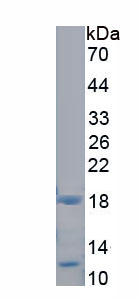
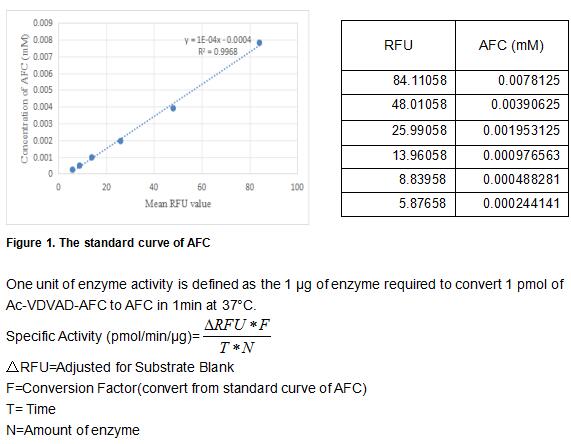
(Caspase-2 (CASP2) is a 3032 kDa member of the peptidase C14A/IL1 beta-converting family of enzymes. It is widely expressed and is an integral component of the apoptotic cascade. Based on the length of its prodomain, caspase-2 has been considered to be an initiator caspase. Human procaspase-2 is a 4851 kDa, 452 amino acid (aa) protein. It is known to exist as a disulfide-linked homodimer via covalent linkage at Cys436. But this dimeric state may not be sufficient for (auto) activation. Actual activation may occur following oligomerization within the context of activating platforms such as DISC (death-inducing signaling complex) or the PIDDosome. The activity assay of recombinant human CASP2 was measured by its ability to cleave the fluorogenic peptide substrate Ac-VDVAD-AFC. The reaction was performed in 25 mM HEPES, 0.1% (w/v) CHAPS, 10 mM dithiothreitol (DTT), pH 7.5 (Assay Buffer). The CASP2 was diluted to 3 ug/ml by assay buffer and incubated at room temperature for 15min. The reaction was initiated by adding 50 ul 3 ug/ml CASP2 to 50 ul of 200 uM substrate and then read at excitation and emission wavelengths of 400 nm and 505 nm (top read), respectively, in kinetic mode for 5 minutes. The specific activity of recombinant human CASP2 is 2100 pmol/min/ug.)
Bioactivity
(Caspase-2 (CASP2) is a 3032 kDa member of the peptidase C14A/IL1 beta-converting family of enzymes. It is widely expressed and is an integral component of the apoptotic cascade. Based on the length of its prodomain, caspase-2 has been considered to be an initiator caspase. Human procaspase-2 is a 4851 kDa, 452 amino acid (aa) protein. It is known to exist as a disulfide-linked homodimer via covalent linkage at Cys436. But this dimeric state may not be sufficient for (auto) activation. Actual activation may occur following oligomerization within the context of activating platforms such as DISC (death-inducing signaling complex) or the PIDDosome. The activity assay of recombinant human CASP2 was measured by its ability to cleave the fluorogenic peptide substrate Ac-VDVAD-AFC. The reaction was performed in 25 mM HEPES, 0.1% (w/v) CHAPS, 10 mM dithiothreitol (DTT), pH 7.5 (Assay Buffer). The CASP2 was diluted to 3 ug/ml by assay buffer and incubated at room temperature for 15min. The reaction was initiated by adding 50 ul 3 ug/ml CASP2 to 50 ul of 200 uM substrate and then read at excitation and emission wavelengths of 400 nm and 505 nm (top read), respectively, in kinetic mode for 5 minutes. The specific activity of recombinant human CASP2 is 2100 pmol/min/ug.)
Caspase 2 (CASP2), Active Protein (Cat# AAA161718)
 Bioactivity
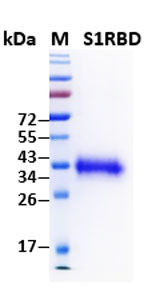
(Bioactivity & antigenicity: Strong binding ability with human ACE2 protein and binding capacity to a human anti-S1 monoclonal antibody (determined by ELISA).)
Bioactivity
(Bioactivity & antigenicity: Strong binding ability with human ACE2 protein and binding capacity to a human anti-S1 monoclonal antibody (determined by ELISA).)
COVID 19 Spike 1 Receptor-Binding Domain (S1RBD) Coronavirus, Active Protein (Cat# AAA60538)
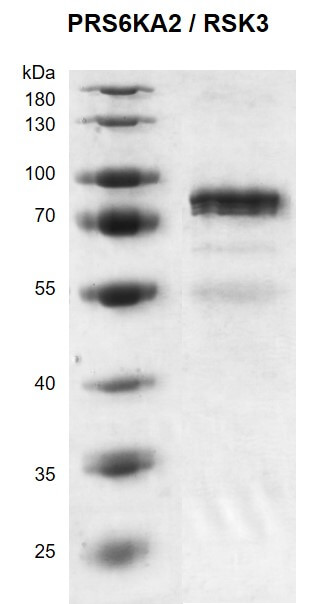
 Bioactivity
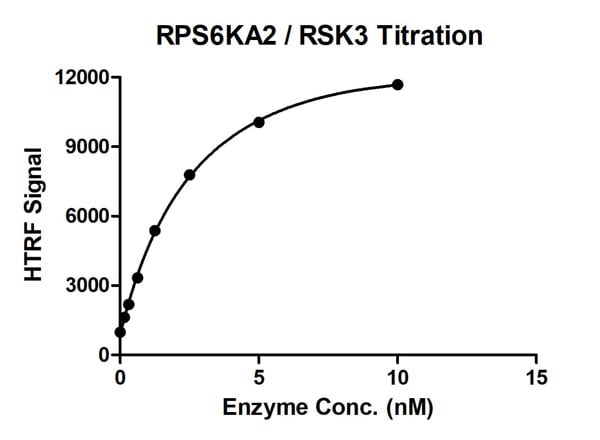
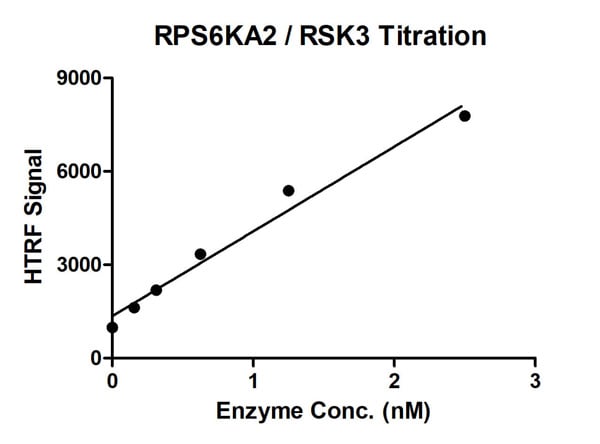
(HTRF assay for RPS6KA2/RSK3 protein activity 1 uM STK S1 substrate was incubated with different concentrations of RPS6KA2/RSK3 protein in a 10 ul reaction system containing 1×Enzymatic Buffer, 5 mM MgCl2, 1 mM DTT, and 100 uM ATP for 1 hour. The 10 ul detection reagents containing anti-STK antibody (1:2) and SA-XL665 (1:100) diluted with 1× Detection Buffer were added and incubated with the reactions for 30 min. All the operations and reactions were performed at room temperature. HTRF assay was used for detection.)
Bioactivity
(HTRF assay for RPS6KA2/RSK3 protein activity 1 uM STK S1 substrate was incubated with different concentrations of RPS6KA2/RSK3 protein in a 10 ul reaction system containing 1×Enzymatic Buffer, 5 mM MgCl2, 1 mM DTT, and 100 uM ATP for 1 hour. The 10 ul detection reagents containing anti-STK antibody (1:2) and SA-XL665 (1:100) diluted with 1× Detection Buffer were added and incubated with the reactions for 30 min. All the operations and reactions were performed at room temperature. HTRF assay was used for detection.)
RPS6KA2/RSK3, Active Protein (Cat# AAA60321)
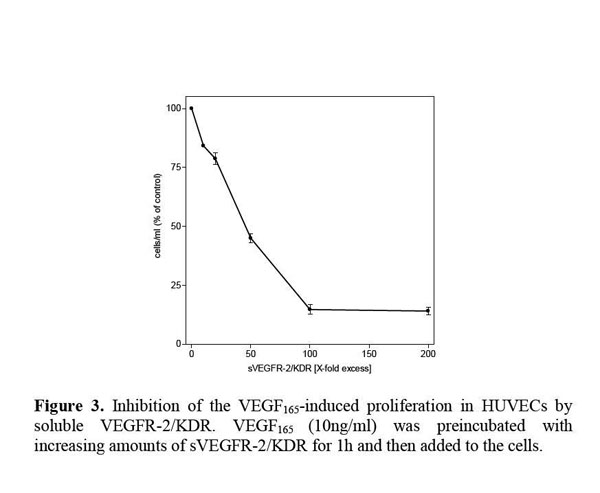 Application Data
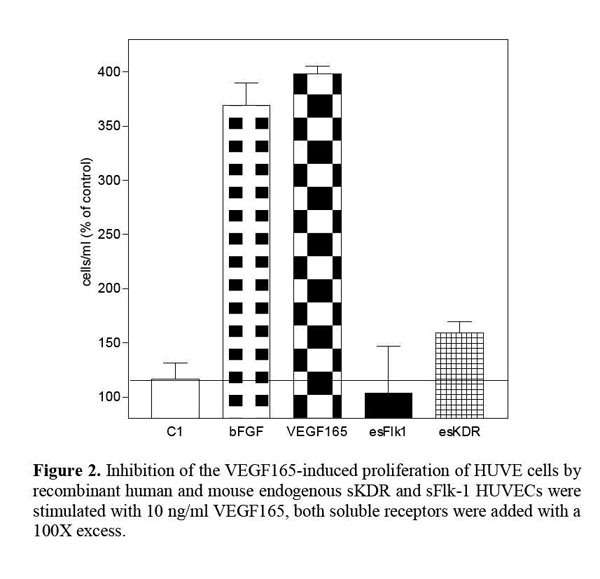
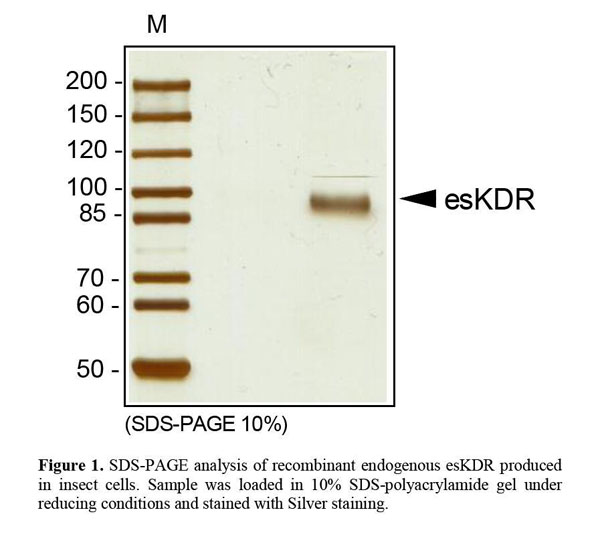
VEGFR-2/KDR (native), soluble, Active Protein (Cat# AAA79226)
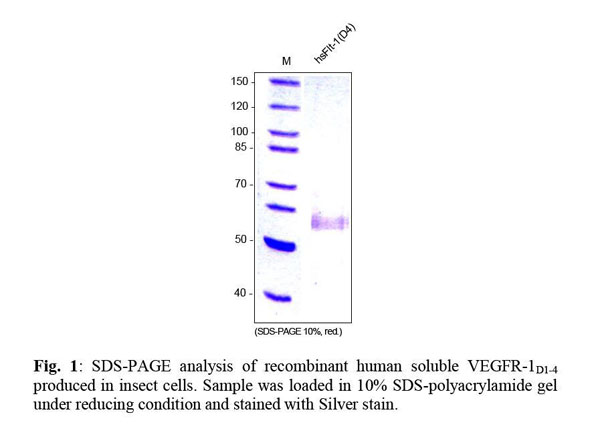
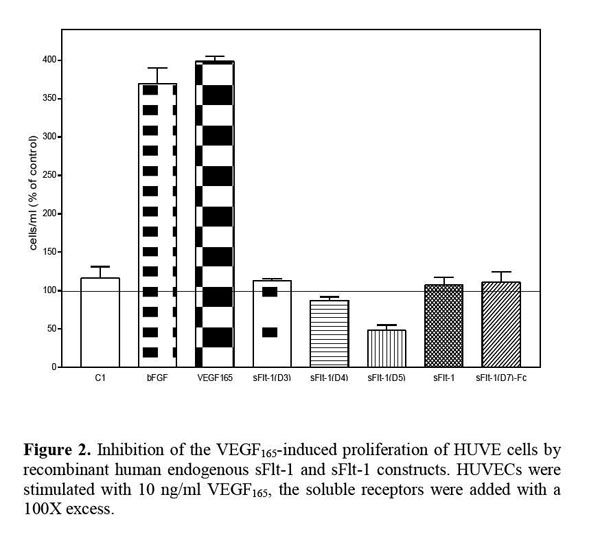 Application Data
VEGFR-1/Flt-1 (D4), soluble, Active Protein (Cat# AAA79289)
Apolipoprotein E3, Active Protein (Cat# AAA37992)
 SDS-PAGE
Carbonic anhydrase 1, Active Protein (Cat# AAA48917)
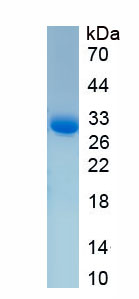
 Bioactivity
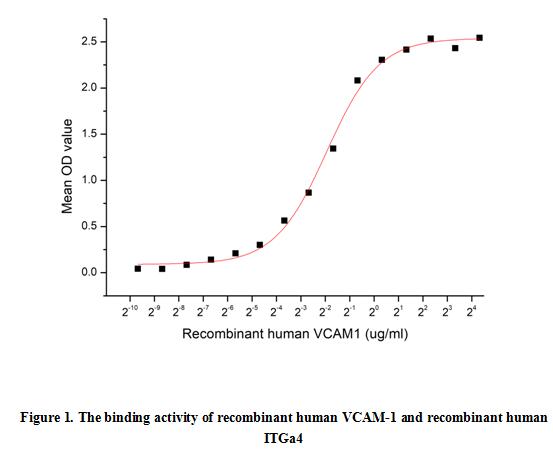
(Vascular cell adhesion protein 1 (VCAM-1) is a cell adhesion molecule and a member of the immunoglobulin superfamily. Alternatively spliced forms are known to occur, but the most common form is a type I transmembrane protein with a 674 amino acid extracel)
Bioactivity
(Vascular cell adhesion protein 1 (VCAM-1) is a cell adhesion molecule and a member of the immunoglobulin superfamily. Alternatively spliced forms are known to occur, but the most common form is a type I transmembrane protein with a 674 amino acid extracel)
Vascular Cell Adhesion Molecule 1 (VCAM1), Active Protein (Cat# AAA153038)
 Bioactivity
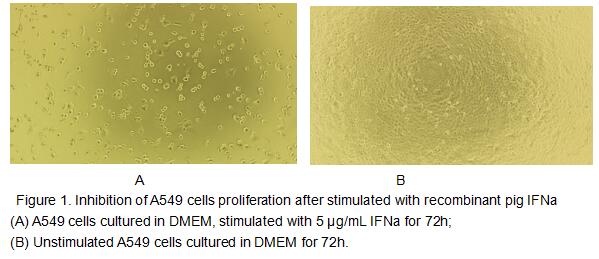
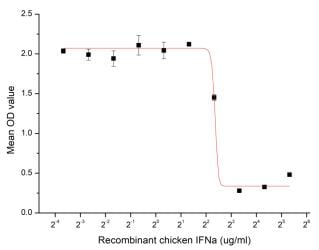
(Figure 2. Inhibition of A549 cells proliferation after stimulated with recombinant chicken IFN-alpha.)
Bioactivity
(Figure 2. Inhibition of A549 cells proliferation after stimulated with recombinant chicken IFN-alpha.)
Interferon Alpha (IFNa), Active Protein (Cat# AAA152952)
 Bioactivity
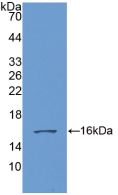
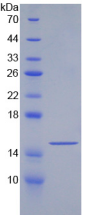
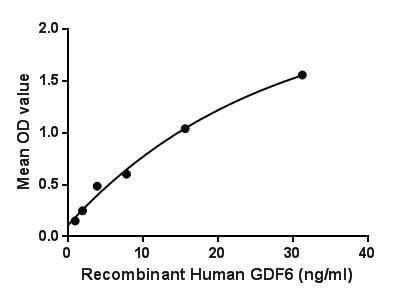
(Figure. The binding activity of GDF6 with BMPR.)
Bioactivity
(Figure. The binding activity of GDF6 with BMPR.)
Growth Differentiation Factor 6, Active Protein (Cat# AAA150125)
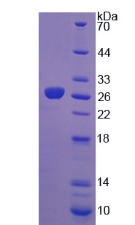
 Bioactivity
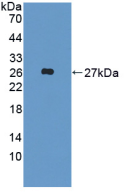
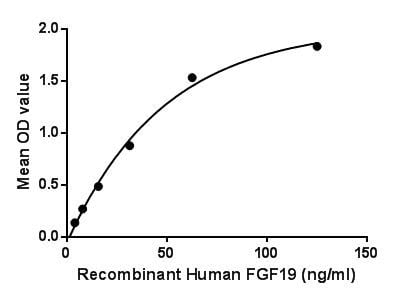
(Figure. The binding activity of FGF19 with FGFR1.Fibroblast Growth Factor 19 (FGF19) is a member of the fibroblast growth factor (FGF) family. FGF19 has important roles as a hormone produced in the ileum in response to bile acid absorption, regulates new bile acid synthesis, acting through the FGFR4/Klotho- receptor complexes in the liver to inhibit CYP7A1. FGF19 also has metabolic effects, affecting glucose and lipid metabolism. Besides, Fibroblast Growth Factor Receptor 1 (FGFR1) has been identified as an interactor of FGF19, thus a binding ELISA assay was conducted to detect the interaction of recombinant human FGF19 and recombinant human FGFR1. Briefly, FGF19 were diluted serially in PBS, with 0.01% BSA (pH 7.4). Duplicate samples of 100uL were then transferred to FGFR1-coated microtiter wells and incubated for 2h at 37. Wells were washed with PBST and incubated for 1h with anti-FGF19 pAb, then aspirated and washed 3 times. After incubation with HRP labelled secondary antibody, wells were aspirated and washed 3 times. With the addition of substrate solution, wells were incubated 15-25 minutes at 37. Finally, add 50uL stop solution to the wells and read at 450nm immediately. The binding activity of FGF19 and FGFR1 was shown in Figure 1, and this effect was in a dose dependent manner.)
Bioactivity
(Figure. The binding activity of FGF19 with FGFR1.Fibroblast Growth Factor 19 (FGF19) is a member of the fibroblast growth factor (FGF) family. FGF19 has important roles as a hormone produced in the ileum in response to bile acid absorption, regulates new bile acid synthesis, acting through the FGFR4/Klotho- receptor complexes in the liver to inhibit CYP7A1. FGF19 also has metabolic effects, affecting glucose and lipid metabolism. Besides, Fibroblast Growth Factor Receptor 1 (FGFR1) has been identified as an interactor of FGF19, thus a binding ELISA assay was conducted to detect the interaction of recombinant human FGF19 and recombinant human FGFR1. Briefly, FGF19 were diluted serially in PBS, with 0.01% BSA (pH 7.4). Duplicate samples of 100uL were then transferred to FGFR1-coated microtiter wells and incubated for 2h at 37. Wells were washed with PBST and incubated for 1h with anti-FGF19 pAb, then aspirated and washed 3 times. After incubation with HRP labelled secondary antibody, wells were aspirated and washed 3 times. With the addition of substrate solution, wells were incubated 15-25 minutes at 37. Finally, add 50uL stop solution to the wells and read at 450nm immediately. The binding activity of FGF19 and FGFR1 was shown in Figure 1, and this effect was in a dose dependent manner.)
Fibroblast Growth Factor 19, Active Protein (Cat# AAA150129)
 Bioactivity
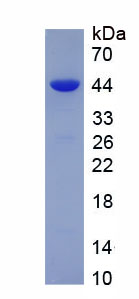
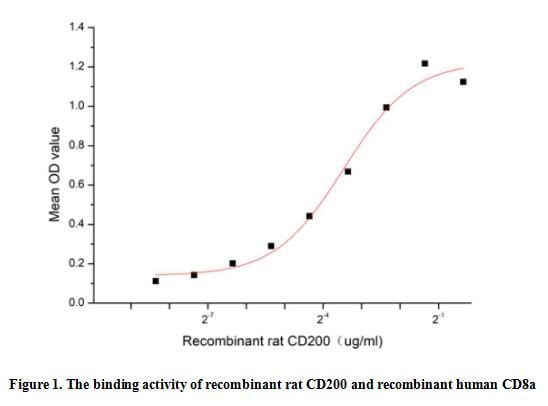
(Cluster Of Differentiation 200 (CD200), also known as OX-2 or MOX1/MOX2, is a membrane glycoprotein belonging to the immunoglobulin superfamily. This protein is widely expressed in various cell types, including neurons, endothelial cells, certain immune cells (such as B cells, dendritic cells, T cell subsets), and various tumor cells. CD200 is a multifaceted protein with important roles in immune regulation, neuronal function, and disease pathogenesis. Besides, Cluster Of Differentiation 8a (CD8a) has been identified as an interactor of CD200, thus a functional binding ELISA assay was conducted to detect the interaction of recombinant rat CD200 and recombinant human CD8a. Briefly, CD200 was diluted serially in PBS with 0.01% BSA (pH 7.4). Duplicate samples of 100 ul were then transferred to CD8a-coated microtiter wells and incubated for 1h at 37 degree C. Wells were washed with PBST and incubated for 1h with anti-CD200 pAb, then aspirated and washed 3 times. After incubation with HRP labelled secondary antibody for 1h at 37 degree C, wells were aspirated and washed 5 times. With the addition of substrate solution, wells were incubated 15-25 minutes at 37 degree C. Finally, add 50 uL stop solution to the wells and read at 450/630 nm immediately. The binding activity of recombinant rat CD200 and recombinant human CD8a was shown in Figure 1, the EC50 for this effect is 0.09 ug/mL.)
Bioactivity
(Cluster Of Differentiation 200 (CD200), also known as OX-2 or MOX1/MOX2, is a membrane glycoprotein belonging to the immunoglobulin superfamily. This protein is widely expressed in various cell types, including neurons, endothelial cells, certain immune cells (such as B cells, dendritic cells, T cell subsets), and various tumor cells. CD200 is a multifaceted protein with important roles in immune regulation, neuronal function, and disease pathogenesis. Besides, Cluster Of Differentiation 8a (CD8a) has been identified as an interactor of CD200, thus a functional binding ELISA assay was conducted to detect the interaction of recombinant rat CD200 and recombinant human CD8a. Briefly, CD200 was diluted serially in PBS with 0.01% BSA (pH 7.4). Duplicate samples of 100 ul were then transferred to CD8a-coated microtiter wells and incubated for 1h at 37 degree C. Wells were washed with PBST and incubated for 1h with anti-CD200 pAb, then aspirated and washed 3 times. After incubation with HRP labelled secondary antibody for 1h at 37 degree C, wells were aspirated and washed 5 times. With the addition of substrate solution, wells were incubated 15-25 minutes at 37 degree C. Finally, add 50 uL stop solution to the wells and read at 450/630 nm immediately. The binding activity of recombinant rat CD200 and recombinant human CD8a was shown in Figure 1, the EC50 for this effect is 0.09 ug/mL.)
Cluster Of Differentiation 200 (CD200), Active Protein (Cat# AAA161800)
 Bioactivity
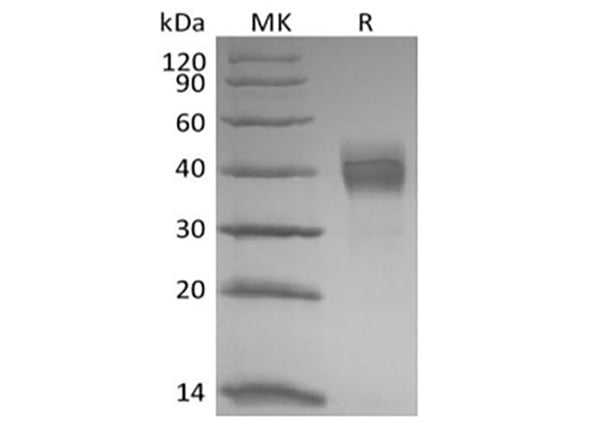
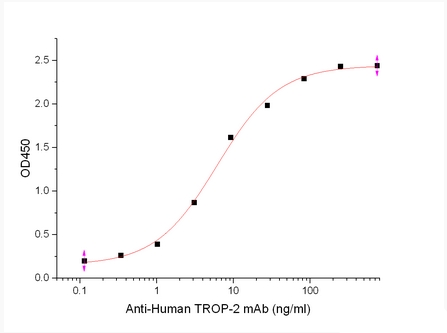
Tumor-associated Calcium Signal Transducer 2/TROP-2, Active Protein (Cat# AAA177980)
 Bioactivity
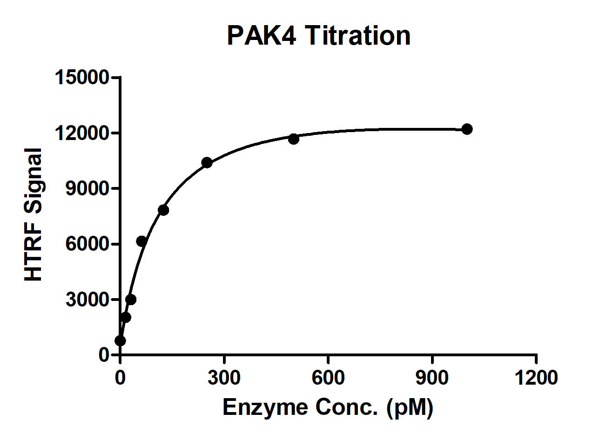
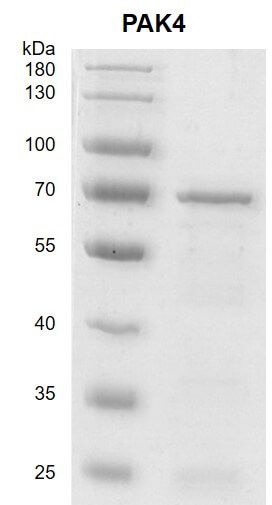
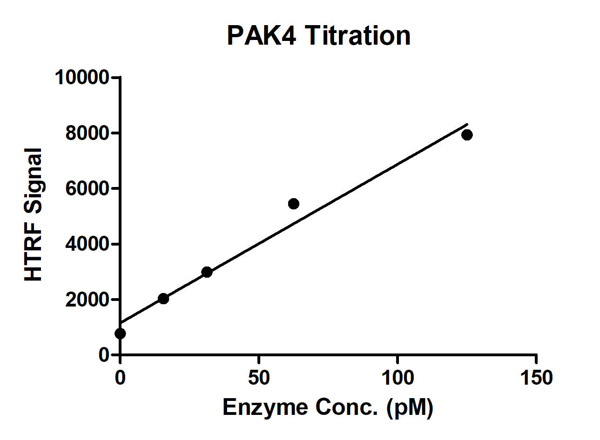
(HTRF Assay for Recombinant PAK4 activity. 1 uM STK S2 substrate was incubated with different concentrations of PAK4 protein in 10 ul reaction system containing 1×Enzymatic Buffer, 5 mM MgCl2, 1 mM DTT and 100 uM ATP for 1 hour. The 10 ul detection reagents containing anti-STK antibody (1:2) and SA-XL665 (1:100) diluted with 1× Detection Buffer were added and incubated with the reactions for 30 min. All the operations and reactions were performed at room temperature. HTRF assay was used for detection.)
Bioactivity
(HTRF Assay for Recombinant PAK4 activity. 1 uM STK S2 substrate was incubated with different concentrations of PAK4 protein in 10 ul reaction system containing 1×Enzymatic Buffer, 5 mM MgCl2, 1 mM DTT and 100 uM ATP for 1 hour. The 10 ul detection reagents containing anti-STK antibody (1:2) and SA-XL665 (1:100) diluted with 1× Detection Buffer were added and incubated with the reactions for 30 min. All the operations and reactions were performed at room temperature. HTRF assay was used for detection.)
 Application Data
(Measured in a cell proliferation assay using BaF3 mouse pro-B cells transfected with mouse Flt-3. The ED50 for this effect is typically 2-11 ng/mL.)
Application Data
(Measured in a cell proliferation assay using BaF3 mouse pro-B cells transfected with mouse Flt-3. The ED50 for this effect is typically 2-11 ng/mL.)
Flt3 Ligand, Active Protein (Cat# AAA257867)
 Application Data
(Measured by its binding ability in a functional ELISA. Immobilized human SIRPA-His at 10 ug/ml (100 ul/well) can bind human CD47-Fc, The EC50 of human CD47-Fc is 10.1-23.5 ng/ml.)
Application Data
(Measured by its binding ability in a functional ELISA. Immobilized human SIRPA-His at 10 ug/ml (100 ul/well) can bind human CD47-Fc, The EC50 of human CD47-Fc is 10.1-23.5 ng/ml.)
SIRP alpha, Active Protein (Cat# AAA257985)
 Application Data
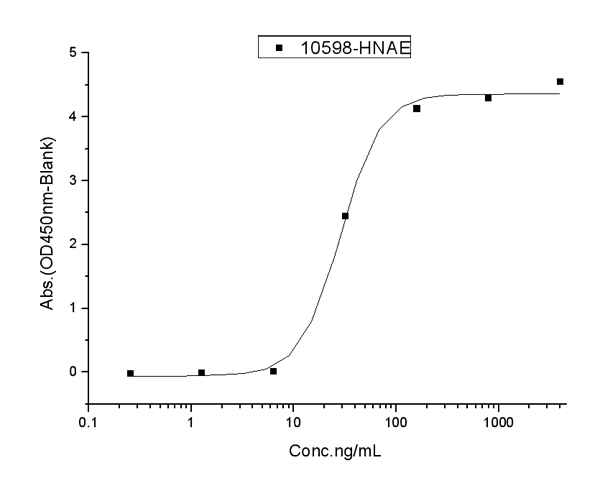
(Measured by its binding ability in a functional ELISA. Immobilized Human IGF1 at 2 ug/ml (100 ul/well) can bind Human IGFBP4 His, the EC50 of Human IGFBP4 His is 10-60 ng/mL.)
Application Data
(Measured by its binding ability in a functional ELISA. Immobilized Human IGF1 at 2 ug/ml (100 ul/well) can bind Human IGFBP4 His, the EC50 of Human IGFBP4 His is 10-60 ng/mL.)
IGF1, Active Protein (Cat# AAA257900)
ApoE3, Active Protein (Cat# AAA79280)
 Bioactivity
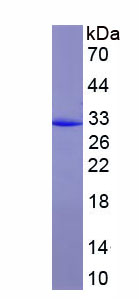
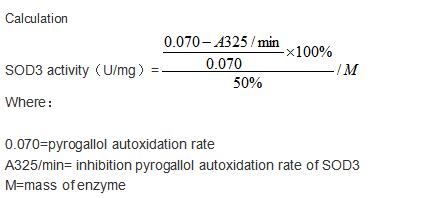
(Extracellular superoxide dismutase [Cu-Zn] is an enzyme that in humans is encoded by the SOD3 gene. This gene encodes a member of the superoxide dismutase (SOD) protein family. SODs are antioxidant enzymes that catalyze the dismutation of two superoxide radicals into hydrogen peroxide and oxygen. Acroding to the report, in a weakly alkaline buffer solution (pH=8.2) with N-tris(hydroxymethyl)amino methane-HCL, pyrogallol can occur autoxidation in the air, then SOD can inhibit this reaction. Thus, we use this way to measued the activity of recombinant human SOD3. The reaction was performed in adding 8 ul 5 mmol/L pyrogallol to 200 ul 50mmol/L Tris-HCl, rapidly mixing at 25 degree C, then read at 325 nm (using 50mmol/L Tris-HCl as blank control) in kinetic mode for 3 minutes using a microplate reader controlling the pyrogallol autoxidation rate at 0.70 OD/min. Different concentrations of recombinant human SOD3 were added into 200 ul 50 mmol/L Tris-HCl, incubated for 20 min at 25 degree C, then adding 8 ul 5 mmol/L pyrogallol to each well, rapidly mixing and read at 325 nm in kinetic mode for 3 minutes. Under these conditions, the enzyme amount of 50% inhibition of pyrogallol autooxidation per minute is defined as a unit. The specific activity of recombinant human SOD3 is 846.6 U/mg.)
Bioactivity
(Extracellular superoxide dismutase [Cu-Zn] is an enzyme that in humans is encoded by the SOD3 gene. This gene encodes a member of the superoxide dismutase (SOD) protein family. SODs are antioxidant enzymes that catalyze the dismutation of two superoxide radicals into hydrogen peroxide and oxygen. Acroding to the report, in a weakly alkaline buffer solution (pH=8.2) with N-tris(hydroxymethyl)amino methane-HCL, pyrogallol can occur autoxidation in the air, then SOD can inhibit this reaction. Thus, we use this way to measued the activity of recombinant human SOD3. The reaction was performed in adding 8 ul 5 mmol/L pyrogallol to 200 ul 50mmol/L Tris-HCl, rapidly mixing at 25 degree C, then read at 325 nm (using 50mmol/L Tris-HCl as blank control) in kinetic mode for 3 minutes using a microplate reader controlling the pyrogallol autoxidation rate at 0.70 OD/min. Different concentrations of recombinant human SOD3 were added into 200 ul 50 mmol/L Tris-HCl, incubated for 20 min at 25 degree C, then adding 8 ul 5 mmol/L pyrogallol to each well, rapidly mixing and read at 325 nm in kinetic mode for 3 minutes. Under these conditions, the enzyme amount of 50% inhibition of pyrogallol autooxidation per minute is defined as a unit. The specific activity of recombinant human SOD3 is 846.6 U/mg.)
Superoxide Dismutase 3, Extracellular (SOD3), Active Protein (Cat# AAA161691)
 Bioactivity
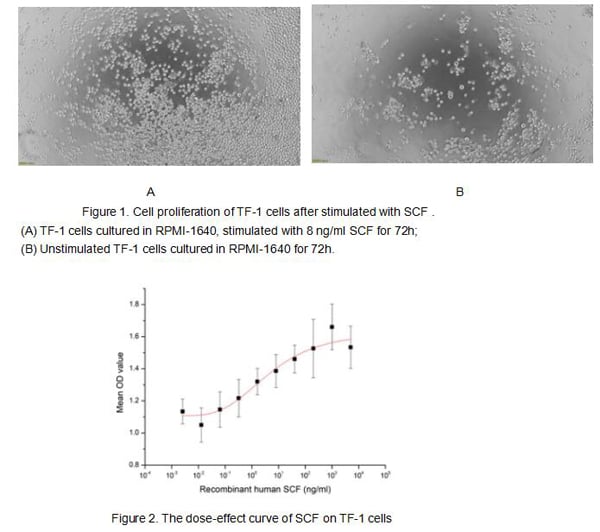
(Stem cell factor (SCF), also known as mast cell growth factor (MGF), and steel factor (SLF), plays an important role in hematopoiesis, spermatogenesis and melanogenesis. SCF has been shown to stimulate the proliferation of TF-1 cells. To test this effect, TF-1 cells were seeded into triplicate wells of 96-well plates at a density of 2 x 10⁴ cells/well and incubated for 72h in the presence or absence of various concentrations of SCF at 37 degree CThe growth of cells were observed by inverted microscope and cell proliferation was measured by Cell Counting Kit-8(CCK-8). Briefly, 10 ul of CCK-8 solution was added to each well of the plate, then measure the absorbance at 450 nm using a microplate reader after incubating the plate for 1-4 hours at 37 degree C. Cell proliferation of TF-1 cells after incubation with SCF for 72h observed by inverted microscope was shown in Figure 1. The dose-effect curve of SCF was shown in Figure 2. It was obvious that it significantly promoted cell proliferation of TF-1 cells. The ED50 for this effect is typically 3.9 ng/ml.)
Bioactivity
(Stem cell factor (SCF), also known as mast cell growth factor (MGF), and steel factor (SLF), plays an important role in hematopoiesis, spermatogenesis and melanogenesis. SCF has been shown to stimulate the proliferation of TF-1 cells. To test this effect, TF-1 cells were seeded into triplicate wells of 96-well plates at a density of 2 x 10⁴ cells/well and incubated for 72h in the presence or absence of various concentrations of SCF at 37 degree CThe growth of cells were observed by inverted microscope and cell proliferation was measured by Cell Counting Kit-8(CCK-8). Briefly, 10 ul of CCK-8 solution was added to each well of the plate, then measure the absorbance at 450 nm using a microplate reader after incubating the plate for 1-4 hours at 37 degree C. Cell proliferation of TF-1 cells after incubation with SCF for 72h observed by inverted microscope was shown in Figure 1. The dose-effect curve of SCF was shown in Figure 2. It was obvious that it significantly promoted cell proliferation of TF-1 cells. The ED50 for this effect is typically 3.9 ng/ml.)
Stem Cell Factor (SCF), Active Protein (Cat# AAA161693)
 Bioactivity
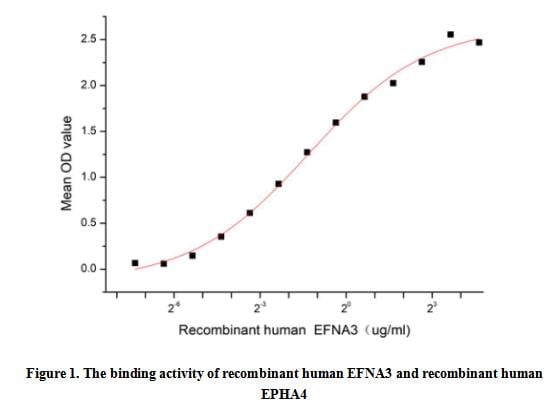
(Ephrin A3 (EFNA3), also known as EFL2, EPLG3, LERK3, Ehk1-L, is a member of the Eph/ephrin tyrosine kinase family. EFNA3 is localized in cell membranes and was highly expressed in brain, skin, esophagus, skeletal muscle, spleen, thymus, prostate, testis, ovary, small intestine, peripheral blood leukocytes. EFNA3, like most genes in the ephrin family, plays a central role in embryonic development can associate with multiple signaling pathways involved in cell growth and tumor cell metastasis. Aberrant regulation of EFNA3 is associated with the occurrence and development of various types of cancer. Ephrin Type A Receptor 4 (EPHA4) is a receptor for members of the ephrin-A family. It can bind to EFNA3. Thus a functional binding ELISA assay was conducted to detect the interaction of recombinant human EFNA3 and recombinant human EPHA4. Briefly, EFNA3 was diluted serially in PBS with 0.01% BSA (pH 7.4). Duplicate samples of 100 ul were then transferred to EPHA4-coated microtiter wells and incubated for 1h at 37 degree C. Wells were washed with PBST and incubated for 1h with anti-EFNA3 pAb, then aspirated and washed 3 times. After incubation with HRP labelled secondary antibody for 1h at 37 degree C, wells were aspirated and washed 5 times. With the addition of substrate solution, wells were incubated 15-25 minutes at 37 degree C. Finally, add 50 uL stop solution to the wells and read at 450/630 nm immediately. The binding activity of recombinant human EFNA3 and recombinant human EPHA4 was shown in Figure 1, the EC50 for this effect is 0.4 ug/mL.)
Bioactivity
(Ephrin A3 (EFNA3), also known as EFL2, EPLG3, LERK3, Ehk1-L, is a member of the Eph/ephrin tyrosine kinase family. EFNA3 is localized in cell membranes and was highly expressed in brain, skin, esophagus, skeletal muscle, spleen, thymus, prostate, testis, ovary, small intestine, peripheral blood leukocytes. EFNA3, like most genes in the ephrin family, plays a central role in embryonic development can associate with multiple signaling pathways involved in cell growth and tumor cell metastasis. Aberrant regulation of EFNA3 is associated with the occurrence and development of various types of cancer. Ephrin Type A Receptor 4 (EPHA4) is a receptor for members of the ephrin-A family. It can bind to EFNA3. Thus a functional binding ELISA assay was conducted to detect the interaction of recombinant human EFNA3 and recombinant human EPHA4. Briefly, EFNA3 was diluted serially in PBS with 0.01% BSA (pH 7.4). Duplicate samples of 100 ul were then transferred to EPHA4-coated microtiter wells and incubated for 1h at 37 degree C. Wells were washed with PBST and incubated for 1h with anti-EFNA3 pAb, then aspirated and washed 3 times. After incubation with HRP labelled secondary antibody for 1h at 37 degree C, wells were aspirated and washed 5 times. With the addition of substrate solution, wells were incubated 15-25 minutes at 37 degree C. Finally, add 50 uL stop solution to the wells and read at 450/630 nm immediately. The binding activity of recombinant human EFNA3 and recombinant human EPHA4 was shown in Figure 1, the EC50 for this effect is 0.4 ug/mL.)
Ephrin A3 (EFNA3), Active Protein (Cat# AAA161916)

 Bioactivity
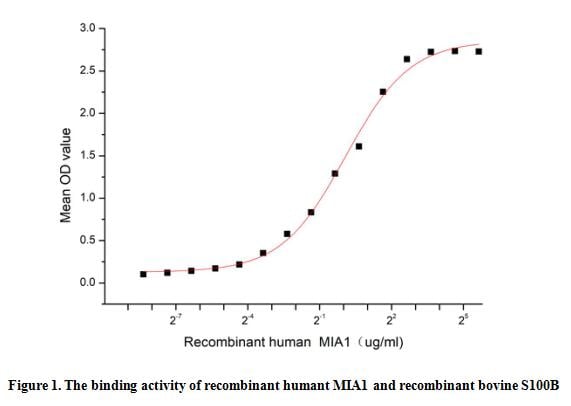
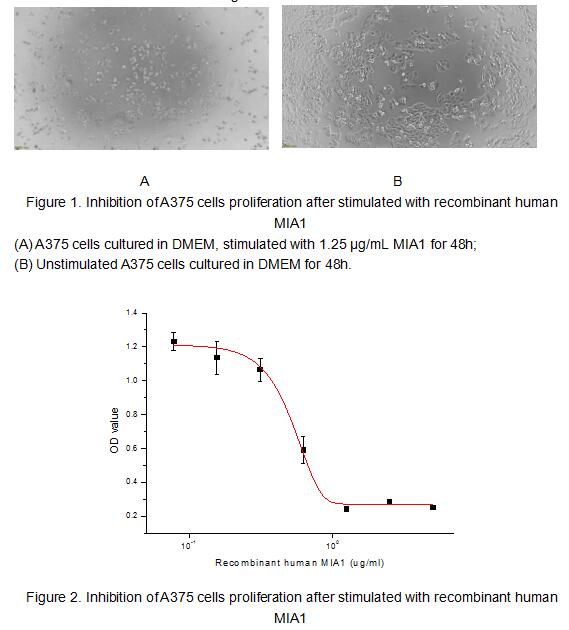
(To test the effect of MIA1 on cell apoptosis, A375 cells were seeded into triplicate wells of 96-well plates at a density of 4,000 cells/well and allowed to attach overnight, then the medium was replaced with various concentrations of recombinant human MIA1 diluted with 5% serum standard DMEM. After incubated for 48h, cells were observed by inverted microscope and cell viability was measured by Cell Counting Kit-8 (CCK-8). Briefly, 10 ul of CCK-8 solution was added to each well of the plate, then the absorbance at 450 nm was measured using a microplate reader after incubating the plate for 1-4 hours at 37 degree C. Apoptosis of A375 cells after incubation with MIA1 for 48h observed by inverted microscope was shown in Figure 1. Cell viability was assessed by CCK-8 assay after incubation with recombinant human MIA1 for 48h. The result was shown in Figure 2. It was obvious that MIA1 significantly decreased cell viability of A375 cells. The ED50 of recombinant human MIA1 is 0.53 ug/ml.)
Bioactivity
(To test the effect of MIA1 on cell apoptosis, A375 cells were seeded into triplicate wells of 96-well plates at a density of 4,000 cells/well and allowed to attach overnight, then the medium was replaced with various concentrations of recombinant human MIA1 diluted with 5% serum standard DMEM. After incubated for 48h, cells were observed by inverted microscope and cell viability was measured by Cell Counting Kit-8 (CCK-8). Briefly, 10 ul of CCK-8 solution was added to each well of the plate, then the absorbance at 450 nm was measured using a microplate reader after incubating the plate for 1-4 hours at 37 degree C. Apoptosis of A375 cells after incubation with MIA1 for 48h observed by inverted microscope was shown in Figure 1. Cell viability was assessed by CCK-8 assay after incubation with recombinant human MIA1 for 48h. The result was shown in Figure 2. It was obvious that MIA1 significantly decreased cell viability of A375 cells. The ED50 of recombinant human MIA1 is 0.53 ug/ml.)
Melanoma Inhibitory Activity Protein 1 (MIA1), Active Protein (Cat# AAA161926)
 Bioactivity
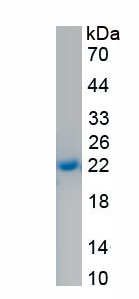
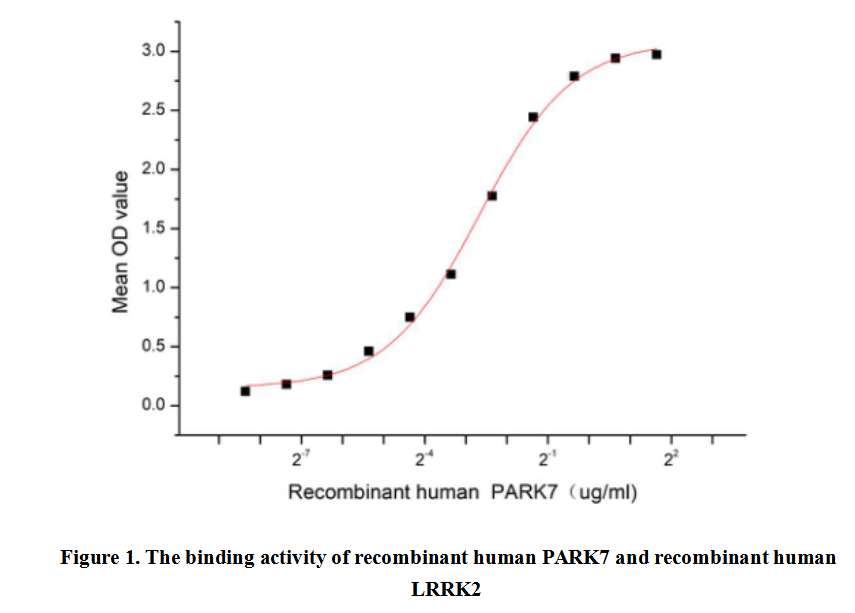
(Parkinson Disease Protein 7 (PARK7), a small multifunctional protein (20 kDa) containing 189 amino acids, which participates in transcriptional regulation and mitochondrial regulation, and acts as a molecular chaperone, oxidative stress sensor, and glyoxalase. It has also been described as a protein and nucleotide deglycase. Mutations in Park7 are associated with a small percentage of hereditary early onset Parkinson's disease. Leucine Rich Repeat Kinase 2 (LRRK2) has been identified as an interactor of PARK7, thus a functional binding ELISA assay was conducted to detect the interaction of recombinant human PARK7 and recombinant human LRRK2. Briefly, PARK7 was diluted serially in PBS with 0.01% BSA (pH 7.4). Duplicate samples of 100 ul were then transferred to LRRK2-coated microtiter wells and incubated for 1h at 37 degree C. Wells were washed with PBST and incubated for 1h with anti-PARK7 pAb, then aspirated and washed 3 times. After incubation with HRP labelled secondary antibody for 1h at 37 degree C, wells were aspirated and washed 5 times. With the addition of substrate solution, wells were incubated 15-25 minutes at 37 degree C. Finally, add 50 uL stop solution to the wells and read at 450/630 nm immediately. The binding activity of recombinant human PARK7 and recombinant human LRRK2 was shown in Figure 1, the EC50 for this effect is 0.16 ug/mL.)
Bioactivity
(Parkinson Disease Protein 7 (PARK7), a small multifunctional protein (20 kDa) containing 189 amino acids, which participates in transcriptional regulation and mitochondrial regulation, and acts as a molecular chaperone, oxidative stress sensor, and glyoxalase. It has also been described as a protein and nucleotide deglycase. Mutations in Park7 are associated with a small percentage of hereditary early onset Parkinson's disease. Leucine Rich Repeat Kinase 2 (LRRK2) has been identified as an interactor of PARK7, thus a functional binding ELISA assay was conducted to detect the interaction of recombinant human PARK7 and recombinant human LRRK2. Briefly, PARK7 was diluted serially in PBS with 0.01% BSA (pH 7.4). Duplicate samples of 100 ul were then transferred to LRRK2-coated microtiter wells and incubated for 1h at 37 degree C. Wells were washed with PBST and incubated for 1h with anti-PARK7 pAb, then aspirated and washed 3 times. After incubation with HRP labelled secondary antibody for 1h at 37 degree C, wells were aspirated and washed 5 times. With the addition of substrate solution, wells were incubated 15-25 minutes at 37 degree C. Finally, add 50 uL stop solution to the wells and read at 450/630 nm immediately. The binding activity of recombinant human PARK7 and recombinant human LRRK2 was shown in Figure 1, the EC50 for this effect is 0.16 ug/mL.)
Parkinson Disease Protein 7 (PARK7), Active Protein (Cat# AAA161933)
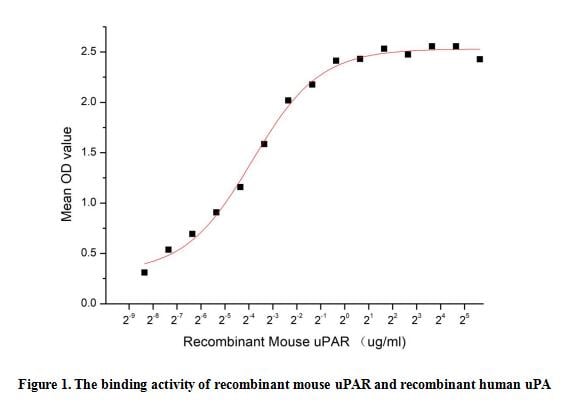 Bioactivity
(Plasminogen Activator, Urokinase Receptor (uPAR) is the receptor for urokinase plasminogen activator and, given its role in localizing and promoting plasmin formation, likely influences many normal and pathological processes related to cell-surface plasmi)
Bioactivity
(Plasminogen Activator, Urokinase Receptor (uPAR) is the receptor for urokinase plasminogen activator and, given its role in localizing and promoting plasmin formation, likely influences many normal and pathological processes related to cell-surface plasmi)
Plasminogen Activator, Urokinase Receptor (uPAR), Active Protein (Cat# AAA152998)
What Are Active Proteins?
Proteins are large molecules made up of long chains of amino acids. They will typically fold into a very particular 3-dimensional shape/conformation, that is sometimes referred to as their “native” form, which allows them to work properly in the body. For the purposes of product categorization, AAA Biotech will typically refer to proteins purified from their original animal host as being “native” proteins (this is to signify their difference compared to their recombinant proteins or “synthetic” protein counterparts).
If a protein successfully folds into the correct shape, it will typically display high fidelity characteristics to its original protein in its original animal host and be classified as an active protein, as it will be able to function “normally” in most enzymatic or binding capacities. If it loses this shape, due to factors such as heat or strong chemicals (such as detergents), it becomes inactive and is no longer able to perform its basic functions.
All of the proteins in this category are made under strict quality control, and they are active, pure, low in contaminants, and stable. Most are stored as freeze-dried powders and come without extra tags, so they’re very close to the actual natural/native form.
Learn more in our guide “How active proteins work”.
Key Applications of Active Proteins
1. Scientific Research
- Aid in the study of how proteins function in the body
- Aid in understanding various disease processes
2. Drug Development
- Powerful tools to investigate how potential drugs interact with specific proteins
- Ideal for identifying drug targets
3. Cell Culture
- Are routinely utilized to support cell growth and function (e.g., using exogenous growth factors)
- Can be used to promote cellular development into specific types (differentiation)
4. Diagnostics
- Regularly utilized in tests to detect diseases or infections (e.g., COVID-19, cancer)
- Note: All products are strictly for research-use only (RUO).
5. Therapeutics
- Some active proteins are used directly as treatments (e.g., insulin, enzymes)
- Note: All products are strictly for research-use only (RUO).
6. Vaccine Development
- Used to create or test vaccines by mimicking parts of viruses or bacteria
7. Biochemical Assays
- They can facilitate the characterization of enzyme activity, binding strength, or protein interactions in lab tests
Why Buy Active Proteins from AAA Biotech?
- High biological activity – Verified to perform as expected or indicated on datasheet
- Strict quality control – We are confident in our active proteins’ reliability and consistency
- High purity & low endotoxin – Ideal for applications involving sensitive or precious samples/components
- Freeze-dried for stability – Long shelf life and straightforward storage
- Mostly tag-free – Closer to natural/native protein form
FAQ
1. What are active proteins used for in research?
Active proteins are used primarily in the study of how proteins function, in characterizing/discovering drug interactions, supporting cell growth, running biochemical assays, and in development of diagnostics or therapeutics.
2. How are AAA Biotech's active proteins validated?
AAA Biotech’s active proteins are validated through strict quality control and functional assays to ensure they are properly folded and active. “Active”, though, can be an ambiguous term, so if a specific “activity” or “binding” capability of a protein is of crucial interest to you, please inquire with us prior to purchase, and we will provide further details on how the “Active” modifier was determined to be applicable.
3. Are these proteins tested for biological activity?
Yes, all active proteins from AAA Biotech are tested to confirm they have the expected biological activity before being offered for use. Though, said “biological activity” can be either “enzymatic”, “binding”, or both.