
Filters
▼Clonality
▼Type
▼Reactivity
▼Gene Name
▼Isotype
▼Host
▼Application
▼Clone
▼Active Proteins
AAA Biotech also known as AAA Bio or AAABio provides a variety of high-quality recombinant and natural/native proteins that are proven to work in a wide range of experiments. Explore our products to find the active protein that best fits your needs or experimental model.
Viewing 1750-1800 of 2875 product results
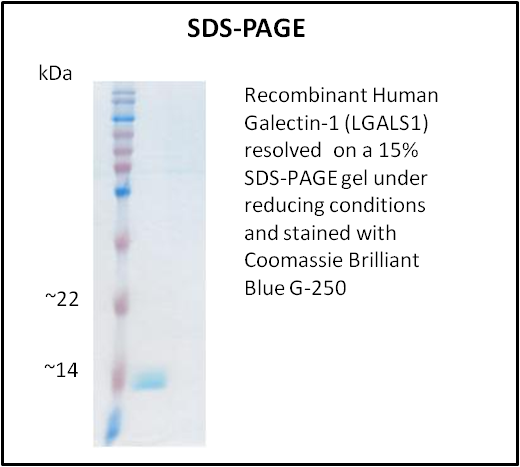
 Application Data
Galectin-1 (LGALS1), Active Protein (Cat# AAA214275)
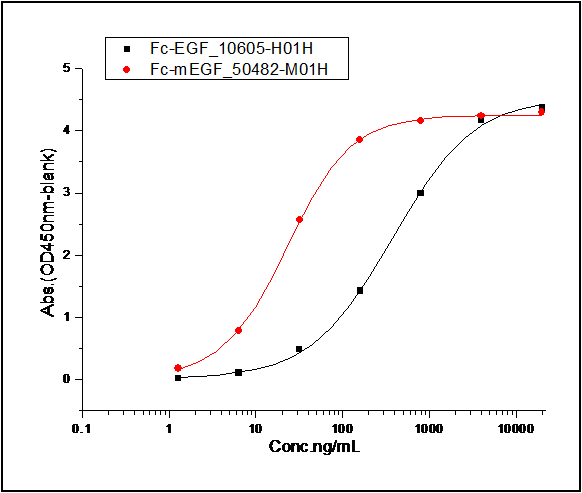 Application Data
(Measured by its binding ability in a functional ELISA. 1. Immobilized mouse EGFR-his at 10 ug/mL (100 ul/well) can bind human EGF-Fc, The EC50 of human EGF-Fc is 60-90 ng/mL. 2. Immobilized mouse EGFR-his at 10 ug/mL (100 ul/well) can bind mouse EGF-Fc, The EC50 of mouse EGF-Fc is 70-100 ng/mL.)
Application Data
(Measured by its binding ability in a functional ELISA. 1. Immobilized mouse EGFR-his at 10 ug/mL (100 ul/well) can bind human EGF-Fc, The EC50 of human EGF-Fc is 60-90 ng/mL. 2. Immobilized mouse EGFR-his at 10 ug/mL (100 ul/well) can bind mouse EGF-Fc, The EC50 of mouse EGF-Fc is 70-100 ng/mL.)
EGFR, Active Protein (Cat# AAA258226)
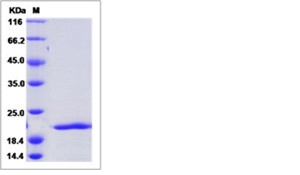
 Application Data
(Measured in a cell proliferation assay using BALB/c 3T3 mouse fibroblasts. The ED50 for this effect is typically 0.8-3.3 ug/mL.)
Application Data
(Measured in a cell proliferation assay using BALB/c 3T3 mouse fibroblasts. The ED50 for this effect is typically 0.8-3.3 ug/mL.)
FGF8, Active Protein (Cat# AAA258049)
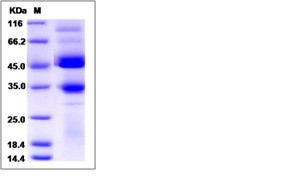
 Application Data
(Measured by its ability to inhibit rhBMP4-induced alkaline phosphatase production by MC3T3-E1 mouse osteoblastic cells. The ED50 for this effect is typically 2-8 ug/mL in the presence of 50 ng/mL of recombinant human BMP4.)
Application Data
(Measured by its ability to inhibit rhBMP4-induced alkaline phosphatase production by MC3T3-E1 mouse osteoblastic cells. The ED50 for this effect is typically 2-8 ug/mL in the presence of 50 ng/mL of recombinant human BMP4.)
BMPRIB, Active Protein (Cat# AAA257887)
 SDS-PAGE
MDH2, Active Protein (Cat# AAA48596)
Aldo-Keto Reductase Family 1 Member C3, Active Protein (Cat# AAA38665)
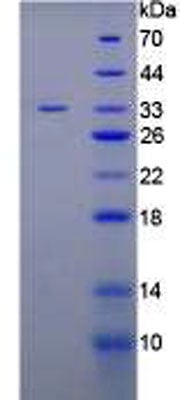
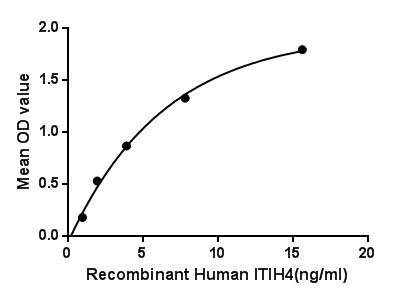
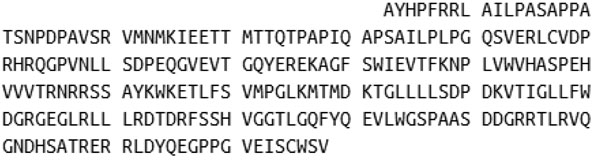
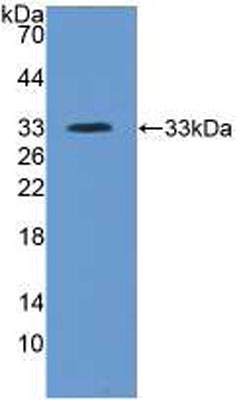 WB (Western Blot)
(Sample: Recombinant ITIH4, Human;Antibody: Rabbit Anti-Human ITIH4 Ab)
WB (Western Blot)
(Sample: Recombinant ITIH4, Human;Antibody: Rabbit Anti-Human ITIH4 Ab)
Inter Alpha-Globulin Inhibitor H4 (ITIH4), Active Protein (Cat# AAA149264)
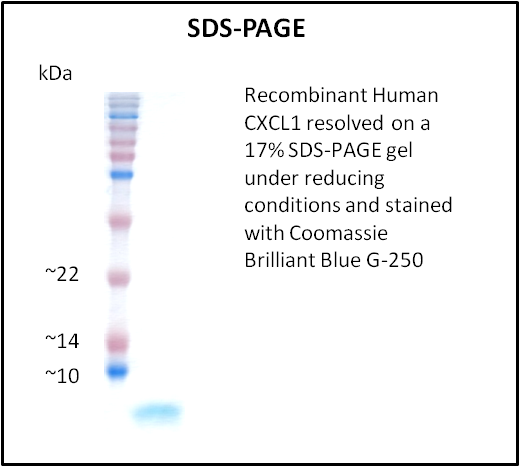 Application Data
CXCL1, Active Protein (Cat# AAA214223)
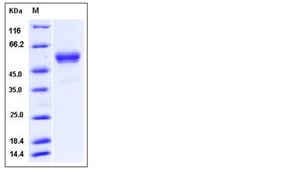
 Application Data
(Measured in antiviral assay using L929 cells infected with vesicular stomatitisvirus (VSV). The ED50 for this effect is typically 20-80 ng/mL.)
Application Data
(Measured in antiviral assay using L929 cells infected with vesicular stomatitisvirus (VSV). The ED50 for this effect is typically 20-80 ng/mL.)
Interferon Gamma, Active Protein (Cat# AAA258197)
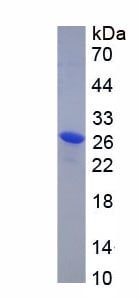
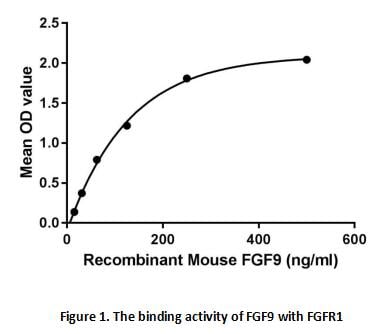 Bioactivity
(Fibroblast Growth Factor 9 (FGF9) is a member of the fibroblast growth factor (FGF) family. FGF family members possess broad mitogenic and cell survival activities, and are involved in a variety of biological processes, including embryonic development, ce)
Bioactivity
(Fibroblast Growth Factor 9 (FGF9) is a member of the fibroblast growth factor (FGF) family. FGF family members possess broad mitogenic and cell survival activities, and are involved in a variety of biological processes, including embryonic development, ce)
Fibroblast Growth Factor 9 (FGF9), Active Protein (Cat# AAA152957)
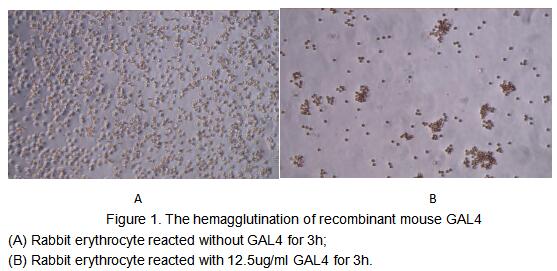
 Bioactivity
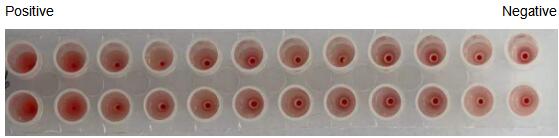
(Figure 2. The hemagglutination assay of GAL4 in V- bottom shaped 96-well microtiter plate.)
Bioactivity
(Figure 2. The hemagglutination assay of GAL4 in V- bottom shaped 96-well microtiter plate.)
Galectin 4 (GAL4), Active Protein (Cat# AAA153017)
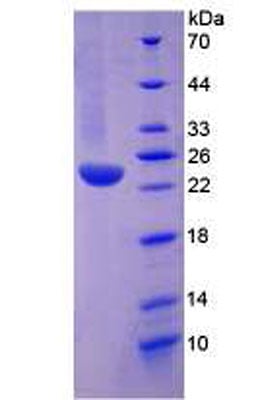
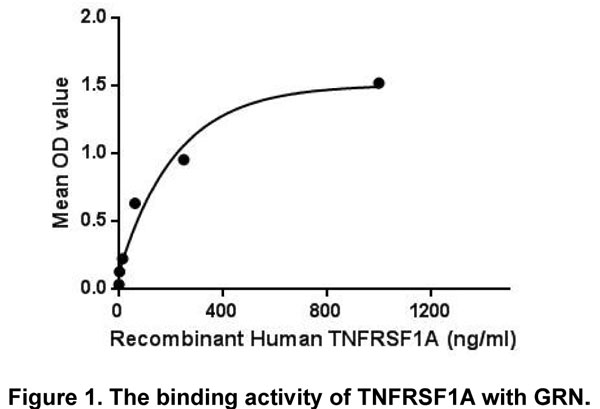
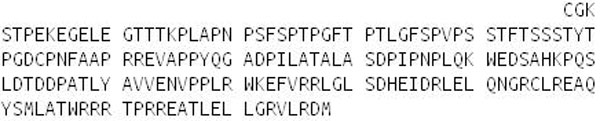
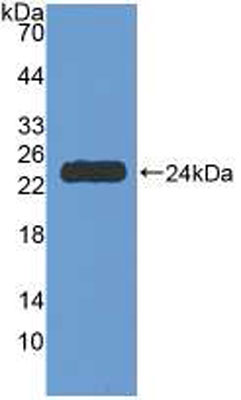 WB (Western Blot)
(Figure 3. Western BlotSample: Recombinant TNFRSF1A, Human;Antibody: Rabbit Anti-Human TNFRSF1A Ab)
WB (Western Blot)
(Figure 3. Western BlotSample: Recombinant TNFRSF1A, Human;Antibody: Rabbit Anti-Human TNFRSF1A Ab)
Tumor Necrosis Factor Receptor 1 (TNFR1), Active Protein (Cat# AAA149245)
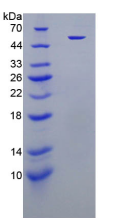
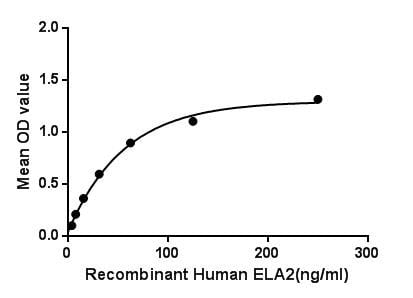
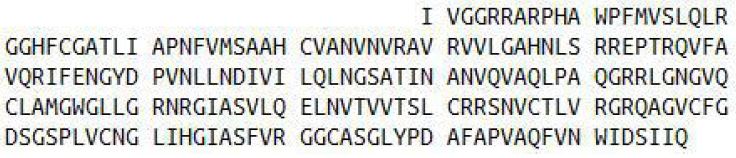
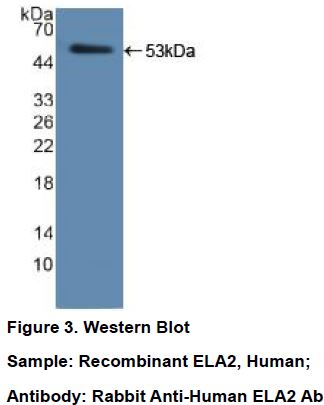 WB (Western Blot)
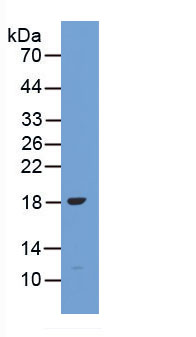
Elastase 2, Neutrophil, Active Protein (Cat# AAA149230)
 Bioactivity
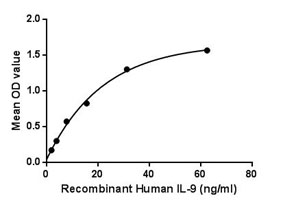
(Interleukin 9, also known as IL-9, is a pleiotropic cytokine belonging to the group of interleukins. IL-9 secreted by CD4 helper cells that acts as a regulator of a variety of hematopoietic cells. This cytokine stimulates cell proliferation and prevents apoptosis. It functions through the interleukin-9 receptor (IL9R), which activates different signal transducer and activator (STAT) proteins namely STAT1, STAT3 and STAT5 and thus connects this cytokine to various biological processes. Besides, Interleukin 9 Receptor (IL9R) has been identified as an interactor of IL-9, thus a binding ELISA assay was conducted to detect the interaction of recombinant human IL-9 and recombinant human IL9R. Briefly, IL-9 were diluted serially in PBS, with 0.01% BSA (pH 7.4). Duplicate samples of 100uL were then transferred to IL9R-coated microtiter wells and incubated for 2h at 37. Wells were washed with PBST and incubated for 1h with anti-IL-9 pAb, then aspirated and washed 3 times. After incubation with HRP labelled secondary antibody, wells were aspirated and washed 3 times. With the addition of substrate solution, wells were incubated 15-25 minutes at 37. Finally, add 50uL stop solution to the wells and read at 450nm immediately. The binding activity of IL-9 and IL9R was shown in Figure 1, and this effect was in a dose dependent manner.Figure. The binding activity of IL-9 with IL9R)
Bioactivity
(Interleukin 9, also known as IL-9, is a pleiotropic cytokine belonging to the group of interleukins. IL-9 secreted by CD4 helper cells that acts as a regulator of a variety of hematopoietic cells. This cytokine stimulates cell proliferation and prevents apoptosis. It functions through the interleukin-9 receptor (IL9R), which activates different signal transducer and activator (STAT) proteins namely STAT1, STAT3 and STAT5 and thus connects this cytokine to various biological processes. Besides, Interleukin 9 Receptor (IL9R) has been identified as an interactor of IL-9, thus a binding ELISA assay was conducted to detect the interaction of recombinant human IL-9 and recombinant human IL9R. Briefly, IL-9 were diluted serially in PBS, with 0.01% BSA (pH 7.4). Duplicate samples of 100uL were then transferred to IL9R-coated microtiter wells and incubated for 2h at 37. Wells were washed with PBST and incubated for 1h with anti-IL-9 pAb, then aspirated and washed 3 times. After incubation with HRP labelled secondary antibody, wells were aspirated and washed 3 times. With the addition of substrate solution, wells were incubated 15-25 minutes at 37. Finally, add 50uL stop solution to the wells and read at 450nm immediately. The binding activity of IL-9 and IL9R was shown in Figure 1, and this effect was in a dose dependent manner.Figure. The binding activity of IL-9 with IL9R)
Interleukin 9, Active Protein (Cat# AAA150065)
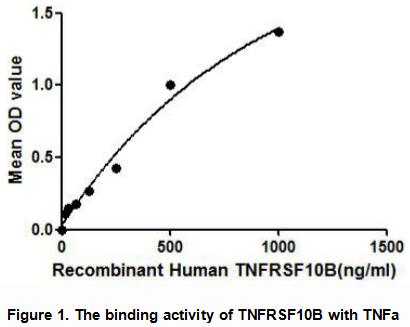
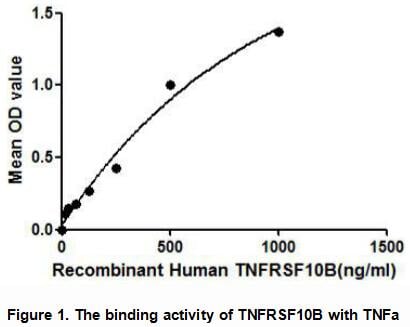 Application Data
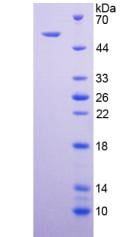
Tumor Necrosis Factor Receptor Superfamily, Member 10B (TNFRSF10B), Active Protein (Cat# AAA148181)
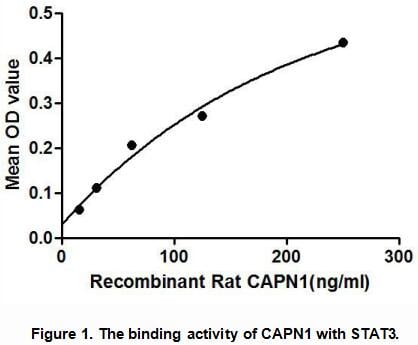
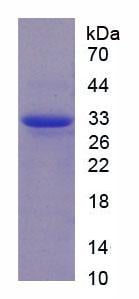
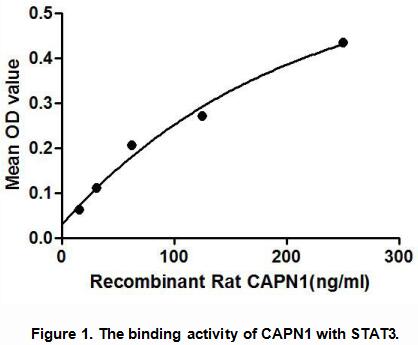
 Application Data
Calpain 1, Large Subunit (CAPN1), Active Protein (Cat# AAA148199)
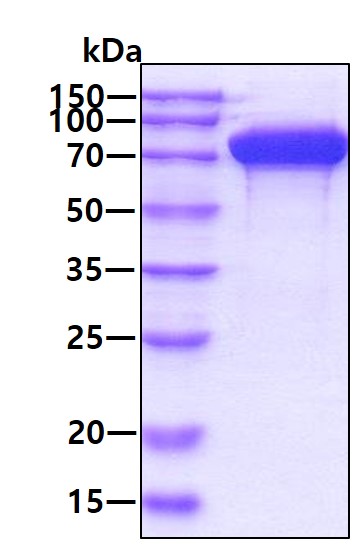 SDS-PAGE
(3ug by SDS-PAGE under reducing conditionandvisualized by coomassie blue stain)
SDS-PAGE
(3ug by SDS-PAGE under reducing conditionandvisualized by coomassie blue stain)
Neprilysin, Active Protein (Cat# AAA48320)
 Bioactivity
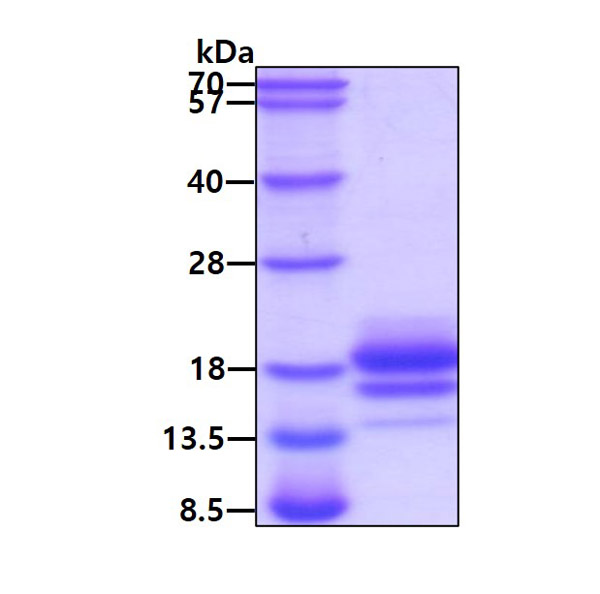
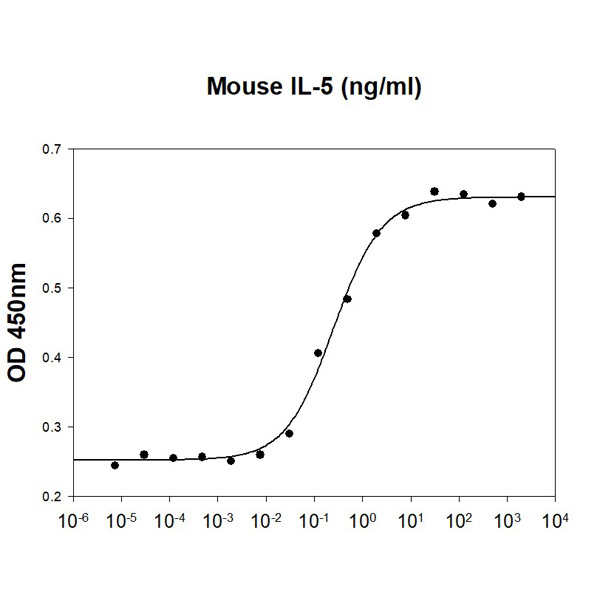
(Mouse IL-5 in a cell proliferation assay using TF-1 human erythroleukemic cells. The ED50 range )
Bioactivity
(Mouse IL-5 in a cell proliferation assay using TF-1 human erythroleukemic cells. The ED50 range )
IL-5, Active Protein (Cat# AAA48401)
 Application Data
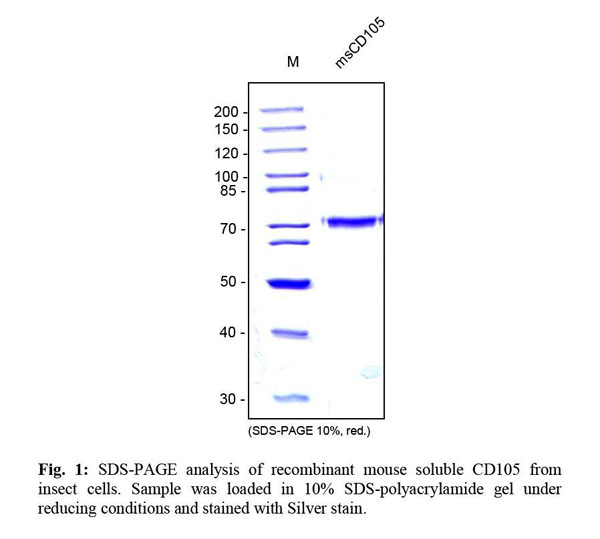
CD105/Endoglin, soluble, Active Protein (Cat# AAA79282)
 Application Data
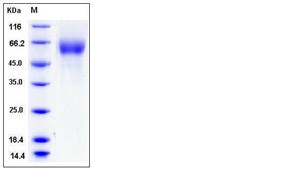
(Measured by its ability to inhibit FGF acidic (aFGF / FGF1) dependent proliferation of Balb/c3T3 mouse embryonic fibroblasts. The ED50 for this effect is typically 0.2-1ug/mL.)
Application Data
(Measured by its ability to inhibit FGF acidic (aFGF / FGF1) dependent proliferation of Balb/c3T3 mouse embryonic fibroblasts. The ED50 for this effect is typically 0.2-1ug/mL.)
FGFR4, Active Protein (Cat# AAA257892)
 Application Data
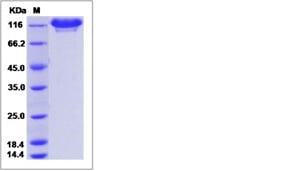
(Measured by its binding ability in a functional ELISA. Immobilized mouse ANGPT2 at 10 ug/mL (100 uL/well) can bind mouse TEK-Fc. The EC50 of mouse TEK-Fc is 0.58-1.34 ug/mL.)
Application Data
(Measured by its binding ability in a functional ELISA. Immobilized mouse ANGPT2 at 10 ug/mL (100 uL/well) can bind mouse TEK-Fc. The EC50 of mouse TEK-Fc is 0.58-1.34 ug/mL.)
TIE2, Active Protein (Cat# AAA258223)
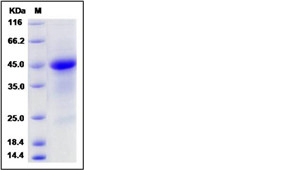
 Application Data
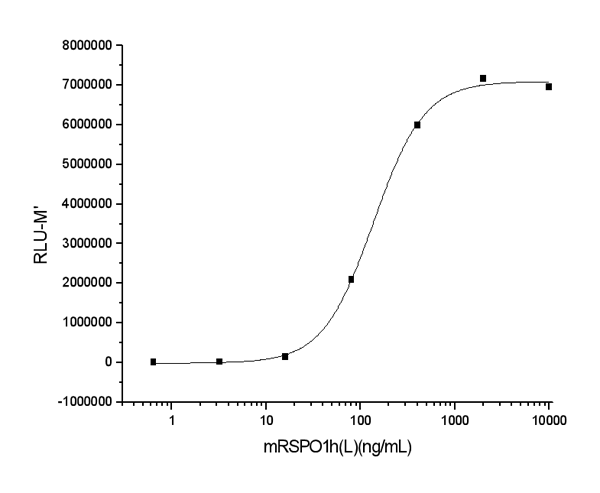
(Measured by its ability to induce activation of beta-catenin response in a Topflash Luciferase assay using HEK293T human embryonic kidney cells. The ED50 for this effect is typically 0.1-0.9 ug/ml in the presence of 5 ng/ml recombinant mouse Wnt3a.)
Application Data
(Measured by its ability to induce activation of beta-catenin response in a Topflash Luciferase assay using HEK293T human embryonic kidney cells. The ED50 for this effect is typically 0.1-0.9 ug/ml in the presence of 5 ng/ml recombinant mouse Wnt3a.)
RSPO1, Active Protein (Cat# AAA258154)
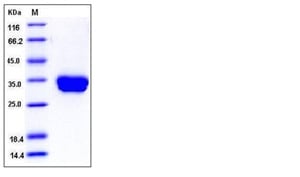 SDS-PAGE
Carbonic Anhydrase IV, Active Protein (Cat# AAA258156)
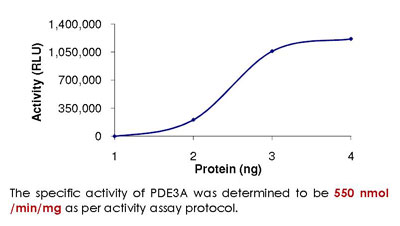
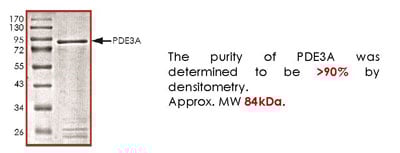 Purity Info
PDE3A, Active Protein (Cat# AAA73099)
 Purity Data
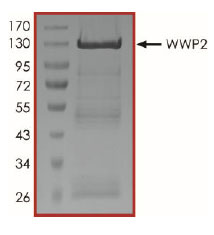
(The purity of WWP2 was determined to be >90% by densitometry, approx. MW 130 kDa.)
Purity Data
(The purity of WWP2 was determined to be >90% by densitometry, approx. MW 130 kDa.)
WWP2, Active Protein (Cat# AAA73157)
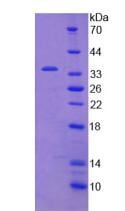
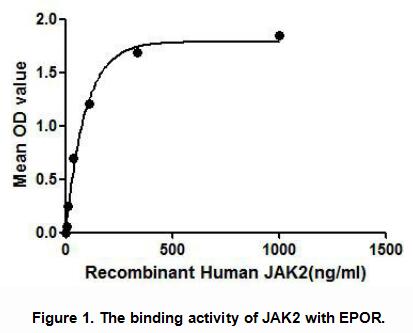
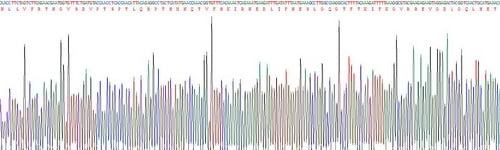 Application Data
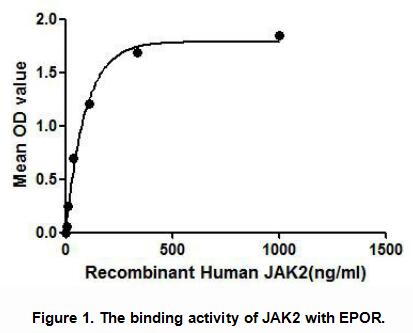
Janus Kinase 2 (JAK2), Active Protein (Cat# AAA148144)
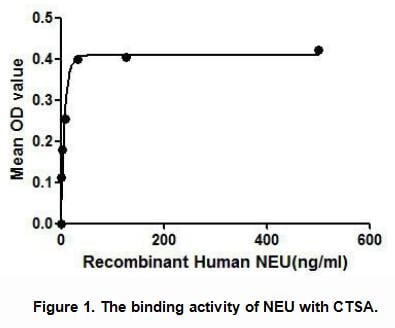
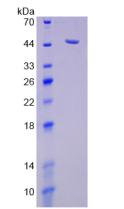
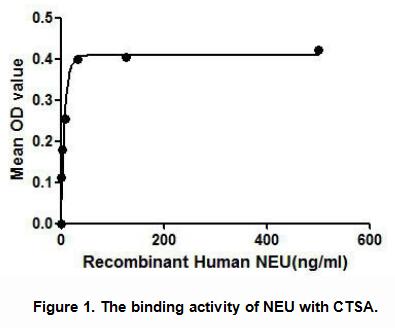
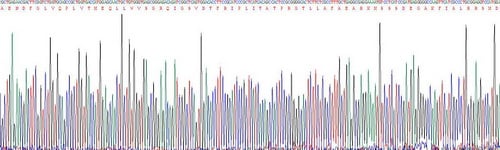 Application Data
Neuraminidase (NEU), Active Protein (Cat# AAA148147)
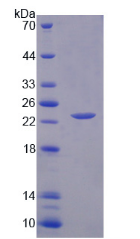
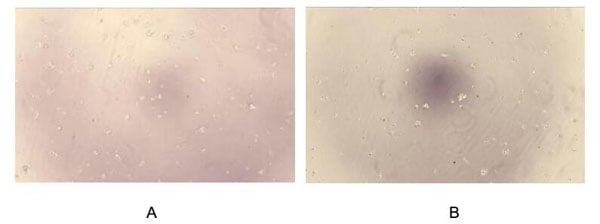 Application Data
(Figure. Cell proliferation of Jurkat cells after stimulated with IL1a.Interleukin 1 alpha (IL1) also known as hematopoietin 1 is a cytokine of the interleukin 1 family that in humans is encoded by the IL1A gene. IL1 is produced mainly by activated macrophages, as well as neutrophils, epithelial cells, and endothelial cells. It possesses metabolic, physiological, haematopoietic activities, and plays one of the central roles in the regulation of the immune responses. It binds to the interleukin-1 receptor. It is on the pathway that activates tumor necrosis factor-alpha. To test the effect of IL1a on cell proliferation, Jurkat cells were seeded into triplicate wells of 96-well plates at a density of 2,000 cells/well with 2% serum standard 1640 including various concentrations of recombinant human IL1a. After incubated for 96h, cells were observed by inverted microscope and cell proliferation was measured by Cell Counting Kit-8 (CCK-8). Briefly, 10uL of CCK-8 solution was added to each well of the plate, then the absorbance at 450nm was measured using a microplate reader after incubating the plate for 1-4 hours at 37. Proliferation of Jurkat cells after incubation with IL1a for 96h observed by inverted microscope was shown in Figure 1. Cell viability was assessed by CCK-8 (Cell Counting Kit-8) assay after incubation with recombinant IL1a for 96h. The result was shown in Figure 2. It was obvious that IL1a significantly increased cell viability of Jurkat cells.(A) Jurkat cells cultured in 1640, stimulated with 10ng/mL IL1a for 96h; (B) Unstimulated Jurkat cells cultured in1640 for 96h.)
Application Data
(Figure. Cell proliferation of Jurkat cells after stimulated with IL1a.Interleukin 1 alpha (IL1) also known as hematopoietin 1 is a cytokine of the interleukin 1 family that in humans is encoded by the IL1A gene. IL1 is produced mainly by activated macrophages, as well as neutrophils, epithelial cells, and endothelial cells. It possesses metabolic, physiological, haematopoietic activities, and plays one of the central roles in the regulation of the immune responses. It binds to the interleukin-1 receptor. It is on the pathway that activates tumor necrosis factor-alpha. To test the effect of IL1a on cell proliferation, Jurkat cells were seeded into triplicate wells of 96-well plates at a density of 2,000 cells/well with 2% serum standard 1640 including various concentrations of recombinant human IL1a. After incubated for 96h, cells were observed by inverted microscope and cell proliferation was measured by Cell Counting Kit-8 (CCK-8). Briefly, 10uL of CCK-8 solution was added to each well of the plate, then the absorbance at 450nm was measured using a microplate reader after incubating the plate for 1-4 hours at 37. Proliferation of Jurkat cells after incubation with IL1a for 96h observed by inverted microscope was shown in Figure 1. Cell viability was assessed by CCK-8 (Cell Counting Kit-8) assay after incubation with recombinant IL1a for 96h. The result was shown in Figure 2. It was obvious that IL1a significantly increased cell viability of Jurkat cells.(A) Jurkat cells cultured in 1640, stimulated with 10ng/mL IL1a for 96h; (B) Unstimulated Jurkat cells cultured in1640 for 96h.)
Interleukin 1 Alpha, Active Protein (Cat# AAA150058)
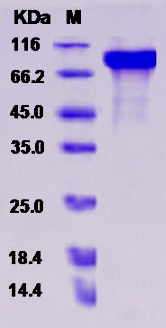 SDS-PAGE
HER4 / ErbB4, Active Protein (Cat# AAA173601)
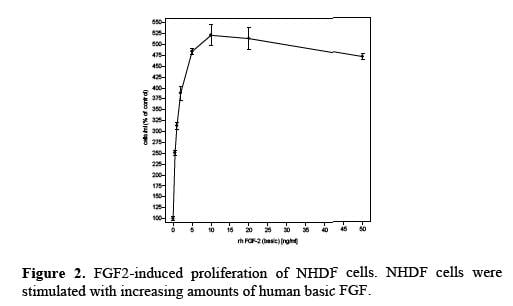
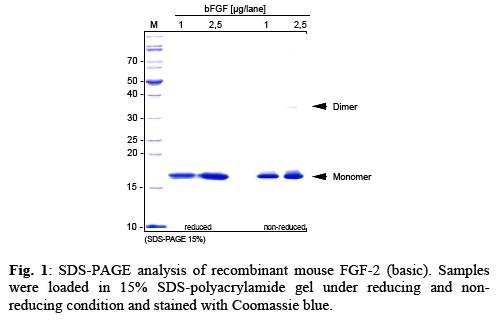
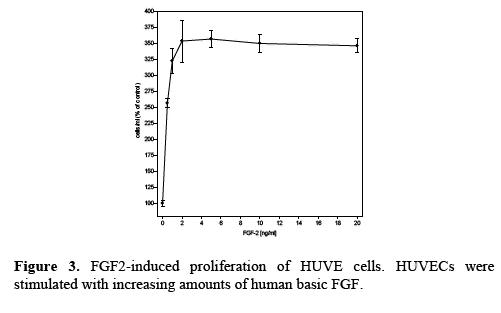 Application Data
FGF-2 (basic), Active Protein (Cat# AAA79213)
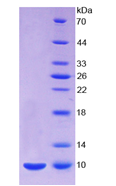
 Bioactivity
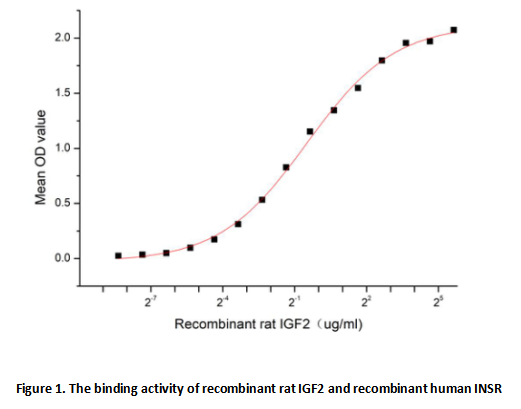
(Insulin-like growth factor 2 (IGF2) is one of three protein hormones that share structural similarity to insulin. It has growth-regulating, insulin-like and mitogenic activities.IGF2 exerts its effects by binding to the IGF-1 receptor and to the short isoform of the insulin receptor. IGF2 may also bind to the IGF2 receptor (also called the cation-independent mannose 6-phosphate receptor), which acts as a signalling antagonist; that is, to prevent IGF2 responses. Besides, Insulin Receptor (INSR) has been identified as an interactor of IGF2, thus a functional binding ELISA assay was conducted to detect the interaction of recombinant rat IGF2 and recombinant human INSR. Briefly, IGF2 were diluted serially in PBS, with 0.01% BSA (pH 7.4). Duplicate samples of 100 ul were then transferred to INSR-coated microtiter wells and incubated for 2h at 37 degree C. Wells were washed with PBST and incubated for 1h with anti-IGF2 pAb, then aspirated and washed 3 times. After incubation with HRP labelled secondary antibody, wells were aspirated and washed 5 times. With the addition of substrate solution, wells were incubated 15-25 minutes at 37 degree C. Finally, add 50uL stop solution to the wells and read at 450 nm immediately. The binding activity of recombinant rat IGF2 and recombinant human INSR was shown in Figure 1, the EC50 for this effect is 0.71 ug/mL.)
Bioactivity
(Insulin-like growth factor 2 (IGF2) is one of three protein hormones that share structural similarity to insulin. It has growth-regulating, insulin-like and mitogenic activities.IGF2 exerts its effects by binding to the IGF-1 receptor and to the short isoform of the insulin receptor. IGF2 may also bind to the IGF2 receptor (also called the cation-independent mannose 6-phosphate receptor), which acts as a signalling antagonist; that is, to prevent IGF2 responses. Besides, Insulin Receptor (INSR) has been identified as an interactor of IGF2, thus a functional binding ELISA assay was conducted to detect the interaction of recombinant rat IGF2 and recombinant human INSR. Briefly, IGF2 were diluted serially in PBS, with 0.01% BSA (pH 7.4). Duplicate samples of 100 ul were then transferred to INSR-coated microtiter wells and incubated for 2h at 37 degree C. Wells were washed with PBST and incubated for 1h with anti-IGF2 pAb, then aspirated and washed 3 times. After incubation with HRP labelled secondary antibody, wells were aspirated and washed 5 times. With the addition of substrate solution, wells were incubated 15-25 minutes at 37 degree C. Finally, add 50uL stop solution to the wells and read at 450 nm immediately. The binding activity of recombinant rat IGF2 and recombinant human INSR was shown in Figure 1, the EC50 for this effect is 0.71 ug/mL.)
Insulin Like Growth Factor 2 (IGF2), Active Protein (Cat# AAA161672)
 Application Data
(Measured by its binding ability in a functional ELISA. Immobilized mouse TEK-His at 10 ug/ml (100 ul/well) can bind human Ang2-Fc with a linear range of 6.25-200 ng/ml.)
Application Data
(Measured by its binding ability in a functional ELISA. Immobilized mouse TEK-His at 10 ug/ml (100 ul/well) can bind human Ang2-Fc with a linear range of 6.25-200 ng/ml.)
TIE2, Active Protein (Cat# AAA258224)
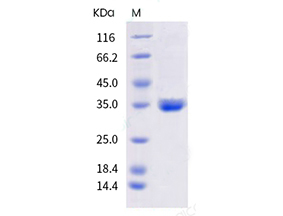
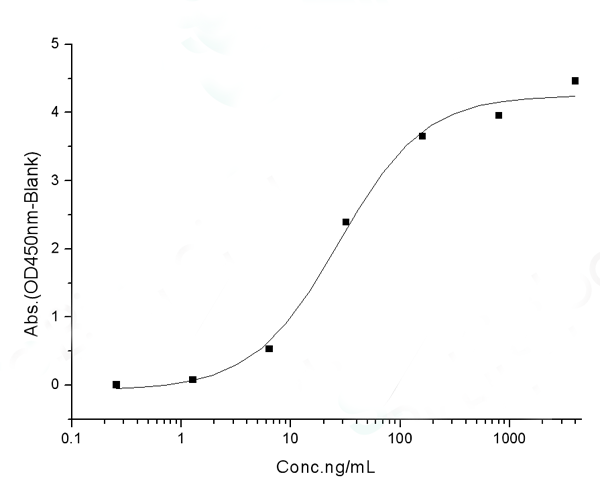 Application Data
(Measured by its binding ability in a functional ELISA. Immobilized human ACE2 protein (Fc tag) at 2 ug/mL (100 uL/well) can bind SARS-CoV-2 (2019-nCoV) Spike RBD(K417N, E484K, N501Y)-His (40592-V08H85), the EC50 of SARS-CoV-2 (2019-nCoV) Spike RBD(K417N, E484K, N501Y)-His (40592-V08H85) is 5-40 ng/mL.)
Application Data
(Measured by its binding ability in a functional ELISA. Immobilized human ACE2 protein (Fc tag) at 2 ug/mL (100 uL/well) can bind SARS-CoV-2 (2019-nCoV) Spike RBD(K417N, E484K, N501Y)-His (40592-V08H85), the EC50 of SARS-CoV-2 (2019-nCoV) Spike RBD(K417N, E484K, N501Y)-His (40592-V08H85) is 5-40 ng/mL.)
COVID 19 Spike RBD(K417N, E484K, N501Y)-His Coronavirus, Active Protein (Cat# AAA258106)
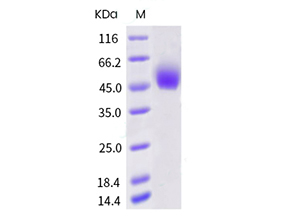
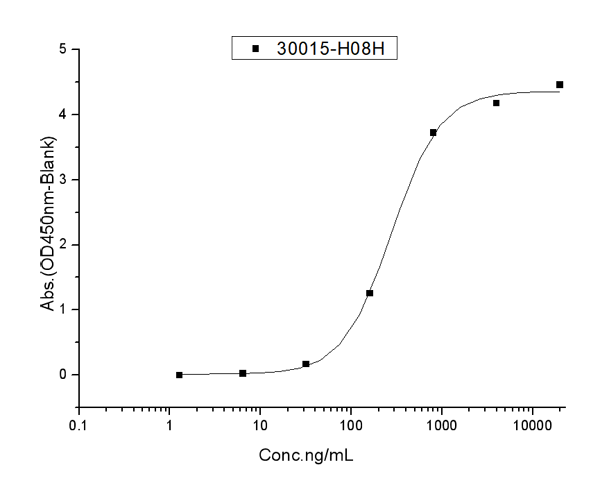 Application Data
(Measured by its binding ability in a functional ELISA. Immobilized human CD47 at 2 ug/ml (100 ul/well) can bind human SIRPa(V8)-His, the EC50 of human SIRPa(V8)-His is 150-500 ng/mL.)
Application Data
(Measured by its binding ability in a functional ELISA. Immobilized human CD47 at 2 ug/ml (100 ul/well) can bind human SIRPa(V8)-His, the EC50 of human SIRPa(V8)-His is 150-500 ng/mL.)
SIRP alpha, Active Protein (Cat# AAA258064)

 Application Data
(Measure by its ability to bind with human NRG1-beta1 in a functional ELISA.)
Application Data
(Measure by its ability to bind with human NRG1-beta1 in a functional ELISA.)
HER3/ERBB3, Active Protein (Cat# AAA257844)
 Application Data
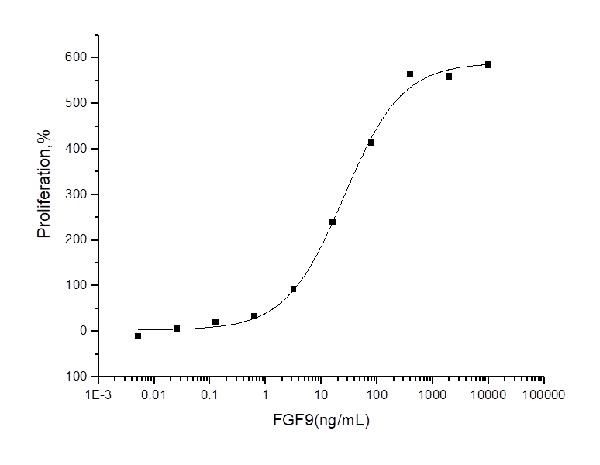
(Measured in a cell proliferation assay using Balb/c 3T3 mouse embryonic fibroblasts. The ED50 for this effect is typically 10-60 ng/mL.)
Application Data
(Measured in a cell proliferation assay using Balb/c 3T3 mouse embryonic fibroblasts. The ED50 for this effect is typically 10-60 ng/mL.)
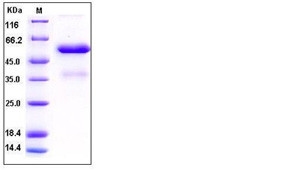
FGF9, Active Protein (Cat# AAA257859)
 SDS-PAGE
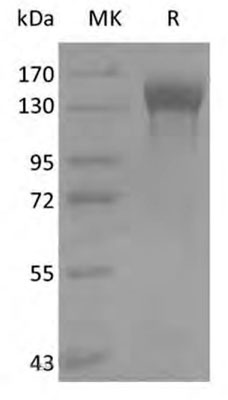
COVID 19 Spike S1 Protein Coronavirus, Active Protein (Cat# AAA176997)
 Bioactivity
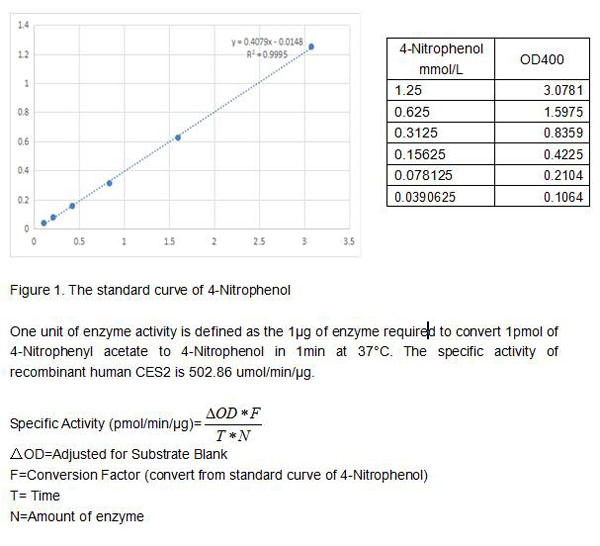
(Carboxylesterase 2 (CES2) is a member of serine esterase family which can hydrolyze ester and amide bonds. The protein Involved in the detoxification of xenobiotics and in the activation of ester and amide prodrugs. Hydrolyzes aromatic and aliphatic ester)
Bioactivity
(Carboxylesterase 2 (CES2) is a member of serine esterase family which can hydrolyze ester and amide bonds. The protein Involved in the detoxification of xenobiotics and in the activation of ester and amide prodrugs. Hydrolyzes aromatic and aliphatic ester)
Carboxylesterase 2 (CES2), Active Protein (Cat# AAA153132)
 Bioactivity
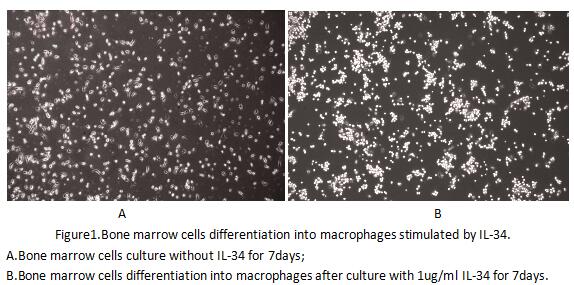
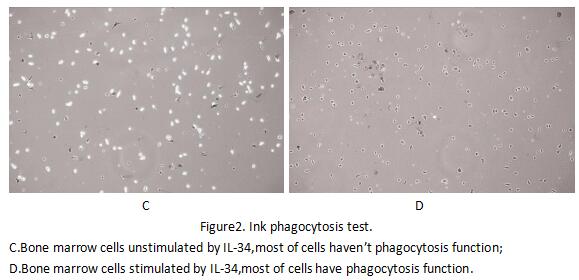
(Figure 2. Ink phagocytosis test.)
Bioactivity
(Figure 2. Ink phagocytosis test.)
Interleukin 34 (IL34), Active Protein (Cat# AAA153108)
 Bioactivity
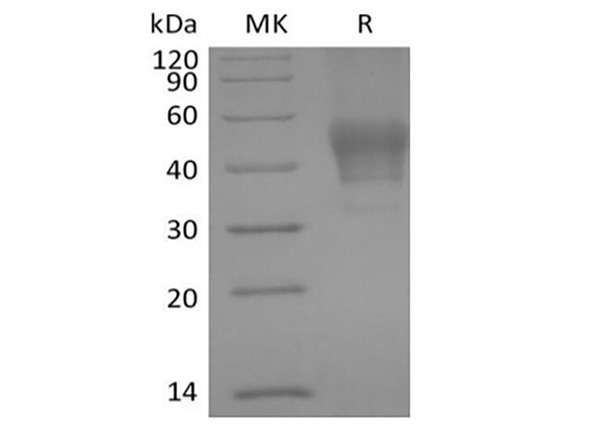
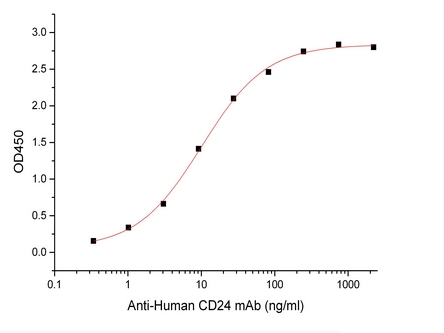
Signal Transducer CD24/CD24, Active Protein (Cat# AAA177953)
 Bioactivity
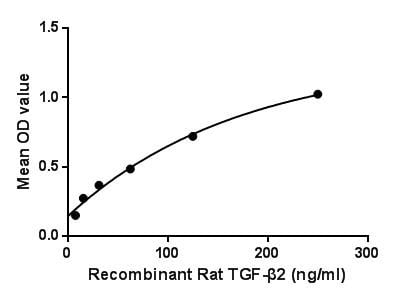
(Transforming growth factor-beta 2 (TGF-2) is a secreted protein known as a cytokine that performs many cellular functions and has a vital role during embryonic development (alternative names: Glioblastoma-derived T-cell suppressor factor, G-TSF, BSC-1 cell growth inhibitor, Polyergin, Cetermin). It is an extracellular glycosylated protein. It is known to suppress the effects of interleukin dependent T-cell tumors. Besides, Vitronectin (VTN) has been identified as an interactor of TGF-2, thus a binding ELISA assay was conducted to detect the interaction of recombinant rat TGF-2 and recombinant rat VTN. Briefly, TGF-2 were diluted serially in PBS, with 0.01% BSA (pH 7.4). Duplicate samples of 100L were then transferred to VTN-coated microtiter wells and incubated for 2h at 37. Wells were washed with PBST and incubated for 1h with anti-TGF-2 pAb, then aspirated and washed 3 times. After incubation with HRP labelled secondary antibody, wells were aspirated and washed 3 times. With the addition of substrate solution, wells were incubated 15-25 minutes at 37. Finally, add 50uL stop solution to the wells and read at 450nm immediately. The binding activity of TGF-2 and VTN was shown in Figure 1, and this effect was in a dose dependent manner.Figure. The binding activity of TGF-2 with VTN.)
Bioactivity
(Transforming growth factor-beta 2 (TGF-2) is a secreted protein known as a cytokine that performs many cellular functions and has a vital role during embryonic development (alternative names: Glioblastoma-derived T-cell suppressor factor, G-TSF, BSC-1 cell growth inhibitor, Polyergin, Cetermin). It is an extracellular glycosylated protein. It is known to suppress the effects of interleukin dependent T-cell tumors. Besides, Vitronectin (VTN) has been identified as an interactor of TGF-2, thus a binding ELISA assay was conducted to detect the interaction of recombinant rat TGF-2 and recombinant rat VTN. Briefly, TGF-2 were diluted serially in PBS, with 0.01% BSA (pH 7.4). Duplicate samples of 100L were then transferred to VTN-coated microtiter wells and incubated for 2h at 37. Wells were washed with PBST and incubated for 1h with anti-TGF-2 pAb, then aspirated and washed 3 times. After incubation with HRP labelled secondary antibody, wells were aspirated and washed 3 times. With the addition of substrate solution, wells were incubated 15-25 minutes at 37. Finally, add 50uL stop solution to the wells and read at 450nm immediately. The binding activity of TGF-2 and VTN was shown in Figure 1, and this effect was in a dose dependent manner.Figure. The binding activity of TGF-2 with VTN.)
Transforming Growth Factor Beta 2, Active Protein (Cat# AAA150085)
 Bioactivity
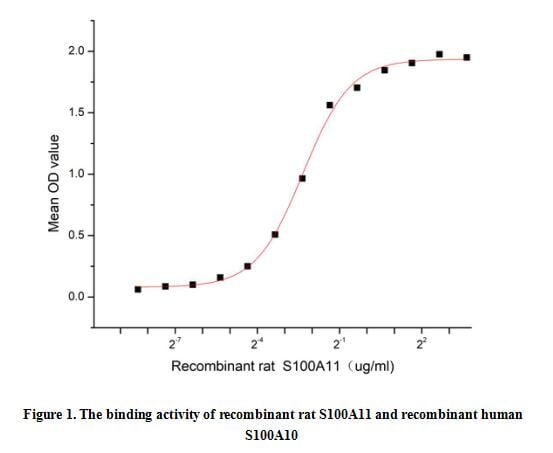
(S100 Calcium Binding Protein A11 (S100A11) is a member of the S100 calcium-binding protein family, it contains two EF-hand calcium-binding motifs and shares 82% amino acid sequence identity with mouse and rat S100A11. S100 proteins are localized in the cytoplasm and nucleus of a wide range of cells, and involved in the regulation of a number of cellular processes such as cell cycle progression and differentiation. This protein may function in motility, invasion and tubulin polymerization. Besides, S100 Calcium Binding Protein A10 (S100A10) has been identified as an interactor of S100A11, thus a functional binding ELISA assay was conducted to detect the interaction of recombinant rat S100A11 and recombinant human S100A10. Briefly, S100A11 was diluted serially in PBS with 0.01% BSA (pH 7.4). Duplicate samples of 100 ul were then transferred to S100A10-coated microtiter wells and incubated for 1h at 37 degree C. Wells were washed with PBST and incubated for 1h with anti-S100A11 pAb, then aspirated and washed 3 times. After incubation with HRP labelled secondary antibody for 1h at 37 degree C, wells were aspirated and washed 5 times. With the addition of substrate solution, wells were incubated 15-25 minutes at 37 degree C. Finally, add 50 ul stop solution to the wells and read at 450/630 nm immediately. The binding activity of recombinant rat S100A11 and recombinant human S100A10 was shown in Figure 1, the EC50 for this effect is 0.19 ug/ml.)
Bioactivity
(S100 Calcium Binding Protein A11 (S100A11) is a member of the S100 calcium-binding protein family, it contains two EF-hand calcium-binding motifs and shares 82% amino acid sequence identity with mouse and rat S100A11. S100 proteins are localized in the cytoplasm and nucleus of a wide range of cells, and involved in the regulation of a number of cellular processes such as cell cycle progression and differentiation. This protein may function in motility, invasion and tubulin polymerization. Besides, S100 Calcium Binding Protein A10 (S100A10) has been identified as an interactor of S100A11, thus a functional binding ELISA assay was conducted to detect the interaction of recombinant rat S100A11 and recombinant human S100A10. Briefly, S100A11 was diluted serially in PBS with 0.01% BSA (pH 7.4). Duplicate samples of 100 ul were then transferred to S100A10-coated microtiter wells and incubated for 1h at 37 degree C. Wells were washed with PBST and incubated for 1h with anti-S100A11 pAb, then aspirated and washed 3 times. After incubation with HRP labelled secondary antibody for 1h at 37 degree C, wells were aspirated and washed 5 times. With the addition of substrate solution, wells were incubated 15-25 minutes at 37 degree C. Finally, add 50 ul stop solution to the wells and read at 450/630 nm immediately. The binding activity of recombinant rat S100A11 and recombinant human S100A10 was shown in Figure 1, the EC50 for this effect is 0.19 ug/ml.)
S100 Calcium Binding Protein A11 (S100A11), Active Protein (Cat# AAA161749)
 Bioactivity
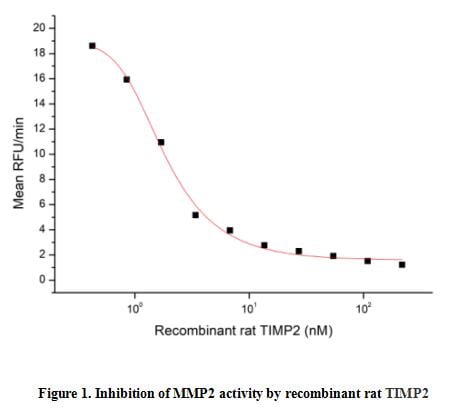
(Tissue inhibitors of metalloproteinases or TIMPs are a family of proteins that regulate the activation and proteolytic activity of the zinc enzymes known as matrix metalloproteinases (MMPs). There are four members of the family, TIMP-1, TIMP-2, TIMP-3, and TIMP-4. TIMP-2 is a non N-glycosylated protein with a molecular mass of 22 kDa produced by a wide range of cell types, which inhibits MMPs non-covalently by the formation of binary complexes. TIMP-2 also has erythroidpotentiating and cell growth promoting activities. The activity of recombinant rat TIMP2 was measured by its ability to inhibit rhMMP2 cleavage of a fluorogenic peptide substrate MCA-Pro-Leu-Gly-Leu-DPA-Ala-Arg-NH2 in the assay buffer 50 mM Tris, 10 mM CaCl2, 150 mM NaCl, 0.05% (w/v) Brij-35, pH 7.5. rhMMP2 was diluted to 100 ug/ml and activated with 1 mM APMA at 37 degree C for 1 hour and rrTIMP2 (MW: 22.98 KD) was diluted to different concentrations with the assay buffer. Mix 8 ul of rrTIMP2 curve dilutions, 12.8 ul of activated rhMMP-2, and 59.2 ul of assay buffer, including a control containing assay buffer and the diluted rhMMP-2 and incubate the reactions for 2 hours at 37 degree C. Loading 50 ul of the incubated mixtures which were diluted five-fold in assay buffer into empty wells of a plate, and start the reaction by adding 50 ul of 20 uM substrate. Include a substrate blank containing 50 ul of assay buffer and 50 ul of 20 uM substrate. Then read at excitiation and emission wavelengths of 320 nm and 405 nm, respectively, in kinetic mode for 5 minutes. The result was shown in Figure 1 and it was obvious that recombinant rat TIMP2 significantly decreased rhMMP2 activity. The inhibition IC50 was )
Bioactivity
(Tissue inhibitors of metalloproteinases or TIMPs are a family of proteins that regulate the activation and proteolytic activity of the zinc enzymes known as matrix metalloproteinases (MMPs). There are four members of the family, TIMP-1, TIMP-2, TIMP-3, and TIMP-4. TIMP-2 is a non N-glycosylated protein with a molecular mass of 22 kDa produced by a wide range of cell types, which inhibits MMPs non-covalently by the formation of binary complexes. TIMP-2 also has erythroidpotentiating and cell growth promoting activities. The activity of recombinant rat TIMP2 was measured by its ability to inhibit rhMMP2 cleavage of a fluorogenic peptide substrate MCA-Pro-Leu-Gly-Leu-DPA-Ala-Arg-NH2 in the assay buffer 50 mM Tris, 10 mM CaCl2, 150 mM NaCl, 0.05% (w/v) Brij-35, pH 7.5. rhMMP2 was diluted to 100 ug/ml and activated with 1 mM APMA at 37 degree C for 1 hour and rrTIMP2 (MW: 22.98 KD) was diluted to different concentrations with the assay buffer. Mix 8 ul of rrTIMP2 curve dilutions, 12.8 ul of activated rhMMP-2, and 59.2 ul of assay buffer, including a control containing assay buffer and the diluted rhMMP-2 and incubate the reactions for 2 hours at 37 degree C. Loading 50 ul of the incubated mixtures which were diluted five-fold in assay buffer into empty wells of a plate, and start the reaction by adding 50 ul of 20 uM substrate. Include a substrate blank containing 50 ul of assay buffer and 50 ul of 20 uM substrate. Then read at excitiation and emission wavelengths of 320 nm and 405 nm, respectively, in kinetic mode for 5 minutes. The result was shown in Figure 1 and it was obvious that recombinant rat TIMP2 significantly decreased rhMMP2 activity. The inhibition IC50 was )
Tissue Inhibitors Of Metalloproteinase 2 (TIMP2), Active Protein (Cat# AAA161699)
 Application Data
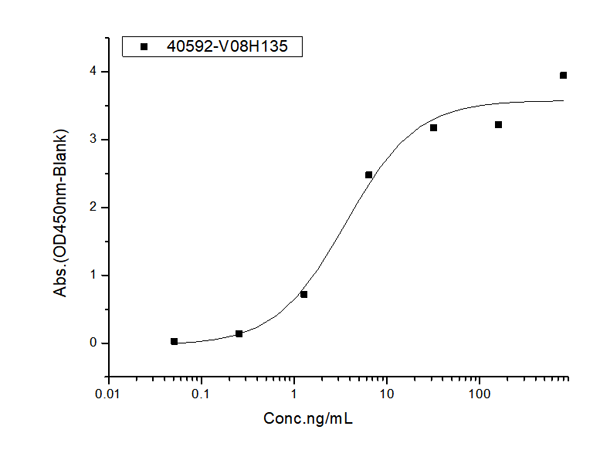
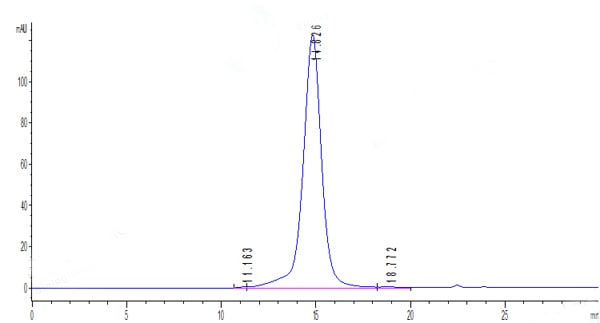
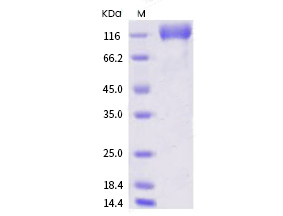
(Immobilized ACE2 Protein, Human, Recombinant (mFc Tag)(Cat:10108-H05H) at 2 ug/mL (100 uL/well) can bind Recombinant SARS-CoV-2 (BA.2.75) Spike RBD Protein (His Tag)(Cat:AAA258568), the EC50 is 3-10ng/mL.)
Application Data
(Immobilized ACE2 Protein, Human, Recombinant (mFc Tag)(Cat:10108-H05H) at 2 ug/mL (100 uL/well) can bind Recombinant SARS-CoV-2 (BA.2.75) Spike RBD Protein (His Tag)(Cat:AAA258568), the EC50 is 3-10ng/mL.)
COVID 19 (BA.2.75) Spike RBD Coronavirus, Active Protein (Cat# AAA258568)
 Application Data
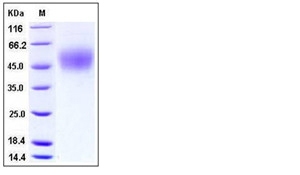
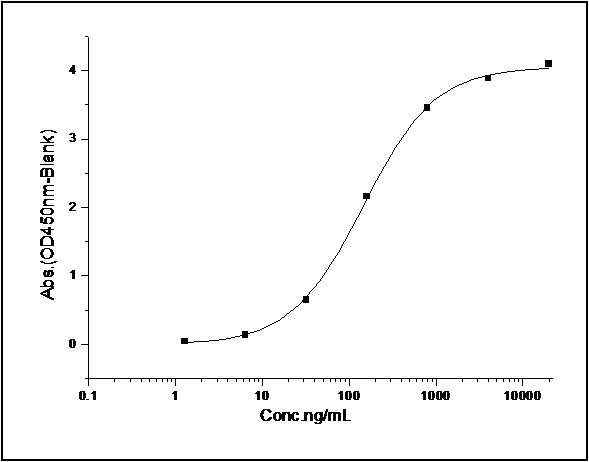
(Measured by its binding ability in a functional ELISA. Immobilized human ACE2 protein (Fc tag)(10108-H05H) at 2 ug/mL (100 uL/well) can bind SARS-CoV-2 (2019-nCoV) Spike S1-AVI & His Recombinant Protein, Biotinylated (40591-V27H-B),the EC50 of SARS-CoV-2 (2019-nCoV) Spike S1-AVI & His Recombinant Protein, Biotinylated (40591-V27H-B) is 400-800 ng/mL.)
Application Data
(Measured by its binding ability in a functional ELISA. Immobilized human ACE2 protein (Fc tag)(10108-H05H) at 2 ug/mL (100 uL/well) can bind SARS-CoV-2 (2019-nCoV) Spike S1-AVI & His Recombinant Protein, Biotinylated (40591-V27H-B),the EC50 of SARS-CoV-2 (2019-nCoV) Spike S1-AVI & His Recombinant Protein, Biotinylated (40591-V27H-B) is 400-800 ng/mL.)
COVID 19 Spike S1-AVI & His Coronavirus, Active Protein (Cat# AAA258092)
 Application Data
(Measured by its binding ability in a functional ELISA. Immobilized mouse B7-H2 at 1 ug/ml (100 ul/well) can bind human ICOS with a linear range of 40-1000 ng/ml.)
Application Data
(Measured by its binding ability in a functional ELISA. Immobilized mouse B7-H2 at 1 ug/ml (100 ul/well) can bind human ICOS with a linear range of 40-1000 ng/ml.)
ICOS ligand, Active Protein (Cat# AAA258141)
 Bioactivity
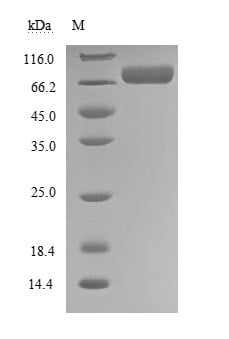
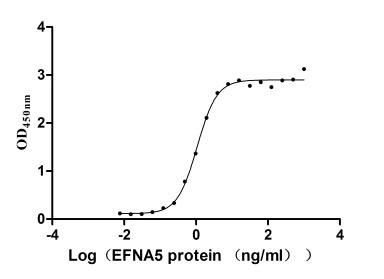
Ephrin Type-A Receptor 3 (EPHA3), Active Protein (Cat# AAA243729)
 Bioactivity
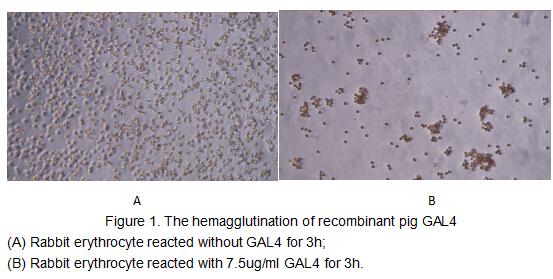
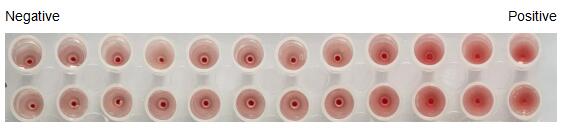
(Figure 2. The hemagglutination assay of GAL4 in V- bottom shaped 96-well microtiter plate.)
Bioactivity
(Figure 2. The hemagglutination assay of GAL4 in V- bottom shaped 96-well microtiter plate.)
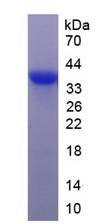
Galectin 4 (GAL4), Active Protein (Cat# AAA153018)
 Bioactivity
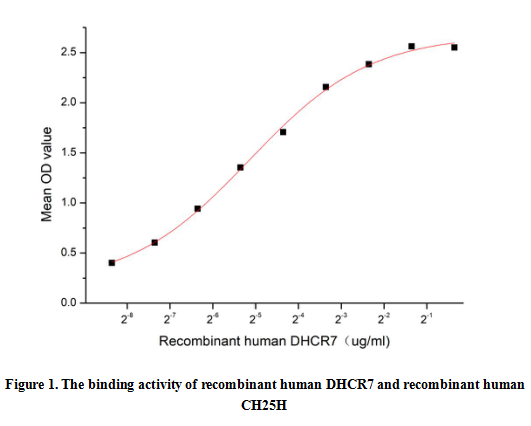
(DHCR7 (7-dehydrocholesterol reductase) is a rate-limiting enzyme in cholesterol synthesis, which is mainly involved in the conversion of 7-dehydrocholesterol (7-DHC) to cholesterol. In the cholesterol biosynthetic pathway, this protease can reduce the C7-)
Bioactivity
(DHCR7 (7-dehydrocholesterol reductase) is a rate-limiting enzyme in cholesterol synthesis, which is mainly involved in the conversion of 7-dehydrocholesterol (7-DHC) to cholesterol. In the cholesterol biosynthetic pathway, this protease can reduce the C7-)
7-Dehydrocholesterol Reductase (DHCR7), Active Protein (Cat# AAA153112)
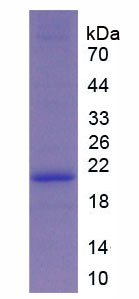 SDS-PAGE
Collagen Type VI Alpha 1 (COL6a1), Active Protein (Cat# AAA149257)
What Are Active Proteins?
Proteins are large molecules made up of long chains of amino acids. They will typically fold into a very particular 3-dimensional shape/conformation, that is sometimes referred to as their “native” form, which allows them to work properly in the body. For the purposes of product categorization, AAA Biotech will typically refer to proteins purified from their original animal host as being “native” proteins (this is to signify their difference compared to their recombinant proteins or “synthetic” protein counterparts).
If a protein successfully folds into the correct shape, it will typically display high fidelity characteristics to its original protein in its original animal host and be classified as an active protein, as it will be able to function “normally” in most enzymatic or binding capacities. If it loses this shape, due to factors such as heat or strong chemicals (such as detergents), it becomes inactive and is no longer able to perform its basic functions.
All of the proteins in this category are made under strict quality control, and they are active, pure, low in contaminants, and stable. Most are stored as freeze-dried powders and come without extra tags, so they’re very close to the actual natural/native form.
Learn more in our guide “How active proteins work”.
Key Applications of Active Proteins
1. Scientific Research
- Aid in the study of how proteins function in the body
- Aid in understanding various disease processes
2. Drug Development
- Powerful tools to investigate how potential drugs interact with specific proteins
- Ideal for identifying drug targets
3. Cell Culture
- Are routinely utilized to support cell growth and function (e.g., using exogenous growth factors)
- Can be used to promote cellular development into specific types (differentiation)
4. Diagnostics
- Regularly utilized in tests to detect diseases or infections (e.g., COVID-19, cancer)
- Note: All products are strictly for research-use only (RUO).
5. Therapeutics
- Some active proteins are used directly as treatments (e.g., insulin, enzymes)
- Note: All products are strictly for research-use only (RUO).
6. Vaccine Development
- Used to create or test vaccines by mimicking parts of viruses or bacteria
7. Biochemical Assays
- They can facilitate the characterization of enzyme activity, binding strength, or protein interactions in lab tests
Why Buy Active Proteins from AAA Biotech?
- High biological activity – Verified to perform as expected or indicated on datasheet
- Strict quality control – We are confident in our active proteins’ reliability and consistency
- High purity & low endotoxin – Ideal for applications involving sensitive or precious samples/components
- Freeze-dried for stability – Long shelf life and straightforward storage
- Mostly tag-free – Closer to natural/native protein form
FAQ
1. What are active proteins used for in research?
Active proteins are used primarily in the study of how proteins function, in characterizing/discovering drug interactions, supporting cell growth, running biochemical assays, and in development of diagnostics or therapeutics.
2. How are AAA Biotech's active proteins validated?
AAA Biotech’s active proteins are validated through strict quality control and functional assays to ensure they are properly folded and active. “Active”, though, can be an ambiguous term, so if a specific “activity” or “binding” capability of a protein is of crucial interest to you, please inquire with us prior to purchase, and we will provide further details on how the “Active” modifier was determined to be applicable.
3. Are these proteins tested for biological activity?
Yes, all active proteins from AAA Biotech are tested to confirm they have the expected biological activity before being offered for use. Though, said “biological activity” can be either “enzymatic”, “binding”, or both.